

There’s a version of California that doesn’t make the postcards.
No Hollywood sign, no Golden Gate fog, no packed boardwalks.
Just small towns where neighbors wave from porches and where the nearest stoplight might be twenty miles away.
These 20 towns are proof that California’s best-kept secret isn’t a place. It’s a pace.
Update 2026: Added more images.
1. Carmel Valley, Where the Vines Hush Everything
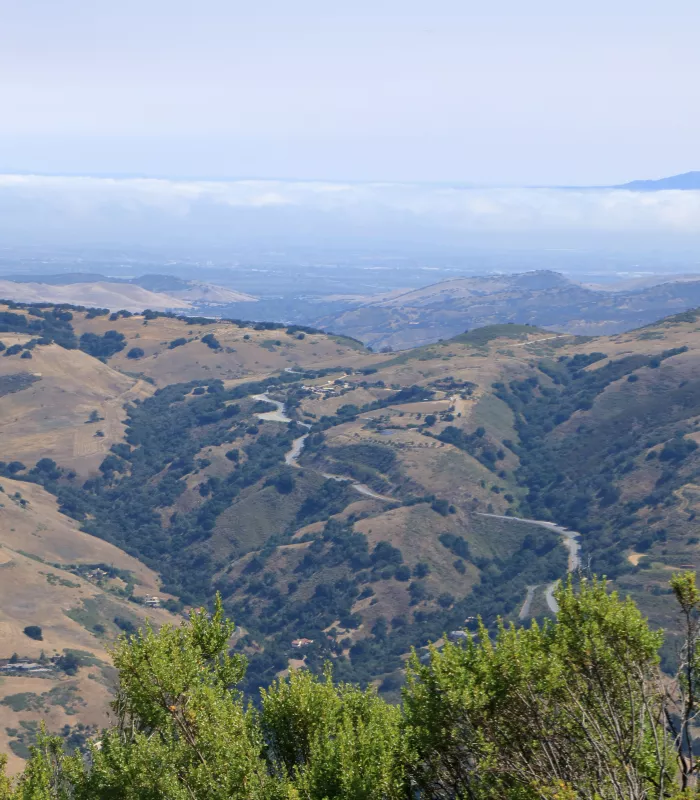
Carmel Valley is a tranquil retreat nestled in Monterey County. Known for its rolling hills, expansive vineyards, and a slower pace of life, it draws people seeking peace away from city bustle.
The region boasts a mild climate year-round, making it ideal for hiking and wine tasting in equal measure.
The community here is tight-knit. Local markets, artisan shops, and family-owned restaurants create a welcoming small-town vibe that feels genuinely rooted rather than curated.
Its proximity to well-regarded local institutions adds to its appeal for those considering relocation for a quieter life.
The low population density keeps ambient noise minimal, and on most mornings the loudest sound you’ll encounter is the wind moving through the valley oaks.
2. Ojai, Where the Mountains Do the Work
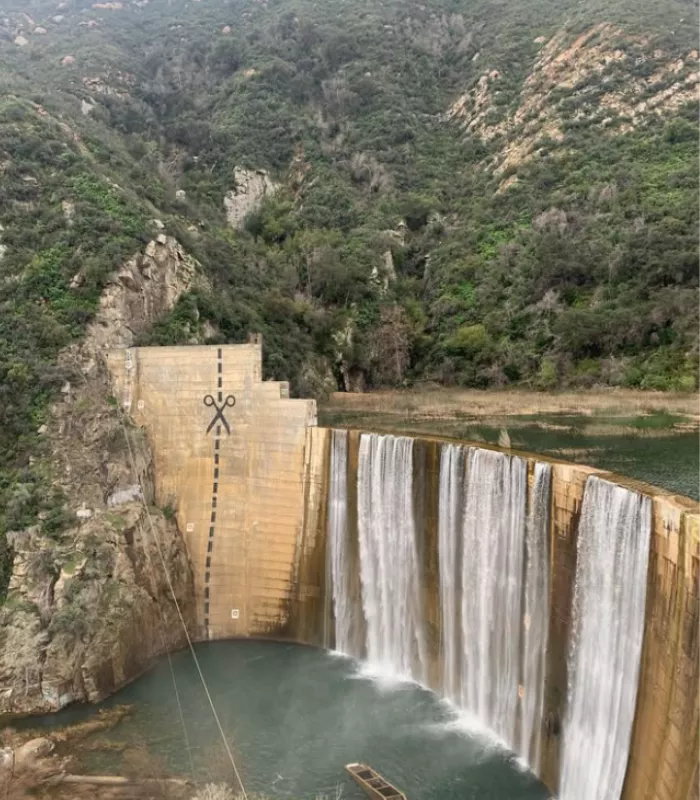
Located in Ventura County, Ojai earns its reputation for silence through geography as much as character. The town sits in a narrow valley with mountains on all sides, and those peaks don’t just provide views — they physically block sound from the outside world.
Its downtown is lined with Spanish Colonial architecture, giving it a charm that somehow manages to feel both polished and unhurried.
Ojai has a strong artistic community, with galleries, music festivals, and craft events scattered throughout the year.
The town is also known for its wellness scene, with spas and retreats that draw visitors specifically looking to decompress.
The Ojai Valley itself has a peculiar quality of light in the late afternoon, a phenomenon locals call the Pink Moment, when the mountains turn rose-gold at sunset and the whole valley seems to exhale.
The Geography Advantage: Ojai’s natural barriers and its long-standing artistic culture reinforce each other, creating a place where quiet is both physical and atmospheric.
3. Julian, Where Gold Rush Nostalgia Meets Dark Skies
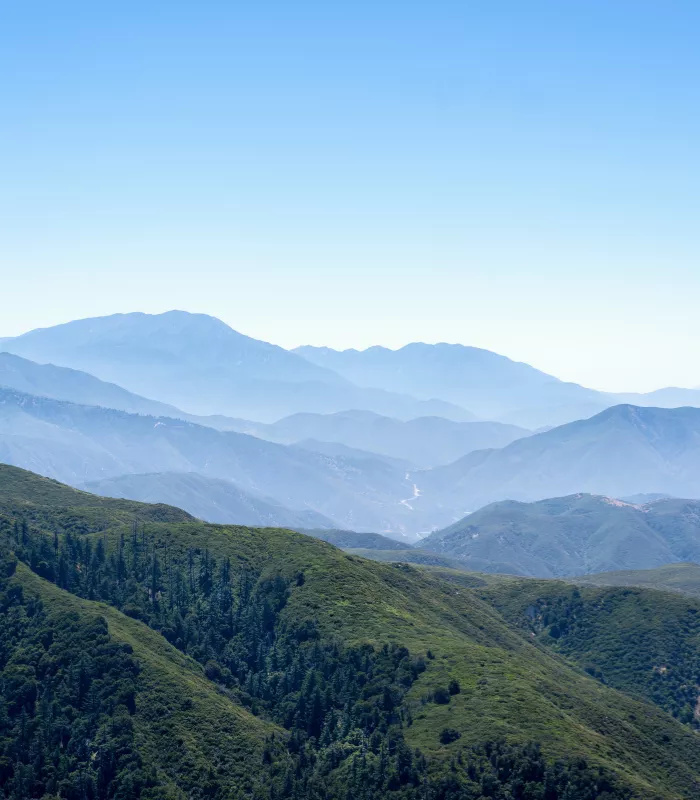
Julian sits in the heart of the Cuyamaca mountains and still trades heavily on its 19th-century gold mining past.
The town is famous for its apple pies and quaint country feel, making it a popular retreat for people in San Diego County who want a quiet getaway without a long drive.
Well-preserved buildings and local shops transport visitors convincingly back in time. It’s particularly quiet in the off-season, when the tourist crowds thin out and you can walk the main street on a Tuesday morning with almost no one around.
Julian is an excellent place for stargazing due to its clear skies and minimal light interference.
Seasonal Secret: Julian’s small population and historical atmosphere shape its quietness, but timing your visit for a weekday in winter makes the whole experience feel like a private discovery.
4. Avalon, The Town That Banned the Car
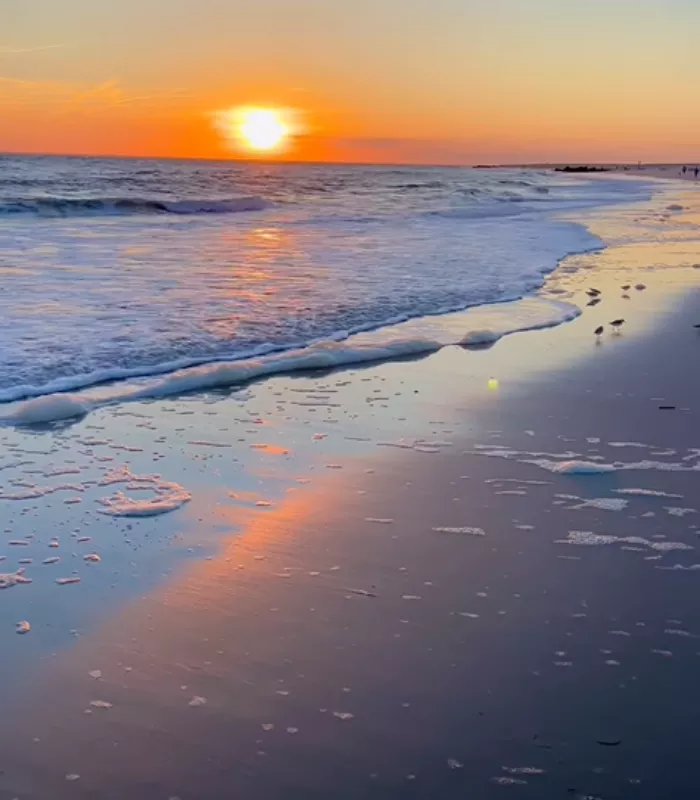
Avalon is the only incorporated city on Santa Catalina Island, and the mainland might as well be another country. Its picturesque harbor and quaint streets carry a Mediterranean vibe that feels transplanted from somewhere sunnier and slower.
Transportation here runs almost entirely on golf carts, which cuts traffic noise to near zero. The town is accessible only by ferry or helicopter, a logistical reality that keeps the population stable and the atmosphere remarkably calm. That restricted access shapes everything: the pace, the noise level, the sense that the rest of California is operating at a frequency Avalon has simply opted out of.
Why the Access Matters: Limited entry and minimal vehicle use aren’t just quirks of island life. They’re the structural reason Avalon stays as quiet as it does.
5. Ferndale, A Victorian Set Piece That Actually Functions
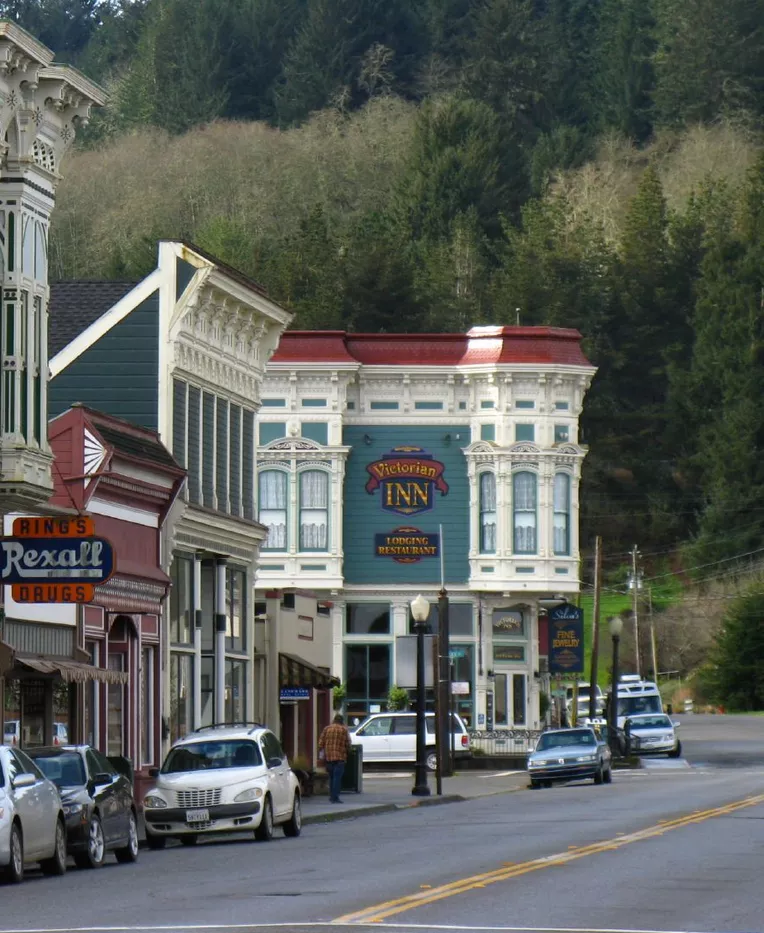
Ferndale is tucked into Humboldt County and surrounded by farmland and forest, which means the isolation is genuine rather than performed. Its well-preserved Victorian buildings aren’t a theme park recreation — they’re the actual town, still standing and still lived in.
The community values quiet living. Local events like parades and fairs strengthen bonds without drawing the kind of outside attention that would change the place. Ferndale is one of the few towns in California where the absence of major highways feels less like a limitation and more like a deliberate choice that stuck.
The Preservation Factor: Ferndale’s isolation and its commitment to keeping its historical fabric intact give it a quietness that’s been earned over generations.
6. Sierra City, Gateway Town That Kept Its Nerve
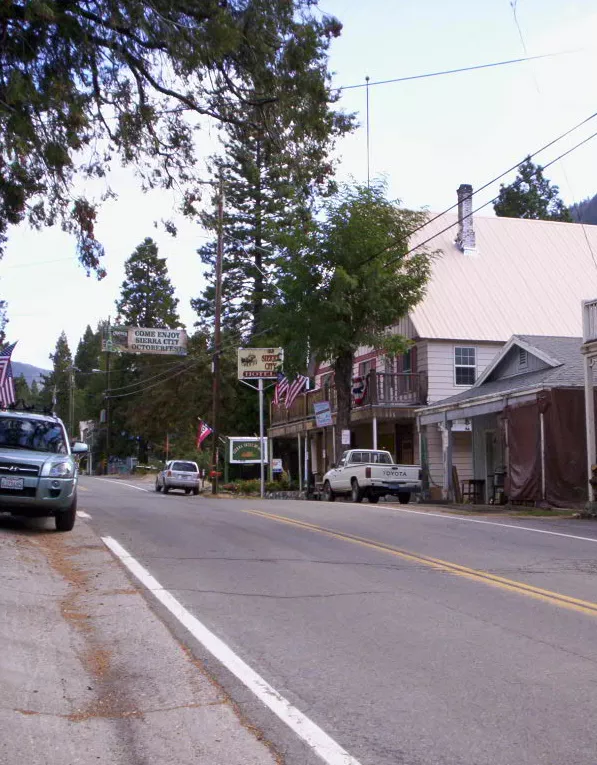
Sierra City sits high in the Sierra Nevada and functions as a launching point for outdoor adventures: hiking, fishing, boating in nearby lakes and rivers. The town is small enough that residents know each other, and community gatherings tend to be volunteer-driven and low-key.
The natural landscape wraps tightly around the town, providing a natural buffer from outside noise. Minimal traffic, high elevation, and a population that seems entirely at peace with its remoteness add up to something genuinely serene.
The Elevation Effect: Sierra City’s mountainous setting does a lot of the acoustic work, but the outdoor-first culture of its residents is what keeps the tone consistently peaceful.
7. Montecito, Old Money Quiet Done Right
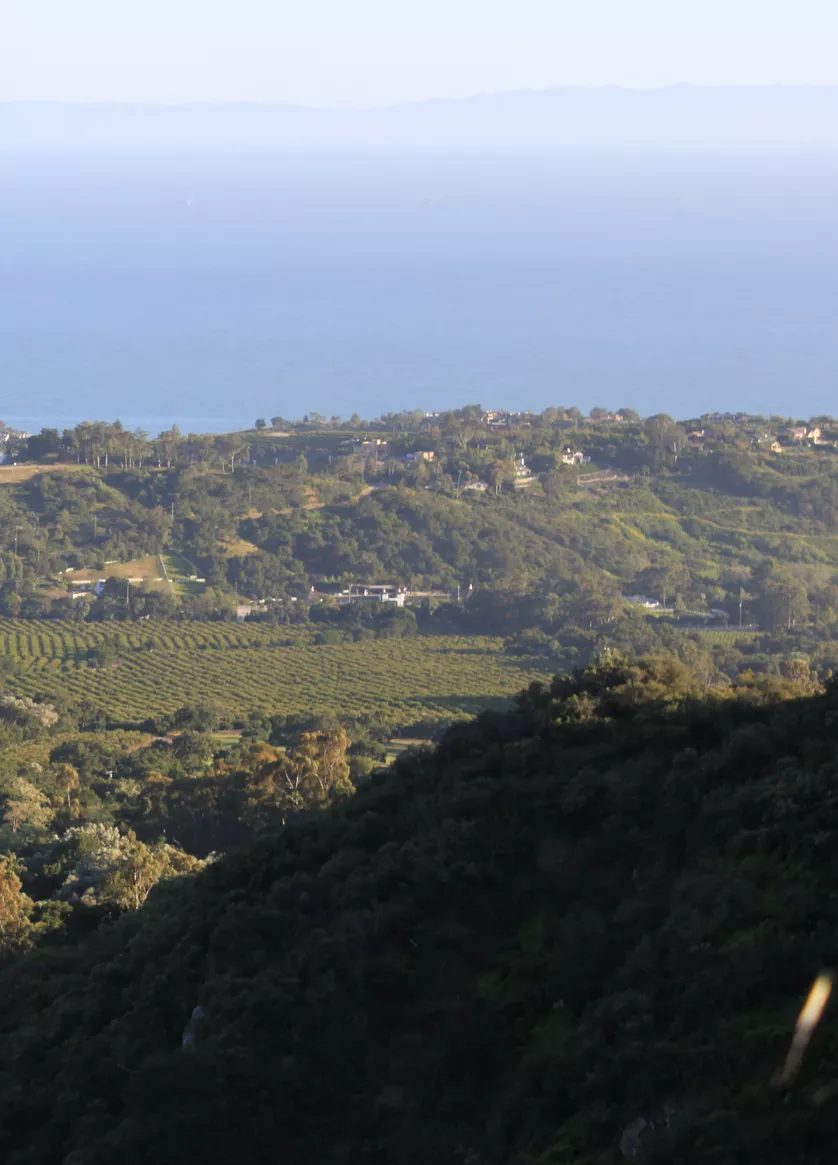
Montecito is an upscale community in Santa Barbara County, the kind of place where the hedges are tall enough to be architectural features. Lush landscapes and a strong emphasis on privacy give it an exclusive feel that’s less about exclusion and more about genuine seclusion.
Streets lined with mature trees absorb ambient sound in a way that’s almost architectural. The community takes pride in maintaining a calm atmosphere, and that shared value runs through everything from the landscaping to the pace of local commerce. Beautiful beaches and private properties round out what amounts to one of the most consistently serene addresses in the state.
The Seclusion Logic: Montecito’s secluded homes and carefully tended surroundings create layers of quiet, with each hedge and canopy tree contributing to a place that filters out the outside world.
8. Solvang, A Danish Village That Refused to Become a Caricature
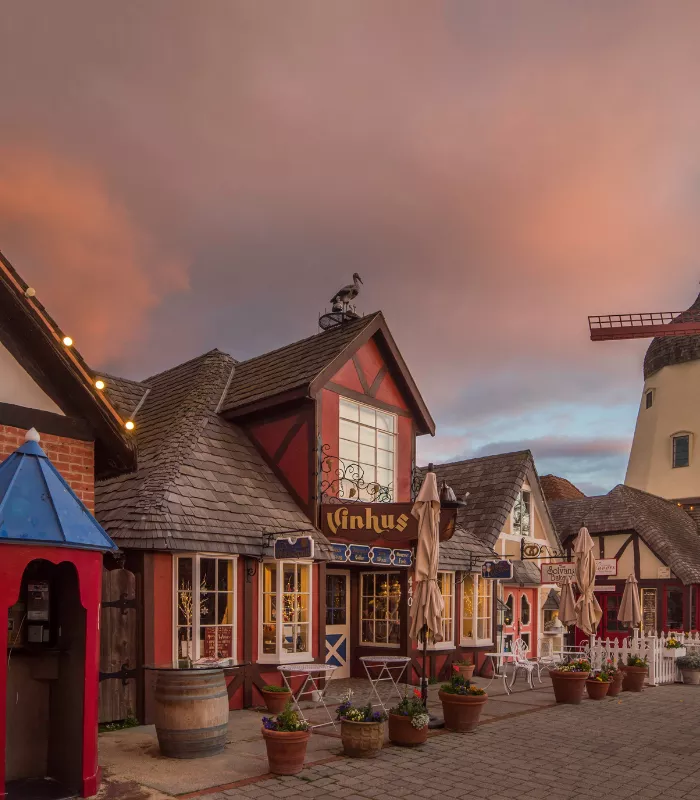
Solvang is a Danish-inspired town in the Santa Ynez Valley, and it walks a line that most themed towns never manage: it’s genuinely charming without tipping into kitsch. Windmills, half-timbered buildings, and bakeries offering authentic European pastries give it a visual coherence that feels considered rather than manufactured.
Despite being a tourist draw, Solvang keeps a peaceful rhythm through pedestrian-friendly streets and dedicated bike paths. The local businesses, including wineries and craft shops, pull in visitors who are drawn to the slow pace rather than repelled by it. That self-selection does a lot to keep the atmosphere intact.
Why It Works as a Quiet Town: Solvang’s pedestrian design and its cultural identity attract a specific kind of visitor, and that tends to keep the noise level lower than you’d expect from a place this well-known.
9. Mendocino, Fog and Redwoods as a Way of Life
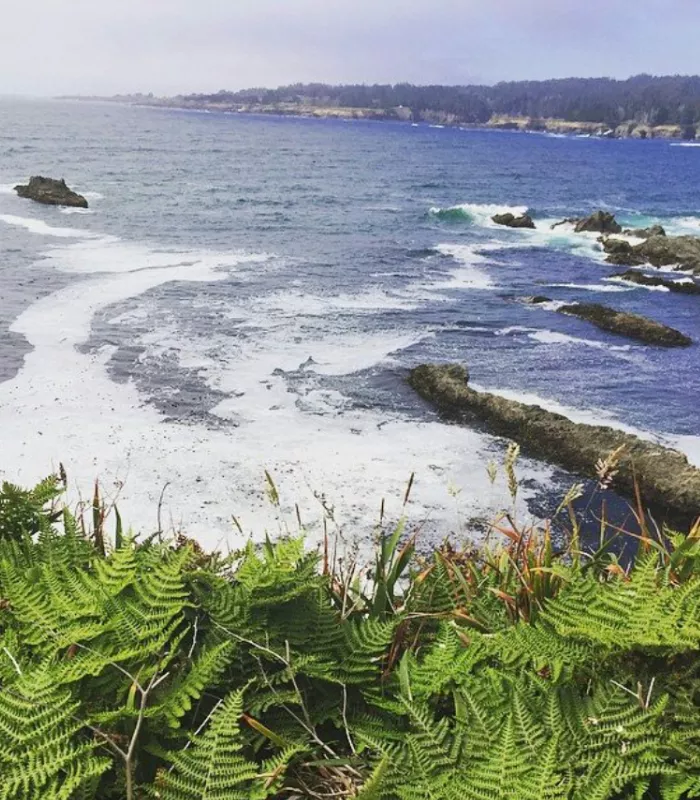
Mendocino sits on the Northern California coast where the Pacific meets the redwoods, and the landscape alone is enough to lower your voice. Historical buildings and breathtaking coastal scenery draw people looking for solitude and a slower creative rhythm.
The artsy community here expresses itself through local galleries, small theaters, and cultural festivals that celebrate the place without overwhelming it. Coastal fog rolls in regularly and wraps the town in something close to silence. The geographic isolation is real and intentional — this isn’t a town that ended up quiet by accident.
The Fog Factor: The natural and artistic seclusion of Mendocino work together. The fog dampens sound and the creative culture draws people who prefer contemplation over spectacle.
10. Mount Shasta, Where the Volcano Sets the Mood
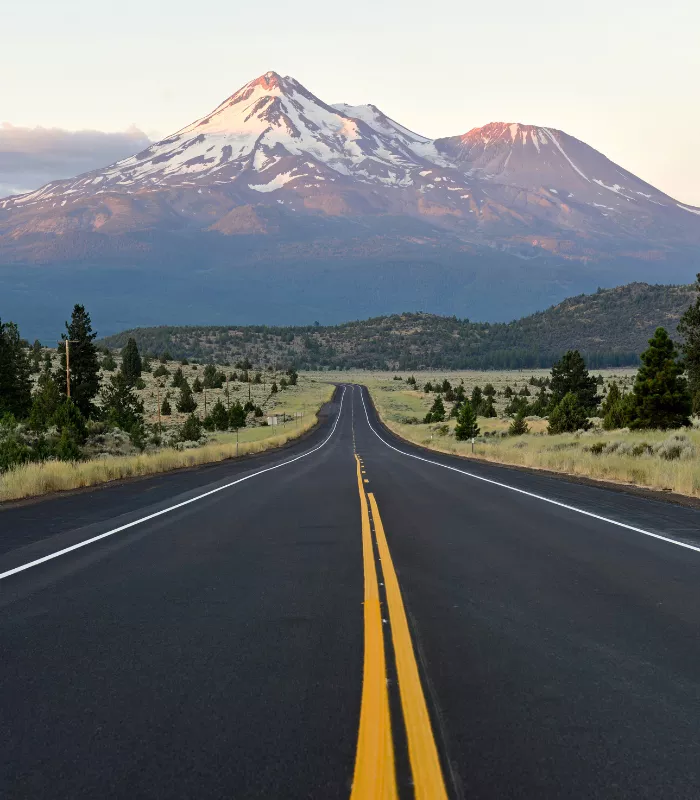
Some towns have a mountain nearby. Mount Shasta has a mountain that dominates every sightline, shapes the local weather, and seems to have generated its own spiritual gravity over the decades. The town at its base draws people seeking peace and personal renewal in roughly equal measure.
The community is small and diverse, with a shared commitment to the quiet that the location demands. Visitors come for meditation, yoga, and retreats, and that collective purpose reinforces the town’s unusually serene atmosphere. Whether you’re drawn to the hiking or to the more contemplative side of what the area offers, the mountain provides a constant and grounding backdrop.
The Spiritual Dimension: Mount Shasta’s quietude is partly geographic and partly cultural. The two have been feeding each other long enough that they’re now inseparable.
11. Grass Valley, Gold Rush Bones with a Live Music Heart
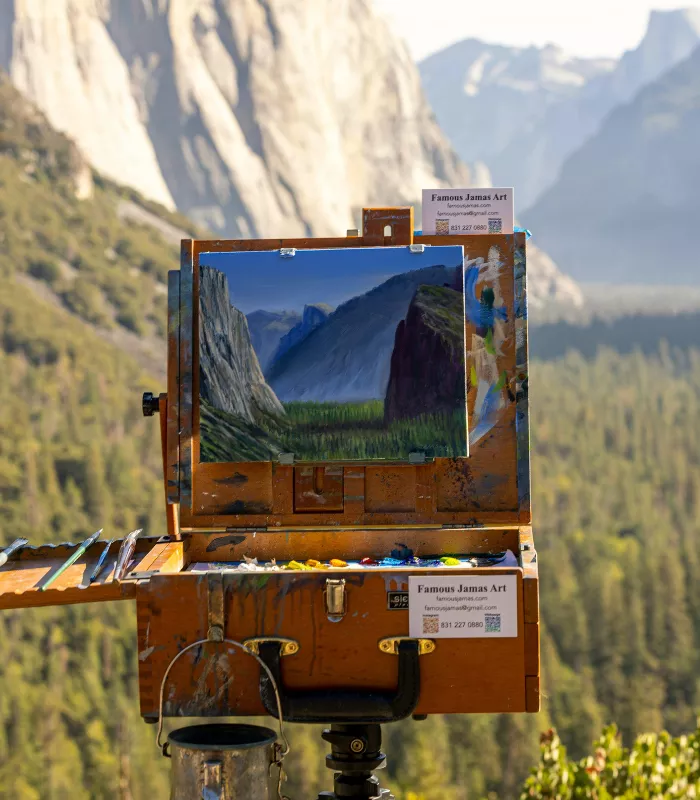
Grass Valley is set in the Sierra Nevada foothills and wears its gold rush history visibly. Preserved Victorian architecture and antique shops give the downtown a vintage feel that the community actively maintains rather than merely tolerates. There’s a genuine civic investment in keeping the place looking and feeling the way it does.
Surrounding forests and grasslands buffer the town from any noise that might drift in from busier corridors. The area draws people who enjoy the calm alongside cultural activities — the local theater scene is more robust than you might expect for a town this size, with classical music concerts and performing arts events running through the year.
The History-Quiet Connection: Grass Valley’s commitment to historical preservation and its natural landscape reinforce each other, making quietness feel like a natural byproduct of caring about the place.
12. Pacific Grove, Butterflies, Fog, and No Rush Whatsoever
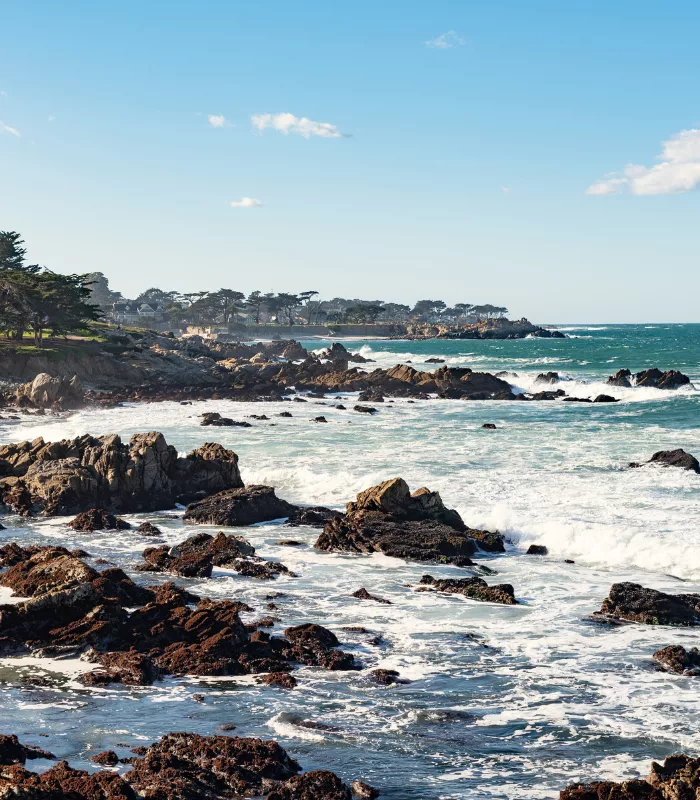
Pacific Grove offers one of the more visually satisfying versions of coastal living in California. Stunning ocean views, well-preserved Victorian homes, and the annual monarch butterfly migration — when thousands of butterflies cluster in the eucalyptus trees along Lighthouse Avenue — give the town a rare quality of place that’s hard to manufacture anywhere else.
Thoughtful residential zoning has preserved its character without making it feel frozen. Shoreline paths and protected marine areas provide genuinely tranquil spots for walking or sitting with no agenda. The community is small, and the pace is unhurried in a way that feels organic rather than enforced.
The Zoning Dividend: Pacific Grove’s considered approach to its built environment, combined with the natural beauty on its doorstep, has preserved a peacefulness that more developed coastal towns in the region lost decades ago.
13. Chester, The Town That Lake Almanor Made Mellow
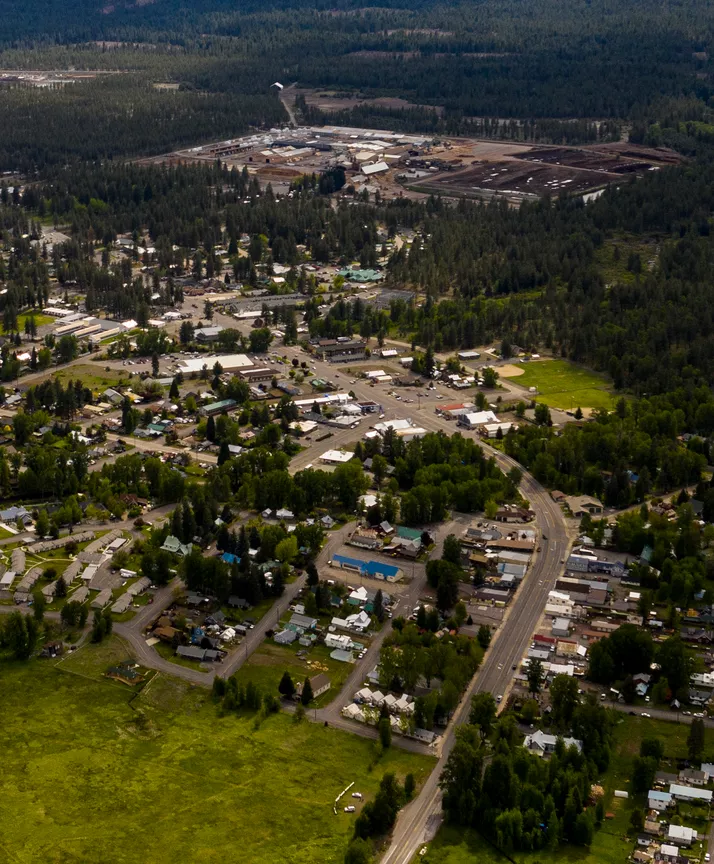
Chester sits near Lake Almanor and on the doorstep of Lassen Volcanic National Park, which tells you most of what you need to know about who lives here and why. It’s a town built around access to the outdoors, and the businesses, rhythms, and social life all reflect that orientation.
Low traffic and low population density give Chester a quiet that’s noticeable from the first morning you spend there. The surrounding parks absorb the kind of visitor who wants to be outside, not in a bar or a shopping district, and that shapes the atmosphere profoundly.
The Park Effect: Chester’s remote setting and its position as a gateway to protected natural land keep the environment both quiet and purposeful.
14. Tehachapi, Mountain Town with a Marvel in Its Backyard
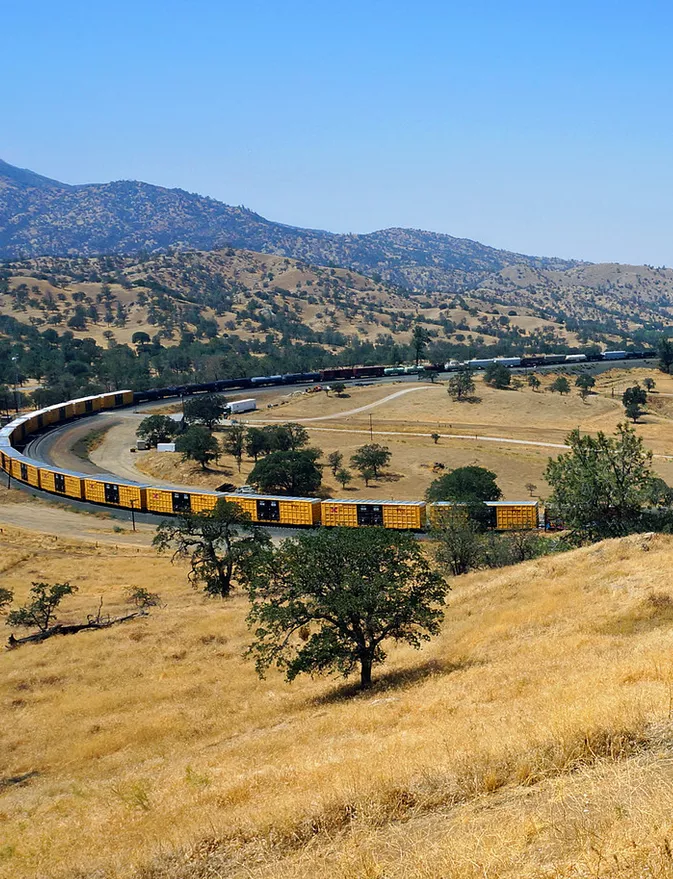
Tehachapi is best known to rail enthusiasts for the Tehachapi Loop, a 19th-century engineering solution where the tracks spiral through a complete circle to gain elevation. It’s the kind of specific, nerdy landmark that gives a small town genuine character. Beyond that claim to fame, the town has a robust community spirit expressed through cultural events that add texture to daily life without overwhelming it.
High elevation and rural surroundings produce a quiet atmosphere that makes stepping away from urban centers feel complete. Open spaces and clean air complement the outdoor activities that most residents build their weekends around.
The Elevation Advantage: Tehachapi’s mountain setting and engaged local community work together to create a pace that stays quiet by default, not by effort.
15. Bishop, Where Serious Climbers Come to Decompress
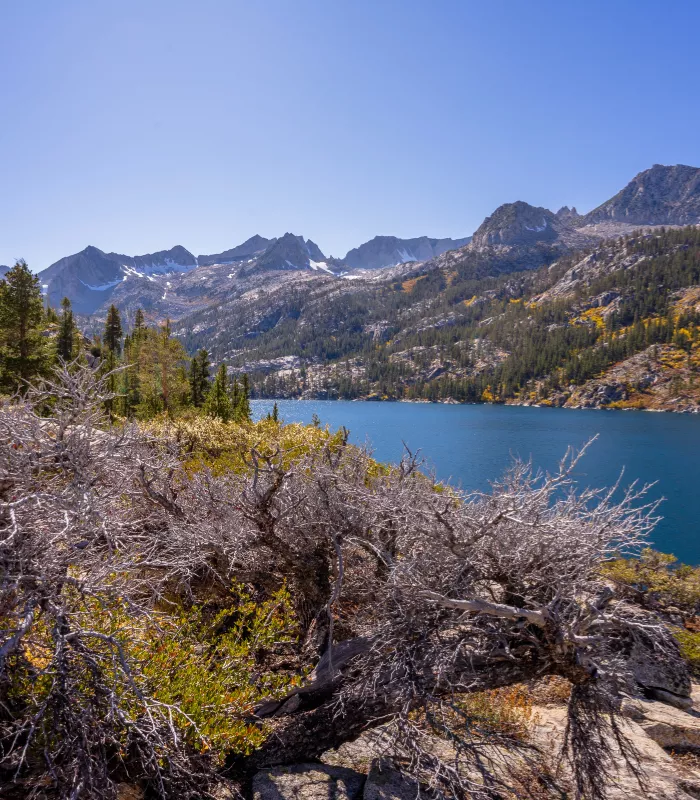
Bishop is wedged between the high Sierra to the west and the White Mountains to the east, which makes it a destination for climbers, hikers, and backcountry enthusiasts who tolerate towns only as a base camp. That outdoor orientation shapes the community’s character entirely. The Buttermilks — a set of glacially deposited granite boulders just outside town — draw bouldering pilgrims from around the world, yet Bishop itself stays remarkably low-key.
The local population is small, community events revolve around outdoor pursuits, and the wide-open spaces that surround the town on all sides ensure that ambient noise rarely becomes an issue. Its remoteness is a feature, not a compromise.
The Basin Effect: Bishop’s position in the Owens Valley, flanked by two major mountain ranges, creates both physical and acoustic separation from the rest of California.
16. Morro Bay, Rock, Birds, and a Fishing Village That Held Its Ground
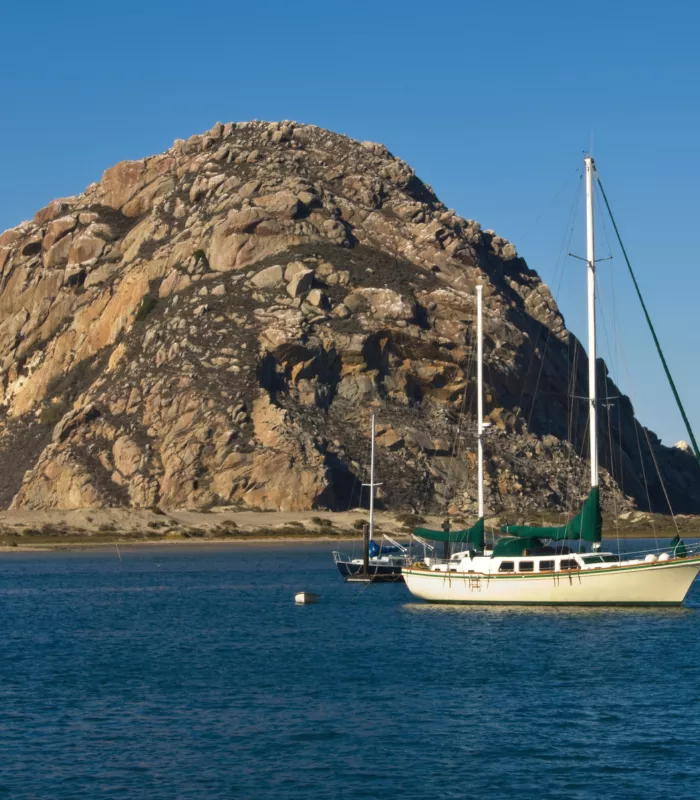
Morro Bay is defined by its rock: a 581-foot ancient volcanic plug that rises from the water at the end of Morro Rock Beach and appears in every photograph ever taken of the place. The bay itself is a rich habitat for marine life and shorebirds, making this a genuine destination for wildlife watchers.
The town retains its fishing village character despite steady visitor traffic, and the waterfront delivers peaceful walks and an easy disconnection from whatever you came here to escape. Efforts to protect the surrounding natural environment have kept the area from being developed into something louder and more transactional.
The Conservation Dividend: Morro Bay’s natural landscapes and the ongoing commitment to protecting them are what maintain its quietness in the face of its popularity.
17. Dunsmuir, Where the River Is the Whole Point
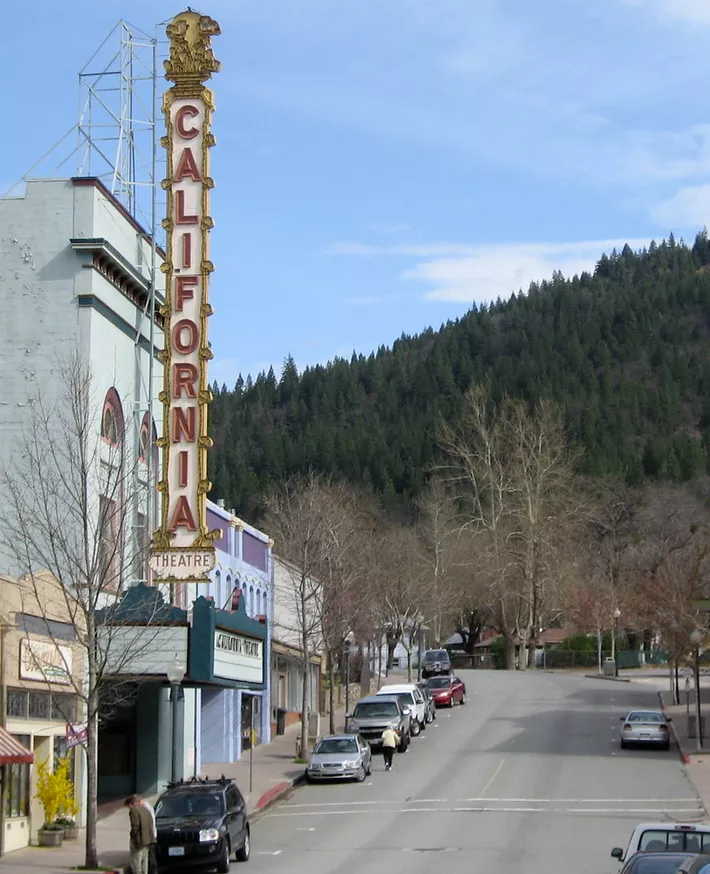
Dunsmuir’s reputation rests heavily on water. The upper Sacramento River running through town is renowned among fly fishers for its clarity and its wild trout, and the nearby waterfalls — including Mossbrae Falls, accessible only by a walk along the railroad tracks — are the kind of thing that makes people plan entire trips around a single destination.
The town’s historic railroad heritage gives it bones and a quiet sense of continuity. The community is small and deliberate about preserving the natural beauty around them. Fishing and hiking are the dominant pastimes, which keeps the social fabric oriented toward patience and stillness rather than noise.
The Water Identity: Dunsmuir’s environmental dedication and its connection to some of the clearest water in California make quietness feel inseparable from the place itself.
18. Idyllwild, Mountain Arts Colony at 5,400 Feet
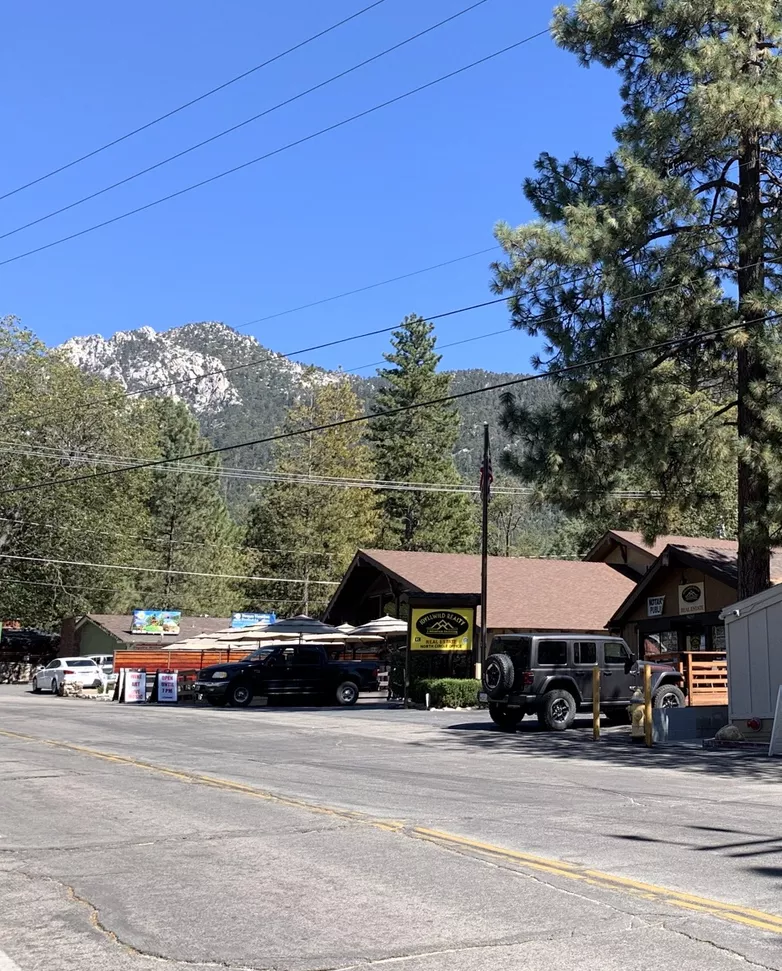
Idyllwild is perched in the San Jacinto Mountains at an elevation of around 5,400 feet, and the altitude alone filters out a certain kind of visitor. The town has developed a creative community over decades — musicians, painters, and writers who chose the mountain setting deliberately. Local galleries, boutiques, and cafes serve a lifestyle that places real value on quiet and the arts.
Jazz festivals and art shows mark the calendar without turning the town into a weekend event corridor. The rustic setting and the community’s shared investment in keeping things low-key make Idyllwild a genuine retreat rather than a marketed one.
The Altitude Filter: Idyllwild’s creative and tranquil community isn’t accidental. The mountain setting does some of the sorting, and the arts culture does the rest.
19. Fallbrook, Avocado Country on Its Own Schedule
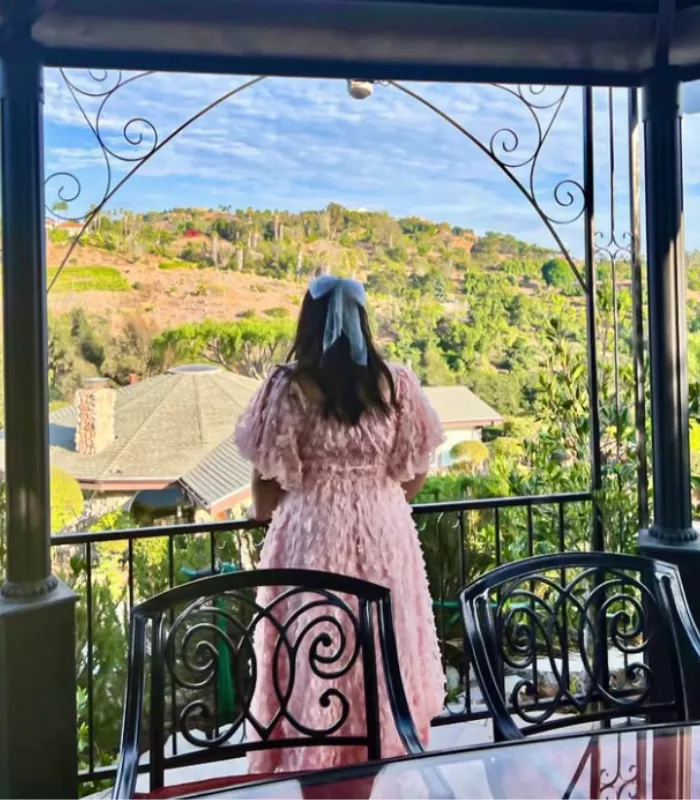
Fallbrook calls itself the Avocado Capital of the World, and the orchards that stretch across its hillsides make the claim feel reasonable. Located in northern San Diego County, the town offers a rural lifestyle that operates on agricultural time rather than commuter time. The annual Avocado Festival draws a crowd, but outside of that weekend the pace drops back to something close to ambient.
The community holds onto its rural identity with real conviction. Sprawling landscapes and open space provide room to breathe and a natural buffer from anything resembling urban sprawl.
The Agricultural Anchor: Fallbrook’s farming base and its commitment to rural character are what keeps its atmosphere peaceful even as surrounding San Diego County has grown around it.
20. Weaverville, Trinity Alps Town That Time Remembered
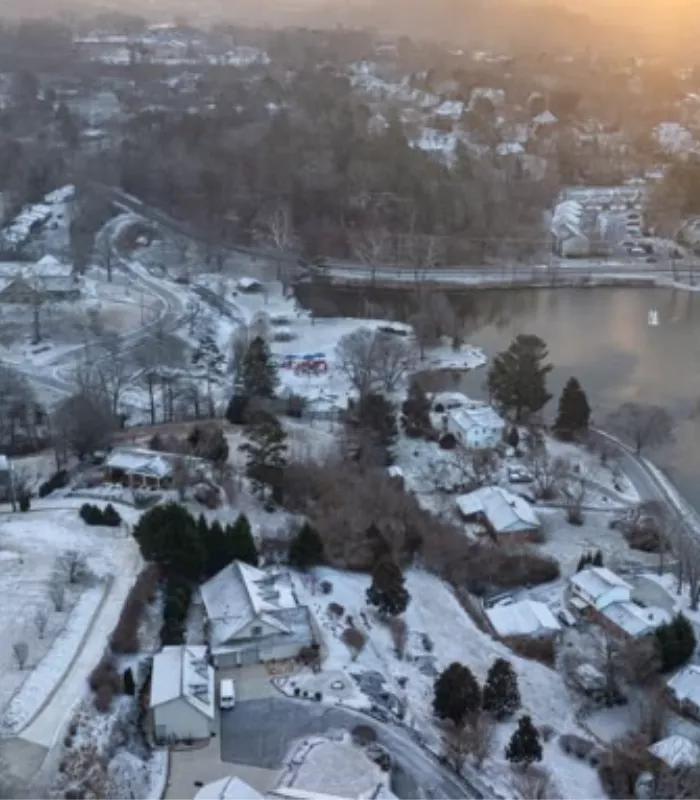
Weaverville sits in the Trinity Alps in one of the least-traveled corners of California. The gold rush left a mark here that the community has chosen to honor rather than erase, with many buildings carrying historic landmark designations and the local museum keeping the full story in view.
Community life is active without being loud. Local arts and crafts, cultural festivals, and a calendar of events add texture to life without pulling in the kind of volume that changes a place’s character. The combination of deep historical roots and genuine geographic remoteness gives Weaverville a quiet that feels settled and earned.
The Remote Legacy: Weaverville’s historical integrity and its secluded Trinity Alps location have kept it quiet for the same reasons it stayed quiet a hundred years ago.
Methodology
To identify the quietest towns in California, I relied on a mix of local insight and publicly available feedback. Here’s what went into the selection:
- Direct conversations with residents about daily life, noise levels, traffic patterns, and general sense of pace.
- Analysis of online reviews, neighborhood forums, and community boards for recurring mentions of tranquility and slower rhythms.
The entries on this list were chosen for consistent, structural quietness rather than a single quiet street or a good visit on a slow Tuesday. Population density, geographic isolation, community character, and the absence of major traffic corridors all factored into the ranking.
Sources:
- https://www.worldatlas.com/cities/the-best-small-towns-in-southern-california-to-retire-in.html
- https://www.niche.com/places-to-live/julian-san-diego-ca/reviews/
- https://www.tripadvisor.com/ShowUserReviews-g32378-d6725447-r299514316-The_Victorian_Village_of_Ferndale-Ferndale_Humboldt_County_California.html