

This state has been collecting amazing stories for centuries while everyone else was looking the other way.
From the only U.S. president born here to covered bridges that launched a thousand romance novels, Iowa’s historical sites pack more punch than expected.
Most people drive right past them on their way to somewhere they think is more interesting.
1. Old Capitol, Iowa City

This stunning building served as Iowa’s first state capitol from 1846 to 1857.
It also holds the unique distinction of being the last territorial capitol before Iowa became a state.
The golden dome rises majestically above the University of Iowa campus.
You can take self-guided tours through the restored chambers and galleries.
The building showcases Iowa’s political heritage with changing exhibitions that bring history to life.
Over 150 years of continuous use makes this one of Iowa’s most enduring landmarks. That’s why it remains a symbol of Iowa’s journey from territory to statehood.
The structure witnessed key debates during Iowa’s formative years.
Visitors often feel connected to the pioneers who shaped the state.
Why It’s Fascinating: This is the only building in America that served as both a territorial and state capitol before becoming a university landmark.
2. Herbert Hoover National Historic Site, West Branch

America’s 31st president was born in this tiny cottage on August 10, 1874.
His father built the modest home in 1871, and it still stands exactly as it was.
The entire historic site tells the story of a boy who rose from humble beginnings to the White House.
You can walk through the cottage, visit his presidential library, and see his gravesite.
The cottage measures just 14 by 20 feet – smaller than most modern bedrooms.
This tiny space launched one of America’s most remarkable political careers.
Artifacts reveal details of young Hoover’s daily life.
The site draws people seeking inspiration from simple roots.
Why It’s Fascinating: It’s the birthplace of the only U.S. president born in Iowa, showing how far someone can rise from the humblest beginnings.
3. Bridges of Madison County, Winterset

These romantic covered bridges gained worldwide fame through literature and film. Originally built in the 19th century, six bridges still stand today as testaments to exceptional craftsmanship.
The Roseman Bridge stands out with its impressive architecture and scenic surroundings. You can walk through these peaceful structures and imagine the love stories that inspired the famous novel.
Each bridge has its own unique charm and history. That’s why visitors from around the world make pilgrimages to see these Iowa treasures.
Local legends add mystery to each wooden span.
Photographers capture timeless scenes amid rolling hills.
Why It’s Fascinating: These bridges transformed from simple river crossings into international symbols of romance and Iowa’s rural heritage.
4. Amana Colonies, Amana

Seven historic villages founded by German immigrants in 1855 create one of Iowa’s most famous attractions. These communities operated as a religious communal society for over 80 years.
The colonies preserve their traditional crafts and culture while offering modern visitor experiences. You can watch artisans at work, taste authentic German food, and explore historic buildings.
The communal society lasted until 1932 when economic pressures forced reorganization. But here’s the deal – the villages maintained their unique character and continue thriving today.
Handmade goods carry stories from generations past.
Festivals revive the spirit of communal gatherings.
Why It’s Fascinating: This is one of America’s longest-lasting communal societies, showing how faith and hard work built thriving communities.
5. Lewis & Clark National Historic Trail, Multiple Locations
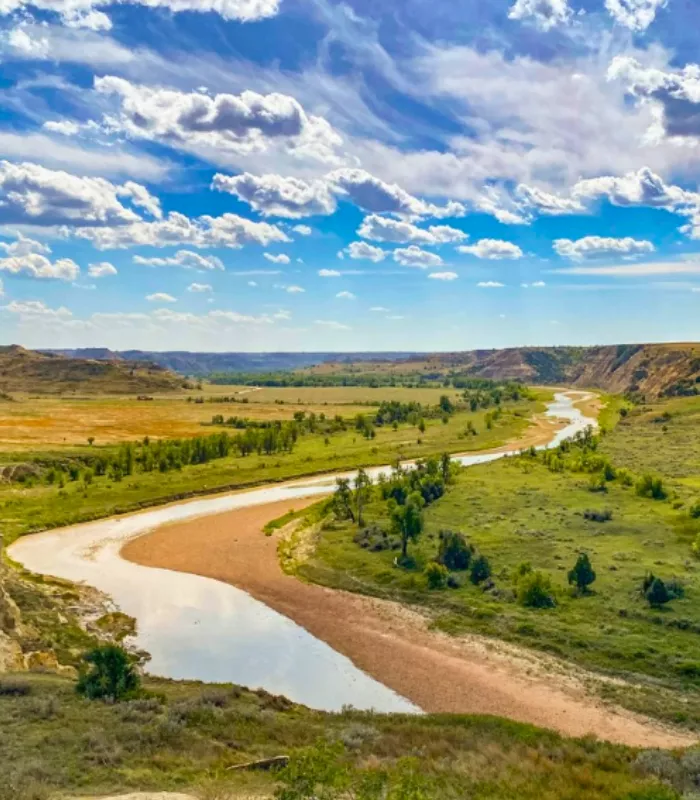
This 4,900-mile trail follows the path of America’s most famous expedition. President Thomas Jefferson commissioned Meriwether Lewis and William Clark in 1803 to explore the Louisiana Territory.
The trail passes through 11 states, including several Iowa locations along the Missouri River. You can walk in the footsteps of the Corps of Discovery and imagine their incredible journey.
The expedition lasted over two years and opened the American West. That’s why this trail represents one of the most important exploration stories in U.S. history.
River markers highlight Iowa’s expedition campsites.
Hikers retrace steps through untouched landscapes.
Why It’s Fascinating: Iowa played a crucial role in the expedition that doubled the size of America and opened the frontier.
6. Farm House Museum, Ames
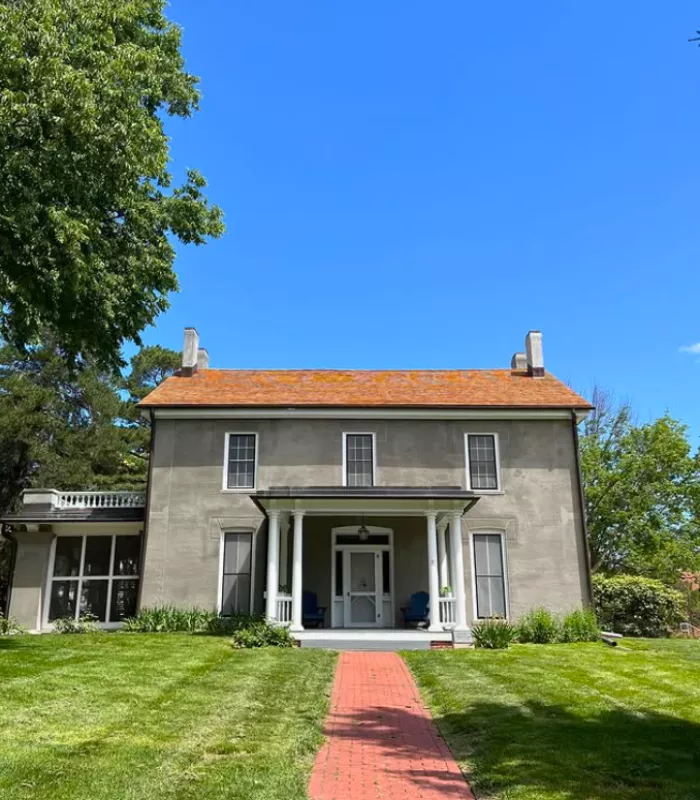
Built in 1860, this is the oldest building on Iowa State University’s campus. The house served as home to the university’s first presidents until 1908.
Over 6,000 Victorian decorative arts and antique furniture pieces fill the restored rooms. You can see how university leaders lived during Iowa’s agricultural college era.
The building was nearly demolished in 1966.
Concerned citizens saved it, and now it’s listed on the National Register of Historic Places.
Period rooms transport guests to pioneer academia.
Exhibits honor the builders of Iowa education.
Why It’s Fascinating: This house tells the story of how Iowa became a leader in agricultural education and land-grant universities.
7. General Dodge House, Council Bluffs
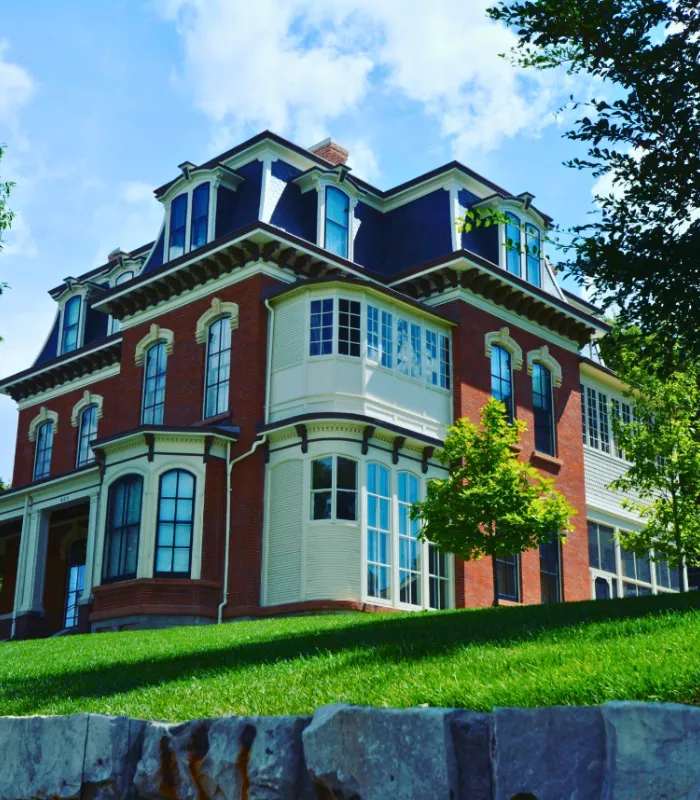
This magnificent 14-room mansion belonged to Grenville M. Dodge, a Civil War general and railroad executive. The three-story home sits on a high terrace overlooking the Missouri Valley.
You can admire parquet floors, cherry and walnut woodwork, and modern conveniences unusual for the 1860s. The house showcases the wealth and influence of Iowa’s railroad era.
General Dodge helped build the transcontinental railroad that connected America coast to coast. That’s why his home represents Iowa’s crucial role in westward expansion.
Railroad maps detail Dodge’s engineering feats.
Tours reveal opulence of Gilded Age tycoons.
Why It’s Fascinating: This mansion belonged to the man who helped build America’s first transcontinental railroad, changing the nation forever.
8. State Capitol Building, Des Moines
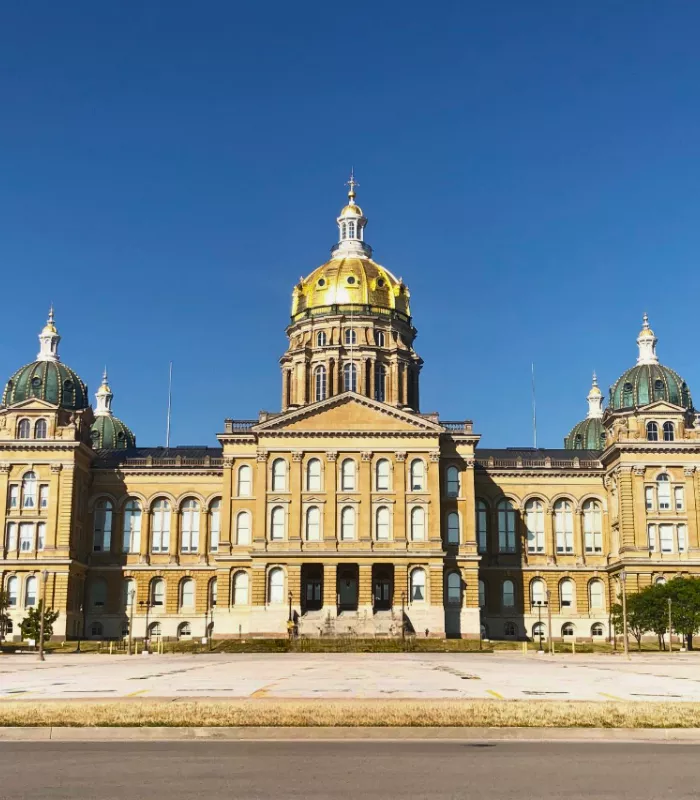
Completed in the 1880s, this architectural masterpiece features a dazzling golden dome visible for miles. The grand building serves as Iowa’s seat of government and a symbol of state pride.
You can explore the House and Senate chambers and admire historical paintings throughout the hallways. Guided tours provide insights into Iowa’s legislative history and democratic traditions.
Over 250,000 people visit annually, making it one of Iowa’s most popular attractions. But here’s the deal – it’s not just a tourist site, it’s a working government building where important decisions happen daily.
Dome views span the Des Moines skyline.
Murals depict Iowa’s founding moments.
Why It’s Fascinating: This building represents Iowa’s democratic ideals and continues serving as the heart of state government after 140+ years.
9. Living History Farms, Iowa
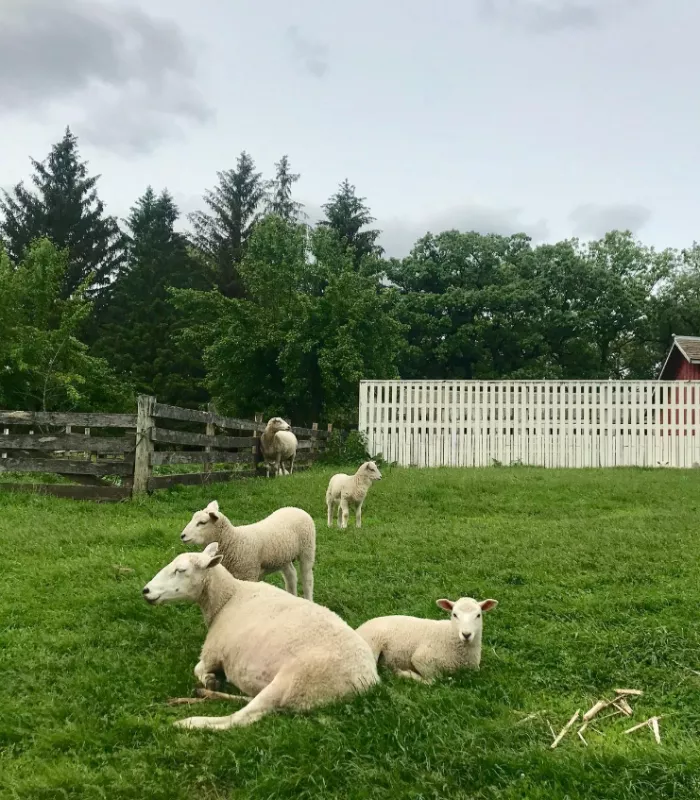
This 500-acre interactive outdoor museum brings 300 years of Midwestern agricultural history to life through hands-on experiences.
You can explore three working farm sites including a 1700 Ioway Indian Farm, 1850 Pioneer Farm, and 1900 Horse-Powered Farm.
The historic 1875 town of Walnut Hill features over a dozen authentic buildings where costumed interpreters demonstrate period crafts like blacksmithing and broom making.
You can watch demonstrations, interact with farm animals, and take tractor rides between the different historical sites.
Over 50 years of operation makes this one of Iowa’s most established living history experiences.
The museum operates Tuesday through Saturday from May to October, with special events like Applefest and Independence Day celebrations throughout the season.
Crops grow using era-specific methods.
Animals roam authentic barnyard settings.
Why It’s Fascinating: This is one of the few places where you can experience three centuries of farming evolution in a single visit, from Native American agriculture to horse-powered machinery.
10. George M. Verity Riverboat, Keokuk
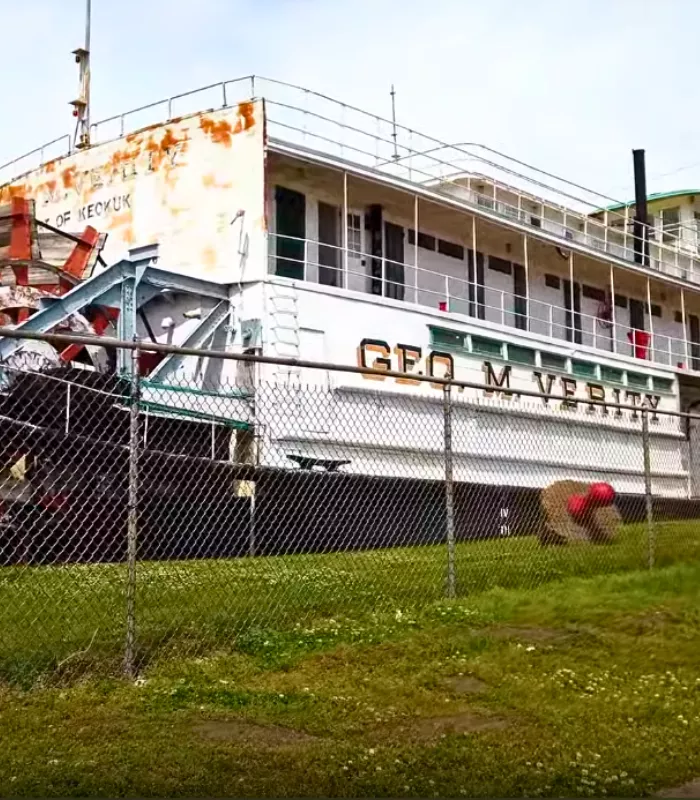
Built in 1927, this paddlewheel steamer worked the Mississippi River until 1960.
The Dubuque-built vessel now serves as a floating museum showcasing Iowa’s riverboat era.
You can explore the boiler room, crew quarters, and pilothouse exactly as they were during working days.
The boat displays 19th-century riverboat images and steamboat-era artifacts.
The Mississippi River shaped Iowa’s early economy through transportation and trade.
Most riverboats are long gone, making this preserved vessel incredibly rare.
Engine rooms echo with steamboat power.
Artifacts capture river trade’s bustling days.
Why It’s Fascinating: This is one of the few remaining paddlewheel steamers that tells the story of Iowa’s river transportation heritage.