

It’s not the world’s largest strawberry or some quirky roadside attraction.
It’s the fact that this supposed “boring” farm state contains geological wonders that took millions of years to create.
Ancient seas, glacial floods, and wind storms all conspired to sculpt Iowa into something extraordinary.
Mother Nature clearly had a sense of humor when she designed the Midwest.
1. Effigy Mounds National Monument, Iowa

These ancient earthworks were built by Native Americans over 1,000 years ago. The monument protects 206 prehistoric mounds shaped like bears, birds, and other animals.
You can walk the trails and see these incredible sculptures made from earth. The largest bear mound stretches 137 feet long.
But here’s the deal – these aren’t just random hills. They represent a sacred connection between ancient peoples and the natural world.
Hiking here connects you directly to those ancient builders.
Why It’s On This List: These mysterious earthworks offer a glimpse into Iowa’s ancient past while providing stunning views of the Mississippi River Valley.
2. Maquoketa Caves State Park, Iowa

This park features 13 caves carved from limestone over thousands of years. Dancehall Cave is the largest, stretching 1,100 feet long.
You can explore most caves without special equipment. The park also has natural bridges and deep crevices to discover.
That’s why families love this place – it’s like having an underground adventure right in Iowa’s backyard.
Exploring them feels like stepping into another world.
Why It’s On This List: The combination of accessible caves, natural bridges, and rugged limestone formations creates Iowa’s most unique geological playground.
3. Loess Hills, Iowa

These rolling hills were formed by wind-blown dust during the Ice Age. They stretch along Iowa’s western border for 200 miles.
The Loess Hills are only found in two places on Earth – Iowa and China. Some hills rise 200 feet above the surrounding prairie.
You’re better off visiting in late summer when the native grasses turn golden. The views stretch for miles across three states.
Their golden grasses create endless scenic vistas.
Why It’s On This List: These rare geological formations create some of Iowa’s most dramatic landscapes and support unique prairie ecosystems found nowhere else.
4. Backbone State Park, Iowa
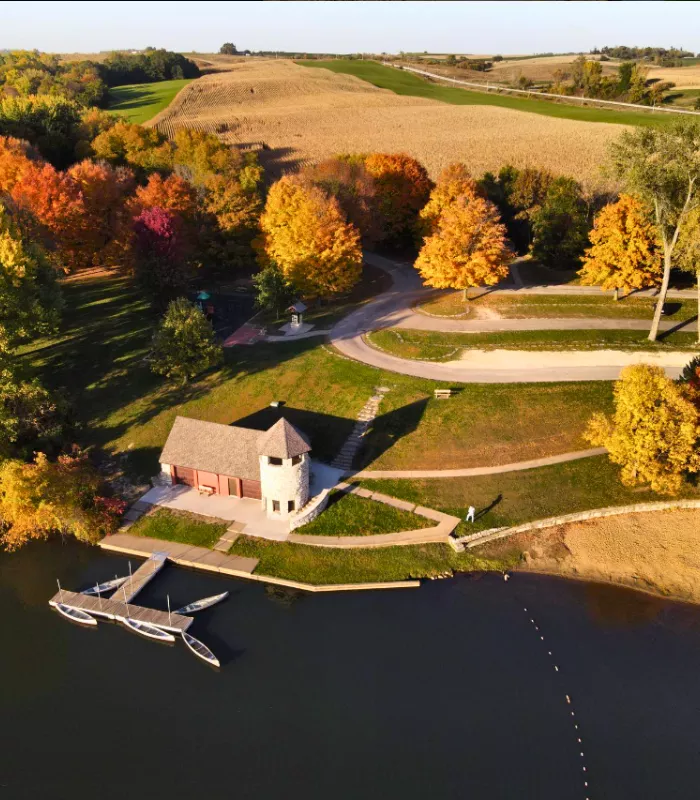
Iowa’s first state park gets its name from a narrow ridge of rock that looks like a backbone. The ridge was carved by the Maquoketa River over millions of years.
You can walk across the backbone on a trail that offers views of the river valley below. The park also features limestone cliffs and deep ravines.
But here’s the catch – the backbone is only 3 feet wide in some spots. It’s perfectly safe with railings, but the views are breathtaking.
This park showcases Iowa’s rugged river carving.
Why It’s On This List: This dramatic limestone ridge offers Iowa’s most spectacular river valley views and represents the state’s commitment to preserving natural beauty.
5. Devonian Fossil Gorge, Iowa

This exposed limestone riverbed reveals fossils that are 375 million years old. The gorge was uncovered after flooding in 1993 and 2008.
You can walk directly on the ancient sea floor and touch real fossils. Look for brachiopods, crinoids, and coral that lived when Iowa was covered by a tropical sea.
That’s why geologists call this place amazing – it’s like walking through an outdoor museum of prehistoric life.
The gorge exposes Iowa’s tropical sea legacy.
Why It’s On This List: Few places let you literally walk on a 375-million-year-old sea floor while discovering fossils with your own hands.
6. Pikes Peak State Park, Iowa

This park sits 500 feet above the Mississippi River and offers some of Iowa’s best views. On clear days, you can see three states from the overlooks.
The park features towering limestone bluffs and deep wooded valleys. Spring brings wildflowers, while fall delivers spectacular color.
You’re better off bringing a camera – the sunrise and sunset views over the Mississippi are unforgettable.
Sunsets here paint the sky in unforgettable hues.
Why It’s On This List: The combination of towering river bluffs, panoramic views, and pristine forests makes this Iowa’s most scenic overlook destination.
7. Ledges State Park, Iowa
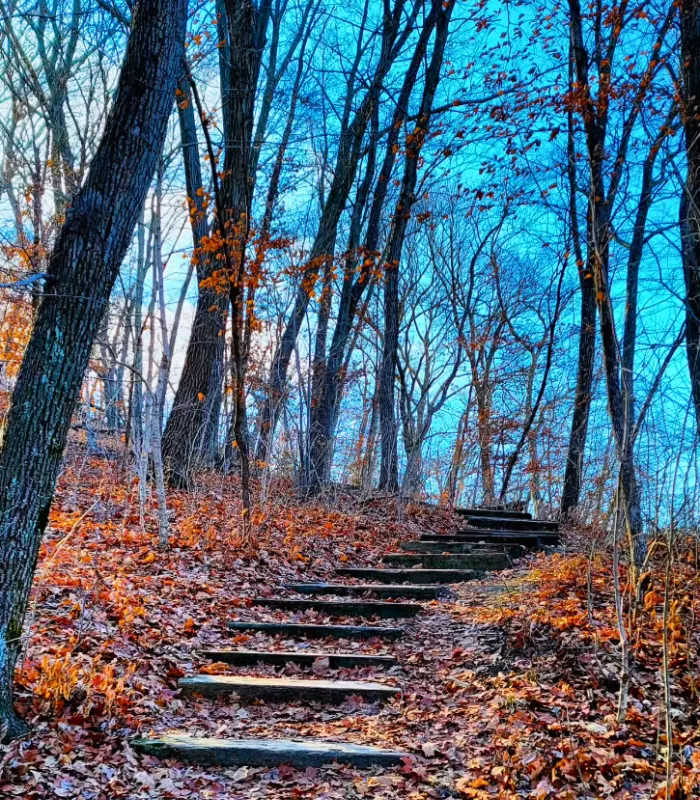
Massive sandstone cliffs rise 100 feet above Peas Creek in this central Iowa gem. The ledges were carved by glacial meltwater thousands of years ago.
You can hike trails that wind through narrow canyons and along the cliff tops. The park also features a beautiful stone shelter built in the 1930s.
But here’s the deal – these aren’t typical Iowa landscapes. The dramatic cliffs and canyons feel more like western national parks.
Canyons here mimic distant desert wonders.
Why It’s On This List: These towering sandstone formations create Iowa’s most dramatic canyon scenery and offer a surprising taste of the American West.
8. Preparation Canyon State Park, Iowa
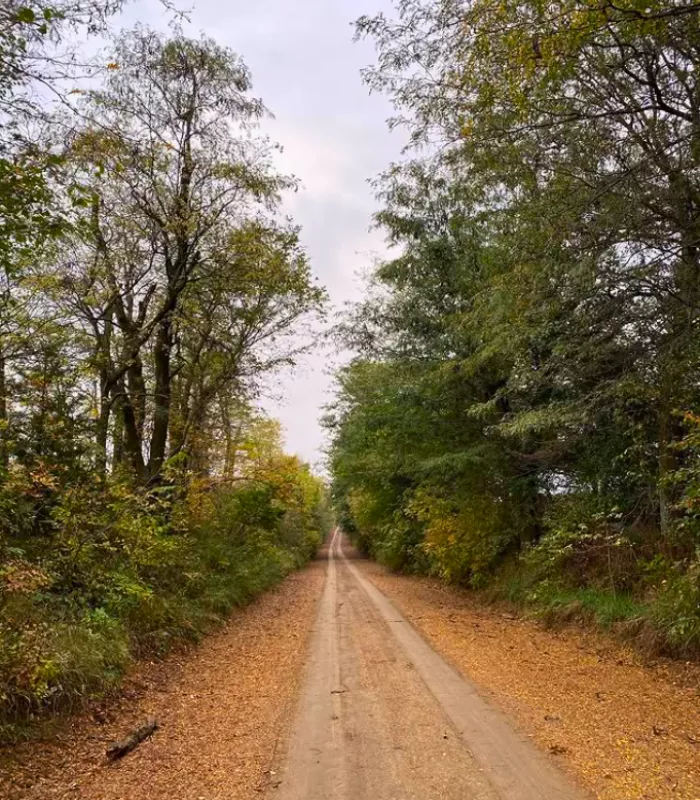
This remote park in the Loess Hills offers some of Iowa’s most rugged terrain. Deep canyons cut through the hills, creating a landscape that feels almost mountainous.
The park gets its name from a religious group that once lived here while preparing for the end times. Today, it’s a peaceful place for hiking and wildlife watching.
That’s why nature lovers seek out this hidden gem – it offers solitude and scenery that most people never expect to find in Iowa.
This spot hides mountainous drama in hills.
Why It’s On This List: This remote canyon system in the Loess Hills provides Iowa’s most rugged and secluded natural experience.
9. Yellow River State Forest, Iowa
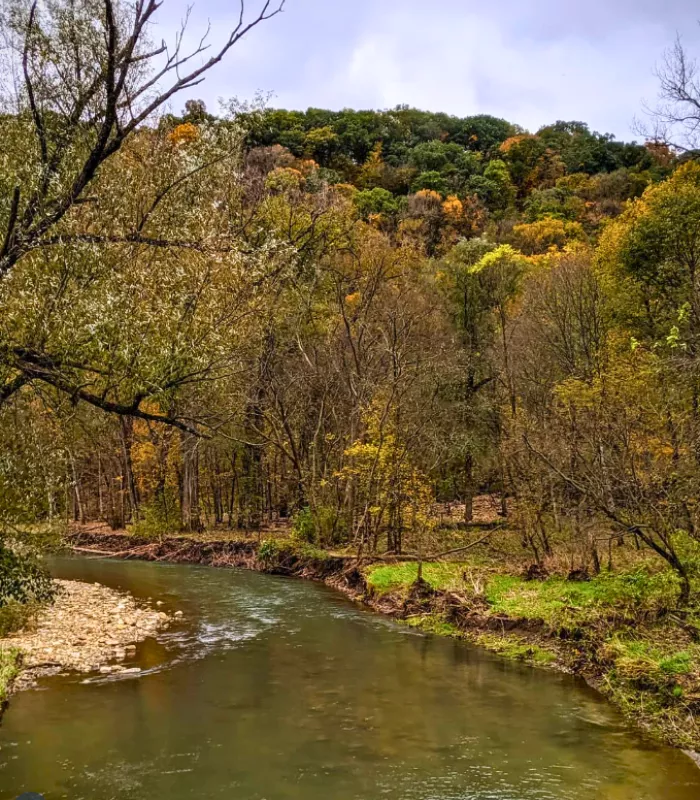
This 8,500-acre forest in northeast Iowa features deep valleys, clear streams, and towering bluffs. It’s home to Iowa’s largest population of wild turkeys.
You can explore 25 miles of hiking trails that wind through hardwood forests and prairie openings. The forest also offers excellent trout fishing in Paint Creek.
You’re better off visiting in spring when wildflowers carpet the forest floor, or in fall when the hardwoods explode with color.
Seasonal colors transform this forest magic.
Why It’s On This List: This vast forest preserve showcases Iowa’s diverse ecosystems while providing habitat for wildlife and endless outdoor recreation opportunities.
10. Wapsipinicon State Park, Iowa
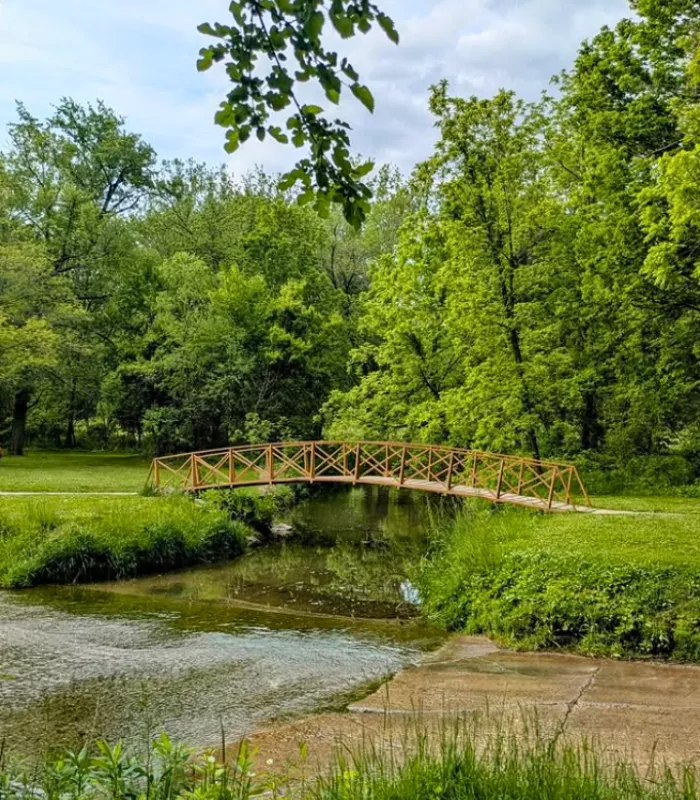
This park along the Wapsipinicon River features unique limestone formations and Iowa’s only stone arch bridge built by nature. The natural bridge spans 50 feet across a small creek.
You can explore caves, climb rock formations, and discover hidden springs throughout the park. The river also offers excellent canoeing and fishing.
But here’s the catch – the natural bridge is fragile, so visitors can only admire it from designated viewing areas to help preserve this rare formation.
Caves and springs add exploration delight.
Why It’s On This List: The combination of a natural stone arch, accessible caves, and unique limestone formations makes this park a geological treasure.
11. Dolliver Memorial State Park, Iowa
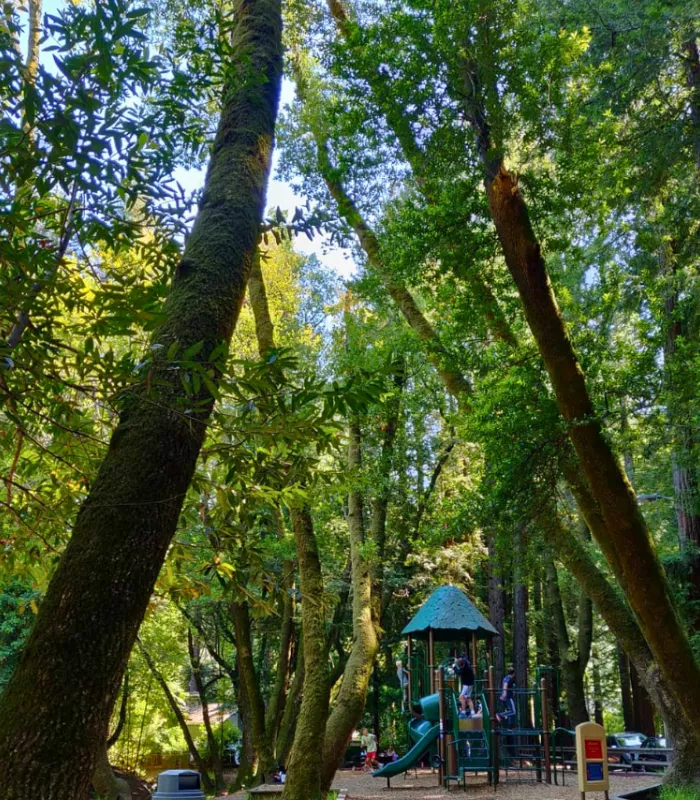
This park features dramatic sandstone bluffs that rise 100 feet above the Des Moines River. The bluffs were carved by ancient rivers and glacial activity over millions of years.
You can hike the Prairie Rose Trail to see rare plants that grow only on these sandstone ledges. The park also has deep ravines filled with ferns and wildflowers.
But here’s the deal – the views from Copperas Bed overlook are some of the best in central Iowa. You can see the river winding through the valley for miles.
Rare plants thrive on these unique ledges.
Why It’s On This List: These towering sandstone bluffs create a dramatic river valley landscape that’s completely unexpected in central Iowa’s farm country.
12. Starr’s Cave Nature Preserve, Iowa
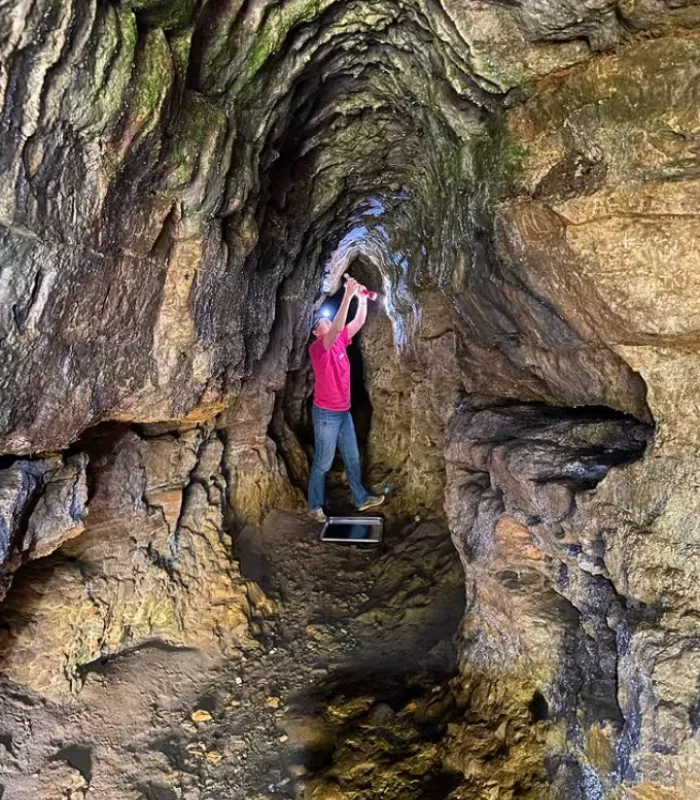
This 200-acre preserve protects Iowa’s longest cave system, stretching over 800 feet underground. The cave was formed by underground streams cutting through limestone bedrock.
You can explore the cave entrance area and hike trails through oak-hickory forests. The preserve also features sinkholes and underground streams that appear and disappear.
That’s why spelunkers and nature lovers treasure this place – it offers a rare glimpse into Iowa’s hidden underground world while protecting fragile cave ecosystems.
Cave trails protect delicate hidden life.
Why It’s On This List: This extensive cave system represents Iowa’s most significant underground natural wonder and provides habitat for rare cave-dwelling species.