

The average American home is now a crowded zoo of gadgets, gizmos, and expired salad dressings all fighting for shelf space.
Somewhere between the third streaming service and the seventh spatula, shopping quietly replaced problem solving.
Marketing departments call it a lifestyle upgrade.
Your junk drawer calls it a population crisis.
It takes a sharp mind to notice when companies are selling solutions to problems you did not even know you had.
It takes an even sharper one to stop buying them.
1. Single-Use Plastic Water Bottles

Many people buy cases of bottled water every week, even though tap or filtered water is usually just as safe in most communities.
In the U.S., bottled water is now the top packaged drink, with billions of gallons sold each year, driven mostly by habit and marketing.
For older adults on a fixed income, that money could easily go toward better filters, fresh produce, or savings instead.
Paying for packaging again and again rarely beats investing once in a sturdy, reusable bottle.
A simple pitcher filter can make everyday tap water feel like an upgrade without the markup.
Why It Is On This List: You are better off using a good home filter and a reusable bottle instead of paying every time for plastic and branding.
2. Constant Smartphone Upgrades

Modern smartphones already do more than most people need for calls, photos, and simple apps.
More than 85% of U.S. adults own a smartphone, and many upgrade every two to three years, often for small changes.
Every upgrade costs money, adds clutter to drawers, and creates more electronic waste.
Most people never touch the advanced features that sell the newest models.
Keeping a familiar phone longer can also reduce the stress of learning a new interface every year.
Why It Is On This List: You are better off keeping a phone until it truly wears out instead of chasing every new release.
3. Premium Cable TV Bundles

Cable packages often include hundreds of channels that never get watched.
At the same time, more than 8 in 10 U.S. adults now use streaming services, which can offer targeted shows for less money.
On top of internet costs, many households still pay high monthly cable fees out of habit, not real enjoyment.
Channel surfing through content you never chose is not the same as value.
A leaner setup can still cover news, sports, and favorite shows without the bloated bill.
Why It Is On This List: Cutting back to a few lower cost services can free up money without cutting back on shows you actually watch.
4. Multiple Streaming Subscriptions
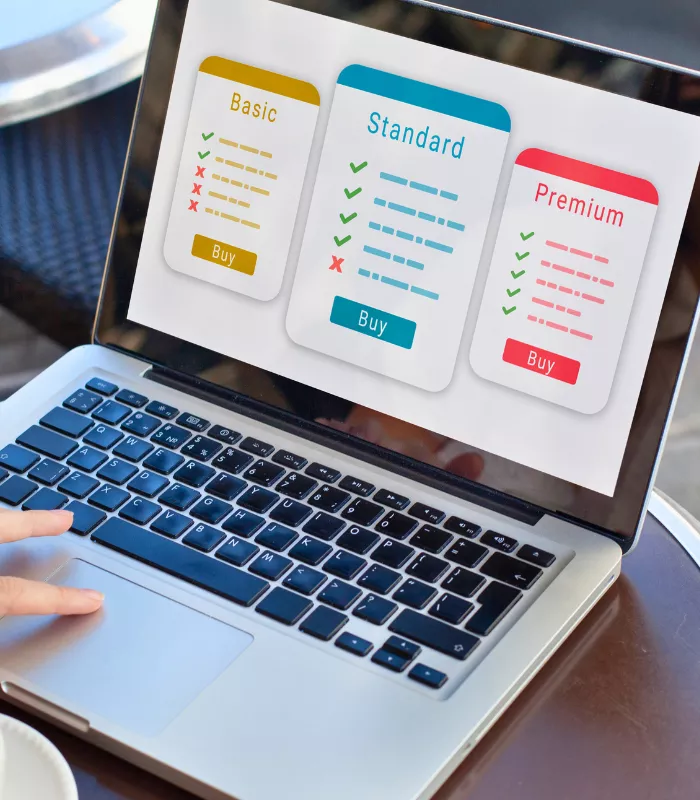
Streaming feels cheap at first, but small monthly charges pile up quickly.
People spend an average of about 46 dollars per month on streaming services alone, often forgetting what they signed up for.
In 2024, more than 80% of U.S. households had at least one streaming service, and many had several, even if they mainly used one.
Rotating services through the year can match what you watch to what you pay.
Canceling just one unused subscription can save enough for a nice dinner every few months.
Why It Is On This List: A quick audit of your subscriptions can save meaningful money each year with almost no lifestyle change.
5. High-End Brand Name Coffee Pods
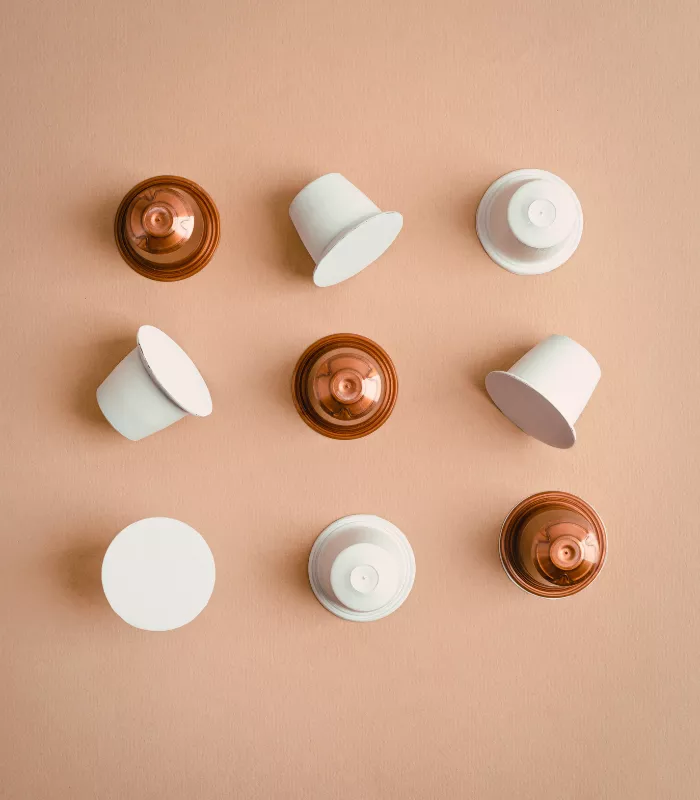
Single-serve coffee makers are handy, but the pods often cost far more per cup than brewed coffee.
When bought in fancy branded packs, each pod can cost more than a cafe drip coffee, especially over a full year of daily use.
That is why switching to ground coffee or refillable pods can cut costs while still giving you that morning comfort.
The waste from single use pods also fills trash bags faster than a simple bag of beans.
A basic drip maker or French press can feel like a small luxury without the steady markup.
Why It Is On This List: Paying extra for premium pods mostly funds packaging and branding, not better flavor or health.
6. Trendy Sugar-Sweetened Beverages
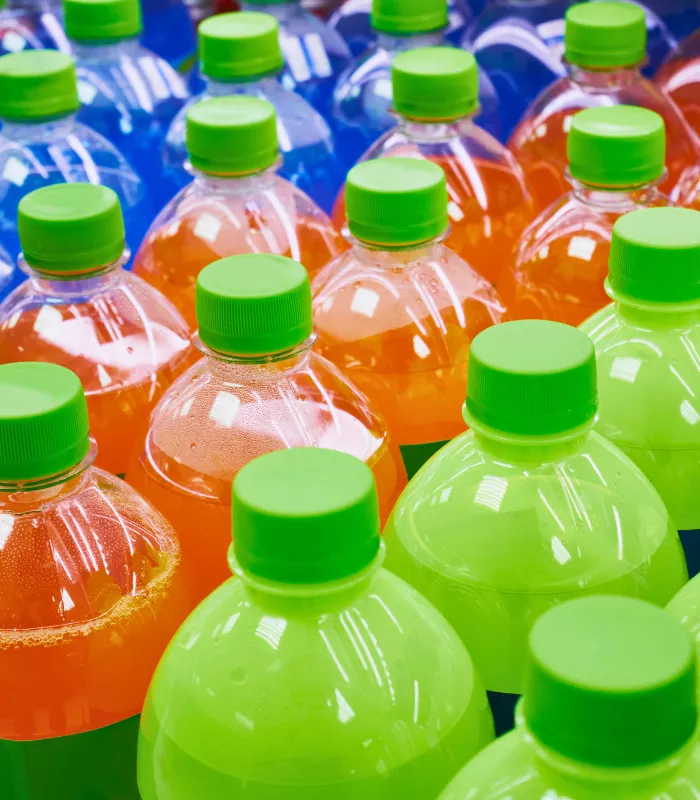
Colorful sodas, energy drinks, and sweet teas are heavily promoted in stores and ads.
Yet many adults are trying to cut added sugar for heart, weight, and diabetes concerns, and these drinks work against that goal.
Sales of bottled water have climbed while sugary drink intake has shown declines, which suggests many people are rethinking their daily beverage habits.
Even switching one daily sugary drink to water can save dozens of teaspoons of sugar a week.
Infusing water with lemon or berries keeps flavor without the same health tradeoffs.
Why It Is On This List: Choosing plain or lightly flavored water over sugary drinks supports long term health and can trim your grocery bill.
7. Overpriced Anti-Aging Creams

The skin care aisle is full of anti aging promises at very high prices.
Many products rely more on fancy packaging and celebrity marketing than on strong, proven ingredients.
For most people, simple daily sunscreen and a basic moisturizer give more benefit than a shelf full of competing jars.
Dermatologists often stress habit and SPF over hype and perfume.
Your skin care routine should be easy enough to follow every day, not just on special occasions.
Why It Is On This List: Simple, consistent skin care often works as well as costly creams that claim miracles in a bottle.
8. Fancy Bottled Waters

Premium waters in glass or shaped bottles can cost many times more than regular bottled or filtered tap water.
Bottled water sales keep rising, helped by branding that pushes lifestyle and status more than actual health gains.
Research shows that taste and brand reputation strongly influence what people buy, even when the actual water is very similar.
Mineral content differences rarely justify such a big gap in price.
For daily drinking, convenience and safety matter more than a designer label.
Why It Is On This List: Paying a premium for water is usually about image, not meaningful differences in quality or safety.
9. Gym Memberships You Rarely Use

Gyms often count on people signing up in January and then staying home by spring.
Monthly fees continue, even when actual visits drop, which quietly adds to yearly expenses.
For many older adults, walking groups, home exercises, or community classes can offer more value at a lower cost.
Tracking how many times you actually go in a month can be eye opening.
If each visit costs more than a day pass, it may be time to rethink the contract.
Why It Is On This List: You are better off paying only for fitness options you genuinely enjoy and use often.
10. Extended Warranties on Electronics

Stores often push extra warranties at checkout for phones, tablets, and TVs.
These plans can be costly, yet many devices either never fail during the coverage period or are already covered by the maker or credit card.
I made a classic mistake of buying these plans out of fear, only to see the gadgets work fine until they were outdated.
Checking your existing protections can keep you from doubling up on coverage.
In many cases, putting that money into savings beats paying for what you already have.
Why It Is On This List: Most extended warranties add more to store profits than to real protection for careful owners.
11. Overstuffed Gift Baskets
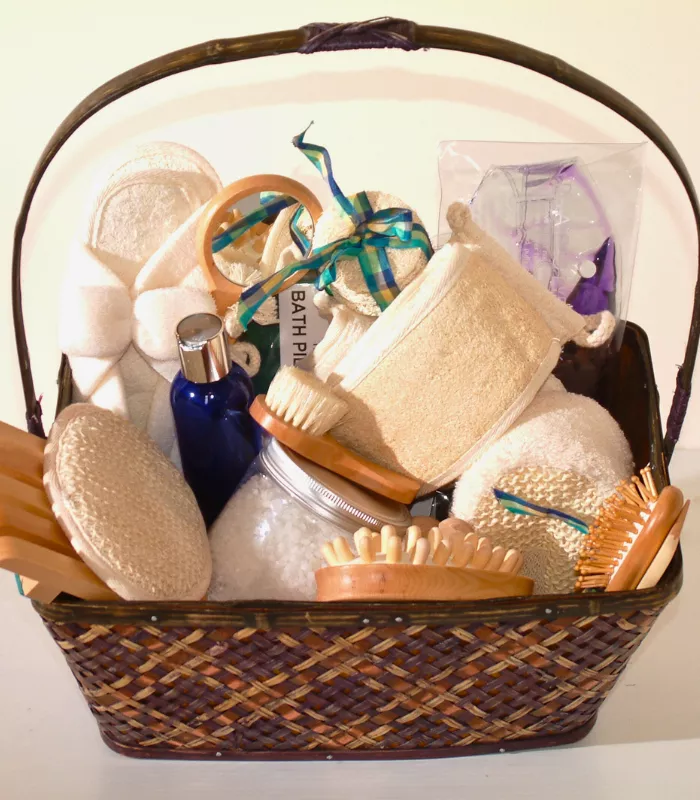
Gift baskets often look generous, but many items inside are tiny samples or things no one really uses.
Americans already spend around one thousand dollars a year on gifts, so filler items add silent cost.
For many 50+ buyers, a single high quality item or a shared experience feels more meaningful than a tower of snacks and trinkets.
Food and bath items also have short shelf lives, which makes waste more likely.
A simple card with a planned outing can outlast an entire basket of shred and ribbons.
Why It Is On This List: A smaller, thoughtful gift can stretch your budget further and creates less waste and clutter.
12. Novelty Kitchen Gadgets
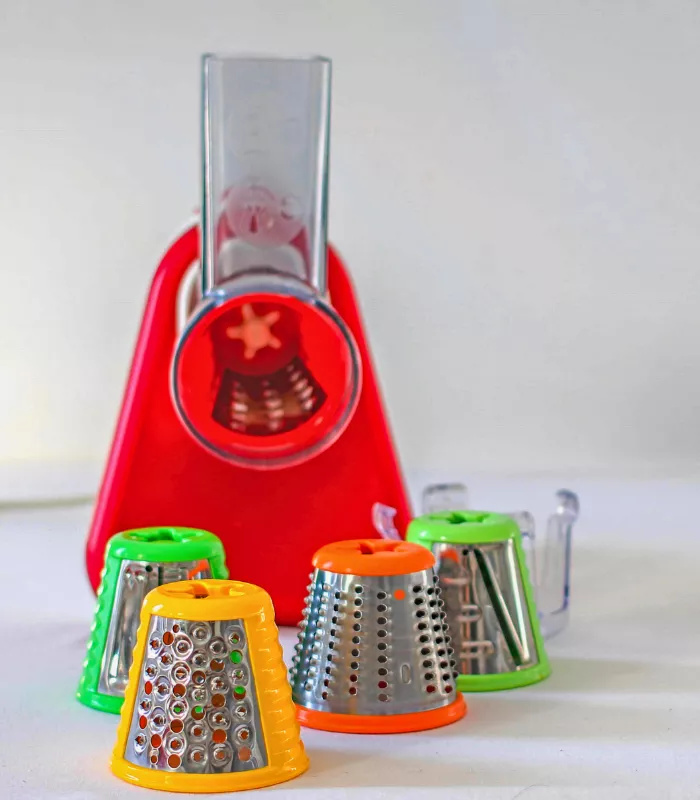
Many homes hold drawers full of slicers, choppers, and one job tools that rarely see daylight.
Some studies estimate the average American home holds hundreds of thousands of items, and gadgets are a big part of that pile.
You are better off relying on a sharp knife, a cutting board, and a few sturdy pans that work every day.
The more parts a gadget has, the more parts you have to wash and store.
Asking how many times a year you will use an item can be a powerful filter.
Why It Is On This List: Most novelty tools save seconds but steal storage space and money.
13. Daily Deal Impulse Buys

Limited time online deals encourage fast clicks, not careful choices.
Research suggests Americans spend a large share of income on non essential goods, which feeds crowded closets and garages.
Over time, those small bargains can block goals like travel, debt reduction, or home updates that matter more in your 50s and 60s.
Waiting 24 hours before buying can cool off many of these urges.
If you forgot the deal by the next day, it likely was not a need.
Why It Is On This List: Flash sales often favor retailers more than shoppers who already have plenty of stuff.
14. Overdecorated Holiday Extras

Seasonal aisles tempt shoppers with themed plates, pillows, and figurines for every holiday.
At the same time, clutter research shows many people already feel overwhelmed by the amount of items in their homes.
Simpler decor, reused each year, can feel calmer and still keep celebrations special without filling every surface.
A small set of meaningful pieces is easier to store and easier to enjoy.
Rotating a few favorites can keep traditions fresh without new purchases.
Why It Is On This List: A few favorite pieces beat closets full of decorations that live in storage most of the year.
15. Trendy Fitness Gadgets
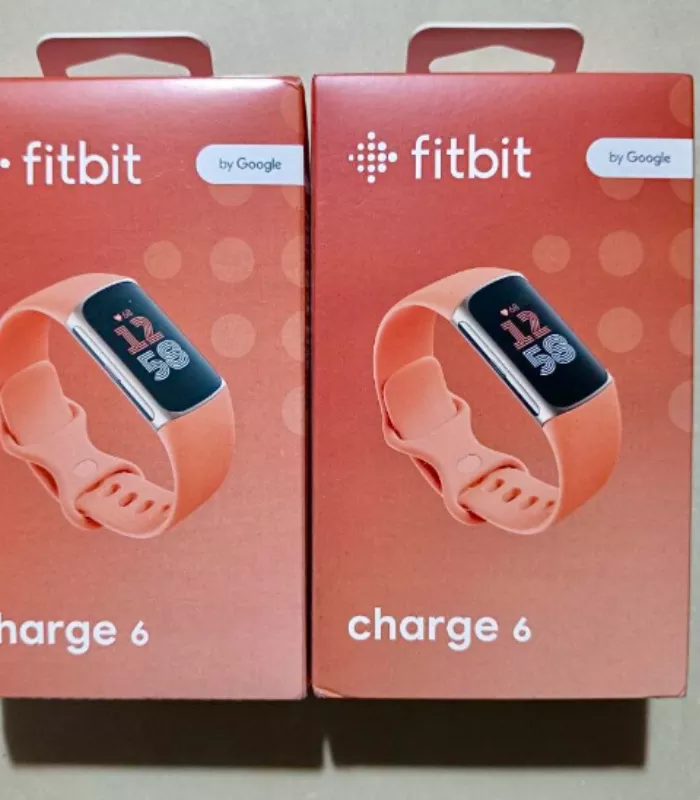
New fitness trackers and devices arrive every year with only small changes.
Many older adults use technology mainly for calls, messages, and news, so advanced metrics often go unused.
Want me to be honest? A simple step counter, comfy shoes, and a routine you enjoy usually do more for health than a drawer of devices.
If a device does not motivate you to move, it is just an expensive bracelet.
Real progress shows up in how you feel, not in how many screens you own.
Why It Is On This List: Paying for features you never check does not improve fitness or well being.
16. Extra Smartphone Accessories

Cases, grips, lenses, stylus pens, and stands quickly add up after a new phone purchase.
Most older adults use smartphones mainly for calls, photos of family, and a few apps, so many add ons sit unused.
A sturdy case, a spare charger, and maybe simple earbuds cover real needs for most people.
Every new accessory also needs its own storage spot and care.
Bundling accessories with big purchases can make it harder to see what you will actually use.
Why It Is On This List: Accessory spending can quietly rival the cost of the device without adding much real value.
17. Large Packs of Processed Snacks

Warehouse stores sell huge boxes of chips, cookies, and sweets that are easy to toss into carts.
Yet nutrition studies link frequent intake of sugary and highly processed foods with higher risks for weight gain and chronic illness.
For adults over 50, that money could buy healthier snacks like nuts, fruit, or yogurt that support long-term health.
Oversized packages can also encourage bigger portions without noticing.
Splitting treats into small, planned purchases keeps both health and budget steadier.
Why It Is On This List: Bulk snack deals often trade short-term convenience for long-term health costs.
18. Overly Fancy Cleaning Products
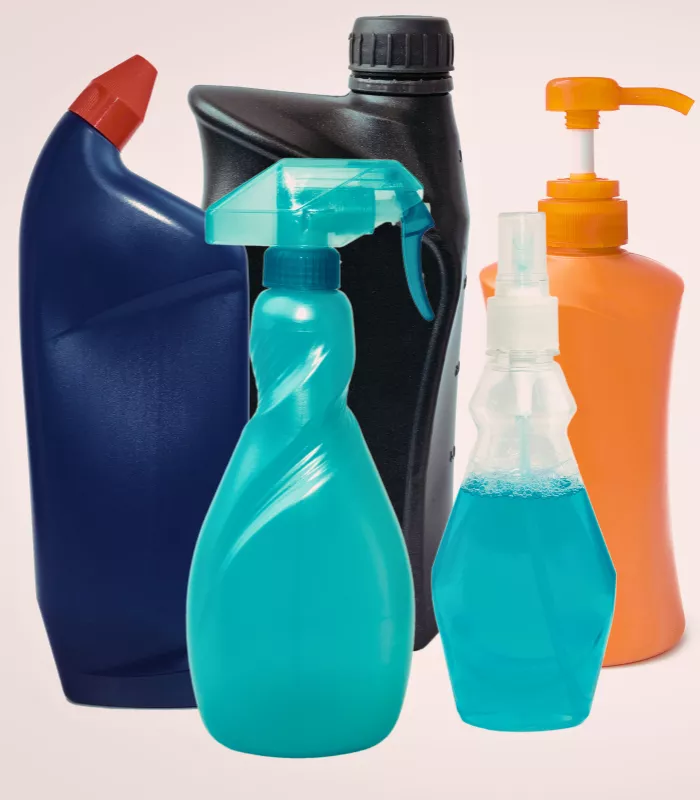
Store shelves offer a separate cleaner for every room and surface.
In reality, many households manage well with a few basic products for most jobs, such as an all-purpose cleaner and dish soap.
Stocking many bottles increases spending and clutter under the sink without making the home much cleaner.
Reading labels reveals similar ingredients across many different brands.
Buying concentrates or refills can cut plastic waste and save space.
Why It Is On This List: Simple, multi-use cleaners usually match the results of long rows of specialized products.
19. Storage Bins for More Stuff
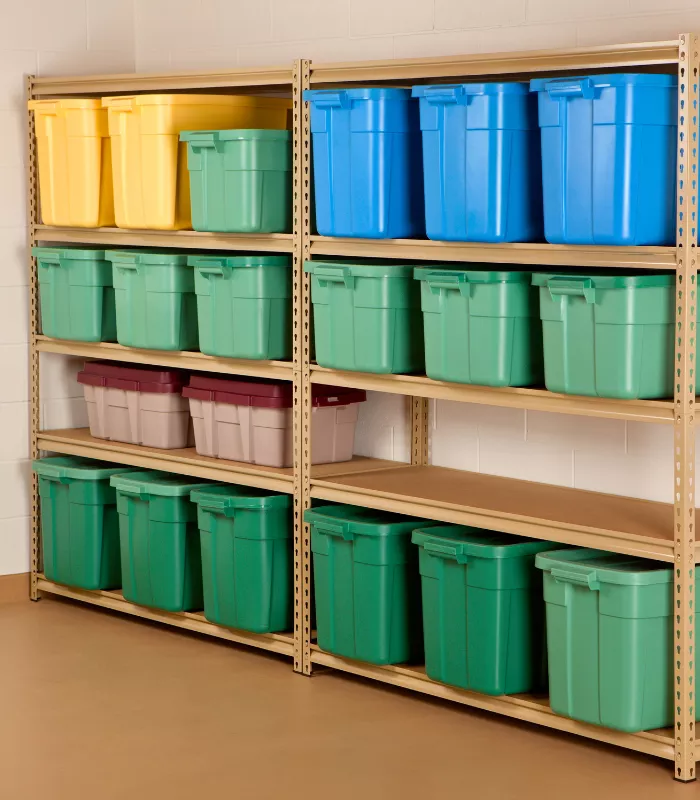
Buying more bins can feel like solving clutter, but it often just hides the problem.
Studies suggest the typical American home now holds an extremely high number of possessions, and storage is a booming business.
That is why decluttering first, then buying only what you really need, helps more than adding another tower of plastic tubs.
If a bin has not been opened in years, its contents may not be earning their keep.
Clear containers can help, but fewer containers help even more.
Why It Is On This List: Organizing excess does not beat owning less in the first place.
20. Expensive Holiday Gift Spending

Holiday shopping can quietly become one of the largest yearly budget items.
Recent surveys show Americans expect to spend around one thousand dollars per person on holiday gifts alone, not counting travel or food.
For many people over 50, shared time, small traditions, or modest gifts can feel just as warm as big spending.
Setting a firm budget per person can protect savings and reduce stress.
Thoughtful limits also make it easier for friends and family to follow your lead.
Why It Is On This List: Focusing on connection instead of cost keeps holidays joyful without straining savings.