

If you want to test your IQ, try deciphering a grocery receipt in Iowa.
The local stores seem convinced that every loaf of bread should come with a TED Talk.
A box of cereal costs roughly the same as a round-trip flight to Omaha—without the frequent flyer miles.
Rumors float that Iowa supermarkets are secretly moonlighting as escape rooms.
Grocery shopping here demands the wit of Sherlock and the nerve of a bank robber.
1. Whole Foods Market, Des Moines
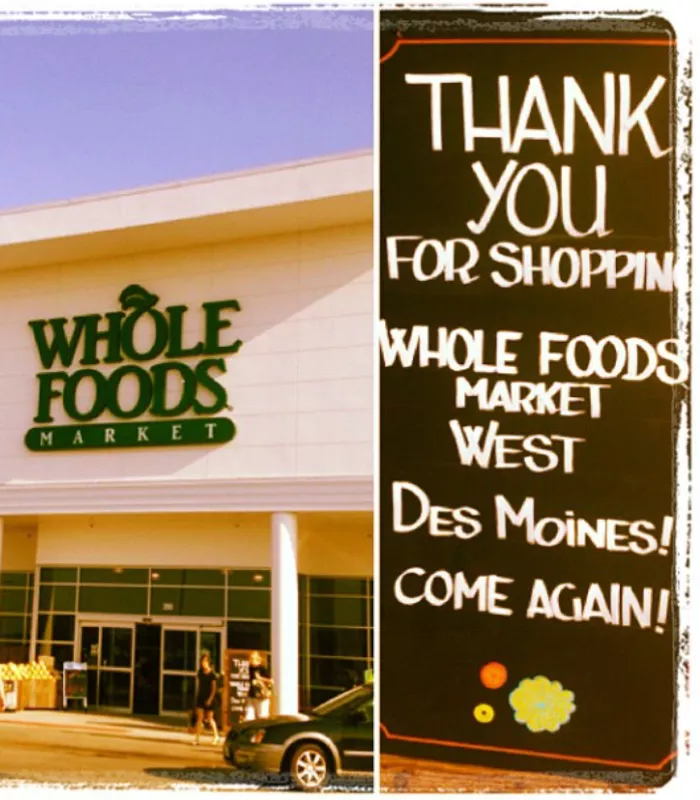
Whole Foods has earned its nickname “Whole Paycheck” for good reason [web:11]. This upscale grocery chain opened its only Iowa location in Des Moines.
The store has built a reputation as one of the most overpriced grocery stores in America since its founding in 1980 [web:11]. While the quality is high, your wallet will feel significantly lighter after each shopping trip.
Shoppers on fixed incomes find the premium pricing especially challenging. The store caters to a more affluent demographic willing to pay top dollar for organic and specialty items.
Why It’s On This List: Reports consistently rank Whole Foods among the country’s most expensive grocery chains, with prices substantially higher than budget-friendly alternatives.
2. Hy-Vee Locations, Statewide
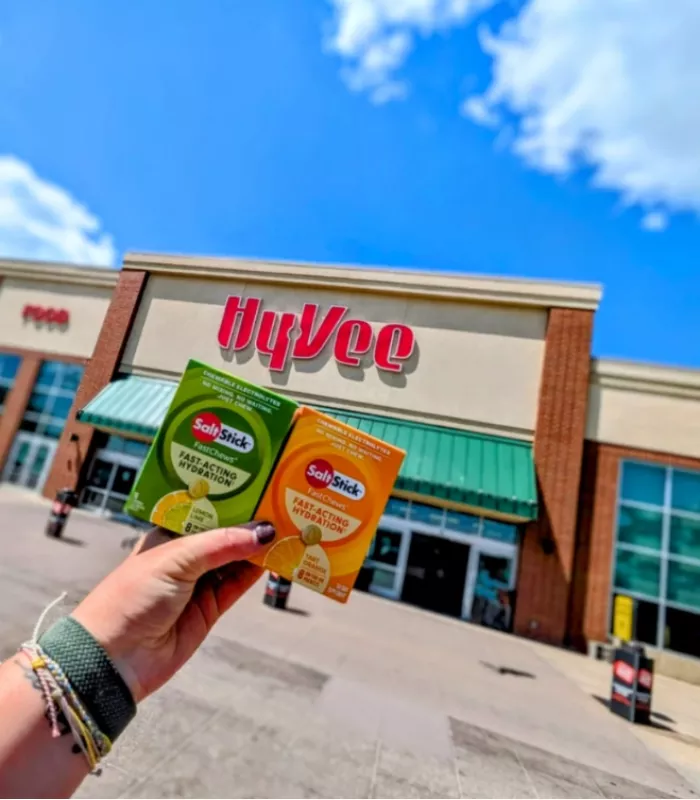
Hy-Vee operates more than 240 stores across eight Midwestern states, with Iowa serving as its headquarters [web:28]. The chain has become wildly expensive in recent years.
Price comparisons show Hy-Vee losing ground to competitors like Walmart. What was once a 50-50 split in pricing has shifted to an 80-20 advantage for Walmart by 2025.
Even with loyalty card discounts, Hy-Vee remains the priciest option for grocery shopping [web:18]. A side-by-side comparison revealed shoppers could save nearly $14 by choosing Walmart for the same items.
Budget Impact: Packaged foods like boxed mac and cheese cost over $3 at Hy-Vee compared to just over $1 at Walmart, representing massive markups on everyday staples.
3. Natural Grocers, Iowa City
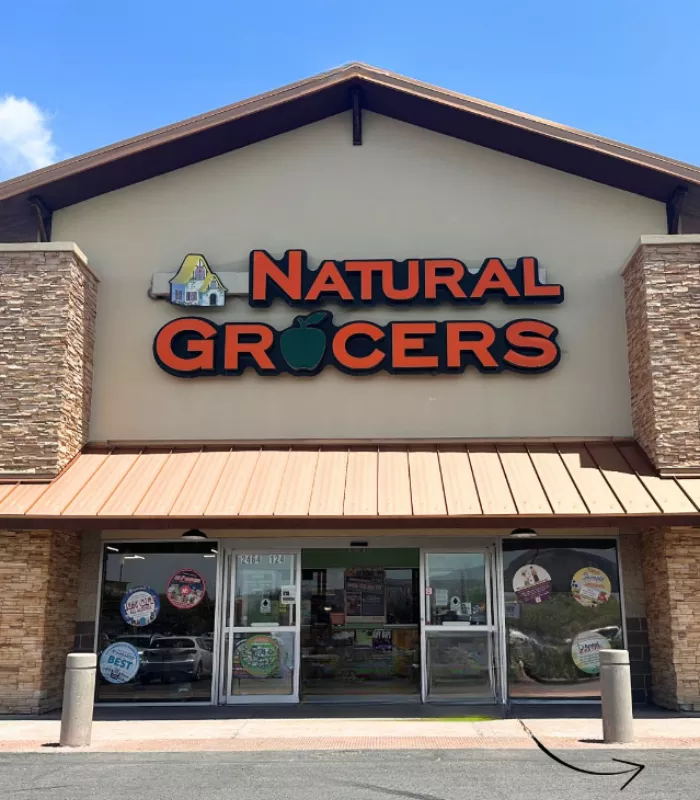
Natural Grocers positions itself as a health-focused alternative to conventional supermarkets. The store sits conveniently on Gilbert Street near the University of Iowa.
This Colorado-based chain maintains strict inventory standards, potentially even more stringent than Whole Foods. But here’s the catch: those high standards come with equally high prices.
Shoppers seeking organic produce and specialty supplements will find what they need. However, budget-conscious seniors may struggle to afford the premium pricing on basic groceries.
Why It’s On This List: The focus on organic and specialty health products drives prices significantly higher than traditional grocery stores, making it unsuitable for budget shopping.
4. Fareway Stores, Multiple Locations
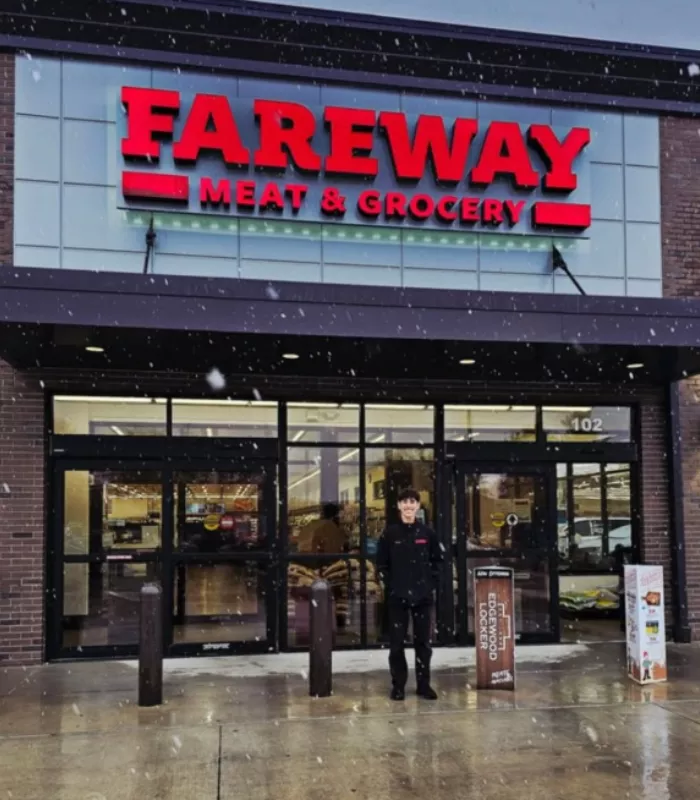
Fareway operates around 140 locations across seven states, with nearly 120 stores in Iowa alone. The regional grocer has built its reputation on full-service meat counters.
Price comparisons reveal Fareway consistently charges more than discount competitors. The chain positions itself as a premium shopping experience with to-your-car carryout service.
While the customer service is excellent, shoppers pay a premium for that convenience. The prices on packaged goods and produce often exceed what budget chains charge.
Budget Impact: Fareway’s high prices on packaged foods and fresh produce make it a challenging option for shoppers watching every dollar on a fixed income.
5. Small Town Independent Grocers, Rural Iowa
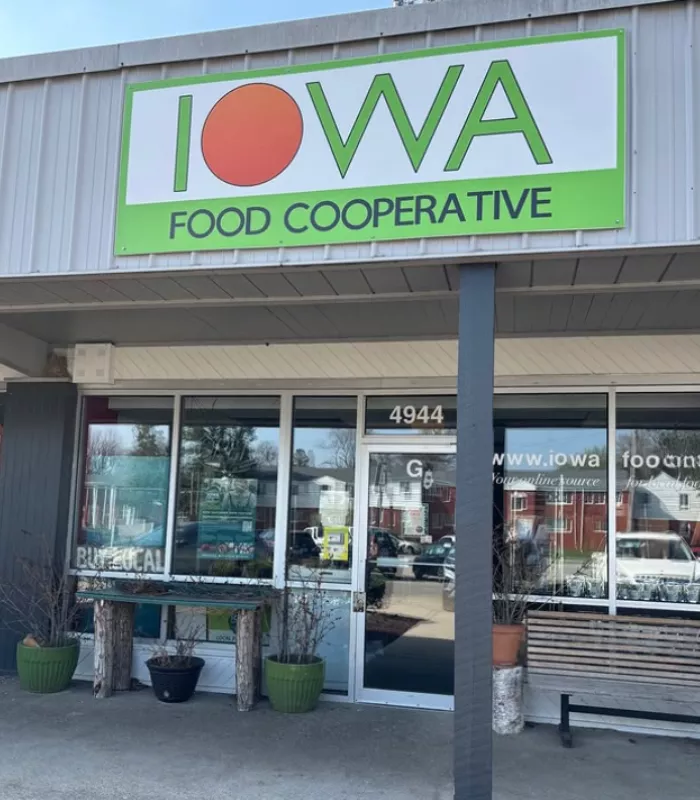
Iowa has seen a 15% decrease in independent grocers over the last decade. The remaining small-town stores face unique pricing challenges.
These rural grocers cannot order large quantities from wholesalers, making it difficult to keep prices affordable [web:55]. Transportation costs and limited competition drive prices even higher.
Small stores typically charge 10-54% more than supermarkets for staple items. Isolated residents often have no choice but to pay these inflated prices or drive long distances.
Why It’s On This List: Small independent grocers lack the purchasing power to negotiate lower wholesale prices, forcing them to charge significantly more than chain supermarkets.
6. Convenience Store Groceries, Statewide
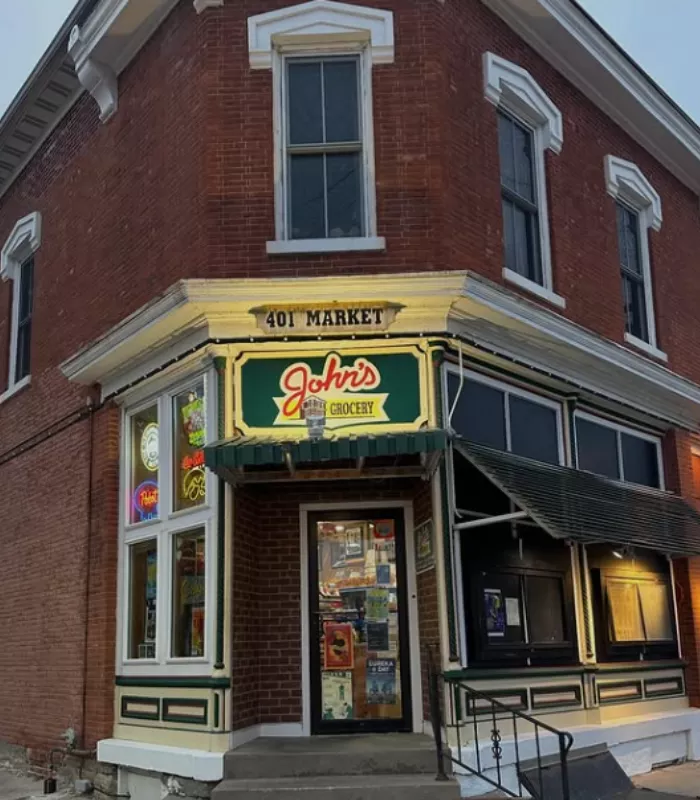
Convenience stores offer quick access to essentials but at a steep cost. These shops charge premium prices for the privilege of location and extended hours.
Research shows convenience stores price items 102% higher on average than supermarkets. That’s more than double what you would pay at a traditional grocery store.
Fresh produce quality at convenience stores is particularly poor, with only 25% of fruits and 14% of vegetables rated as high quality. You’re better off making the extra trip to a full-service grocer.
Budget Impact: Shopping at convenience stores can literally double your grocery bill compared to supermarket prices, making them the worst option for budget-conscious shoppers.
7. Fresh Thyme Farmers Market, Limited Iowa Presence
Fresh Thyme entered Iowa with high expectations but struggled to maintain its footprint. The natural grocer closed its Ames location after opening just one year earlier.
This chain is linked to larger corporations like Meijer and focuses on natural products [web:33]. The pricing reflects that premium positioning in the marketplace.
Multiple store closures across the Midwest suggest the pricing model doesn’t resonate with budget-focused shoppers [web:63]. Population density and limited competitors cannot overcome the fundamental challenge of high prices.
Why It’s On This List: Fresh Thyme’s natural and organic focus translates to premium pricing that makes budget grocery shopping nearly impossible.
8. The Fresh Market, Out of State but Relevant
While The Fresh Market has no Iowa locations, it operates four stores in neighboring Illinois [web:11]. This upscale grocer ranks among America’s most overpriced supermarkets.
The chain caters to affluent shoppers seeking specialty items and premium prepared foods. Price comparisons consistently show significant markups over traditional grocers.
Iowa shoppers who travel across state lines may encounter these stores. That’s why it’s important to know they represent poor value for budget-conscious consumers.
Budget Impact: The Fresh Market charges premium prices comparable to Whole Foods, making it one of the most expensive grocery shopping experiences available.
9. Specialty Ethnic Grocery Stores, Des Moines
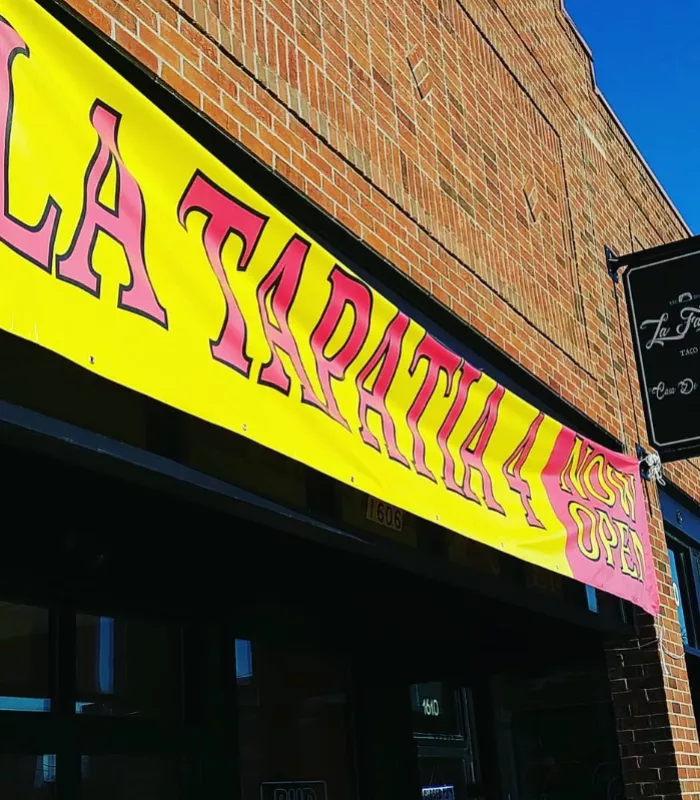
Des Moines hosts several ethnic grocery stores serving diverse communities. These shops import specialty products from around the world.
Import costs and tariffs drive prices significantly higher than mainstream alternatives . Global tariff policies have created anxiety among ethnic store owners about rising food costs.
While these stores provide essential cultural foods, the prices reflect complex international supply chains. Budget shoppers may find only limited affordable options among the specialty imports.
Why It’s On This List: International shipping costs, tariffs, and limited purchasing power force ethnic grocers to charge premium prices on imported specialty items.
10. Hy-Vee Dollar Fresh, Small Towns
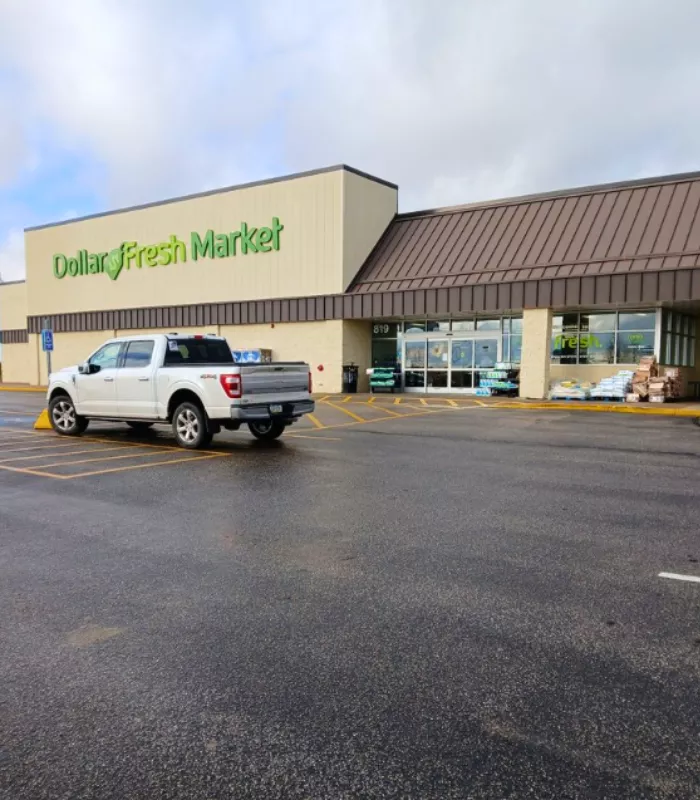
Hy-Vee launched Dollar Fresh stores starting in 2018 to serve smaller communities [web:34]. The first location opened in Osceola, Iowa, with promises of low prices.
Despite the “Dollar” branding, these stores still carry Hy-Vee’s pricing DNA. Iowa has 14 Dollar Fresh locations spread across rural areas [web:32].
The concept offers better selection than convenience stores but cannot match true discount chains. Small-town residents often find prices higher than what urban shoppers pay at Walmart or Aldi.
Budget Impact: Dollar Fresh stores charge more than budget chains like Aldi despite the name, offering only marginally better value than full-size Hy-Vee locations.
11. Airport and Highway Travel Plaza Groceries, Statewide
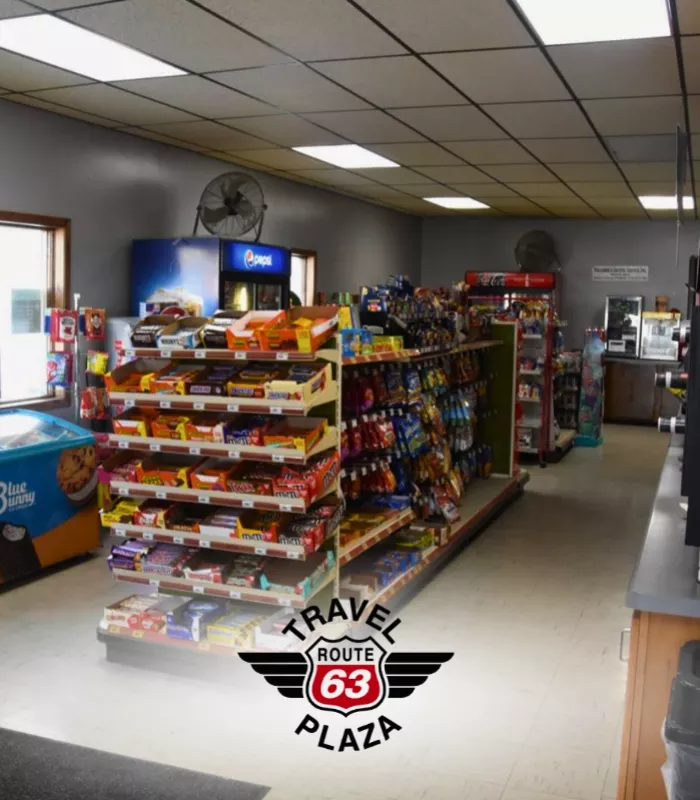
Travel plazas along Iowa’s interstate system offer convenience at a high cost. These locations capitalize on captive audiences with few alternatives.
Gas station convenience stores mark up grocery items by over 100% compared to traditional supermarkets. A bottle of water or a bag of chips costs double what you would pay elsewhere.
The fuel may be competitively priced, but the food inside is a different story. Budget-conscious travelers should pack snacks before hitting the road.
Why It’s On This List: Travel plaza grocery items carry extreme markups designed to capitalize on travelers’ limited options and time constraints.
12. Specialty Co-op Grocers, Iowa City and Des Moines
Food cooperatives like New Pioneer Co-op in Iowa City serve members seeking organic options. These community-owned stores prioritize local and sustainable products.
Membership fees and higher wholesale costs translate to premium shelf prices. The co-op model focuses on quality over affordability.
While the mission is admirable, shoppers on fixed incomes struggle with the elevated pricing. You’re better off finding conventional alternatives for everyday staples.
Budget Impact: Co-op grocery prices typically exceed traditional supermarkets by 20-30% due to their focus on organic, local, and specialty products.
13. Natural Grocers, Davenport
Natural Grocers operates a second Iowa location in Davenport on 53rd Street near Interstate 74. The store serves the Quad Cities area with organic products.
Despite claims of affordable rates, Natural Grocers maintains premium pricing on most items. The 100% organic produce section comes with correspondingly high price tags.
Budget shoppers find better value at conventional supermarkets nearby. The specialty focus makes this location unsuitable for cost-conscious grocery shopping.
Why It’s On This List: Natural Grocers charges premium prices for organic-only products, making weekly grocery shopping prohibitively expensive for budget-conscious seniors.
14. Hotel and Resort Mini-Marts, Tourist Areas
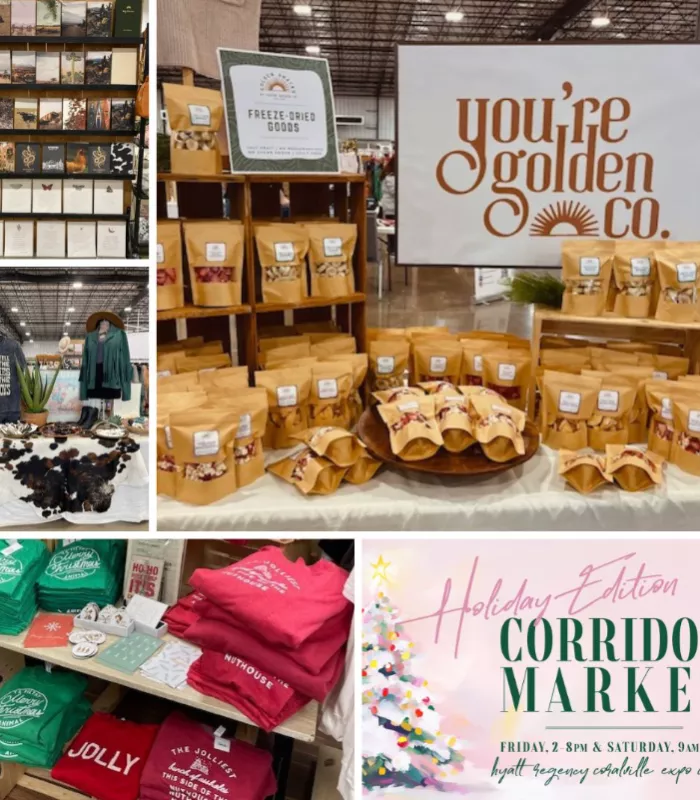
Tourist destinations across Iowa feature hotel convenience stores with shocking prices. These mini-marts target vacationers who forgot essential items.
Research shows convenience store prices average 102% higher than supermarkets. Hotel stores often add another layer of markup beyond typical convenience stores.
A simple bottle of juice or a package of crackers costs three times the normal price. That’s why savvy travelers shop before reaching their destination.
Budget Impact: Hotel mini-marts exploit customers’ immediate needs with prices that can triple what nearby supermarkets charge for identical items.
15. Gourmet and Specialty Food Shops, Urban Areas
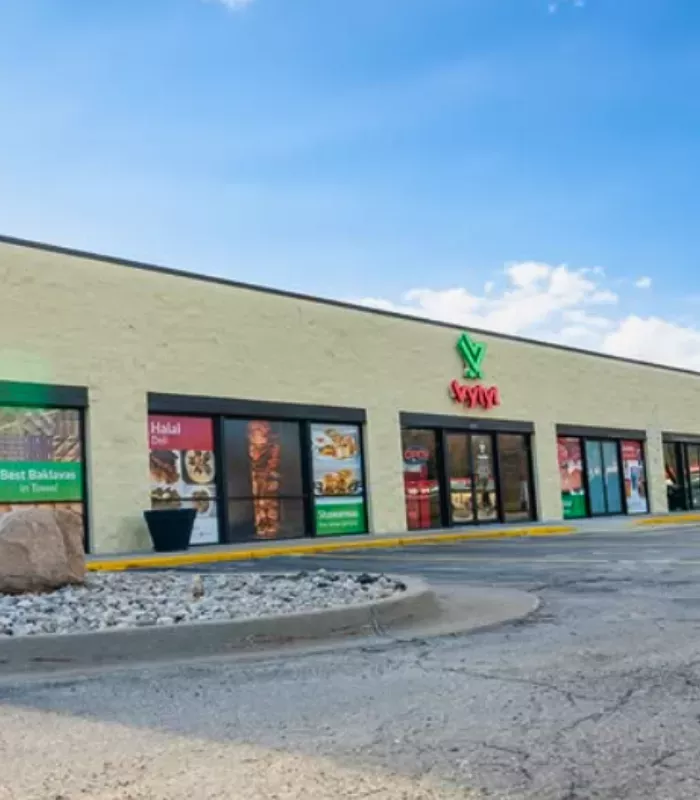
Des Moines, Cedar Rapids, and Iowa City host specialty food boutiques selling artisan products. These shops cater to foodies willing to pay premium prices.
Small-batch items, imported cheeses, and craft goods command luxury pricing. A loaf of artisan bread costs what budget shoppers spend on a week’s worth.
These stores serve a niche market rather than everyday grocery needs. Fixed-income shoppers should avoid them entirely for routine purchases.
Why It’s On This List: Specialty food shops focus on luxury and artisan products with markups of 200-400% over conventional grocery alternatives.
16. University Campus Convenience Stores, College Towns
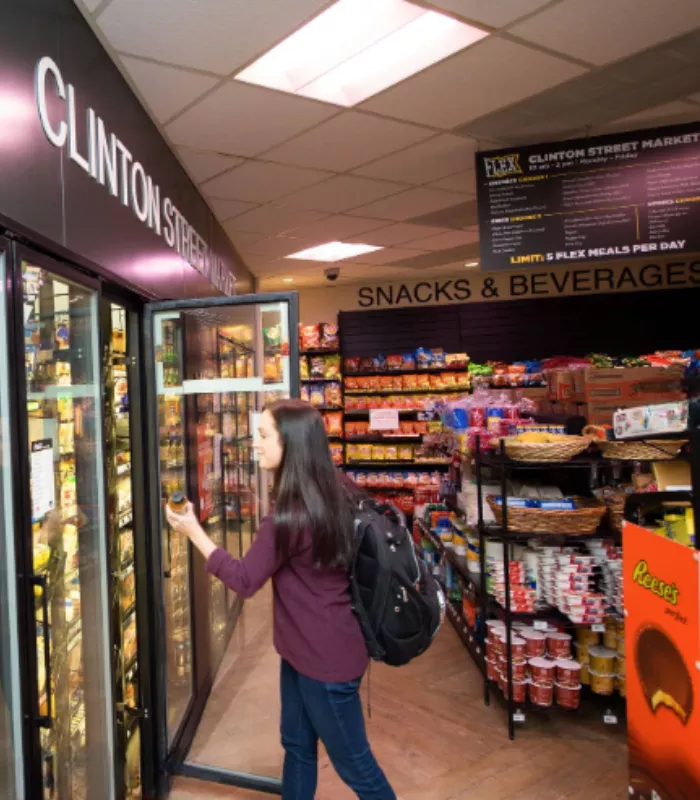
College campuses in Iowa City, Ames, and Cedar Falls feature on-campus grocery options. These stores target students with meal plans and limited transportation.
Campus convenience stores exploit their captive audience with inflated prices. Students and visiting parents pay significantly more than off-campus alternatives.
The convenience factor comes at a steep cost. But here’s the catch: most campus stores don’t accept competitors’ coupons or loyalty programs.
Budget Impact: Campus convenience stores charge 50-100% more than nearby supermarkets while offering limited selection and no discount programs.
17. Pharmacy Front-End Grocery Sections, Statewide
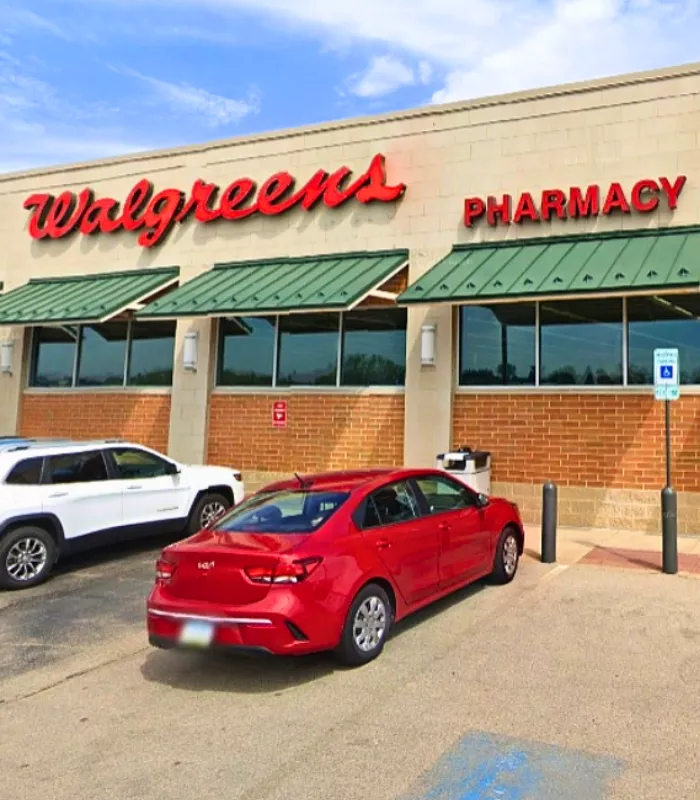
CVS, Walgreens, and other pharmacies stock limited grocery items at premium prices. These sections target customers picking up prescriptions.
Research consistently shows pharmacy stores charge substantially more for packaged foods. A box of cereal or container of milk costs significantly more than at supermarkets.
Shopping for groceries while filling prescriptions seems convenient but destroys your budget. Make separate trips to discount grocers instead.
Why It’s On This List: Pharmacy stores mark up grocery items by 40-80% compared to traditional supermarkets, making them unsuitable for budget shopping.
18. Seasonal Tourist Stand Groceries, Rural Areas
Roadside stands near popular tourist attractions sell basic groceries at inflated prices. These temporary operations capitalize on travelers passing through.
Without competition nearby, these stands charge whatever the market will bear. Bottled beverages, snacks, and fresh fruit cost double normal retail prices.
The picturesque location doesn’t justify the premium pricing. Local residents avoid these stands entirely, recognizing the tourist markup.
Budget Impact: Seasonal tourist stands exploit location advantages to charge 100-150% more than permanent grocery stores just miles away.
19. Dollar Store Grocery Sections, Statewide
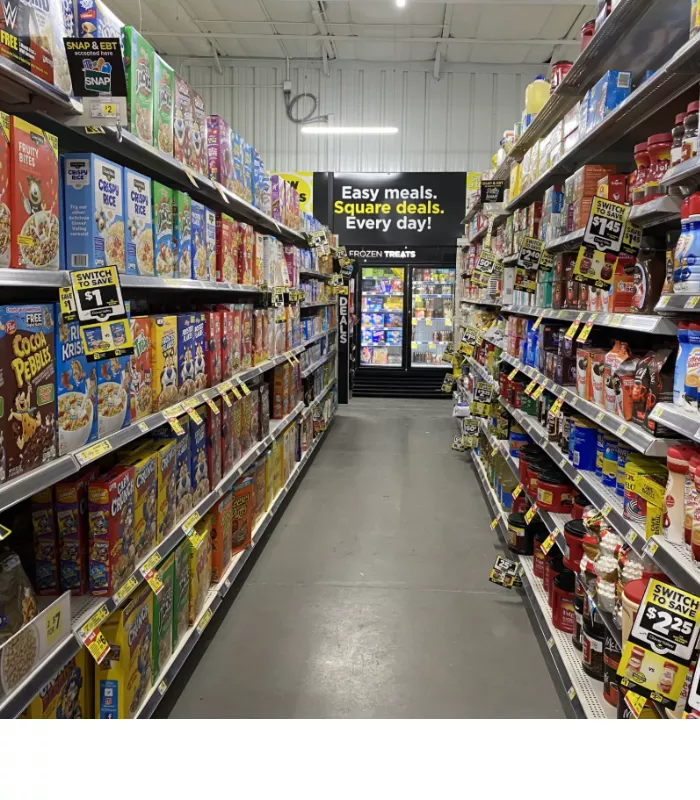
Dollar stores seem budget-friendly but often cost more per unit than traditional grocers. Family Dollar, Dollar Tree, and Dollar General stock limited grocery items.
Package sizes at dollar stores are typically smaller, making per-ounce costs higher [web:51]. That $1 box of crackers contains half what supermarket brands offer.
Expired or near-expiration dates are common problems at dollar stores. You may save a dollar upfront, but waste money on spoiled food.
Why It’s On This List: Dollar stores use smaller package sizes to create the illusion of value while actually charging more per ounce than traditional supermarkets.
20. Vending Machine Food Purchases, Public Locations
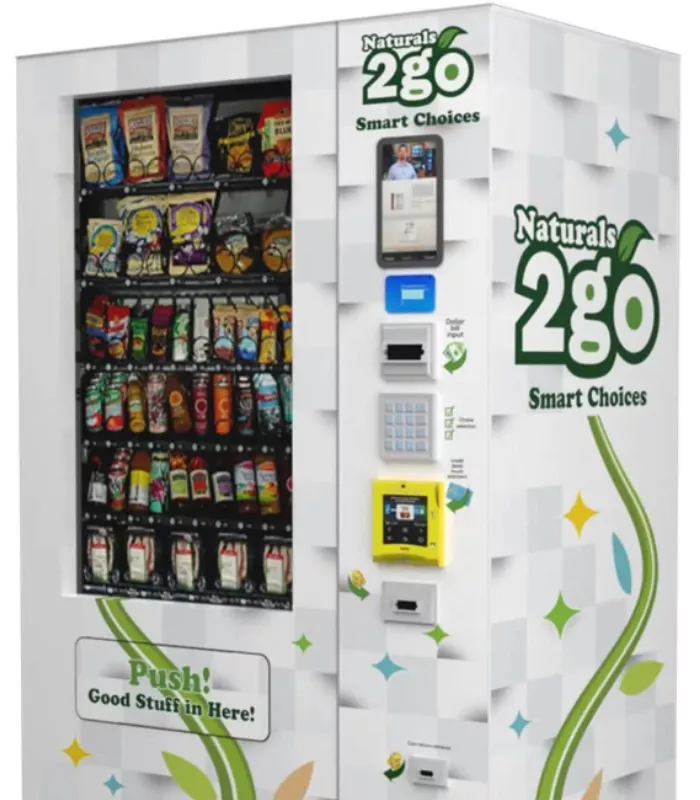
Vending machines in hospitals, government buildings, and public spaces offer emergency food options. The convenience comes with extreme price markups.
A single-serving snack from a vending machine costs 3-4 times the supermarket price. The markup on beverages is equally outrageous.
Vending machines target people with no alternatives in the moment. Planning ahead with packed snacks saves significant money over time.
Budget Impact: Vending machine prices represent the worst value in food purchasing, with markups of 300-400% over retail grocery store prices.
21. Boutique Health Food Stores, Urban Centers
Small independent health food stores in Iowa’s cities charge premium prices for supplements and specialty diets. These shops lack the purchasing power of larger chains.
Gluten-free products at boutique stores cost more than double standard foods [web:2]. The limited customer base forces higher margins to stay profitable.
Grocery store markups have increased substantially in recent years, with stores earning higher profits [web:65]. Boutique health stores amplify this trend with even steeper markups on niche products.
Why It’s On This List: Boutique health food stores combine small-scale operations with specialty products, resulting in prices 150-250% higher than mainstream alternatives.