

On the quantum scale, Idaho’s expensive supermarkets display negative price symmetry: the more you pay, the less you get.
A Nobel Prize in bargain hunting remains elusive here, right alongside affordable laundry detergent.
Counting calories is easy; counting dollars spent on bananas? Pure calculus.
This state’s supermarkets treat budgets like a suggestion, not a rule.
1. Whole Foods Market, Boise
Whole Foods earned its nickname “Whole Paycheck” for a reason.
The Boise location is Idaho’s only Whole Foods store.
Prices here run significantly higher than traditional grocery chains.
Organic produce and specialty items come with premium price tags that can strain any budget.
The store attracts shoppers willing to pay extra for organic certification and upscale ambiance.
But here’s the deal: even with sales and promotions, you’ll spend more than necessary.
Retirees on fixed incomes find it nearly impossible to stay within grocery budgets here.
Why It’s On This List: Named the most expensive grocer in the nation, making budget shopping nearly impossible.
2. Jackson’s Food Stores, Statewide
Jacksons Food Stores charge a whopping 36.63% more than Idaho’s state average for groceries. That’s the highest markup of any major chain in the state.
These convenience-focused locations prioritize accessibility over affordability.
You’ll pay dearly for that quick stop on your way home.
Multiple locations across Idaho mean you might not even realize you’re overpaying.
The convenience factor comes at a steep cost that adds up over time.
Weekly shoppers can waste hundreds of dollars per month at these locations.
Why It’s On This List: More than one-third higher prices than typical Idaho grocery stores will devastate your monthly food budget.
3. Albertsons, Multiple Locations
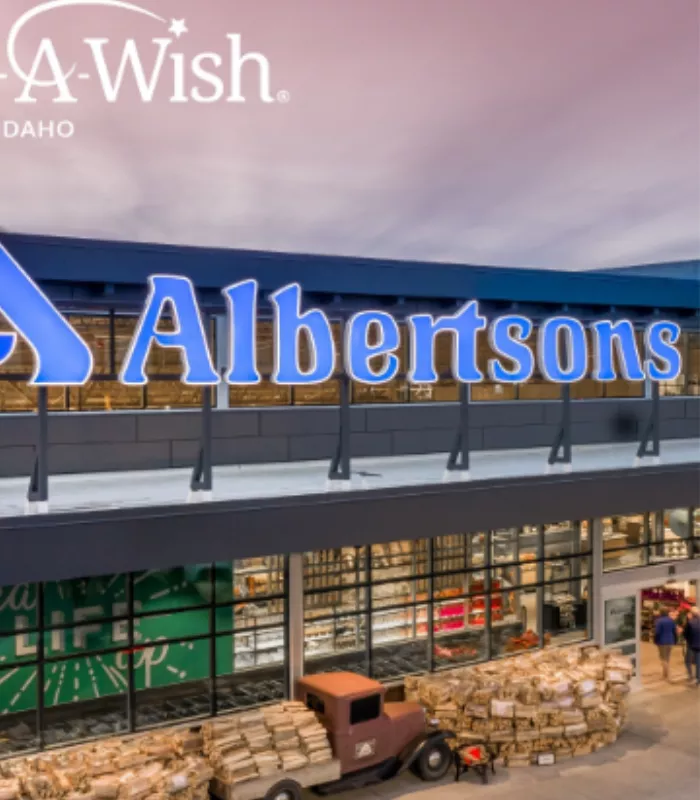
Albertsons prices run 8.68% higher than the state average in Idaho.
Even with their loyalty card and weekly coupons, you’ll spend more here than at competing stores.
Reddit users report spending an extra $15 to $40 compared to budget chains.
Those costs add up quickly when you’re shopping weekly.
The store layout encourages impulse purchases that further inflate your bill.
Weekly ads may look appealing but rarely offset the baseline price premium.
Smart shoppers compare receipts and quickly realize they’re overpaying for basics.
Why It’s On This List: Consistently overpriced items make this chain a poor choice for budget-conscious shoppers over 50.
4. Natural Grocers, Idaho Falls and Other Locations
Natural Grocers specializes in 100% organic produce and natural products.
Organic certification comes with significantly higher prices.
The store focuses on supplements, specialty diets, and premium ingredients.
Budget shoppers will find few affordable options for everyday staples.
Even simple items like bread and milk cost substantially more than conventional alternatives.
The staff promotes expensive supplements and specialty products at every turn.
Health-conscious seniors face difficult choices between wellness and wallet.
Why It’s On This List: Specialty organic focus means everyday grocery items cost substantially more than conventional stores.
5. Island Park General Store, Island Park
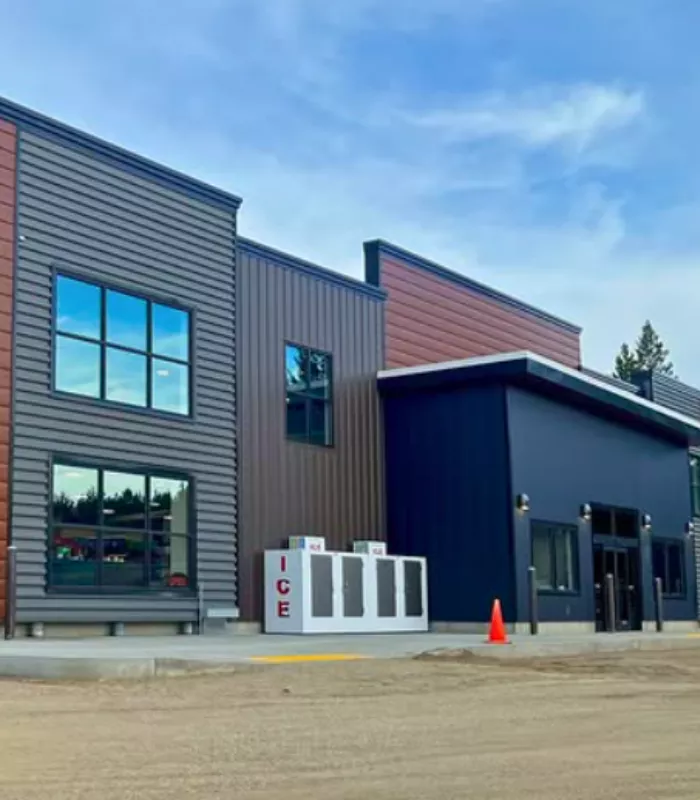
This remote resort area store serves tourists and vacationers near Yellowstone. Location drives up prices dramatically in this seasonal community.
The store stocks everything from groceries to fishing gear and gift items. You’re paying for convenience in an area with almost no competition.
Seasonal residents have no choice but to pay the inflated prices.
Tourist-focused pricing remains in effect year-round for locals.
A gallon of milk can cost twice what you’d pay in Idaho Falls.
Why It’s On This List: Remote location and tourist-focused pricing make this one of Idaho’s most expensive places to buy basic groceries.
6. Fred Meyer, Multiple Locations
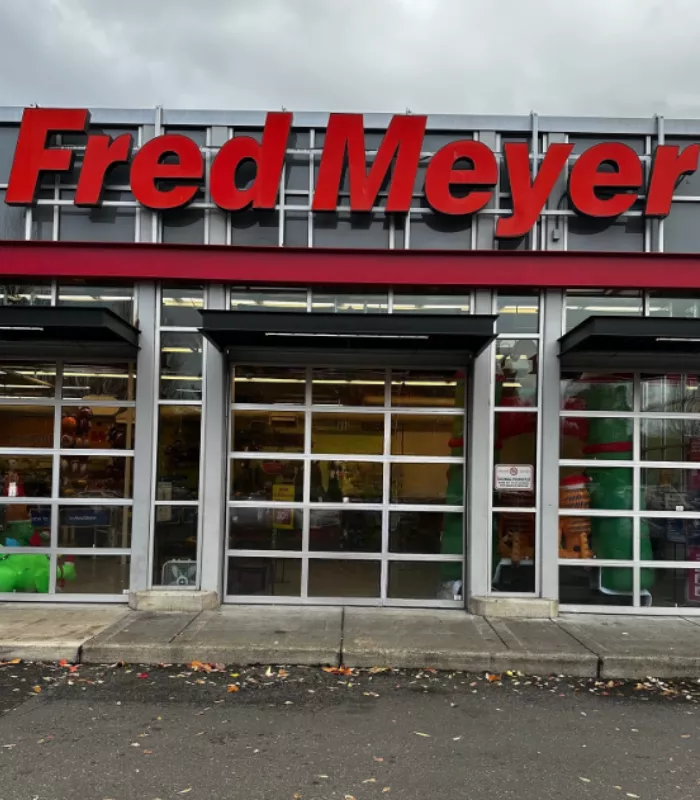
Fred Meyer’s parent company Kroger admitted to price gouging during the 2022 inflation crisis. Company executives testified they hiked milk and egg prices beyond what inflation required.
Idaho has 11 Fred Meyer locations that were part of this pricing strategy. That’s why you’re better off shopping elsewhere for staple items.
The company prioritized profit margins over customer loyalty and affordability.
Even after the admission, prices remain higher than competing chains.
Shoppers who remember the scandal continue to avoid these stores entirely.
Why It’s On This List: Documented price gouging on essentials like milk and eggs proves this chain prioritizes profits over customers.
7. Airport Convenience Stores, Boise Airport
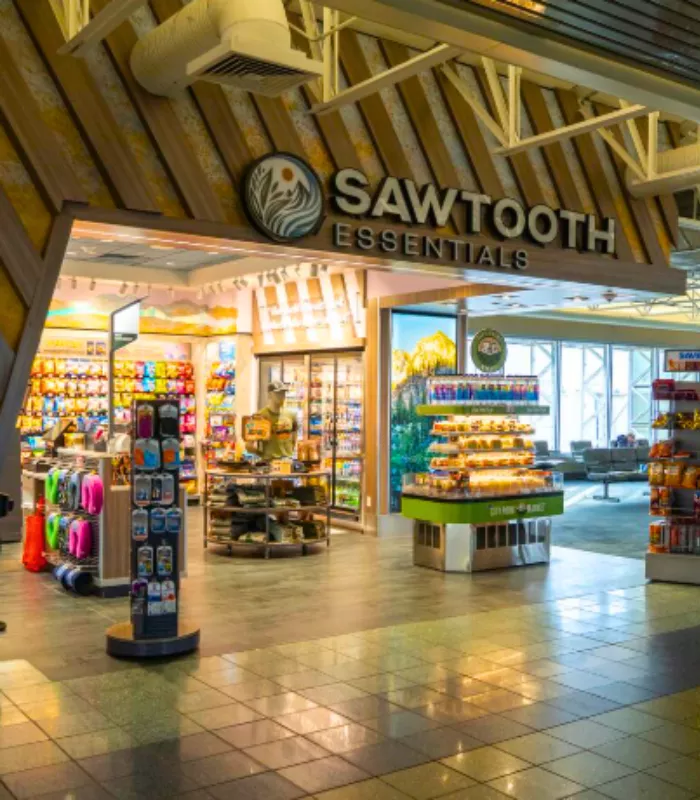
Airport retailers face sky-high rent and operating costs. These expenses get passed directly to customers through inflated prices.
Bottled water can cost $6 or more at airport terminals. Food wholesalers also charge airport vendors premium prices knowing they have captive customers.
Limited competition means vendors can charge whatever they want.
Travelers with early flights have no alternative shopping options.
A simple snack purchase can easily exceed $20 before you board.
Why It’s On This List: Expect to pay double or triple normal grocery prices for snacks and drinks at airport locations.
8. Smith’s Food and Drug, Northern Idaho
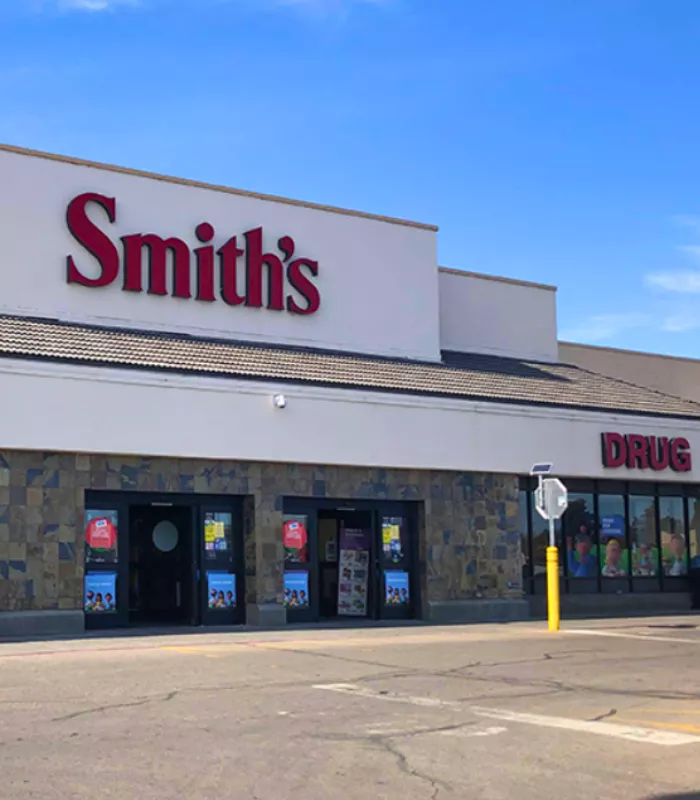
Smith’s is another Kroger-owned chain with three Idaho locations. The company faces the same price gouging allegations that affected Fred Meyer stores.
Prices here consistently run higher than budget alternatives like WinCo. Senior shoppers on fixed incomes will struggle to make their dollars stretch.
The pharmacy section attracts customers who then overpay for groceries.
Loyalty programs offer minimal savings compared to competitive stores.
Many shoppers drive extra miles to avoid these inflated prices.
Why It’s On This List: Kroger ownership and admitted pricing manipulation make this chain a budget buster for Idaho families.
9. Small Rural Convenience Stores, Statewide
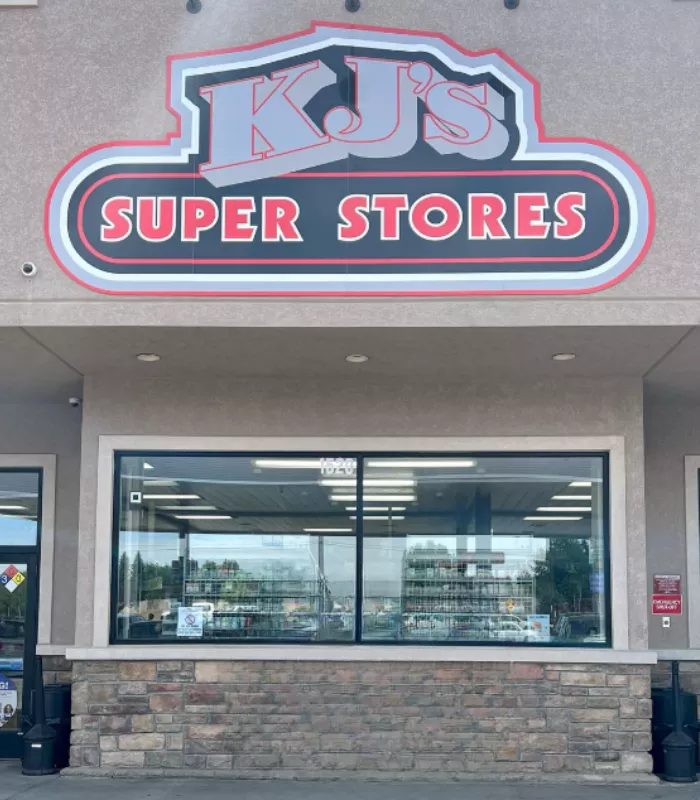
Tiny markets in remote Idaho towns charge 37% more than state averages. Limited competition and higher supplier costs drive up prices significantly.
These stores offer convenience but at a steep price. Staple foods cost 10-54% more than at supermarkets in most cases.
Rural residents often have no realistic alternative within 50 miles.
Delivery fees from larger stores eliminate any potential savings.
Local monopolies mean stores can charge whatever the market will bear.
Why It’s On This List: Rural isolation means captive customers pay premium prices for basic groceries and household items.
10. Gas Station Markets, Statewide
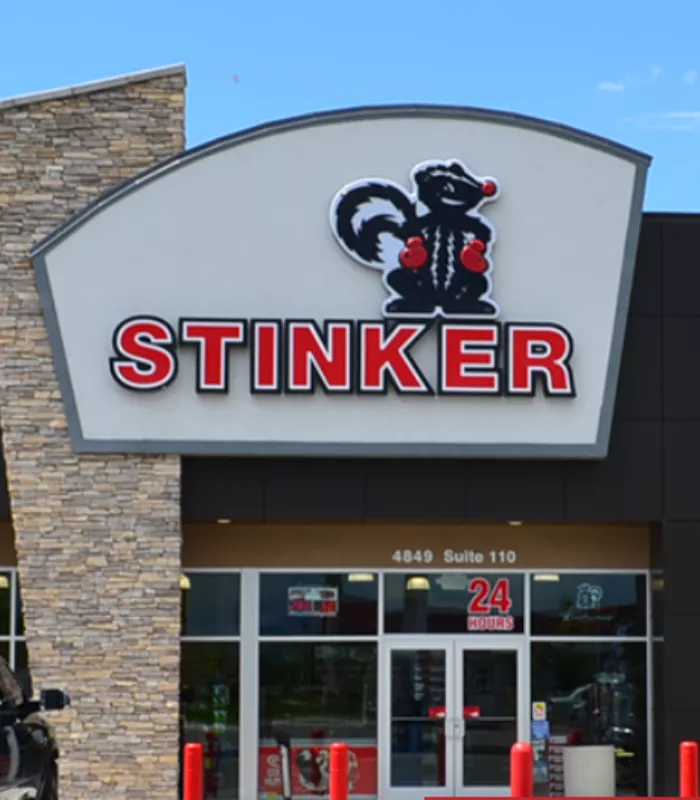
Convenience stores attached to gas stations prioritize quick stops over value. Prices on milk, bread, and eggs run significantly higher than grocery stores.
Product selection focuses on high-margin snacks and drinks. You’ll find limited options for actual meal ingredients at reasonable prices.
Most items are individually packaged at premium per-unit costs.
The layout encourages impulse purchases of overpriced items.
Emergency shopping trips here can demolish your weekly grocery budget.
Why It’s On This List: Convenience pricing means you’ll pay 50-100% more than traditional grocery stores for the same items.
11. Boise Co-op, Boise and Meridian
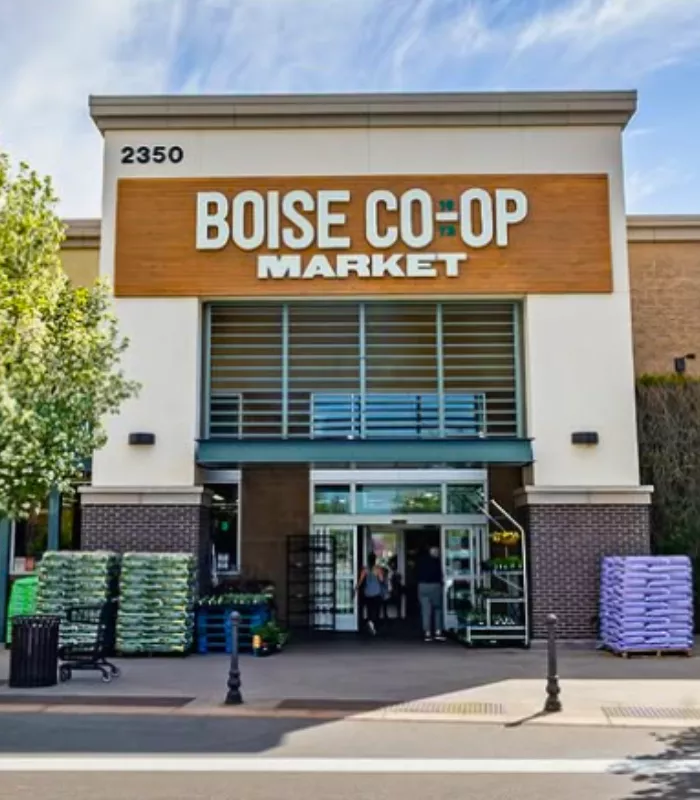
The Boise Co-op charges higher prices than even Whole Foods according to local shoppers. Two-person households regularly spend $200 to $300 per shopping trip here.
This community-owned market focuses on organic and local products. While they support over 300 local vendors, those specialty items come at premium prices.
The co-op membership doesn’t offset the baseline price premium.
Local sourcing drives up costs compared to national supply chains.
Even bulk sections offer minimal savings compared to budget chains.
Why It’s On This List: Reviewers consistently report this store costs more than the nation’s most expensive grocery chain.
12. Atkinson’s Market, Ketchum and Sun Valley
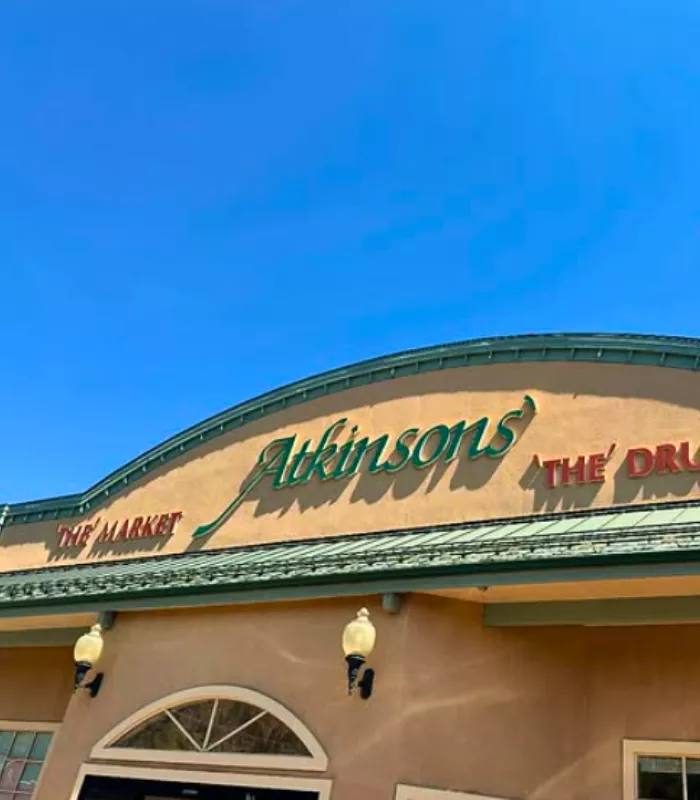
Atkinson’s was rated the most expensive grocery store in the western United States. This resort town market serves wealthy vacationers and second-home owners.
The three Wood River Valley locations charge premium prices year-round. Budget-conscious seniors will find few affordable options in this ski resort area.
High-end clientele keep prices elevated even during off-season months.
Local workers struggle to afford groceries in their own community.
A basic shopping trip easily exceeds $100 for minimal items.
Why It’s On This List: Holds the dubious distinction of being the West’s priciest supermarket chain.
13. Natural Grocers, McCall
McCall’s Natural Grocers serves the resort town’s tourist population. The store stocks 100% organic produce at prices well above conventional options.
Located in Idaho’s mountain recreation area, this location caters to visitors with disposable income. Year-round residents struggle with the limited affordable alternatives.
Tourist season pricing stays in effect throughout the year.
Limited competition from other grocers allows premium pricing strategies.
Locals often drive to Boise for more affordable shopping options.
Why It’s On This List: Tourist-town location plus all-organic inventory equals budget-busting prices for basic groceries.
14. Food Shed Idaho, Victor
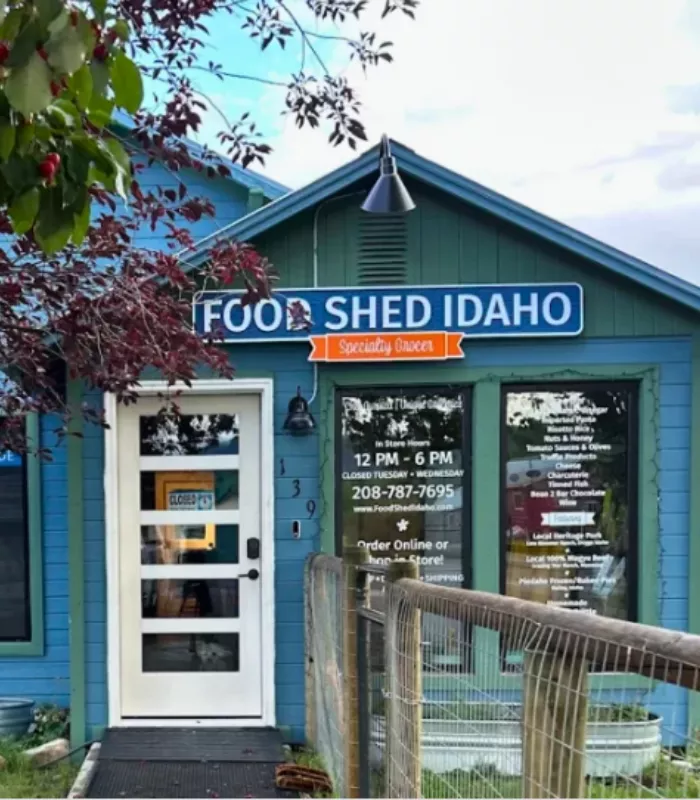
This Teton Valley specialty retailer focuses on imported and gourmet ingredients. The shop targets foodies willing to pay premium prices for unique items.
Small package sizes appeal to RV travelers and campers but cost more per ounce. Everyday staples take a back seat to high-end specialty products.
The store caters to Jackson Hole overflow tourists seeking novelty items.
Prices reflect the affluent demographic of the Teton Valley area.
Budget shoppers find almost nothing in their price range here.
Why It’s On This List: Gourmet specialty focus means this isn’t where you go for affordable weekly shopping.
15. Hotel and Lodge Convenience Stores, Statewide
Resort lodges and hotels mark up grocery items for captive guests. Convenience stores in these locations charge double or triple regular grocery prices.
Limited selection focuses on snacks, drinks, and emergency supplies. You’re paying for the convenience of not leaving the property.
Staff encourages purchases by emphasizing convenience over cost.
Vacation budgets take unnecessary hits from these inflated prices.
Smart travelers stock up before arriving at resort properties.
Why It’s On This List: Resort pricing means a gallon of milk can cost $10 or more at these tourist-focused locations.
16. Ski Resort Base Shops, Multiple Locations
Grocery sections at ski resort base areas charge inflated tourist prices. High rent and operating costs get passed directly to customers.
These shops target vacationers who forgot essentials at home. Locals have no choice but to shop here in remote mountain towns.
Seasonal workers pay vacation prices just to feed themselves.
Limited operating hours force desperate shoppers to pay premium rates.
Winter storms trap residents into paying whatever stores demand.
Why It’s On This List: Tourist captivity and limited competition allow these stores to charge whatever the market will bear.
17. Organic and Natural Markets, Statewide
Specialty organic chains consistently price items 30-50% higher than conventional stores. Organic certification, small-scale farming, and specialty sourcing drive up costs.
These stores appeal to health-conscious shoppers but strain fixed retirement incomes. Even with nutritional benefits, the price premium puts them out of reach for many.
Marketing emphasizes health benefits to justify extreme markups.
Senior citizens must choose between organic ideals and financial reality.
Monthly grocery bills can double when shopping exclusively organic.
Why It’s On This List: Organic-only policies and premium positioning make everyday shopping unaffordable on a tight budget.
18. Downtown Boise Specialty Markets, Boise
Small urban specialty grocers charge premium prices for location and convenience. Downtown rent and limited storage space translate to higher prices.
These boutique markets focus on gourmet and hard-to-find items. Selection emphasizes quality over value, making them impractical for weekly shopping.
Urban professionals with high incomes keep these stores profitable.
Parking costs add even more expense to already inflated grocery bills.
Retirees on fixed incomes find nothing affordable in these upscale shops.
Why It’s On This List: Urban location costs and specialty focus create prices 40-60% above suburban grocery chains.
19. College Campus Stores, Statewide
University convenience stores exploit student captivity with inflated prices. Limited hours at nearby alternatives force students and staff to overpay.
These locations stock basics like ramen, snacks, and drinks at marked-up rates. Campus rent and operating restrictions justify the premium pricing.
Students without cars have few alternatives for affordable shopping.
Meal plan dollars disappear quickly at these overpriced outlets.
Faculty and staff know to avoid campus stores whenever possible.
Why It’s On This List: Captive market pricing means students and visitors pay 75-100% more than off-campus stores.
20. Mountain Town General Stores, Statewide
Remote mountain communities rely on small general stores with limited competition. Transportation costs and low volume sales create 30-40% price premiums.
These stores serve residents and tourists in places like Stanley and Cascade. That’s why groceries cost significantly more than in larger Idaho cities.
Delivery trucks make infrequent trips to these isolated locations.
Small inventory turnover forces stores to charge more per item.
Mountain residents accept high prices as the cost of living remotely.
Why It’s On This List: Geographic isolation and supply chain challenges make basic groceries surprisingly expensive.
21. Wine and Cheese Specialty Shops, Multiple Locations
Gourmet shops specializing in wine, cheese, and specialty foods charge luxury prices. These retailers target affluent customers seeking premium products.
While they offer unique selections, basic pantry staples cost double or more here. You’re better off shopping elsewhere for everyday grocery needs.
Upscale atmosphere and expert staff justify premium pricing strategies.
Wealthy retirees browse for entertainment while budget shoppers avoid entirely.
Even sale prices exceed regular prices at conventional grocery stores.
Why It’s On This List: Luxury positioning and gourmet focus make these shops Idaho’s worst choice for budget grocery shopping.