

The directory in your head still lists anchors that vanished years ago.
You remember when a new mall meant progress, not a future demolition project.
Once the parking lots are filled by noon on Saturdays.
Now the biggest traffic jam is at the single open entrance.
Your mental map stayed full even after the stores moved out.
1. Rolling Acres Mall, Akron, Ohio

Rolling Acres Mall was once a busy regional center in Akron. Families came back to school shopping and weekend walks indoors. At its peak, it had major anchors and more than 100 stores.
Over time, stores closed, and the building sat empty. A vacant mall can attract theft, trespassing, and other problems, and Rolling Acres became known as a local crime hotspot.
City leaders finally stepped in, and the old structure was demolished after years of safety concerns. That is why many longtime residents now remember it as a symbol of how fast a mall can go from crowded to forgotten.
Why It Is On This List: Once a busy mall, Rolling Acres turned into an abandoned, unsafe property and had to be torn down.
2. Northland Mall, Columbus, Ohio
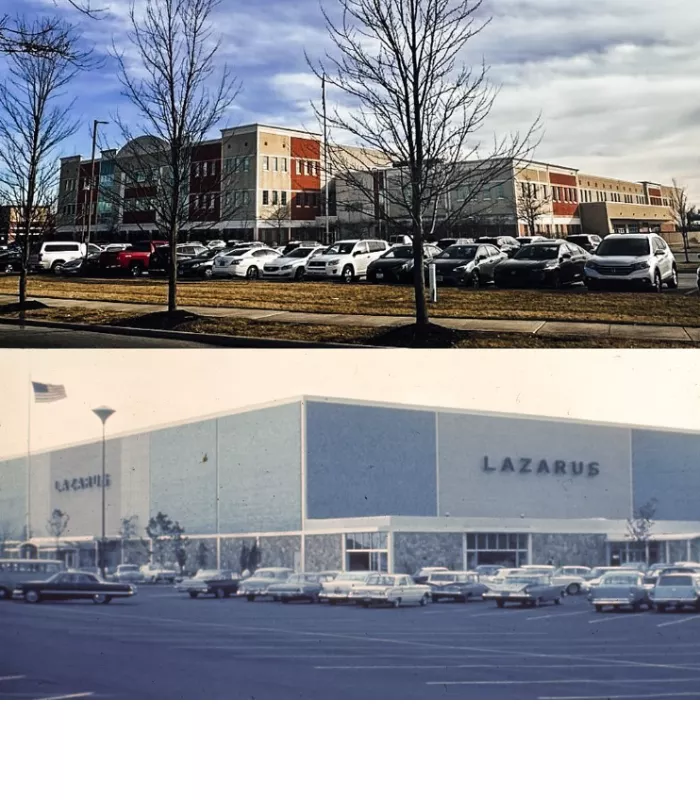
Northland Mall opened in 1964 and was one of Columbus’s first big suburban malls. For a time, it was a go-to spot for department store shopping and holiday visits.
By the early 2000s, anchors like Lazarus, JCPenney, and Sears had all closed. When the last tenants left, the mall officially shut its doors in 2002, leaving a large empty site along a major road.
Parts of the old complex were later demolished to make way for new uses. But many older shoppers still remember the long, slow decline as big-name stores moved to newer centers.
Why It Is On This List: Northland went from pride of the suburbs to a shuttered shell with all major anchors gone.
3. Randall Park Mall, North Randall, Ohio
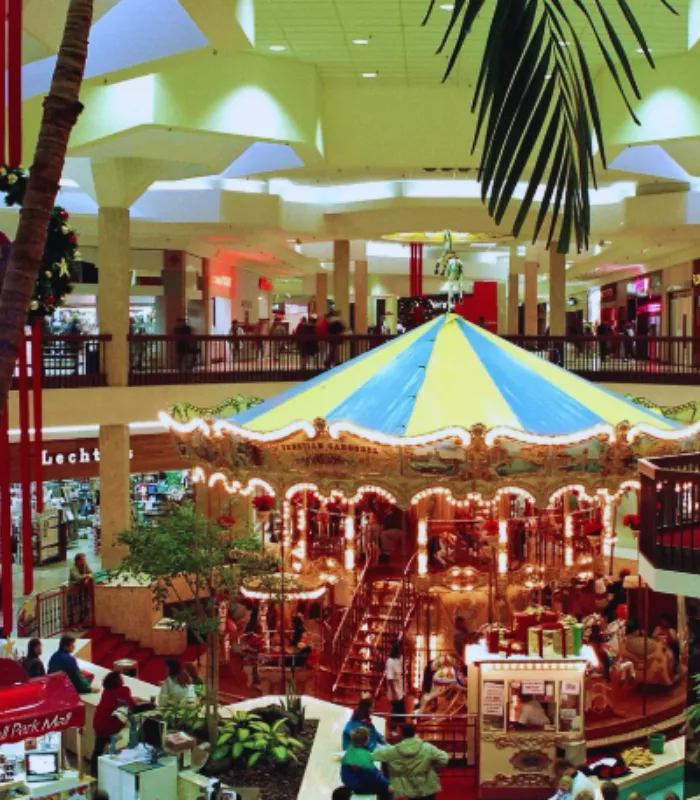
Randall Park Mall near Cleveland opened in the 1970s and was once billed as the largest shopping mall in the United States. It drew visitors from across northeast Ohio with several anchors and a full food court.
As retail shifted to newer centers and online shopping, tenant numbers fell, and many spaces sat empty. Images of dark corridors and closed storefronts turned it into a classic “dead mall” story for the region.
Over the years, large parts of the property were torn down and redeveloped for other uses. Shoppers who remember its heyday often say it feels strange to drive past and see only traces of the old complex.
Why It Is On This List: This former “largest mall in America” became a near-empty site with major demolition and redevelopment.
4. Forest Fair / Cincinnati Mills, Fairfield, Ohio
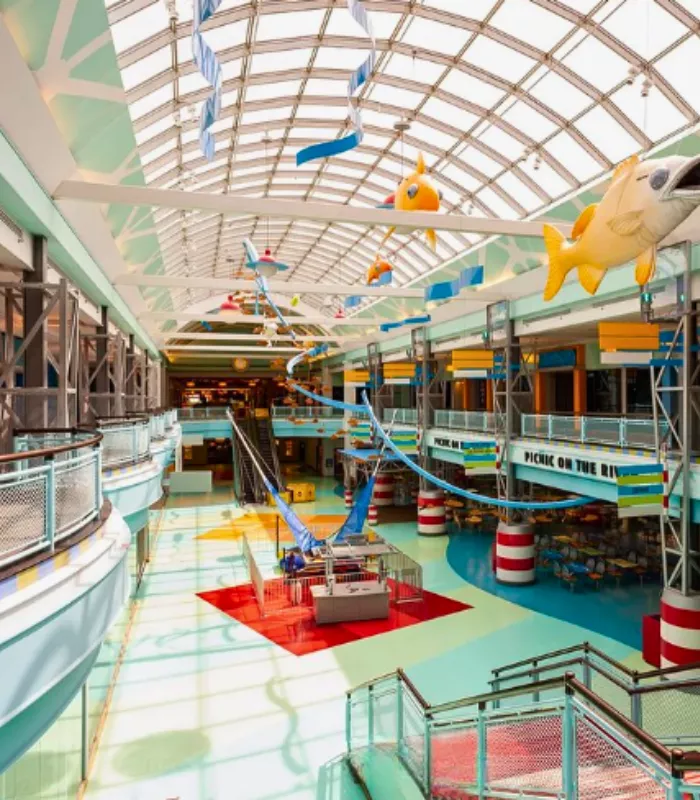
Forest Fair Mall, later known as Cincinnati Mills and Cincinnati Mall, was built with huge ambitions in the late 1980s. It had hundreds of thousands of square feet of space and tried to mix outlet, traditional, and entertainment retail.
But here is the catch. The location and changing mix of tenants never quite clicked with shoppers. Over time, the center became known for long empty wings and a patchwork of bargain stores and temporary uses.
By the 2000s and 2010s, large parts of the mall were quiet most days. Commenters in the region now often mention it as one of the most infamous “dead malls” in Ohio.
Why It Is On This List: A massive complex with chronic vacancies and rebrand after rebrand that never fully worked.
5. Parmatown Mall / The Shoppes at Parma, Parma, Ohio

Parmatown Mall opened in the 1950s as an open-air shopping plaza and was later enclosed into a full mall. For decades, it served Parma as a key retail hub with department stores and local shops.
By the early 2010s, foot traffic had dropped sharply, and many national chains left. The enclosed mall closed around 2013, and redevelopment turned much of the site into an outdoor-style center now called The Shoppes at Parma.
While the newer format added fresh life, the classic enclosed mall experience is gone. Many over 50 remember it as a place where teens met friends and families walked laps indoors.
Why It Is On This List: The original enclosed mall declined so much that it had to be reworked into a different kind of center.
6. Beechmont Mall, Anderson Township, Ohio
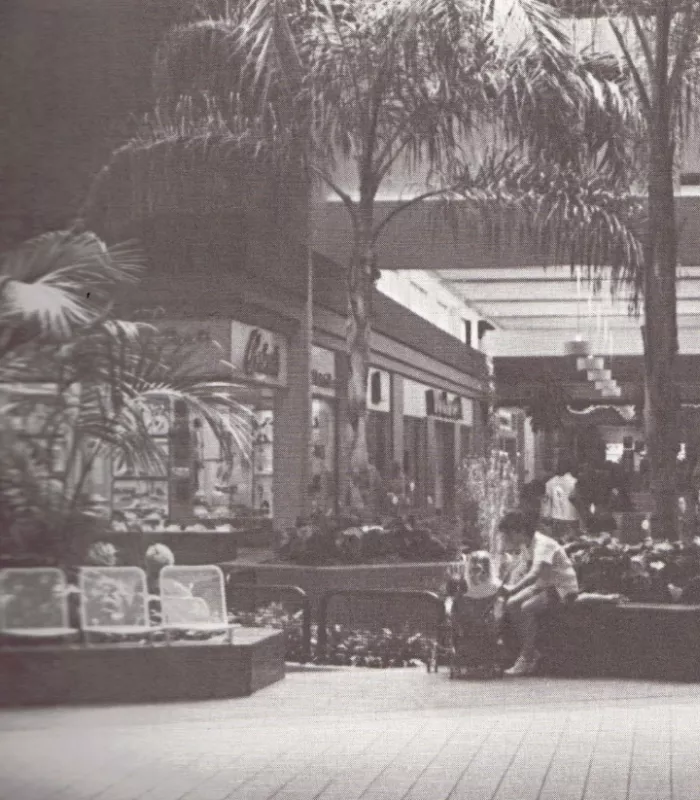
Beechmont Mall in the Cincinnati area opened in 1969 during the boom years of indoor shopping. It gave nearby suburbs a climate-controlled place to shop and meet up.
Over the years, newer centers along the same corridor pulled away customers. The mall was eventually demolished in 2003 and replaced with Anderson Towne Center, leaving only memories of the old indoor layout.
Long-time residents often recall how fast the change felt, from busy Saturdays to boarded-up doors. You are better off visiting the newer open-air center today if you want active stores and services.
Why It Is On This List: A once solid suburban mall that disappeared completely and was rebuilt as a different style project.
7. Westgate Mall, Fairview Park, Ohio
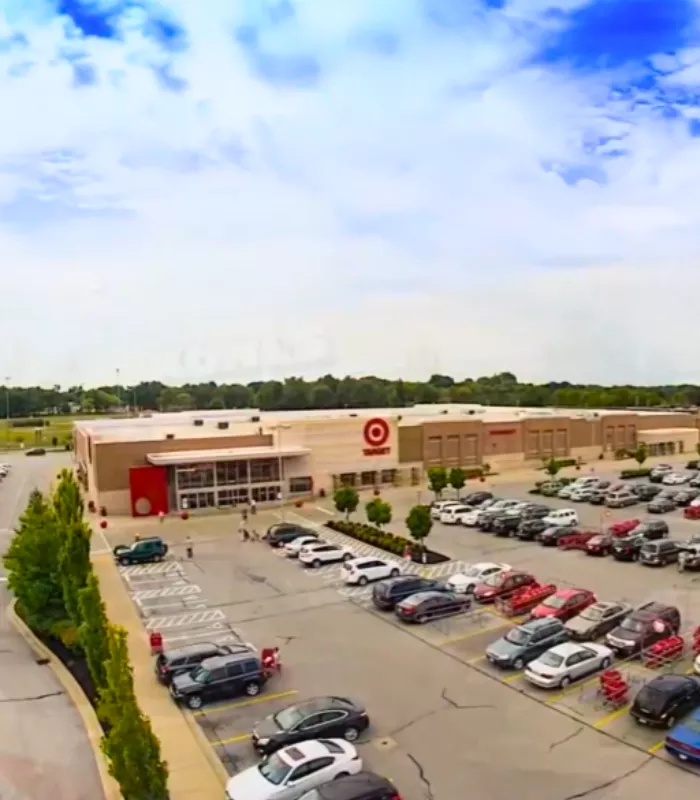
Westgate Mall, just west of Cleveland, began as a mid-century shopping center in the 1950s. It was later enclosed and became a classic indoor mall with anchors and small specialty shops.
As tastes changed, the enclosed format struggled, and many tenants left. Reports note that the original mall structure is gone, replaced by an outdoor-style shopping center on the same general site.
For older shoppers who remember walking laps indoors on winter days, the loss stands out. The area still has retail, but the feel of a single, covered mall has vanished.
Why It Is On This List: The enclosed mall declined and was removed, leaving only a more generic strip-style center behind.
8. North Towne Square Mall, Toledo, Ohio
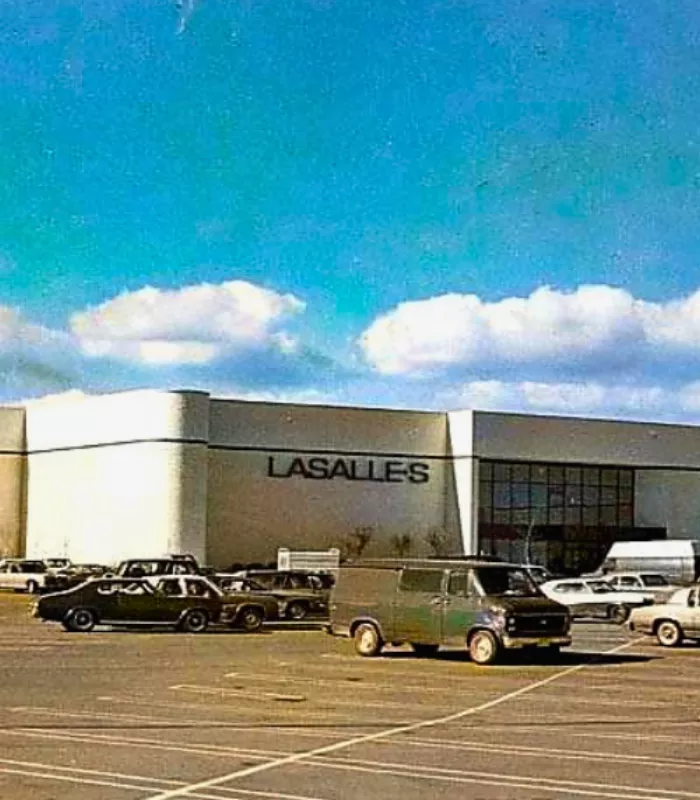
North Towne Square in Toledo opened in the late 1980s with big-name anchors and a modern look for its time. It was built to compete with other area malls and draw shoppers from the north side of the city.
As years passed, tougher competition and shifting shopping habits led to high vacancy. National chains left, and the building sat empty, creating concerns about blight and property value for nearby neighborhoods.
The structure was eventually demolished after standing unused. For many in their 50s and 60s, it is a reminder that newer is not always safer when it comes to mall investments.
Why It Is On This List: A relatively young mall that quickly failed, leaving a large, empty property that had to be torn down.
9. Southwyck Mall, Toledo, Ohio
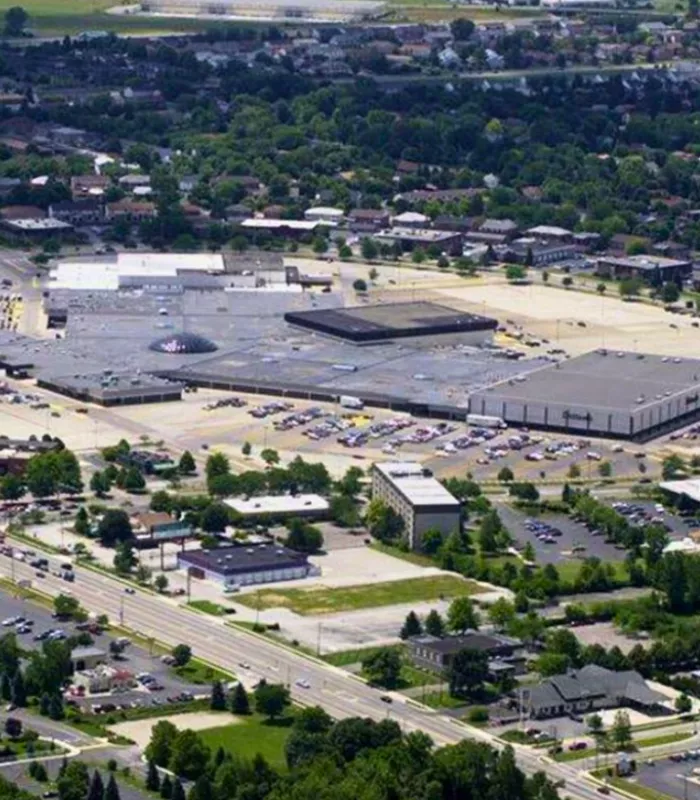
Southwyck Mall opened in the 1970s in southwest Toledo and enjoyed strong traffic for many years. It had several anchors and served as a key shopping stop near busy roads.
By the 1990s and 2000s, new power centers and lifestyle centers pulled away national retailers. Vacancy grew, crime concerns rose, and the mall closed, leaving a large, underused property.
Plans for redevelopment have come and gone over time, keeping the site in the news. That is why many locals point to Southwyck when they talk about missed chances to refresh older malls.
Why It Is On This List: Once a busy suburban mall, Southwyck ended up vacant and demolished after years of decline.
10. Richland Mall, Ontario (Mansfield area), Ohio
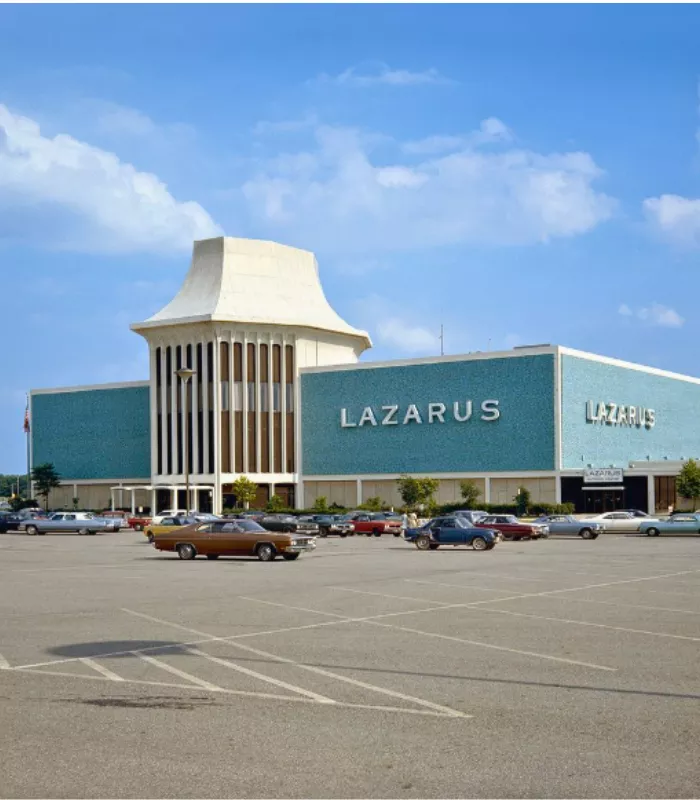
Richland Mall near Mansfield opened in the 1960s and served mid-Ohio with anchors, small shops, and a central food court. For decades, it helped draw shoppers from several nearby counties.
In recent years, the mall has struggled with store closures and changing retail trends. News reports and local comments have cited rising vacancy, fewer national brands, and concerns about how long it can stay viable as a traditional indoor mall [web:11][web:20].
That is why older shoppers sometimes describe walking long, quiet corridors where busy stores used to be. The building still stands, but its future as a full-service mall is uncertain.
Why It Is On This List: An aging regional mall with shrinking tenant lists and a very uncertain future.
11. Towne Mall, Middletown, Ohio
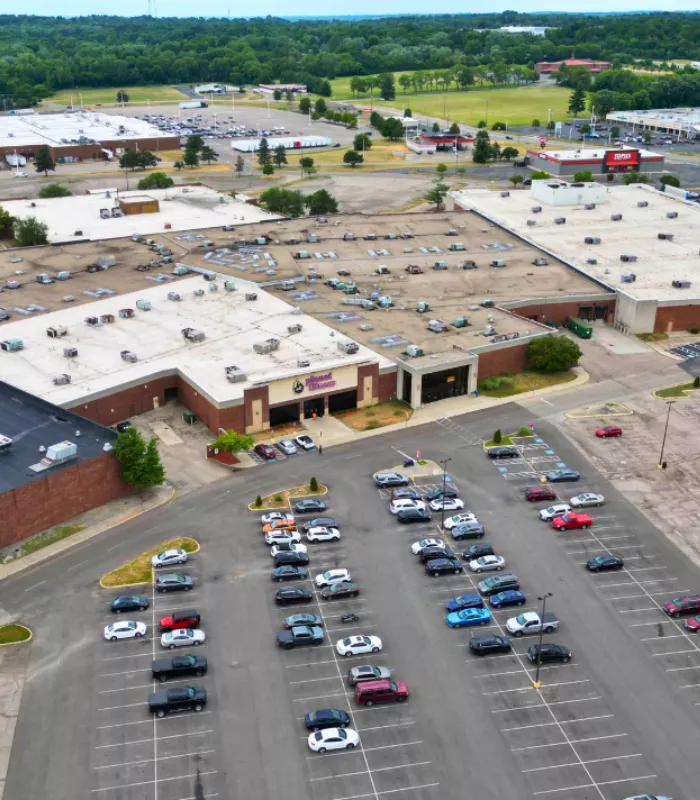
Towne Mall in Middletown once served as a go-to shopping spot for Butler County residents. It had several anchor stores and drew families for everyday needs and weekend browsing.
As e-commerce grew and newer centers opened, foot traffic dropped sharply. By the 2010s and early 2020s, the mall struggled to keep tenants, and vacancies climbed.
The city stepped in and purchased the defunct mall in August 2024 to explore new uses. Residents have suggested pickleball courts, a water park, an arcade, and a skate park for the site.
Why It Is On This List: Once a shopping destination, it became so vacant that the city had to buy it and plan a complete transformation.
12. Eastgate Mall, Union Township (Cincinnati area), Ohio
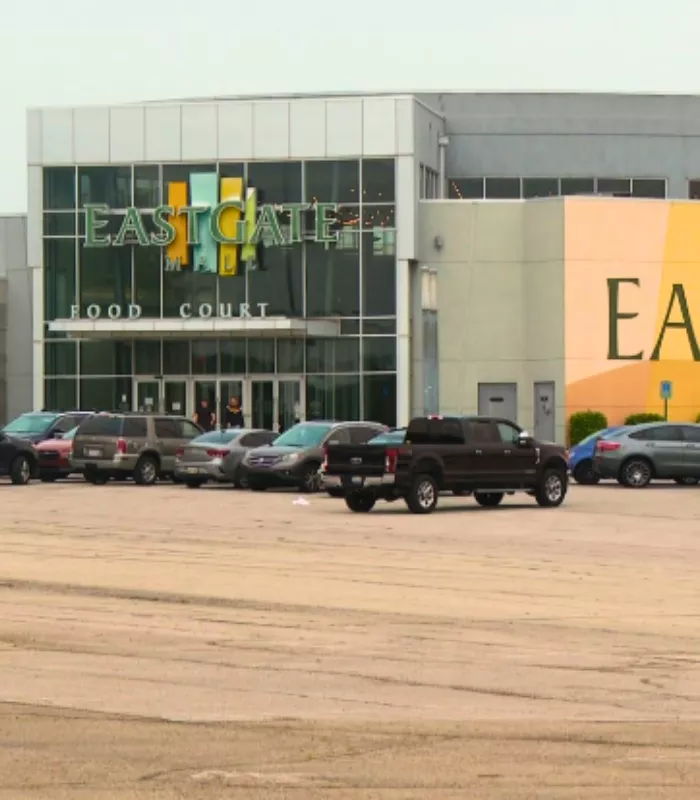
Eastgate Mall sits at a busy corner near Interstate 275 and State Route 32. It was once a solid regional mall with steady traffic and a full lineup of tenants.
In recent years, a series of store closures pushed the vacancy rate to 59 percent, and some retail experts say that number could hit 75 percent by next year. Litigation between the mall owner and other parties has stalled promised revival plans.
But here is the catch. Even longtime tenants are now leaving, and shoppers often say, “People think the mall is closed. A retail expert noted the mall is not positioned to survive in its current form, though the land itself has strong potential once redeveloped.
Why It Is On This List: High vacancy, stalled redevelopment plans, and a fading image that makes even current tenants plan to leave.
13. Dayton Mall, Miami Township, Ohio
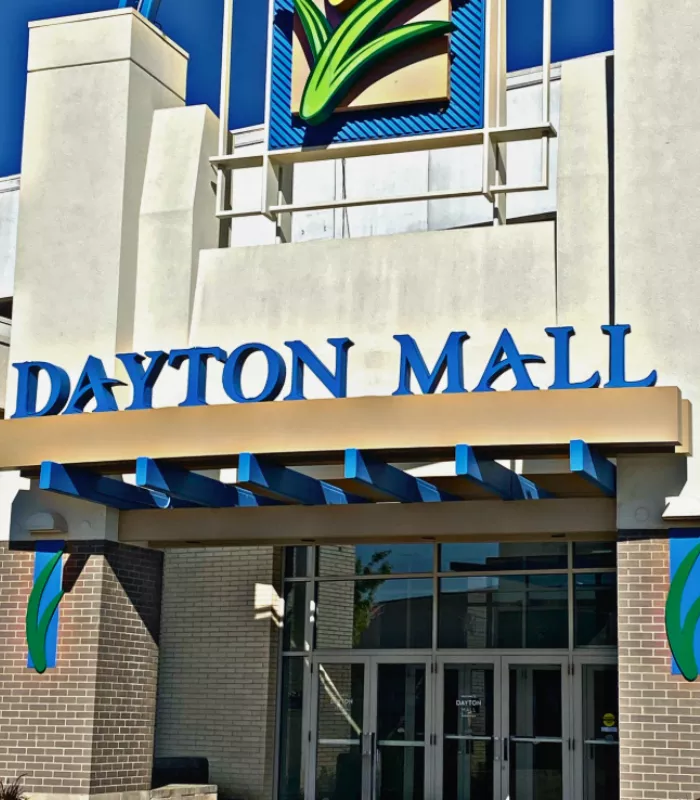
The Dayton Mall has long been a major employer and retail hub in the Miami Valley. For many years, it drew shoppers from across the Dayton region with a wide mix of stores and services.
Over the past decade, changing retail trends and the rise of online shopping have caused struggles. The mall has seen several retailers vacate space, and experts note that malls like this are either doing well or facing serious challenges, with little middle ground.
The mall owner changed hands in recent years, and leaders acknowledge the property struggles are part of a national trend rather than just a local issue. That is why redevelopment and reimagining the space have become frequent topics of conversation.
Why It Is On This List: A once dominant regional mall that now faces significant vacancies and uncertainty about its long-term future.
14. Mall at Fairfield Commons, Beavercreek, Ohio

The Mall at Fairfield Commons sits in Beavercreek, near Wright-Patterson Air Force Base. It opened as a modern suburban center and attracted shoppers from across Greene County and beyond.
In recent years, the mall has faced the same challenges as other mid-tier centers. Its former owner reported significant losses, and the property had to navigate financial uncertainty and tenant turnover.
Retail experts say Ohio malls are now split into two camps, with top-tier centers doing well and lower-tier ones struggling to survive. Fairfield Commons sits somewhere in the middle, working to find its place in a changing retail landscape.
Why It Is On This List: A mall caught between success and decline, with a financially troubled past and ongoing efforts to adapt.
15. Tri-County Mall, Springdale (Cincinnati area), Ohio

Tri-County Mall opened decades ago in Springdale and was once a major shopping destination for northern Cincinnati suburbs. It had strong anchors and plenty of weekend foot traffic.
Over time, competition from newer centers and online shopping pulled away customers. Vacancies grew, and the traditional mall model no longer worked for the site.
Springdale City Council approved a plan to redevelop the former mall into apartments, hotels, and a medical office building. You are better off expecting something completely different from the old indoor shopping experience.
Why It Is On This List: A former major mall that declined so much that the city approved a total redevelopment into non-retail uses.
16. Midway Mall, Elyria, Ohio

Midway Mall in Elyria served Lorain County shoppers for many years. It had department store anchors and provided a climate-controlled place to shop near the lake.
Over the years, the mall lost tenants and saw rising vacancy. A recent developer backed out of redevelopment plans, leaving the future of the site uncertain once again.
Despite the setback, the Lorain County Port Authority remains optimistic about the property. That is why local leaders continue to explore new options for the declining shopping center.
Why It Is On This List: A declining mall with failed redevelopment attempts and an uncertain future after a developer pulled out.
17. Tipp City Plaza, Tipp City (Dayton area), Ohio
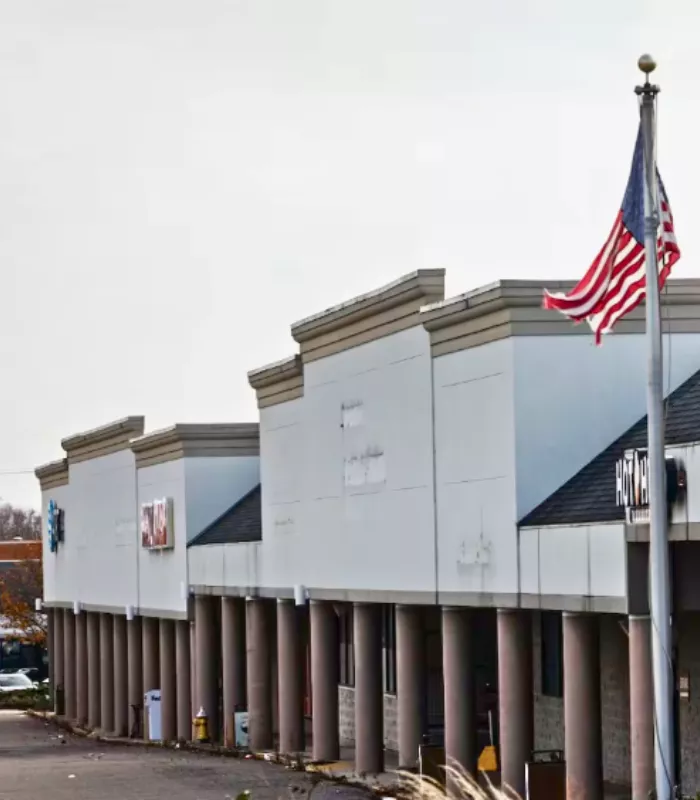
Tipp City Plaza is a strip mall just north of Dayton that once had steady traffic and full storefronts. For years, it served as a convenient shopping spot for local residents.
As online shopping and new retail options emerged, the plaza saw vacancies climb to about half of its space. The city worried about blight and lost tax revenue.
In December 2024, Tipp City agreed to purchase the struggling plaza for almost 7 million dollars. City leaders hope to redevelop it into a thriving multi-use space that better serves the community.
Why It Is On This List: A half-vacant strip mall that the city had to buy to prevent further decline and plan a major transformation.