

Some stores make you wonder if bankruptcy is contagious.
Between safety violations that would make OSHA inspectors weep and customer service so bad it feels personal, the Golden State has become a graveyard for retail chains.
These 17 retailers turned shopping into an extreme sport where the obstacles include blocked fire exits, overcharging at checkout, and stores that vanish faster than your parking spot at Trader Joe’s.
1. Dollar General, California
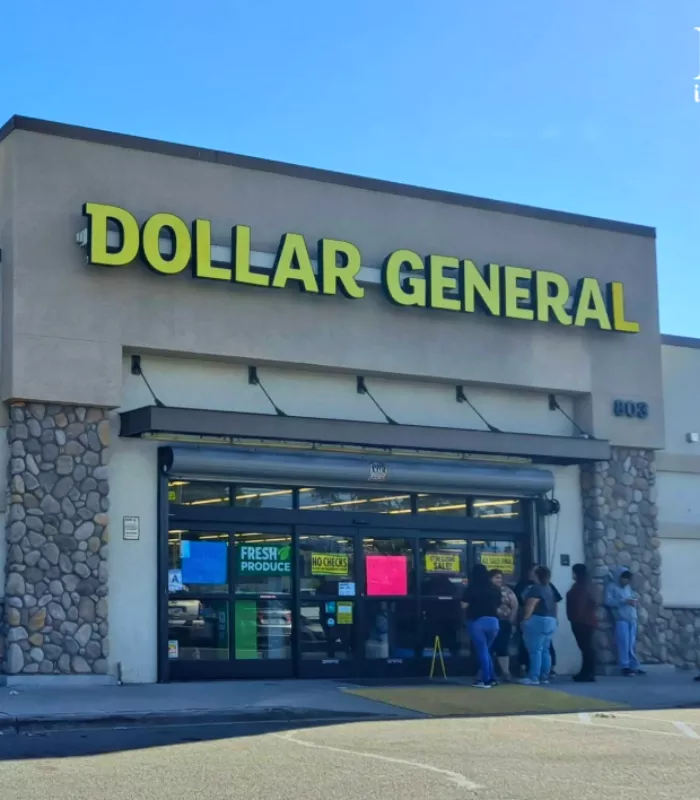
Dollar General has been cited by OSHA for safety violations, including blocked emergency exits and obstructed fire extinguishers at stores nationwide, including in California.
In 2024, the company agreed to pay a $12 million penalty and implement corporate‑wide safety improvements to resolve these issues.
Inspectors found repeated unsafe storage practices that created hazards, and Dollar General must now fix such problems within 48 hours or face additional fines.
Workers reported being unable to access emergency equipment during inspections.
The violations showed a pattern of failing to maintain basic safety standards.
Customers shopping at these stores may have noticed blocked exits and cluttered aisles.
The company’s repeated violations indicate ongoing challenges with store maintenance.
2. Family Dollar, California
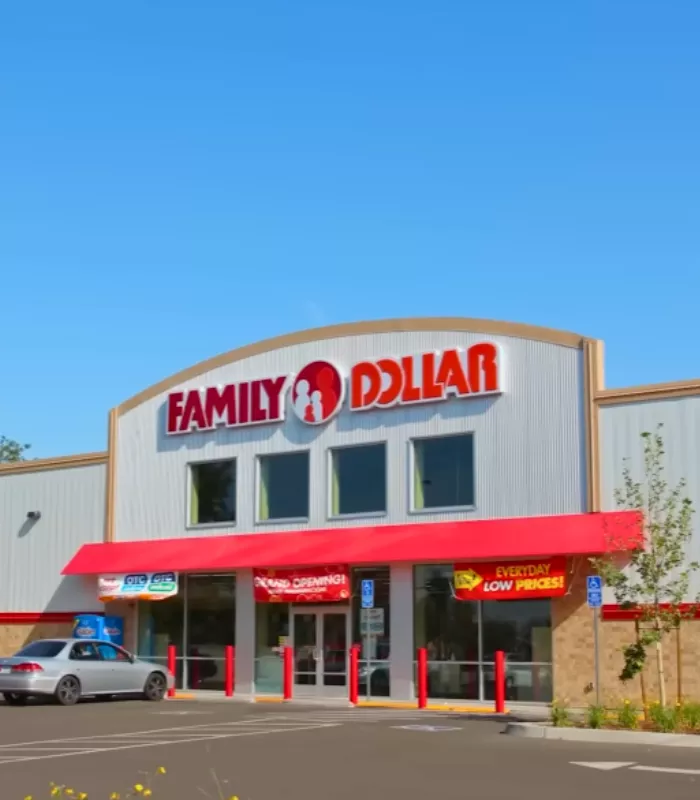
Family Dollar announced plans to close about 1,000 stores by the end of 2025.
The chain closed 600 stores in 2024 after identifying underperforming locations.
California locations were among those shuttered across the nation.
Parent company Dollar Tree cited the need to invest in improved store standards after years of declining performance.
The closures left many communities without convenient access to affordable household goods.
Employees received little notice before their stores shut down permanently.
Shoppers complained about dirty stores, out‑of‑stock items, and poor customer service before the closures.
The company struggled to compete with other discount retailers and dollar stores.
Why It’s On This List: The massive closure plan signals deep operational problems and inability to meet customer needs in many communities [source].
3. Big Lots, California
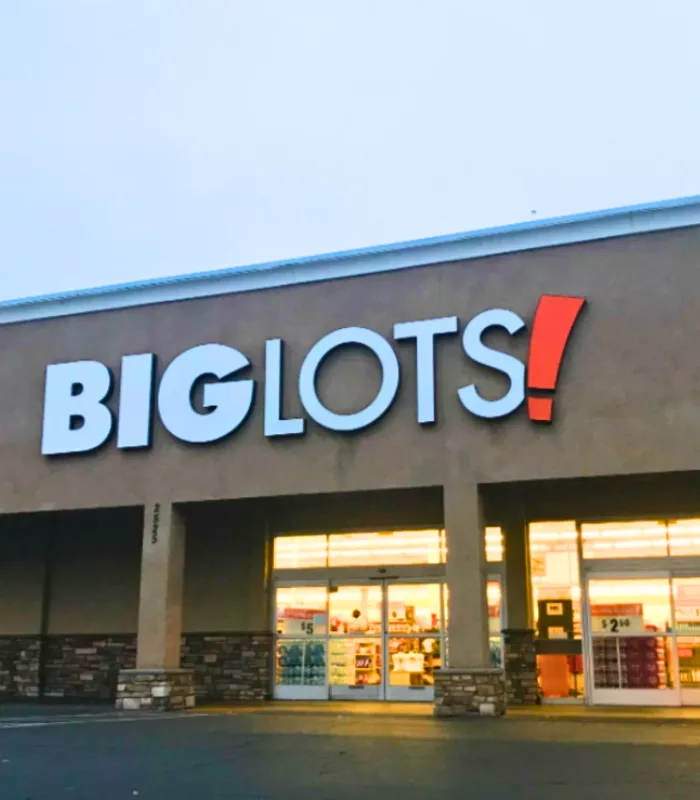
Big Lots filed for Chapter 11 bankruptcy in September 2024.
The company closed 75 of its 109 California locations, including stores in Los Angeles, San Diego, and the Bay Area.
The retailer blamed a pullback in consumer spending by core customers.
CEO Bruce Thorn admitted the chain missed sales goals due to declining purchases of high‑ticket items.
The rapid closure of nearly three‑quarters of California stores left employees scrambling for new jobs.
Communities lost a major source for discounted furniture and home goods.
Liquidation sales drew crowds looking for final bargains before stores closed forever. The bankruptcy filing showed years of financial mismanagement and failure to adapt.
Why It’s On This List: Nearly 70 percent of California stores closed, leaving customers without their local discount retailer and highlighting major business failures [source].
4. Walmart, California

Walmart scored 73 out of 100 in 2024 consumer satisfaction ratings for department and discount stores.
Shoppers report dirty stores, disorganized aisles, and expired products on shelves. The retail giant closed two California locations in West Covina and Granite Bay by the end of 2024.
Customer complaints frequently mention poor service and long checkout lines.
Employees are often overwhelmed and unable to help shoppers find products. Self‑checkout machines malfunction regularly, adding to customer frustration.
The stores often look understaffed with empty shelves and messy displays. Customers say the low prices don’t make up for the unpleasant shopping experience.
Why It’s On This List: Despite being America’s largest retailer, Walmart consistently ranks among the worst for store cleanliness and customer experience [source].
5. Party City, California
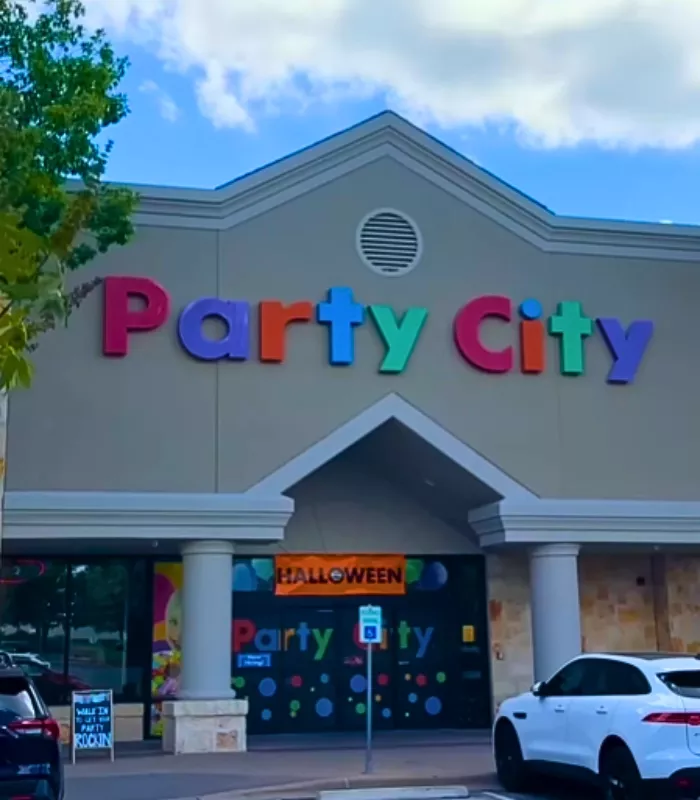
Party City announced on December 21, 2024, that it would close all remaining stores.
The party supply chain operated at least 80 stores in California before the shutdown. After nearly four decades in business, the company cited ongoing financial difficulties.
The closure left California shoppers without a major party supply destination.
Employees learned about the closures with almost no warning during the holiday season.
Customers with gift cards and store credits were left scrambling to use them before stores closed.
The sudden shutdown came right before New Year’s Eve, one of the busiest party seasons.
Shoppers had to find alternative sources for birthday and celebration supplies.
Why It’s On This List: The complete liquidation of all stores means broken promises to customers and communities that depended on the retailer for celebrations [source].
6. Kroger (Ralphs), California
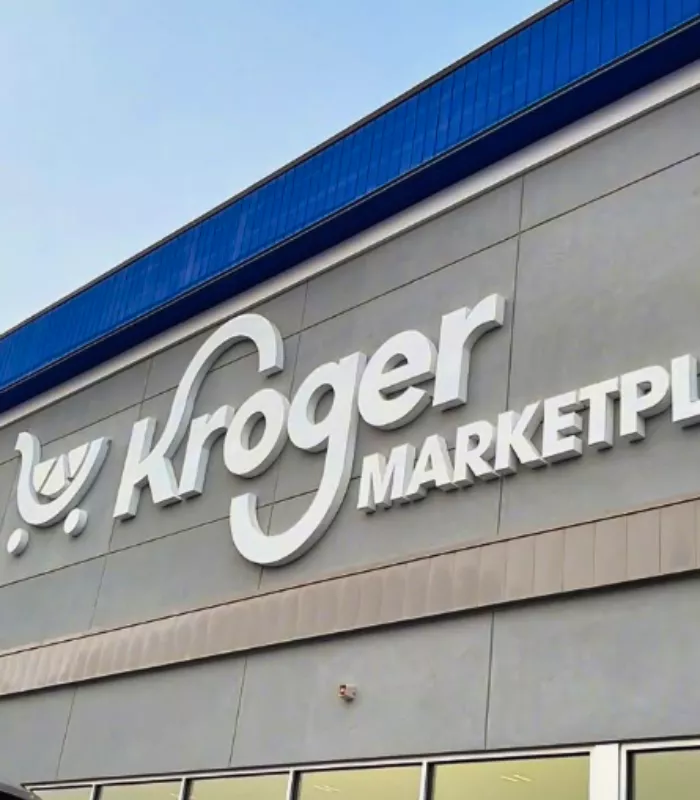
Kroger stores have been cited for overcharging shoppers on sale items.
The chain faces multiple class‑action lawsuits in California alleging pricing errors. Customers report that shelf prices don’t match what rings up at the register.
State inspectors have called out the company for high rates of price tag errors at locations throughout California.
Shoppers must carefully watch the register to catch overcharges on advertised sale items. Many customers don’t realize they’ve been overcharged until they review receipts at home.
The systematic pricing problems suggest inadequate staff training or operational issues. Getting refunds for overcharges requires time‑consuming trips back to customer service.
Why It’s On This List: Systematic overcharging means customers pay more than advertised prices, with some shoppers reporting being cheated out of $6 every week [source].
7. CVS Pharmacy, California

CVS revealed plans to shut down hundreds of stores in the coming years.
Customer complaints focus on long wait times, unresponsive staff, and refusal to fill prescriptions. The pharmacy chain has received numerous Better Business Bureau complaints about billing errors.
Customers report being enrolled in services without authorization and charged monthly fees.
Pharmacies regularly run out of common medications, forcing customers to wait days for refills. Staff shortages mean customers wait 30 minutes or more just to pick up prescriptions.
The chain’s automated phone system makes it nearly impossible to speak with a real person. Many customers switched to other pharmacies after repeated frustrating experiences.
Why It’s On This List: Poor customer service and billing disputes create frustration for people trying to get essential medications and healthcare products [source].
8. Rue21, California
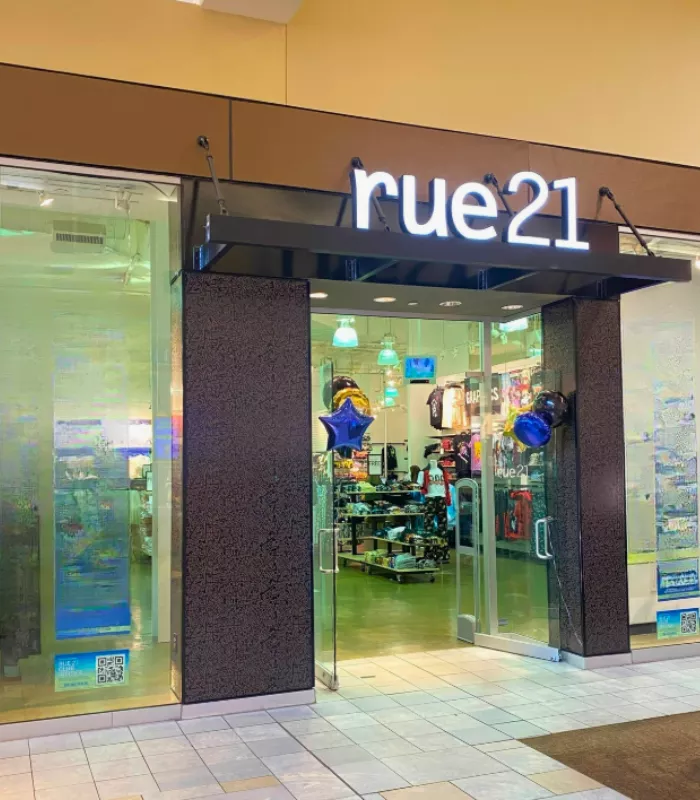
Teen fashion retailer Rue21 closed all outlets after filing for Chapter 11 bankruptcy in May 2024.
The company shut down 19 California stores as part of the complete liquidation. Rue21 reported debts of about $200 million.
This marked the third bankruptcy filing for the Pennsylvania‑based business.
The retailer failed to keep up with fast‑fashion competitors and online shopping trends. Stores looked dated and carried styles that didn’t appeal to modern teens.
Employees lost jobs with minimal severance as the company rushed through liquidation. Gift card holders were left unable to redeem their balances after the sudden closure.
Why It’s On This List: Multiple bankruptcy filings show a company that couldn’t adapt to changing teen shopping habits or online competition [source].
9. Macy’s, California
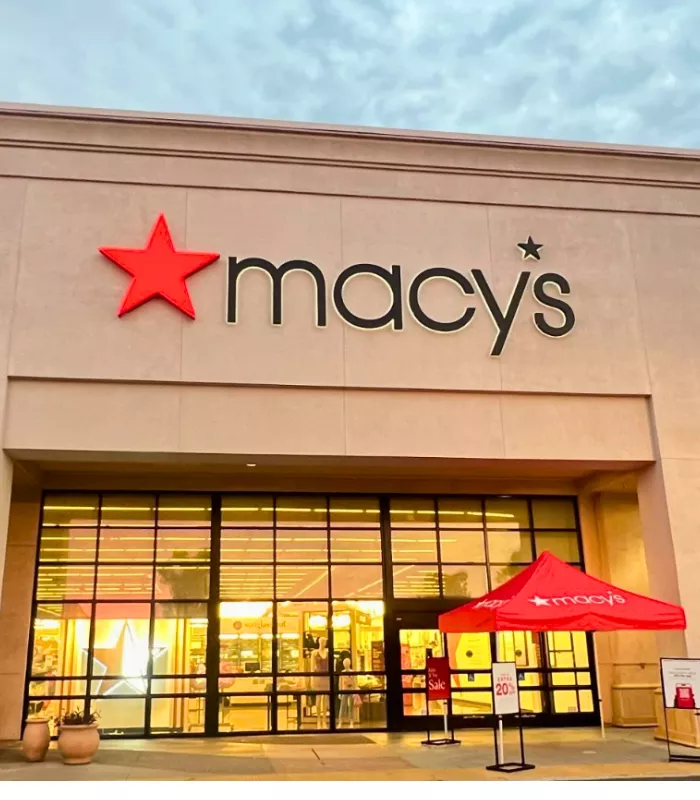
Macy’s closed 66 stores by early 2025.
The department store announced plans to shut down about 150 underperforming locations by 2026. California stores were among those targeted in the closure plan.
The company cited declining foot traffic and changing shopping patterns.
Mall anchor closures often trigger a domino effect, hurting other retailers in the same shopping centers. Employees faced uncertain futures as their locations appeared on closure lists.
The iconic retailer that once dominated American shopping is shrinking rapidly. Customers who grew up shopping at Macy’s watched their local stores disappear.
Why It’s On This List: The iconic retailer is shrinking its footprint dramatically, leaving many California shoppers without access to a traditional department store [source].
10. Walgreens, California
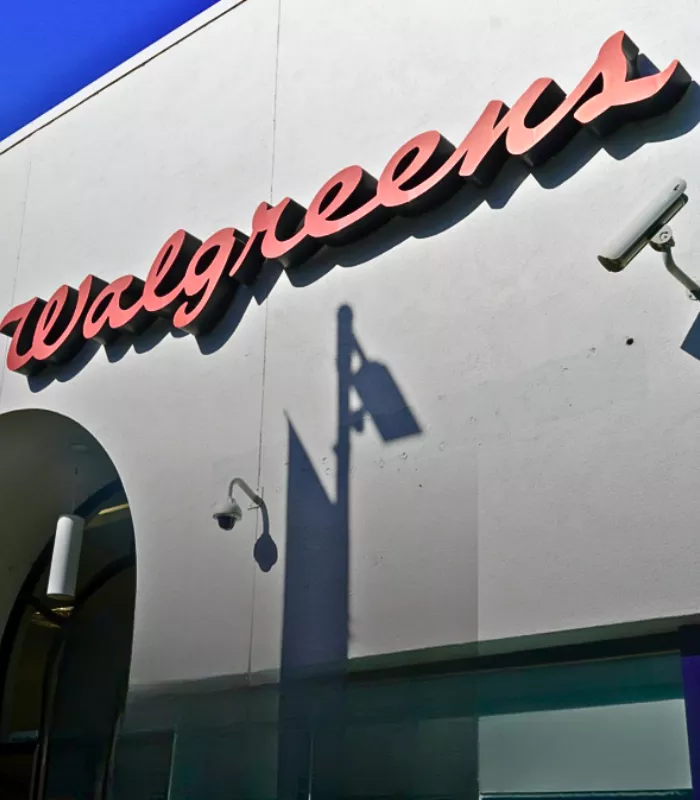
Walgreens operates over 580 stores across California and plans to close a considerable number of underperforming locations.
The pharmacy chain cited persistent pressures on U.S. consumers and market dynamics that diminished margins. CEO Tim Wentworth acknowledged navigating a challenging operating environment.
California ranks second only to Florida in total Walgreens store count.
Store closures reduce pharmacy access in neighborhoods that depend on convenient medication pickup. Elderly customers struggle when their nearby Walgreens suddenly shuts down.
The chain also faces complaints about long pharmacy wait times and frequent stockouts. Many locations look understaffed and poorly maintained compared to competitors.
Why It’s On This List: Closing underperforming stores in communities means reduced pharmacy access for residents who depend on prescriptions and healthcare services [source].
11. Rite Aid, California
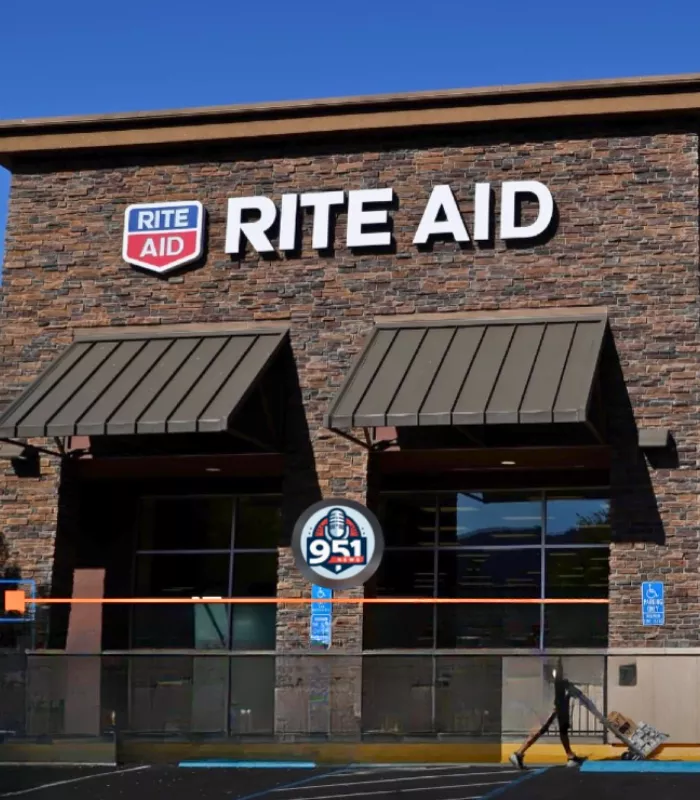
Rite Aid closed all remaining stores in October 2025 after filing for bankruptcy twice in two years.
The pharmacy chain operated over 1,200 locations across 15 states before its complete shutdown. California had dozens of Rite Aid stores that shuttered permanently.
The company faced lawsuits alleging improper handling of prescriptions while carrying significant debt.
Customers who relied on Rite Aid pharmacies had to transfer prescriptions to other chains quickly. The sudden closure created challenges for people with ongoing medication needs.
Employees received minimal notice and limited severance packages despite years of service.
Why It’s On This List: Two bankruptcy filings in less than two years show a catastrophic failure to adapt, leaving communities without pharmacy access [source].
12. Target, California
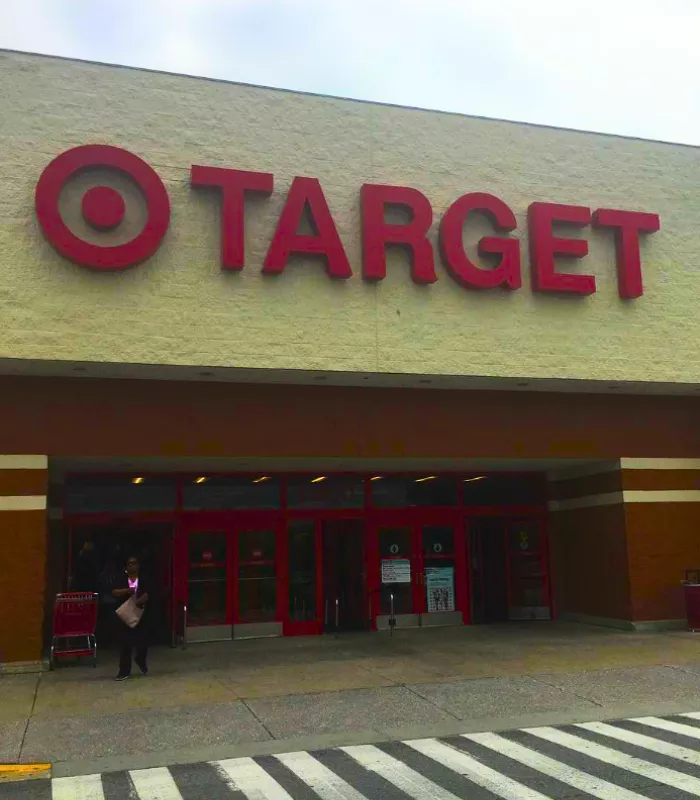
Target has received thousands of complaints filed with the Better Business Bureau about poor service and unfair practices.
Customers report being banned from online ordering without explanation after being loyal shoppers for decades. Missing items from orders and refusal to refund or replace products are common grievances.
One shopper spent over $10,000 yearly at Target but was restricted from placing pickup or delivery orders with no warning.
The company provides no clear appeals process for banned customers to resolve issues. Customer service representatives offer scripted responses without addressing actual problems.
Shoppers feel betrayed after years of loyalty and thousands of dollars in purchases. The arbitrary bans seem to hit the most frequent shoppers hardest.
Why It’s On This List: Banning longtime customers without explanation and refusing to fix account problems shows complete disregard for customer loyalty [source].
13. Bed Bath & Beyond, California
Why It’s On This List: The company went completely out of business and now refuses to serve California customers at physical locations [source].
14. JCPenney, California

JCPenney closed multiple California stores in 2025, including locations in San Bruno, Westminster, and Pleasanton.
The 51-year-old Westminster Mall store shut down in November after the company could not maintain its lease. The Pleasanton closure left just six JCPenney stores remaining in the entire Bay Area.
The retailer blamed expiring lease agreements and market changes for the steady stream of closures.
Long-time employees lost jobs as stores that had operated for decades suddenly closed. Mall traffic declined further when JCPenney anchor locations shut down.
The closures reflect a company that can’t compete with modern retail trends. Customers who remember JCPenney’s glory days watch the brand slowly disappear.
Why It’s On This List: The once-mighty department store is disappearing from California, leaving customers with fewer shopping options in malls across the state [source].
15. Sears, California

Sears closed two of its last three California stores in 2025, leaving just one location in the entire state.
The 139-year-old retail giant shut down stores in Burbank and Whittier. Only a Concord location remains open in California out of just six stores left nationwide.
At its peak, Sears operated hundreds of California locations and was an anchor tenant at nearly every major mall.
The brand that once sold everything from houses to cars now barely exists. Former Sears employees share stories of the company’s decline with disbelief.
Shoppers who bought appliances and tools at Sears for generations have nowhere to go. The Concord store feels like a museum to a bygone era of American retail.
Why It’s On This List: The near-total collapse of an iconic American retailer means generations of loyal California customers lost their trusted store [source].
16. 99 Cents Only, California
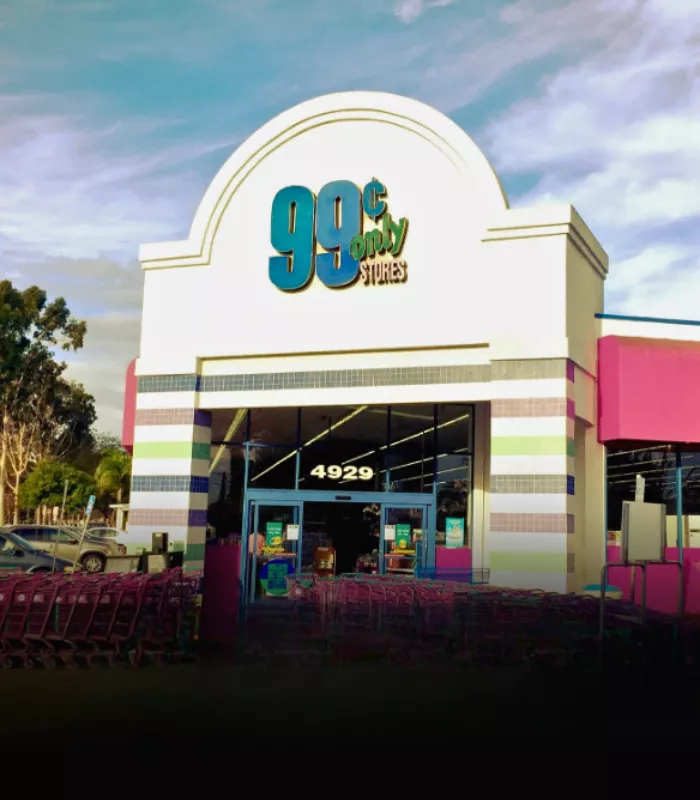
99 Cents Only liquidated all 371 stores in 2024 after 42 years in business.
The California-based discount chain closed stores across California, Texas, Arizona, and Nevada. The company blamed COVID-19, inflation, changing consumer habits, and high theft rates.
Hilco Global managed the complete liquidation of inventory and fixtures at every location.
Low-income families who depended on the chain for affordable groceries lost a vital resource. The stores provided fresh produce and household items at prices other retailers couldn’t match.
Theft problems had become so severe they significantly impacted profitability. The sudden closure left a void in communities with few affordable shopping options.
Why It’s On This List: The sudden shutdown left low-income shoppers without an affordable option for groceries and household items [source].
17. At Home, California
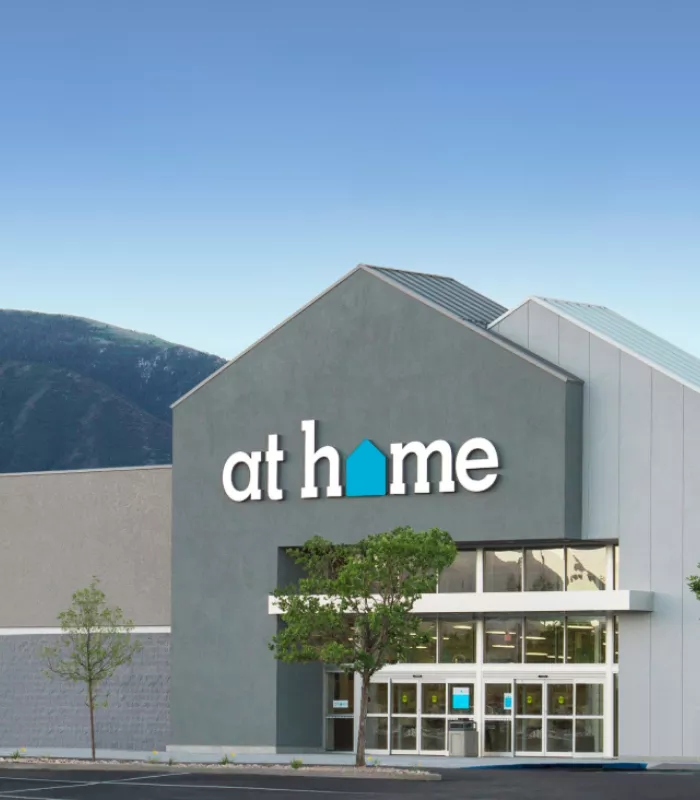
At Home filed for bankruptcy in June 2025 and closed eight California locations.
The home decor chain struggled with declining sales and mounting debt that forced the Chapter 11 filing. Stores across California began liquidation sales as the company tried to reorganize.
The retailer joined a growing list of home goods stores unable to compete in California’s challenging retail environment.
The oversized warehouse-style stores couldn’t attract enough customers to justify high lease costs. Shoppers found better deals and selection at online retailers.
Employees faced uncertain job prospects as the company struggled through bankruptcy proceedings. California’s retail landscape continues losing home decor chains at an alarming rate.
Why It’s On This List: Another bankruptcy and store closures mean fewer options for California shoppers seeking affordable home decor and furnishings [source].