

Your parents probably owned at least three of these gadgets. If you’re lucky, they stopped talking about them before you were born.
The 1960s unleashed a tidal wave of products that promised to revolutionize daily life.
Most revolutionized nothing except the meaning of buyer’s remorse.
Engineers confused “technically possible” with “actually useful” and consumers paid the price.
These inventions spent more time in repair shops than in actual use, gathering dust in basements across America.
1. Picturephone
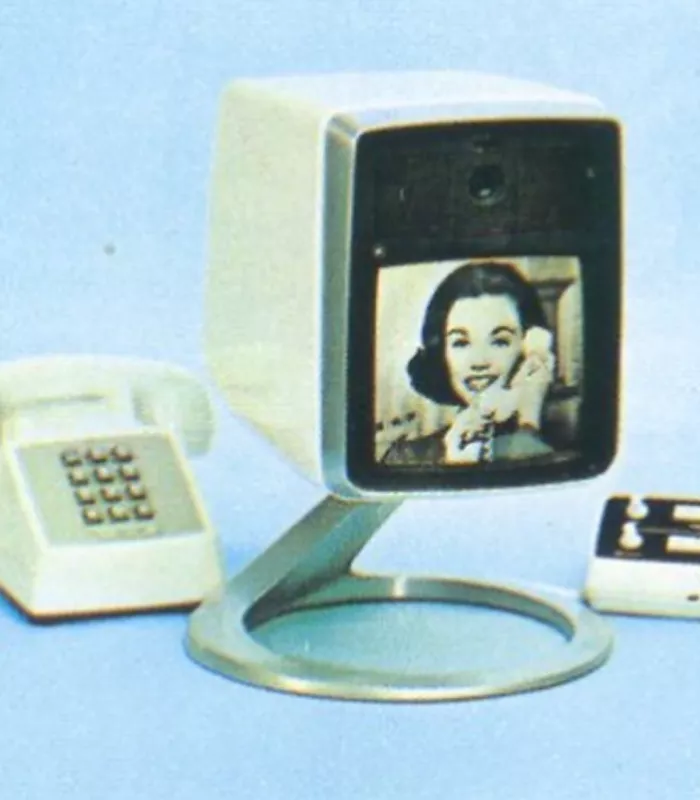
AT&T launched the Picturephone at the 1964 World’s Fair with huge fanfare.
Everyone thought video calls would replace regular phone conversations overnight.
But here’s the catch: it costs $160 per month (about $1,500 today) plus 16 cents per minute.
The picture was tiny, grainy, and black-and-white.
Most people felt awkward staring at a camera while talking. By 1970, AT&T had fewer than 100 subscribers nationwide despite spending millions on development.
Why It Flopped: The technology was decades ahead of the infrastructure needed to support it, and nobody wanted to pay luxury car prices for blurry video calls.
2. Ford Edsel Push-Button Transmission
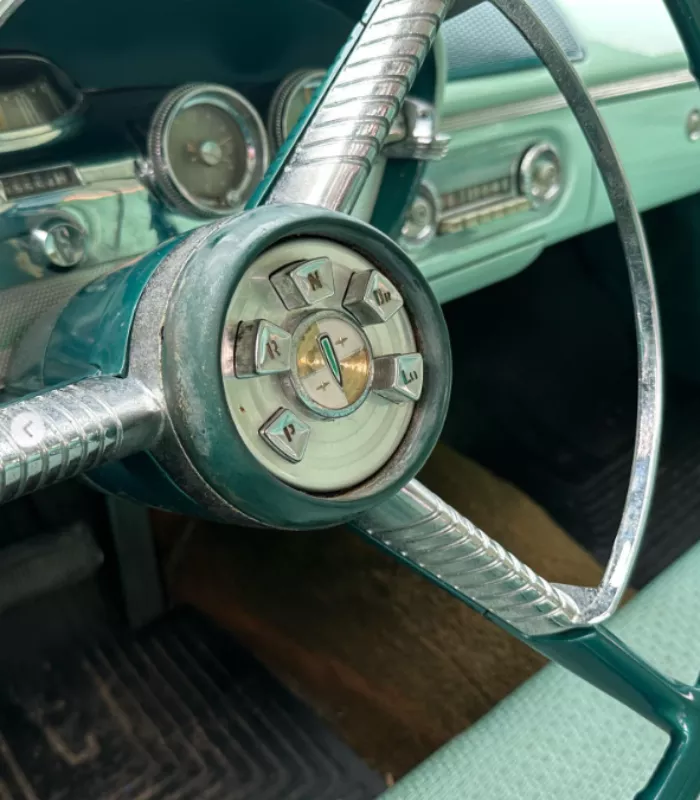
Ford’s 1958 Edsel featured push-button gear selection mounted in the steering wheel center. It looked like something from The Jetsons.
Drivers constantly hit the wrong button while turning.
The buttons would stick in cold weather or fail completely.
Mechanics hated working on them because the wiring was a nightmare.
Ford quietly dropped the feature after two model years.
The Edsel became one of the biggest automotive flops in history, losing Ford $350 million.
Why It’s On This List: Cool concept, terrible execution – the buttons created more problems than the traditional gear shift ever had.
3. Kitchen Computer by Honeywell

In 1969, Honeywell released a computer designed to store recipes and calculate grocery lists. It weighed over 100 pounds and cost $10,600 (about $90,000 today).
You needed to learn programming to use it. There was no keyboard, just toggle switches and blinking lights.
The ads targeted housewives, but nobody bought one. Not a single unit sold to home users.
It came with a cutting board on top because Honeywell knew it was more useful as a counter than a computer.
Technology Ahead of Its Time: This “smart kitchen” concept wouldn’t become practical for another 50 years, and even then, it didn’t require a degree in computer science.
4. Polaroid Swinger Camera
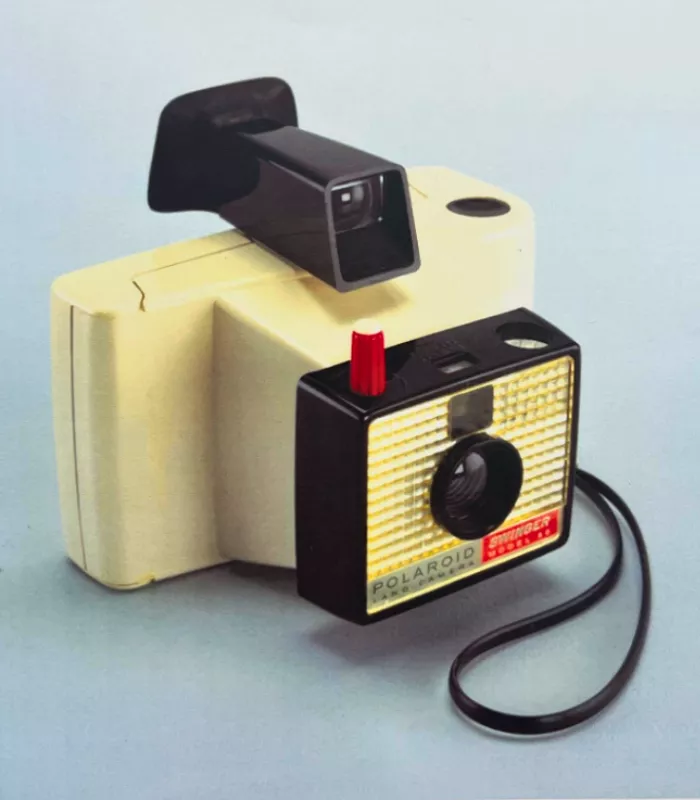
The Swinger launched in 1965 as an affordable instant camera for teens at just $19.95. It was Polaroid’s best-selling camera ever.
But here’s the deal: the film cost almost as much as the camera itself. Each pack of 8 photos ran about $2 (roughly $20 today).
The pictures were tiny, black-and-white only, and faded quickly. You couldn’t see what you were shooting through the viewfinder in low light.
Most photos came out blurry or too dark. Kids burned through allowance money on wasted shots.
Hidden Costs: The cheap camera price was a marketing genius, but the expensive film made it more costly than traditional cameras in the long run.
5. Wrist Radio
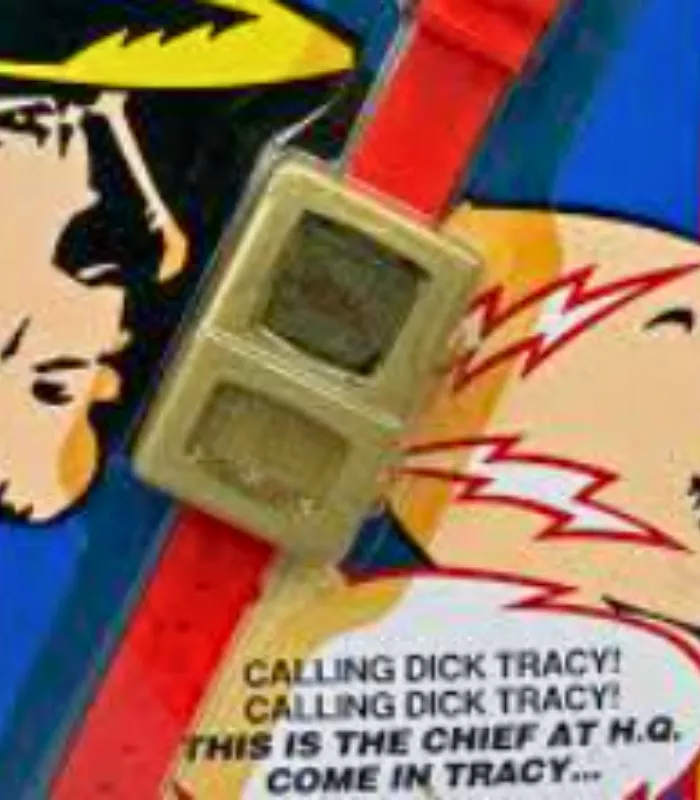
Dick Tracy made wrist radios look cool in the comics. When real versions hit stores in the mid-1960s, everyone wanted one.
The reception was terrible unless you held your arm at odd angles. The battery lasted about 30 minutes.
You needed to wear a separate battery pack clipped to your belt connected by wires. The speaker was so quiet you could barely hear it.
Most people gave up after a few days and went back to regular transistor radios.
Reality Check: What looked futuristic in comic strips turned into a tangled mess of wires, dead batteries, and static-filled disappointment.
6. Kodak Instamatic Camera with Flip-Flash
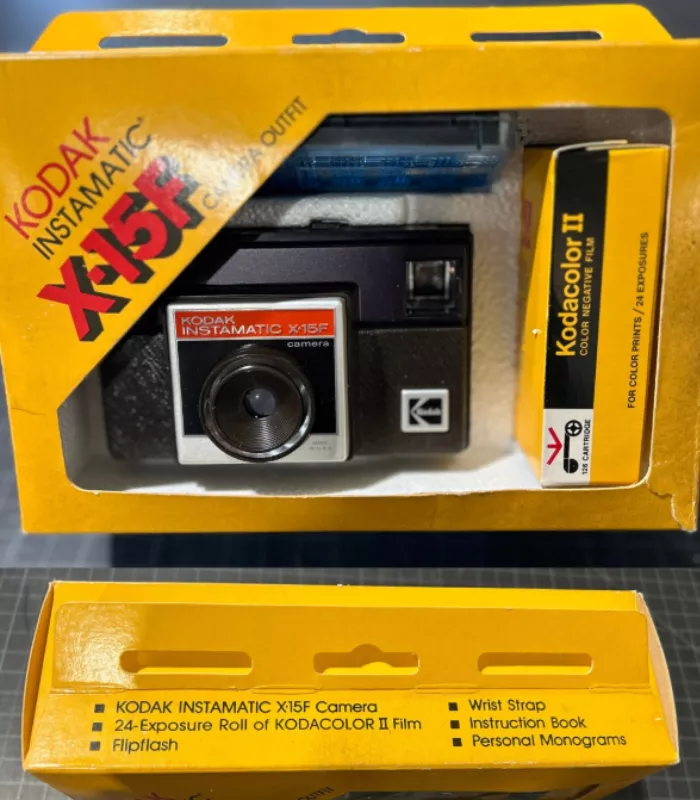
Kodak revolutionized photography in 1965 with drop-in film cartridges. The 1970 flip-flash model promised perfect lighting without batteries.
The flash cubes contained explosive charges that sometimes went off in your face. They created harsh, unflattering light that washed out everyone’s features.
You got exactly 10 flashes before replacing the cube, which wasn’t cheap. The cubes often misfired or didn’t flip properly to the next bulb.
Many family photos from this era look like crime scene photos because of the harsh lighting.
Flash Problems: The convenience of no batteries didn’t make up for unreliable performance and photos that made everyone look like they’d seen a ghost.
7. Electric Carving Knife
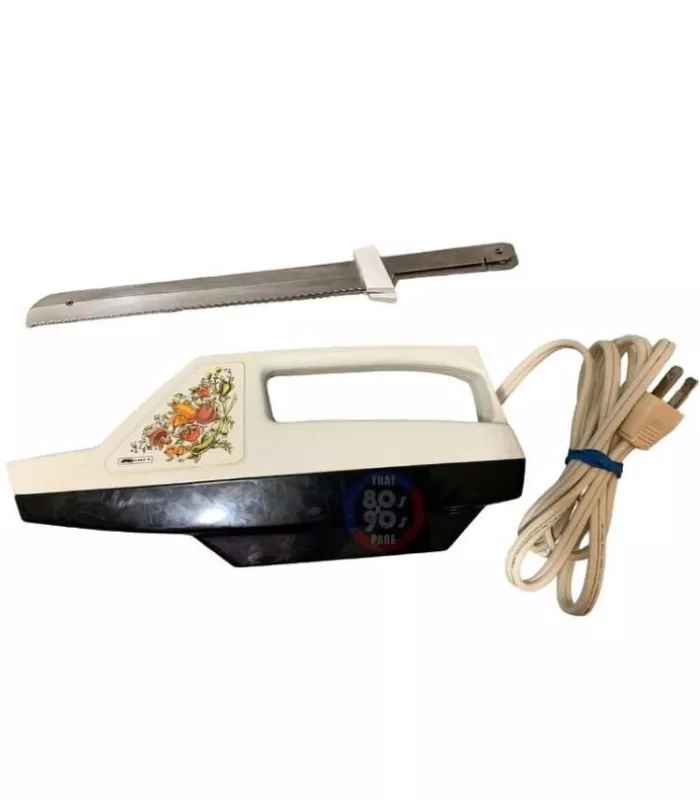
Every kitchen store in the 1960s pushed electric carving knives as essential holiday tools. They promised perfect turkey slices every Thanksgiving.
The blades vibrated so violently that they shredded more than they sliced. The meat came out looking chewed instead of carved.
The motor burned out after a few uses. Cleaning between the dual blades was nearly impossible.
That’s why most of these knives ended up in the back of cabinets after one disappointing holiday meal. A regular knife did better work in less time.
Kitchen Gadget Letdown: It solved a problem nobody really had while creating new ones – like how to safely store a vibrating knife with exposed blades.
8. Portable Reel-to-Reel Tape Recorder
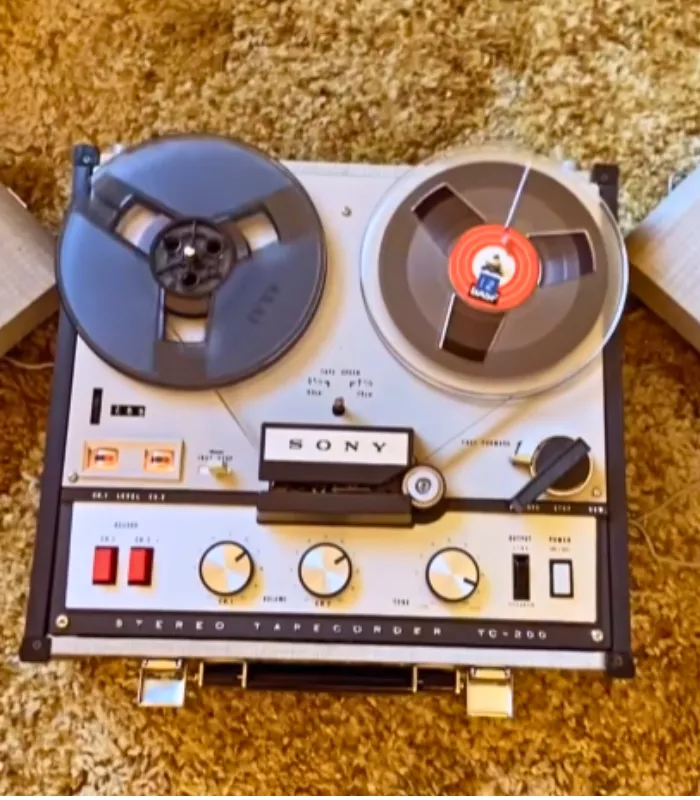
Companies like Sony marketed portable reel-to-reel recorders for home movies and family memories in the early 1960s. They cost around $200 (about $2,000 today).
Threading the tape required patience and steady hands. The tape tangled, broke, or stretched constantly.
Recording quality was poor compared to studio equipment. Wind noise ruined outdoor recordings.
The machines were “portable” only if you had strong arms – most weighed 15-20 pounds. Batteries drained in under an hour.
Portability Problems: Heavy, complicated, and unreliable – these recorders spent more time in repair shops than actually recording precious memories.
9. Electric Scissors
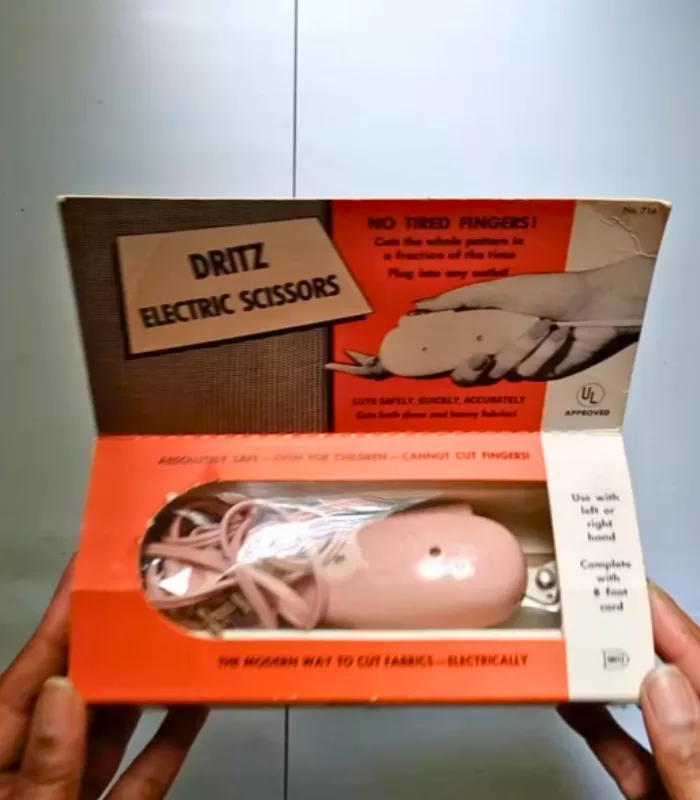
Someone decided regular scissors weren’t modern enough for the Space Age. Electric scissors hit the market promising effortless cutting.
They were too heavy for detailed work and cut crooked lines. The motor overheated during longer projects.
Cutting fabric caused jams constantly. You needed both hands to operate them safely, which defeated the purpose.
Most users went back to regular scissors after the first craft project. The electric versions collected dust on sewing room shelves.
Over-Engineered Solution: These gadgets perfectly captured the 1960s obsession with electrifying everything, even tools that worked better without motors.
10. Home Intercom Systems
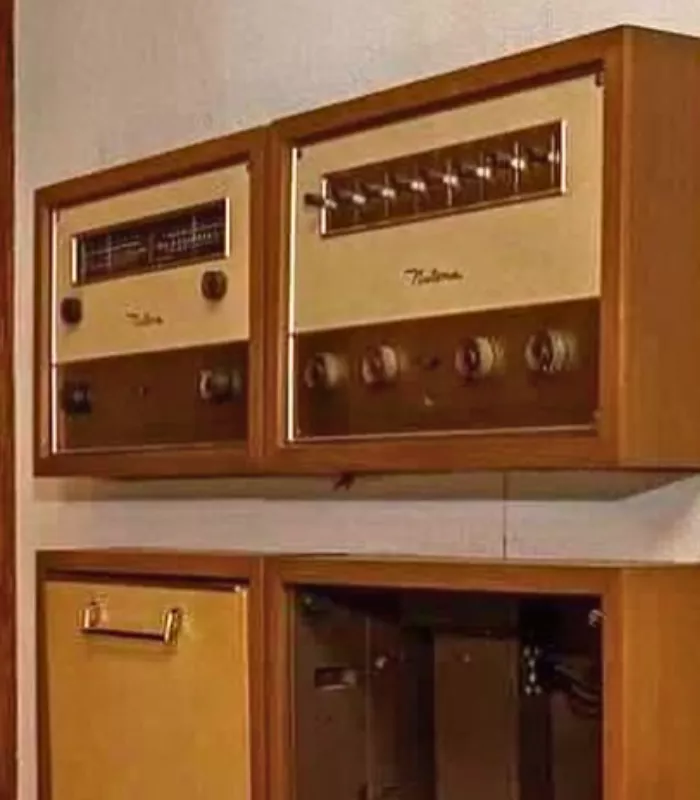
Suburban homes in the 1960s often featured built-in intercom systems for calling kids to dinner. Real estate agents touted them as luxury features.
The wiring frequently malfunctioned, creating feedback loops and static. You could hear every conversation in the house through the speakers.
Installation required cutting holes in the walls throughout your home. Most systems stopped working within a few years.
You’re better off just walking to another room and talking face-to-face. By the 1970s, homeowners were ripping these systems out during renovations.
Privacy Nightmare: What seemed convenient became creepy when you realized the intercom broadcast every private conversation to the entire house.
11. Portable Battery-Powered Record Player
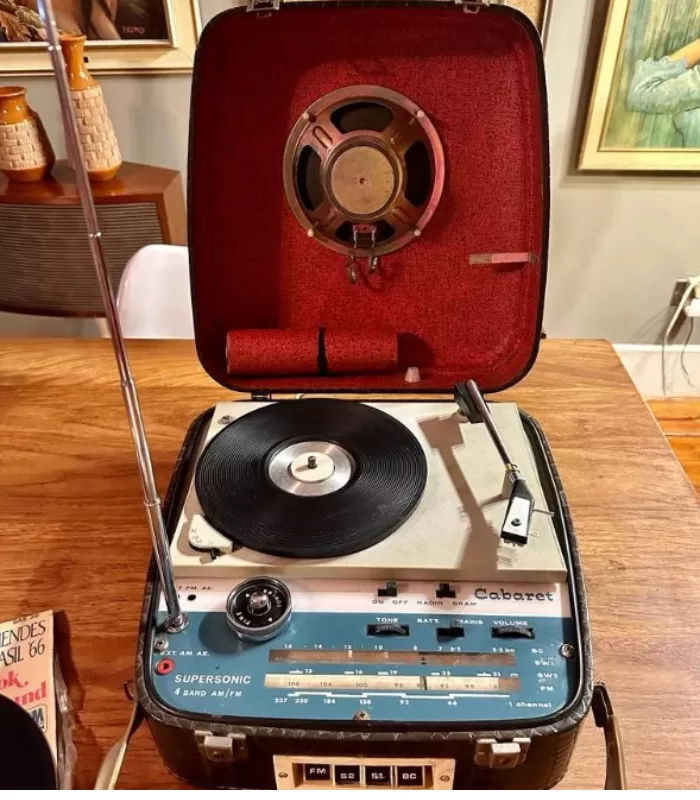
Record companies marketed portable battery-powered turntables as the ultimate way to take your music anywhere in the mid-1960s. Teens loved the idea of parties in the park.
The reality was brutal. Any movement caused the needle to skip across the record, scratching your favorite albums. Batteries drained in 30 minutes or less.
The sound quality was tinny and weak compared to home stereos. Uneven ground made playing records impossible.
Most sat unused after the first frustrating outdoor attempt. You were better off carrying a transistor radio that actually worked.
Portability Nightmare: The combination of sensitive needles, heavy battery consumption, and vibration sensitivity made these players useless for their intended purpose.
12. Corfam Synthetic Leather Shoes

DuPont launched Corfam in 1964 as a revolutionary synthetic leather that would never scuff or need polishing. They spent $100 million developing and marketing it.
The company predicted 25 percent of all shoes would use Corfam within years. Major shoe brands rushed to make Corfam products.
But wearing them felt like wrapping your feet in plastic. The material was completely unbreathable, causing sweaty, uncomfortable feet after a few hours.
The shoes also squeaked loudly with every step, drawing unwanted attention. Consumers overwhelmingly preferred real leather despite its need for care.
DuPont pulled Corfam from the market in 1971 and wrote off the entire investment.
Synthetic Failure: No amount of scuff-proof convenience could overcome shoes that made your feet sweat and squeak like cheap toys.
13. TV-Record Player Combo Units
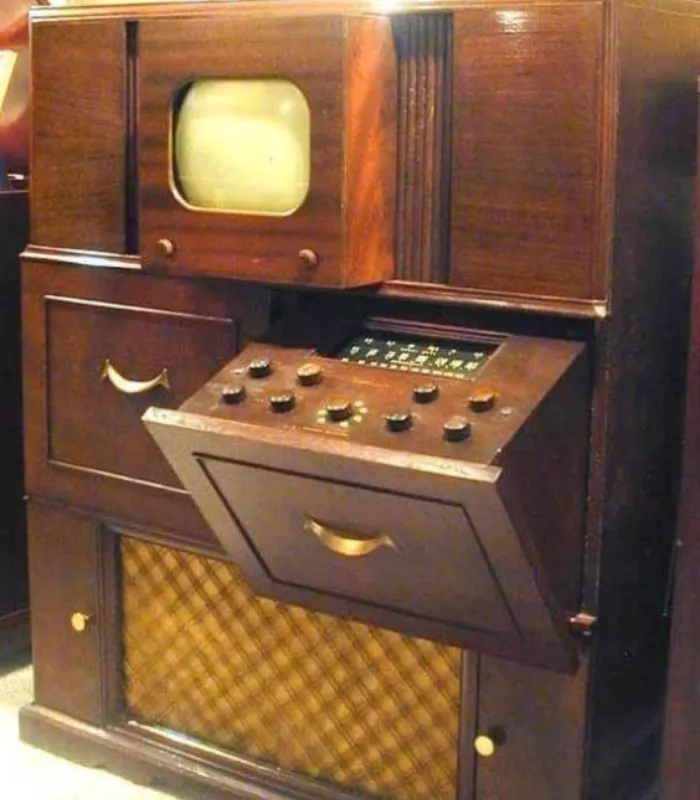
Furniture companies sold combination units with a record player stacked on top of a built-in television. It looked sleek and promised to save living room space.
The design had a fatal flaw that nobody considered during development. The turntable picked up vibrations from the TV below, making the records skip and sound distorted.
The combined speakers ‘ sound quality for both devices. Watching TV meant you couldn’t play records, and vice versa.
These expensive units became awkward furniture pieces that did both jobs poorly. Separate components worked far better.
Design Flaw: Stacking two vibration-sensitive devices together created constant interference that ruined the listening and viewing experience.
14. Sinclair Stereo 25
Sinclair promised affordable hi-fi home audio with the compact Stereo 25 in the mid-1960s. Music enthusiasts got excited about the tiny amplifier’s potential.
But here’s the catch: it launched during a global transistor shortage. Sinclair had to use inferior, low-grade components to meet production demands.
The sound crackled terribly. Knobs felt flimsy and broke easily within months of normal use.
Many units completely died within the first year. Audio enthusiasts ridiculed its poor performance compared to quality equipment.
Cheap Components: Using substandard parts to save money destroyed the product’s reputation and made it worthless for serious music listening.
15. Smell-O-Vision Movie System

Movie theaters briefly experimented with Smell-O-Vision in 1960, releasing scents during films to enhance the experience. The technology promised revolutionary immersive cinema.
Different smells were piped through the theater ventilation at specific moments in the movie. Scents were supposed to match on-screen action like flowers or cooking.
The timing was always off, with smells arriving too late or lingering too long. The technology was inconsistent and frankly kind of gross.
Audiences laughed at the gimmick the first time, but theaters quickly abandoned it. Nobody wanted to smell other people’s reactions or deal with clashing scents.
Gimmick Gone Wrong: Adding smell to movies distracted from the story and created more problems than it solved for theater operators.
16. Egg Cuber

The Egg Cuber reshaped hard-boiled eggs into perfect cubes using a compression mold. Kitchen gadget catalogs marketed it as a conversation starter.
You peeled a freshly boiled egg, placed it in the device, and compressed it into a square shape as it cooled. It actually worked as advertised.
But it addressed no real culinary problem. Round eggs were never an issue to begin with, and cubed eggs offered no functional advantage.
The gadget took up drawer space and required cleaning for a purely cosmetic result. Most people used it once as a novelty then forgot about it.
Pointless Innovation: A solution searching for a problem that didn’t exist – perfectly round eggs work just fine for every purpose.
17. Carousel Slide Projector with Auto-Focus
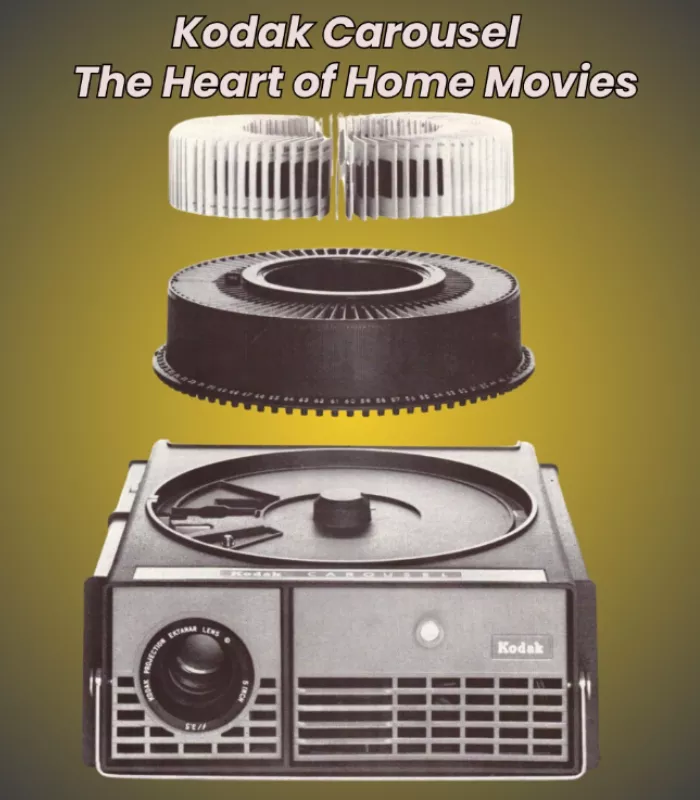
Kodak’s carousel slide projectors with automatic focus promised hassle-free family slide shows in the late 1960s. No more manual adjustments between each vacation photo.
The auto-focus feature was wildly unreliable, often leaving slides stuck or misaligned in the carousel mechanism. The motor would jam mid-presentation.
It performed poorly in varying lighting conditions, which described most home living rooms. The device was also bulky and cumbersome for home use.
Limited adjustment settings meant you couldn’t fix focus problems manually. Families spent more time troubleshooting than enjoying memories.
Automation Problems: The automatic features that were supposed to make presentations easier ended up creating more technical difficulties.
18. Sony TV8-301 Portable Television
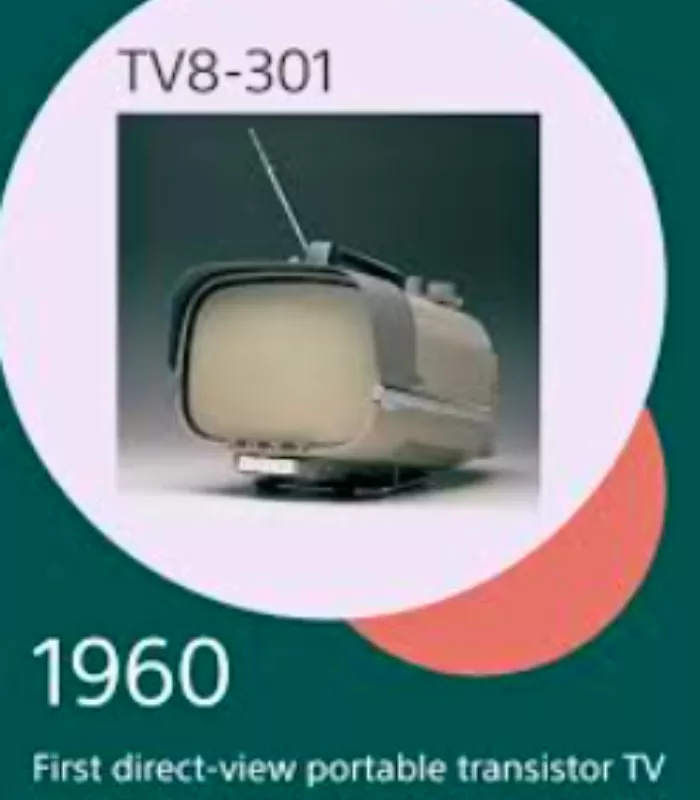
Sony introduced the TV8-301 in 1960 as the world’s first fully transistorized portable TV. At just 13 pounds, it aimed to make television truly mobile.
It ran on both AC power and rechargeable batteries, promoting freedom to watch anywhere. The 8-inch screen was marketed as the future of personal entertainment.
Despite a groundbreaking design, the picture quality was terrible. The small screen showed grainy, unclear images that strained your eyes.
Frequent malfunctions plagued early units. The high price tag limited appeal to only the wealthiest consumers.
Sony discontinued it by 1962 after poor sales proved the market wasn’t ready for portable TVs.
Too Soon for Market: The technology existed, but couldn’t deliver quality experiences at reasonable prices, making it an expensive disappointment.
19. Wooden Laundry Tongs

Wooden laundry tongs looked like giant clothespins designed to pluck scalding items from washing suds. They were standard equipment in 1960s laundry rooms.
The hinged wooden grips let you grab hot laundry from boiling water without burning your hands. Sounds practical in theory.
But they were awkward and heavy to use repeatedly. The wood absorbed moisture and warped quickly, making the grip unreliable.
One wrong move sent sleeves or socks flying across the laundry room. Many women went back to regular methods despite the burn risk.
Clumsy Tool: What seemed like smart safety equipment turned into a frustrating wrestling match with wet, slippery laundry.
20. Redmatic Reading Pacer
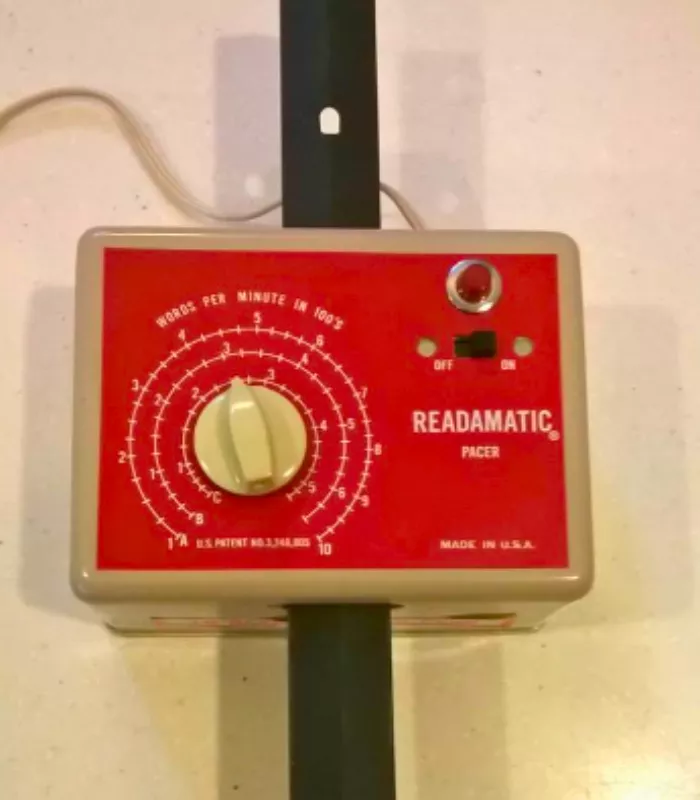
The Redmatic was a gadget that used a sliding disc to pace your reading speed and improve comprehension. Education catalogs promoted it for students and adults.
The disc moved down the page at adjustable speeds to train your eyes to read faster. It promised to revolutionize how people absorbed information.
But the device was incredibly noisy. The sliding disc produced annoying scratching sounds with every movement that destroyed concentration.
It didn’t slide smoothly at all, jerking and catching on paper. Instead of helping readers focus, it became a major distraction.
Manually adjusting the speed completely defeated the point of having an automatic reading aid.
Distraction Device: Rather than improving reading skills, the noisy, jerky mechanism made it harder to concentrate on the actual content.
21. Dippy Canoes Snack Container

Kraft introduced Dippy Canoes in the late 1960s – boat-shaped containers with chips on one end and dip on the other. The all-in-one snack promised perfect portability.
The concept solved carrying multiple separate containers to picnics and parties. Everything you needed in one convenient package.
But the dip leaked through the thin plastic constantly, creating unpleasant stains in lunch bags and on clothes.
The potato chips were flimsy and broke with each dip attempt. You ended up with a soggy mess more often than an actual snack.
The product disappeared quickly as consumers realized it caused more problems than it solved.
Leaky Design: The thin packaging couldn’t handle wet dip and fragile chips together, turning convenient snacks into messy disasters.