

While everyone was busy being groovy and watching Star Trek, they were also throwing money at products that promised the future but delivered disappointment.
Color TVs that showed everything in muddy brown.
Fallout shelters that became expensive mold farms.
Electric knives that were more dangerous than helpful.
The Space Age turned out to be the Waste Age for millions of consumers who believed the hype and paid the price.
1. Color TVs
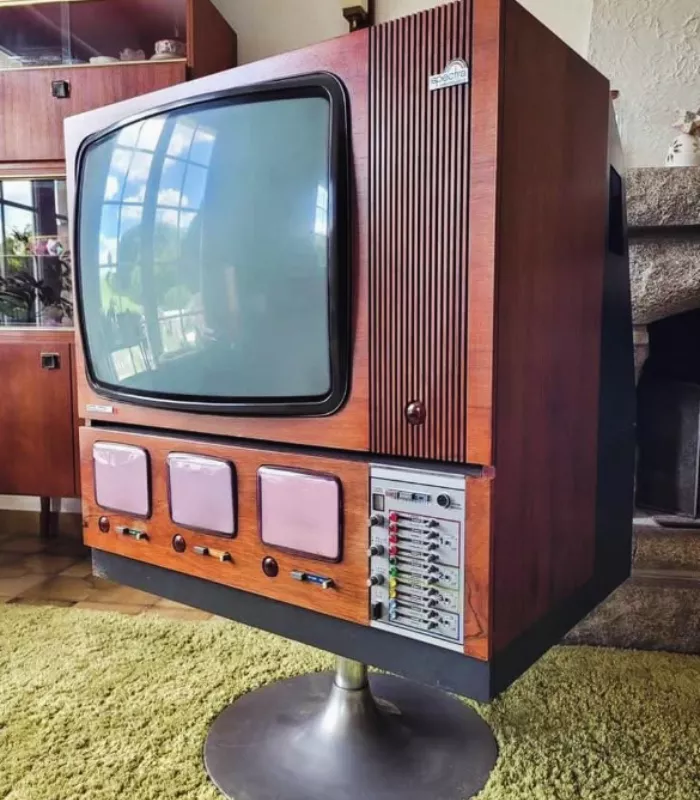
Color television sets hit the market in the early 1960s with sky-high price tags.
A basic color TV cost around $500, which equals about $5,000 today.
The picture quality was often disappointing.
Colors bled together and the image was fuzzy compared to what salespeople promised.
Early models broke down constantly. Repair bills sometimes exceeded the original purchase price within the first year.
The technology simply wasn’t ready for mass market release.
Manufacturers rushed products to stores before working out the bugs that plagued early adopters.
Why It Made the List: Most shows were still broadcast in black and white until the late 60s, making the expensive upgrade pointless for years.
2. Fallout Shelters

The Cuban Missile Crisis sparked panic buying of backyard fallout shelters.
Families spent $1,500 to $5,000 on underground bunkers they hoped would save them from nuclear war.
These concrete boxes became expensive storage sheds within months.
The Cold War tensions eased and the shelters sat empty.
Many developed serious moisture problems.
Mold, flooding, and structural issues made them unusable even for storage.
Installing a fallout shelter meant permanently altering your property.
Most couldn’t be removed without major excavation work and expense.
Why It Made the List: The feared nuclear attack never came, leaving families with useless holes in their yards and massive debt.
3. S&H Green Stamps
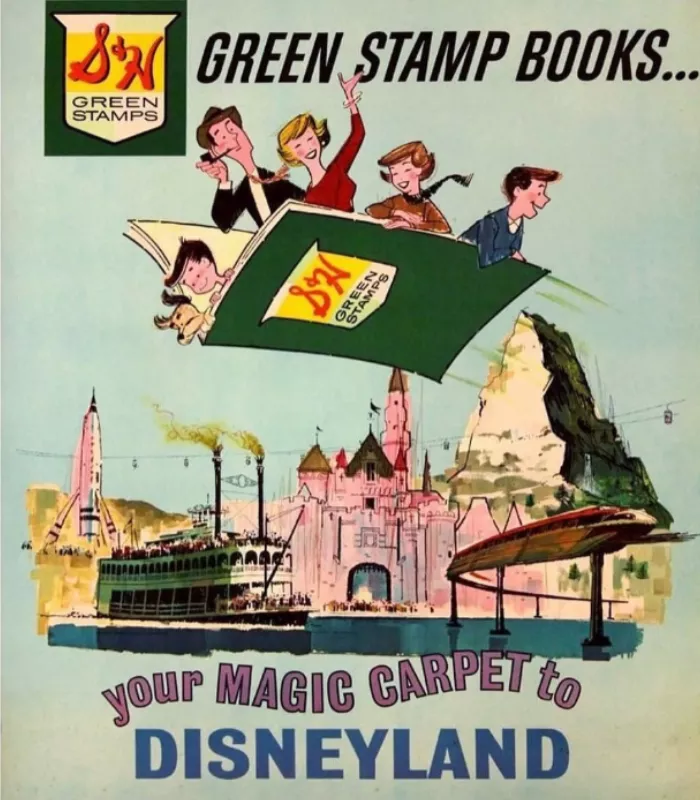
Shoppers collected these stamps religiously, thinking they were getting free merchandise. But here’s the catch: stores raised prices to cover the stamp program costs.
Filling a stamp book took months of shopping. You needed multiple books to get anything worthwhile from the catalog.
The “free” toaster or lamp cost you more in inflated grocery prices. Most people would have saved money just buying items on sale.
The time investment was enormous for minimal payoff. Hours spent licking stamps and pasting them into books added up to unpaid labor.
Why It Made the List: People spent countless hours licking stamps and flipping through catalogs for items cheaper at regular stores.
4. Encyclopedia Britannica Sets
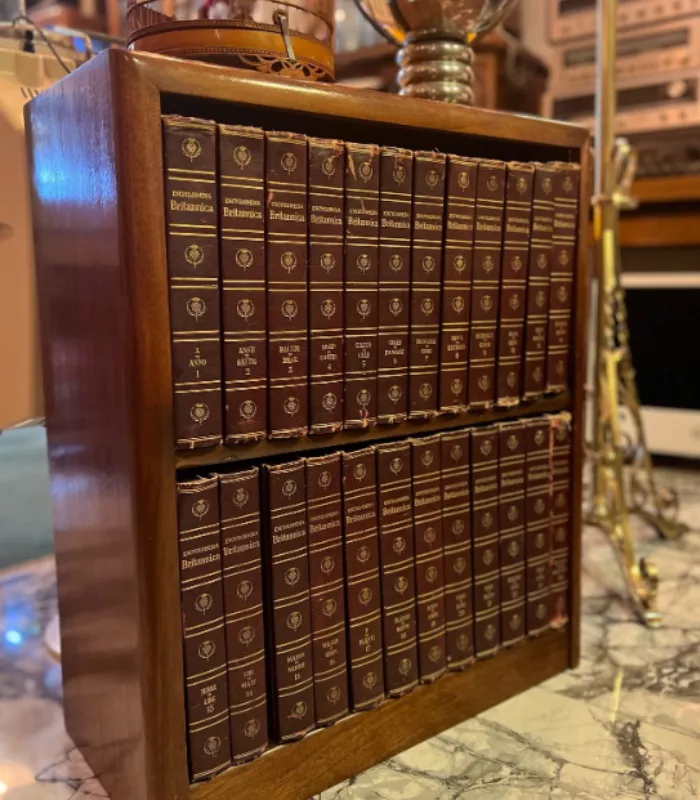
Door-to-door salesmen convinced families to buy complete encyclopedia sets for $400 or more. Parents believed these books were essential for their children’s education.
The hefty volumes took up entire shelves. Most families only opened them a few times before they collected dust.
Information became outdated quickly. By the time you finished paying the installment plan, half the facts were already wrong.
These sets represented years of monthly payments. Many families were still making payments long after the books became obsolete.
Why It Made the List: Libraries offered the same information for free, and kids rarely used the expensive books for homework.
5. Formal Living Room Furniture
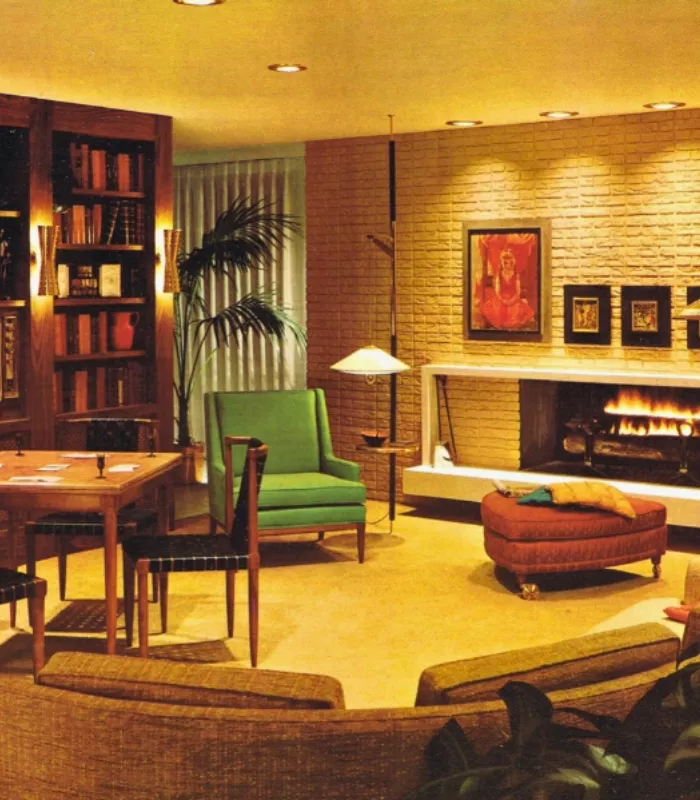
Families splurged on fancy couches and chairs covered in plastic. These showpiece rooms cost thousands but remain off-limits for daily use.
The plastic covering made sitting uncomfortable and sweaty. Guests felt awkward using furniture wrapped like leftovers.
That’s why most formal living rooms sat empty while families crammed into smaller dens. The expensive furniture never got used.
Entire rooms became museums instead of living spaces. The furniture stayed pristine because nobody could actually enjoy it.
Why It Made the List: Spending a fortune on furniture nobody could actually sit on seemed ridiculous once the trend faded.
6. Ford Edsel
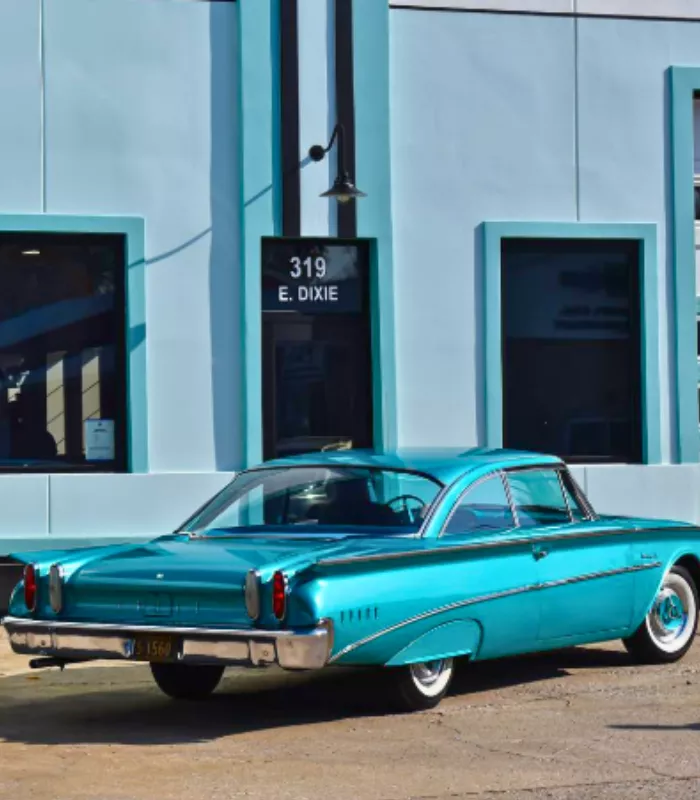
Ford hyped the Edsel as the car of the future. Buyers paid premium prices for the 1958-1960 models, expecting revolutionary features.
The design was polarizing, especially the odd vertical grille. Mechanical problems plagued every model year.
Resale value plummeted immediately. Edsel owners lost more money faster than any other car buyers of the decade.
Dealerships couldn’t give them away by 1960. The brand became a punchline rather than a status symbol.
Why It Made the List: The Edsel became a legendary failure, costing owners thousands in depreciation and repairs within months of purchase.
7. Wall-to-Wall Shag Carpeting
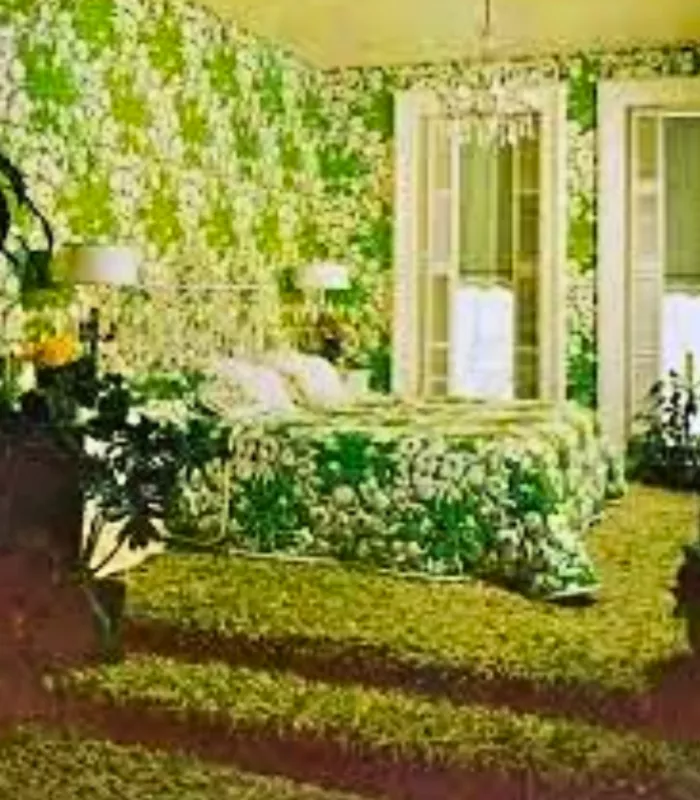
Shag carpet was the ultimate 60s status symbol. Homeowners spent big money installing thick, colorful shag throughout their houses.
Cleaning was a nightmare. Regular vacuums couldn’t handle the deep pile, requiring special rakes and equipment.
The carpets trapped dirt, odors, and allergens. Stains were nearly impossible to remove from the thick fibers.
Pet owners discovered shag carpet was a disaster waiting to happen. Anything spilled or tracked in became a permanent part of the flooring.
Why It Made the List: Removing outdated shag carpet became an expensive project by the 1970s, costing as much as the original installation.
8. Fondue Sets
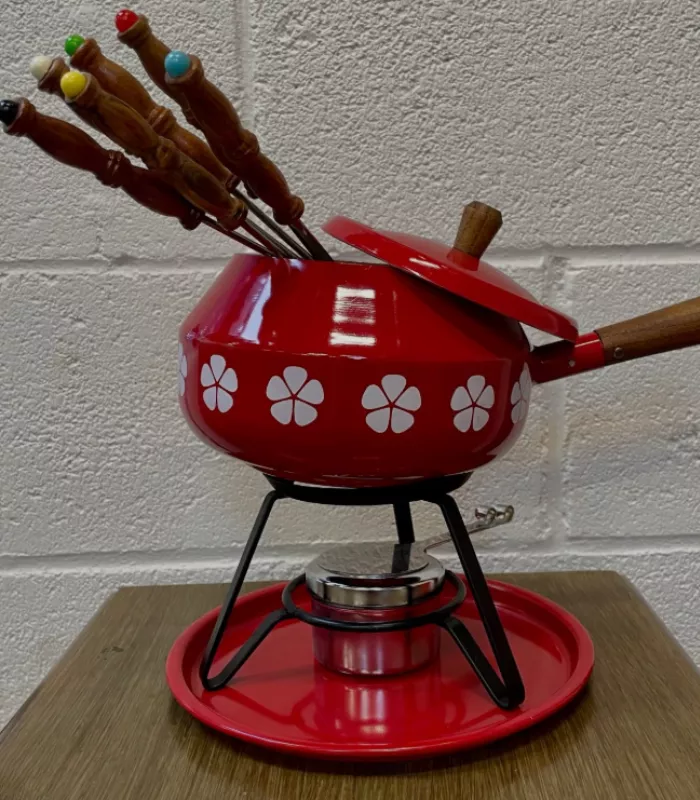
Fondue parties were all the rage in the mid-60s. Everyone rushed to buy expensive fondue sets with multiple pots and fancy forks.
The novelty wore off after a few uses. Cleaning the pots was tedious and cheese stuck to everything.
Most fondue sets ended up in the back of cabinets. The specialized equipment took up valuable kitchen space for no reason.
Guests grew tired of the gimmick quickly. What seemed sophisticated became boring and messy after the first party or two.
Why It Made the List: This trendy purchase gathered dust after the fad passed, making it expensive kitchen clutter.
9. Time-Share Vacation Properties
Time-shares exploded in popularity during the late 60s. Salespeople promised affordable luxury vacations for life.
The contracts locked buyers into decades of maintenance fees. These fees increased every year, often exceeding hotel costs.
Booking your own week became difficult as properties oversold. You’re better off just renting a hotel room without the long-term commitment.
Getting out of a time-share contract proved nearly impossible. Resale markets were nonexistent and lawyers charged thousands to break free.
Why It Made the List: Time-shares proved nearly impossible to sell or exit, trapping owners in expensive contracts they regretted.
10. Portable Black and White TVs
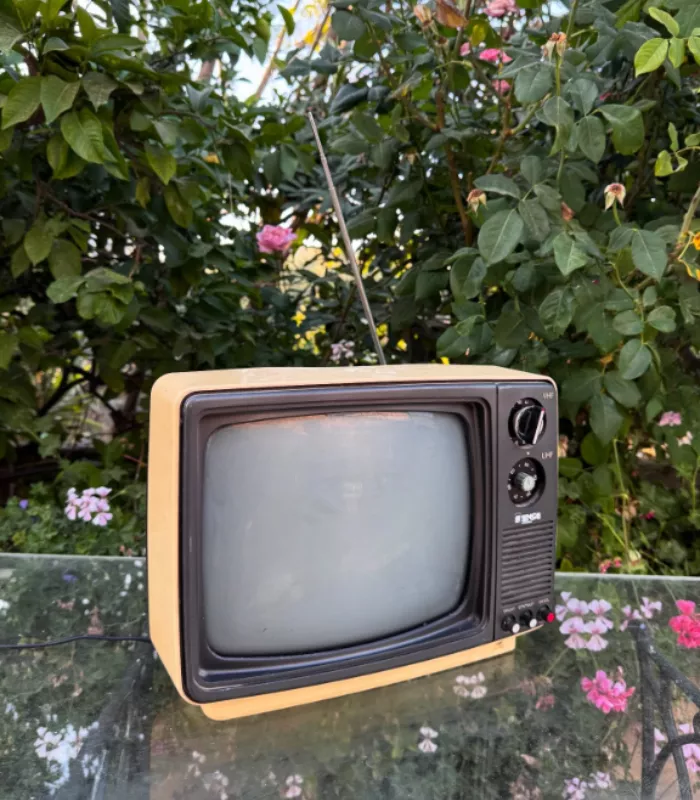
Small portable TVs seemed perfect for bedrooms and kitchens. The compact sets cost nearly as much as full-size models.
Picture quality was terrible on the tiny screens. Rabbit ear antennas rarely picked up clear signals.
Battery-powered models ate through expensive batteries. Most ended up plugged in permanently, defeating the “portable” purpose.
The screens were so small you had to sit right in front of them. Watching anything became an exercise in eye strain.
Why It Made the List: These overpriced mini-TVs offered poor viewing experiences while costing almost as much as regular televisions.
11. TV-Stereo-Radio Combination Consoles
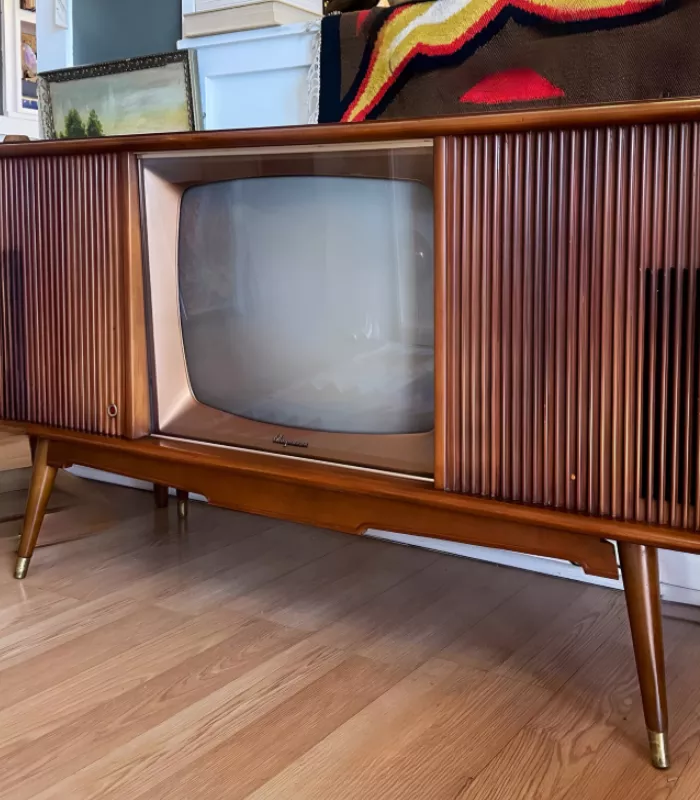
These massive furniture pieces combined television, radio, and record player in one fancy wood cabinet. Families paid $600 to $1,000 for these supposed space-savers.
The turntable picked up vibrations from the TV below. Records skipped constantly and sound quality was terrible when both were running.
When one component broke, the entire console became useless furniture. Repair costs often exceeded buying separate units.
Moving these monsters required professional movers. They weighed hundreds of pounds and couldn’t fit through standard doorways.
Why It Made the List: The vibration problems made music listening impossible, turning expensive entertainment centers into overpriced TV stands.
12. Sinclair Micro FM Radio
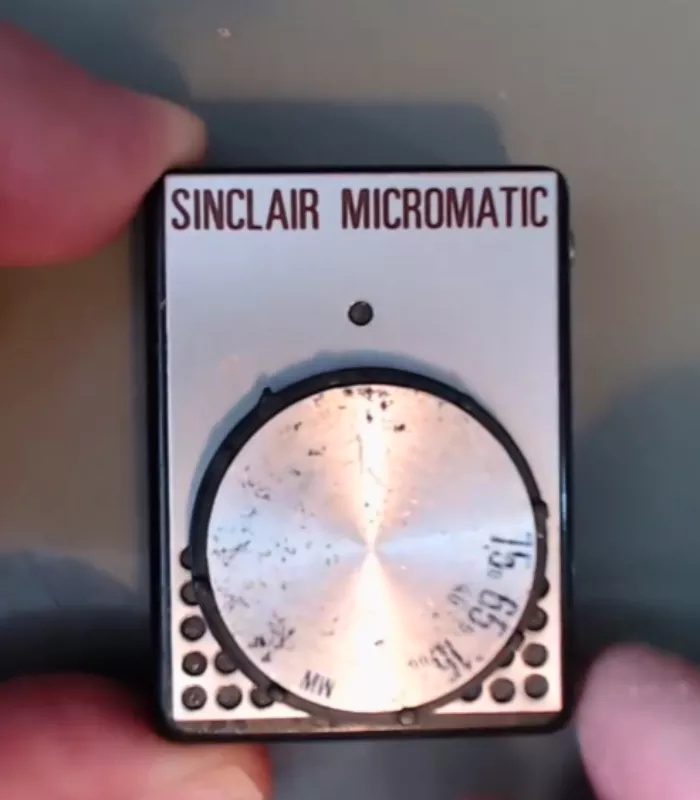
This pocket-sized transistor radio promised big sound in a tiny package. It cost around $30, which was pricey for such a small device.
Sound quality was awful with constant crackling. The cheap components failed within months of purchase.
Most owners couldn’t get clear reception. The tiny speaker produced tinny, distorted audio that made listening unpleasant.
The batteries died faster than advertised. Replacement batteries often cost more than the radio was worth.
Why It Made the List: A global transistor shortage forced manufacturers to use low-grade parts that broke down almost immediately.
13. Home Intercom Systems
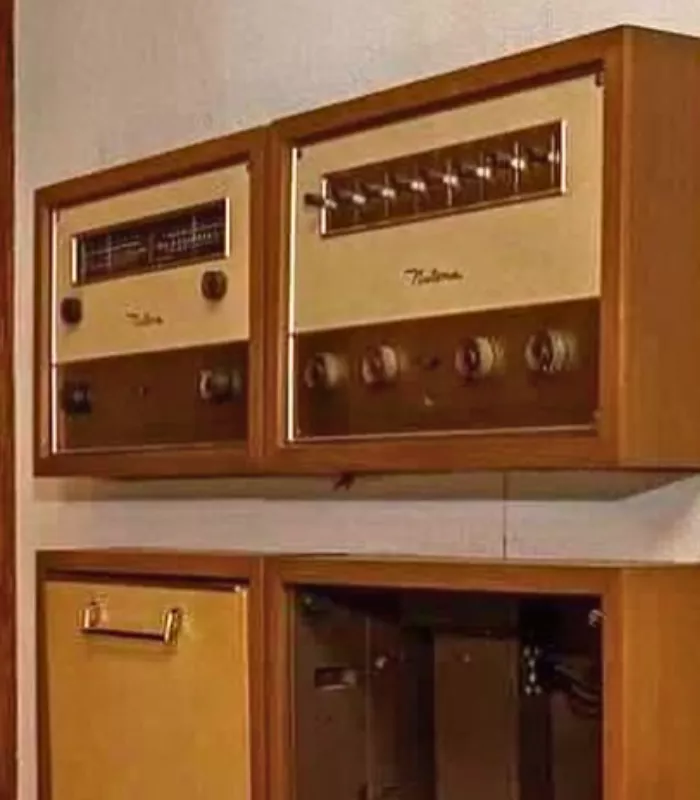
Builders installed whole-house intercom systems in new 1960s homes as luxury features. These systems cost $300 to $500 to install.
They barely worked from day one. White noise and static made conversations impossible between rooms.
The wiring often failed behind walls. Repairs required cutting into drywall at enormous expense for a feature nobody really needed.
Shouting between rooms worked better than the intercoms. The technology promised convenience but delivered frustration instead.
Why It Made the List: Most families found it easier to just walk to another room than fight with crackling, unreliable intercoms.
14. Electric Carving Knives
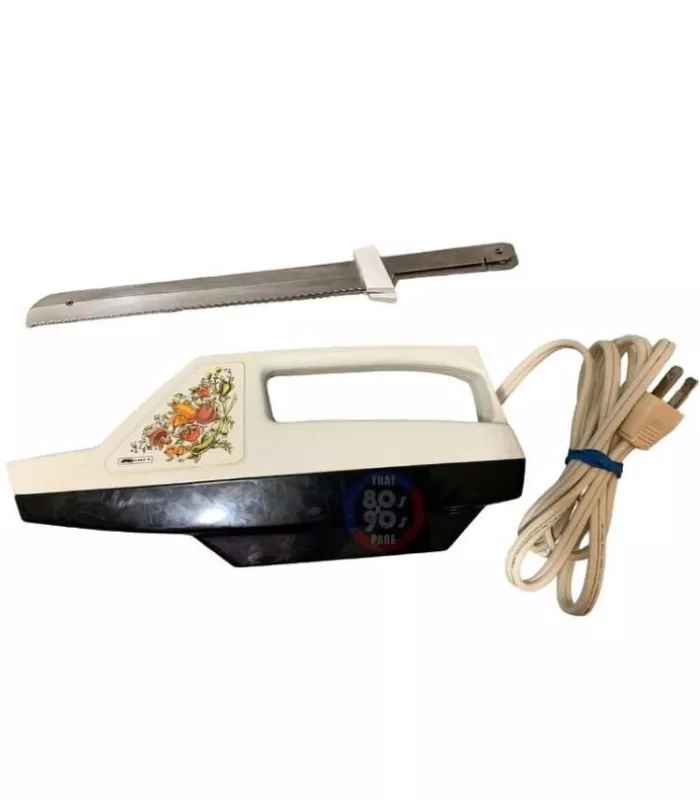
General Electric marketed these motorized knives specifically to men for holiday carving. Sales hit nearly $1 billion by 1966.
The dual serrated blades were awkward and dangerous. Many users cut themselves learning to control the vibrating device.
They only worked well on specific foods. The cords got in the way and cleaning between the blades was nearly impossible.
Storage was another headache. The bulky gadgets with cords took up more drawer space than regular knives.
Why It Made the List: A regular knife did the job better without the hassle, making this gadget expensive kitchen clutter used once a year.
15. Tang Instant Breakfast Drink
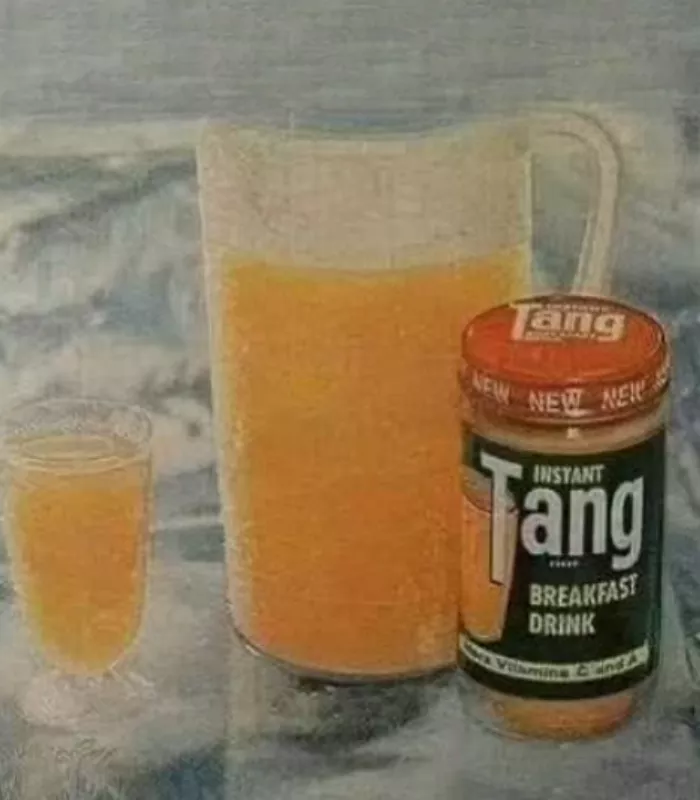
NASA used Tang on space missions, sparking a buying frenzy. Parents thought powdered orange drink was nutritious breakfast food.
The taste was artificial and unpleasant. Kids complained it tasted nothing like real orange juice despite the marketing claims.
It was mostly sugar and artificial flavoring. Families paid premium prices for what amounted to overpriced Kool-Aid with vitamins added.
The powder never mixed properly. Clumps floated in the glass no matter how much you stirred.
Why It Made the List: Real orange juice cost less and tasted better, making the astronaut connection the only reason people bought it.
16. Carnation Instant Breakfast
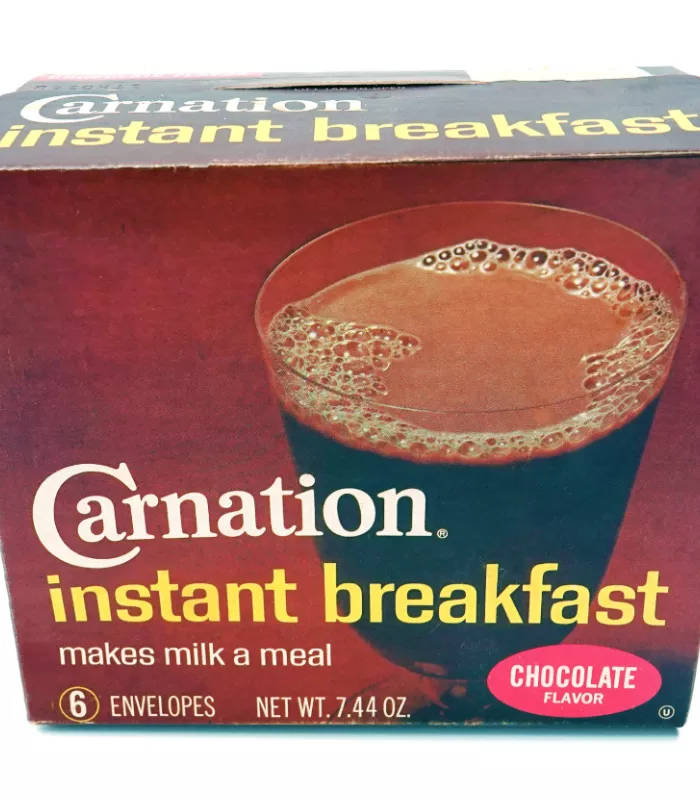
Introduced in 1964, this powdered drink promised complete breakfast nutrition in a glass. It sold for premium prices in individual packets.
The chalky texture was hard to swallow. Mixing it with milk created lumps that never fully dissolved.
Real food provided better nutrition for less money. The convenience factor didn’t justify the cost or unappetizing flavor.
Marketing targeted busy mothers who felt guilty about breakfast. The guilt trip worked better than the actual product.
Why It Made the List: Eating actual breakfast took the same time and tasted far better than drinking grainy, overpriced powder.
17. Portable Record Players
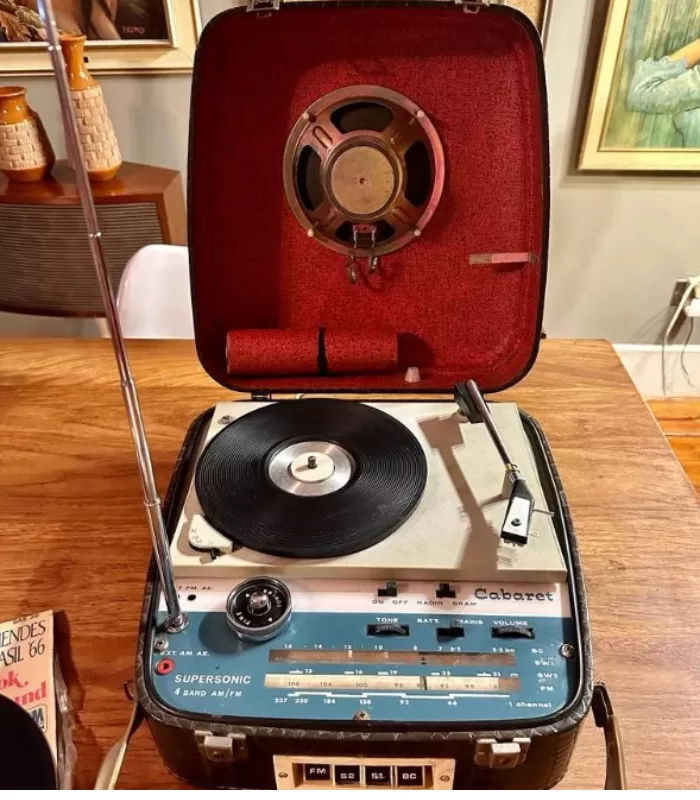
Battery-powered portable record players seemed perfect for outdoor fun. They cost almost as much as full-size models at $40 to $60.
They needed perfectly flat surfaces to work. Any movement made the needle skip across the record, ruining both sound and vinyl.
The batteries died quickly, killing the portable advantage. Most ended up plugged in at home, defeating their entire purpose.
Carrying records to beaches or parks risked warping from heat. The whole portable music concept was flawed from the start.
Why It Made the List: Records got scratched, batteries drained fast, and the sound quality was terrible compared to regular turntables.
18. Clackers Toy
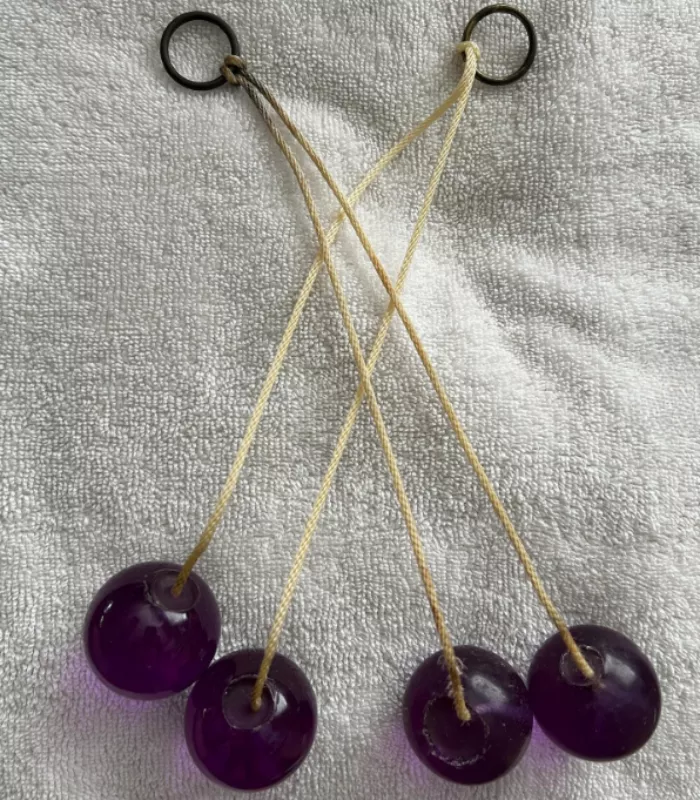
These acrylic balls on a string became a massive playground craze. Parents paid $2 to $5 for what seemed like harmless fun.
The acrylic balls shattered during use. Sharp pieces flew into faces and caused serious injuries to children.
They were eventually banned in many areas. Families were left with dangerous toys they couldn’t safely use or return.
Lawsuits piled up as injuries mounted. What started as a fad ended as a public safety crisis.
Why It Made the List: The toy was so dangerous it got pulled from shelves, leaving parents with wasted money and injured kids.
19. Space Food Sticks
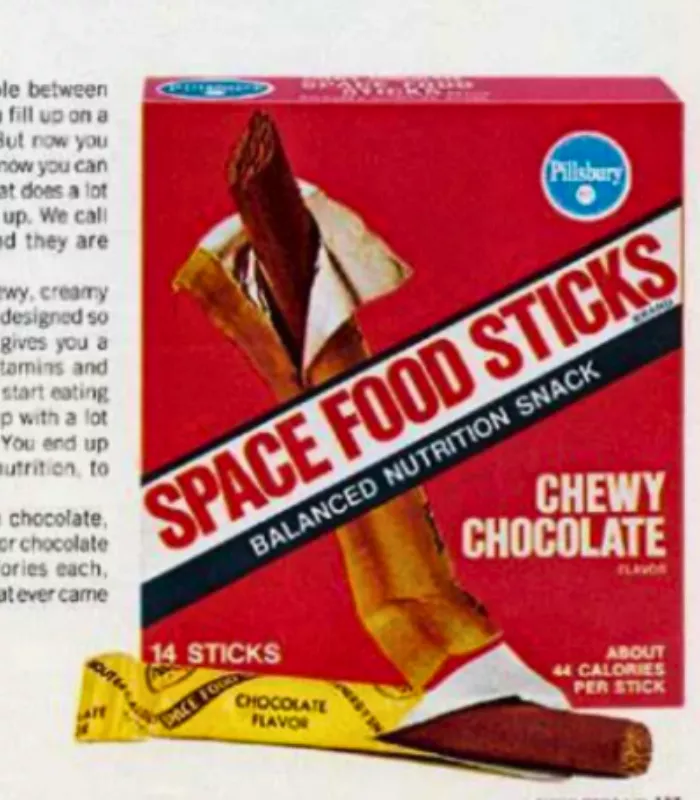
Marketed as astronaut food, these chewy sticks cost more than regular snacks. Parents bought them thinking they were nutritious space-age treats.
They tasted like sweetened cardboard. Kids who begged for them rarely wanted seconds after trying the bland, waxy texture.
They were just compressed sugar with vitamins. Regular candy bars cost less and actually tasted good.
The packaging was the best part. Once kids bit into the disappointing sticks, the space fantasy evaporated quickly.
Why It Made the List: The space program connection fooled parents into buying expensive, unappetizing snacks their kids refused to eat.
20. Mug-O-Lunch
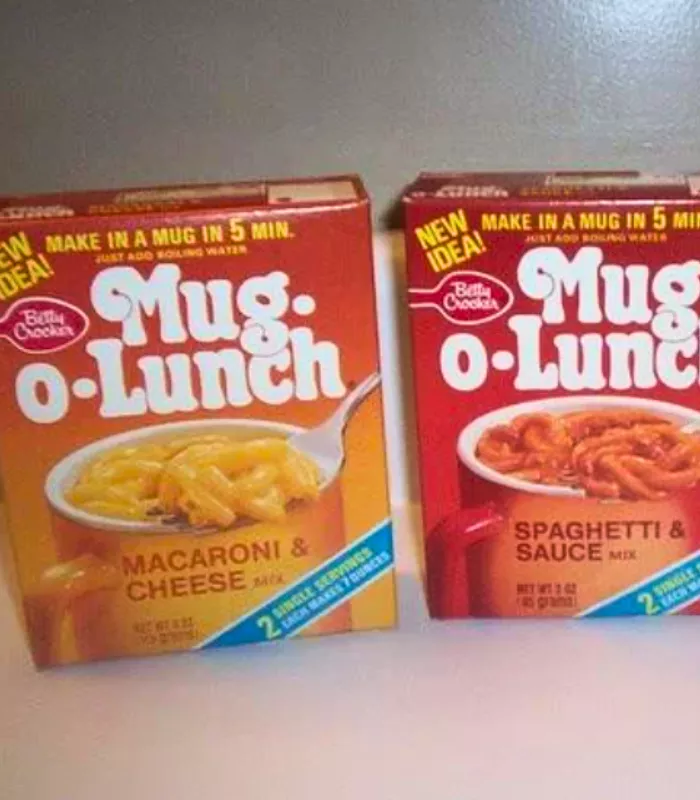
Betty Crocker sold instant meals in mugs that promised a hot lunch in minutes. Working people bought cases of these convenience meals.
The texture was slimy and unappetizing. Adding hot water created a murky, unidentifiable substance that barely resembled food.
The flavors were artificial and chemical-tasting. Most people tried them once and threw the rest away.
Even desperate office workers couldn’t stomach them. Vending machine sandwiches seemed gourmet by comparison.
Why It Made the List: Even fast food was cheaper and tastier than these disgusting instant meals that nobody could stomach eating.
21. Sinclair Stereo 25
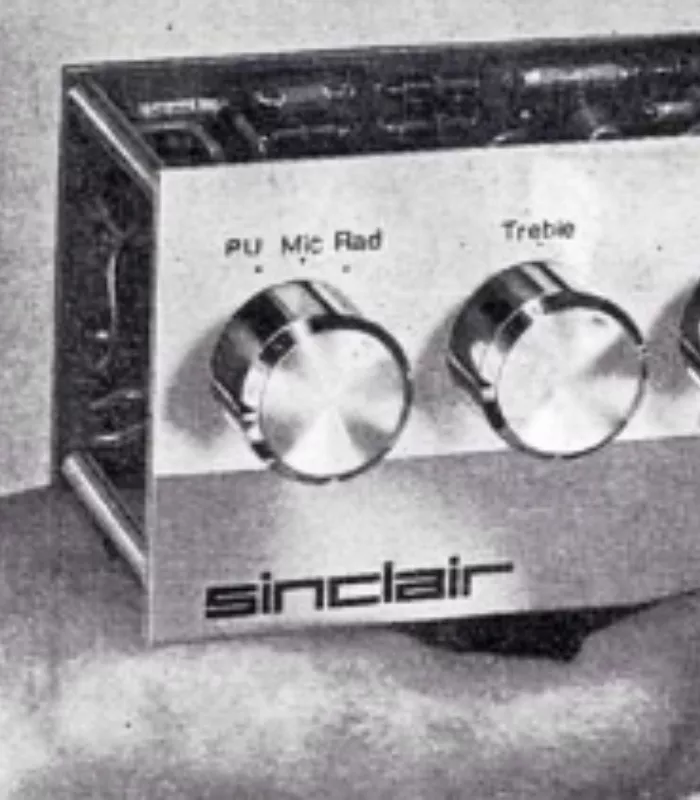
This compact stereo system promised affordable home audio. Buyers paid $25 for what seemed like a bargain compared to expensive stereos.
The sound quality was worse than cheap transistor radios. Knobs broke off and components failed within weeks.
Many units stopped working just months after purchase. Music lovers and audio enthusiasts ridiculed its terrible performance.
The phrase “you get what you pay for” applied perfectly here. Cheap price meant cheaply made junk that delivered nothing but disappointment.
Why It Made the List: The low price meant low quality, leaving buyers with worthless junk instead of the music system they wanted.
Those electric carving knives are fantastic for cutting foam or fiberglass insulation. Forget the turkey.