

Utah flea markets promise “treasures,” but your joints just hear “concrete.”
You arrive with cash, glasses, and a tiny flashlight.
You leave with a sunburn, a chipped knickknack, and a firm resolve.
You can spot a junk table from 40 feet away.
Wisdom is knowing when a “deal” is just clutter with better lighting.
1. Salt Lake’s Indoor Swap Meet, West Valley City
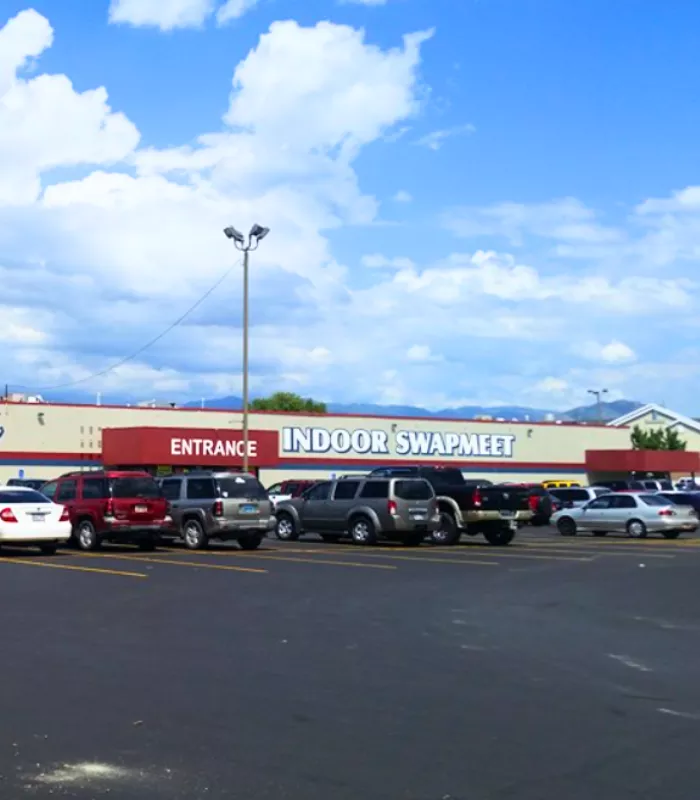
This place is massive. It feels like an endless maze of vendors.
But here’s the deal: it is loud, chaotic, and often overwhelming.
You will find more new, cheap imports than vintage treasures.
The aisles are tight and it can get very stuffy.
Many shoppers complain about the entry fee just to shop for tube socks.
The vendors pack in so close you can barely move your shopping bags.
The noise level from competing music systems creates a sensory overload.
You might spend an hour walking around without finding a single thing worth buying. Most items are mass-produced knockoffs you could order online for less.
WHY IT’S ON THIS LIST: It feels more like a dollar store explosion than a classic flea market.
2. Urban Flea Market, Salt Lake City
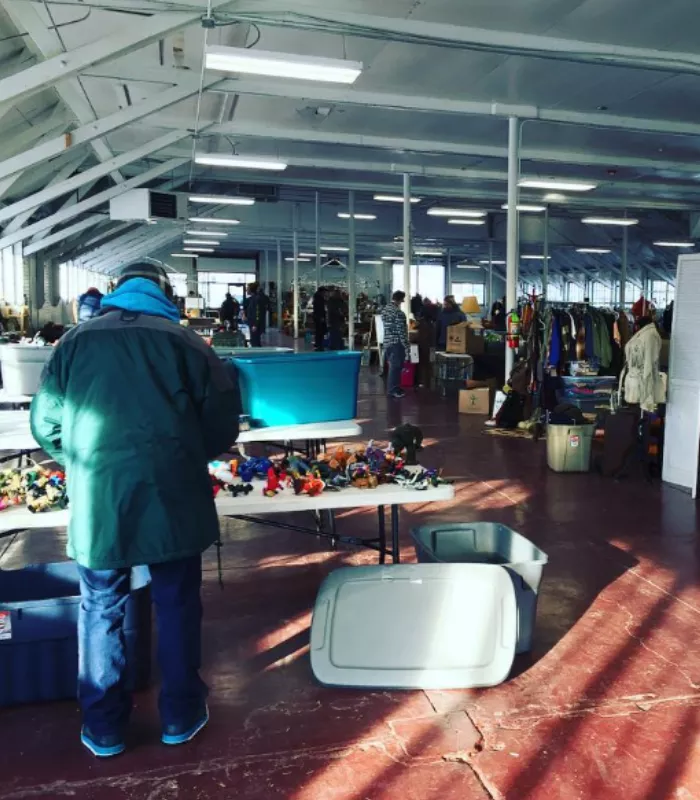
This market takes place in a convenient downtown spot.
It attracts a hip crowd looking for vintage clothes.
However, the prices here can be shocking.
You often have to pay an admission fee just to get in the door.
That’s why many serious bargain hunters skip it entirely.
Parking near the Gateway can also be a headache or an extra cost.
The vendors know their audience and price accordingly for the urban location. What costs $5 at a regular swap meet might be $25 here with the same wear and tear.
The selection skews heavily toward trendy clothing and overpriced home decor. You will see more Instagram-worthy displays than actual bargains on tables.
THE REAL CATCH: You pay a premium for the “cool” factor rather than finding true deals.
3. Park Silly Sunday Market, Park City
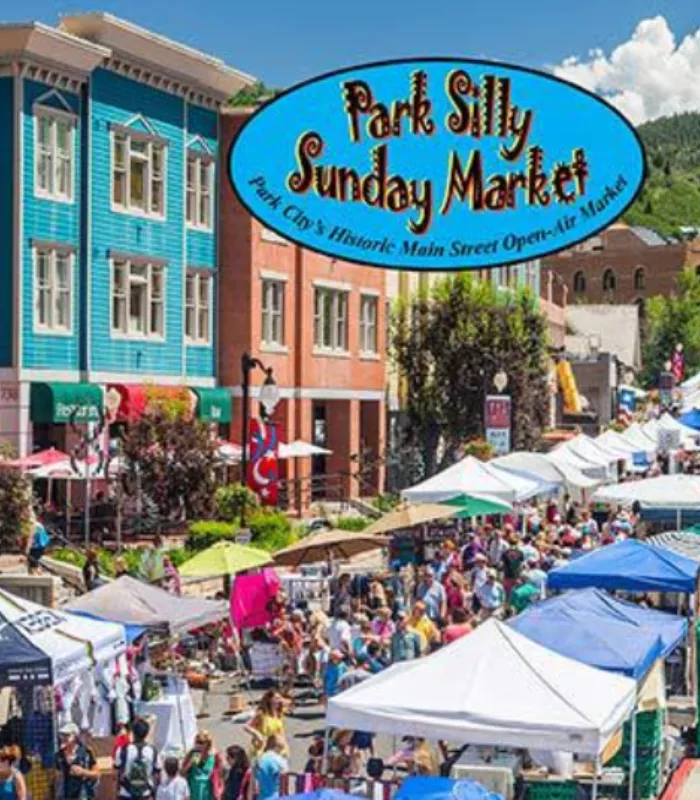
This is a huge event with food, music, and tons of people. It is a fun party atmosphere.
I made a classic mistake thinking I could just pop in for a quick look.
The crowds are absolutely massive.
You are better off avoiding this if you hate elbow-to-elbow shopping.
It is more of a tourist festival than a place to dig for rusty gold.
The main street gets completely blocked off and turns into a packed carnival. Families with strollers and dogs on leashes make navigating nearly impossible.
Most booths sell artisan crafts and prepared foods rather than secondhand goods. The few antique vendors charge resort-town prices that would make your wallet cry.
TOURIST TRAP WARNING: The traffic and parking fees alone can ruin your Sunday morning.
4. Coleman’s Motor-Vu Swap Meet, Riverdale
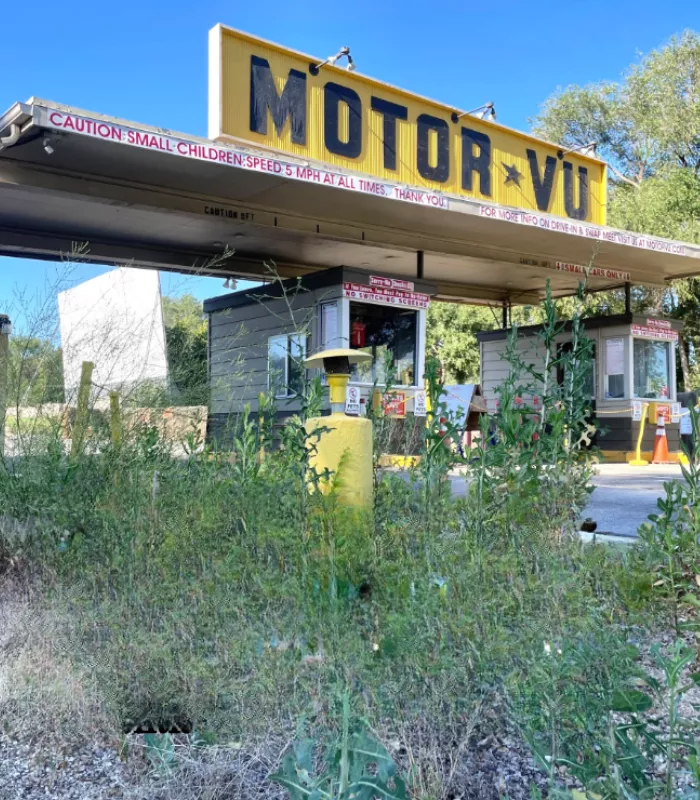
This drive-in theater doubles as a swap meet on weekends. It has a nostalgic, old-school feel.
But the facilities have seen better days.
Reviews frequently mention the bathrooms are in terrible shape. It can be dusty, hot, and dirty.
Many vendors only take cash, so don’t forget your bills.
The pavement is cracked and uneven, making it tough to walk comfortably for long periods. There is very little shade on hot summer days.
The quality of merchandise varies wildly from genuine antiques to straight-up garage sale rejects. You have to dig through a lot of junk to find anything remotely valuable.
GROSS FACTOR: The restroom situation is the number one complaint from visitors.
5. Tuacahn Saturday Market, Ivins
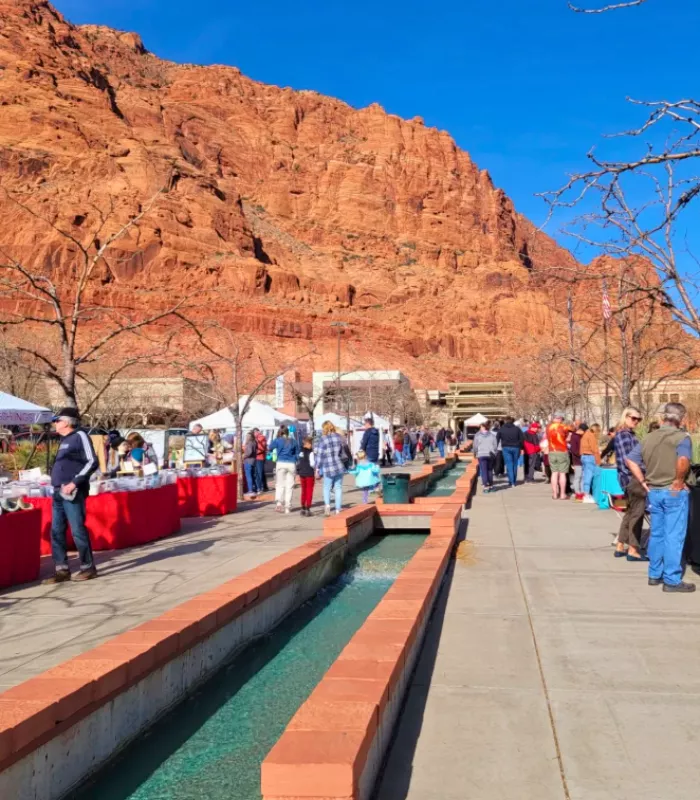
The setting for this market is stunning. You are surrounded by red rock canyons near St. George.
But don’t expect 50-cent trinkets here.
This market focuses heavily on local arts and crafts. The prices reflect the tourist location.
It is great for gifts, but terrible for a traditional flea market scavenger hunt.
Every vendor seems to be selling handmade soaps, paintings, or jewelry. The atmosphere is more refined garden party than gritty swap meet.
You will not find any random boxes of tools or vintage dishes here. Everything is carefully curated and priced like you are shopping at a resort gift shop.
WHY IT’S DISAPPOINTING: It is too upscale and artsy to feel like a real swap meet.
6. Provo Towne Centre Market, Provo
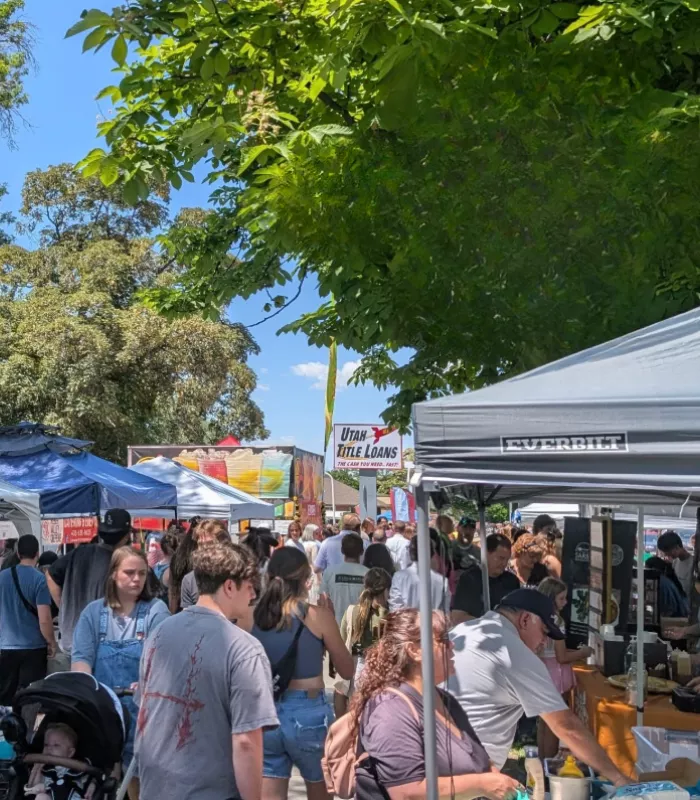
This market sometimes pops up in the mall area. It offers a climate-controlled place to shop.
The problem is the size.
Visitors often report finding only a handful of booths. You can walk the entire thing in five minutes.
It lacks the variety and chaos that makes flea marketing fun.
The vendors rotate frequently, so you never know what will be there from week to week. Half the time, the booths are empty or being set up when you arrive.
The mall setting also means strict rules about what can be sold and displayed. You miss out on the wild, anything-goes energy of a real outdoor market.
SIZE MATTERS: It is often too small to justify the trip unless you are already at the mall.
7. Flea Market Utah, Salt Lake City
This indoor market sits in an older strip center on the west side of the valley. It tries to mix swap meet energy with a permanent storefront feel.
The layout is cramped, and the lighting is harsh and unforgiving. Many booths feel more like overstock stores than true treasure-hunt spaces.
A good share of the merchandise is low-quality new import goods at mediocre prices. You will see the same items repeated in booth after booth with very little variety.
WHY IT’S ON THIS LIST: It offers the hassle of a swap meet without the charm or real bargains.
8. Yorktown Swap, Ogden
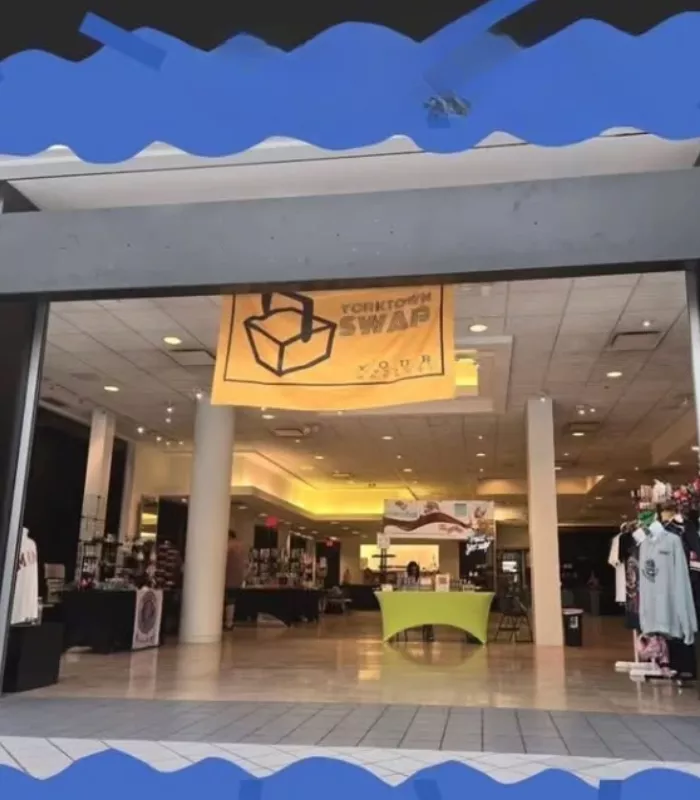
This swap meet moved into the Newgate Mall. It tries to offer a consistent indoor experience.
But the mall setting kills the vibe.
It feels sterile and lacks the grit of an outdoor market. The vendor selection can be sparse.
It often feels more like a sad wing of a dying mall than a bustling market.
The fluorescent lighting and tile floors make everything look cheap and depressing. You can hear echoes of your footsteps in the empty corridors.
The vendors who do show up seem as uninspired as the location. Most tables have the same generic items you see at every struggling swap meet.
ATMOSPHERE KILLER: Fluorescent lights and mall tiles don’t scream “vintage treasure hunt.”
9. Cache Valley Antiques, Logan
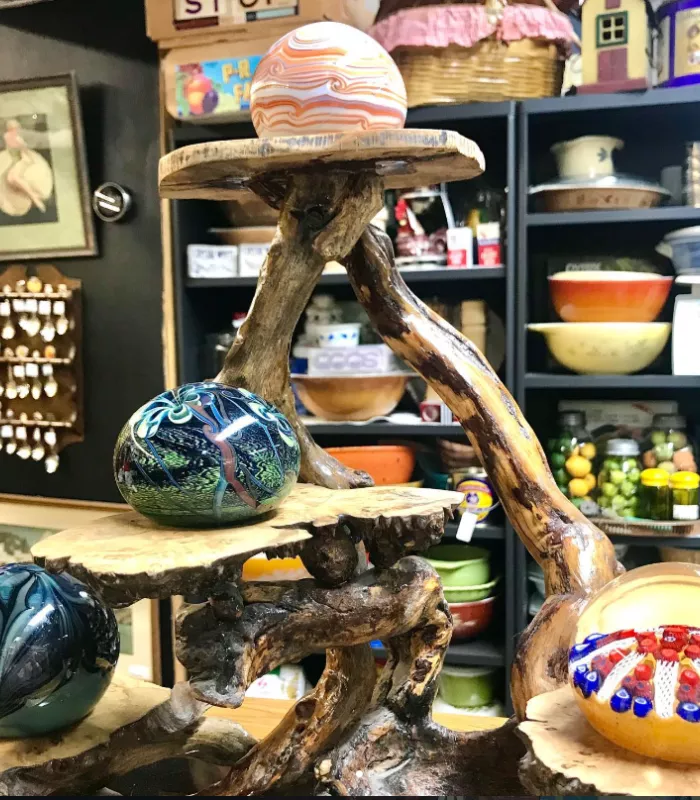
This isn’t a traditional swap meet, but it attracts the same shoppers. It is a large store with many items.
However, customer service complaints land it here.
Some visitors report rude staff who ignore customers. You might feel like an interruption rather than a guest.
Prices are also fixed, so don’t expect the thrill of haggling.
The staff watches you like you are planning to steal something. They hover nearby but refuse to answer questions helpfully.
The inventory is extensive but overpriced for the condition of most items. You will find plenty of dusty collectibles but very few actual bargains worth the attitude.
SERVICE MATTERS: A bad attitude from staff can ruin even the best shopping trip.
10. Capital City Antique Mall, Salt Lake City
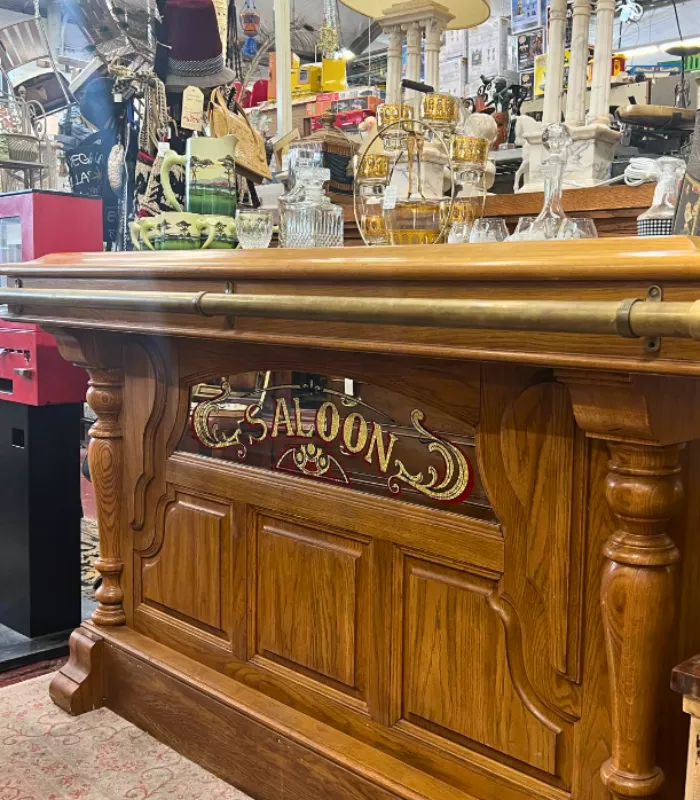
This is a popular spot for high-end vintage items. It is clean and well-organized.
But for a flea market lover, it is a letdown.
The prices are retail, not resale. You won’t find bargains here.
Some shoppers have also noted strict rules that make browsing less fun.
The vendors price everything like they are running boutiques instead of antique booths. You pay for the polished presentation and prime location.
The mall has a “look but don’t touch” energy that kills the joy of treasure hunting. Everything feels too precious to actually pick up and examine closely.
WALLET WARNING: Treat it like a museum where you can buy things, not a flea market.
11. Redwood Swap Meet, West Valley City
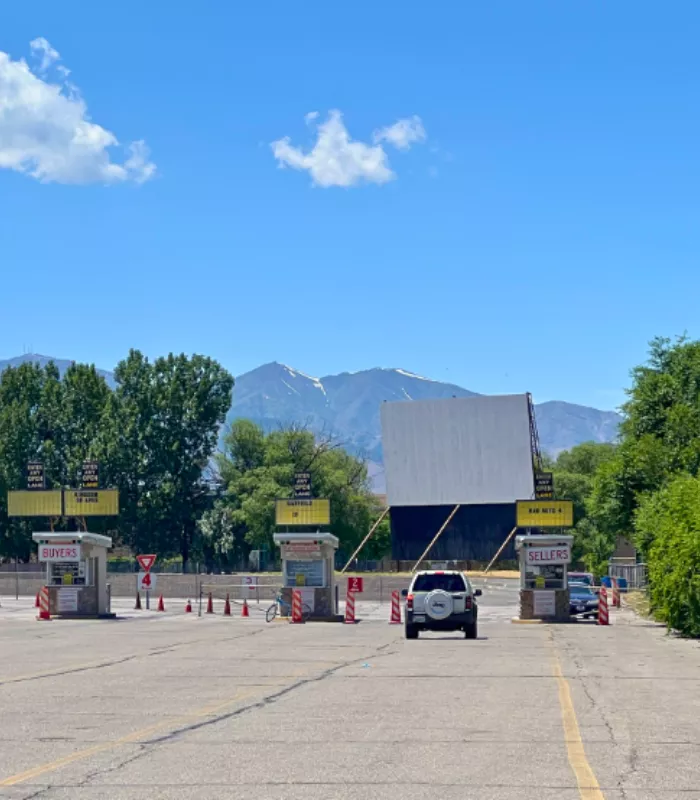
For decades, this was a legendary spot for bargain hunters. The drive-in theater and swap meet combo was iconic.
But here’s the catch: it closed permanently in early 2025.
The site was cleared for redevelopment. Many longtime vendors were displaced.
If you show up looking for it, you will find only an empty lot and memories.
Generations of Utah families made weekend trips here for cheap deals and nostalgia. The loss of this landmark left a genuine hole in the local flea market scene.
The closure happened so suddenly that many regular shoppers showed up to locked gates. Now the property sits vacant waiting for new construction that nobody asked for.
CLOSED PERMANENTLY: This beloved swap meet is gone forever, making it the ultimate disappointment.
12. Festival City Farmers Market, Cedar City
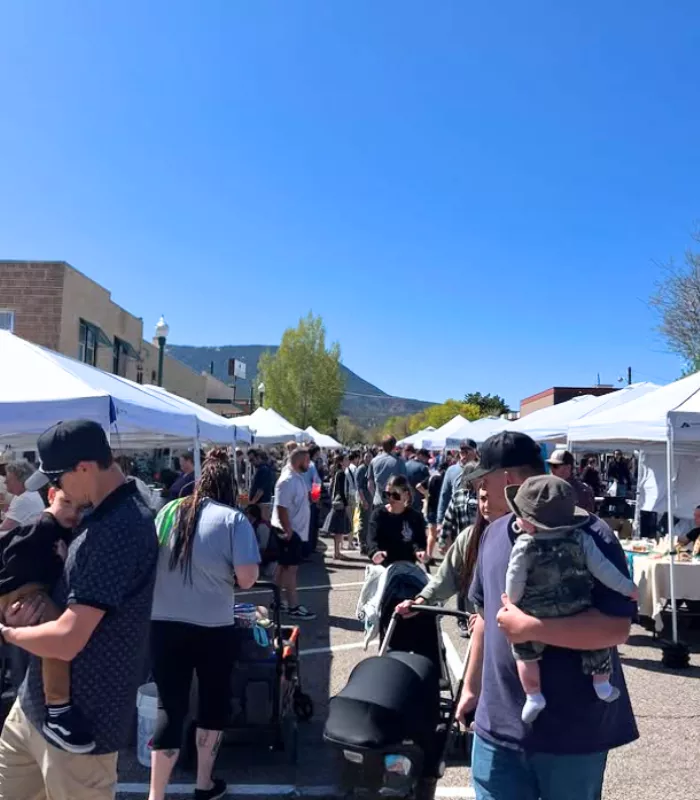
This market is mostly about fresh produce and baked goods. It is not really a flea market at all.
You are better off going somewhere else for vintage finds.
The artisan booths sell handmade jewelry and crafts at full price. It is charming but completely wrong for treasure hunting.
Most items are brand new, not secondhand.
The vendors focus on farm-fresh vegetables, homemade preserves, and bakery items. There is not a single booth selling used furniture or vintage collectibles.
The atmosphere is wholesome and family-friendly but offers zero opportunities for bargain hunting. You will leave with organic carrots, not antique finds.
NOT A FLEA MARKET: It is a farmers market masquerading as something different.
13. Vintage Vibes Flea Market, St. George
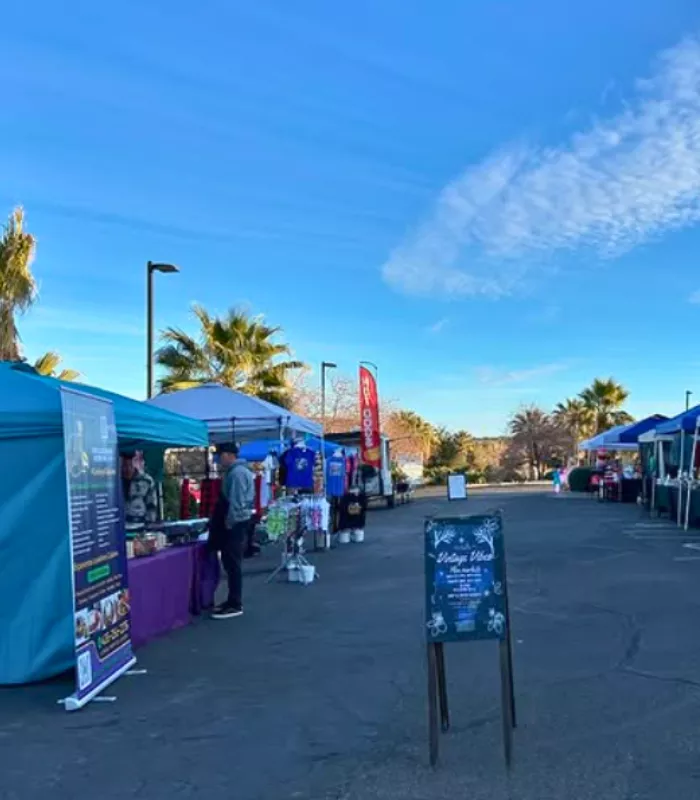
This market pops up occasionally in the St. George area. It features Boho decor and vintage clothing.
The problem is consistency.
The schedule is irregular and hard to pin down. You might drive all the way there and find it is not happening.
When it does open, the prices lean toward the expensive side.
The organizers promote events on social media but dates change constantly. You could plan your whole weekend around it only to find a cancellation post the night before.
The vendors who do show up price their goods like they are running boutiques. You pay Instagram influencer rates for items you could find cheaper elsewhere.
SCHEDULING NIGHTMARE: Unreliable dates make it frustrating for serious shoppers.
14. Mod the Modern Market, St. George
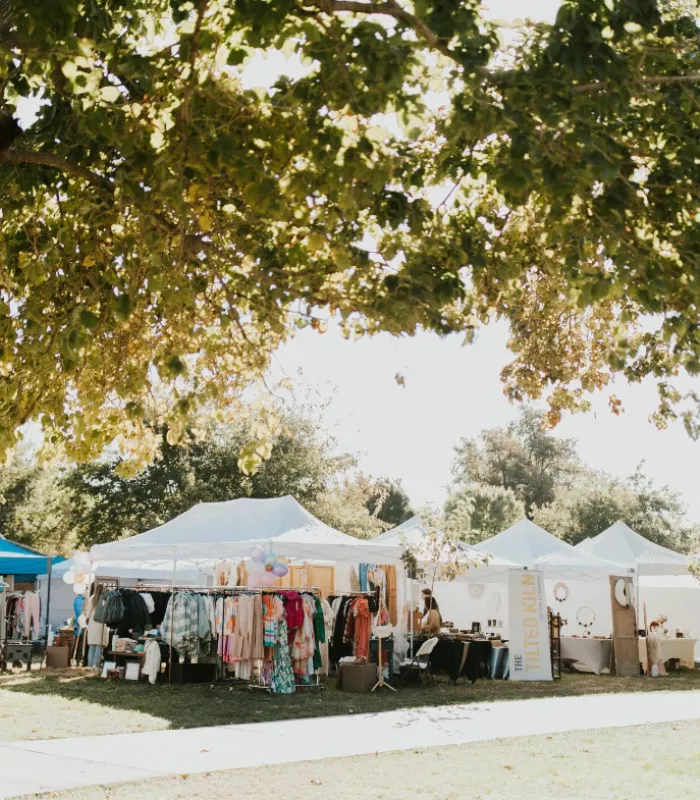
This market focuses heavily on mid-century modern items. It attracts interior designers and Instagram influencers.
The vibe is trendy, not trashy.
Prices reflect the curated aesthetic. It feels more like a boutique than a flea market.
If you want to haggle over a rusty wheelbarrow, this is not your place.
Every piece is staged like a magazine photo shoot. The vendors know exactly what they have and price accordingly.
You will find teak furniture and vintage Pyrex at triple the normal swap meet rates. The whole experience caters to design snobs, not bargain hunters.
TOO TRENDY: The whole experience is designed for high-end shoppers, not bargain hunters.
15. Moab Rock Shop, Moab
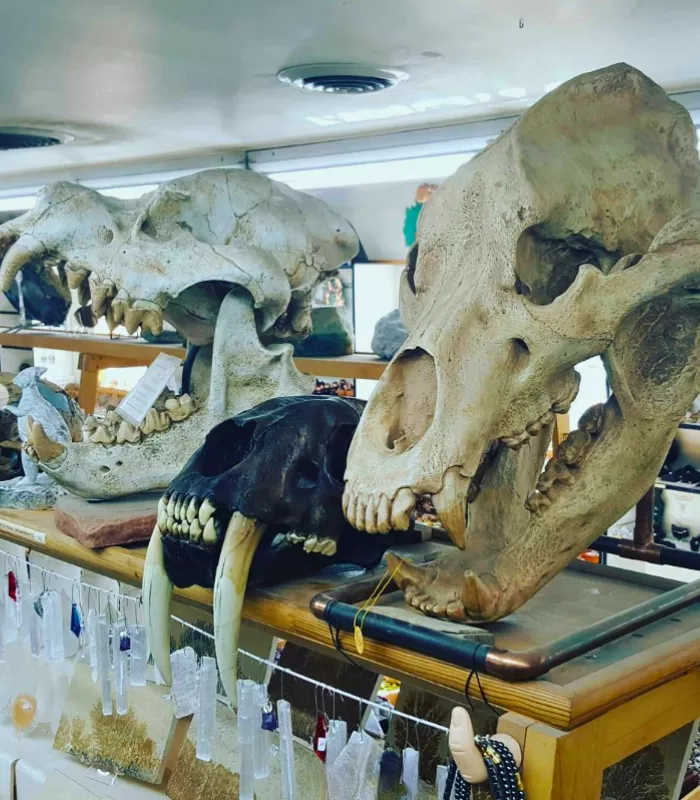
This shop is packed with rocks, fossils, and minerals. It is fascinating for geology fans.
But customer service is hit or miss.
Some visitors report feeling ignored or rushed. The staff can seem bothered by questions.
It is more of a specialty store than a traditional swap meet experience.
The inventory is impressive but the employees act like you are wasting their time. They would rather talk to each other than help customers.
Prices are not clearly marked on many items. When you finally get someone to help, they quote numbers that seem pulled from thin air.
SERVICE INCONSISTENCY: Rude or distracted employees can ruin the fun of browsing.
16. RADZ Swap Meet, Lehi
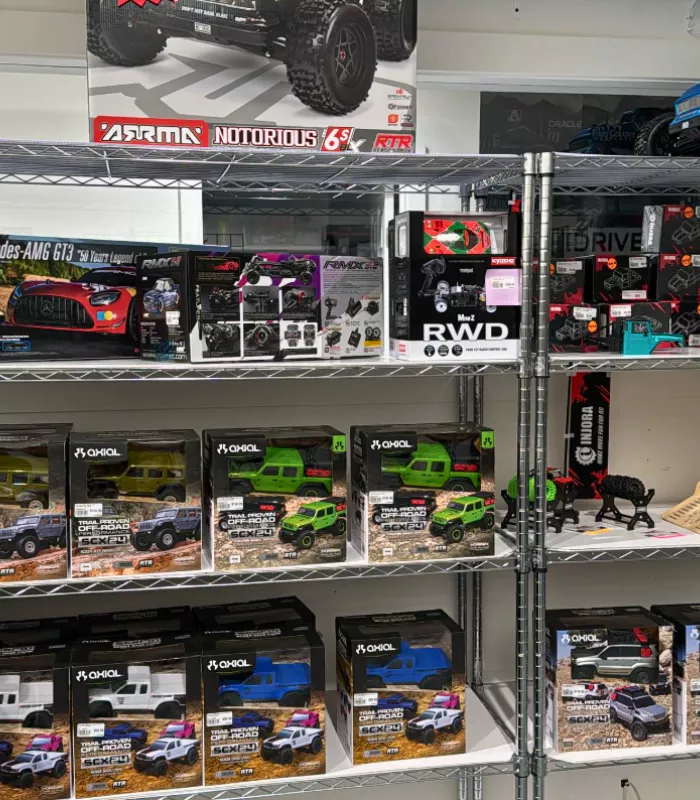
This is a tiny monthly swap meet focused on remote control hobbies. It happens inside a hobby shop.
The niche focus is the problem.
Unless you are into RC cars and drones, you will find nothing. It only runs for two hours once a month.
Most people looking for a general flea market will be totally disappointed.
The swap is designed exclusively for hardcore hobbyists who speak in technical jargon. If you cannot tell a servo from a receiver, you will feel lost.
The tiny space gets crowded fast with enthusiasts blocking the aisles. There is literally nothing for the casual browser or antique hunter.
TOO SPECIFIC: This is for hobbyists only, not general bargain shoppers.
17. Downtown Farmers Market, St. George
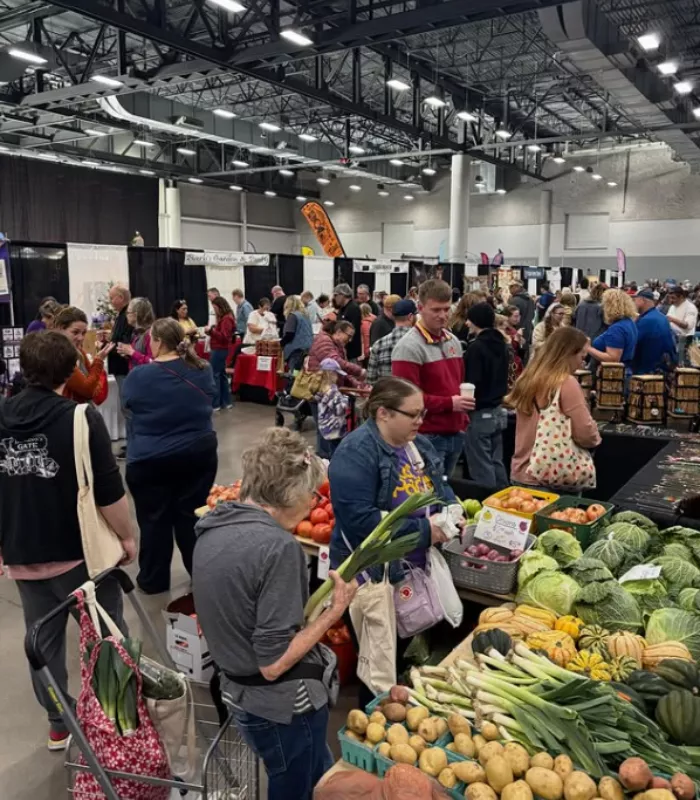
This is another farmers market that gets confused with flea markets. It offers fresh veggies and local honey.
There are zero vintage items.
Want me to find you antique furniture here? You can’t. It is all farm-fresh products and live music.
The crowd is lovely, but the mission is completely different.
The focus is entirely on agricultural products and prepared foods. You can buy a jar of jam but not a vintage lamp.
The live entertainment and food trucks create a festival atmosphere. It is fun for families but useless for anyone hunting secondhand treasures.
WRONG CATEGORY: It is great for tomatoes, terrible for treasures.
18. The Bazaar, Salt Lake City
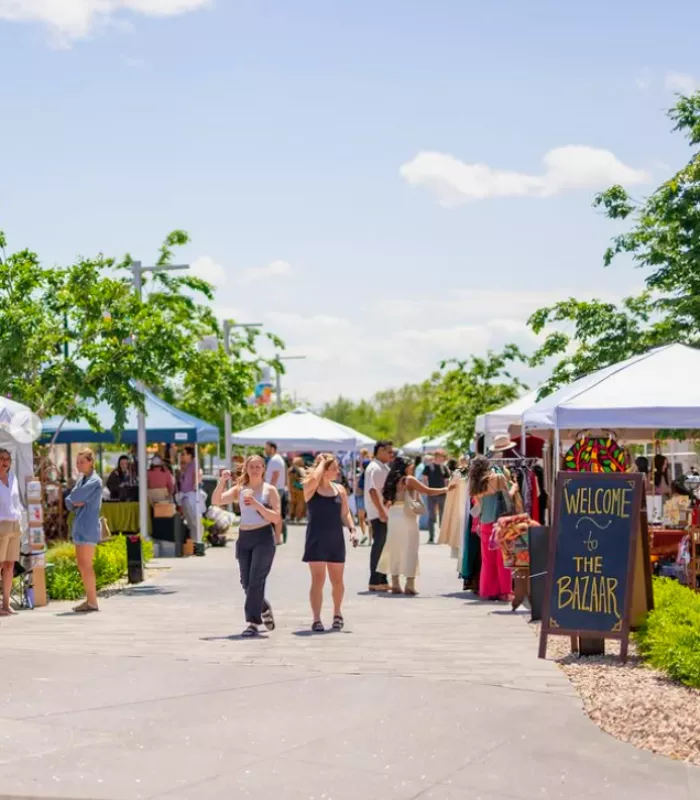
This upscale shopping destination features curated vintage and home goods. It is beautifully designed.
But the prices are astronomical.
I made a classic mistake thinking this would be a bargain spot. Everything is tagged at boutique retail prices.
It feels like shopping at Anthropologie, not a dusty flea market.
The displays look like they belong in a design magazine. Every item is styled and lit like fine art.
The staff can recite the provenance of every piece, along with prices that make you gasp. You are paying for curation and ambiance, not deals.
STICKER SHOCK: Prepare to pay three times what you would at a real swap meet.
19. Vantage, Salt Lake City
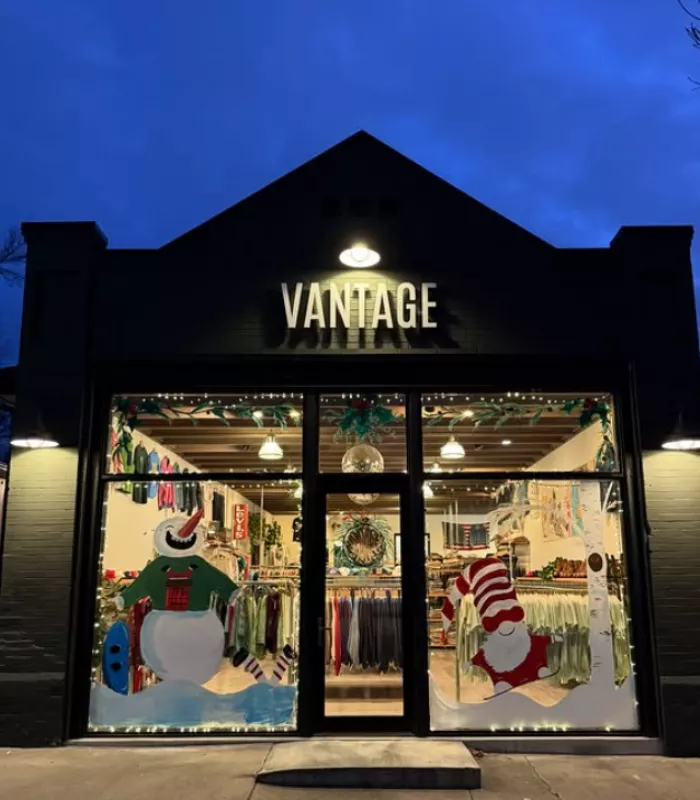
This is a rotating pop-up market that showcases local makers. It has a cool warehouse vibe.
The issue is availability.
It only happens a few times per year. The limited schedule makes it hard to plan around.
Most vendors sell new handmade items, not used goods.
The events are promoted heavily on social media but dates are sporadic. You might wait months between markets with no regular schedule.
The emphasis is on supporting local artisans making new products. There are very few if any vendors selling vintage or secondhand items.
RARELY OPEN: You can’t rely on it being there when you want to shop.
20. Parking Lot Sales, Various Locations
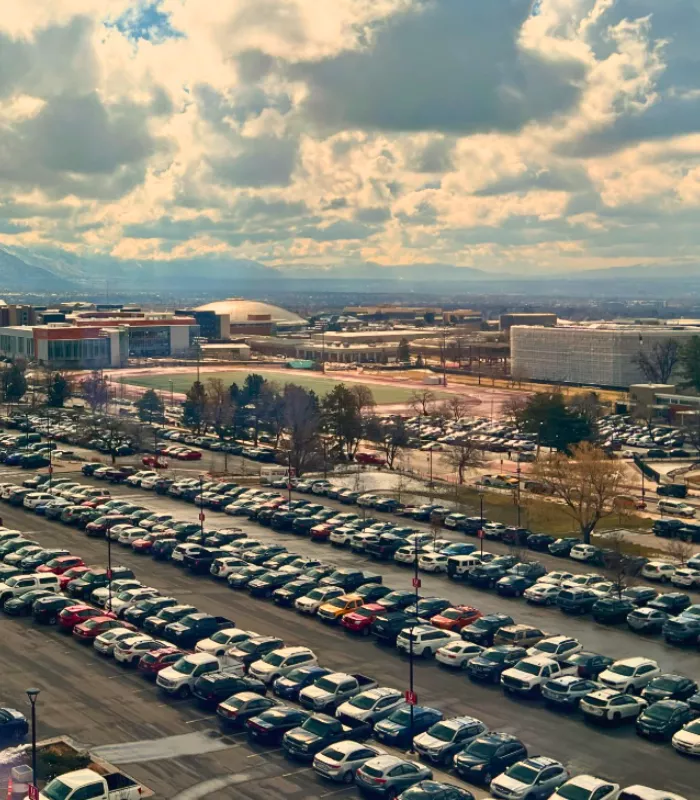
These unofficial swap meets pop up in random parking lots across Utah. They have no set schedule or organization.
The quality is wildly unpredictable.
You might find amazing deals or total junk. There are no facilities, no shade, and no guarantees.
Some sellers are shady and sell broken or stolen items.
The location in a parking lot offers zero amenities or protection from weather. Vendors set up folding tables whenever they feel like it.
There is no organization or quality control whatsoever. You could find anything from used car parts to homemade candles, or absolutely nothing at all.
BUYER BEWARE: No oversight means you are shopping at your own risk.
21. Church Parking Lot Sales, Statewide
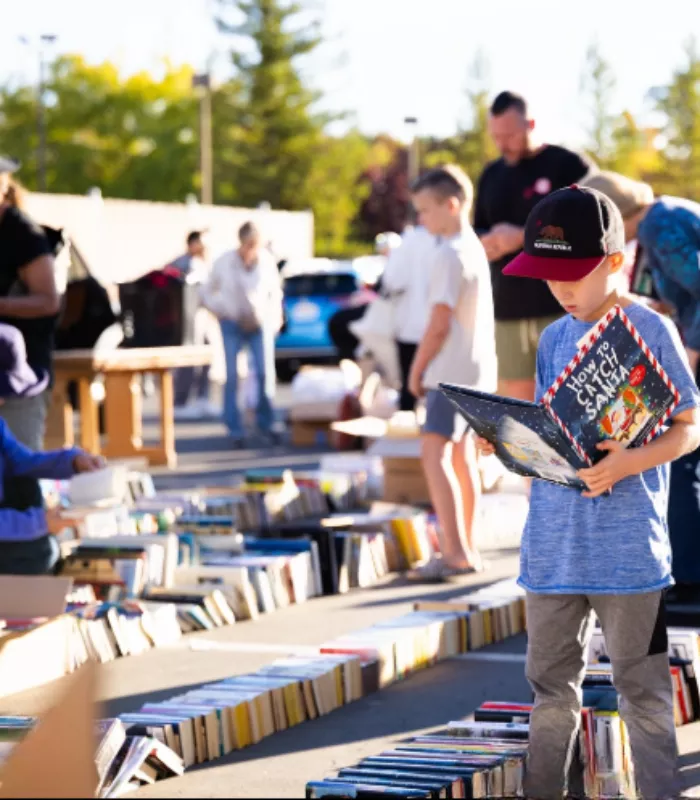
Many churches in Utah host occasional fundraiser sales. They usually feature donated items and baked goods.
The problem is the picked-over inventory.
By the time you arrive, the best stuff is already gone. Prices are often inflated because it is for charity.
You end up paying more out of guilt than value.
The sales are usually run by volunteers who have no idea what items are actually worth. Everything gets priced randomly, often too high for the condition.
You feel pressured to buy something even when nothing appeals to you. The guilt factor makes it impossible to leave empty-handed without feeling bad.
GUILT PRICING: You feel pressured to overpay because it supports a good cause.