

These are places where Amazon delivery is science fiction and your mail carrier deserves hazard pay.
Some require snowmobiles for winter access, others need boats year-round, and a few apparently just said “roads are optional.”
Population numbers here look like typos until you realize entire communities actually run with fewer people than a typical yoga class.
Living this far from civilization means trading convenience for staggering beauty, silence, and the kind of night skies that make light pollution seem criminal.
1. Atlanta, Idaho
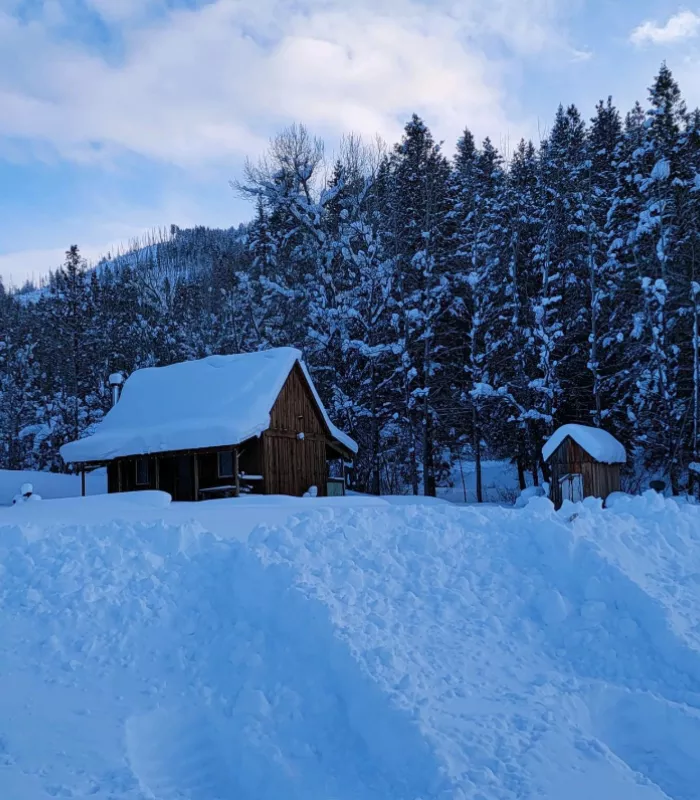
Atlanta is a tiny historic mining town in the Boise National Forest in Elmore County.
It sits near the Middle Fork of the Boise River and the edge of the Sawtooth Wilderness, far from big cities.
Fewer than 40 people live here year-round, so everyone tends to know everyone.
The town has no gas station, no big store, and only a few small businesses.
Rough dirt roads, landslides, and deep winter snow can turn a simple trip into a full day of travel.
That keeps Atlanta quiet even in the busy summer season.
For visitors, the reward is clear skies, dark nights, and simple cabins tucked into the forest.
Hiking, hot springs, fishing, and backcountry skiing draw people who like to get far from crowds.
But here is the catch: you need to plan well, bring supplies, and respect the changing mountain weather.
Why It Is So Isolated: Long, rough dirt roads, no services, and heavy snow keep Atlanta cut off for much of the year, so it stays one of Idaho’s quietest mountain retreats.
2. Featherville, Idaho
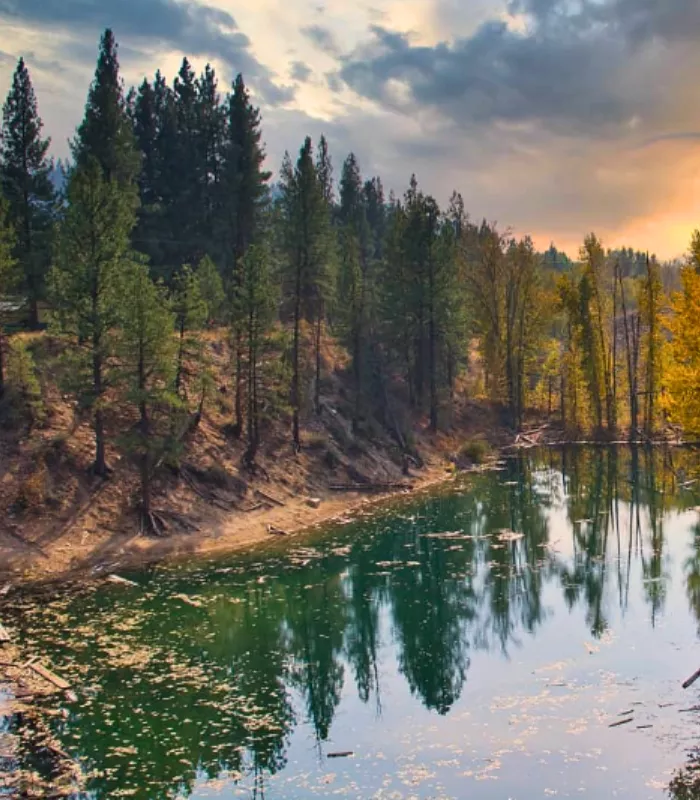
Featherville is a small rural community in Elmore County, northeast of Mountain Home.
It sits near the South Fork Boise River, backed by forested hills and the Trinity Mountains.
The area feels like a deep forest outpost, not a typical town.
Only around 100 people live here full time, with more arriving on weekends and in summer.
There is no large grocery store or hospital, so residents often drive many miles for basic care.
That can be a real concern as people age and need more medical visits.
The unnumbered forest roads and winter storms make travel slow and sometimes risky.
But the payoff is clear: trout streams, pine-covered ridges, and a night sky full of stars.
You are better off treating any outing from Featherville like a mini road trip, with extra food, water, and fuel.
Why It Is So Isolated: Distance from major services, forest roads, and a very small year-round population keep Featherville feeling like a far-off mountain camp.
3. Pine Flats area, near Lowman, Idaho
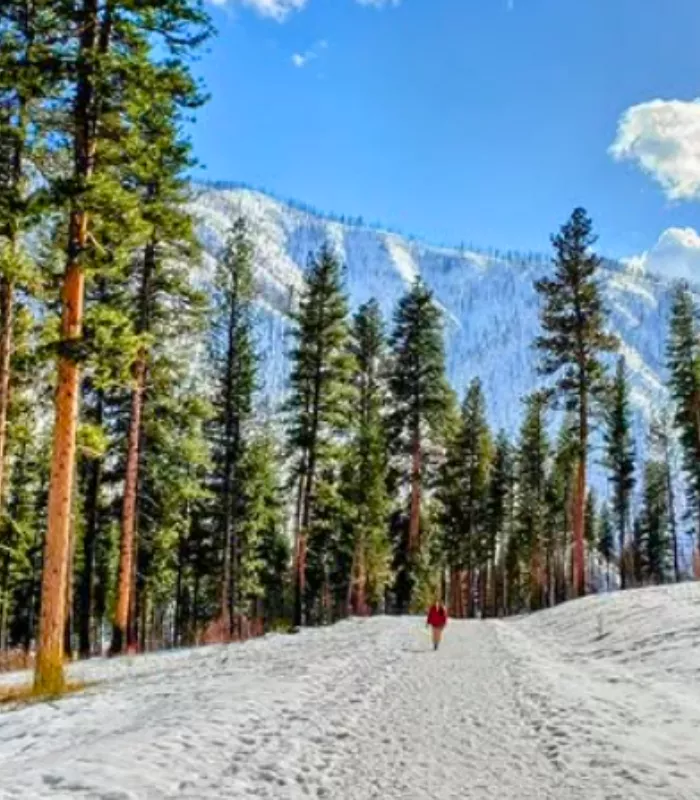
Pine Flats is a remote riverside area near Lowman in Boise County, tucked inside the Boise National Forest.
It lies along the South Fork Payette River, surrounded by thick pine woods and steep hills.
Hot springs and simple camp spots shape life here more than buildings or stores.
The drive in follows narrow, winding roads that hug the river and canyon walls.
Winter snow, spring rockfall, and summer wildfire smoke can all affect access.
That kind of changeable travel can be hard if you prefer quick, easy trips.
There are no big box stores, only small services in nearby Lowman, so stocking up takes planning.
The reward is quiet: rushing water, tall trees, and clear mountain air for those who make the drive.
That is why Pine Flats appeals to people who like simple comforts and do not mind being far from town.
Why It Is So Isolated: Narrow canyon roads, forest setting, and a lack of nearby services keep the Pine Flats area peaceful and far from day to day noise.
4. Sawtooth City area, Idaho
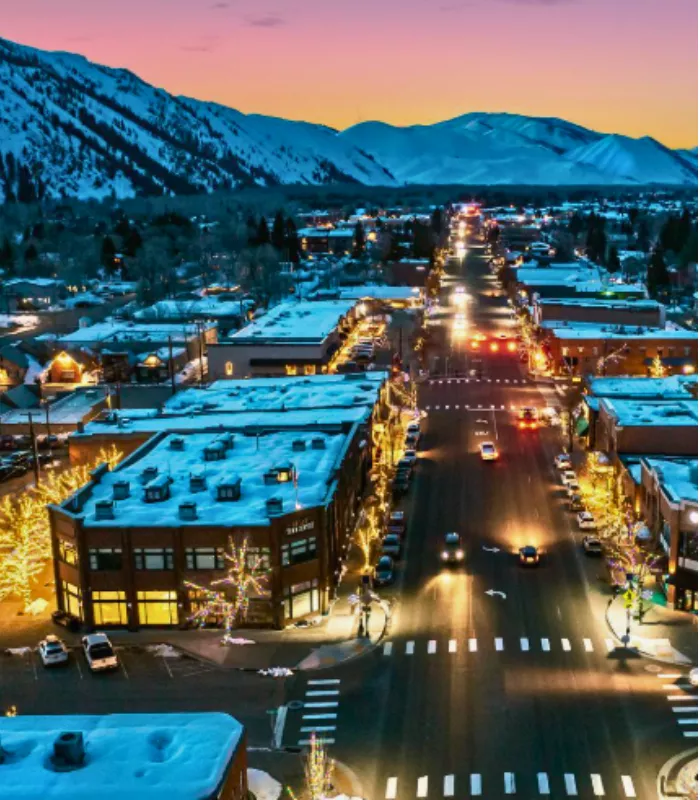
Sawtooth City is a former mining site tucked south of Stanley in Custer County.
It sits in a high valley, ringed by the sharp peaks of the Sawtooth Mountains.
The setting feels open yet very remote.
Access is by mountain highways and smaller roads that can close or become tough in bad weather.
Snow, ice, and high elevation make winter travel a serious factor for older visitors.
Even in summer, distances to full medical care and large stores remain long.
Remains of old buildings and mine sites tell the story of a boom era that has long since faded.
Now, outdoor lodges and rustic stays serve hikers, anglers, and backcountry explorers who value quiet over convenience.
That is why a visit here feels more like stepping back in time than a typical vacation town.
Why It Is So Isolated: High elevation, winter closures, and long distances to major towns keep the Sawtooth City area sparsely settled and very quiet.
5. Lucile, Idaho
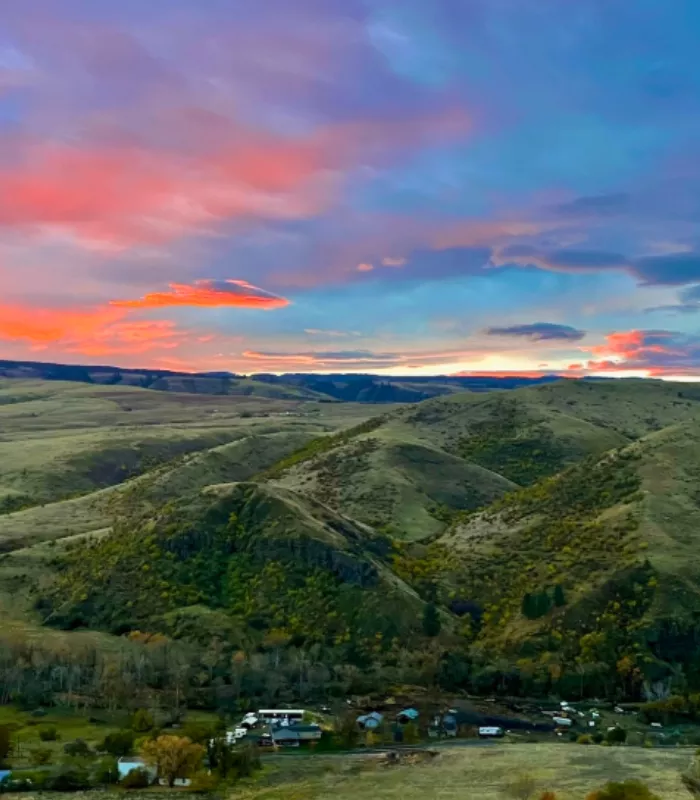
Lucile is a tiny unincorporated community on the Salmon River in Idaho County.
It lies along the “River of No Return,” in a rugged canyon with steep walls.
Homes and small ranches sit between the river and the hills.
The wider region is thinly populated, with the Salmon River draining a huge, rough landscape.
The river drops more than 7,000 feet from its source, showing how steep and wild this watershed is.
That terrain limits road options and services along long stretches of the valley.
Outdoor lodges and scattered homes share the canyon, often reached only by river trips, rough tracks, or small airstrips.
Lucile itself feels like a pause in the canyon, far from chain stores and city traffic.
For many, that mix of river sounds, big views, and almost no crowds is the real treasure here.
Why It Is So Isolated: Steep river canyon walls, sparse roads, and few nearby towns keep Lucile and its neighbors quiet and hard to reach.
6. Coolin, Idaho
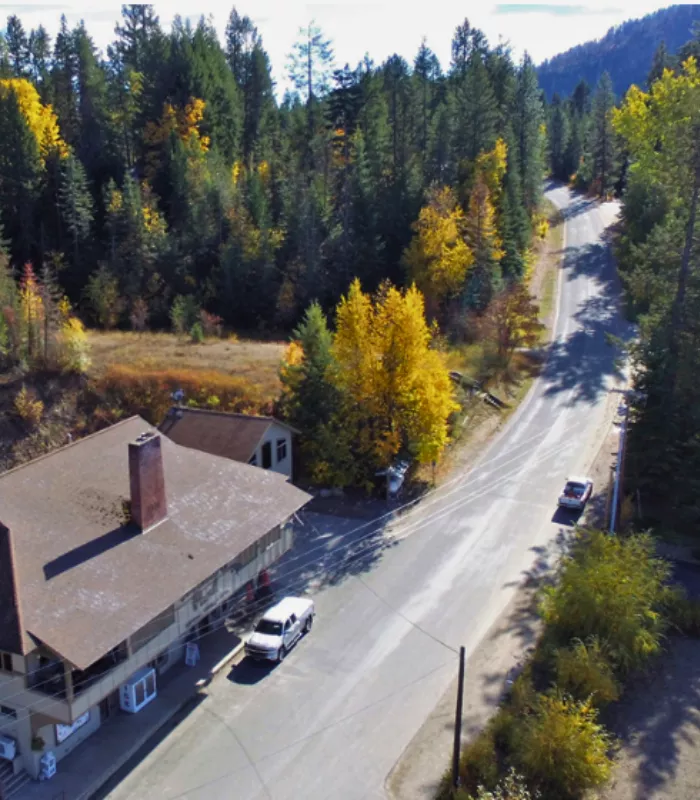
Coolin is a small community on the south end of Priest Lake in far northern Idaho.
It serves as a gateway to deep forests, clear water, and wetlands rich with wildlife.
The area feels more like a lakeside outpost than a busy town.
Priest Lake sits far from major highways, so every visit starts with a long drive.
Coolin has limited services, and campgrounds often rely on pit toilets and central water instead of full hookups.
That can matter if you are used to RV parks with every comfort at hand.
Nearby wetlands are ranked as Class I habitat because of their rare plants and animals.
Residents work to balance quiet living with efforts to protect these sensitive shores from heavy development.
Want me to paint a picture of a summer evening here? Think cool air, tall trees, and a lake that feels almost private.
Why It Is So Isolated: Its far north location, small road network, and protected wetlands keep Coolin calm and cut off from big town sprawl.
7. Priest Lake North Shore, Idaho
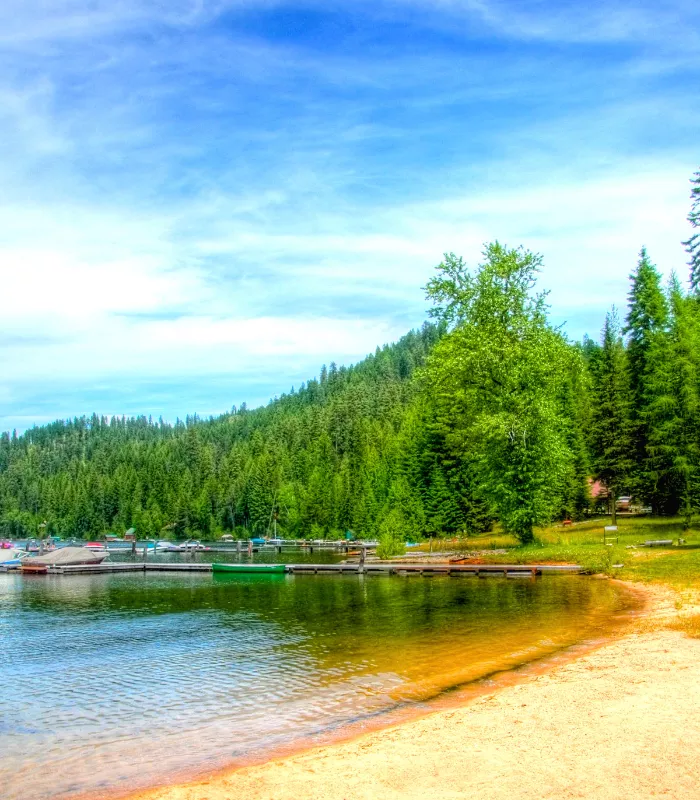
The north end of Priest Lake, reached by smaller roads beyond Coolin, feels even more remote.
Here, campgrounds, trailheads, and quiet beaches sit under tall evergreens with few buildings in sight.
Upper Priest Lake is only reachable by trail or non motor boat, not by road.
There are no big resorts at the very top of the lake, only small spots that fill quickly in summer.
Spring and fall can feel almost empty, with cold water and cool nights limiting visitors.
That slower pace is ideal if you enjoy peaceful walks and gentle paddles instead of crowds.
Cell service can be weak, and trips for groceries often mean going all the way back toward larger towns.
But the lack of noise, lights, and traffic makes the starry skies and quiet mornings stand out.
That is why many campers here return year after year, happy to trade ease for deep quiet.
Why It Is So Isolated: Limited road access, boat only areas, and few nearby services make the north end of Priest Lake feel like a true edge of the map.
8. Middle Salmon River Lodges, Idaho
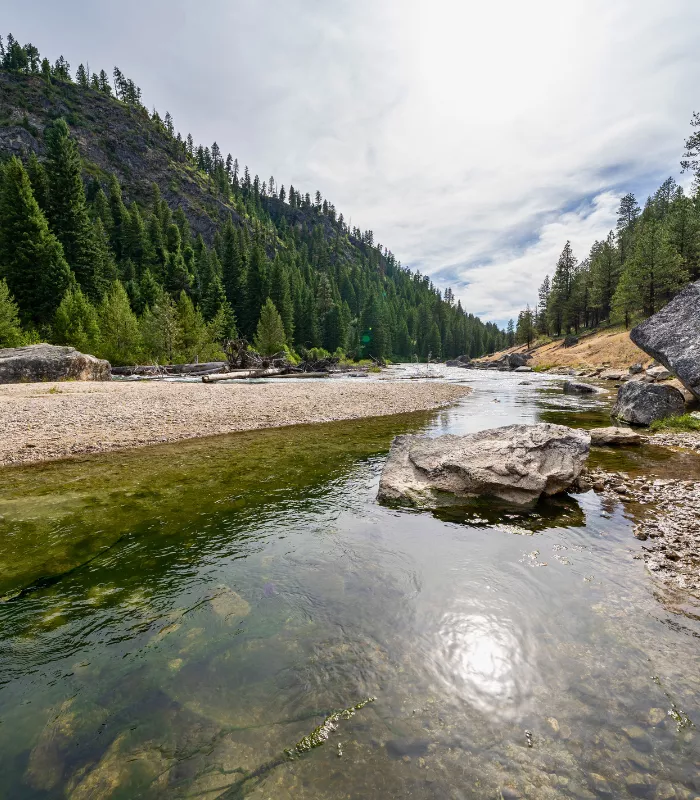
Along the middle reaches of the Salmon River, between Salmon and Riggins, sit scattered river lodges.
Many have no road access at all, relying on boats, trails, or tiny airstrips.
Guests arrive by jet boat, raft, or small plane instead of by car.
The surrounding watershed covers about 14,000 square miles, yet remains thinly populated.
The river is the longest undammed river in the lower 48, and it drops over 7,000 feet from its source.
That kind of wild flow creates canyons that shut out easy road building.
Outdoor lodges here provide simple rooms, meals, and guided trips for fishing, hiking, and whitewater.
For older visitors, the hosted setting can feel safe while still very remote.
That is why these lodges offer a rare mix of comfort and true river wilderness.
Why It Is So Isolated: Boat or air only access and steep canyon walls keep these Salmon River lodges among the most cut off places to stay in Idaho.
9. Upper Salmon Backcountry Ranches, Idaho
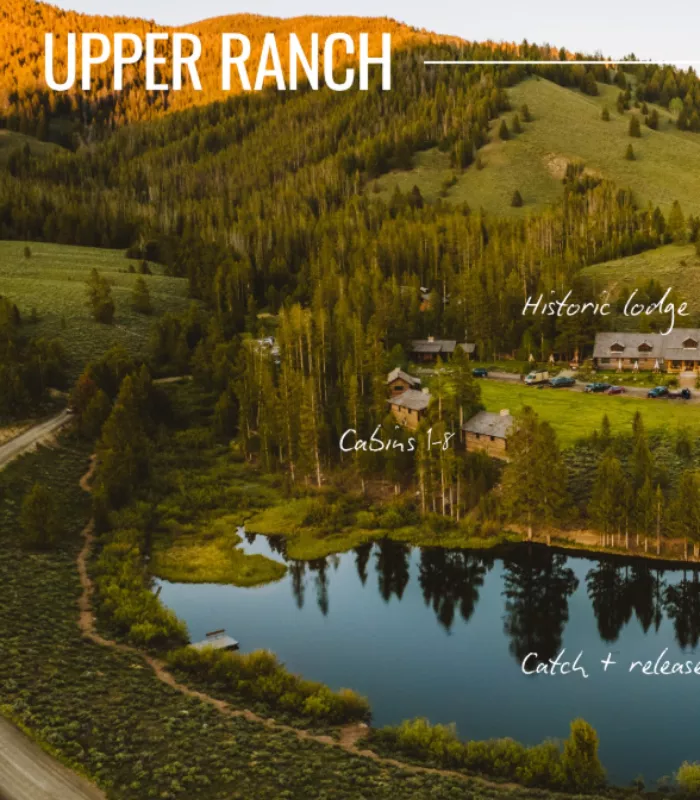
In the upper Salmon River region near Stanley, scattered ranches sit far from town centers.
They share the valley with the river as it flows through the Sawtooth country toward lower canyons.
Snowy peaks and open sage flats fill the views in all directions.
Even though the river passes through known towns, many homesteads lie miles off side roads.
Winter storms, drifting snow, and spring flood conditions can make access slow or uncertain.
That raises daily challenges when you need supplies, fuel, or medical visits.
Some properties use generators or off grid systems, adding to the feeling of living on the edge of the wild.
Quiet nights, clear stars, and long horizons are the everyday backdrop here.
I made a classic mistake once by underestimating just how far services can be in valleys like this, and it showed how real the distance can feel.
Why It Is So Isolated: Long drives to towns, harsh winter travel, and off grid living keep many upper Salmon ranches feeling very far from modern bustle.
10. Boise National Forest Remote Cabins, Idaho
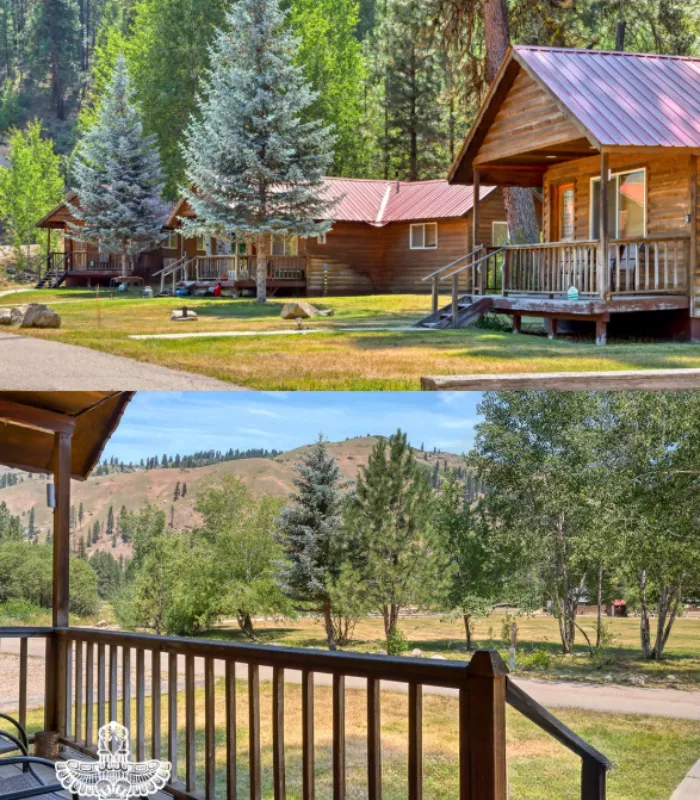
Across the Boise National Forest, a handful of remote cabins and small clusters of homes sit at the ends of rough roads.
Some are near rivers like the Middle Fork Boise, others on ridges with long views.
All share the same sense of distance from large towns.
Reaching these spots can take hours of gravel driving, with landslides and snow sometimes blocking the way.
Cell service can vanish, and neighbors may be miles away in any direction.
For older adults, that isolation can be both peaceful and something to plan around carefully.
Wildfire smoke, common across the West in late summer, can also affect air quality in these valleys.
That is why people who love these cabins keep go bags, backup plans, and extra supplies on hand.
Key takeaway: These forest cabins offer rare quiet, but safe stays here depend on planning, weather checks, and a healthy respect for long travel times.
Why It Is So Isolated: Hours of gravel roads, seasonal closures, and sparse services make many Boise National Forest cabins feel worlds away from city life.
11. Yellow Pine, Idaho
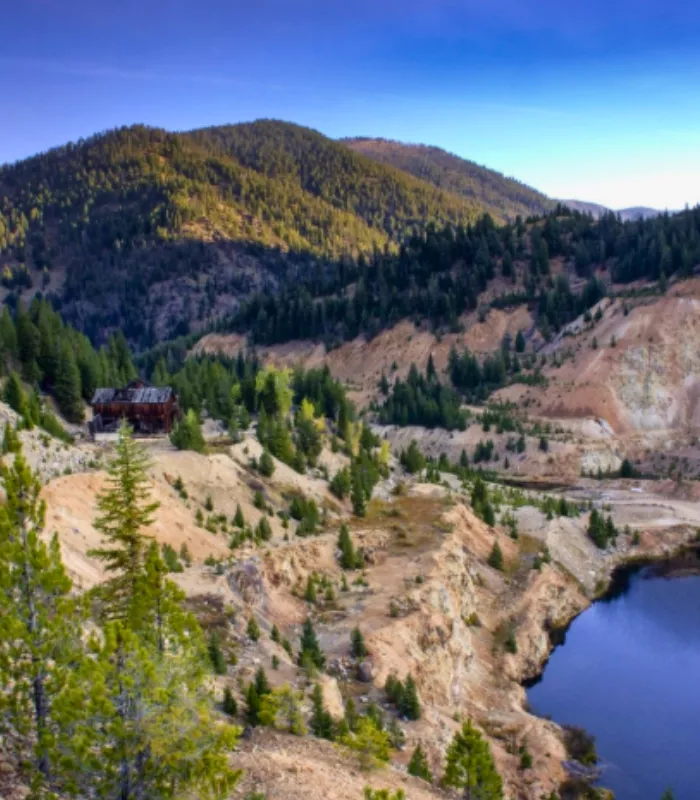
Yellow Pine is a census designated place deep in Valley County with only 32 residents as of 2020.
It sits on the East Fork of the South Fork of the Salmon River, bounded by national forests on all sides.
The entire town covers less than one square mile of private land surrounded by wilderness.
Three different roads lead here, and each one closes or becomes rough depending on the season.
The shortest route is 50 miles from McCall, but even that takes hours on winding forest roads.
In winter, only snowmobiles can get through.
Summer brings a famous music festival that briefly doubles or triples the town’s population.
But for most of the year, Yellow Pine feels like a forgotten spot on the map.
Residents live with little infrastructure, relying on their own resourcefulness and close neighbors.
Why It Is So Isolated: Seasonal road closures, national forest boundaries, and a winter that requires snowmobile access keep Yellow Pine one of Idaho’s tiniest and most cut off communities.
12. Burgdorf Hot Springs, Idaho
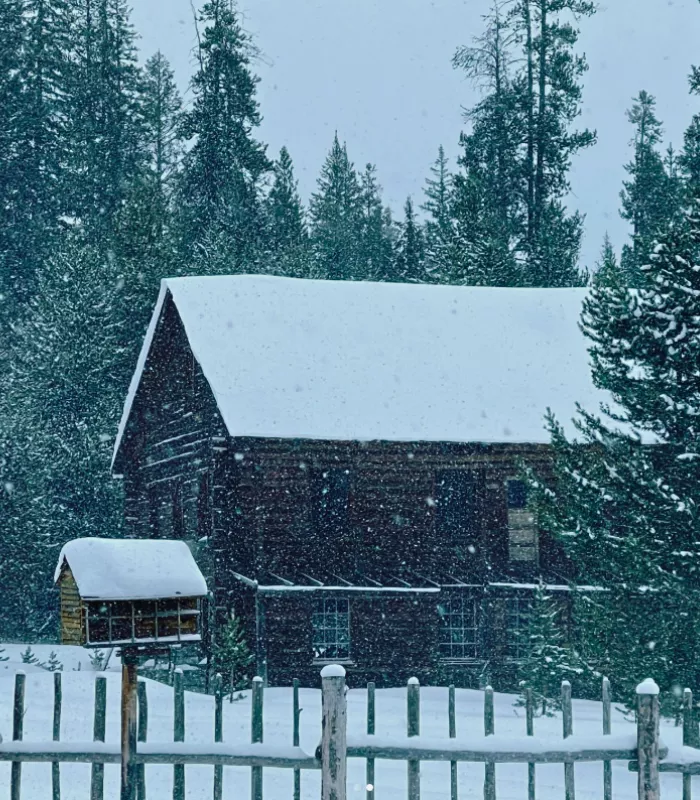
Burgdorf Hot Springs is a historic resort 32 miles north of McCall in the Payette National Forest.
It is not a town, but a remote outpost with rustic log cabins that have no electricity or running water.
Guests must bring their own bedding, lanterns, and cooking supplies, making each visit a true camping indoors experience.
Access depends on the season: winter requires snowmobiles, while summer allows regular vehicles.
The resort closes completely in May and November for maintenance and changing conditions.
That is why planning ahead is critical, especially for older visitors who prefer stable travel routes.
The natural hot springs pools range from 100 to 115 degrees, and the property operates on reservations only.
Walk-ins are not accepted, so the experience stays quiet and controlled.
Key takeaway: Burgdorf offers a century old soaking tradition, but getting there and staying comfortable demands careful preparation.
Why It Is So Isolated: Snowmobile only winter access, no modern utilities, and seasonal closures make Burgdorf a true backcountry retreat far from day to day conveniences.
13. Dixie, Idaho
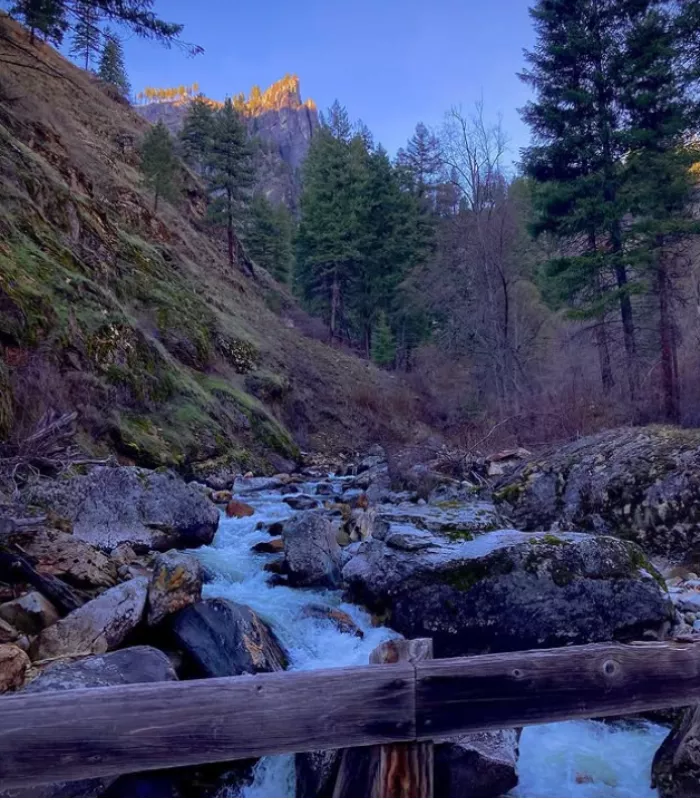
Dixie is an unincorporated village with only a few dozen residents in Idaho County, 43 miles east northeast of Riggins.
It sits in the Nez Perce National Forest, reached by winding mountain roads that can be rough in bad weather.
The area was once a gateway to the Thunder Mountain gold mines in the early 1900s.
During that era, Dixie connected to remote mining camps via trails that crossed the Frank Church River of No Return Wilderness.
Today, those trails remain, but the mining rush is long gone.
The few people who live here now value solitude and the beauty of the untouched mountains around them.
Backcountry trails, wildlife viewing, and quiet mornings are the main attractions.
There are no major stores or services, so every trip to Dixie requires self sufficiency.
That is why visitors come prepared with extra fuel, food, and a reliable vehicle.
Why It Is So Isolated: Unpaved forest roads, a tiny population, and vast wilderness on all sides keep Dixie feeling like a place frozen in time.
14. Elk City, Idaho
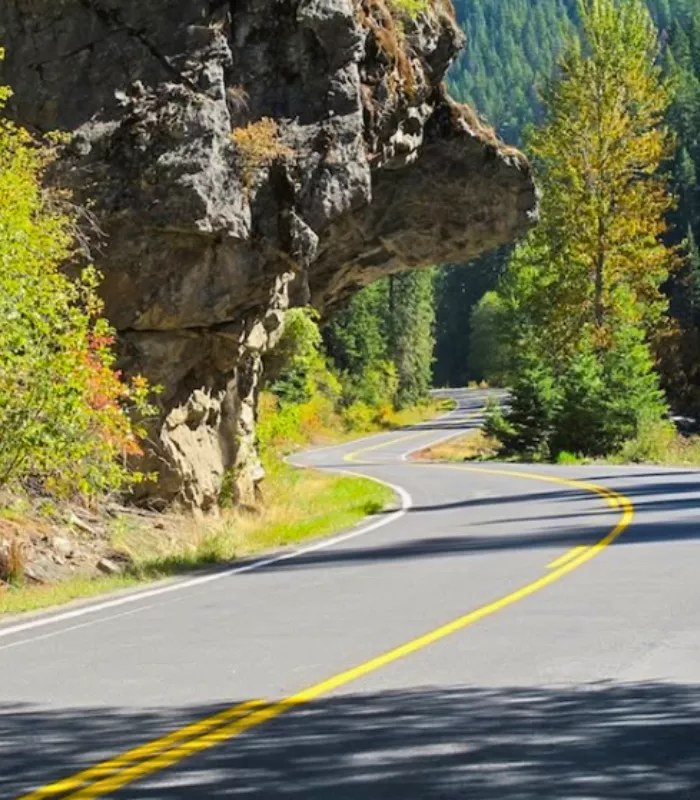
Elk City is a historic town with fewer than 300 residents at the end of State Highway 14 in Idaho County.
It sits deep in the Nez Perce Clearwater National Forest, far from any through traffic.
The town was founded in 1861 during the Pierce gold rush and boomed at the turn of the 20th century.
After a major fire in 1930, Elk City nearly disappeared, but timber kept it alive until the sawmill closed in 2004.
Now, tourism and outdoor recreation drive the local economy.
The road in is curvy, long, and can be slow in winter or during spring runoff.
Elk City is the jumping off point for the Magruder Corridor, a road between 3.5 million acres of wilderness.
That is twice the size of Rhode Island and Delaware combined.
Key takeaway: Elk City offers four seasons of outdoor fun, but its end of the road location means planning is essential for comfort and safety.
Why It Is So Isolated: No through traffic, the end of a winding highway, and millions of acres of surrounding wilderness keep Elk City feeling like a far edge of civilization.
15. Gibbonsville, Idaho
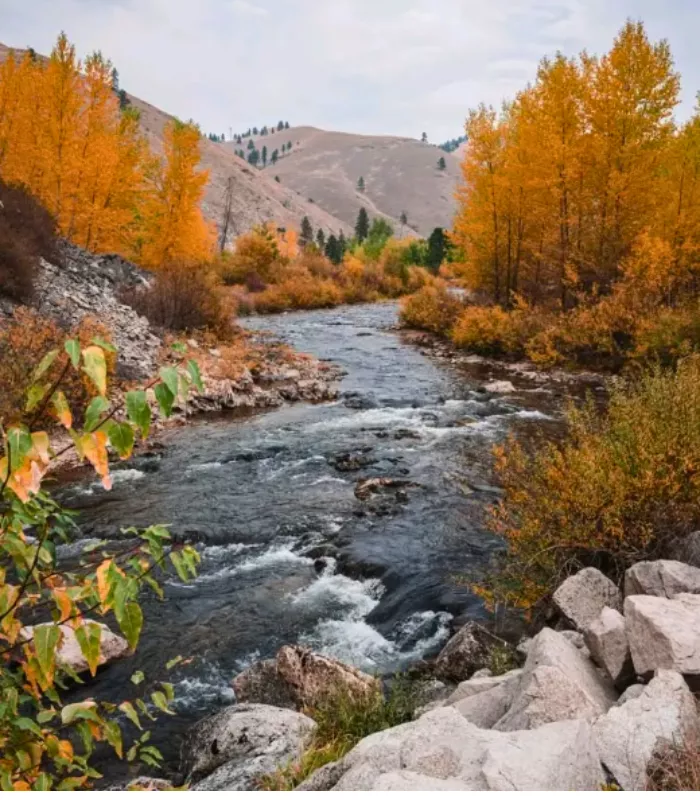
Gibbonsville is an unincorporated community in Lemhi County, 26 miles north of Salmon.
It sits near the Montana border, at the northernmost point of the county.
The surrounding landscape is rugged, with steep ridges and narrow valleys shaping daily life.
The town’s population is small, and there are no big stores or medical centers nearby.
Outdoor activities like hiking, hunting, and fishing are the main reasons people visit.
Here is the deal: the town lacks major industries, so the economy stays quiet and the pace stays slow.
Natural barriers and limited road options give Gibbonsville its peaceful character.
For older visitors, the setting offers calm and clear air, but services require long drives.
That trade off between quiet and convenience defines life in this corner of Idaho.
Why It Is So Isolated: Low population, rough terrain, and long distances to major services keep Gibbonsville tucked away and very tranquil.
16. Warren, Idaho
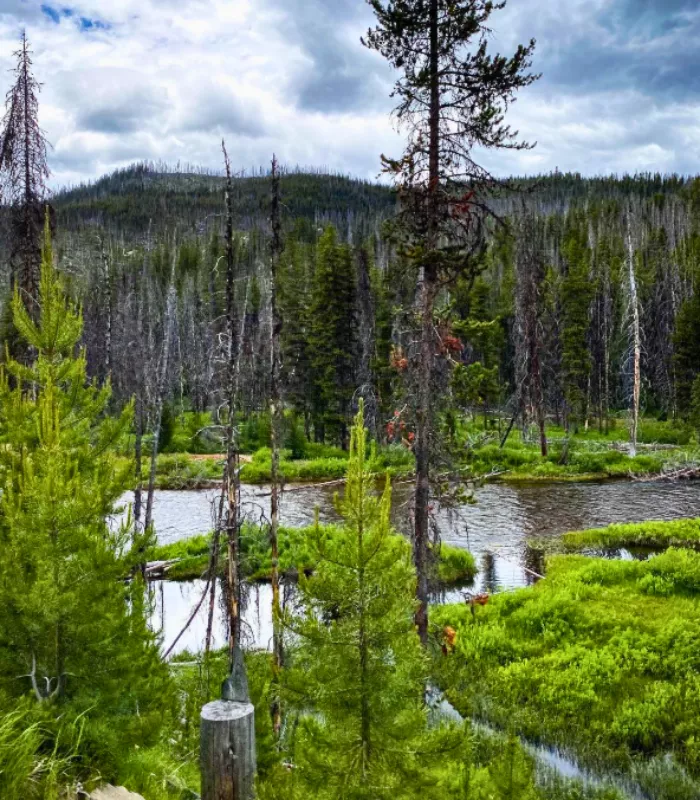
Warren is a historic ghost town in Idaho County, settled in 1862 after James Warren discovered gold there.
Within a year, the population reached 660, and at its peak the town bustled with nearly 5,000 residents.
Many of those residents were Chinese miners drawn by the gold rush.
Today, only 12 to 16 people live here year round, with the summer population swelling to around 50.
Warren is 45 scenic miles from McCall, reached by remote mountain roads that can be slow and challenging.
Historic buildings, old mines, and mining equipment dot the town, offering a glimpse into the past.
The town sits in remote mountains surrounded by the Salmon River region.
Visitors come for history, exploration, and the rugged natural beauty of the area.
Want me to describe Warren’s appeal? Picture a living museum where the gold rush never fully faded.
Why It Is So Isolated: Remote mountain roads, a tiny year round population, and the preservation of old mining structures keep Warren feeling like a step back in time.
17. Shoup, Idaho
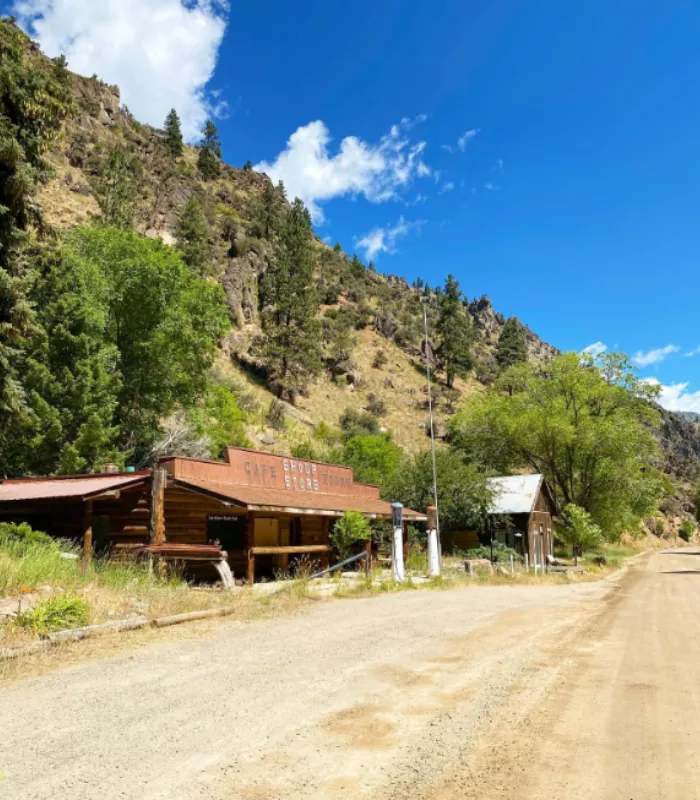
Shoup is a near ghost town along the Salmon River in Lemhi County, now home to only a handful of residents.
It sits in a steep river canyon where sounds of rushing water echo off the walls.
The town was founded during the late 19th century gold rush, with major lode discoveries in the 1880s.
At its peak, Shoup’s population reached around 600 people, with mines like the Grunter, Clipper Bullion, and Gold Hill producing gold and quartz.
Packers and riverboats played a vital role, ferrying supplies along the untamable Salmon River.
Captain James B. Ellis became a local legend for his skill on the water and treacherous trails.
After the mines declined, Shoup became a quiet outpost for ranchers and adventurers.
The Shoup store still operates, serving as a gathering place and a last stop for those passing through.
Visitors today find old mills, mining cabins, and stunning canyon views.
Why It Is So Isolated: Steep canyon walls, a remote river location, and the loss of mining economy keep Shoup a quiet reminder of Idaho’s gold rush history.
18. Leadore, Idaho
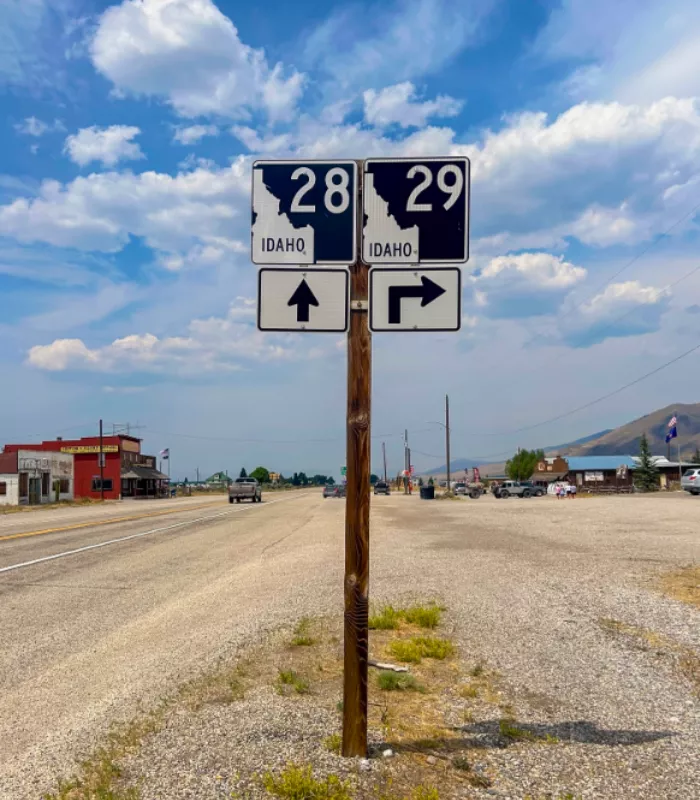
Leadore is a small incorporated town in Lemhi County with a population of just 105 as of 2010.
It sits along Idaho Highway 28, partway between Salmon and the Montana border.
The Lewis and Clark Backcountry Byway passes through the area, offering views of the Lemhi Pass and Rocky Mountains.
Leadore provides partial services like gas and a few facilities, but full services require longer drives.
The area still looks much as it did when Lewis and Clark explored in 1805, with open meadows and forested ridges.
Buses, RVs, and trailers are not recommended on narrow sections of the byway.
For older travelers, the single lane gravel roads and pullouts can be tricky to navigate.
Leadore offers a base for backcountry trips, but the services are limited and the distances are long.
Key takeaway: Leadore is a gateway to history and wilderness, yet its small size and remote location mean careful planning is key.
Why It Is So Isolated: Tiny population, limited services, and its position on a remote byway keep Leadore quiet and far from urban bustle.
19. Challis, Idaho
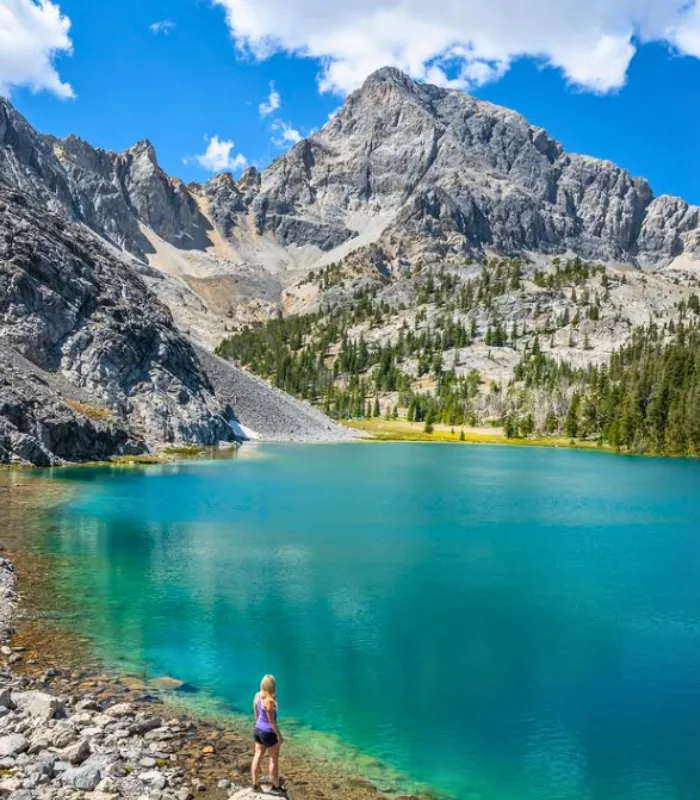
Challis is the seat of Custer County, with just over 1,000 residents.
It sits next to the Salmon Challis National Forest, surrounded by nearly 3 million acres of public land.
While Challis is larger than many entries on this list, it still feels isolated by the sheer scale of empty land around it.
The town serves as a base camp for hunting, fishing, hiking, off road travel, and soaking in natural hot springs.
Nearby ghost towns like Custer, Bonanza, and Bayhorse tell the story of past mining booms.
The Yankee Fork gold dredge and the Land of the Yankee Fork Park draw history lovers from far away.
But here is the catch: full services in Challis are the exception in this region, not the rule.
Core industries like ranching, farming, mining, logging, and recreation keep the economy going.
That mix of industry and wilderness gives Challis its unique, rugged character.
Why It Is So Isolated: Vast surrounding wilderness, limited infrastructure, and long distances to larger cities keep Challis feeling remote despite being a county seat.
20. Middle Salmon River Remote Ranches
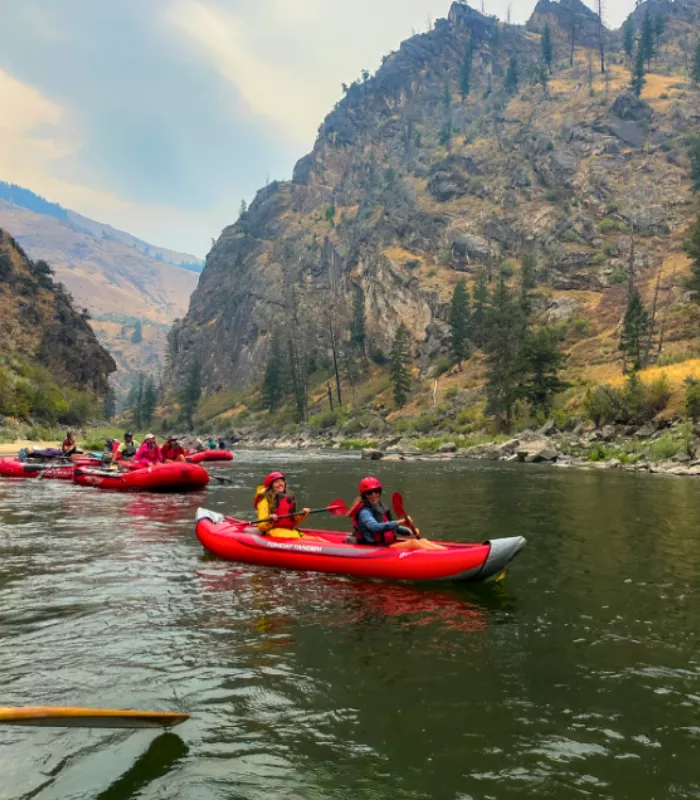
Along the middle Salmon River between Salmon and Riggins, scattered ranches sit far from any road.
Many of these properties rely on jet boats, rafts, or small planes for access.
The Salmon River watershed covers about 14,000 square miles, yet remains sparsely settled.
This is the longest undammed river in the lower 48 states, and it drops over 7,000 feet from source to confluence.
That wild flow carves canyons so steep that roads simply cannot be built.
Ranchers here live off grid, generating their own power and hauling supplies by boat or air.
For older residents, the logistics can be hard, but the peace and beauty make it worthwhile.
Fishing, hiking, and wildlife viewing fill the days for those who stay.
You are better off appreciating the isolation here as part of the experience, not a problem to fix.
Why It Is So Isolated: Boat or air only access, steep canyon walls, and the river’s wild nature keep these ranches among the most remote homes in Idaho.
21. Upper Salmon River Remote Homesteads
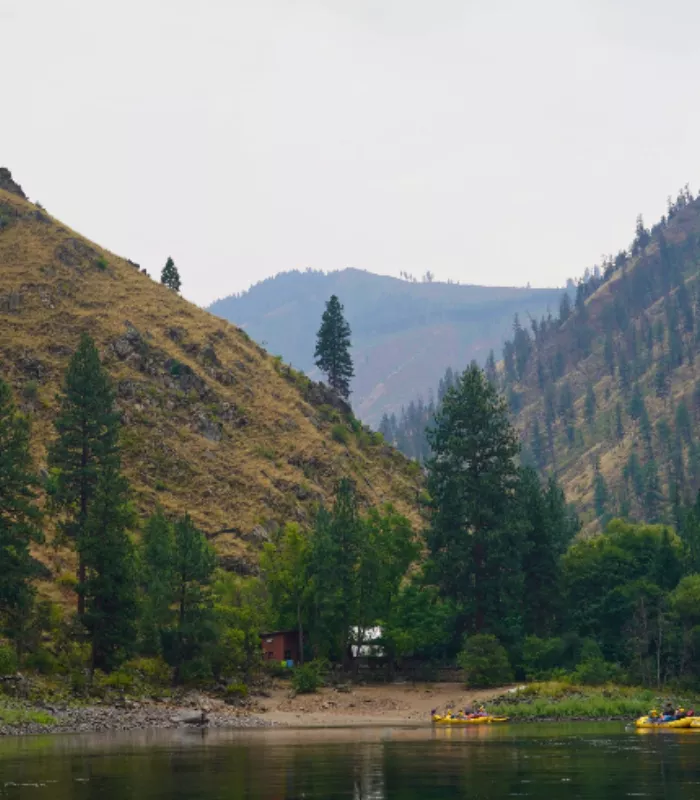
In the upper Salmon River region near Stanley, homesteads and small ranches lie miles off paved roads.
They share the valley with the river as it winds through Sawtooth country toward lower canyons.
Snowy peaks and open sage flats create stunning views in every direction.
Even though the river passes near known towns, many properties sit at the end of long side roads.
Winter storms, drifting snow, and spring flooding make access slow and sometimes uncertain.
I made a classic mistake once by underestimating just how far services can be in valleys like this.
Some homesteads use generators or solar power, adding to the sense of frontier living.
Quiet nights, clear stars, and endless horizons are the daily backdrop for residents.
Key takeaway: Life here demands self reliance, but the reward is a landscape that feels untouched and timeless.
Why It Is So Isolated: Long drives to towns, harsh winter travel, and off grid living keep many upper Salmon homesteads feeling very far from modern bustle.