

Somewhere in America right now, someone is paying $4.50 in eBay fees to sell something they paid $80 for in 1993.
That someone might be you.
It might also be your sibling who called you crazy for not saving your Beanie Babies.
Either way, the pain is universal.
Collecting was supposed to be the smart money move — and for most of us, it really, really was not.
1. Beanie Babies
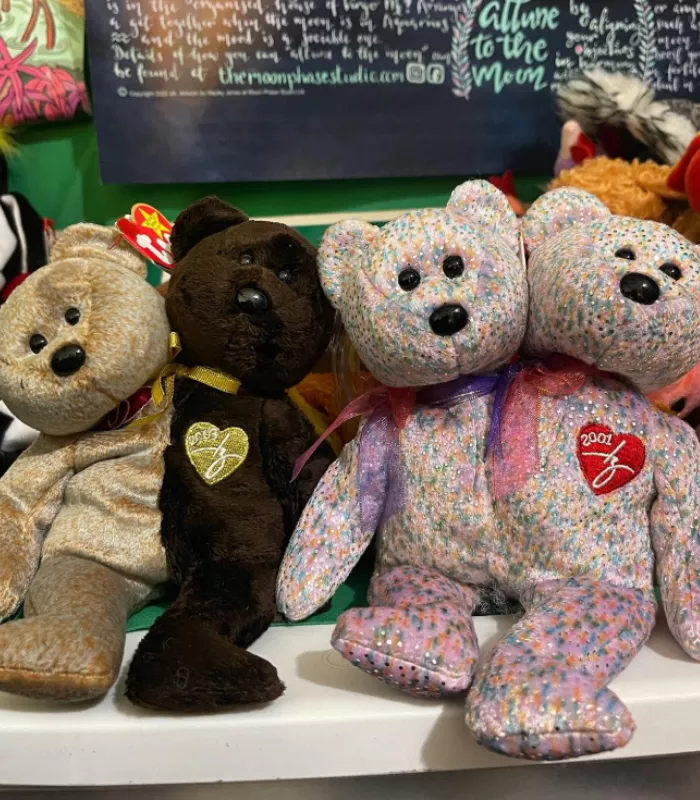
In the 1990s, people were paying hundreds of dollars for small stuffed animals.
They kept them in plastic cases. They never let kids touch them.
The plan was simple: hold on, then sell big. But the market crashed hard. Most Beanie Babies today sell for less than $5 at garage sales.
The ones still sitting in attic bins across the country are a quiet reminder that hype is not the same as value.
Why It’s On This List: Over 100 million were sold at peak popularity. That made them too common to ever be truly rare — and rarity is what drives collector value.
2. VHS Tapes
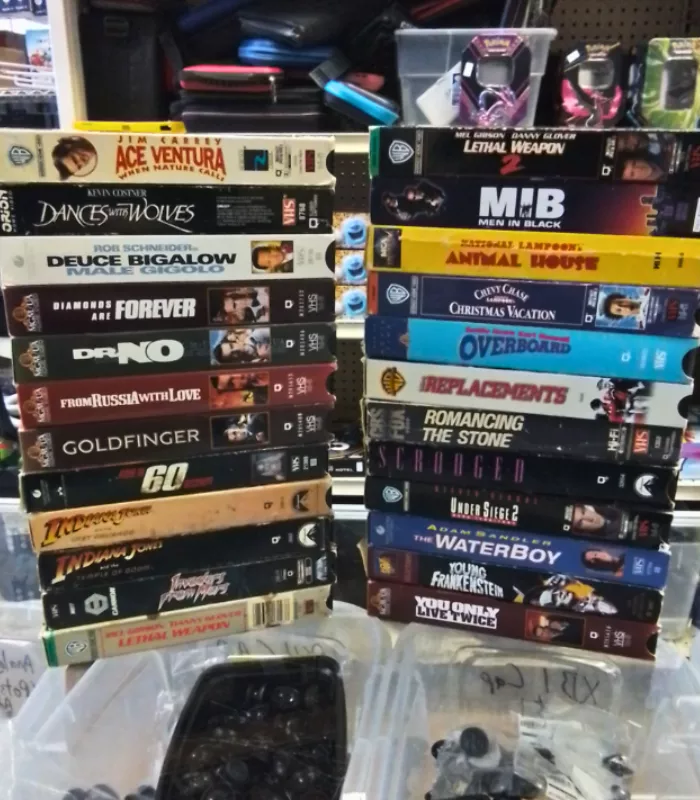
Your old copy of “Top Gun” or “Home Alone” felt like a treasure.
But here’s the catch: thrift stores are now flooded with VHS tapes. Most sell for 25 cents — if they sell at all.
Only a small handful of rare titles still hold value. For the average collection, the tapes are worth more as nostalgia than money.
Unless you happen to own a sealed, first-run horror title from the early 1980s, your tape collection is unlikely to impress any serious buyer.
Why It’s On This List: Streaming killed the demand overnight, millions of tapes hit donation bins at the same time, wiping out resale value across the board.
3. Franklin Mint Collectibles
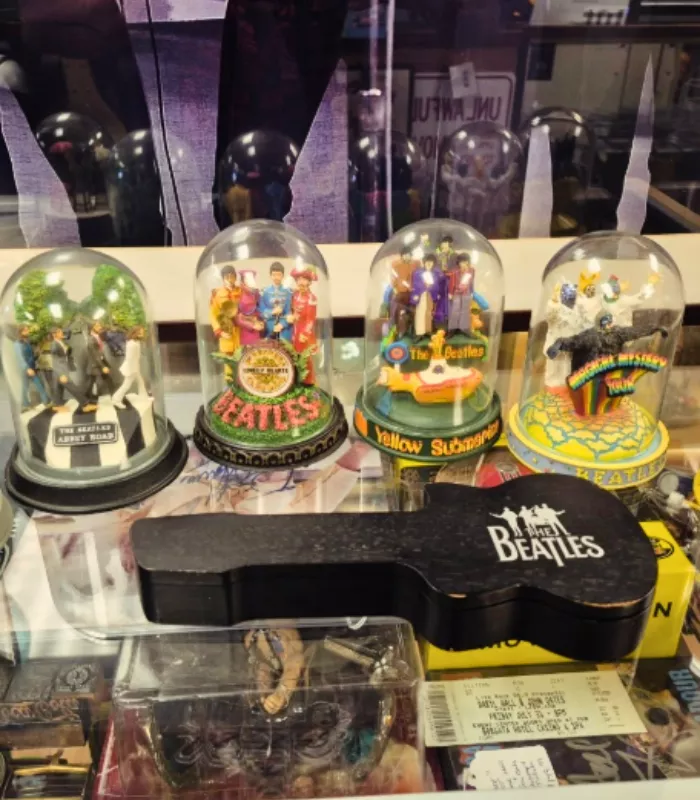
Franklin Mint plates, coins, and figurines were marketed as “limited edition” investments.
Millions of families bought them in the 1970s, 80s, and 90s.
The word “limited” was doing a lot of heavy lifting. Editions were still produced by the thousands. Today, a full plate set might fetch $10 on a good day.
The certificates of authenticity that came in the box look official and impressive. They just do not add any real dollar value at resale.
Why It’s On This List: Franklin Mint sold over $500 million worth of collectibles per year at its peak. That volume made true scarcity impossible — and value nearly nonexistent today.
4. Sports Cards (Common Players)
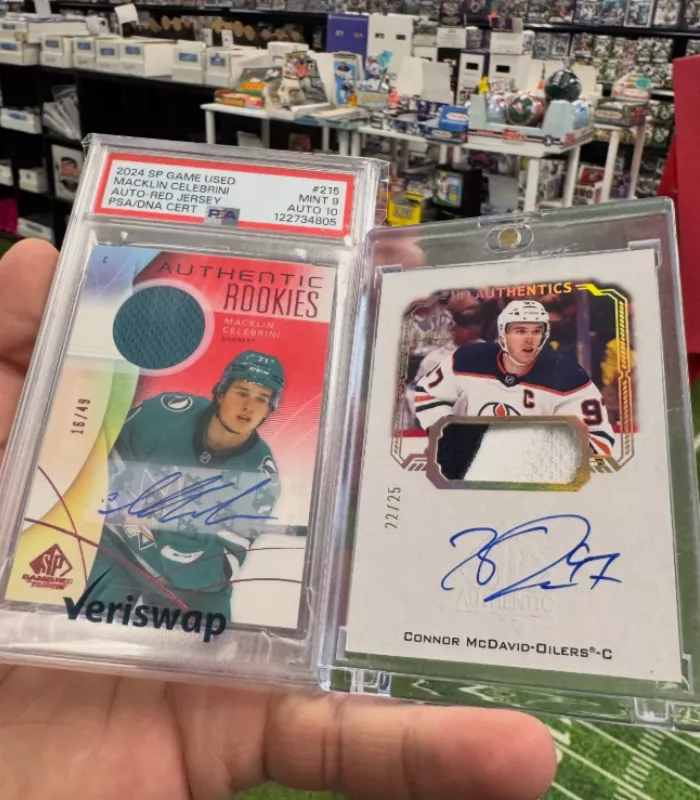
Kids and adults saved shoeboxes full of baseball, football, and basketball cards.
Most of those cards are worth very little now.
That’s why condition and rarity matter so much. A 1989 Ken Griffey Jr. rookie card once sold for big money. But your stack of 1991 Donruss commons? You’re better off donating them.
The painful truth is that the cards most people saved in bulk are exactly the ones that lost the most value.
Why It’s On This List: Card companies printed billions of cards in the late 1980s and early 1990s, deliberately flooding the market. Overproduction destroyed the value of nearly an entire era of cards.
5. Hummel Figurines
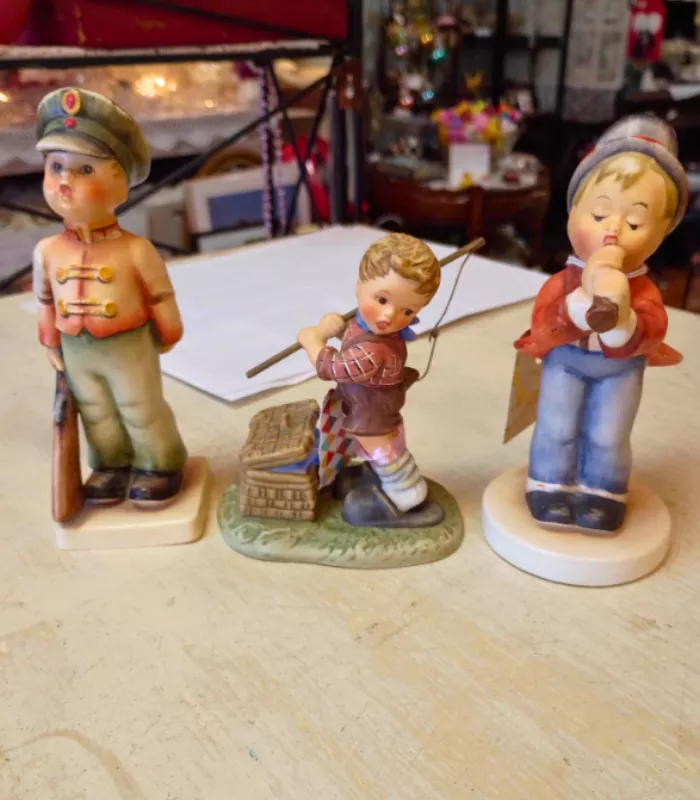
Hummel figurines were once considered fine collectibles passed down through families.
Your grandmother probably had a few on the shelf.
Younger buyers simply are not interested. The market has shrunk dramatically. Pieces that sold for $200 in the 1980s now struggle to find buyers at $20 on eBay.
Estate sale organizers now regularly report that Hummel figurines are among the hardest items to move, even at deeply discounted prices.
Why It’s On This List: Collector demographics aged out faster than new collectors came in. With no younger audience, demand dropped — and so did every price guide in the book.
6. Cabbage Patch Kids
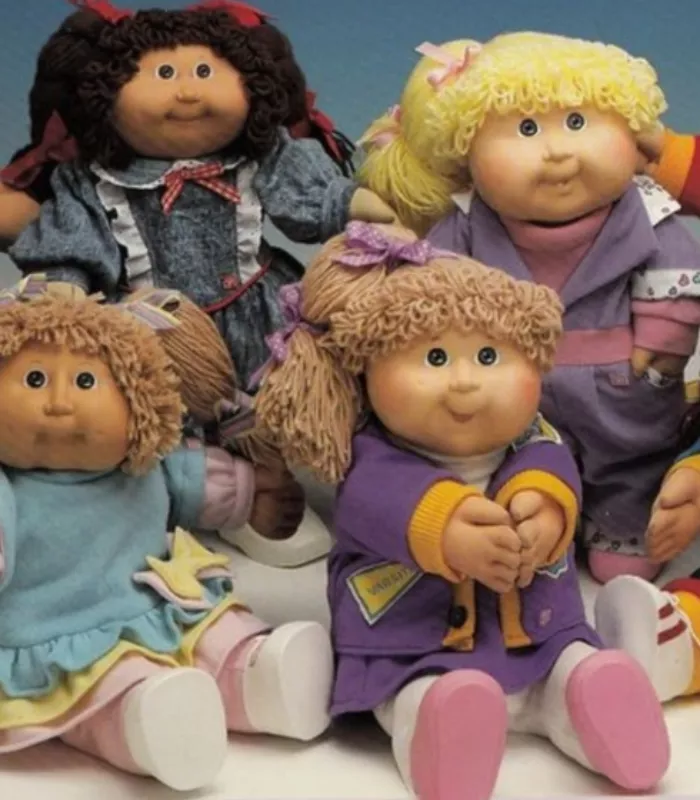
Parents stood in long lines in 1983 just to get one of these dolls.
Fights broke out in toy stores. It was national news.
That frenzy is now a distant memory. Most original Cabbage Patch Kids sell for $10 to $30 today. Only rare first-run dolls with original paperwork hold any meaningful value.
Decades of storage in original boxes did little to protect the value when millions of other families had done the exact same thing.
Why It’s On This List: More than 65 million Cabbage Patch Kids were sold in the first few years alone. High supply and fading cultural interest turned a hot toy into a thrift store staple.
7. Reader’s Digest Condensed Books
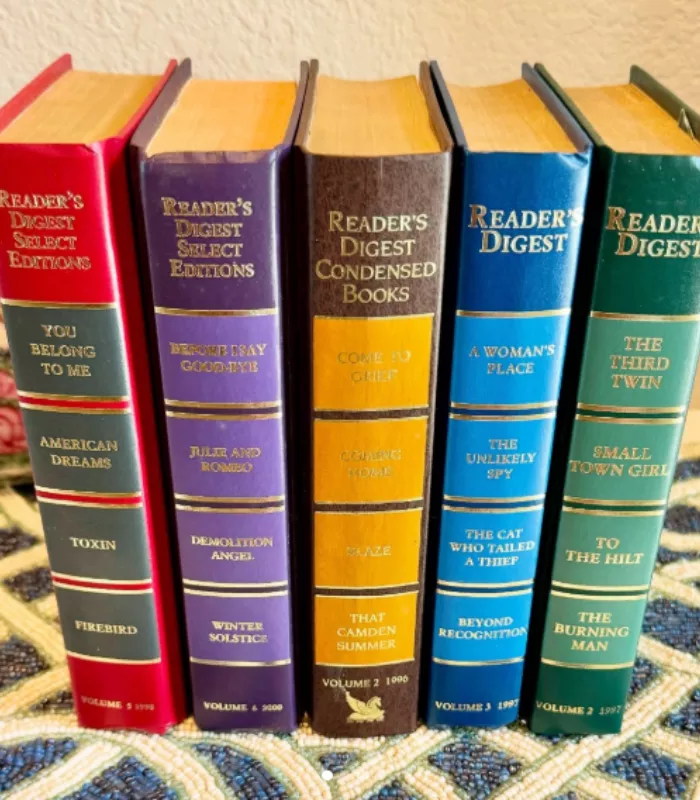
These were in nearly every American home for decades.
Shelves full of matching hardcovers felt like a real library.
But here’s the deal: nobody wants them. Libraries refuse donations. Thrift stores often throw them away. Hundreds of volumes sell online for a few cents, if at all.
Many families discover at estate sales that these books — lovingly kept for 40 years — have to be recycled rather than sold.
Why It’s On This List: Tens of millions of sets were printed over several decades. With no rare editions and no collector base, these books have almost zero resale value today.
8. Commemorative Coins
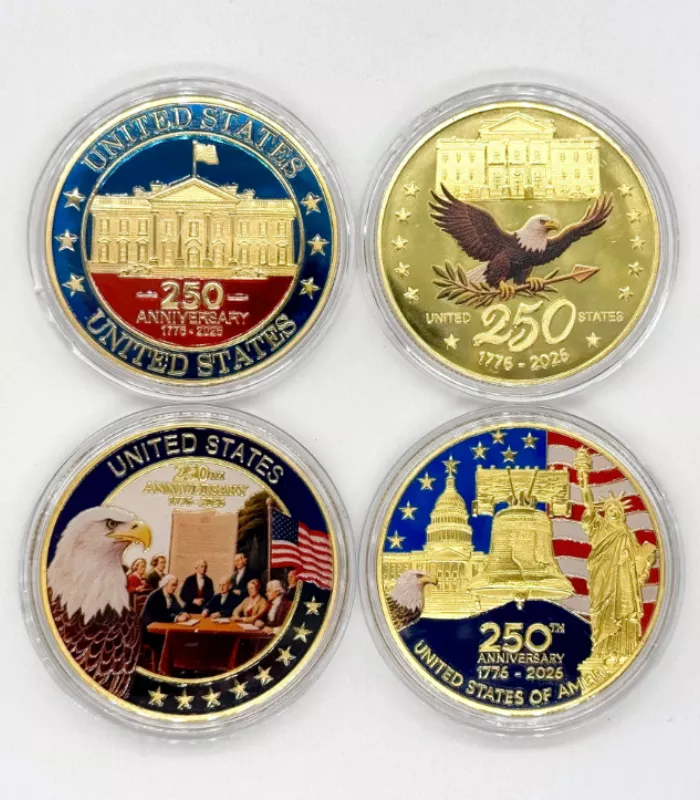
TV ads in the 1980s and 1990s made these look like smart investments.
“Limited edition.” “Certificate of authenticity.” “Call now.”
Most commemorative coins are not legal tender and contain little precious metal. Their real value is often just the metal itself — which may be worth a few dollars at most.
The elaborate display cases and official-looking paperwork gave these coins a credibility that their actual melt value never backed up.
Why It’s On This List: The U.S. mint and private companies issued hundreds of commemorative coin series. The sheer volume produced made actual scarcity — and real value — almost impossible.
9. Precious Moments Figurines
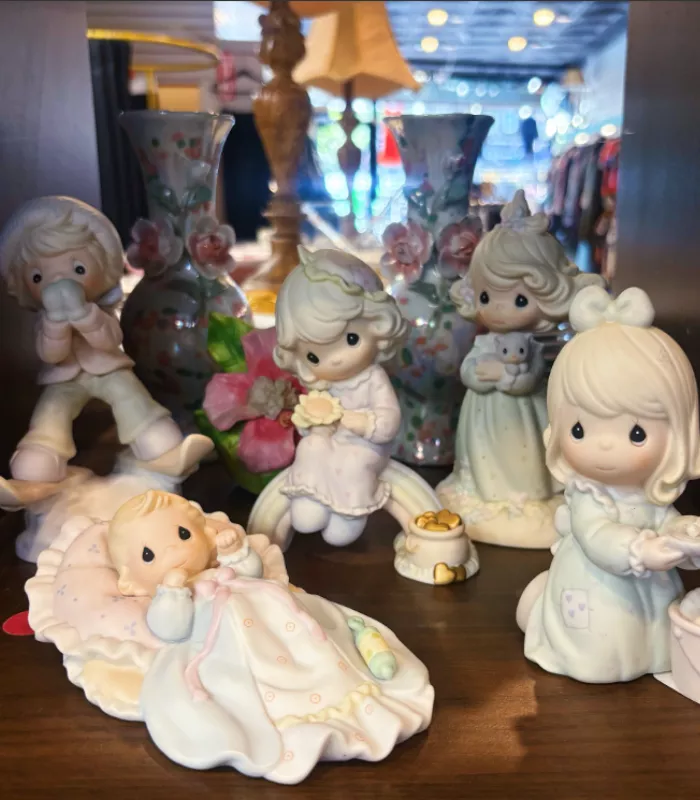
These teardrop-eyed ceramic figures were gift-shop staples for two decades.
People collected whole series. Some paid $100 or more per piece.
I made a classic mistake thinking “retired” meant valuable. Retired editions are still worth very little. A piece that cost $60 new might sell for $8 today.
Entire collections, carefully displayed in curio cabinets for years, now sit on resale sites with no takers at any price.
Why It’s On This List: Precious Moments peaked in the late 1980s and early 1990s. Like Hummels, the collector base grew older and was not replaced by younger buyers, killing long-term demand.
10. Encyclopedia Sets
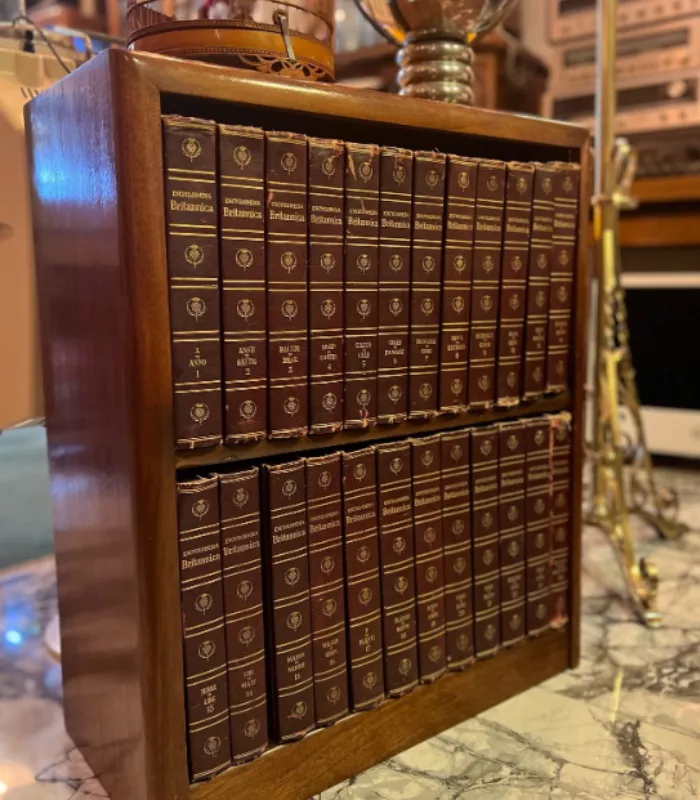
A full set of encyclopedias once meant your family valued education.
Door-to-door salespeople sold them for hundreds — sometimes thousands — of dollars.
The internet made them obsolete almost overnight. Today, a complete Britannica set in perfect condition often sells for $0. Many go to the recycling bin because nobody will take them.
It is one of the fastest value collapses of any household item in modern history — from prestige purchase to unsellable clutter in under 20 years.
Why It’s On This List: The last printed edition of Encyclopedia Britannica came out in 2010. After 244 years in print, the format was simply no match for free, searchable, constantly updated online information.
11. Longaberger Baskets
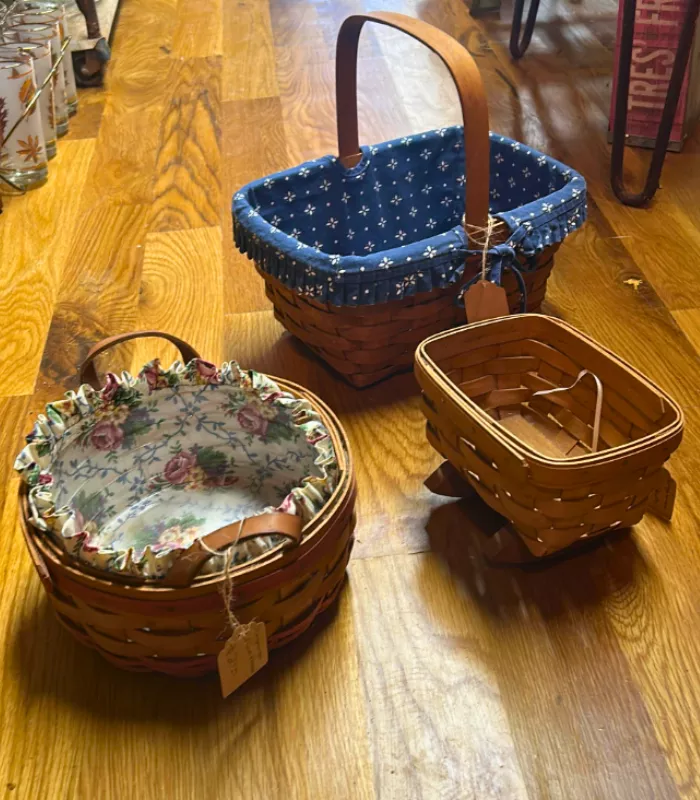
In the 1990s, Longaberger baskets were a status symbol in many American homes.
Women hosted parties just to buy them. Some paid over $100 for a single basket.
The company shut down in 2018, and prices never recovered. Most Longaberger baskets now sell for under $20. Some go for just a few dollars at estate sales.
The hand-crafted quality that made them appealing was never enough to overcome how many of them were out there.
Why It’s On This List: The secondary market collapsed long before the company did. Mass production and the end of direct-sales hype left thousands of baskets chasing almost no buyers.
12. Thomas Kinkade Prints
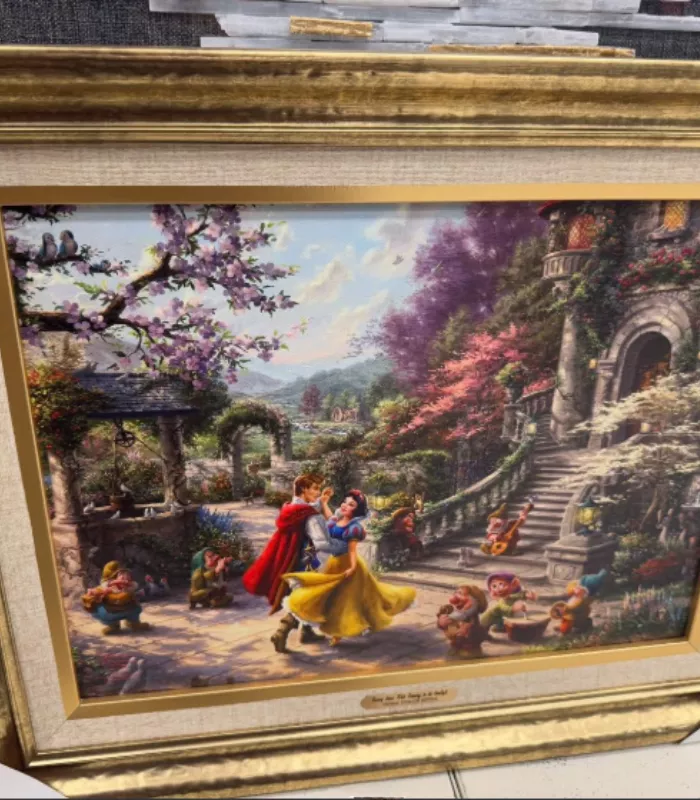
Thomas Kinkade called himself “the Painter of Light.” His cozy, glowing cottage scenes hung in millions of homes.
At one point, there were over 300 Thomas Kinkade galleries across the country.
That’s why so many people thought they were buying something valuable. But prints were produced in enormous quantities. Today, most Kinkade pieces sit unsold on eBay with zero bids.
The warm, familiar imagery that made his work so popular also made it easy to mass-produce — and that mass production is exactly what killed the resale market.
Why It’s On This List: Kinkade’s company reportedly sold his work to roughly 1 in every 20 American households at its peak. That kind of saturation made genuine rarity — and lasting resale value — nearly impossible.
13. Norman Rockwell Collector Plates
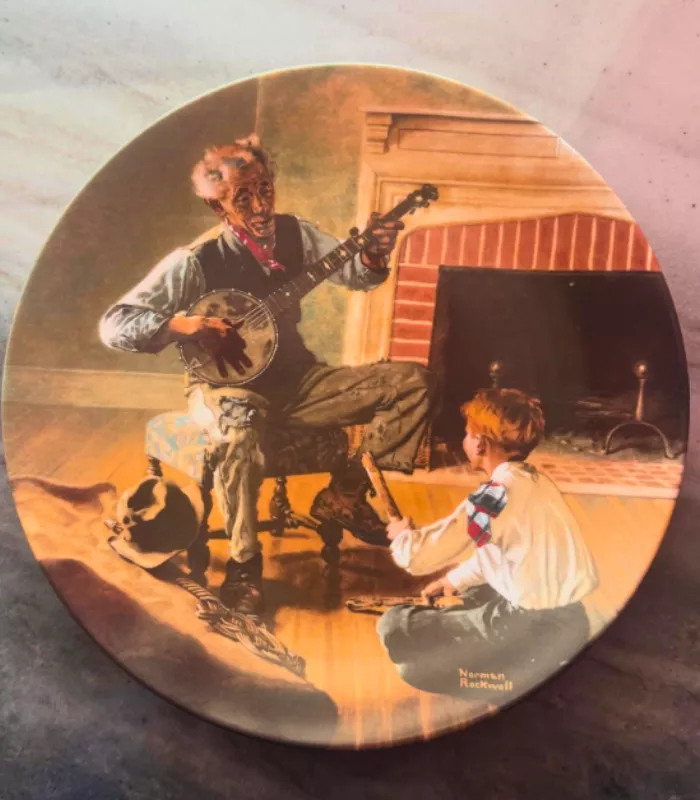
Norman Rockwell’s artwork is genuinely beloved. The collector plates, however, are a different story.
Millions were produced and sold through mail-order catalogs and TV ads for decades.
Mint condition, original box, certificate of authenticity — and still worth under $50. The art is charming. The investment? Not so much.
Many people are genuinely surprised to learn that decades of careful storage did almost nothing to protect the value of these plates.
Why It’s On This List: Collector plates, as a category, have virtually no younger buyers. With the original audience aging out and no new demand coming in, the resale market has nearly disappeared.
14. Stamps
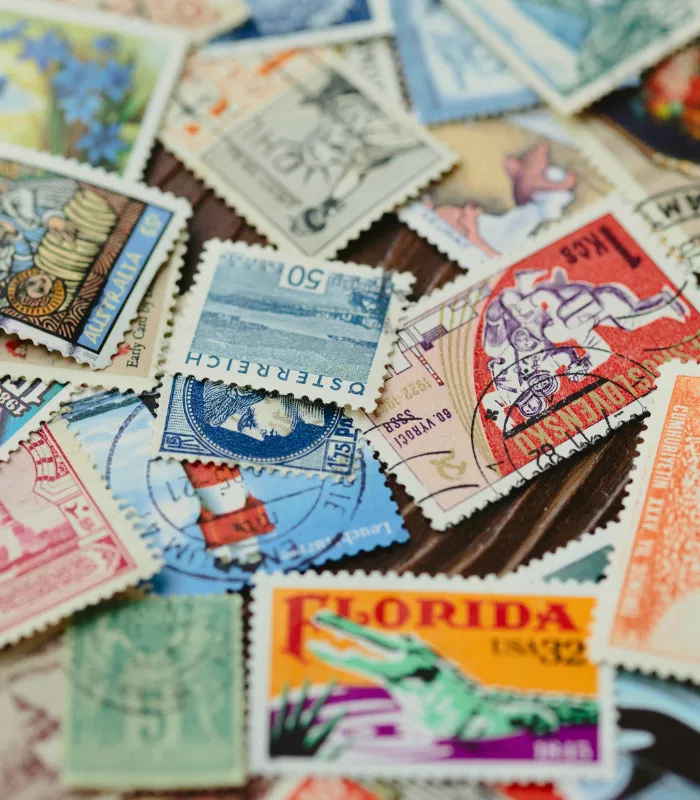
Stamp collecting was once one of the most popular hobbies in the world.
Careful collectors kept albums, used tongs, and spent years building their sets.
But here’s the catch: the market has been declining by double digits every year. Younger generations simply do not collect stamps. As older collectors pass away, their collections flood the market with almost no one left to buy.
A hobby that once introduced children to history and geography has quietly become one of the least profitable collectible categories in existence.
Why It’s On This List: The stamp collecting market in the U.S. has seen consistent double-digit annual declines in value. Without a new generation of collectors, supply keeps growing while demand keeps shrinking.
15. Porcelain Dolls
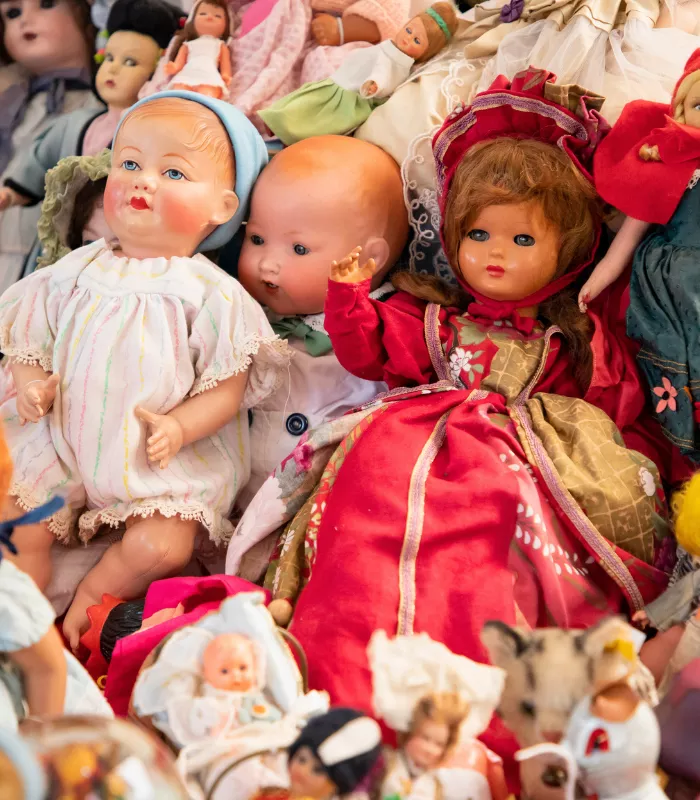
Porcelain dolls were kept in glass cases, never played with, never touched.
People collected entire series and stored them in original boxes for decades.
All that careful preservation did not protect their value. Most porcelain dolls now sell for under $20 on resale sites. Experts consider them a “dead category” in the collectibles market.
The irony is that the dolls kept in perfect, untouched condition sell for roughly the same price as the ones that were actually played with.
Why It’s On This List: Like figurines, porcelain dolls lost their collector base faster than they gained new ones. Mass production meant there was never true scarcity — just the appearance of it.
16. McDonald’s Happy Meal Toys
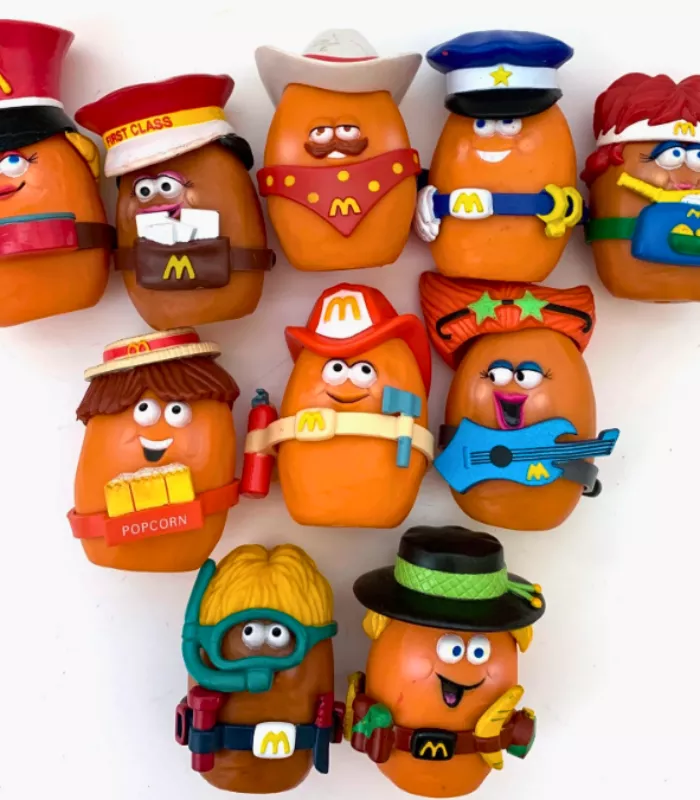
Plenty of parents boxed up Happy Meal toys still in the bag, convinced they were saving something special.
Full sets were listed online. Storage bins were organized by year.
You’re better off just letting the kids play with them. Most Happy Meal toys sell for near face value at best — a dollar or two. Even sealed collections rarely attract serious buyers.
The effort spent organizing and storing these toys over the years almost certainly cost more in time than the collection will ever return in cash.
Why It’s On This List: McDonald’s produced Happy Meal toys in the hundreds of millions. When nearly every household with kids has the same toys in a box somewhere, there is no scarcity — and no real market value.
17. Pogs
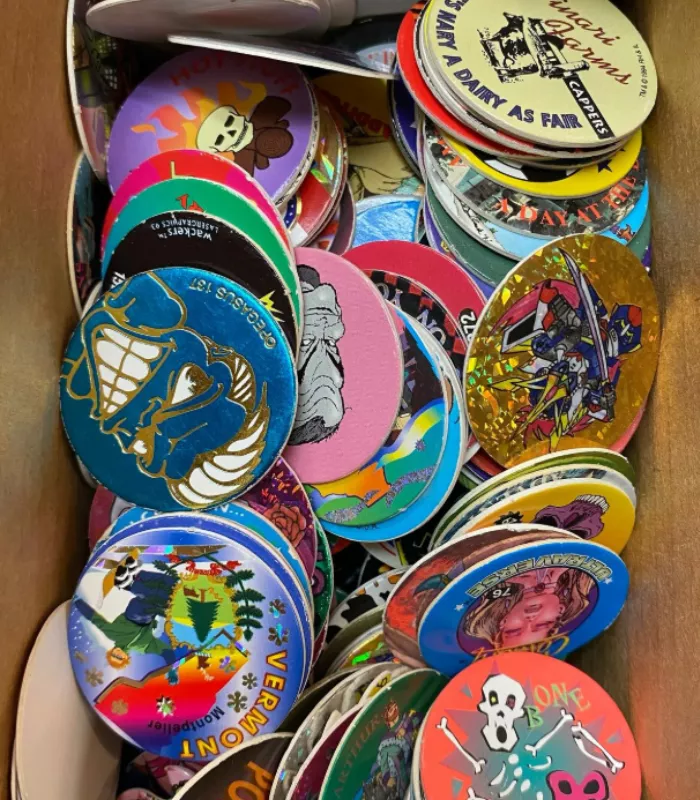
In the early 1990s, Pogs were everywhere. Schools banned them. Kids traded them like currency.
Some collectors saved stacks of hundreds, even thousands of the small cardboard discs.
The craze burned hot and then disappeared almost overnight. Individual Pogs today sell for under $1. Even large collections of 500 or more rarely fetch more than $10 total.
Few collectibles in history went from playground currency to complete obscurity as fast as Pogs did.
Why It’s On This List: Pogs were never designed as lasting collectibles. They were cheap, mass-produced, and trend-driven — three qualities that almost always guarantee long-term worthlessness.
18. Funko Pop Figures
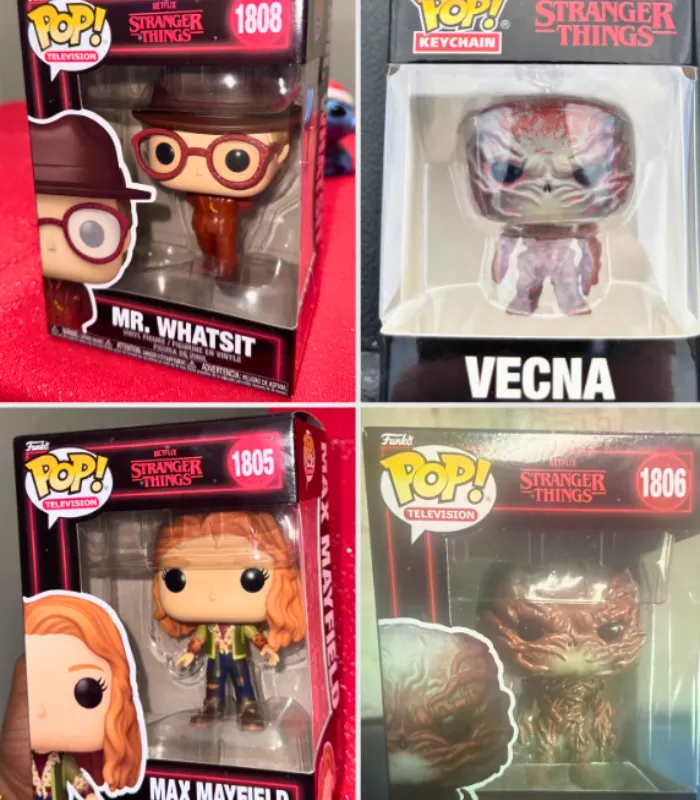
Funko Pops were the collector craze of the 2010s. Every movie, show, and celebrity got one.
People lined up for exclusives and paid hundreds for rare editions.
But the company flooded its own market. By 2025, Funko had filed notices raising “substantial doubt” about its ability to continue as a business. Clearance bins overflowed. Most common Pops now sell for $3 to $5 — far below their original retail price.
It is a textbook example of a company that grew so fast it undermined the very scarcity that made its products desirable in the first place.
Why It’s On This List: Funko chased volume over value, releasing thousands of different figures across hundreds of licenses. That avalanche of product killed the scarcity that makes any collectible worth holding onto.
19. Comic Books (Common Issues)
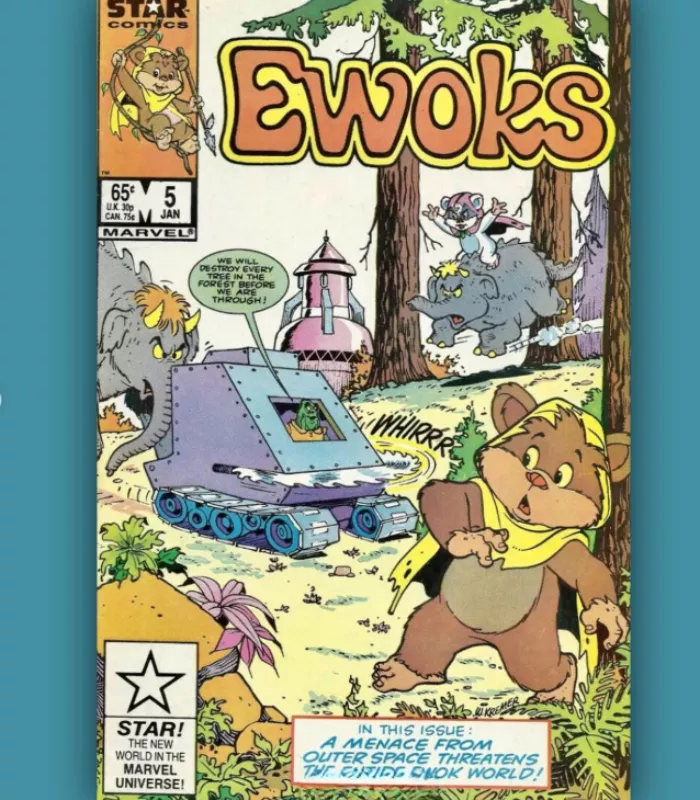
Millions of people saved comics in the 1980s and 1990s, bagged and boarded in perfect condition.
The thinking was simple: sealed and saved equals valuable someday.
I made a classic mistake thinking “old” meant “rare.” When eBay arrived, it became easy to see just how many copies existed. Most common issues from that era sell for less than $1. Only key first appearances and true rarities hold real value.
The very habit of saving them carefully — shared by millions of collectors simultaneously — is exactly what guaranteed they would never be worth much.
Why It’s On This List: Publishers like Marvel and DC printed comics in the millions during the speculator boom of the 1980s and 90s. Everyone was saving them — which meant nothing was actually rare, and almost nothing is worth much today.