

Here is something nobody puts in a travel guide: the most Instagrammed lake in Canada requires a reservation, a shuttle, and the patience of a saint.
Canada’s national parks are world-class. Some of them are also world-class at making you wait in line.
For Americans over 50 who have earned the right to a stress-free trip, that matters.
Not all famous parks deliver on their reputation.
A few of them are running almost entirely on good marketing and old word of mouth.
1. Banff National Park, Alberta
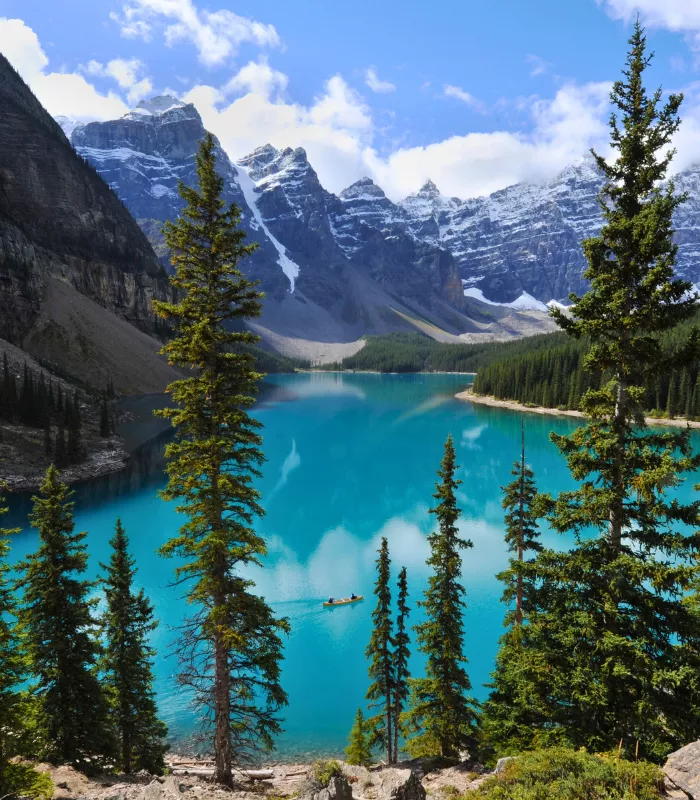
Banff is one of Canada’s most famous national parks. It draws millions of visitors every year. But that fame comes at a cost.
The town of Banff itself is lined with retail shops and restaurants charging big-city prices. Many travelers feel it looks and feels more like a mall than a mountain escape.
Lake Louise and Moraine Lake now attract roughly 2.6 million visitors a year. Parking reservations must be booked months in advance. If you miss that window, private tours can cost you thousands of dollars more.
The Icefields Parkway is undeniably scenic. But even that famous stretch of road gets clogged with RVs and tour buses during the summer months.
Wildlife sightings, once a highlight of any Banff visit, now often turn into roadside traffic jams. Everyone pulls over. Nobody moves. The bear walks away.
Hotel prices inside and around the park have skyrocketed in recent years. A basic room in the town of Banff can easily run over $400 a night in peak season.
For Americans on a fixed retirement budget, that kind of sticker shock can take the shine off even the most beautiful mountain view.
Why It’s On This List: Banff is stunning, no question. But the overcrowding, high prices, and strict reservation systems have turned many visitors away feeling frustrated and shortchanged. You’re better off managing your expectations before you go.
2. Jasper National Park, Alberta
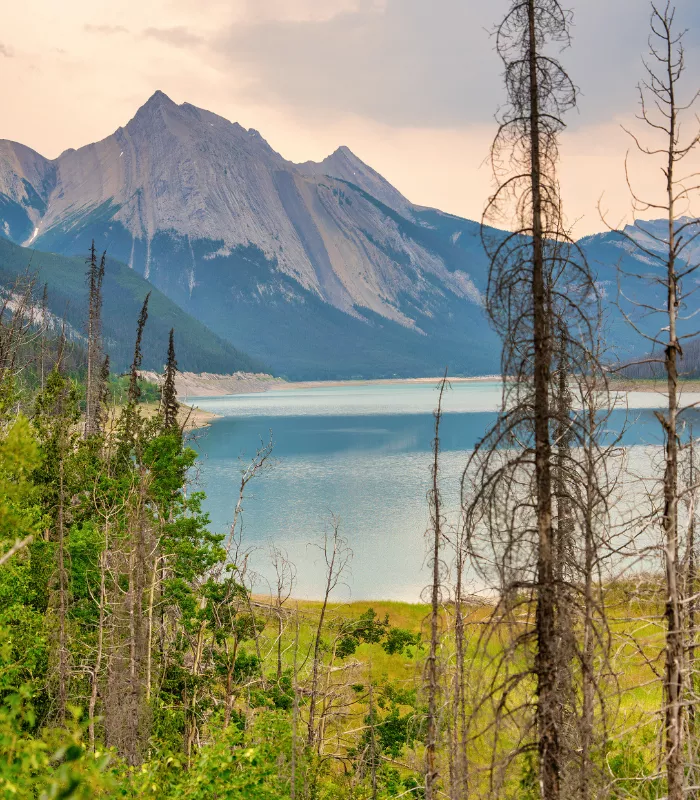
Jasper sits just north of Banff along the famous Icefields Parkway. It is a UNESCO World Heritage Site. It offers jaw-dropping views of the Canadian Rockies.
But here’s the catch: Jasper has been growing more crowded every year. Campsites book up fast. And the small town can feel overwhelmed during peak summer months.
Parks Canada is now studying visitor management strategies for Jasper, which tells you just how serious the overcrowding issue has become. For Americans expecting a peaceful wilderness escape, the reality can feel like a summer traffic jam.
The Athabasca Glacier, one of Jasper’s biggest draws, has been shrinking for decades. Visitors often arrive expecting a massive wall of ice and leave surprised by how much has already melted away.
The Columbia Icefield tours are popular, but they come with long lineups and premium price tags. It can feel more like an amusement park ride than a genuine wilderness experience.
Jasper town itself is charming, but it has limited dining and shopping options. After a day or two, some visitors feel there is not much left to do beyond hiking the same trails again.
For older travelers who prefer comfort and variety, the lack of infrastructure compared to Banff can make Jasper feel underprepared for the crowds it now receives.
Why It’s On This List: Jasper is breathtaking in photos. But crowded trails and fully booked accommodations can turn a dream trip into a logistical headache, especially if you’re planning your first visit.
3. Prince Edward Island National Park, Prince Edward Island
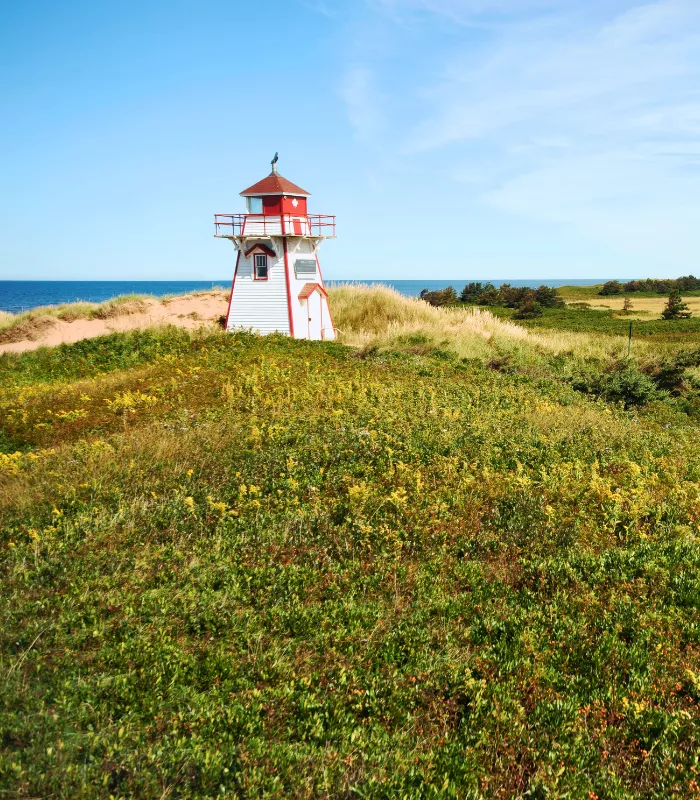
Prince Edward Island National Park is famous for its red sand beaches and green rolling farmland. It’s the kind of place that looks perfect on a postcard.
But many visitors, including Americans who make the long drive from the eastern U.S., find the park underwhelming in person. The beaches are nice. The scenery is gentle. But for a cross-country trip, it can feel like a lot of travel for very little drama.
The area around Cavendish, the most visited part of the park, has been called out for cheap motels and classic tourist traps. One TripAdvisor reviewer noted the park was “a bit overrated, though very pleasant.”
The beaches, while pretty, are not the wide open stretches of sand many Americans imagine. They are shorter and busier than expected, especially in July and August.
The park is also very flat. There are no mountains, no canyons, and no dramatic elevation changes. For travelers used to the American West, the landscape can feel a little one-note.
Getting to PEI from most U.S. states requires a very long drive through New England and New Brunswick. The Confederation Bridge crossing is impressive, but the journey adds up fast.
Many visitors spend more time driving to PEI than they actually spend inside the national park itself. That ratio rarely feels like a win.
Why It’s On This List: PEI is charming and peaceful, but it is not a bucket-list wilderness experience. If you are driving from the U.S. expecting epic landscapes, you may leave feeling underwhelmed.
4. Fundy National Park, New Brunswick
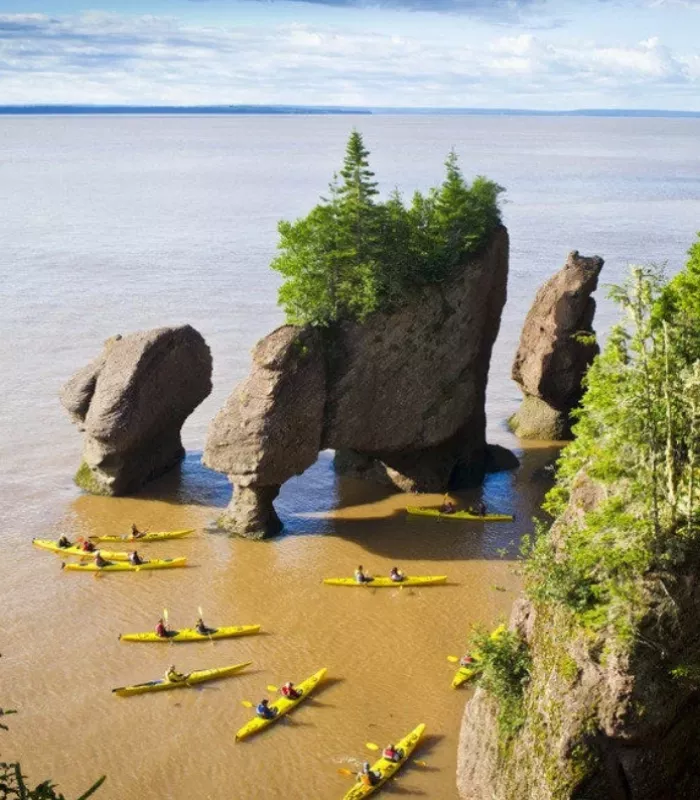
Fundy National Park is home to the highest tides in the world. The Bay of Fundy sees tidal changes of up to 16 meters, or about 52 feet. That is genuinely impressive.
But the park itself has received mixed reviews from visitors. Some have complained about poor campsite management and long waits at the front gate. Others say the facilities feel outdated for the price.
The hiking trails are decent, but not spectacular by North American standards. For Americans used to places like the Smoky Mountains or Acadia, the overall park experience can feel flat.
The tides are the star of the show here. But you have to time your visit carefully to actually see them at their most dramatic. Miss the tide window and you are left looking at a muddy ocean floor.
The town of Alma, just outside the park entrance, is tiny. Food options are limited, and many restaurants close early in the evening. It is not the kind of place where you can easily extend your stay on a whim.
The park’s interior forests, while peaceful, lack the wow factor that many national park visitors are looking for. There are no glaciers, no massive peaks, and no iconic viewpoints that translate well to photos.
For a park that markets itself around a world-class natural phenomenon, the surrounding experience can feel like it has not quite caught up to the billing.
Why It’s On This List: The tides are a real wonder of nature. But the park built around them does not always match that wow factor. That’s why many visitors leave feeling the tides were the only highlight.
5. Kootenay National Park, British Columbia
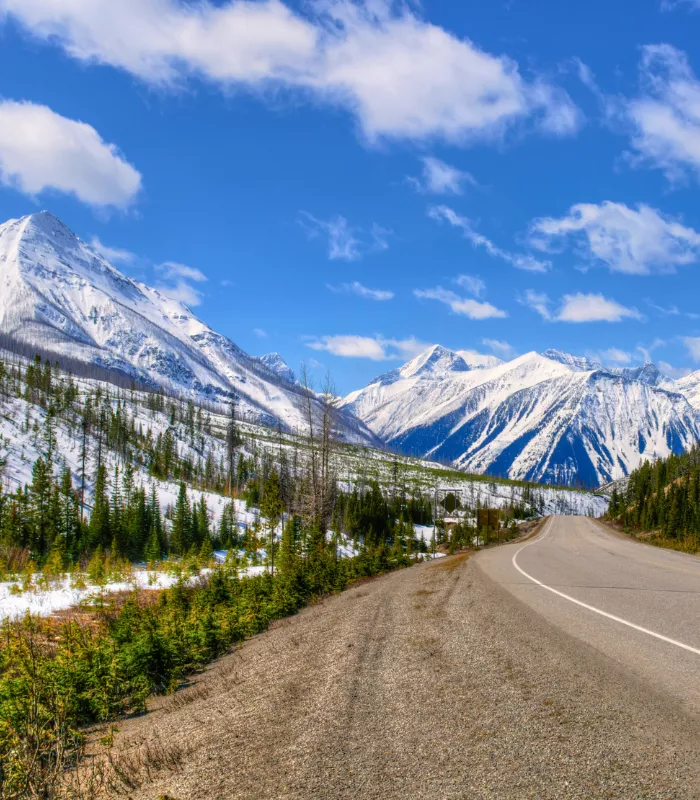
Kootenay National Park sits in the Rocky Mountains of southeastern British Columbia. It was created over 100 years ago. It features mountain views, hot springs, and plenty of wildlife.
But here’s the deal: Kootenay is often visited as an add-on to Banff, and it ends up feeling like the lesser version of something better. Many trails show heavy damage from past wildfires. Large sections of the park can look barren and charred.
For first-time visitors, the fire-scarred landscape can be a real surprise. If you are not prepared for it, it can dampen the experience significantly.
The Radium Hot Springs pools, one of Kootenay’s biggest draws, are essentially a public swimming facility. They are clean and relaxing, but they are not a hidden gem. They are busy, and they look like any other public pool.
The highway that runs through the park, Highway 93, is a beautiful drive. But it is also a fast drive. Many visitors pass through Kootenay in a matter of hours without stopping much at all.
There are far fewer pullouts, viewpoints, and interpretive signs than you would find in neighboring Banff. The park can feel underdeveloped by comparison, which frustrates visitors expecting a similar experience.
Wildlife viewing is possible but not guaranteed. Visitors who come specifically hoping to see bears or elk often leave without a single sighting along the main corridor.
Why It’s On This List: Kootenay has real beauty, but the repeated wildfire damage and its reputation as “Banff’s quieter neighbor” mean many Americans leave wishing they had spent more time elsewhere.
6. Cape Breton Highlands National Park, Nova Scotia
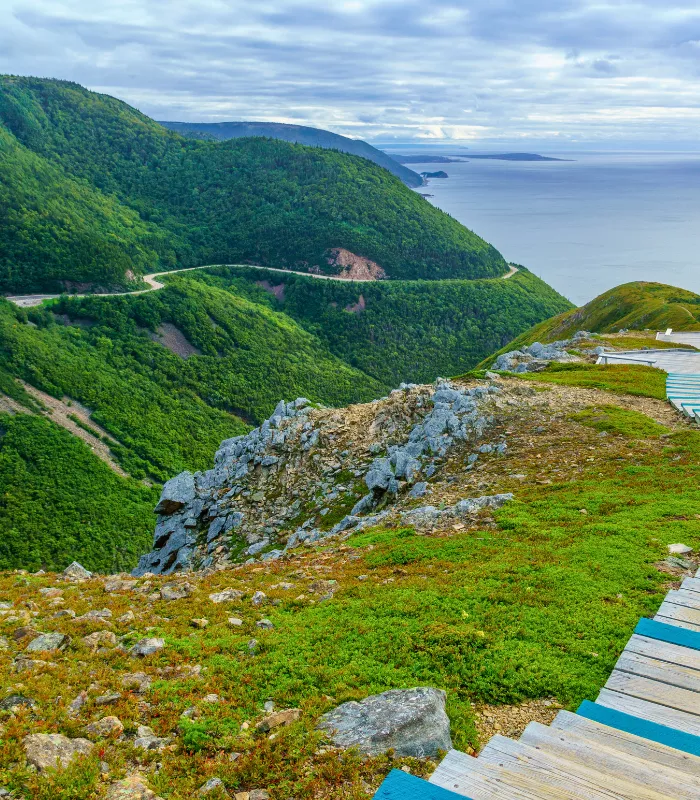
Cape Breton Highlands is often called one of Canada’s best-kept secrets. The Cabot Trail is a stunning coastal drive. The Skyline Trail offers panoramic ocean views.
But getting there is no small feat for most Americans. The park is remote, and the drive from the U.S. is long. Once you arrive, some visitors feel the park itself does not quite match the legendary buildup it receives online.
The Cabot Trail has sections of heavy tourist traffic, especially in the fall foliage season. If you are hoping for a quiet, off-the-beaten-path experience, peak season will disappoint.
The Skyline Trail, the park’s most famous hike, ends at a boardwalk viewpoint that is almost always packed with people. Getting a clean photo without strangers in the background is nearly impossible on a summer afternoon.
The weather in Cape Breton is unpredictable. Fog, rain, and low clouds can roll in quickly, blocking the very ocean views that drew you there in the first place. Some visitors spend their whole trip waiting for a clear day that never comes.
Accommodations near the park are limited and book up far in advance. Options range from basic motels to pricey resorts, with very little in between for travelers on a moderate budget.
The drive around the full Cabot Trail loop takes most of a day. If the weather does not cooperate, that is a long time to spend behind the wheel for a view you may not fully get to enjoy.
Why It’s On This List: Cape Breton is genuinely beautiful. But the long journey, seasonal crowds, and gap between online hype and reality put it on this list for American travelers expecting something truly extraordinary.
7. Waterton Lakes National Park, Alberta
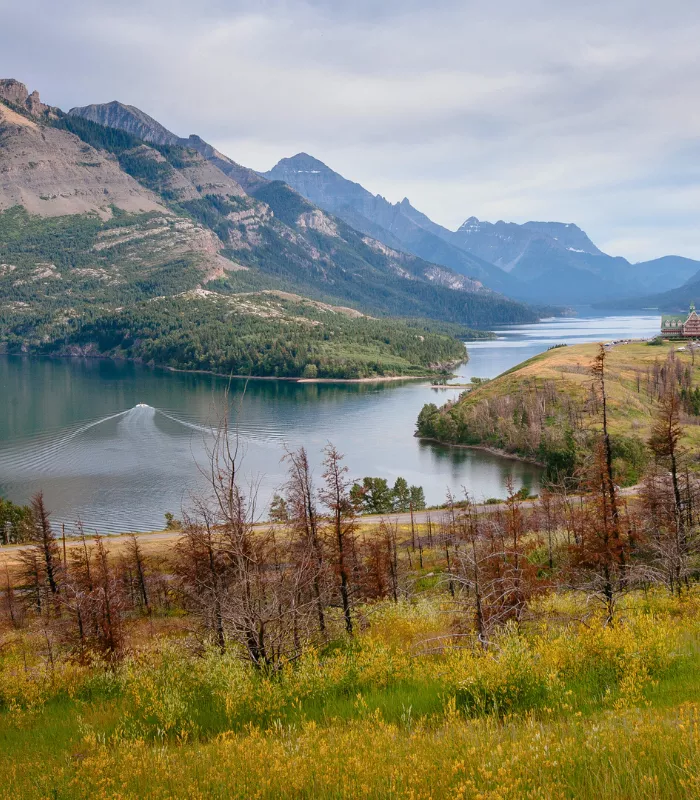
Waterton Lakes sits right on the U.S.-Canada border in southern Alberta. It connects with Montana’s Glacier National Park. The combo sounds incredible on paper.
But Waterton is a small park, and the town of Waterton has very limited services. It was so overcrowded on one August long weekend that it had to temporarily close its entrance gate, the first time that ever happened.
The park covers only about 505 square kilometers, making it one of Canada’s smallest mountain parks. For Americans crossing the border specifically for Waterton, the experience can feel quick and a little thin.
The famous Prince of Wales Hotel sits on a hill overlooking the lake and looks stunning from the outside. But it is a historic property with older rooms, and the price tag does not always match the dated interior.
Wind is a serious issue in Waterton. The park sits in a natural wind corridor, and gusts can reach extreme speeds. Outdoor dining, hiking, and even walking around town can become genuinely unpleasant on a bad day.
The boat tour across Waterton Lake into Montana is a popular activity, but border crossing logistics have become more complicated in recent years. What should be a fun excursion can turn into a paperwork headache.
For Americans who have already visited Glacier National Park on the Montana side, Waterton can feel like a repeat of something they have already seen, just with a Canadian flag on it.
Why It’s On This List: Waterton pairs beautifully with Glacier NP on a road trip. But as a standalone destination, it punches below its weight, and summer crowds can make the small town feel overwhelmed and rushed.
8. Riding Mountain National Park, Manitoba
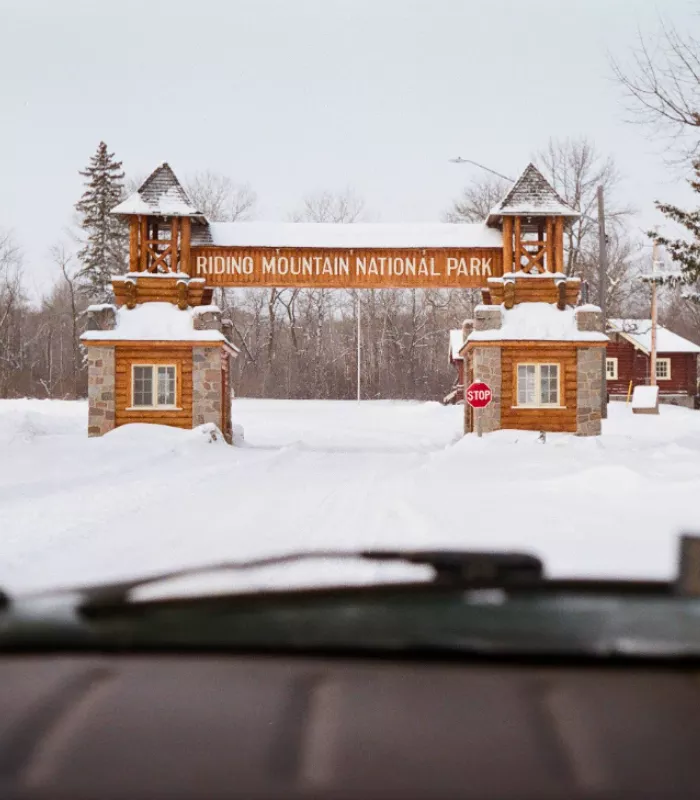
Riding Mountain National Park is Manitoba’s crown jewel of outdoor recreation. It has forests, lakes, and a small resort town called Wasagaming right inside the park.
But for Americans traveling to Canada specifically for national parks, Riding Mountain rarely makes the must-see list for a good reason. The scenery, while pleasant, is relatively flat and forested. It lacks the dramatic peaks and coastlines that define Canada’s most iconic parks.
The park sits about 3 hours north of Winnipeg, making it a significant detour for most American visitors. Locals love it. But out-of-towners often find it a long drive for a modest payoff.
The town of Wasagaming has a retro summer-camp feel that many Canadians find nostalgic and charming. For Americans expecting a polished national park experience, it can feel more like a sleepy cottage community than a destination.
The park’s wildlife includes bison, black bears, and elk. But sightings are not guaranteed, and the flat terrain makes spotting animals from a distance much harder than in open mountain parks.
Most of the hiking trails are gentle and heavily forested. There are few dramatic viewpoints or summit hikes that reward you with a sweeping panorama at the top.
Manitoba itself is not a traditional tourist destination for most Americans. Riding Mountain rarely appears on cross-border road trip itineraries, and that unfamiliarity can make the park feel like an afterthought rather than a highlight.
Why It’s On This List: Riding Mountain is a lovely regional retreat. But Americans expecting dramatic Canadian wilderness scenery may find themselves disappointed by the gentle, low-key landscape that defines this park.