

Americans love Canada for its scenery, safety, and sense of calm.
And honestly, most of it delivers.
But a handful of Canadian cities have quietly built reputations that no travel brochure will ever mention.
High crime, brutal weather, tourist traps, and downtown cores that feel like a cautionary tale.
Canada is a 10 out of 10 country with a few very loud exceptions.
1. Winnipeg, Manitoba
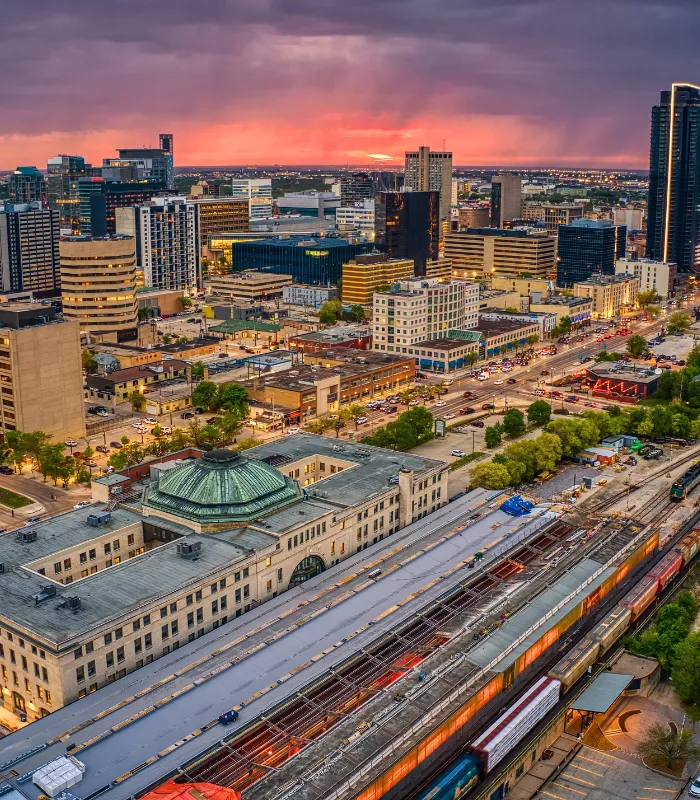
Winnipeg is one of the coldest cities on the planet.
Winter temperatures can plunge to -28°C (-18°F), with wind chills making it feel as cold as -40°C (-40°F).
For American tourists over 50, that kind of cold is no joke. Exposed skin can get frostbite in just minutes.
The city also has crime rates higher than the Canadian national average, especially in the North End and parts of downtown after dark.
But here’s the catch – Winnipeg is simply not built for casual tourism. There are few major attractions outside of The Forks and the Canadian Museum for Human Rights.
Most visitors find themselves wondering what to do next.
Getting around without a car is also a challenge. Public transit is limited, and rideshare options are not as plentiful as in larger Canadian cities.
Why It’s On This List: Brutal winters, higher-than-average crime in certain neighborhoods, and limited tourist appeal make Winnipeg a tough sell for American visitors looking for a relaxing getaway.
2. Surrey, British Columbia
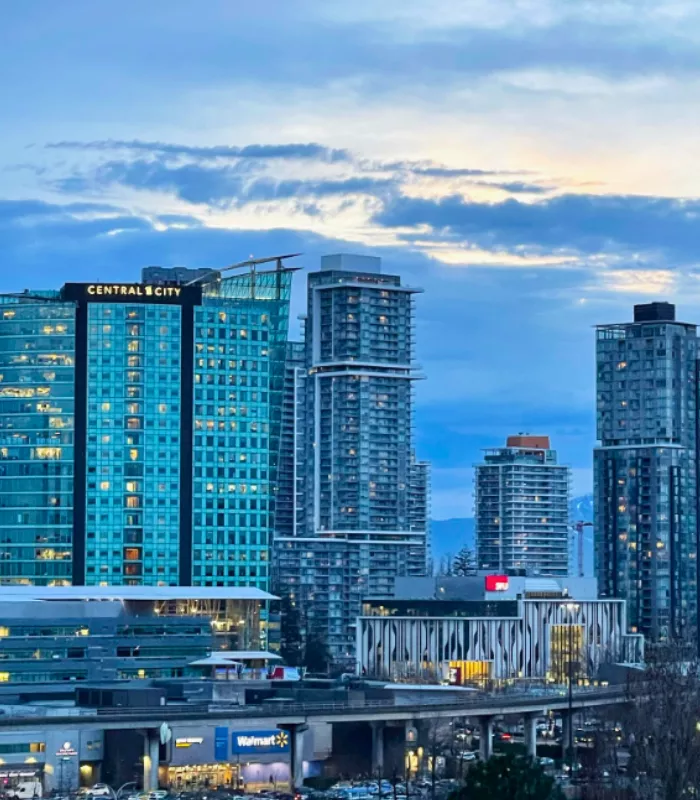
Surrey sits just outside Vancouver and often gets lumped in with it. But they are very different places.
Surrey has a crime rate higher than the national average. Gang-related violence, vehicle break-ins, and petty theft are common concerns for visitors.
The city replaced its entire police force (the RCMP) with its own Surrey Police Service in recent years, which tells you something about the level of crime-related pressure the city has faced.
You’re better off staying in Vancouver proper or nearby Burnaby if you want to explore the Lower Mainland without the stress.
Surrey also lacks the walkable charm and waterfront scenery that make Vancouver so appealing to tourists.
Many visitors who accidentally book a hotel here expecting a Vancouver experience end up frustrated by the commute and the surroundings.
Why It’s On This List: Surrey consistently ranks among Canada’s most dangerous cities. Areas like Whalley and parts of Newton have notably high crime rates that can catch unsuspecting tourists off guard.
3. Thunder Bay, Ontario
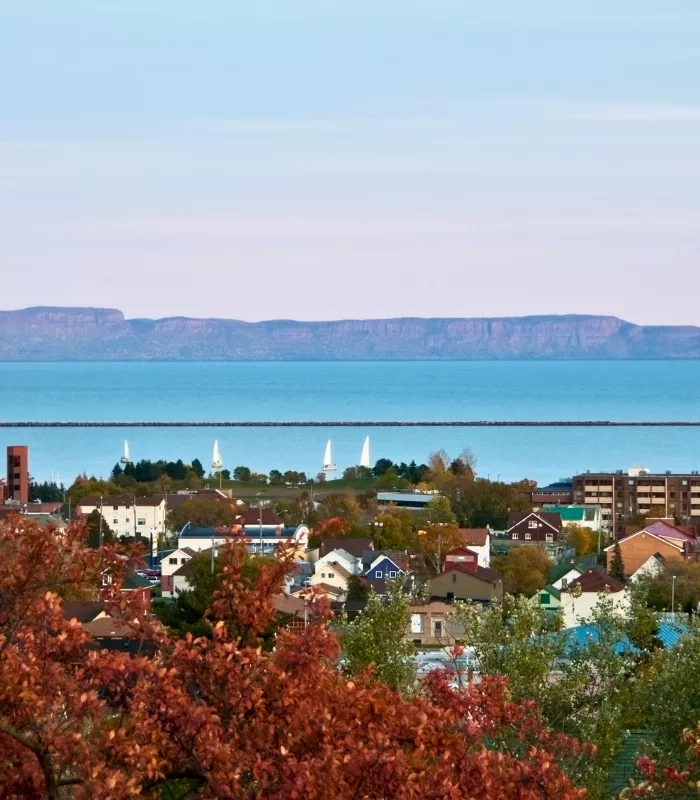
Thunder Bay is a remote city on the northern shore of Lake Superior. It is more than 1,400 km from Toronto.
The violent crime rate here is 72% higher than the Ontario average and 35% higher than Canada’s national rate. That is a big number.
Winters are brutal, too. Snowstorms are frequent, and the city has only two cab companies, meaning long waits outside in freezing temperatures if you are out at night.
That’s why most travel experts suggest Thunder Bay only for road-trippers who know what they are getting into.
The restaurant and hotel scene is also very limited compared to what most American tourists expect from a city visit.
If you are used to the comforts of a mid-sized American city, Thunder Bay will feel like a step back in time – and not in a charming way.
Why It’s On This List: Thunder Bay has one of the highest violent crime rates in Ontario, combined with extreme winter weather and very limited transportation options for tourists.
4. Regina, Saskatchewan
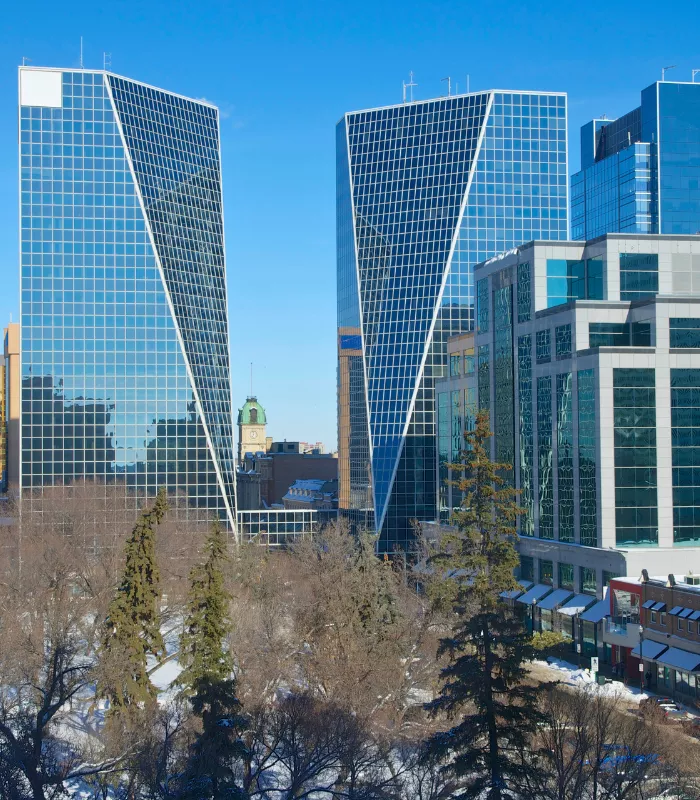
Regina is the capital of Saskatchewan. But the capital city does not always mean tourist-friendly.
Regina regularly appears on Canada’s most dangerous cities lists. Property crime and violent crime rates are both well above the national average.
The city is also extremely flat and can feel dull to visitors who are used to mountains, coastlines, or vibrant city scenes. Summers are scorching hot, and winters are bitterly cold.
There is not much of a food or nightlife scene to speak of, which makes evenings feel especially quiet for out-of-town visitors.
The downtown core has struggled with vacancy and disinvestment for years, leaving large stretches that feel empty and uninviting to tourists on foot.
Why It’s On This List: Regina ranks among Canada’s top cities for crime per capita, and its limited tourist attractions make the risk-reward balance tough for American travelers to justify.
5. Lethbridge, Alberta
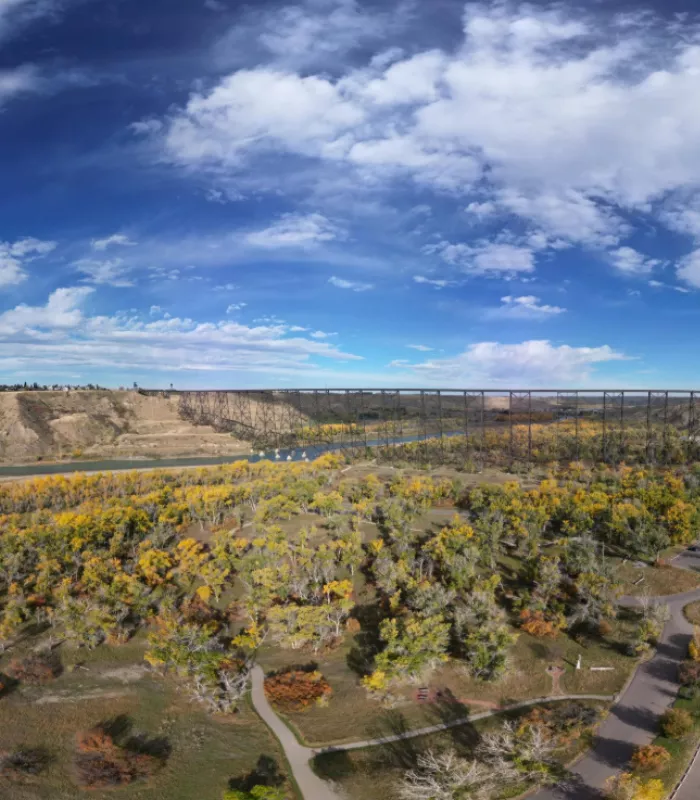
Lethbridge might look like a quiet prairie city. And in some ways, it is.
But Lethbridge has earned a reputation as one of Canada’s most dangerous cities for drug-related crime. The opioid crisis hit this city very hard.
Street-level drug activity is visible in parts of the downtown core. For older American tourists expecting a peaceful Alberta experience, this can come as a real shock.
I made a classic mistake – assuming a small Canadian city means safe and boring. Lethbridge proves that wrong.
The city sits in a wind corridor that makes even mild temperatures feel punishing. Wind speeds here are among the highest of any Canadian city.
Couple that with a downtown that offers very little in terms of tourist-friendly dining or shopping, and you have a recipe for a disappointing trip.
Why It’s On This List: Lethbridge ranks among Canada’s top cities for crime, driven largely by drug-related activity that spills into public spaces and affects the overall feel of downtown.
6. Greater Sudbury, Ontario
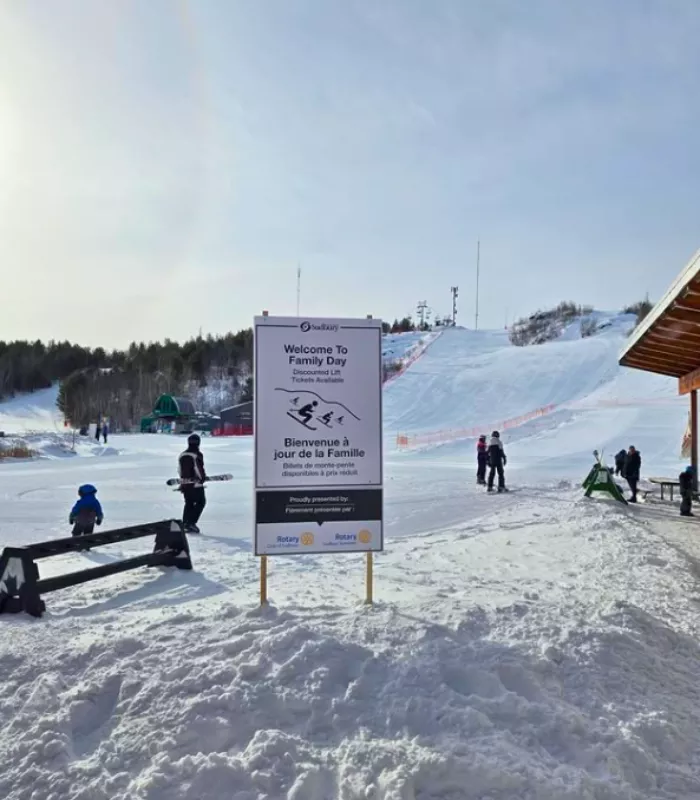
Sudbury is a mining city in northern Ontario. It is known for its giant nickel statue and not much else.
Crime rates in Sudbury are higher than the Ontario average. The city has struggled with property crime and addiction-related issues for years.
Getting there is also not easy. Sudbury is about 4 hours north of Toronto by car, and the roads in winter can be treacherous.
The local tourism infrastructure is thin. Hotels are limited, dining options are basic, and there is very little to fill more than a day or two of sightseeing.
Most American tourists simply have no compelling reason to make the long drive north when better options exist all around Ontario.
Why It’s On This List: Sudbury combines above-average crime rates with a remote location, harsh winters, and very few must-see tourist draws – a tough combination for any traveler.
7. Prince George, British Columbia
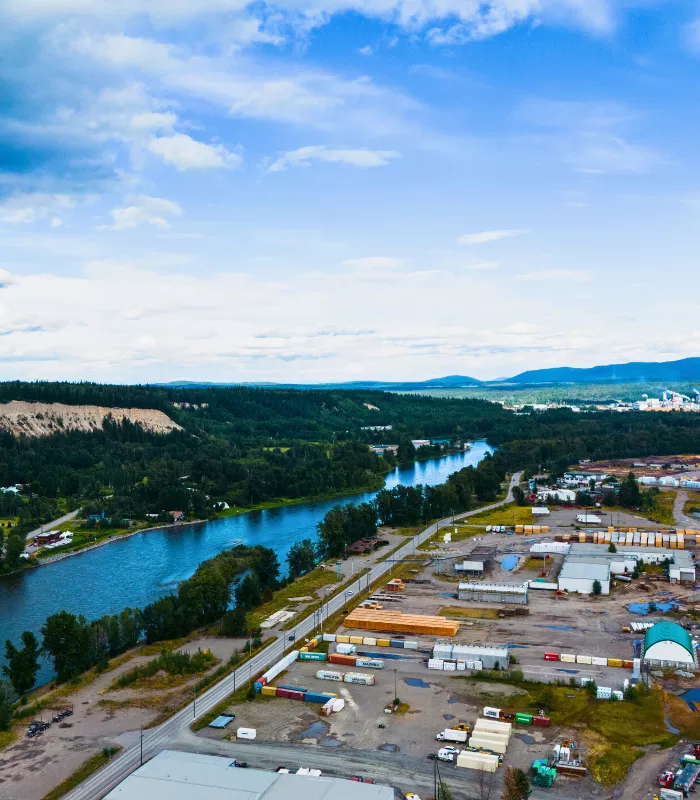
Prince George sits in the heart of northern British Columbia. It is a long drive from anywhere most tourists want to be.
The city has high crime rates and a visible homeless population downtown. It also sits along what advocates call the Highway of Tears – a stretch of highway linked to dozens of unsolved missing persons cases over the decades.
Winters are long, dark, and very cold. Summer is the only real window for comfortable travel here.
The city does not have a strong tourist infrastructure. Most visitors passing through are on their way to somewhere else entirely.
For American tourists flying or driving in specifically to visit, the effort rarely matches the payoff once they arrive.
Why It’s On This List: Prince George has one of the highest crime rates in BC, and its remote location means limited services and support for tourists who run into trouble.
8. Niagara Falls, Ontario
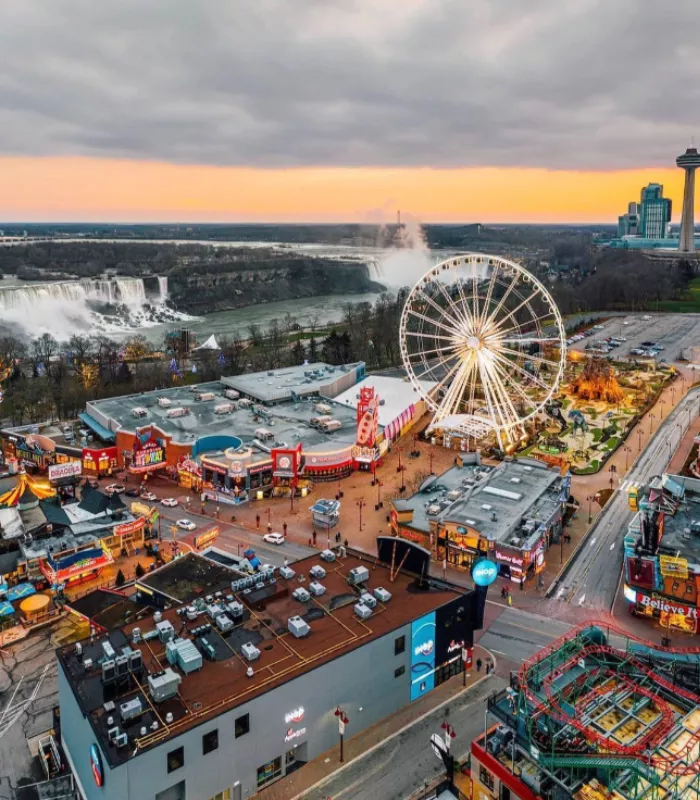
Yes, the waterfall itself is stunning. It is one of the most famous natural wonders in North America.
But here’s the deal – the city around it is a different story entirely.
Clifton Hill and the surrounding tourist strip is packed with overpriced restaurants, souvenir shops, and tourist traps designed to drain your wallet fast. Petty theft in crowded tourist areas is a known concern.
Parking is expensive. Lines are long. And if you stray just a few blocks from the falls, the neighborhood changes quickly.
Many visitors report feeling pressured by aggressive vendors and overwhelmed by the sheer volume of crowds, especially during peak summer months.
The falls take about 20 minutes to see. Everything built around them is designed to keep you spending money for the rest of the day.
Why It’s On This List: Niagara Falls, Ontario is widely considered one of Canada’s biggest tourist traps. The experience around the falls often leaves visitors feeling overcharged and underwhelmed.
9. Edmonton, Alberta

Edmonton is Alberta’s capital and home to the famous West Edmonton Mall. But the city has a serious crime problem.
Edmonton consistently ranks among Canada’s most dangerous cities. Violent crime, auto theft, and property crime are all well above national averages.
Winters are extremely harsh – temperatures can drop below -30°C (-22°F). And while the mall is impressive, there are only so many hours you can spend shopping before you want to explore outside.
The downtown core has faced years of disinvestment and feels far less vibrant than Calgary, its rival city, just 3 hours south.
For American tourists who want the Alberta experience, Calgary or Banff offer a far more rewarding visit with less risk.
Why It’s On This List: Edmonton’s high crime rate and punishing winters make it a challenging destination for American tourists, especially those who prefer to walk around and explore freely.
10. Kelowna, British Columbia
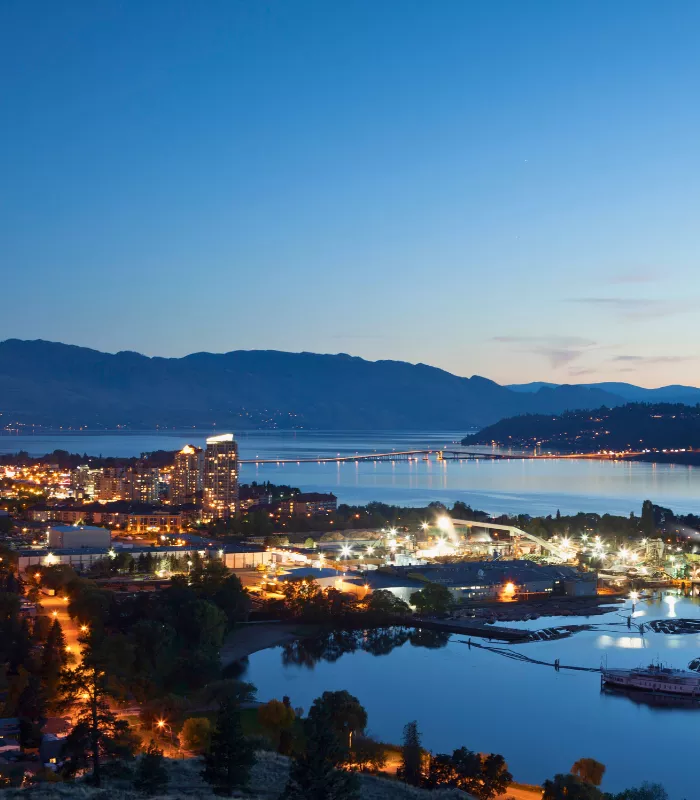
Kelowna is a popular spot known for its wineries, beaches, and Okanagan Lake. It sounds perfect. But it comes with real problems.
Kelowna has one of the highest crime rates in all of Canada. Property crime, break-ins, and vehicle theft are major issues. Even tourist-heavy areas are not immune.
Wildfire smoke is also a growing concern every summer. In recent years, nearby fires have blanketed the city in thick haze, ruining outdoor plans and causing air quality alerts.
The cost of visiting has also gone up sharply. Winery tours, accommodations, and dining have all become noticeably more expensive compared to just a few years ago.
For tourists with respiratory issues or mobility concerns, the combination of wildfire smoke and hilly terrain can make the trip genuinely uncomfortable.
Why It’s On This List: Despite its beautiful setting, Kelowna ranks among Canada’s most dangerous cities for property crime – and summer wildfire smoke can make outdoor activities miserable.
11. Hamilton, Ontario
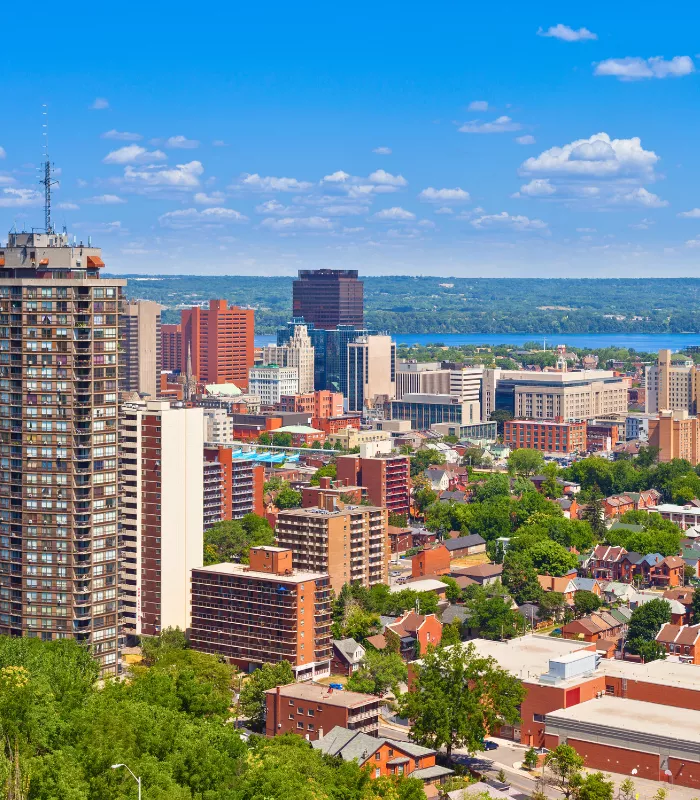
Hamilton sits about an hour west of Toronto. It has been trying to rebrand itself as a hip arts city for years.
But the reality is that Hamilton still struggles with high crime rates, visible poverty, and a downtown core that feels rough around the edges. It ranks among Canada’s top cities for violent crime.
Most American tourists who end up in Hamilton were just driving through to Niagara Falls or Toronto. It rarely makes anyone’s must-visit list – and for good reason.
The waterfront area has seen some development, but it still lacks the polish and accessibility that tourists expect from a city so close to major Canadian hubs.
With Toronto just 68 km away, there is simply no compelling reason to base your trip out of Hamilton when a better option is right down the highway.
Why It’s On This List: Hamilton has one of the highest violent crime rates in Ontario. Its gritty downtown and limited tourist appeal mean there is little reward for the risk of visiting.