

Retirement is the finish line everyone races toward. What nobody warns you about is the gift shop right at the end of the track.
It is full of boats, timeshares, luxury cars, and complicated insurance policies.
And every single one of them has a very enthusiastic salesperson.
The 60s are a prime time for big spending decisions, some brilliant and some spectacularly regrettable.
The difference between the two usually comes down to information.
1. Timeshares

Timeshares seem like a dream in your 60s.
You picture warm beaches and stress-free vacations every year.
But here’s the catch: the maintenance fees never stop. Even if you never use it, you keep paying. Many owners end up paying thousands of dollars a year for a property they can’t sell.
Getting out of a timeshare contract is notoriously difficult. Some people spend more on exit fees than the timeshare was ever worth.
Why It’s On This List: The average timeshare maintenance fee is over $1,000 per year and rises almost every year, making this one of the hardest purchases to walk away from.
2. A Boat

Buying a boat in your 60s feels like the ultimate reward for a lifetime of hard work.
And it can be fun at first.
But boats sit unused most of the year. Storage fees, insurance, fuel, and repairs add up fast. There is a reason people joke that a boat stands for “Bring Out Another Thousand.”
Most boat owners use their vessel far less than they expected. Renting a boat for a weekend trip almost always costs less in the long run.
The Real Cost: Owning a 25-foot boat can cost $5,000 to $10,000 or more per year in total ownership expenses, not counting the purchase price.
3. A Second Home Far From Family

Buying a vacation home sounds wonderful when you retire.
But many people in their 60s buy a second home far from their kids and grandkids, only to feel isolated.
Then health issues come up. Suddenly, two properties feel like two burdens. You’re better off renting in a place for a season before committing to buying.
Distance from your support system becomes more important as you age. A beautiful home is not worth much if you feel lonely inside it.
Things to Consider: Many retirees who buy remote second homes end up selling within five years due to health needs, family obligations, or the unexpected cost of upkeep.
4. A Luxury Car
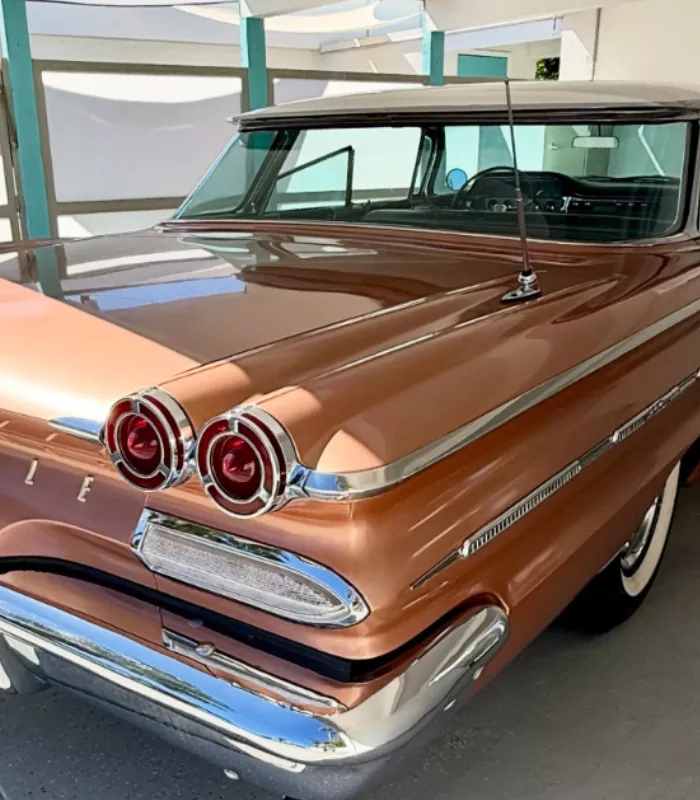
After decades of driving practical cars, splurging on a luxury vehicle feels well-deserved.
And there is nothing wrong with treating yourself.
But luxury cars come with luxury repair bills. Parts cost more. Specialized mechanics charge more. And the car loses value fast.
Many retirees find the upkeep of a high-end car eats into their fixed income faster than expected. A reliable, comfortable car that does not drain your savings is often the smarter move.
The Hidden Cost: Luxury vehicles can cost 40% more to maintain annually compared to non-luxury brands, according to industry estimates.
5. Whole Life Insurance Policies

Salespeople often target retirees with whole life insurance policies.
They promise investment growth along with a death benefit.
But these policies come with high premiums and low returns. That’s why many financial advisors recommend term life or simply investing the difference in a low-cost index fund instead.
Buying a whole life policy in your 60s rarely makes financial sense. The premiums are high, and the cash value grows slowly.
A Smarter Alternative: If you still need life insurance in your 60s, a term policy or simply self-insuring through savings is usually a better financial strategy.
6. Too Much Exercise Equipment

Staying active in your 60s is one of the best things you can do for your health.
But buying expensive home gym equipment is a common mistake.
Treadmills become expensive coat racks. Stationary bikes collect dust. Many people overestimate how much they will use the equipment they buy in a burst of motivation.
A gym membership or free walking habit often works better and costs far less.
Worth Knowing: Americans spend an estimated $1.8 billion on unused fitness equipment every year, and retirees are among the most common buyers who stop using gear within three months.
7. An Oversized House

Some people enter their 60s and buy a bigger house, thinking they finally have the space they always wanted.
But bigger homes mean bigger utility bills, more cleaning, more maintenance, and more property taxes.
As the years go on, stairs become harder. Big yards become a chore. I made a classic mistake of thinking that more space equals more happiness. It usually does not.
Downsizing, not upsizing, is often the smarter financial and lifestyle move in your 60s.
Why It’s On This List: Many retirees who buy large homes in their 60s end up downsizing again within a decade, losing money on real estate fees and moving costs twice.
8. Prepaid Funeral Packages From Unknown Providers
Planning ahead for end-of-life expenses is smart.
But buying a prepaid funeral package from a provider you know little about can go wrong.
Some companies go out of business. Others have hidden fees. The plan you bought may not transfer if you move to another state.
If you want to plan ahead, research providers carefully and make sure funds are held in a protected trust.
Buyer Beware: The Federal Trade Commission warns that prepaid funeral money is not always protected if a funeral home closes or is sold, leaving families to cover costs again.
9. Annuities With High Fees
Annuities are not all bad. But some come loaded with fees, long surrender periods, and confusing terms.
Salespeople sometimes push complex variable or indexed annuities on retirees without fully explaining the fine print.
That’s why you should always ask for a simple breakdown of all fees before signing anything. An independent financial advisor, not the person selling you the product, is the right person to ask.
High-fee annuities can quietly drain thousands from your retirement income over time.
Why It’s On This List: Some variable annuities carry annual fees of 2% to 3% or more, which can significantly reduce the growth of your retirement savings over a 10 to 20-year period.
10. Expensive Anti-Aging Treatments and Products
The anti-aging industry is worth billions of dollars, and it targets people in their 60s hard.
Creams, serums, and treatments promise dramatic results. Most deliver very little.
Some medical procedures marketed as rejuvenating are expensive and come with real risks. You’re better off spending that money on sunscreen, good sleep, and regular exercise, which are all proven to help.
Most over-the-counter anti-aging products do not have strong clinical proof behind their claims.
The Bottom Line: Americans spend over $60 billion a year on anti-aging products, yet dermatologists consistently say basic skincare habits and lifestyle choices outperform most premium products.
11. Gifting Large Sums to Adult Children Too Soon
It feels wonderful to help your kids when you finally have money to give.
But gifting large amounts in your early 60s can backfire.
Your own needs change as you age. Medical bills, assisted living, and daily costs rise. Many retirees who gave too much too soon found themselves struggling later with no financial cushion left.
You cannot pour from an empty cup. Secure your own retirement first before giving generously to others.
Why It’s On This List: Financial advisors consistently rank premature gifting to adult children as one of the top reasons retirees run short of money in their 70s and 80s.
12. Extensive Home Renovations Right After Retiring

Retirement feels like the perfect time to finally redo the kitchen or add that dream sunroom.
But here’s the deal: home renovation costs almost always go over budget.
A project quoted at $20,000 can quickly balloon to $35,000 or more. And that money comes directly out of your retirement savings, which you now need to stretch for decades.
Small, smart upgrades that improve safety and comfort make more sense than large cosmetic overhauls.
Worth Knowing: Studies show that most major home renovations return less than 70 cents on the dollar in added home value, meaning you often spend more than you gain.
13. Expensive Motorhomes and RVs
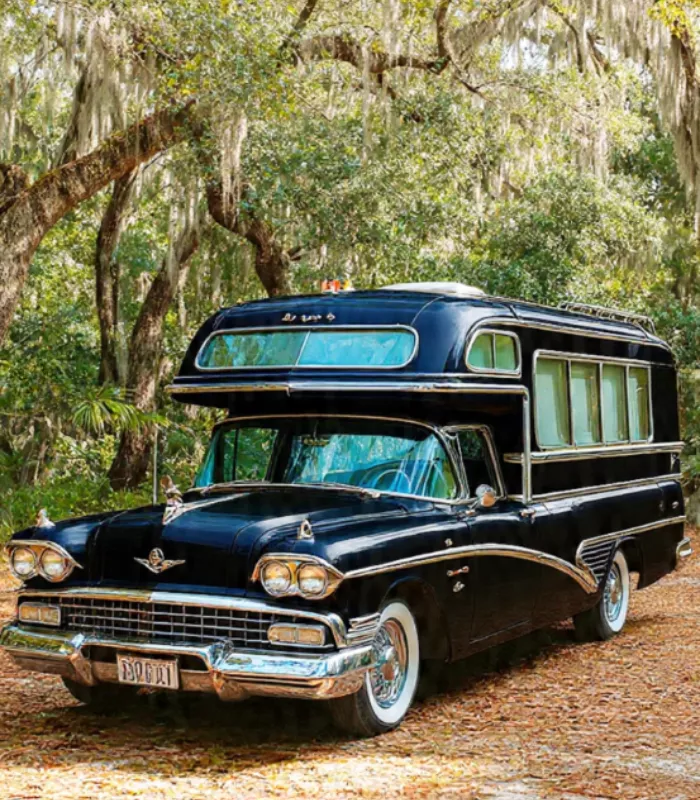
The idea of hitting the open road in a big, comfortable RV is a classic retirement dream.
And for some people, it works out beautifully.
But many others buy a large motorhome only to find it stressful to drive, expensive to maintain, and difficult to park. Gas alone can cost hundreds of dollars per trip. Many RVs sit in storage for most of the year.
Renting an RV for a trip or two before buying one could save you tens of thousands of dollars.
The Real Cost: A new Class A motorhome can cost between $100,000 and $300,000, with annual maintenance, insurance, and storage fees easily adding another $5,000 to $10,000 per year.
14. Unnecessary Supplemental Insurance Policies
Insurance is important. But some retirees end up stacking policy on top of policy until the premiums drain their monthly budget.
Salespeople know retirees worry about health and finances. That’s why they push hard with fear-based pitches.
Before buying any new policy, review everything you already have. You may already be covered and not realize it.
Paying for overlapping coverage is one of the quietest ways retirement savings disappear.
Why It’s On This List: Many retirees carry two or three policies that cover the same risks, effectively paying double or triple for protection they only need once.
15. Collections and Memorabilia With Inflated Value

Coins, stamps, sports cards, antiques. Many people in their 60s invest serious money into collectibles, expecting them to grow in value.
Sometimes they do. But most of the time, they do not.
The market for collectibles is unpredictable and highly niche. What seems valuable today may be nearly worthless in 10 years. And finding a willing buyer at the right price is harder than most people expect.
Collectibles should be bought for enjoyment, not as a primary financial investment.
Buyer Beware: Many collectibles sold as “rare” or “appreciating assets” are mass-produced items with far lower resale value than the original asking price.
16. Impulse Buys From TV Shopping Channels and Online Ads
Retirement comes with more free time, and more free time can mean more time watching TV or browsing online.
Shopping channels and targeted ads are designed to create urgency. “Order in the next 15 minutes!” is not a real deadline. It is a sales trick.
Items bought out of boredom or impulse are almost never used as much as expected. They pile up in closets and drawers.
A simple rule: wait 48 hours before buying anything that was not on your shopping list.
Why It’s On This List: Retirees are among the most targeted demographics for TV shopping channels and online advertising, with some spending hundreds of dollars per month on impulse purchases without realizing it.
17. High-End Furniture for a Home You May Not Keep

Filling a retirement home with beautiful, expensive furniture feels like a reward for years of hard work.
But many people in their 60s move again within 10 years, whether for health reasons, to be closer to family, or to downsize.
Large, heavy furniture rarely fits in the next home. Much of it ends up sold for a fraction of its original price or donated.
Comfort and practicality matter more than price tags when furnishing a home you may not stay in long-term.
Things to Consider: Many retirees who spend heavily on furniture in their 60s report recouping less than 20 cents on the dollar when they eventually sell or move.
18. Cryptocurrency and High-Risk Investments

Stories of big crypto gains make headlines. The losses rarely do.
Many people in their 60s have been drawn into high-risk investments, from cryptocurrency to speculative stocks, at exactly the wrong time in life.
You’re better off keeping retirement money in stable, diversified investments. In your 60s, you have less time to recover from a major loss than a 30-year-old does.
The higher the promised return, the higher the risk. That rule never changes.
Why It’s On This List: Adults over 60 lose more money to investment fraud each year than any other age group, according to the FBI’s Internet Crime Complaint Center.
19. Pets With Very High Ongoing Care Costs

Bringing a pet into your life in retirement can bring real joy and companionship.
But some breeds and types of animals come with steep ongoing costs that catch people off guard.
Purebred dogs with known health issues, exotic animals, or multiple pets can mean thousands of dollars a year in vet bills, grooming, food, and boarding. And as you age, caring for a large or high-energy pet may become physically difficult.
Adopting a calm, healthy, lower-maintenance pet is often the better choice for retirees.
Worth Knowing: The average American spends over $1,500 per year on a dog, but that number can easily triple for breeds prone to chronic health conditions.
20. Upscale Golf or Country Club Memberships

Golf is a wonderful hobby for retirees. But locking yourself into a pricey club membership is another story.
Initiation fees at private clubs can run $10,000 to $50,000 or more. Add monthly dues and the cost climbs fast, even during months you do not play.
Health changes, travel plans, or a simple loss of interest can leave you paying for a membership you barely use.
Pay-as-you-go golf at public courses gives you all the enjoyment without the long-term financial commitment.
The Real Cost: A country club membership with initiation fees and monthly dues can easily cost $5,000 to $15,000 per year, a significant drain on a fixed retirement income.
21. Stairlifts and Mobility Equipment Bought Too Early

Planning ahead for mobility challenges is smart. But buying expensive equipment before you actually need it often leads to regret.
Stairlifts, walk-in tubs, and similar products can cost thousands of dollars. Technology changes fast. What you install at 62 may be outdated or no longer fitting your home by the time you truly need it at 75.
Work with an occupational therapist before making major home mobility purchases. They can tell you what you actually need right now versus what can wait.
Why It’s On This List: Walk-in tubs alone can cost $2,000 to $10,000 installed, and many retirees who buy them early find the design does not meet their actual needs years later.
22. Paying Full Price for Prescriptions Without Comparing Options
This one is less of a single purchase and more of a costly habit.
Many people in their 60s pay far more for medications than they need to simply because they never comparison shop.
Generic versions, discount programs like GoodRx, manufacturer coupons, and different pharmacy pricing can save hundreds or even thousands of dollars per year. That’s why checking your options every time a prescription is filled is worth a few extra minutes.
The price of the same prescription can vary by 10 times or more, depending on where you fill it.
Worth Knowing: Americans over 65 take an average of four to five prescription medications daily, making overpaying for drugs one of the largest avoidable expenses in retirement.
23. Over-the-Top Dream Vacations Charged to Credit Cards

Retirement is absolutely a time to travel and enjoy life. Nobody is saying skip the trip.
But charging a $15,000 cruise or an international tour package to a high-interest credit card is a decision many retirees deeply regret.
Interest charges can turn a dream vacation into a financial headache that lasts for years. One trip should not compromise your long-term security.
Save up for big trips in advance, or choose experiences that match your actual budget. The memories should be priceless, not the debt.
Why It’s On This List: Carrying a credit card balance at 20%+ interest in retirement can erase years of careful saving. A $10,000 vacation debt can take over five years to pay off when only making minimum payments.