

Nobody ever brags about buying a timeshare. Yet somehow, millions of people own one.
The 70s are supposed to be the golden years.
And they can be, as long as you do not hand your gold over to the wrong people.
Some purchases drain your savings slowly, like a leaky faucet you do not notice until the water bill arrives.
The smartest thing you can do with retirement money is know exactly what not to spend it on.
1. A Brand-New Luxury Car

Buying a brand-new luxury car in your 70s sounds like a reward for a lifetime of hard work.
But here’s the catch: a new car loses up to 20% of its value the moment you drive it off the lot.
Many seniors end up paying for features they rarely use, like advanced tech systems that feel more confusing than helpful.
Why It’s On This List: The high insurance costs, maintenance fees, and rapid depreciation make this one of the most expensive mistakes retirees make with their savings.
2. A Timeshare Property

Timeshares are often sold at high-pressure resort presentations with promises of dream vacations every year.
The reality? Annual maintenance fees keep rising, and reselling a timeshare is notoriously difficult.
Many owners end up paying thousands of dollars a year for a property they barely visit.
Why It’s On This List: Timeshare exit companies report that the resale value of most timeshares is close to zero, leaving owners stuck in costly contracts.
3. An Oversized Family Home
After the kids move out, some people upgrade to a bigger home instead of downsizing.
That’s why so many retirees end up with rooms they never enter and utility bills they struggle to afford.
Heating, cooling, and maintaining a large home can drain retirement funds fast.
Why It’s On This List: A smaller, single-story home is often safer, more affordable, and much easier to manage as mobility changes with age.
4. Extended Warranty Plans

Extended warranties seem like smart protection for big purchases like appliances and electronics.
But studies show that most people never use them, and the coverage is often full of exclusions.
Retailers push these hard because they are highly profitable for the store, not for you.
Why It’s On This List: You’re better off setting aside that money in a small emergency fund for repairs instead of handing it over for coverage you may never need.
5. A Boat

Buying a boat in retirement is a popular dream for many people who love the water.
But owning a boat comes with storage fees, fuel costs, insurance, and constant maintenance that adds up quickly.
Many boat owners end up using their vessel only a handful of times each year.
Why It’s On This List: Boating enthusiasts often say renting or joining a boat club gives you all the fun without the financial burden of full ownership.
6. Whole Life Insurance

Whole life insurance policies are often sold to seniors as an investment tool combined with coverage.
But the premiums are significantly higher than term life, and the investment returns are often poor compared to other options.
Many people in their 70s find themselves locked into expensive policies that no longer serve their needs.
Why It’s On This List: Financial advisors frequently point out that most seniors are better off with simpler, lower-cost coverage options rather than complex whole life products.
7. High-End Exercise Equipment
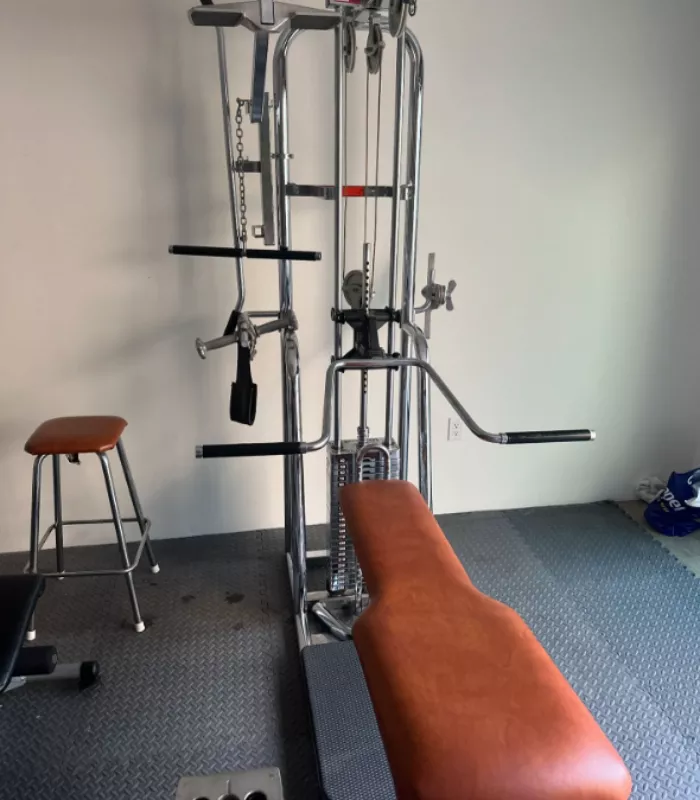
A top-of-the-line treadmill or home gym system feels like a great investment in your health.
But here’s the deal: most expensive home gym equipment ends up unused within the first few months of purchase.
Many seniors find that a simple daily walk or a low-cost gym membership works just as well.
Why It’s On This List: Unused equipment takes up space and can become a tripping hazard, making it both a financial and safety concern for older adults.
8. Annuities With High Fees

Some annuities can provide a steady income in retirement, but not all annuities are created equal.
Variable annuities, in particular, often come with surrender charges and hidden fees that eat into your returns.
Many seniors are sold these products without fully understanding the long-term costs involved.
Why It’s On This List: Before signing any annuity contract, it is critical to work with an independent financial advisor who is not earning a commission on the sale.
9. A Recreational Vehicle (RV)
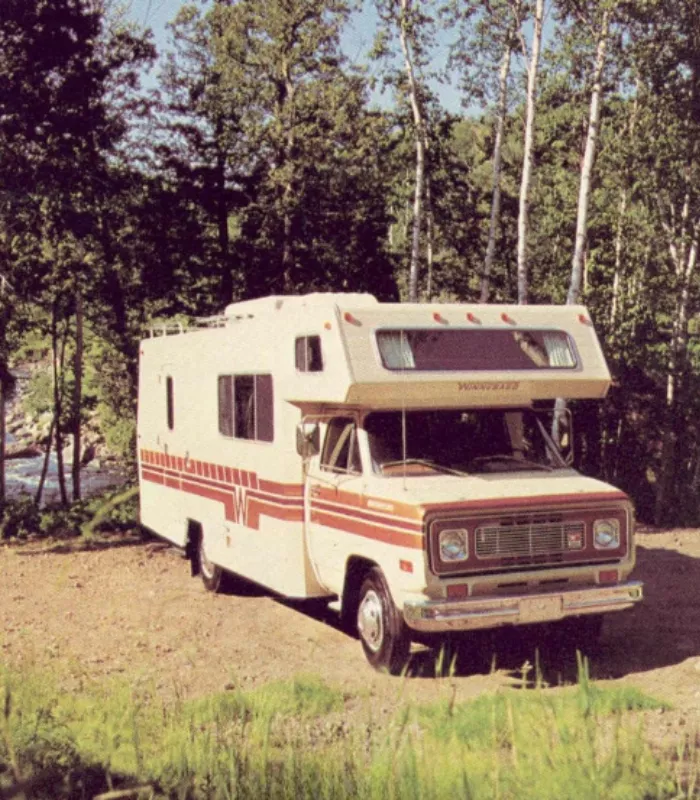
An RV sounds like the perfect way to explore the country on your own schedule in retirement.
The reality is that RVs come with high fuel costs, expensive repairs, and steep storage fees when not in use.
Many retirees sell their RV within two to three years after realizing the costs outweigh the benefits.
Why It’s On This List: Renting an RV for a trip or two is a smarter way to test whether the lifestyle is truly right for you before making a major purchase.
10. Unnecessary Supplements and Health Products

The supplement industry targets older adults heavily, promising everything from better memory to stronger joints.
But many of these products have little to no scientific evidence backing their claims.
Seniors can spend hundreds of dollars a month on supplements their bodies do not actually need.
Why It’s On This List: Always consult your doctor before adding any supplement to your routine. Many can interact with prescription medications in harmful ways.
11. Vacation Home in a Far-Away Location

Buying a vacation home sounds like the perfect retirement reward.
But a second property far from home means double the property taxes, insurance, and maintenance costs every single year.
Many retirees end up visiting far less than they planned once travel becomes more tiring or health changes.
Why It’s On This List: Renting a vacation property a few weeks a year almost always costs less than owning one, with none of the year-round financial responsibility.
12. Impulse Purchases From TV Shopping Channels
Late-night TV shopping channels are designed to create urgency and excitement around products.
Retirees with more time at home are a prime audience, and billions of dollars are spent each year on items that end up unused in a closet.
That “limited time offer” rarely lives up to the hype once the product arrives.
Why It’s On This List: I made a classic mistake of buying a set of kitchen gadgets from a TV ad, only to find cheaper, better versions at my local store. The excitement fades fast.
13. Risky Stock Tips and Investment Schemes

Retirement brings more free time, and some seniors fill it by chasing hot stock tips from newsletters or social media.
But here’s the deal: retirees cannot afford big losses the way younger investors can because there is no paycheck coming in to rebuild savings.
Speculative investments in your 70s can wipe out years of carefully saved retirement funds.
Why It’s On This List: Financial experts consistently warn that seniors are among the most targeted victims of investment fraud, with losses averaging tens of thousands of dollars per case.
14. Prepaid Funeral Packages With High Fees

Planning ahead for end-of-life expenses is smart and considerate for your family.
But some prepaid funeral packages come with hidden fees and restrictive contracts that lock you into a specific provider regardless of circumstances.
If the funeral home closes or you move to a different city, getting your money back can be very difficult.
Why It’s On This List: Setting aside funds in a dedicated savings account or trust gives your family the same peace of mind without the risk of losing money to a locked contract.
15. Excessive Life Insurance Policies

By your 70s, your mortgage is often paid off, and your children are financially independent.
That’s why large life insurance policies that made sense in your 40s often become an unnecessary drain on your monthly budget later in life.
Many seniors keep paying high premiums out of habit rather than actual need.
Why It’s On This List: Review your coverage with an independent advisor. You may be paying for far more protection than your current situation actually requires.
16. A Hot Tub or Swim Spa

A hot tub feels like pure luxury and a great way to relax sore joints in retirement.
The reality is that hot tubs require constant chemical maintenance, electricity costs, and occasional expensive repairs to pumps and heaters.
Many end up sitting unused after the novelty wears off, becoming a large, expensive eyesore in the backyard.
Why It’s On This List: Community pools and local spas offer the same therapeutic benefits without any of the upkeep costs or long-term commitment.
17. Subscription Services That Stack Up

One streaming service here, one meal kit delivery there. It all seems harmless at first.
But many retirees end up with five to ten active subscriptions they barely use, quietly draining hundreds of dollars every month from their accounts.
Because charges are automatic, they are easy to forget and hard to track.
Why It’s On This List: A monthly audit of your bank and credit card statements can reveal subscriptions you forgot about and free up meaningful money in your retirement budget.
18. Motorcycle or Sports Car

Buying a motorcycle or sports car in your 70s is often a bucket list dream finally within reach.
But insurance premiums for high-performance vehicles spike significantly for older drivers, and reaction times naturally slow with age.
Medical costs from accidents can quickly overshadow any joy the purchase brought.
Why It’s On This List: You’re better off renting a sports car for a special weekend experience than committing to a vehicle that comes with steep ongoing costs and real safety concerns.
19. Home Renovation Projects Gone Wrong

Many retirees finally tackle big home renovation projects they put off for decades.
Without proper research, it is easy to hire the wrong contractor and end up with shoddy work, inflated bills, and unfinished projects that cost double the original estimate.
Seniors are frequently targeted by unlicensed contractors who offer suspiciously low bids.
Why It’s On This List: Always verify licenses, check references, and get at least three written quotes before hiring anyone for a major renovation project on your home.
20. Collectibles as Investments

Rare coins, vintage stamps, and antique furniture are often marketed as smart investments with high resale value.
But the collectibles market is unpredictable, illiquid, and heavily dependent on trends that can shift overnight.
Many retirees buy collectibles at high prices only to find they are worth far less when it is time to sell.
Why It’s On This List: Collecting as a hobby is a wonderful way to spend retirement. Collecting as a primary investment strategy is a risky gamble that rarely pays off.
21. Hearing Aids From Unknown Online Retailers
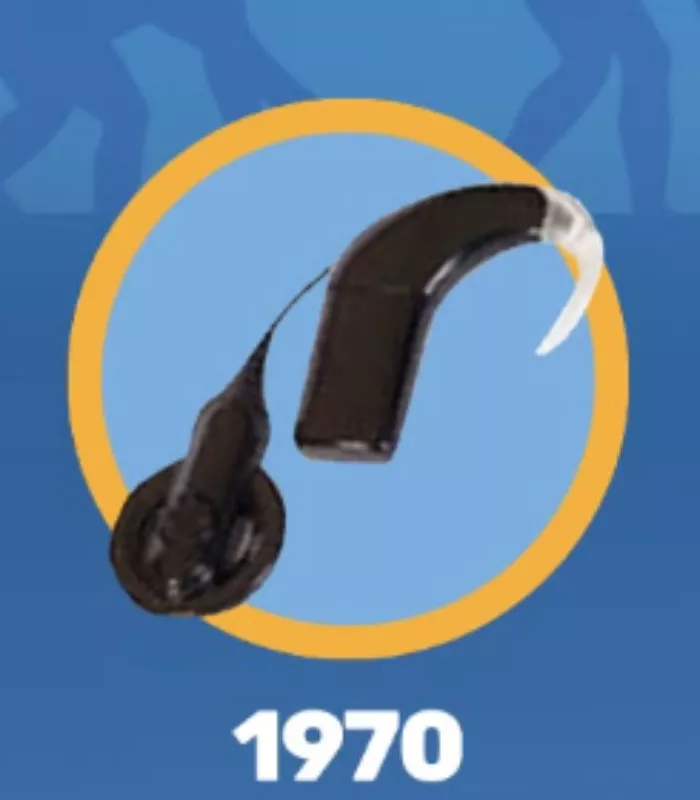
Hearing loss is common in your 70s, and legitimate hearing aids can cost thousands of dollars.
That drives many seniors toward cheap, unregulated devices sold online, which often do more harm than good by amplifying all sounds indiscriminately.
Poor-quality hearing devices can delay proper treatment and actually worsen long-term hearing health.
Why It’s On This List: A licensed audiologist can guide you to affordable, effective options, including newer over-the-counter brands that are properly regulated and clinically tested.
22. Gym or Country Club Memberships
Joining a country club or premium gym feels like a well-earned lifestyle upgrade in retirement.
But initiation fees can run into the tens of thousands of dollars, and monthly dues add up fast even when you visit infrequently.
Busy social schedules and health changes often mean memberships get used far less than expected.
Why It’s On This List: Many community centers and senior-focused fitness programs offer comparable facilities and social activities at a fraction of the price of a private club membership.
23. In-Home Smart Technology Overload
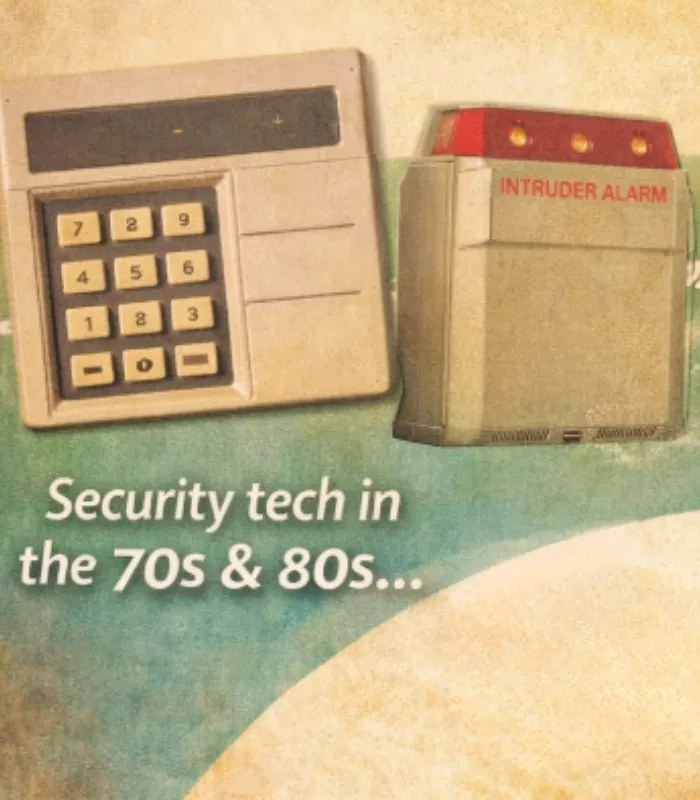
Smart home systems promise convenience with voice-controlled lights, thermostats, security cameras, and more.
But the full setup can cost several thousand dollars, and ongoing app updates and compatibility issues leave many seniors frustrated rather than helped.
When devices stop working or companies discontinue support, the entire system can become useless.
Why It’s On This List: Start with one or two simple smart devices that solve a real daily problem, rather than investing in a full system that requires constant tech maintenance to function properly.