

Nobody sets out to fill their attic with worthless things.
It happens one reasonable-sounding purchase at a time.
A plate here. A figurine there. A fur coat that costs more than a used car.
Each one came with a story about value, legacy, and smart financial thinking.
Each one is now losing a bidding war to a $4 throw pillow at Goodwill.
1. Encyclopedia Sets
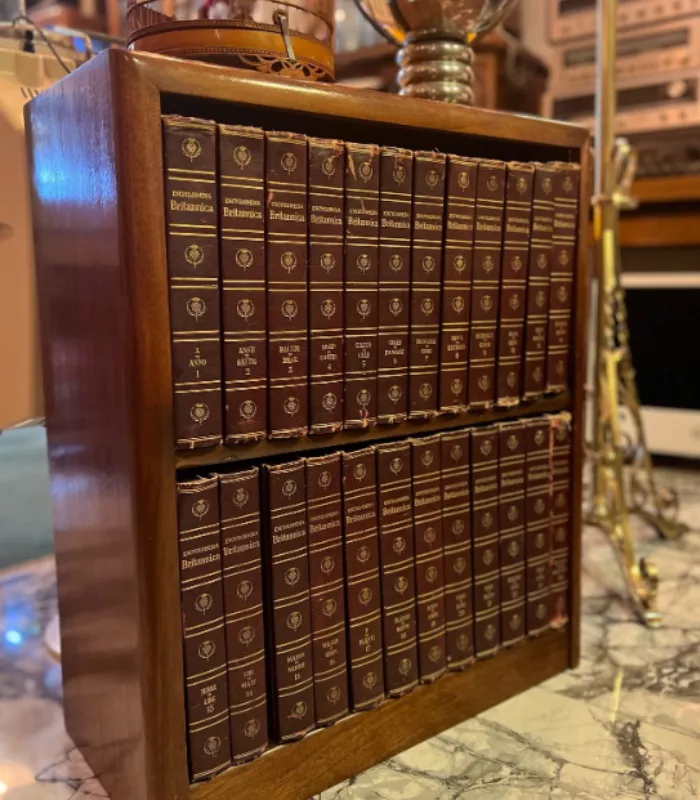
Encyclopedia sets were a big deal in the 1970s and 80s.
Families spent thousands of dollars on them.
A full set of Encyclopedia Britannica once cost over $1,400.
Today, you can find them at garage sales for a few dollars — or not at all.
Nobody wants them anymore. The internet replaced them overnight.
Libraries stopped accepting donations years ago because the shelves were already full of unwanted sets.
Why It’s On This List: A set that once cost the equivalent of $4,000+ in today’s money now sells for next to nothing. Some thrift stores won’t even accept them as donations.
2. VHS Tape Collections
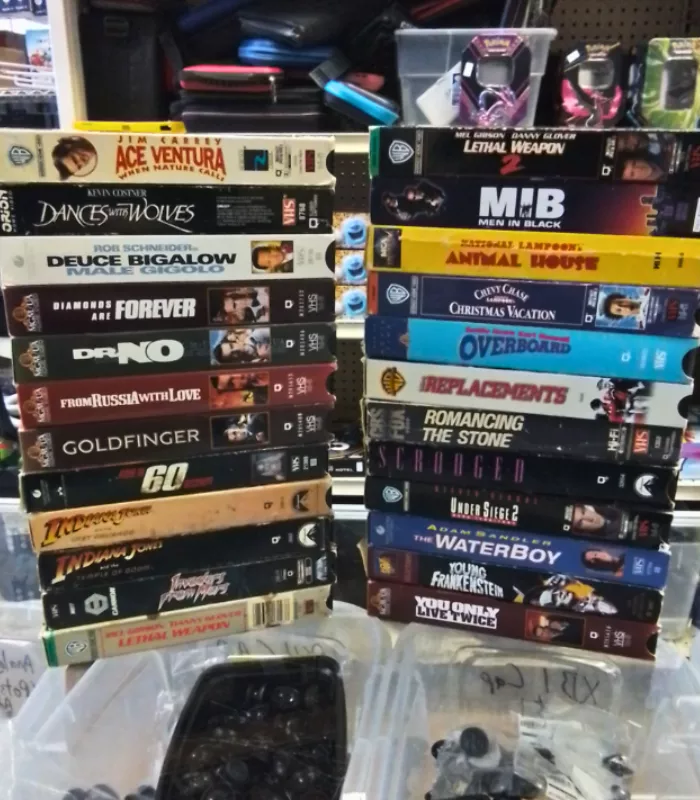
Millions of Baby Boomers built massive VHS libraries.
A single movie tape could cost $20 to $30 in the 1980s.
That adds up fast when you have hundreds of them.
But here’s the catch: most VHS tapes are worth $1 or less today. Even popular titles rarely sell for more than a few dollars.
The tapes also degrade over time, so many are unplayable.
Even rare titles that once commanded premium prices are now available for free or pennies through streaming and digital rentals.
Why It’s On This List: Streaming services made physical video collections nearly worthless. A collection worth hundreds of dollars in 1995 might fetch $10 at a yard sale today.
3. China Dinner Sets
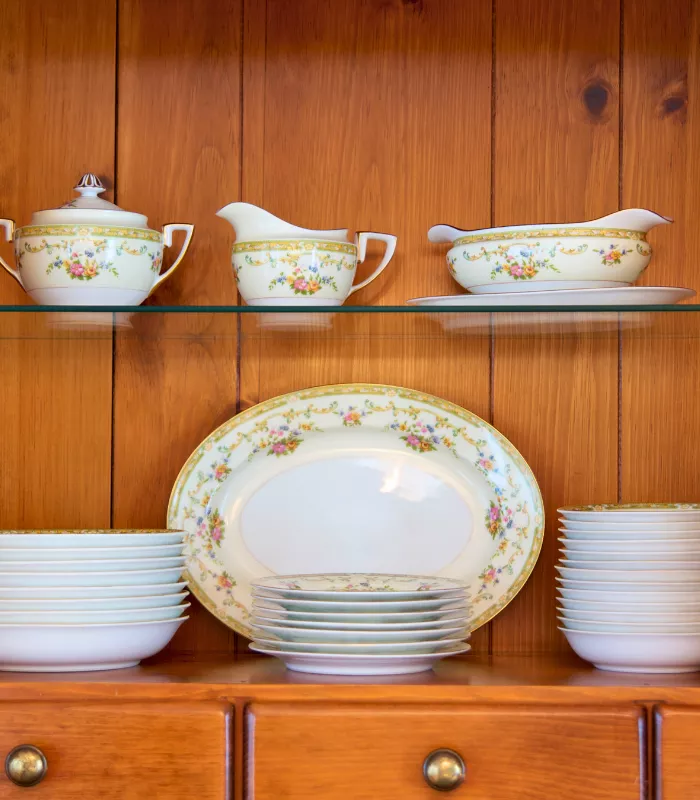
Fine china was once a must-have wedding gift.
Families stored it carefully and saved it for special occasions.
Brands like Lenox and Royal Doulton were considered valuable investments.
Younger generations simply are not interested in formal dining.
That’s why antique dealers and auction houses are flooded with unwanted china sets that barely sell.
Many adult children are quietly donating full sets of their parents’ treasured items for decades without a second thought.
Why It’s On This List: A 12-piece china set that cost $500 in the 1970s often sells for under $50 today. Millennials prefer casual dishware, and the resale market has completely collapsed.
4. Beanie Babies
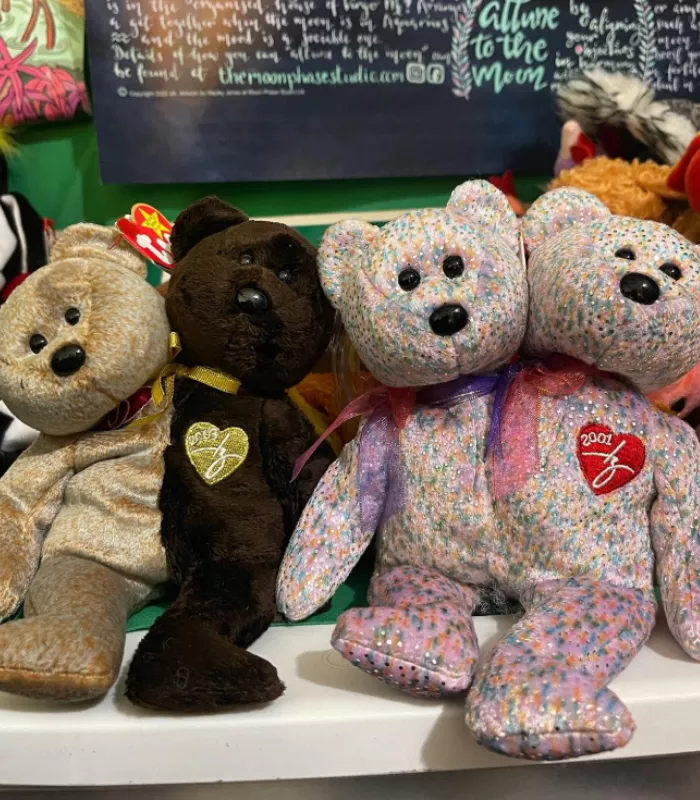
In the 1990s, people were convinced Beanie Babies were going to make them rich.
Some collectors spent tens of thousands of dollars on rare ones.
They stored them in plastic cases with tags intact.
But here’s the deal: almost all Beanie Babies are worth under $5 today. Only a tiny handful of ultra-rare versions hold any real value.
Online resale platforms are flooded with mint-condition Beanies that sit unsold for months at a time.
Why It’s On This List: The Beanie Baby craze is one of the most famous collectible bubbles in history. An estimated $1 billion worth of Beanies were sold at peak hype — and most are now gathering dust.
5. Timeshares

Timeshares seemed like a smart vacation investment back in the day.
Salespeople pitched them as real estate that would grow in value.
Millions of Boomers signed on the dotted line.
The truth? Timeshares almost never increase in value. Many are listed for $1 on resale sites — and still do not sell.
Owners often pay thousands in annual maintenance fees on top of that.
An entire industry of timeshare exit companies now exists just to help people escape contracts they deeply regret signing.
Why It’s On This List: According to the American Resort Development Association, the average timeshare costs over $22,000 upfront. On the resale market, that same unit is often worth close to zero.
6. Fur Coats
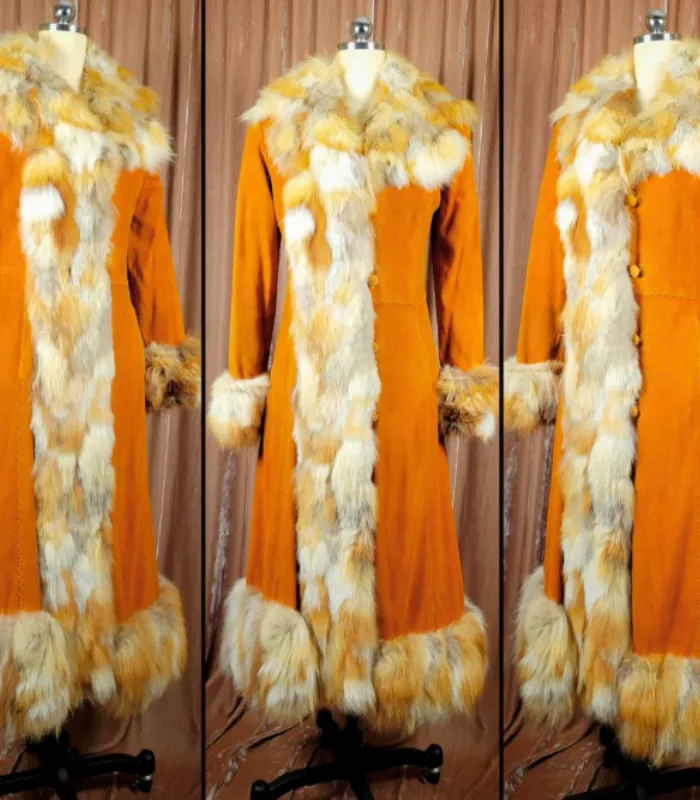
A mink or fox fur coat was the ultimate luxury item for decades.
Some coats cost the equivalent of $10,000 or more in today’s money.
They were passed down as family heirlooms.
You’re better off donating one to an animal shelter for bedding than trying to sell it. The fur market has collapsed due to changing attitudes and animal welfare concerns.
Consignment shops that once specialized in luxury resale now quietly turn fur coats away at the door.
Why It’s On This List: Vintage fur coats that once sold for thousands now struggle to find buyers at $50. Many consignment shops and thrift stores refuse to accept them at all.
7. Laser Disc Players and Discs
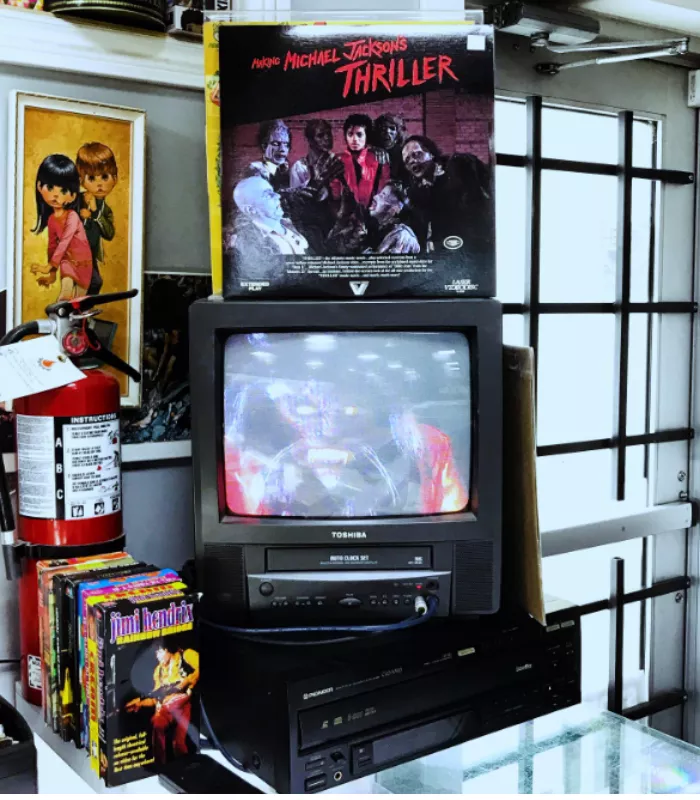
Laser discs were cutting-edge home entertainment in the late 1970s and 80s.
The players cost over $1,000, and each disc ran $25 to $35.
Early tech adopters invested heavily in the format.
Then VHS won the format war. Then DVDs came. Then streaming arrived.
The entire format was obsolete before most people even heard of it.
Most laser disc players no longer function, making the disc collections that go with them completely unusable.
Why It’s On This List: Laser disc collections are nearly impossible to sell today. Most players no longer work, and finding someone who wants the discs is extremely rare.
8. Collector Plates
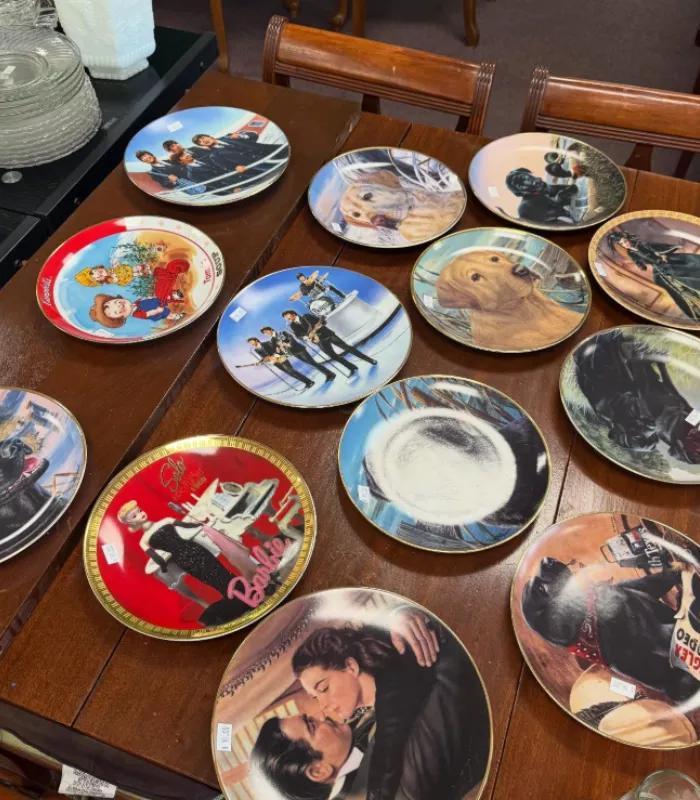
Danbury Mint and Franklin Mint collector plates were marketed as valuable art.
Ads in magazines promised they would increase in value over time.
Millions of Boomers bought them as investments.
That was not true. Collector plates flooded the market and demand never materialized.
Most sell for $1 to $5 at estate sales today, if they sell at all.
The decorative style has also fallen completely out of fashion, making them hard to even display without looking dated.
Why It’s On This List: Franklin Mint and similar companies produced millions of “limited edition” plates — so limited that the market is permanently oversupplied. A plate that cost $40 in 1985 is worth pennies today.
9. DVD and CD Collections
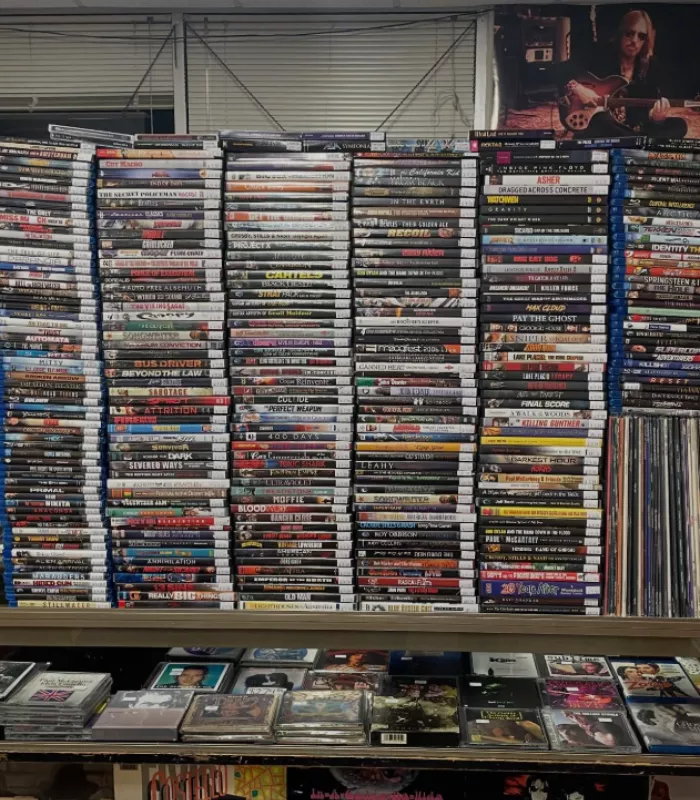
Physical media collections were a point of pride for many households.
Building a DVD library of 200 or 300 movies costs a small fortune.
Music fans invested just as heavily in CD collections.
Streaming changed everything almost overnight.
Today, used DVDs sell for $1 or less, and most thrift stores have entire walls they cannot give away.
Bulk lots of hundreds of DVDs listed online often receive no offers, even when priced at next to nothing.
Why It’s On This List: A DVD collection worth $2,000 in 2005 might bring in $30 at a garage sale today. CDs fare slightly better but still hold very little resale value compared to their original cost.
10. Certain Hummel Figurines
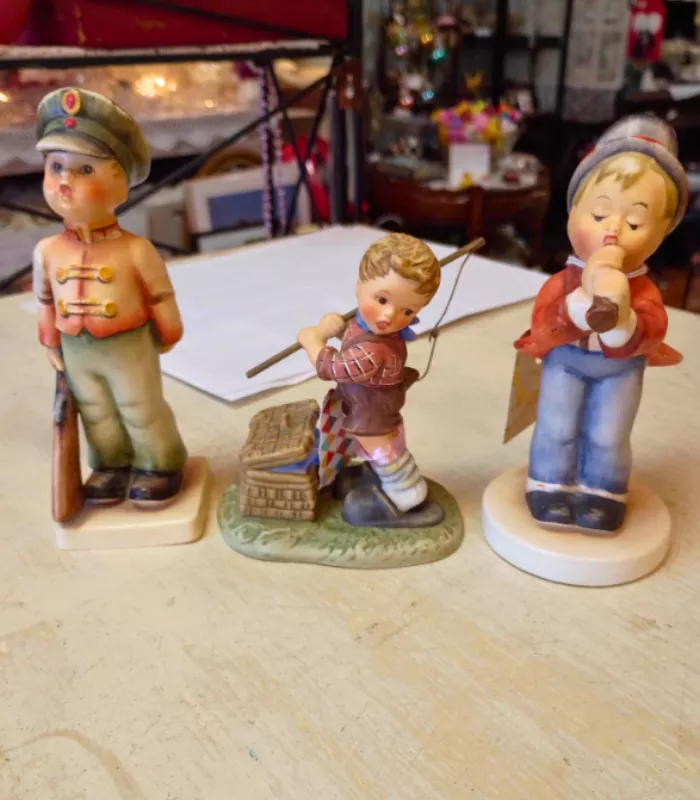
Hummel figurines were considered a serious collectible investment for decades.
Some pieces sold for hundreds or even thousands of dollars at their peak.
Grandparents passed them down, expecting them to grow in value.
But here’s the deal: the collectibles market softened dramatically, and most Hummels sell for a fraction of what families paid.
Only the rarest, oldest pieces still command strong prices.
The generation that built the demand for Hummels is now downsizing, which has flooded the resale market all at once.
Why It’s On This List: A Hummel that cost $200 in the 1980s often sells for $20 to $40 today. The generation that valued them is downsizing, and younger buyers have no interest in the category.
11. Porcelain Dolls
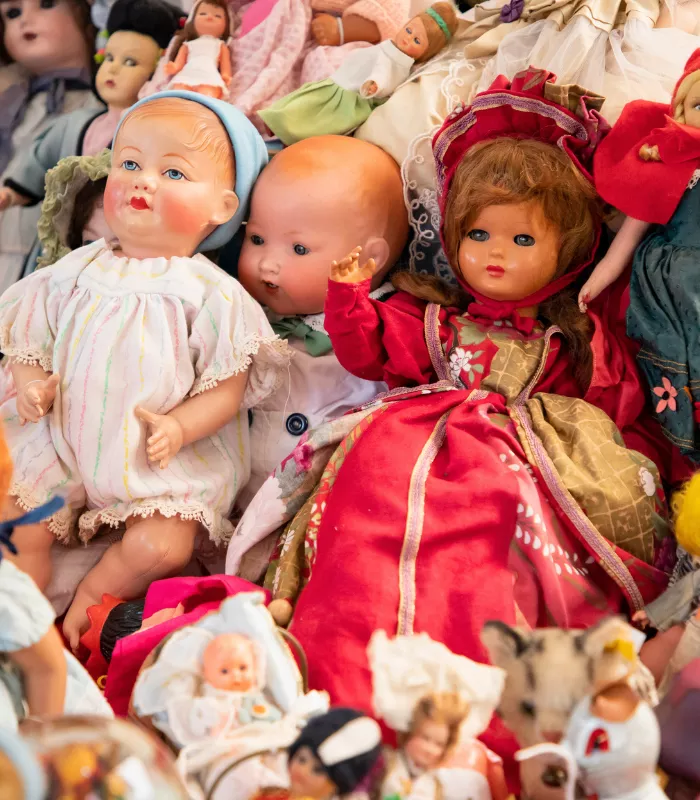
Porcelain dolls were treated like fine art in Boomer households.
They sat in glass cases, never touched, always displayed.
Parents paid good money for them, believing they would hold or grow in value.
But here’s the catch: the market for porcelain dolls has almost completely dried up.
Most sell for under $15 today, and many listings sit online for months without a single buyer.
Pop culture has not helped either — porcelain dolls are now more associated with horror movies than heirloom collections.
Why It’s On This List: Younger buyers find them more unsettling than appealing. Thrift stores receive constant donations and struggle to move them. A doll that cost $80 in 1988 is lucky to fetch $10 at an estate sale today.
12. Antique Furniture

Dark wood hutches, roll-top desks, and heavy armoires were once considered smart buys.
Boomers inherited or purchased antique furniture expecting its value to climb.
For a long time, it did.
Then tastes shifted hard toward modern, minimal, and light-colored furniture.
Today, moving companies charge more to haul these pieces than they are worth at auction.
Many families are paying removal services just to get large antique pieces out of homes during estate cleanouts.
Why It’s On This List: The market for traditional dark wood antiques has collapsed over the past 20 years. A solid mahogany dining set that sold for $3,000 in 1995 may not fetch $300 today, even in excellent condition.
13. Sports Cards from the Overproduction Era
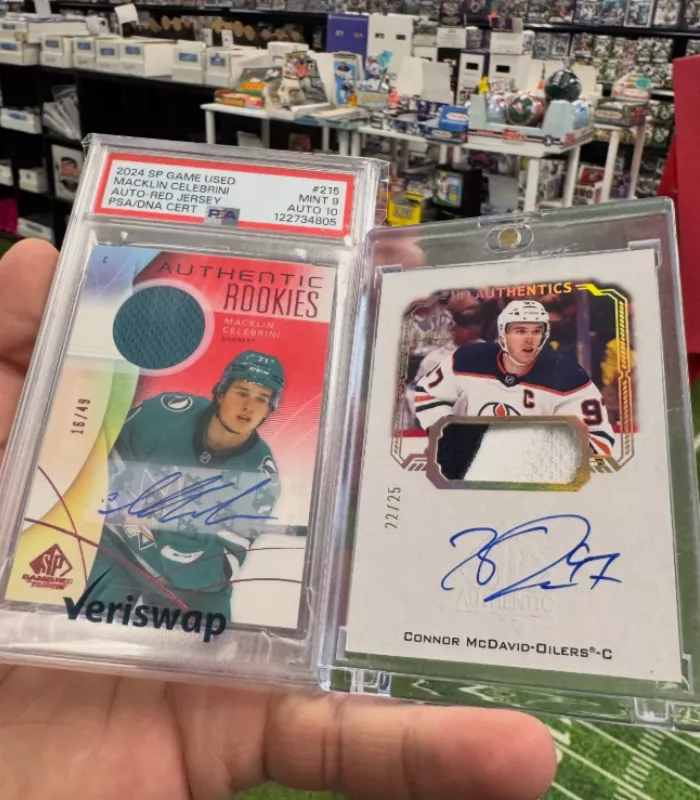
Baseball and football card collecting was a serious hobby for millions of Boomers.
Cards from the late 1980s and early 1990s seemed like sure-fire investments.
The problem? Card companies printed millions and millions of identical copies.
That’s why most cards from that era are worth pennies, not thousands.
Only rookie cards of Hall of Famers in mint condition carry any real value.
Shoeboxes of hundreds of cards from that period sell as bulk lots for less than the cost of a fast food meal.
Why It’s On This List: The overproduction era of 1987 to 1994 flooded the market permanently. A shoebox of 500 cards from that period might sell for $5 as a lot. Collectors today call it the “junk wax era” for a reason.
14. Entertainment Centers Built for Tube TVs
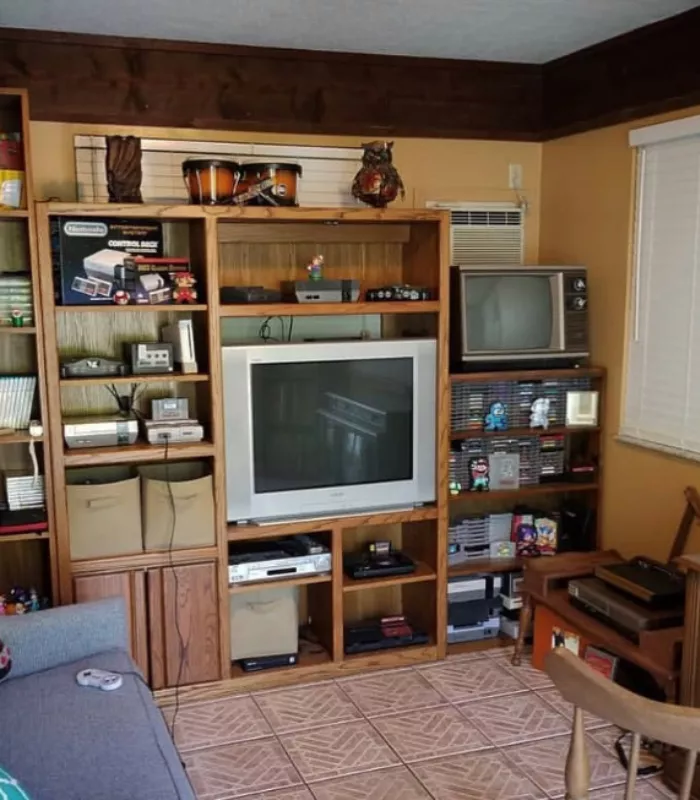
These massive wood units were custom-built to hold heavy, deep tube televisions.
They were marketed as long-term furniture investments built to last a lifetime.
Many cost $500 to $2,000 when new.
Then flat-screen TVs arrived, and the units became instantly useless.
You’re better off listing one for free on Facebook Marketplace than trying to sell it. Most people still will not come pick it up.
The deep cabinet openings designed for bulky tube TVs cannot accommodate any modern screen, leaving the units with no practical purpose at all.
Why It’s On This List: These units are too big for modern homes and too outdated to repurpose easily. They are one of the most commonly abandoned pieces of furniture in America today, often left at the curb during moves.
15. Exercise Equipment Bought in Bulk
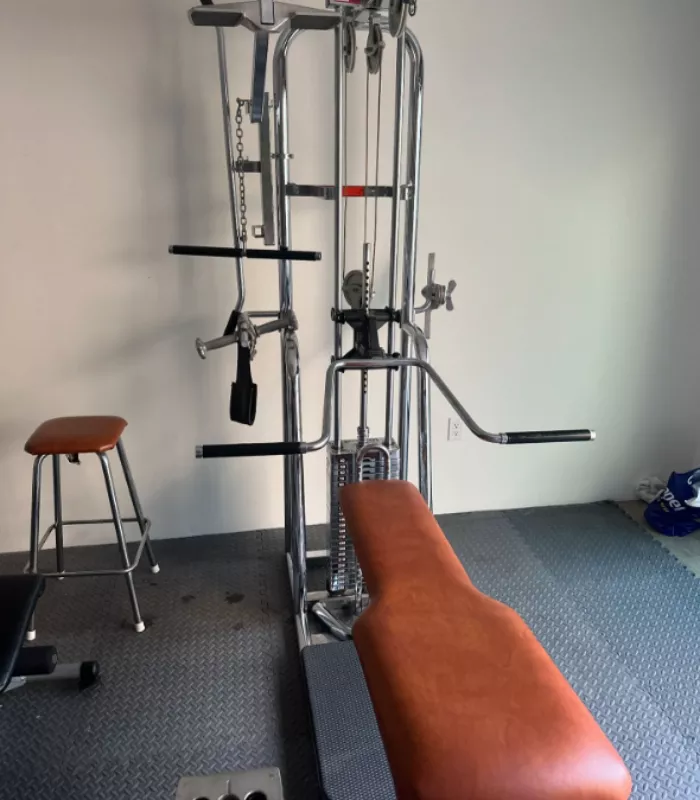
Boomers bought treadmills, stationary bikes, ab rollers, and stair steppers by the millions.
Infomercials ran around the clock, selling the promise of a better body.
The equipment was expensive. The motivation often was not.
Most machines became very expensive coat racks within six months.
The secondhand market is so flooded that even lightly used treadmills sell for $50 or less.
Resale apps are so oversupplied with used exercise equipment that sellers often have to offer free delivery just to get someone to take it.
Why It’s On This List: A NordicTrack treadmill that cost $1,500 in 1998 often sells for under $75 today. Resale apps like Facebook Marketplace are filled with barely used machines at deeply discounted prices.
16. National Geographic Magazine Collections

For decades, Boomers saved every single issue of National Geographic.
Stacks and stacks lined basements, attics, and spare rooms.
The yellow spine felt too important to throw away.
The hard truth? Libraries and schools stopped accepting donations years ago.
Complete collections covering decades of issues are listed for free online and still go unclaimed.
Some families have resorted to tearing out individual photos for art projects just to find some use for decades’ worth of saved issues.
Why It’s On This List: All of that content is available digitally now, making physical copies nearly irrelevant. A 40-year collection taking up an entire bookcase is worth close to nothing on the open market today.
17. Precious Moments Figurines
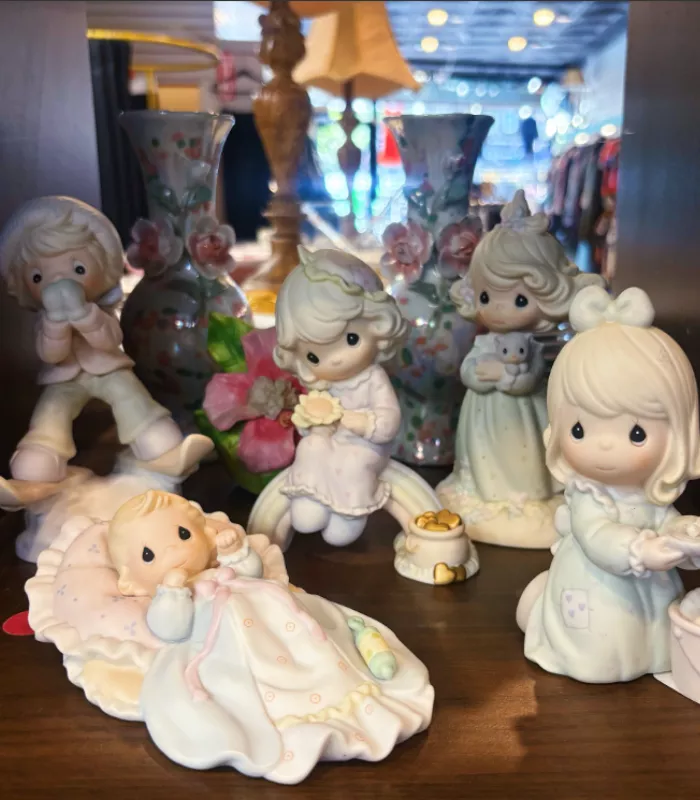
Precious Moments figurines were one of the best-selling collectibles of the 1970s, 80s, and 90s.
Limited editions were snapped up at full retail price with the expectation of future profits.
Millions of families have curio cabinets full of them.
That future profit never came. Even mint-in-box pieces sell for $5 to $20 at most.
Younger buyers have no interest in the category, and supply far outpaces demand.
Entire curio cabinets packed with Precious Moments pieces are listed at estate sales and left behind when the sale ends.
Why It’s On This List: Precious Moments pieces that originally cost $40 to $100 now routinely sell for under $10 at estate sales. Secondary market prices have dropped by 80% or more from their peak values in the 1990s.