

I went in for milk, the other day. Just milk.
I left with a full cart.
Stuff I didn’t need.
Stuff I probably shouldn’t eat as much anymore.
It’s not really about willpower.
Stores are designed this way. Some sections are hard to walk past.
And after 50, what you put in that cart matters a lot more.
1. The Bakery Section

The smell of fresh bread is hard to resist.
But here’s the catch: most bakery items are made with refined white flour and loads of added sugar.
For people over 50, that combination can spike blood sugar fast.
One large bakery muffin can pack over 400 calories and nearly 40 grams of sugar.
That is more sugar than a can of soda.
If you do visit the bakery section, look for items made with whole grains and check the nutrition label before placing anything in your cart.
Why It’s On This List: Bakery goods are often high in refined carbs and sugar, which can raise the risk of blood sugar spikes and weight gain in older adults.
2. The Deli Meat Counter
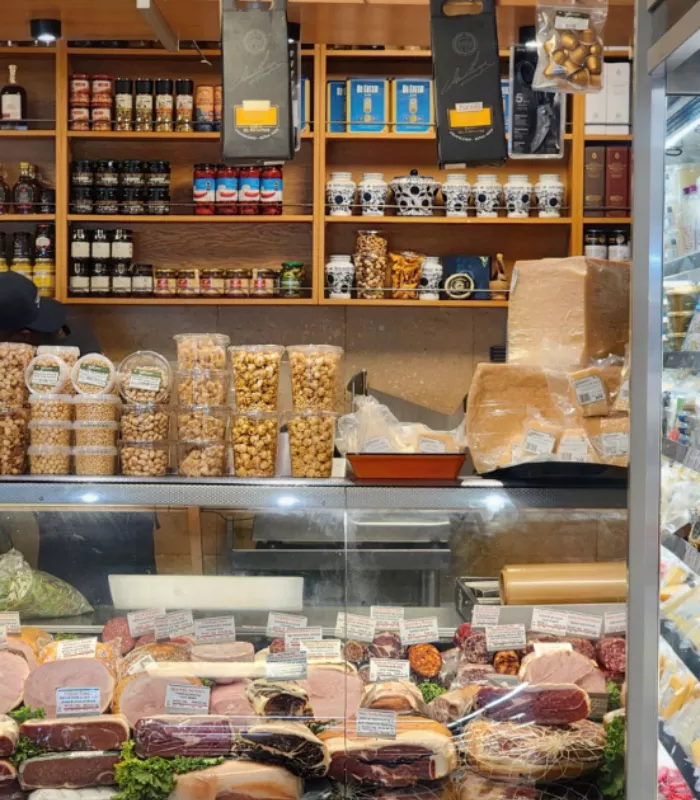
Sliced turkey and ham look like healthy protein choices.
They are not always what they seem.
Most deli meats are packed with sodium, preservatives like nitrates, and added fillers.
The American Heart Association links high sodium intake to high blood pressure, a major concern for adults over 50.
Just two slices of deli ham can contain over 500 mg of sodium.
Fresh grilled chicken or canned tuna with no added salt are far better protein options that give you the same convenience without the chemical overload.
Why It’s On This List: Processed deli meats are linked to higher risks of heart disease and colorectal cancer, especially with regular consumption.
3. The Chip and Snack Aisle
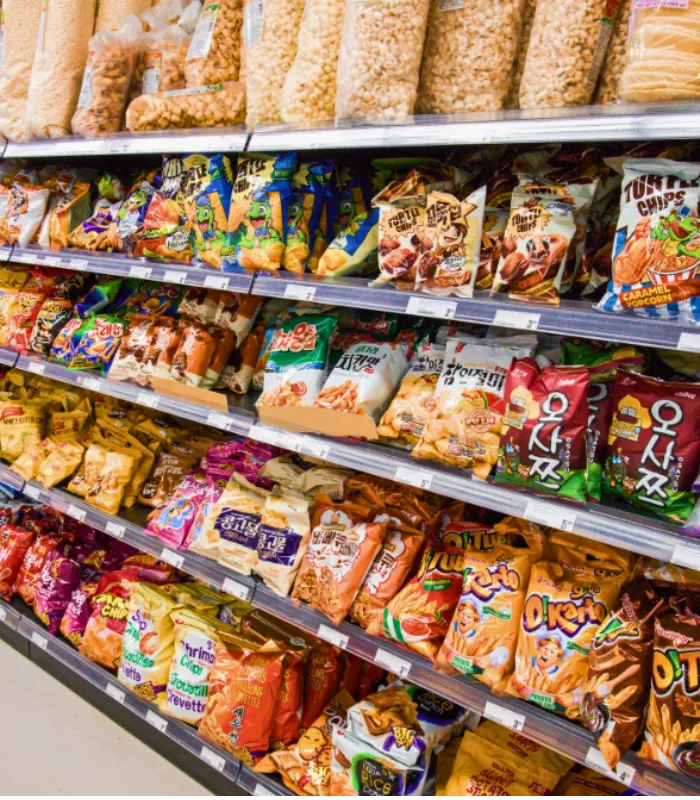
This aisle is designed to grab your attention.
Bright bags, bold flavors, and buy-one-get-one deals make it easy to toss a bag in your cart.
But most chips are fried in low-quality oils and loaded with salt.
A single serving of potato chips has up to 170 mg of sodium, and most people eat two or three servings in one sitting.
That adds up quickly for anyone watching their heart health.
Swapping chips for unsalted nuts or air-popped popcorn gives you that satisfying crunch without the excess sodium and unhealthy fats.
Why It’s On This List: Regular snack chips offer very little nutrition and a lot of empty calories, making them a poor choice for maintaining a healthy weight after 50.
4. The Frozen Meal Section
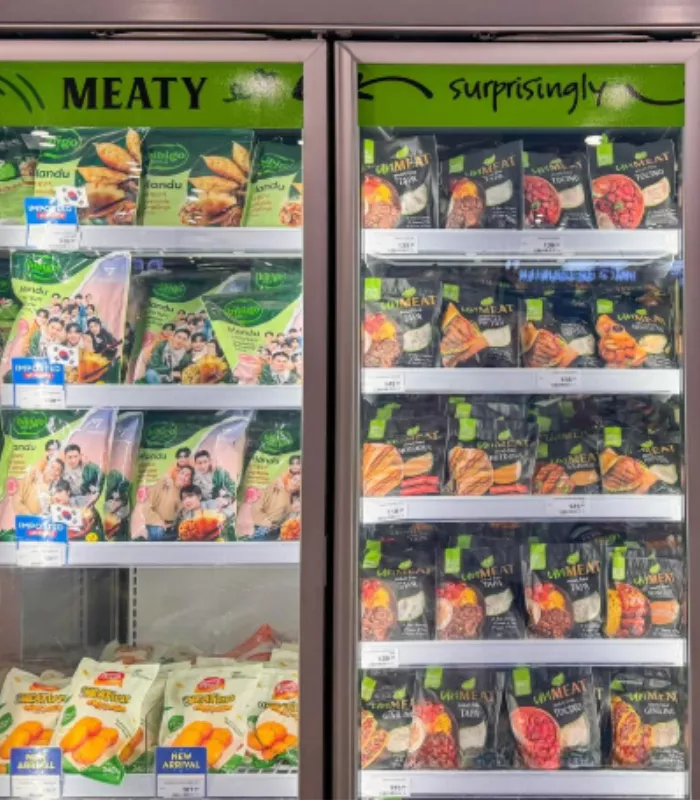
Frozen meals feel like a smart shortcut after a long day.
Many are marketed as “light,” “healthy,” or “lean.”
That’s why so many people over 50 reach for them without a second thought.
But even low-calorie frozen meals often contain over 700 mg of sodium per serving and very little fiber or protein.
Some meals labeled “healthy” have more ingredients than a chemistry textbook.
A better approach is to batch-cook simple meals at home on weekends and freeze them yourself, so you get the convenience without the hidden sodium.
Why It’s On This List: Most frozen meals are highly processed and loaded with sodium, which can raise blood pressure and increase the risk of kidney problems over time.
5. The Sugary Cereal Aisle
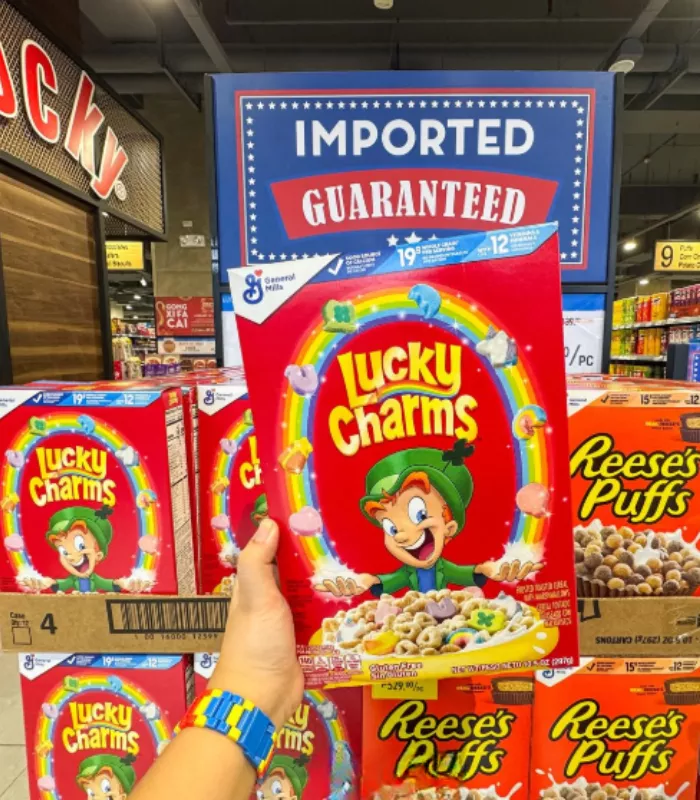
Many of us grew up eating cereal every morning.
It felt like a wholesome breakfast.
But most popular cereals, even the ones that sound healthy, are mostly sugar and refined grains.
Some cereals marketed to adults contain more sugar per cup than a glazed donut.
Fiber is low, protein is low, and blood sugar goes up fast.
Steel-cut oats with fresh fruit and a handful of nuts make a far better morning meal that keeps you full and energized for hours.
Why It’s On This List: Starting the day with a sugary cereal can lead to energy crashes and cravings, making it harder to manage weight and blood sugar as you get older.
6. The Candy and Chocolate Aisle
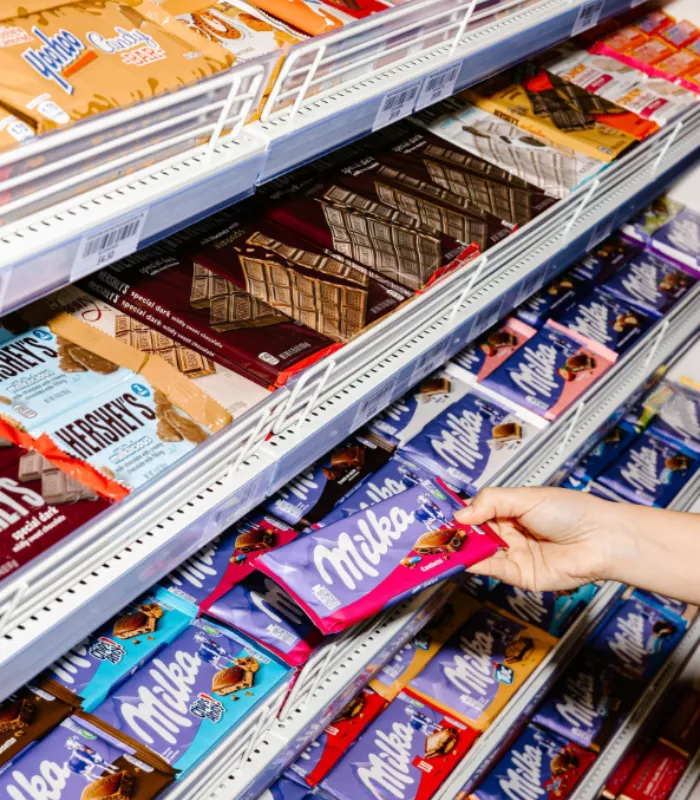
A little treat now and then is perfectly fine.
The problem is that candy aisles are built to make “a little” turn into “a lot.”
Bulk bags, multipack deals, and fun-size options all encourage you to buy and eat more than you planned.
For adults over 50, excess sugar is directly tied to inflammation, joint pain, and weight gain around the midsection.
You are better off satisfying a sweet craving with a small piece of dark chocolate instead.
Dark chocolate with 70% cacao or higher actually contains antioxidants that support heart health, making it a much smarter indulgence.
Why It’s On This List: The candy aisle is engineered for impulse buying, and the sugar load it delivers can quietly harm your health over time.
7. The Soda and Sugary Drink Section
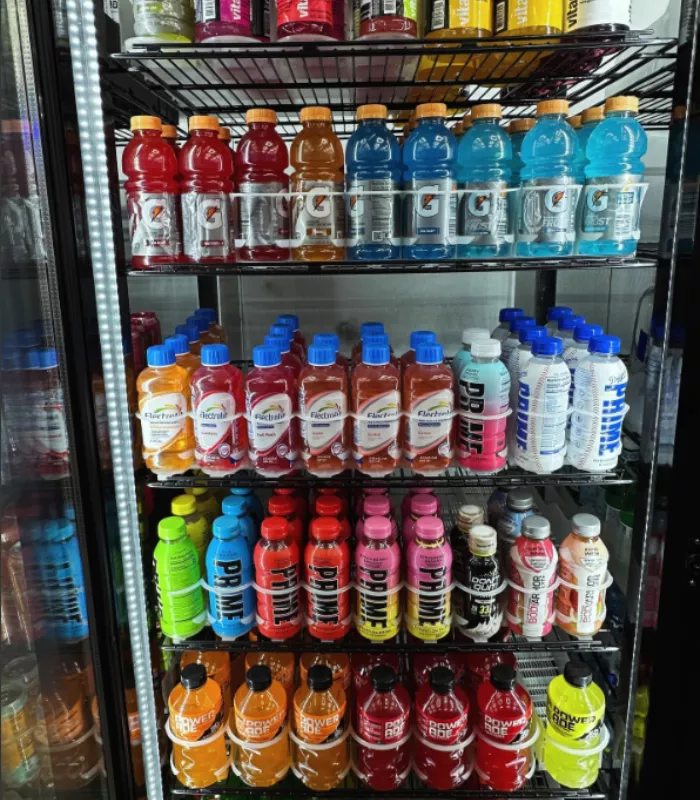
Sodas, energy drinks, flavored waters, and bottled teas fill this section wall-to-wall.
Many of them look refreshing and harmless.
But a single 20-ounce soda contains around 65 grams of sugar, which is more than double the daily recommended limit for women.
Even drinks labeled “natural” or “vitamin-enhanced” often carry 30 to 40 grams of added sugar.
Liquid calories are easy to forget, but your body still counts them.
Sparkling water with a squeeze of fresh lemon or lime gives you that fizzy satisfaction with zero sugar and zero guilt.
Why It’s On This List: Sugary drinks are one of the fastest ways to take in empty calories, and regular consumption is strongly linked to type 2 diabetes and weight gain in older adults.
8. The Instant Noodle and Soup Section
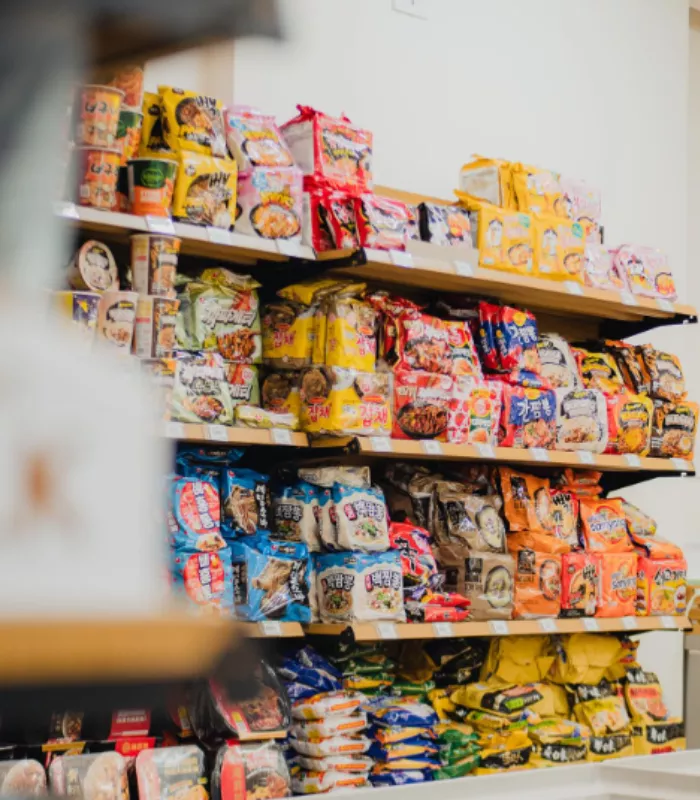
Instant noodles and canned soups are cheap, fast, and filling.
That makes them very appealing on a fixed budget.
But the sodium levels in this section are alarming.
One packet of instant noodles can contain over 1,700 mg of sodium, which is nearly your entire daily limit in one small meal.
High sodium intake over time is one of the leading contributors to high blood pressure and stroke.
If you love soup, look for low-sodium versions or make a simple homemade broth with fresh vegetables and herbs on the weekend.
Why It’s On This List: Convenience soups and noodles may seem like smart budget meals, but their extreme sodium content makes them a hidden health risk for people over 50.
9. The Coffee Creamer and Flavored Drink Mix Aisle
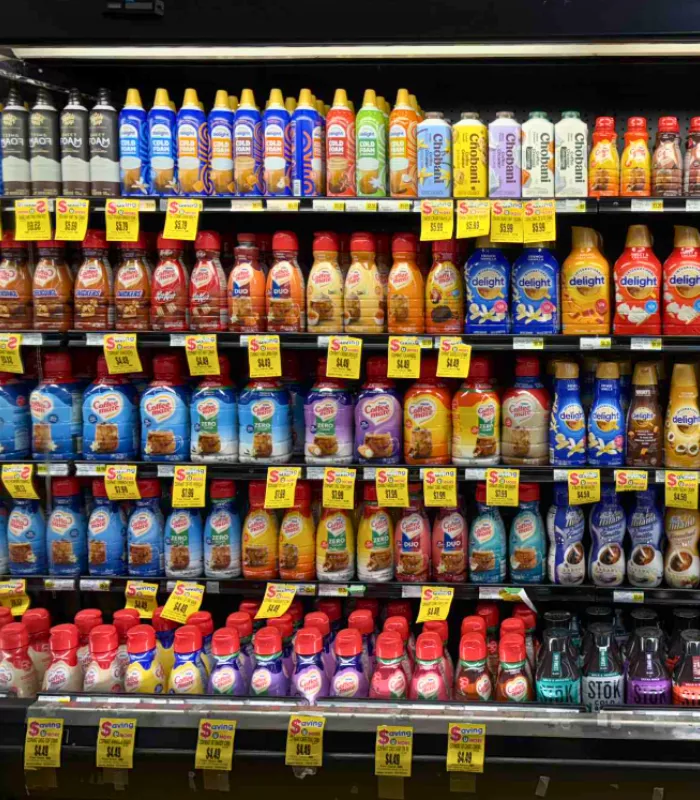
Flavored creamers and powdered drink mixes seem small and harmless.
But I made a classic mistake of adding two or three tablespoons of creamer to every cup, not realizing that one tablespoon can contain 5 grams of sugar and hydrogenated oils.
Multiply that by three cups of coffee a day, and you are adding significant hidden sugar without knowing it.
Many creamers also use partially hydrogenated vegetable oils, which are linked to higher LDL cholesterol levels.
Unsweetened almond milk or a small splash of whole milk are much cleaner options that still make your coffee feel rich and satisfying.
Why It’s On This List: Flavored creamers and drink mixes add up fast. The hidden sugars and unhealthy fats in them can quietly impact your cholesterol and blood sugar levels.
10. The Packaged Cookie and Cracker Aisle
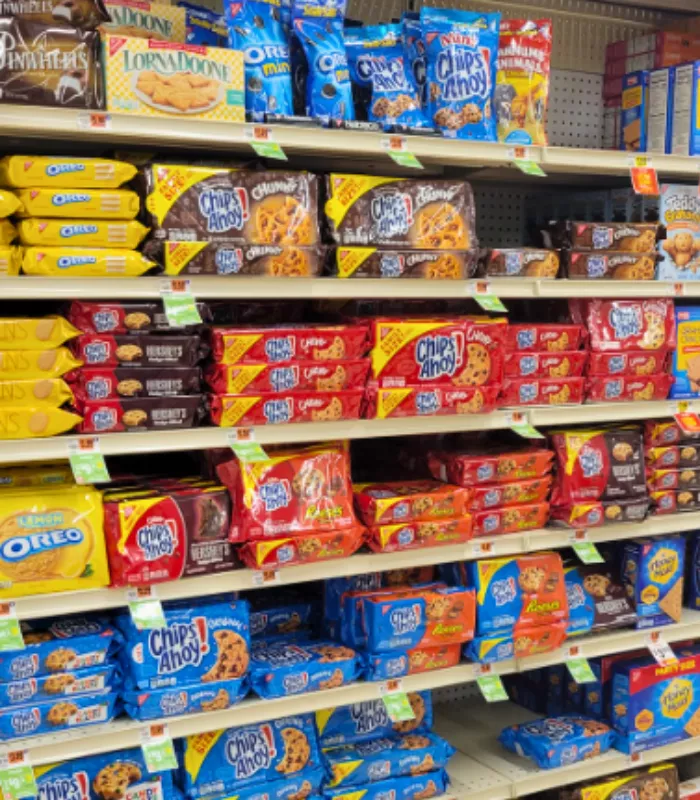
Crackers feel like a smart, light snack.
Cookies feel like a small reward.
But most packaged options in this aisle are made with refined flour, added sugar, and partially hydrogenated oils.
Even crackers marketed as “whole grain” or “baked, not fried” often have long ingredient lists full of additives and preservatives.
Portion sizes on the label are small by design, so it is easy to eat two or three servings without realizing it.
Rice cakes, whole-grain rye crackers, or a small handful of almonds are snack alternatives that actually give your body something useful.
Why It’s On This List: Packaged cookies and crackers are highly processed and easy to overeat, making them one of the sneakiest sources of excess calories and unhealthy fats in the grocery store.
11. The Salad Dressing and Condiment Aisle
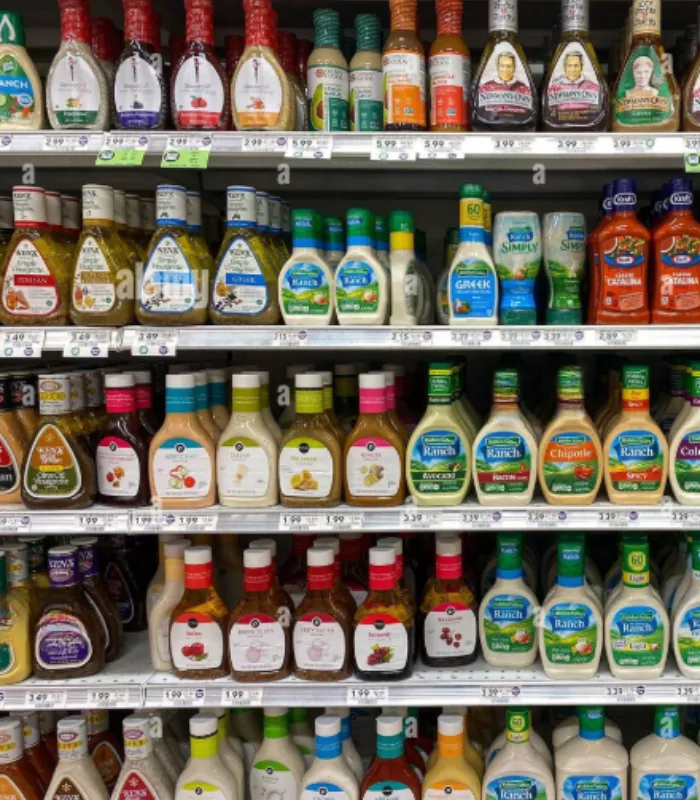
Salad dressings look like a healthy addition to a good meal.
But most bottled dressings are loaded with added sugar, refined oils, and sodium.
A single two-tablespoon serving of a popular ranch or Caesar dressing can have over 300 mg of sodium and 12 grams of fat.
Most people pour far more than two tablespoons without realizing it.
That’s why a “healthy” salad can easily turn into one of the worst things on your plate.
A simple homemade dressing made with olive oil, lemon juice, and a pinch of garlic takes two minutes and costs almost nothing.
Why It’s On This List: Bottled dressings and condiments are one of the most overlooked sources of hidden sugar and sodium, making them a quiet but real threat to heart health for adults over 50.
12. The White Bread and Tortilla Section
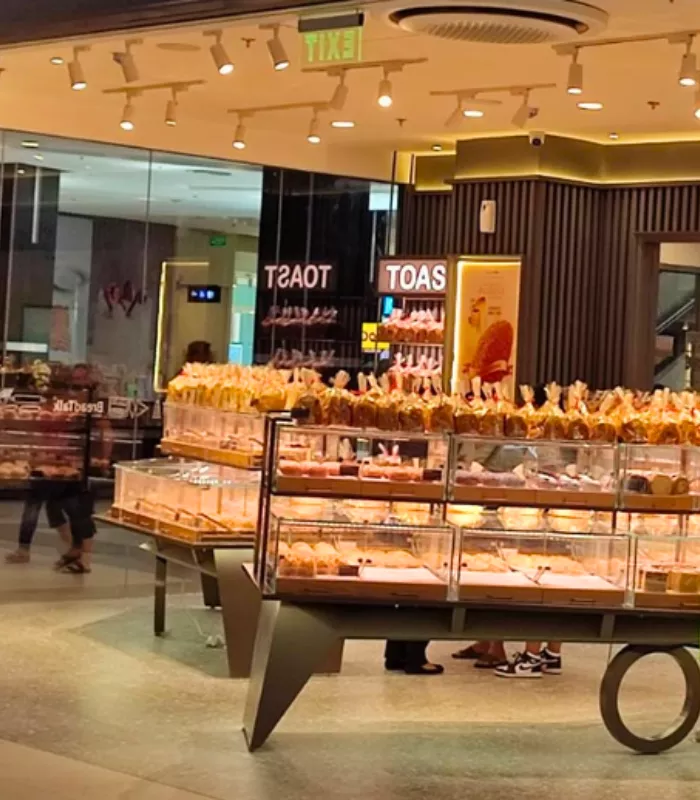
White bread, flour tortillas, and plain rolls are grocery staples for many families.
They are soft, cheap, and familiar.
But white bread is made from refined flour that has been stripped of fiber and most nutrients.
It digests quickly and causes fast blood sugar spikes, which is especially problematic for older adults managing prediabetes or Type 2 diabetes.
You are better off choosing 100% whole grain bread with at least 3 grams of fiber per slice.
Check the ingredient list and make sure “whole wheat” or “whole grain” is the very first ingredient listed, not just mentioned somewhere in the middle.
Why It’s On This List: Refined bread products raise blood sugar fast and offer very little nutritional value, making them a poor daily staple for anyone over 50 watching their metabolic health.
13. The Ice Cream and Frozen Dessert Section

A small bowl of ice cream feels like a well-earned treat.
The problem is that the frozen dessert section is built for big portions and bold flavors.
Many premium ice creams pack 300 to 400 calories per half-cup serving, and most people eat two to three times that amount in one sitting.
Frozen desserts also tend to be high in saturated fat, which raises LDL cholesterol levels over time.
For adults over 50, keeping cholesterol in check is one of the most important things you can do for your heart.
Frozen banana blended with a spoonful of peanut butter makes a surprisingly creamy and satisfying dessert with no added sugar and far fewer calories.
Why It’s On This List: Frozen desserts are easy to overeat and high in saturated fat and sugar, both of which can contribute to heart disease and weight gain as you age.
14. The Processed Cheese Section
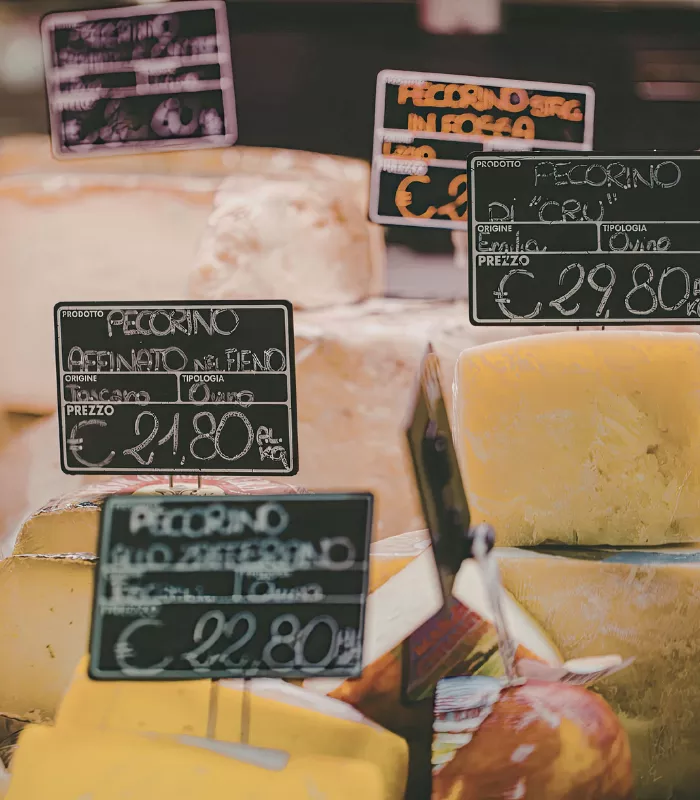
Processed cheese slices and cheese spreads are a longtime pantry favorite.
They melt well, last a long time, and taste familiar.
But processed cheese is not the same as real cheese.
It is made with a mix of actual cheese, emulsifiers, artificial colors, and a surprising amount of sodium.
A single slice of processed American cheese can contain over 400 mg of sodium, which adds up quickly if you use several slices a day.
A small amount of real aged cheese, like sharp cheddar or parmesan, gives you a much bolder flavor with fewer additives, so you naturally use less.
Why It’s On This List: Processed cheese products are high in sodium and additives, and regular consumption can strain the kidneys and raise blood pressure in older adults.
15. The Flavored Yogurt Section
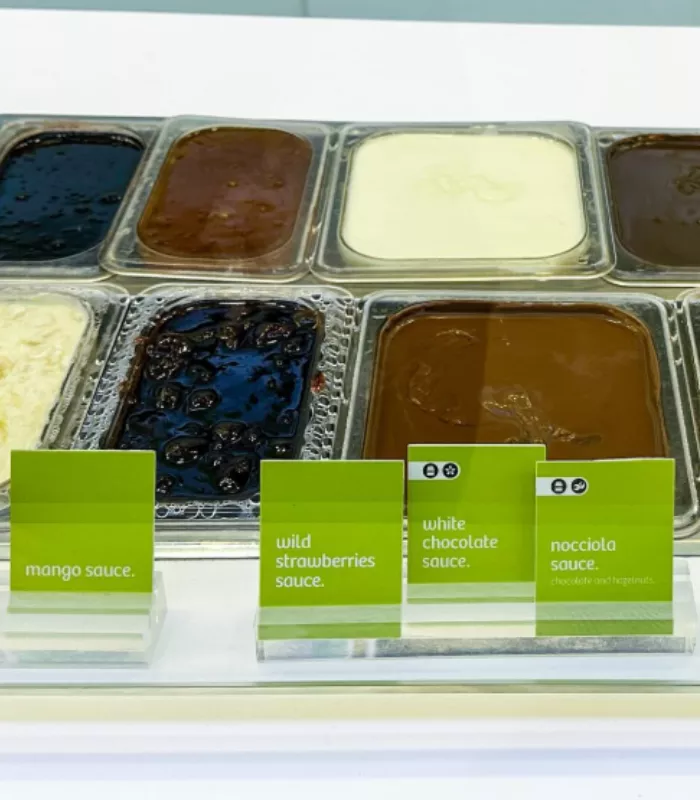
Yogurt has a strong reputation as a health food.
And plain yogurt truly is a great choice, especially for gut health and protein intake after 50.
But here’s the deal: most flavored yogurts on store shelves are closer to dessert than health food.
A single container of fruit-flavored yogurt can contain 20 to 28 grams of added sugar.
That is more sugar than two scoops of many ice creams.
Plain Greek yogurt with a handful of fresh berries and a drizzle of honey gives you all the flavor with a fraction of the sugar.
Why It’s On This List: Flavored yogurts use the health halo of plain yogurt to hide large amounts of added sugar, making them a misleading choice for anyone trying to eat well after 50.
16. The Alcohol and Wine Section
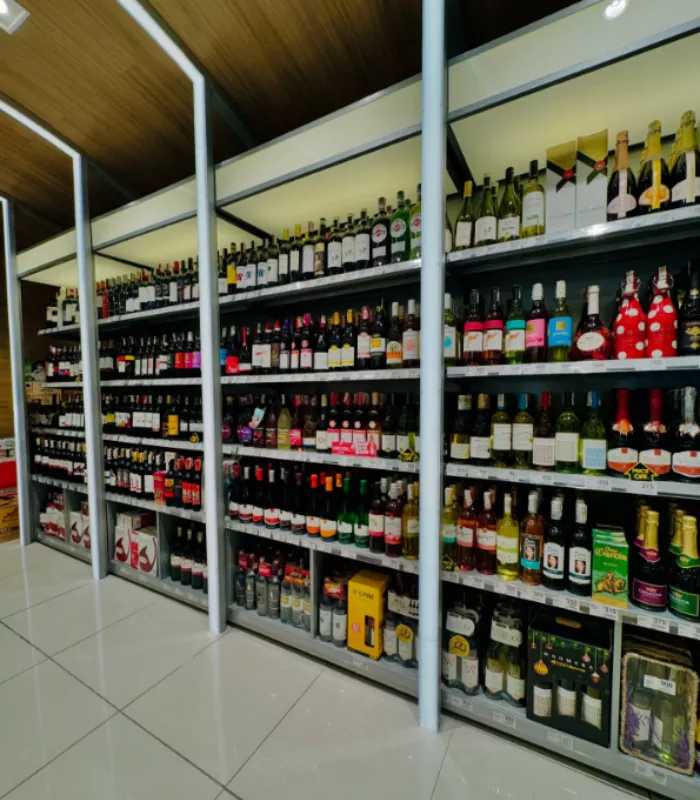
Many adults over 50 enjoy a glass of wine with dinner or a cold beer on the weekend.
That is perfectly understandable.
But as the body ages, it processes alcohol more slowly.
Even moderate drinking can interfere with common medications for blood pressure, cholesterol, and diabetes, which many adults over 50 take daily.
Alcohol is also a source of empty calories, with a single glass of wine adding around 125 calories and no nutritional benefit.
Sparkling grape juice, kombucha, or a mocktail made with sparkling water and fresh fruit can give you that same sense of a special drink without any of the risks.
Why It’s On This List: As metabolism slows with age, alcohol hits harder, interacts with more medications, and adds up in calories faster, making this section one worth approaching with real caution after 50.