

By month three, my kitchen counter looked like a warehouse for things I never ordered on purpose.
Canceling each one felt like escaping a timeshare presentation.
The subscription box industry is worth over $30 billion, and a big chunk of that comes from people who simply forgot to quit.
The typical person maintains roughly 8.2 active subscriptions according to a study by Resubs.
1. Mystery Fashion Boxes

You pay good money every month. But you never know what you’ll get.
Mystery fashion boxes send clothes picked by strangers. They rarely match your taste, size, or style.
Most people keep less than half the items. And returning the rest is often a headache.
Sizes are often inconsistent from brand to brand. A medium in one box might fit nothing like a medium in a store.
The styling choices can also feel very young and trendy, which may not match your personal wardrobe at all.
Some boxes charge a styling fee on top of the monthly cost, meaning you pay just to have someone pick items you may not want.
If you do decide to return everything, the refund process can take weeks and sometimes does not cover the full amount.
The clothes are also rarely from brands you recognize, making it hard to trust the quality before it arrives.
Why It’s On This List: You could end up paying $50 or more a month for clothes you’ll never wear. That’s why so many seniors cancel after just one or two boxes.
2. Trendy Snack Boxes
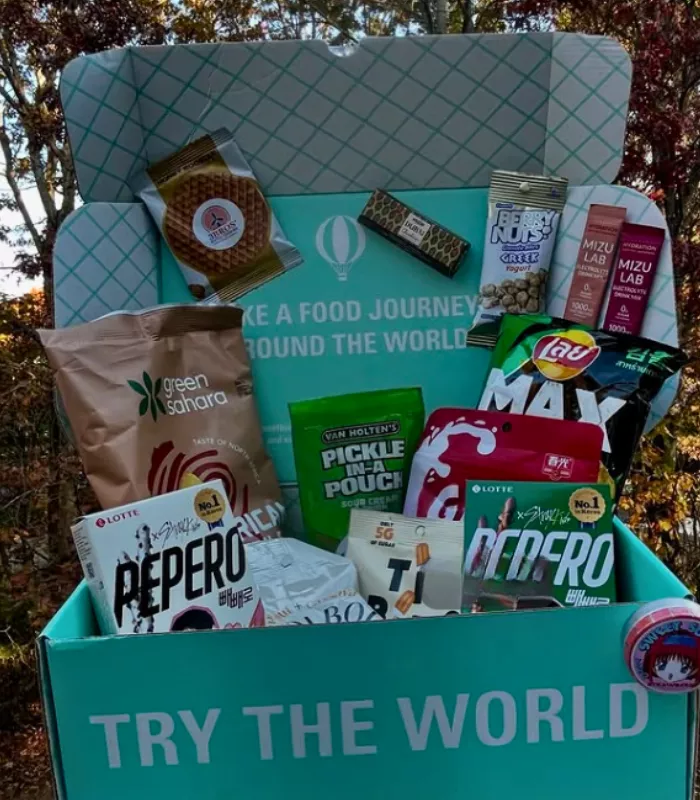
Snack boxes sound fun at first. Who doesn’t love a surprise treat?
But here’s the catch. Many snack boxes are packed with ultra-processed foods, high sodium, and lots of added sugar.
For anyone watching their health, these boxes can do more harm than good.
Many of the snacks are sourced from overseas and may contain allergens that are not clearly labeled.
Portion sizes are also unpredictable, making it hard to track what you are actually eating each day.
Some boxes include novelty items like extreme spicy chips or sour candies that are clearly not designed with older adults in mind.
The packaging is often excessive, with layers of plastic wrap and fillers that go straight into the trash.
And if you have dietary restrictions, there is usually no easy way to filter out items that do not work for you.
Why It’s On This List: Many snack boxes target younger taste buds. The flavors and ingredients may not suit people over 50 who are managing blood pressure, diabetes, or cholesterol.
3. Beauty and Skincare Boxes

Beauty boxes promise luxury products at a low price. It sounds like a great deal.
But most boxes send tiny sample sizes. You rarely get a full-size product you can actually use.
The products inside may also contain strong fragrances or harsh chemicals that irritate sensitive skin.
Many beauty brands featured in these boxes are unfamiliar, making it hard to know what you are actually putting on your face.
You also have no say in what arrives. If a product does not work for you, it simply goes to waste.
Some subscribers report receiving the same or very similar products multiple months in a row, which makes the box feel far less exciting over time.
The value calculation is also misleading. The so-called retail value is often based on full-size prices, but you are only getting a fraction of that amount.
When you do the math honestly, many beauty boxes cost more per ounce than just buying the products you actually want at a drugstore.
Why It’s On This List: Studies show that skin becomes more sensitive with age. Many beauty box products are formulated for younger skin and may cause dryness or irritation.
4. Wine Subscription Boxes

A box of wine delivered to your door sounds wonderful. But the costs add up fast.
Many wine clubs charge $60 to $150 a month or more. And you often have to commit to several shipments before you can cancel.
You’re better off buying wine one bottle at a time from a store you trust.
Wine clubs also tend to send bottles based on their own inventory, not your actual taste preferences.
Shipping wine in warm weather can affect the quality, and many clubs will not replace bottles damaged in transit.
Some clubs require you to purchase a minimum number of bottles per year just to stay a member, locking you into spending more than you planned.
The introductory offers are often misleading, too. A deeply discounted first box is usually followed by full-price shipments that are much harder to justify.
Many members also report that their wine preferences are ignored after the first survey, and the same style of wine keeps arriving regardless of feedback.
Why It’s On This List: Many subscribers report being charged for shipments they forgot about. Canceling can also be surprisingly difficult, with some companies requiring a phone call or written notice.
5. Meal Kit Boxes

Meal kits like to promise home-cooked meals made easy. But the reality is often different.
The portions can be small. The recipes sometimes require 45 minutes or more of prep time.
For seniors living alone or with limited mobility, these kits can feel like more work than they’re worth.
Ingredients often arrive in excessive plastic packaging, which creates a lot of waste to deal with after every delivery.
If you miss a delivery window or your plans change, the food can spoil before you ever get a chance to cook it.
Delivery schedules are often rigid, and skipping a week requires logging in and making changes days in advance, or you get charged anyway.
The recipes also assume a certain level of cooking confidence. Terms like “deglaze the pan” or “julienne the vegetables” can be off-putting if you just want a simple dinner.
For people cooking for one, the two-serving minimum most kits offer means you are almost always left with more food than you can reasonably eat before it goes bad.
Why It’s On This List: A 2023 survey found that nearly 40% of meal kit subscribers canceled within the first three months due to too much food waste and complicated recipes.
6. Book of the Month Clubs

Book clubs have been around for decades. But the modern subscription version comes with strings attached.
You often have to remember to skip a month, or you’ll be charged automatically. Many people forget and end up with books they never wanted.
Missing the opt-out window can cost you $15 to $25 without any warning.
The book selections are chosen by the club, not by you. If the monthly pick does not interest you, your only option is to skip or swap, and that window is often very short.
Over time, unread books pile up on shelves, and the subscription starts to feel more like guilt than enjoyment.
Some clubs only allow you to swap for a limited selection of alternates, so if none of them appeal to you either, you are stuck.
The hardcover editions that most clubs send are also heavier and harder to hold for long reading sessions, which many readers over 50 find uncomfortable.
And if you prefer e-books or large-print editions for easier reading, a physical book subscription simply does not meet your needs at all.
Why It’s On This List: I made a classic mistake myself, thinking I could cancel anytime. Many clubs bury the cancellation rules in fine print, making it harder than expected to stop charges.
7. Pet Toy and Treat Boxes

Pet subscription boxes look adorable in ads. But your pet may not agree.
Cats and dogs can be very picky. Many of the toys get ignored after five minutes.
You may end up with a drawer full of unused pet items and a smaller bank account.
The toys included are often cheaply made and can break apart quickly, creating small pieces that may be a choking hazard for pets.
Many boxes also repeat similar items month after month, making the novelty wear off very fast.
Older pets in particular tend to have specific preferences and physical limitations. A box designed for a playful puppy is simply not right for a calm senior dog.
Treats included in these boxes may also not align with your pet’s dietary needs, especially if your vet has recommended a special diet.
There is usually no way to customize the box for your pet’s age, size, or health condition, which makes the whole concept feel like a guessing game.
Why It’s On This List: Some pet treat boxes have faced recalls over ingredient safety concerns. Always check where ingredients are sourced before giving new treats to your furry family member.
8. Craft and Hobby Boxes

Craft boxes promise a fun new project every month. That sounds great in theory.
But many boxes assume you already have tools, supplies, or experience. Beginners often feel lost.
Projects can also pile up faster than you can complete them, creating clutter and stress.
The instructions included are sometimes poorly written or printed in very small text, which makes following along frustrating.
When a project does not turn out as shown in the photo, there is usually no support line to call for help.
Many craft boxes are also themed around seasonal or pop culture trends that may not resonate with everyone, leaving you with a finished product you have no use for.
The materials included are often just enough for the one project, so if you make a mistake, there is nothing left to try again.
And once the projects start stacking up unfinished, the box begins to feel more like pressure than a hobby.
Why It’s On This List: Many craft boxes come with projects designed for younger adults. The instructions can be hard to follow, and the materials are sometimes flimsy or low quality.
9. Vitamin and Supplement Boxes

Personalized vitamin boxes promise to solve all your health needs. But be careful.
Many of these services are not overseen by doctors or pharmacists. The supplements inside may interact with medications you already take.
Always talk to your doctor before starting any new vitamin or supplement routine.
These boxes often rely on a short online quiz to determine what your body needs. That is not a substitute for real medical advice.
The monthly cost can also creep up quickly, especially when companies quietly add premium products to your next shipment.
Many subscribers do not realize they are being charged for add-ons until they check their bank statements weeks later.
The supplements themselves are also not always tested by independent labs, so the actual potency may be different from what the label claims.
For older adults who are already managing multiple health conditions, adding unverified supplements to the mix can create more problems than it solves.
Why It’s On This List: The supplement industry is not as tightly regulated as prescription medications. Some subscription boxes have included doses far higher than what is recommended for adults over 50.
10. Tech Gadget Boxes
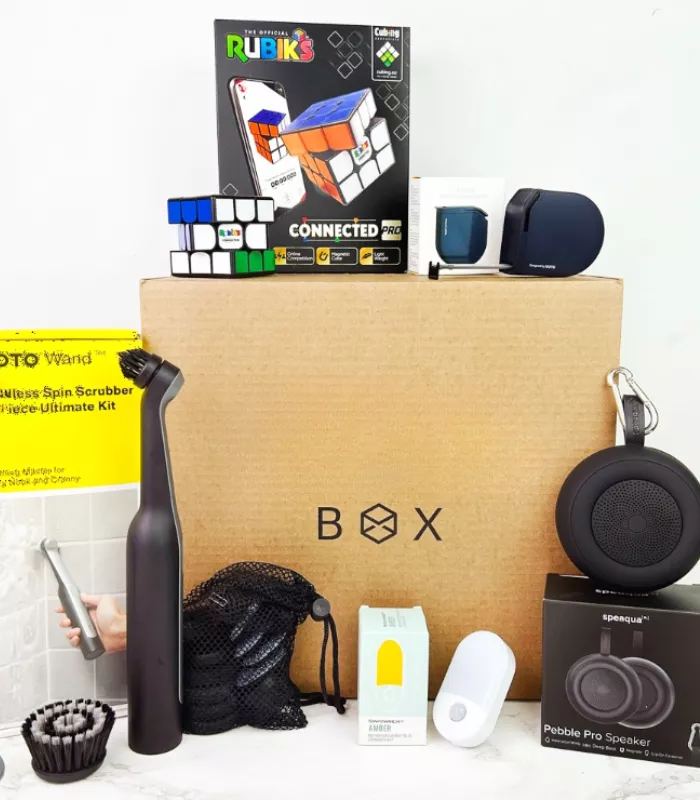
Tech gadget boxes promise the latest and coolest items every month. But most gadgets inside are cheap novelties.
They break easily. They often need apps or Bluetooth connections that can be confusing to set up.
Many subscribers say the items feel like dollar-store quality with a premium price tag.
Setup instructions are often vague, and the customer support offered by these companies tends to be slow or unhelpful.
Most of the gadgets also require charging or batteries, adding one more thing to manage in your daily routine.
Many of the items also become obsolete very quickly, especially if they depend on an app that stops being updated within a year.
The boxes are often themed around gaming or internet trends that have little relevance to most adults over 50.
When the gadgets stop working, there is rarely a warranty or replacement policy in place, leaving you with a broken item and no way to get your money back.
Why It’s On This List: Most tech gadget boxes target younger audiences. The products rarely come with clear instructions, and customer support can be hard to reach when something goes wrong.
11. Jewelry Subscription Boxes
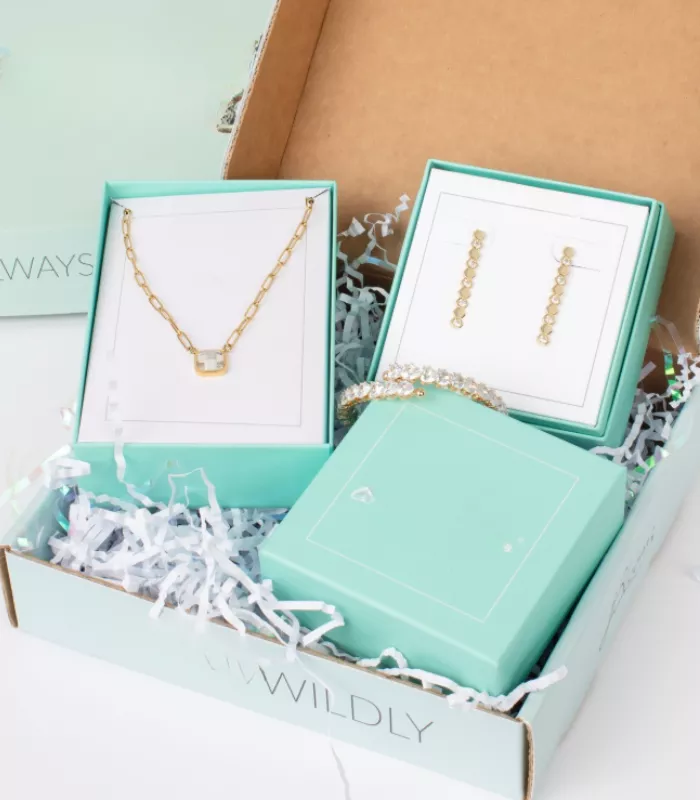
Jewelry subscription boxes promise trendy accessories delivered right to your door every month.
But the pieces inside are almost always costume jewelry made from cheap metals and plastic.
Many subscribers report skin reactions from wearing the jewelry, including rashes and discoloration.
The styles tend to skew very young, featuring chunky necklaces and novelty earrings that do not suit everyone.
There is also no way to choose what you receive, so pieces that do not match your taste simply pile up unused.
Most of these boxes do not allow returns or exchanges on jewelry for hygiene reasons, so you are stuck with whatever arrives.
The retail value claims on the box are often inflated based on prices no one actually pays anywhere.
When you compare the cost of the subscription to what you could buy at a local shop or department store sale, the math rarely works in your favor.
Why It’s On This List: Cheap metals in costume jewelry can cause skin irritation, and with no control over what arrives, most subscribers over 50 end up with pieces they will never actually wear.
12. Kids Activity and Educational Boxes
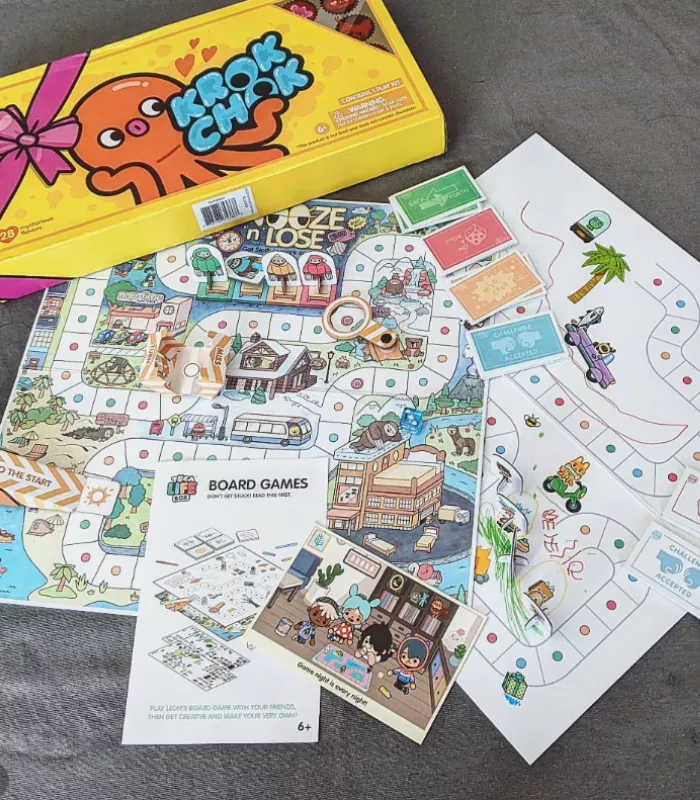
Many grandparents sign up for kids activity boxes with the best of intentions.
They want to send something fun and educational to the grandchildren every month.
But these boxes are age-specific, and children grow out of them fast.
A box that was perfect for a six-year-old may feel too babyish just six months later, making the subscription feel outdated almost immediately.
The projects inside also require adult supervision, which means someone needs to be present to help, adding an extra layer of coordination.
Shipping directly to grandchildren across town or across the country also means you never actually see the reaction, which removes much of the joy of giving.
Many of these boxes also contain small parts or craft materials that require careful handling, which can be a safety concern for younger children in the household.
A one-time gift or a personal shopping trip together would almost always mean more to a child than a recurring box picked by an algorithm.
Why It’s On This List: Children change interests quickly, and a subscription locked in for three to six months can become irrelevant fast, leaving grandparents paying for something no one is excited about anymore.
13. Fitness and Workout Gear Boxes

Fitness subscription boxes promise to keep you motivated with new workout gear and accessories every month.
But most of the items inside are things you will never actually use.
Resistance bands, foam rollers, and protein samples sound great on paper but tend to accumulate in a corner quickly.
The gear is often sized and designed for high-intensity workouts that may not be appropriate for adults over 50 with joint or mobility concerns.
Many boxes also include single-use supplement samples with ingredients that are not suitable for people managing heart conditions, blood pressure, or other health issues.
The fitness apparel included is usually in bold colors and aggressive branding styles that feel more suited to a college gym than everyday life.
And since sizing is based on a general profile you fill out at signup, the fit is often off, making the clothing unwearable without alterations.
For staying active, a simple walk, a community fitness class, or advice from your own doctor will always serve you far better than a box of random gear.
Why It’s On This List: Fitness boxes are designed around high-performance trends that rarely match the real needs of adults over 50, and the monthly cost adds up fast for gear that mostly goes unused.