

The music was loud. The colors were loud. The carpet was very, very loud.
And the products people bought reflected all of it.
I made a classic mistake once, assuming that things people loved for decades would simply keep going forever.
The 70s proved that even the most beloved products can vanish faster than a Polaroid picture fading in reverse.
Man, I really hated those avocado green appliances, I even put them at #12 on this list.
1. Tab Cola
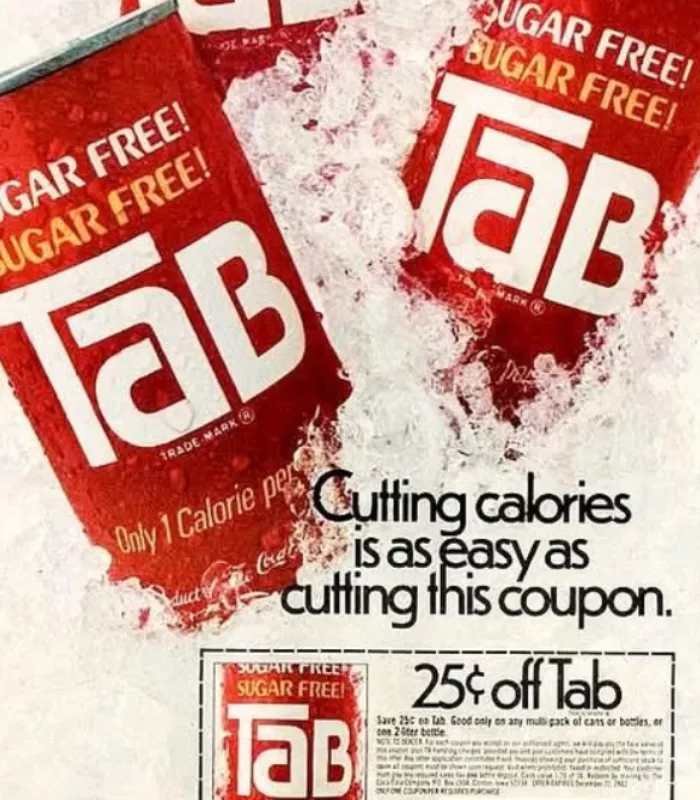
Tab was the diet soda of the 70s.
Women across America reached for that pink can like it was a lifestyle choice.
At its peak, Tab had millions of loyal drinkers who swore by its slightly bitter, chemical-y taste.
But here’s the catch: once Diet Coke hit shelves in 1982, Tab never recovered.
Coca-Cola officially discontinued it in 2020.
For decades, Tab was the only real option if you wanted a diet soda. That kind of loyalty is hard to find with any product today.
Why It’s On This List: Tab once outsold every other diet soda in America. Today, most people under 40 have never even heard of it.
2. Eight-Track Tapes
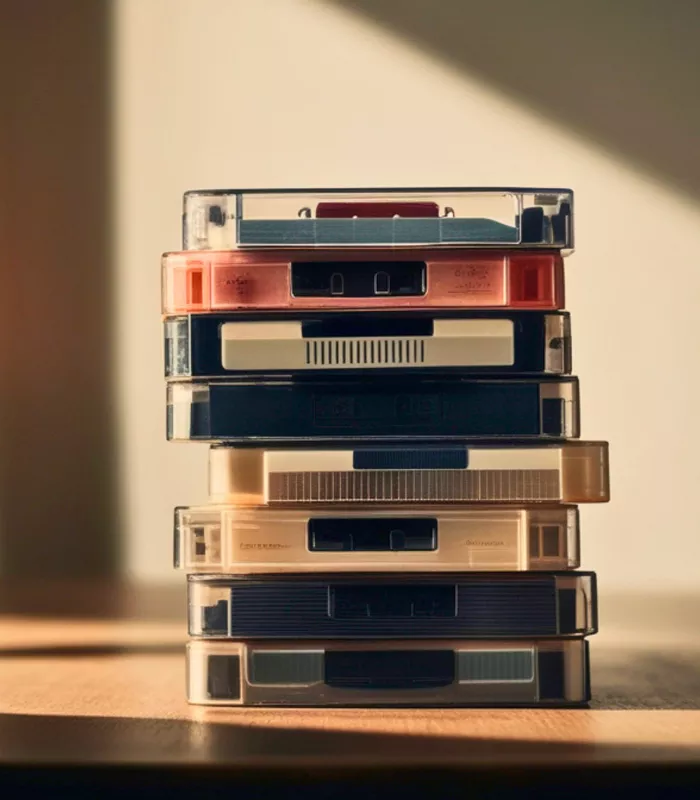
If you had a car in the 70s, you probably had a stack of eight-track tapes on the seat next to you.
They were bulky, they jammed constantly, and songs sometimes cut out mid-chorus to switch tracks.
But nobody cared. It was music in your car, and that felt like magic.
By 1982, eight-track players had almost completely vanished from store shelves.
Cassettes were cheaper, smaller, and far more reliable.
Millions of eight-track collections were simply boxed up and thrown away when the format died, taking entire music libraries with them.
Why It’s On This List: Eight-track players were installed in over 2.4 million Ford vehicles in 1966 alone. By 1983, they were essentially extinct.
3. Polaroid Instant Cameras (Original Film)
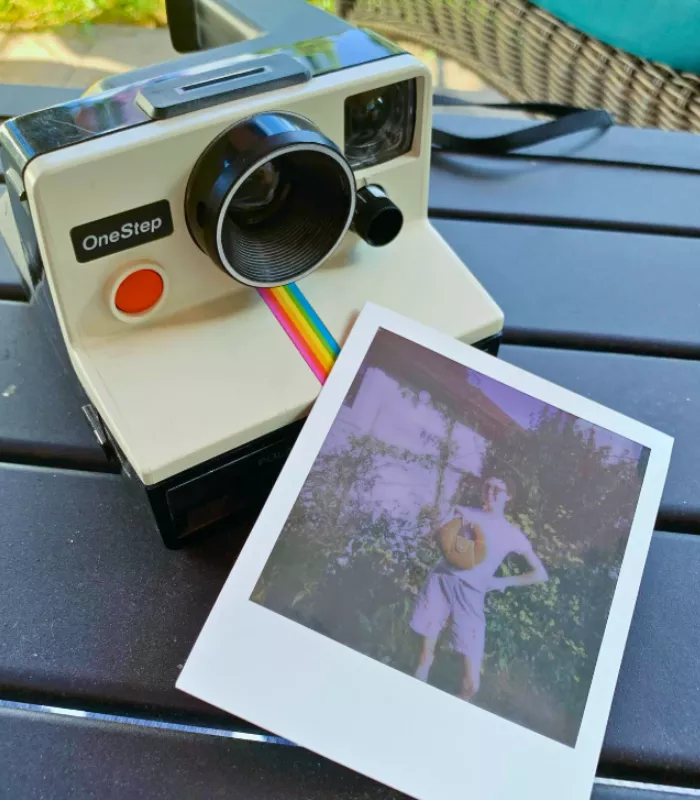
Shaking a Polaroid picture was one of the most satisfying things you could do in the 70s.
Watch a blurry image slowly come to life. Pure joy.
But the film was expensive, and each photo cost a small fortune compared to a roll of 35mm film.
That’s why families eventually switched to disposable cameras and then, of course, digital.
The original Polaroid company filed for bankruptcy in 2001.
At family gatherings and birthday parties, that instant photo was the highlight of the evening. Nothing else came close to that feeling at the time.
Why It’s On This List: Original Polaroid instant film was discontinued in 2008. Demand dropped so sharply that keeping production lines running simply was not profitable anymore.
4. Fondue Sets
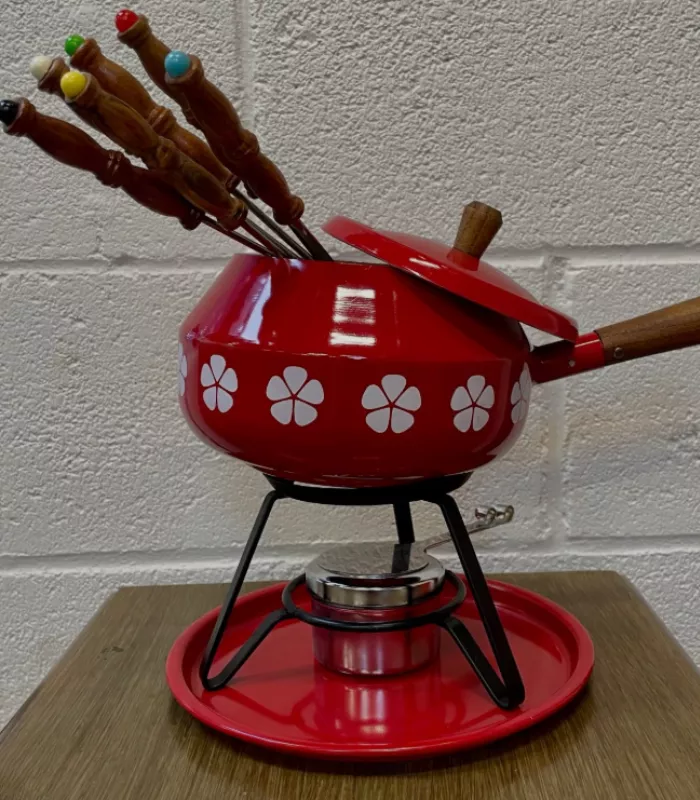
Every kitchen in the early 70s seemed to have a fondue set.
Melted cheese, chocolate, or hot oil at the center of the table. Guests gathered around with long forks.
It felt sophisticated and fun at the same time.
But the trend faded fast. Fondue sets became the gift nobody knew what to do with after the first two uses.
By the late 70s, most sets had been quietly moved to the back of a cabinet.
Garage sales in the 80s and 90s were full of fondue sets still in their original boxes, barely touched.
Why It’s On This List: Fondue set sales dropped dramatically through the late 70s and 80s as casual home entertaining styles shifted away from novelty cooking gadgets.
5. Jell-O Salads
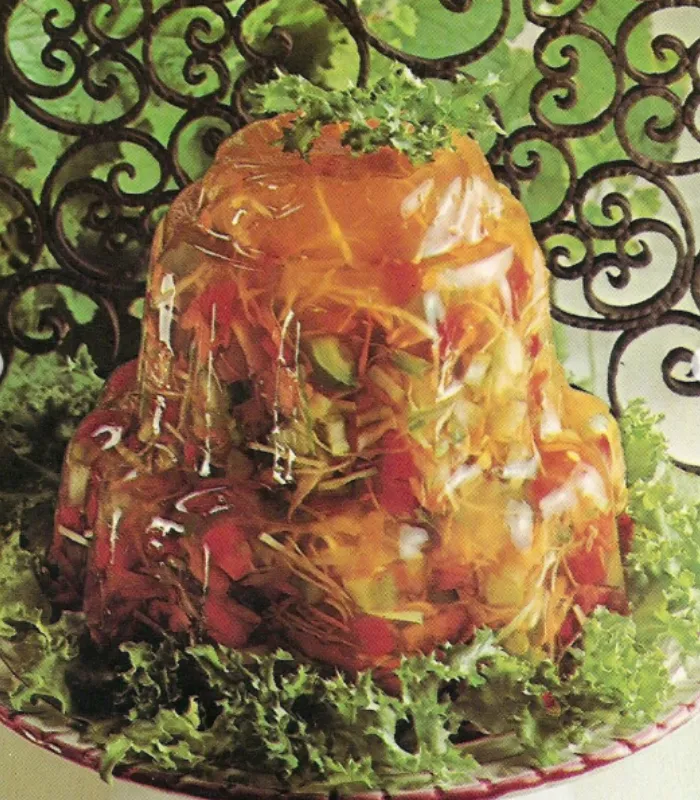
Yes, this was a real thing people made and proudly brought to dinner parties.
Lime Jell-O filled with shredded carrots, celery, and cream cheese. On a lettuce leaf. As a salad.
It sounds strange now, but in the 70s it was considered an impressive dish.
Gelatin mold recipes appeared in almost every major cookbook and women’s magazine of the era.
Jell-O sales have been declining steadily since the 1990s as food trends moved toward fresh, whole ingredients.
Church potlucks and holiday tables across America once featured at least one wobbling gelatin mold as a point of pride.
Why It’s On This List: At its peak, Jell-O was the number one dessert in America. Today, savory gelatin molds have practically disappeared from dinner tables entirely.
6. Rotary Dial Telephones
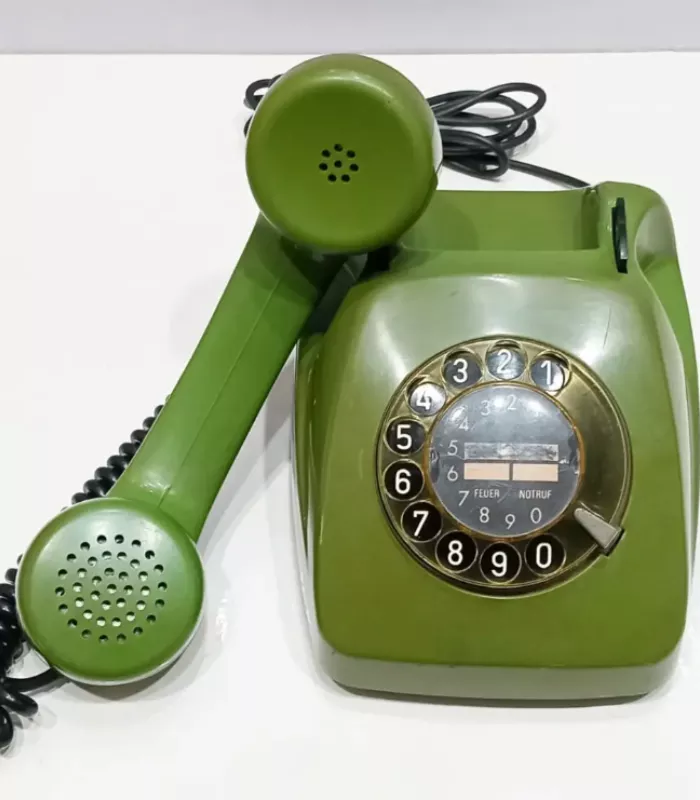
Before speed dial, before smartphones, there was the rotary phone.
You stuck your finger in a little hole and spun that dial one number at a time.
Dialing a phone number with a lot of nines and zeros felt like it took half your afternoon.
But it was all anyone knew, and it worked just fine for decades.
By the mid-80s, push-button phones had taken over almost completely.
Many families held onto their rotary phones long after touch-tone service arrived, simply because they still worked perfectly fine.
Why It’s On This List: AT&T stopped manufacturing rotary phones for general consumer use by the early 1980s. Millions were simply tossed out as touch-tone service expanded nationwide.
7. Lawn Darts (Jarts)

Lawn darts were exactly what they sound like. Heavy metal-tipped darts. Thrown high into the air. In your backyard.
Families played this game at cookouts and neighborhood get-togethers all through the 70s.
It was genuinely fun. It was also genuinely dangerous.
The U.S. Consumer Product Safety Commission banned lawn darts entirely in 1988 after multiple serious injuries, including fatalities involving children.
You are better off with cornhole.
Looking back, it is remarkable that lawn darts were sold in toy aisles right alongside board games and beach balls for as long as they were.
Why It’s On This List: After a 1987 incident left a 7-year-old with fatal injuries, public pressure led to a full federal ban. Retailers were required to pull all remaining stock from shelves.
8. Home Perms

In the 70s, curly hair was everything.
Home perm kits like Toni and Lilt flew off drugstore shelves as women tried to get that big, bouncy look without paying salon prices.
The smell was legendary. That chemical combination of ammonia and thioglycolate could clear a room.
Home perm kit sales peaked in the late 70s and early 80s, then collapsed as straight and natural styles came back into fashion.
By the 90s, the home perm aisle had shrunk to almost nothing.
Mothers and daughters often did each other’s perms on weekend afternoons, turning a drugstore kit into a bonding ritual that smelled absolutely terrible.
Why It’s On This List: At the height of the perm trend, home perm kits were a multi-hundred-million-dollar industry. Today, most major drugstore chains carry little to no.
9. S&H Green Stamps
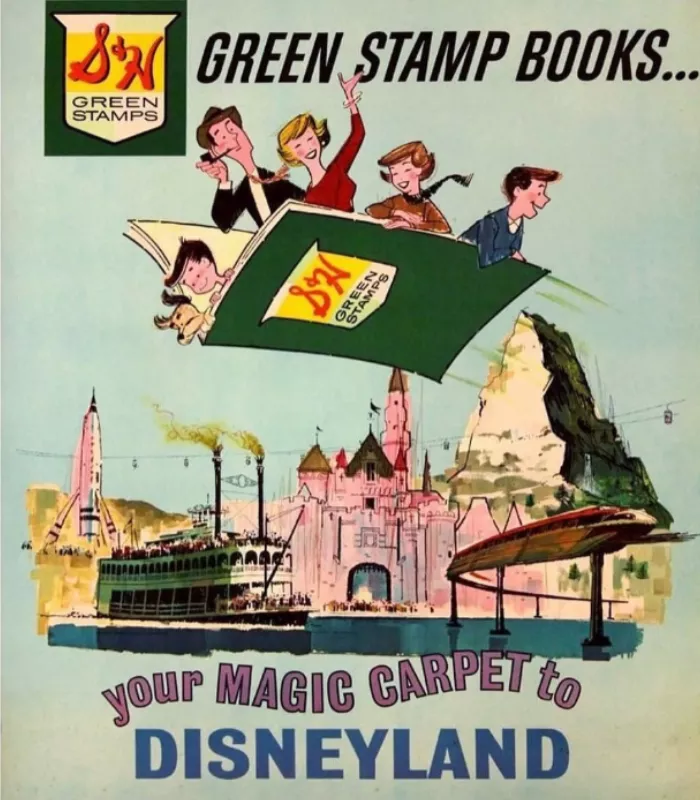
Long before loyalty points and cashback apps, there were Green Stamps.
You collected them at the grocery store, the gas station, and even the dry cleaner.
Then you licked them and stuck them into little booklets. Enough booklets got you a toaster, a lamp, or a set of dishes.
At their peak in the 1960s and 70s, S&H printed three times more stamps than the U.S. Postal Service.
The program faded through the 80s as discount pricing became a stronger draw than rewards.
Entire kitchen drawers were dedicated to half-filled stamp booklets that families intended to finish someday and rarely did.
Why It’s On This List: S&H Green Stamps were once the largest single purchaser of consumer products in the United States. The redemption catalog program quietly ended in the early 1980s.
10. Shag Carpeting

Thick, fluffy, floor-to-ceiling shag carpet was the ultimate 70s home statement.
It came in avocado green, harvest gold, burnt orange, and every other color that has since been retired from polite society.
Vacuuming it required a special rake-like tool. Dropping anything small into it meant it was simply gone forever.
By the mid-80s, interior design trends had shifted hard toward hardwood floors and low-pile carpet.
Shag carpeting became shorthand for everything dated about 70s decor.
Real estate listings in the 90s actually used the phrase “shag carpet removed” as a selling point, as if it were an upgrade on par with a new roof.
Why It’s On This List: Shag carpet sales plummeted through the 1980s. Home renovation shows throughout the 90s and 2000s famously tore it out as the first step in every makeover.
11. Betamax Players
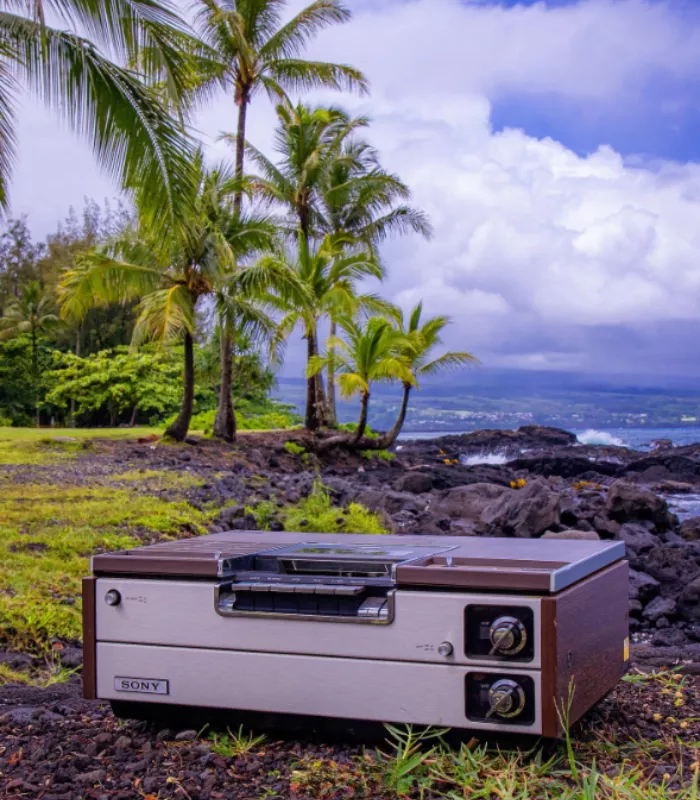
Sony released Betamax in 1975 and truly believed it had the future of home video locked up.
The picture quality was actually sharper than VHS.
But here’s the catch: Betamax tapes only held about an hour of recording time at first, while VHS could hold a full movie.
By 1987, VHS had captured over 90 percent of the home video market.
Sony officially stopped making Betamax cassettes in 2016, quietly ending a 40-year battle it had already lost decades earlier.
People who invested heavily in Betamax collections found themselves with shelves full of tapes and nothing left to play them on.
Why It’s On This List: Betamax is one of the most famous product failures in consumer electronics history, a cautionary tale about how superior technology does not always win.
12. Avocado Green Appliances
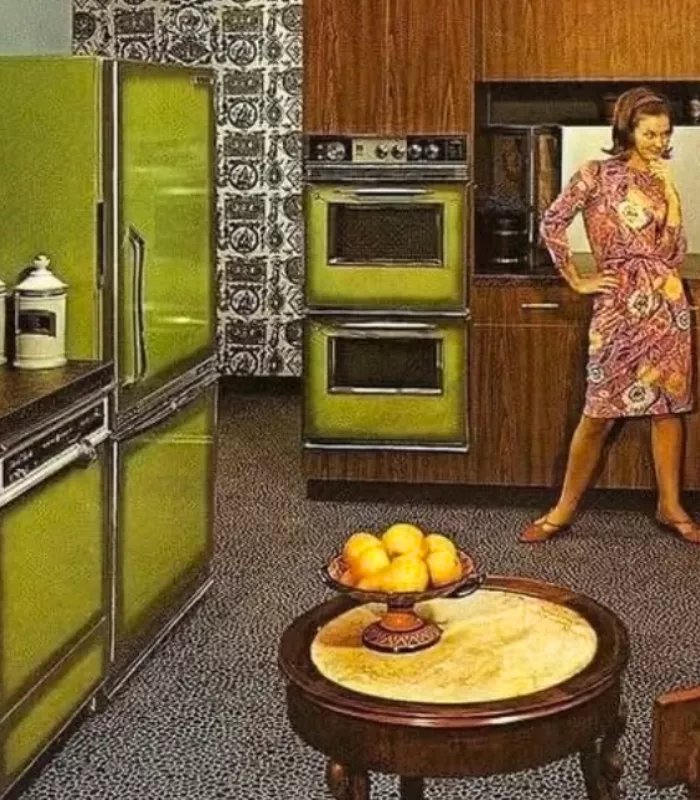
If you remodeled your kitchen in the 70s, there is a good chance you picked avocado green.
Refrigerators, stoves, dishwashers, and even stand mixers came in that distinctive muted green color.
It was everywhere. Then suddenly, it was embarrassing.
By the mid-80s, almond and then stainless steel took over, and avocado green became a punchline.
Major appliance manufacturers phased out the color almost entirely by 1985.
Homeowners who had just finished a full avocado green kitchen remodel in 1978 found themselves already out of style just a few years later.
Why It’s On This List: Avocado green appliances are now a pop culture symbol of 70s excess. Vintage sets in working condition actually sell on eBay today for collectors who love the retro look.
13. CB Radios
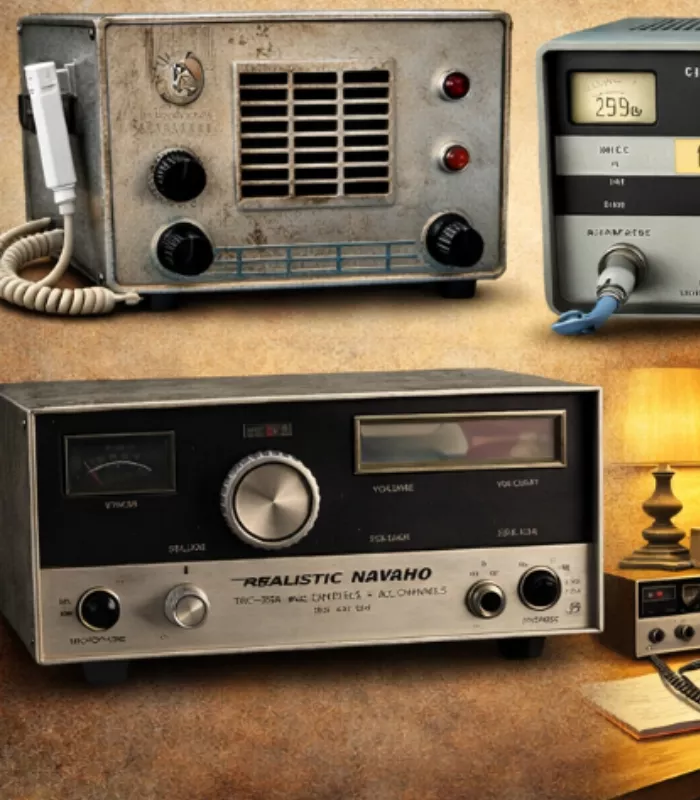
After the 1973 oil crisis, truckers used CB radios to share tips on where to find fuel and avoid speed traps.
By the mid-70s, CB radios had exploded into mainstream culture. Regular drivers had them. Kids wanted them.
The movie “Smokey and the Bandit” and the song “Convoy” made CBs feel like the coolest thing on the road.
CB radio sales hit 11 million units in 1977 alone.
Then cell phones arrived, and the craze evaporated almost overnight.
Families who spent good money on a CB radio setup in 1977 were using it as a doorstop by 1985.
Why It’s On This List: CB radio went from cultural phenomenon to obsolete in less than a decade. Sales had dropped by more than 80 percent by the early 1980s.
14. Tang
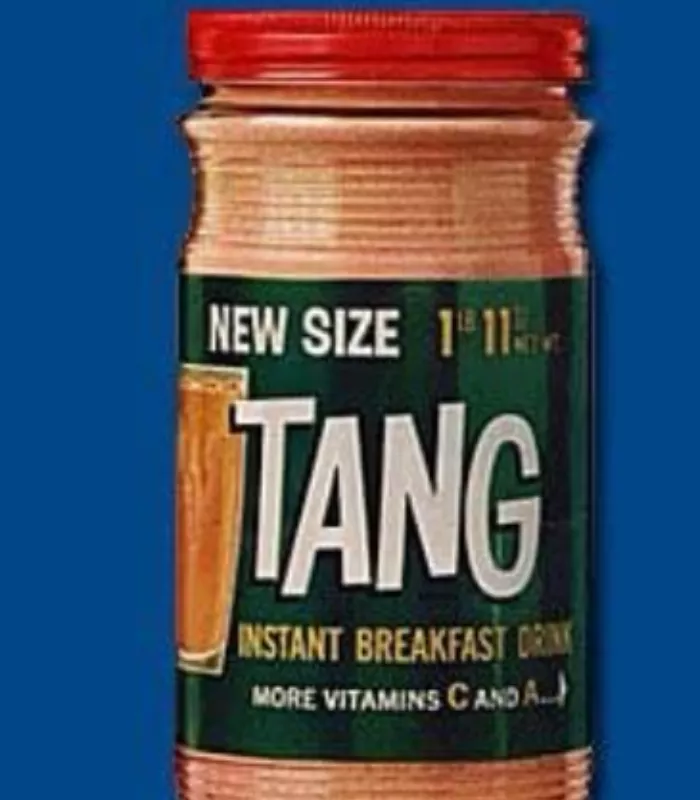
Tang became famous when NASA used it on early space missions, and that endorsement made it a household name through the 60s and 70s.
Moms mixed it into water as a quick substitute for orange juice.
It tasted sweet, artificial, and nothing like actual oranges. Kids loved it anyway.
Tang sales in the United States declined sharply through the 80s and 90s as fresh juice and natural drinks became more popular.
It still sells well internationally, but it is largely forgotten in the American market.
A whole generation grew up thinking Tang was what astronauts drank every single morning, which made it feel like the most exciting breakfast drink imaginable.
Why It’s On This List: Tang once dominated the breakfast drink category in U.S. grocery stores. Today it is rarely stocked on American shelves, though it remains a top seller in parts of Latin America and the Middle East.
15. Wringer Washing Machines
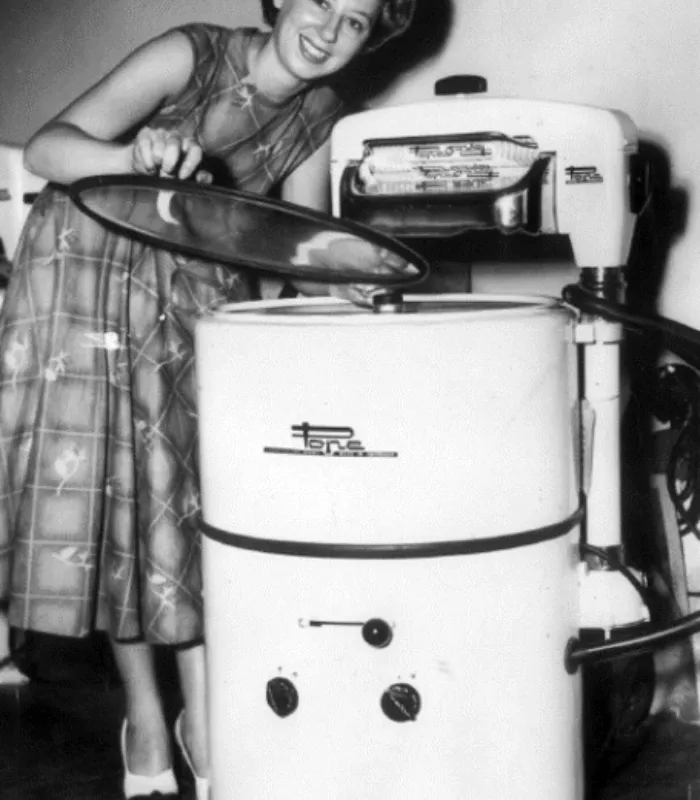
Some households in the early 70s still used wringer washers, especially in rural areas.
You fed wet clothes through two rubber rollers that squeezed out the water by hand-cranking or with a motor.
It was hard work, and the rollers could be genuinely dangerous. Fingers and hair got caught.
Automatic spin-cycle washing machines made the wringer model unnecessary, and sales had dropped to near zero by the late 70s.
Most people were thrilled to see them go.
For many families, replacing the wringer washer with an automatic machine was one of the most welcome upgrades their household ever made.
Why It’s On This List: Wringer washers caused thousands of injuries each year during their peak use. The shift to fully automatic washers was one of the most welcomed household upgrades of the postwar era.
16. Leisure Suits
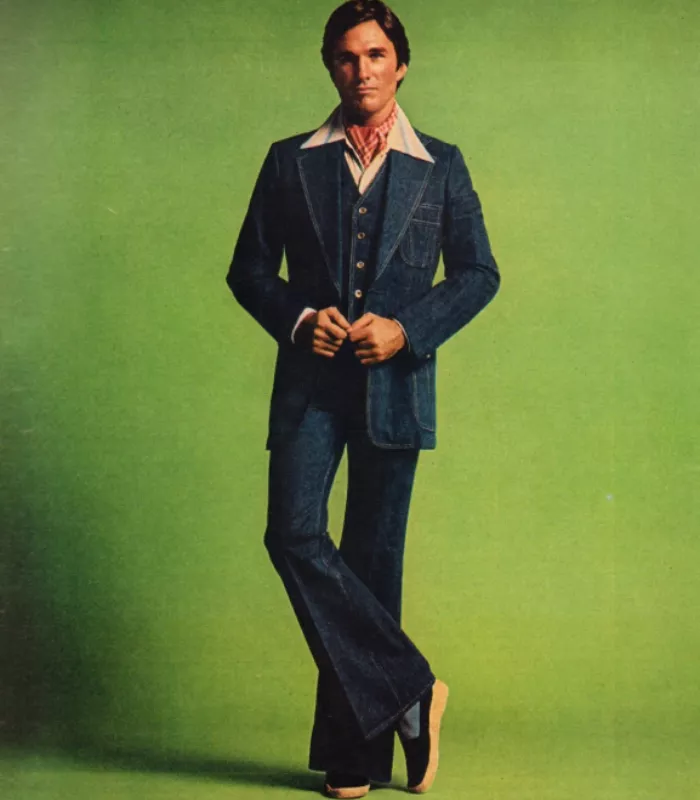
The leisure suit was the defining fashion statement of the mid-70s man.
Polyester fabric in tan, powder blue, or burnt orange, worn with a wide collar shirt unbuttoned just a little too far.
It was designed to be casual enough for the weekend but sharp enough for a night out.
By 1979, leisure suits had become a symbol of everything people wanted to leave behind about the decade.
Department stores that once stocked entire floors of them were quietly clearing them out by 1980.
Men who wore leisure suits with total confidence in 1976 were donating them to Goodwill just three years later without a second thought.
Why It’s On This List: Leisure suit sales collapsed so fast that manufacturers were caught off guard. The polyester industry took a significant hit as denim and natural fabrics surged back into style.
17. Lava Lamps
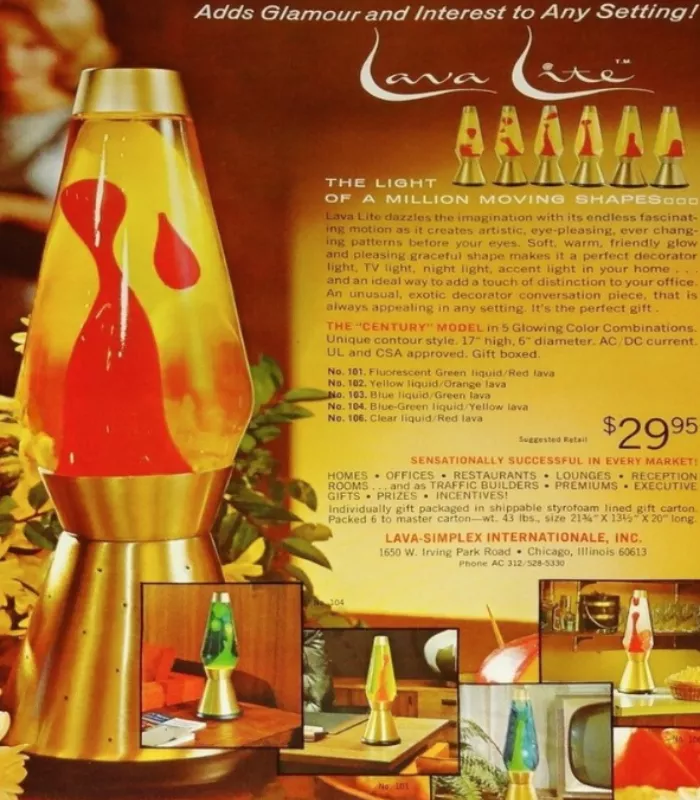
Lava lamps were invented in the 1960s but hit their true peak of popularity in the early 70s.
Blobs of colored wax are drifting slowly through liquid in a glowing glass bottle. Hypnotic and strange.
They showed up in bedrooms, dorm rooms, and living rooms across the country.
Sales dropped sharply by the late 70s as the groovy aesthetic gave way to a cleaner, more minimal look in home decor.
They made a brief comeback in the 90s but never recaptured their original cultural moment.
Sitting in a dark room watching a lava lamp was considered a perfectly acceptable way to spend an evening in 1972.
Why It’s On This List: At their peak, lava lamps were selling millions of units per year worldwide. The original manufacturer, Mathmos, has noted that the 70s represented the product’s highest demand period by far.
18. Manual Typewriters
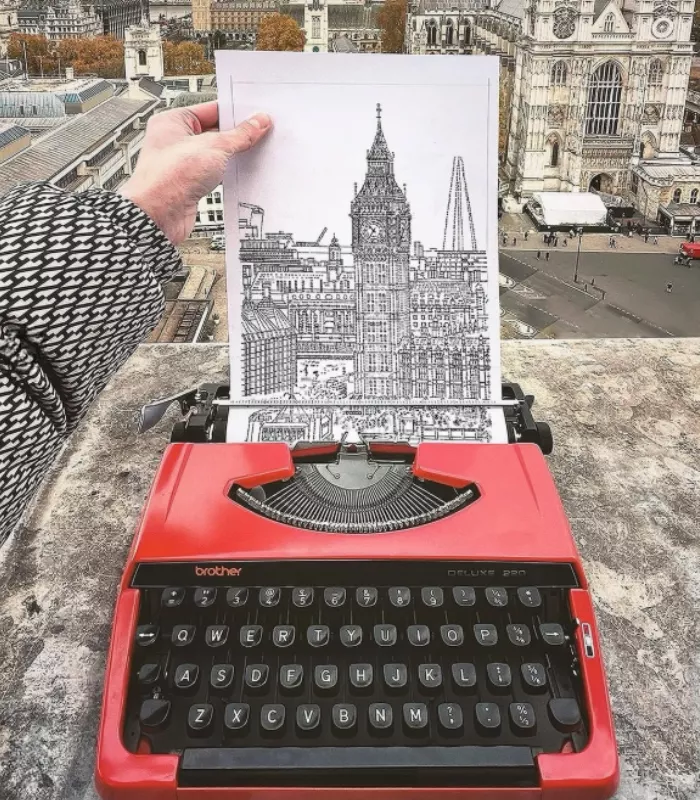
Through most of the 70s, the typewriter was still the tool of choice for writers, students, and office workers alike.
That clatter of keys. The satisfying ding of the carriage return. The smell of the ribbon ink.
But electric typewriters were already cutting into manual sales, and personal computers would finish the job entirely.
By the mid-80s, manual typewriter sales had fallen to a fraction of what they once were.
Within a decade, they had essentially vanished from offices and classrooms across the country.
College students who typed their papers on a manual typewriter in 1975 were using word processors by 1985, and the transition felt almost instant.
Why It’s On This List: The last major American typewriter manufacturer stopped production decades ago. What was once a multi-billion-dollar industry had been almost entirely replaced by personal computers by the early 1990s.
19. Candy Cigarettes
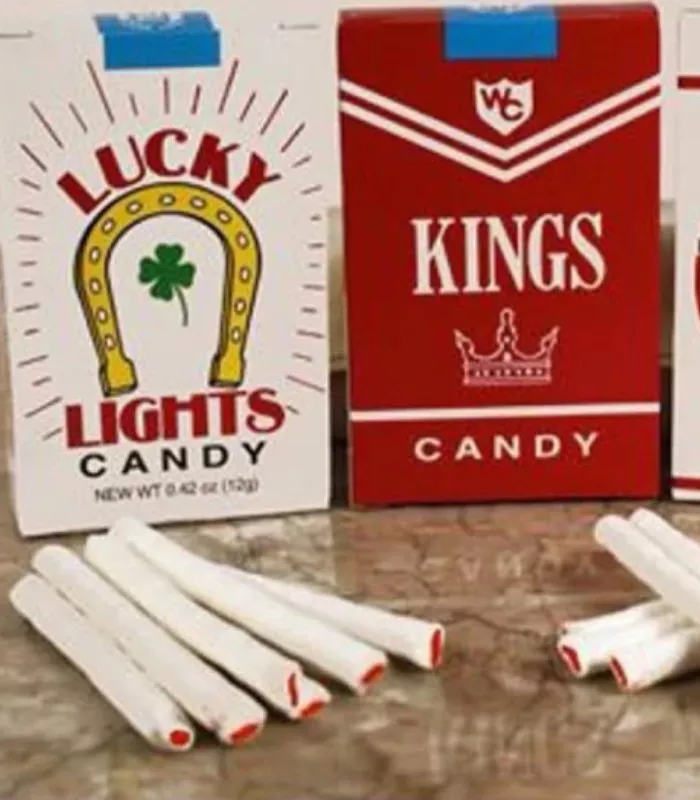
Candy cigarettes were sold in little paper packs designed to look almost exactly like real cigarette boxes.
Kids would pretend to smoke them, blowing on the powdered sugar end to make a little puff of white dust.
Nobody thought much of it at the time. They were just candy.
Growing awareness about tobacco marketing and its influence on children led many retailers to quietly pull them from shelves through the 80s and 90s.
Several countries banned them outright. In the U.S., they faded mostly due to changing attitudes rather than a formal ban.
The idea of handing a child a candy shaped like a cigarette and letting them practice the habit is something that genuinely would not fly today.
Why It’s On This List: Studies in the 1980s and 90s raised concerns that candy cigarettes normalized smoking behavior in children. Major chain stores began removing them from checkout displays well before the 2000s.
20. Encyclopedias (Door-to-Door Sets)

In the 70s, a salesman showing up at your door to sell a full set of encyclopedias was a completely normal occurrence.
Families spent hundreds of dollars on sets like World Book or Britannica, often on a payment plan.
Having a full encyclopedia set on your shelf was a point of pride. It meant you valued knowledge and education.
Encyclopedia Britannica stopped printing its physical set entirely in 2012 after 244 years in publication.
The internet had made the entire concept obsolete almost overnight.
Parents who sacrificed to buy a full encyclopedia set for their children in 1974 could not have imagined that the same information would one day be available instantly and for free on a device that fit in a shirt pocket.
Why It’s On This List: At their peak, door-to-door encyclopedia sales generated over one billion dollars annually in the United States. By the late 1990s, that industry had been almost completely wiped out by CD-ROMs and then the internet.