

Laundry used to be water, soap, and effort. Then someone figured out there was a lot of money sitting between the washer and the dryer.
Now there are softeners, sanitizers, scent beads, boosters, and sprays.
Each one comes with a convincing label and a price tag that adds up fast.
Here is what they do not put on the label: most of it is optional.
Your clothes were getting clean long before any of this existed.
1. Fabric Softener
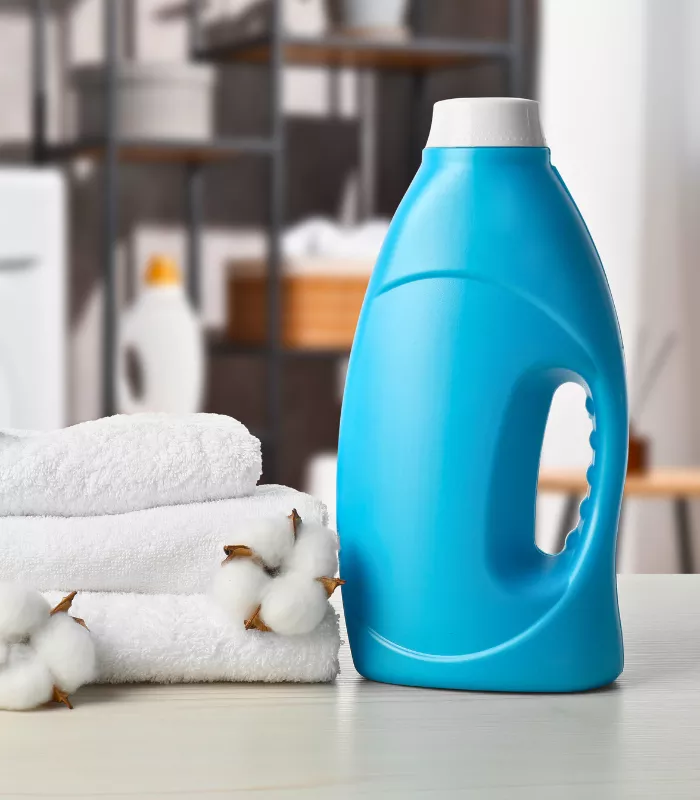
Fabric softener smells nice. But here’s the catch: it can actually make your towels less absorbent over time.
It coats fabric fibers with a waxy residue. That coating builds up wash after wash.
You’re better off using half a cup of white vinegar in the rinse cycle instead. It softens clothes naturally and costs almost nothing.
Most people have been using fabric softener for decades without realizing what it is doing to their laundry.
The waxy coating does not just affect towels.
It also builds up on workout clothes and athletic wear.
That buildup traps odors inside the fabric fibers.
So your gym clothes may actually smell worse over time, not better.
Fabric softener is also not recommended for baby clothes.
It can reduce the flame resistance of children’s pajamas.
That is something most parents and grandparents never see on the label.
Dermatologists also point out that the chemicals in fabric softener can irritate sensitive skin.
For people over 50, skin tends to become more sensitive with age.
Switching away from fabric softener can sometimes reduce itching and irritation.
White vinegar is a time-tested alternative that has been used in laundry for generations.
It neutralizes odors, softens fibers, and helps remove detergent residue.
A large bottle of white vinegar costs about $2 to $3 and lasts for many loads.
That is a fraction of what most fabric softener brands cost per use.
Why It’s On This List: Studies suggest fabric softener can reduce towel absorbency by up to 50% after repeated use. That’s a lot of money spent on something that hurts your laundry.
2. Dryer Sheets
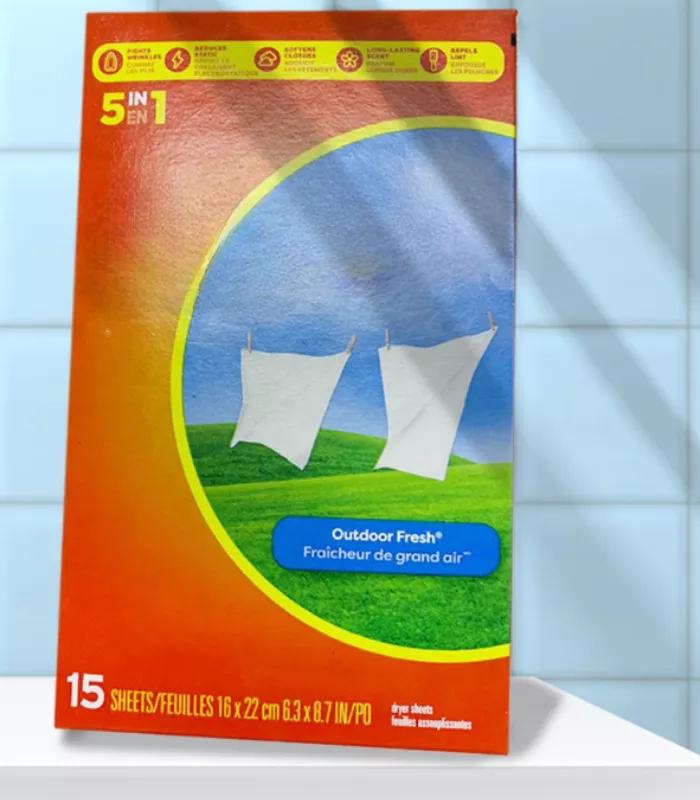
Dryer sheets feel like a must-have. Most people have used them for decades.
But they leave the same waxy buildup on your dryer’s lint trap. That can reduce airflow and become a fire hazard.
Wool dryer balls do the same job for a one-time cost of around $10 to $15. They can last for over 1,000 loads.
Dryer sheets work by coating your clothes with a thin layer of chemicals during the drying cycle.
That chemical layer is what creates the soft feeling and the static reduction.
But that same layer coats the inside of your dryer over time.
It settles on the lint trap screen and clogs the tiny mesh holes.
A clogged lint trap makes your dryer work harder and use more electricity.
That means higher energy bills on top of the cost of the dryer sheets themselves.
Dryer sheets are also single-use, which means a box runs out quickly in an active household.
A family doing five or more loads a week can go through a box in just a few weeks.
Wool dryer balls, by contrast, just sit in your dryer and keep working load after load.
You can even add a few drops of essential oil to the balls if you want a light scent.
That gives you the fragrance benefit without the chemical coating.
Many people who switch to wool dryer balls say they never look back.
Their clothes feel just as soft, and their dryer runs more efficiently.
Some report their drying time actually decreases because the balls help separate clothes and improve airflow.
That saves both time and electricity with every single load.
Why It’s On This List: A box of dryer sheets used every load costs the average family $50 to $80 a year. Wool balls pay for themselves in just a few months.
3. Scent Boosters (Beads)
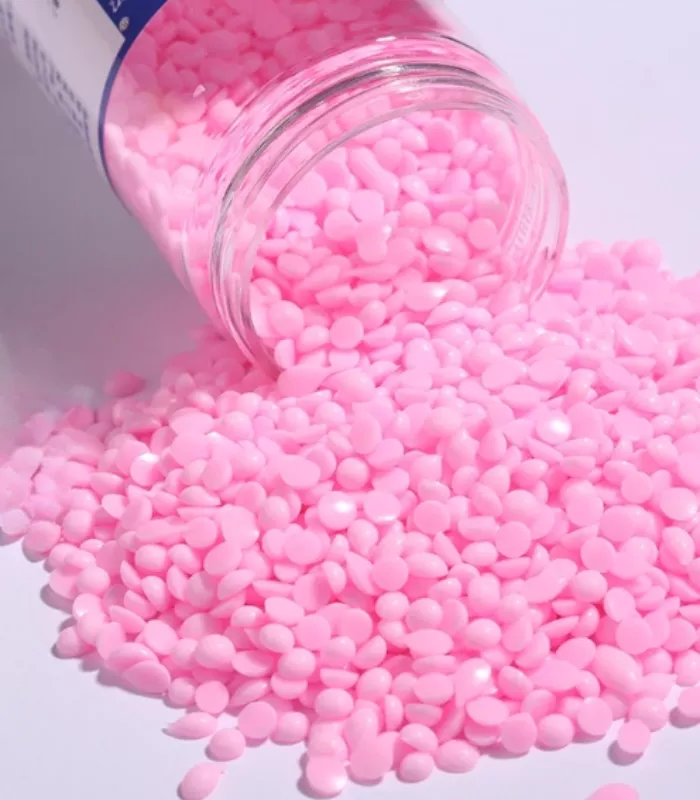
Those little scent beads look fun. The commercials make them seem like magic.
But they are mostly fragrance and filler. They do nothing to clean your clothes.
That’s why many people who switch to simpler laundry routines never miss them.
Scent beads dissolve in the wash and release fragrance during the cycle.
The scent is designed to linger on fabric after drying.
But most people find the scent fades within a day or two of wearing the clothes.
So you end up using more beads each time to chase that fresh smell.
The containers are also designed to make pouring generous amounts feel easy and natural.
That means you go through the product faster than you expect.
Some scent booster formulas contain synthetic musks that have raised concerns among health researchers.
People with asthma or respiratory sensitivities can find heavy fragrance products irritating.
As we get older, respiratory health becomes more important to protect.
Strong artificial fragrances in laundry products can trigger sneezing, coughing, or headaches in sensitive individuals.
Unscented or lightly scented detergents are often a better choice for long-term comfort.
If you love the idea of fresh-smelling laundry, line drying in fresh air does the job beautifully.
Sunlight is also a natural sanitizer and whitener, which is a bonus you cannot get from a bead.
Even just drying near an open window can leave clothes smelling naturally clean.
Nature has been doing this job for free since long time before scent beads existed.
Why It’s On This List: A single container of scent beads can cost $8 to $12 and runs out quickly. You are paying a premium price for a smell that fades within a day or two.
4. Separate Darks Detergent
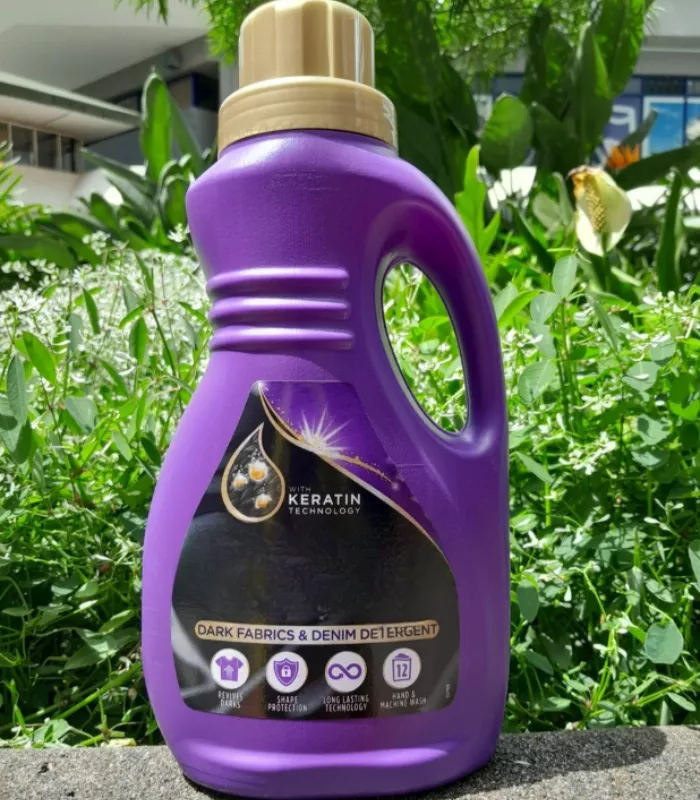
Brands sell special detergents just for dark clothes. They promise to keep black fabric looking rich and deep.
But most standard gentle detergents do the same thing. The real culprit for fading is hot water and overdrying.
Wash darks in cold water, and you will see far better results without spending extra.
Dark-specific detergents are usually just regular detergents with added dye-protecting agents.
Those agents help reduce the amount of dye that bleeds out during washing.
But the biggest cause of fading in dark clothes is heat, not detergent type.
Hot water opens fabric fibers and lets dye escape more easily.
Cold water keeps those fibers tighter and holds the color in place.
Turning dark clothes inside out before washing also helps protect the outer surface from friction.
That friction is what causes that dull, faded look on black jeans and dark shirts.
Overdrying in a hot dryer is another major cause of color loss in dark fabrics.
Removing clothes while they are still slightly damp and letting them air dry the rest of the way preserves color beautifully.
These simple habits cost nothing and outperform any specialty detergent on the market.
Most fabric care experts agree that temperature and handling matter far more than detergent brand.
The specialty detergent market relies on the fact that most consumers do not know this.
Once you know, the extra expense becomes very hard to justify.
A good quality, gentle detergent used in cold water is what almost all dark clothing needs.
Your dark clothes will look newer for longer without spending a single extra dollar.
Why It’s On This List: Dark-specific detergents often cost 30 to 40 percent more than regular detergents. Cold water washing is free and works better at protecting color.
5. Laundry Sanitizer Add-Ons
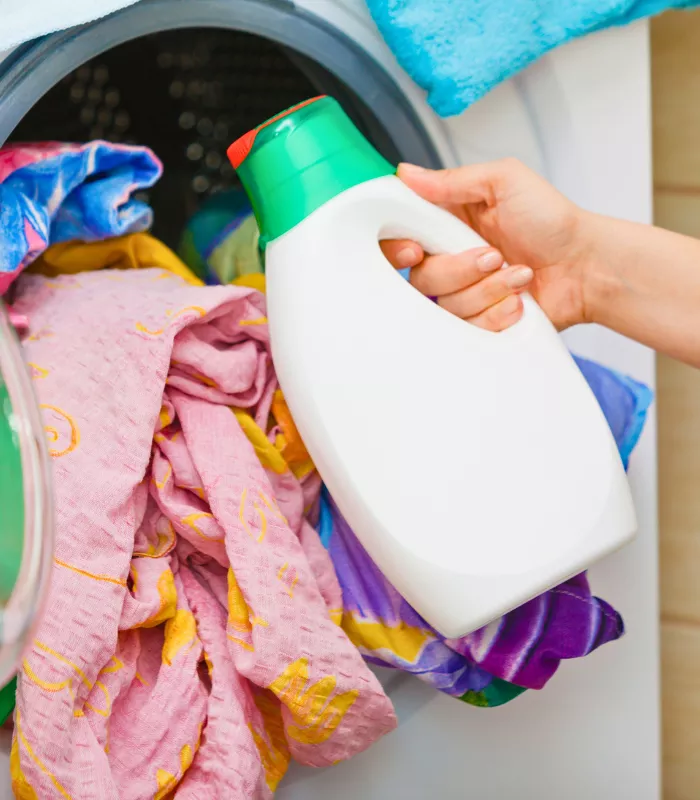
These products promise to kill 99.9 percent of germs in your wash. That sounds important.
But a normal hot water cycle with regular detergent already removes the vast majority of bacteria and viruses from everyday clothing.
You’re better off saving the sanitizer for truly special cases, like washing items after someone in the home has been sick.
Laundry sanitizers became very popular in recent years as people became more aware of germs.
Marketing leaned hard into that awareness and turned it into a daily habit for many households.
But everyday clothing, bedding, and towels do not carry the level of risk these products imply.
Regular detergent works by lifting dirt, bacteria, and other particles off fabric and suspending them in the wash water.
The rinse cycle then removes all of that from your clothes.
That process is highly effective for normal household laundry.
Hot water adds an extra layer of germ removal for items like kitchen towels and bedding.
Most health authorities confirm that standard washing practices are sufficient for everyday laundry hygiene.
Adding a sanitizer to every single load is simply not necessary for a healthy household.
There are legitimate uses for laundry sanitizer, such as washing items worn during illness.
It can also be useful for heavily soiled work clothes or items exposed to unusual contamination.
But using it on everyday shirts, pants, and socks is overkill.
Keeping a bottle on hand for genuine emergencies makes much more sense than using it every wash day.
That approach lets you get the benefit without the ongoing monthly expense.
Smart spending means using the right tool for the right job, not using every tool every time.
Why It’s On This List: Laundry sanitizers can add $5 to $10 per bottle to your grocery bill each month. For most regular laundry, that extra cost is simply not needed.
6. Stain Remover Sprays (Name Brand)
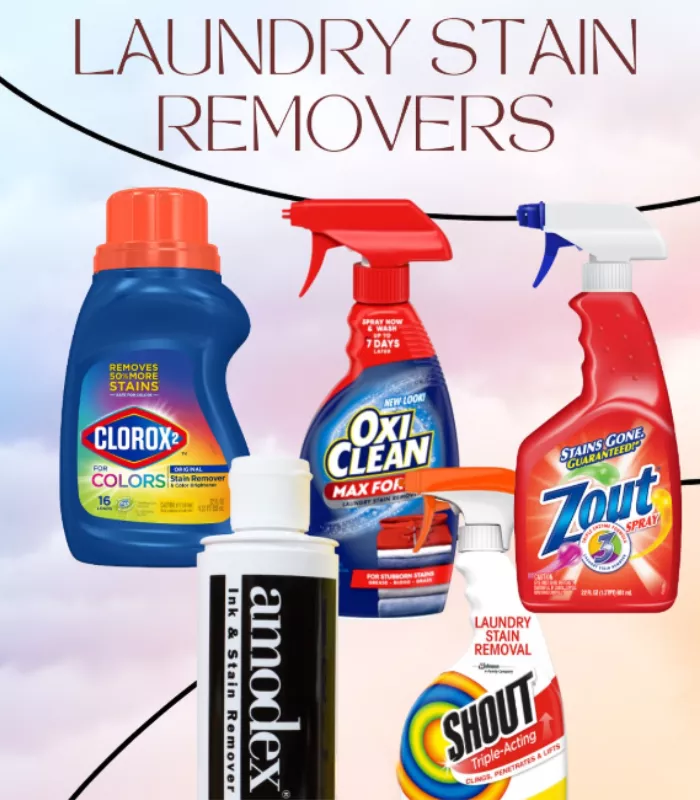
Big brand stain sprays are everywhere. They have been a staple in laundry rooms for generations.
I made a classic mistake of assuming the most expensive spray worked best. It usually does not.
A simple mix of dish soap and hydrogen peroxide tackles most stains just as well. It costs just pennies per use.
Name-brand stain sprays rely heavily on brand recognition and decades of advertising.
That recognition makes them feel trustworthy, and in many cases, they do work reasonably well.
But the active ingredients in most stain sprays are not proprietary secrets.
They are common cleaning agents that you can replicate at home for a fraction of the price.
Dish soap is a powerful degreaser that breaks down food stains, oil, and grease effectively.
Hydrogen peroxide is a mild bleaching agent that lifts color stains like wine, coffee, and berries.
Together, they handle the majority of stains that the average household deals with.
For protein-based stains like blood or egg, cold water and dish soap applied quickly is highly effective.
The key with any stain is speed. The faster you treat it, the better the result.
No spray, no matter how expensive, can fully undo a stain that has been set for days.
Baking soda is another pantry staple that works well on odor-based stains and underarm yellowing.
A paste of baking soda and dish soap applied before washing can lift stubborn underarm stains beautifully.
These home remedies have been passed down through generations for good reason. They work.
Building a small stain-fighting kit from pantry staples costs under $5 and lasts for months.
That same $5 buys you less than one bottle of most name-brand stain sprays.
Why It’s On This List: Name-brand stain sprays can cost $5 to $9 per bottle and run out fast. Homemade alternatives using pantry staples are proven to work on grease, wine, blood, and grass stains.