

Mattress companies spend millions making their products look cozy and inviting.
What they do not advertise is that the wrong one can leave you limping to the bathroom at 6 AM.
Back pain affects roughly 80% of adults at some point in their lives.
A bad mattress is one of the sneakiest reasons why.
1. Super Soft Pillow-Top Mattresses
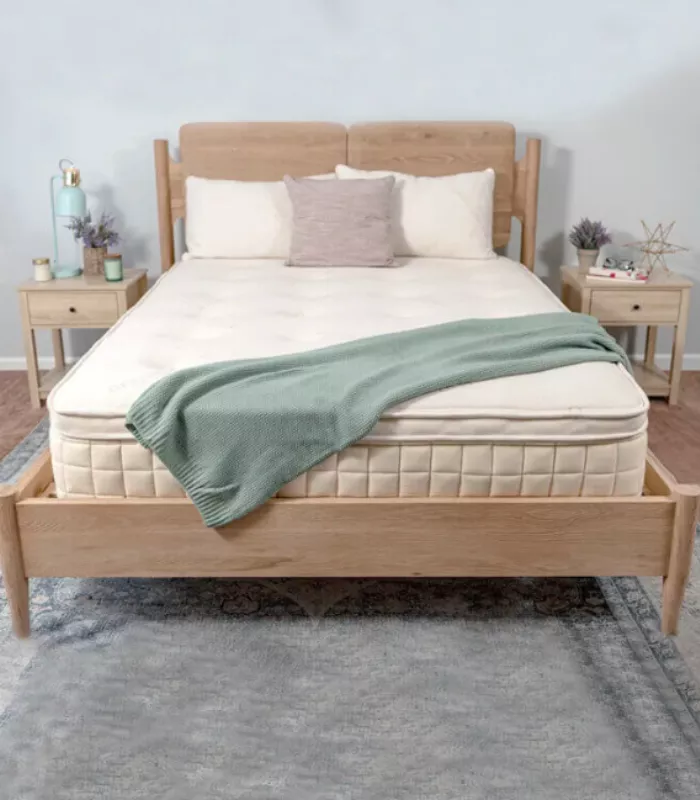
These mattresses feel like sleeping on a cloud.
But here’s the catch: that plush feel lets your hips and shoulders sink too deep.
When your hips sink lower than your spine, your lower back bends out of alignment all night long.
People over 50 often lose muscle tone that once helped compensate for a too-soft surface.
That makes pillow-tops even riskier as you age.
Most pillow-top mattresses have a comfort layer that is 2 to 4 inches thick on top.
That extra layer is designed to feel luxurious, not to support your spine.
Side sleepers often love pillow-tops at first because they cushion the shoulders and hips.
But over time, the soft layer compresses and creates an uneven sleep surface.
Back sleepers are especially vulnerable because their lumbar spine loses its natural curve.
Stomach sleepers on a pillow-top end up with their lower back arched in an uncomfortable position all night.
The softness also traps heat, which can disrupt sleep quality and increase muscle tension.
Many people buy pillow-tops thinking they are treating their back, when they are actually making things worse.
That means you could be sleeping on a worn-out surface for years without realizing the comfort layer is long gone.
Why It’s On This List: A mattress that sags under your hips by even 2 inches can increase spinal pressure by up to 30%, making morning back pain much worse.
2. Old Innerspring Mattresses
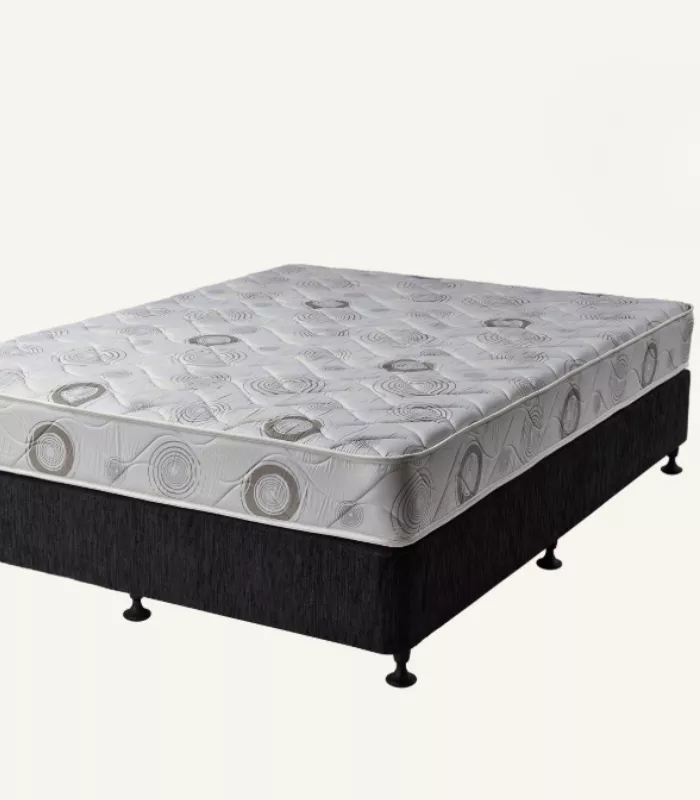
That old spring mattress in your guest room? It could be doing real damage.
Traditional innerspring mattresses wear out faster than most people think.
After 7 to 10 years, the springs lose their tension, and the mattress starts to sag in the middle.
Sleeping on a sagging mattress is like sleeping in a hammock; your spine curves in a C-shape all night.
For people over 50, that kind of strain adds up fast.
Innerspring mattresses were the standard for most of the 20th century, so many older adults grew up sleeping on them.
The problem is that familiarity does not mean they are good for your back.
Older spring systems use a single connected coil design that transfers motion and pressure unevenly.
When one area of the mattress wears down, the whole sleep surface becomes misaligned.
You might not even notice the sag right away because it happens gradually over months and years.
By the time your back is hurting every morning, the mattress has already been causing damage for a long time.
Flipping or rotating an old innerspring mattress can help slightly, but it does not fix worn-out springs.
The only real solution is replacing the mattress entirely.
Poor sleep quality on its own can increase inflammation in the body, which makes back pain feel even more intense the next day.
Why It’s On This List: Studies show that replacing an old mattress can reduce back pain by up to 57% and improve sleep quality significantly.
3. Air Mattresses Used Long-Term
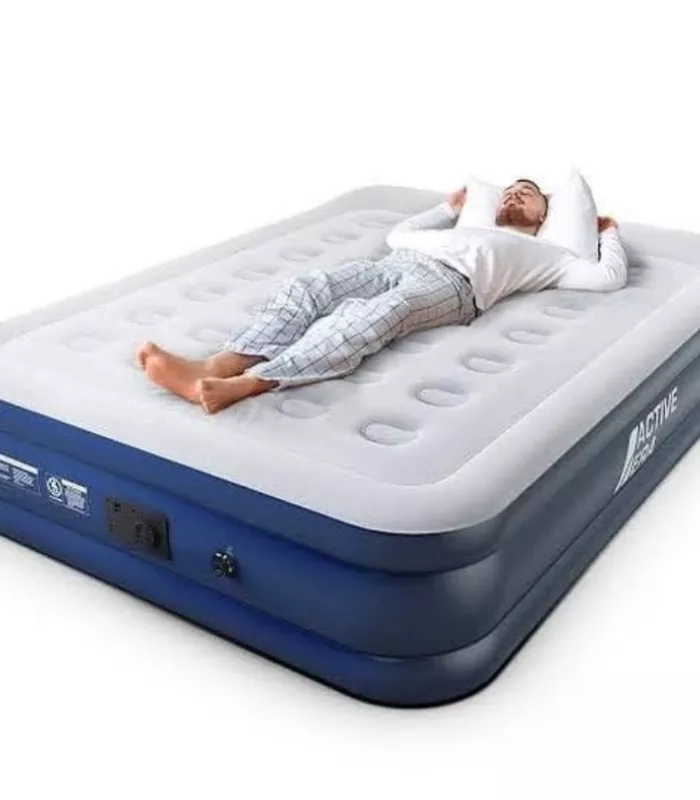
Air mattresses are great for camping or a guest overnight.
But here’s the deal: using one as your main bed is a recipe for back trouble.
They slowly lose air through the night, leaving you on an uneven, unsupported surface by morning.
Uneven support is one of the leading causes of lower back flare-ups in older adults.
Even the best air mattresses were not designed for nightly, long-term use.
Most air mattresses are made from PVC or vinyl, materials that are not designed to contour to your body.
Without contouring, your spine gets the same flat surface whether you are a light sleeper or a heavier adult.
That one-size-fits-all approach is a problem because every spine is different.
Air mattresses also tend to be lower to the ground, which makes getting in and out of bed harder on your joints.
For anyone with hip or knee issues alongside back pain, that low height adds even more daily discomfort.
Some premium air mattresses claim to offer adjustable firmness, but even those models struggle with consistent overnight support.
Temperature changes in the room can also affect the air pressure inside the mattress, changing how firm it feels without you doing anything.
That means your support level could shift significantly just because the room got cooler at night.
The seams and valves on air mattresses also weaken over time, making slow leaks almost unavoidable with regular use.
Waking up on a half-deflated mattress might only happen once in a while at first, but it becomes more frequent as the mattress ages.
Why It’s On This List: Most air mattresses lose 5 to 10% of their air pressure per night, meaning your spine loses support while you sleep.
4. Futon Mattresses
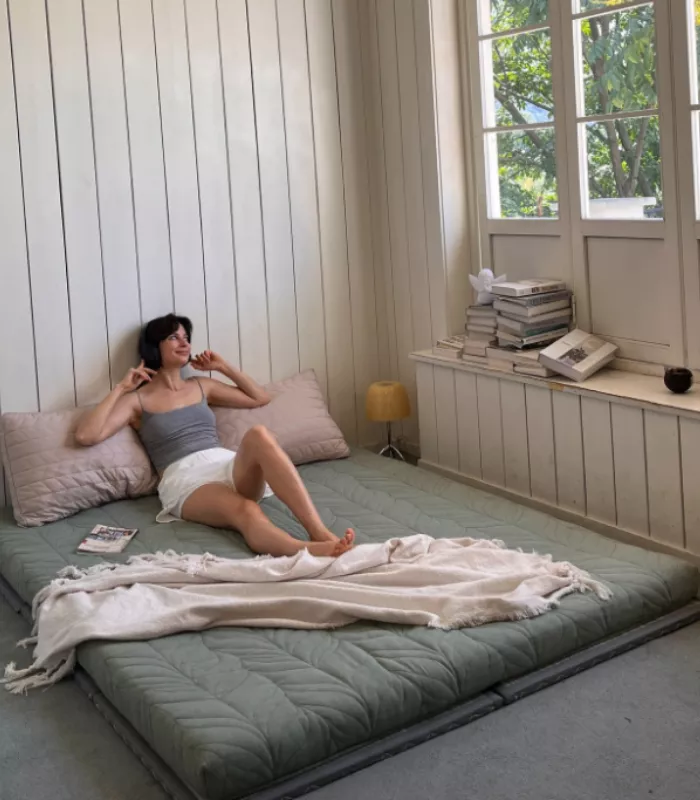
Futons are affordable and popular.
But they are among the worst choices for back pain, especially for anyone over 50.
Traditional futon mattresses are made of compressed cotton or foam that flattens out very quickly.
A flat, worn-out futon gives almost zero lumbar support.
That’s why so many people wake up stiff and sore after sleeping on one.
Futons were originally designed as a floor sleeping mat in Japanese culture, where people have different lifestyle habits that support that kind of sleep.
The Western version borrowed the look, but not the context, and the result is a mattress that does not do either job well.
When used as a sofa, the futon mattress gets folded and compressed repeatedly, breaking down its structure even faster.
By the time you unfold it to sleep on, it has already been crushed dozens of times that week.
The cotton filling in traditional futons absorbs moisture over time, which adds weight and reduces cushioning.
That moisture retention can also lead to mold and allergens, which is another concern for anyone with respiratory or immune issues.
Foam futon mattresses are a bit better, but most use low-density foam that still flattens quickly under regular adult body weight.
If you are waking up sore and you sleep on a futon, the mattress is almost certainly part of the problem.
The thin profile of most futon mattresses also means there is very little material between your body and the hard frame beneath.
That hard frame contact becomes more noticeable as the mattress compresses, and it puts direct pressure on the hips and tailbone during sleep.
Why It’s On This List: Futon mattresses can lose up to 50% of their cushioning thickness within the first two years of regular use.
5. Ultra-Firm Orthopedic Mattresses
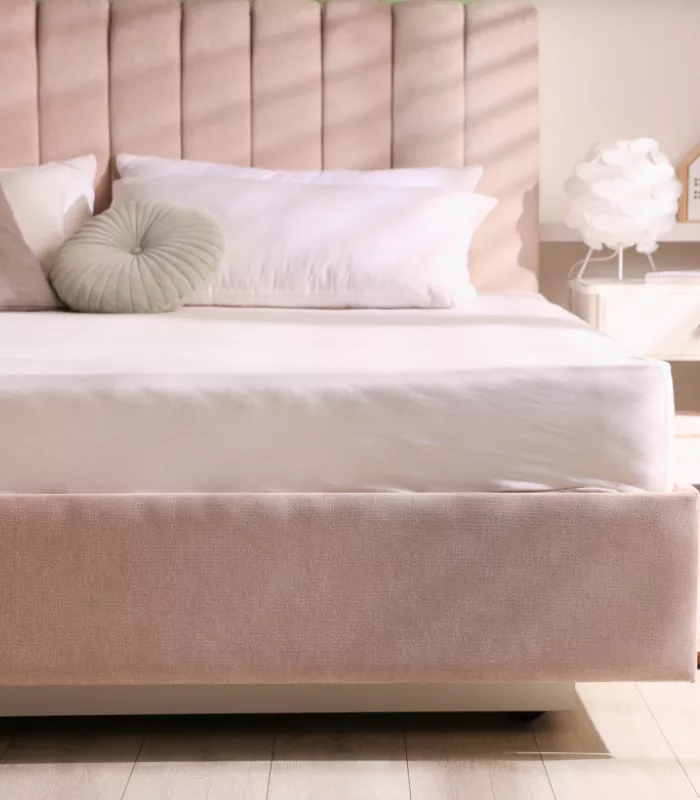
Many people think firmer always means better for back pain.
That is a very common myth.
A mattress that is too hard does not let your hips and shoulders sink in at all.
When your body cannot sink in slightly, your spine is forced into an unnatural straight line that creates pressure points.
The word “orthopedic” on a mattress label is actually not regulated in most countries.
That means any manufacturer can slap that word on a product without it meeting any medical standard.
Many ultra-firm mattresses marketed as orthopedic are simply very hard foam or spring beds with a premium price tag.
For back pain relief, what your spine actually needs is neutral alignment, not rigid flatness.
Neutral alignment means your spine stays in its natural S-curve while you sleep, with gentle support at the lower back.
An overly firm mattress pushes back against your body instead of cradling it, creating painful pressure at the hips and shoulders.
That pressure forces you to shift positions constantly through the night, disrupting your sleep without you even realizing it.
By morning, you have not rested properly, and your joints are already inflamed from hours of pressure with no relief.
Older adults are especially at risk because their joints have less cartilage cushioning than they did decades ago.
A surface that was merely uncomfortable at 30 can become genuinely painful and damaging at 55 or 60.
Why It’s On This List: Research from Spain found that people who slept on medium-firm mattresses had significantly less back pain than those on very firm ones.
6. Waterbed Mattresses
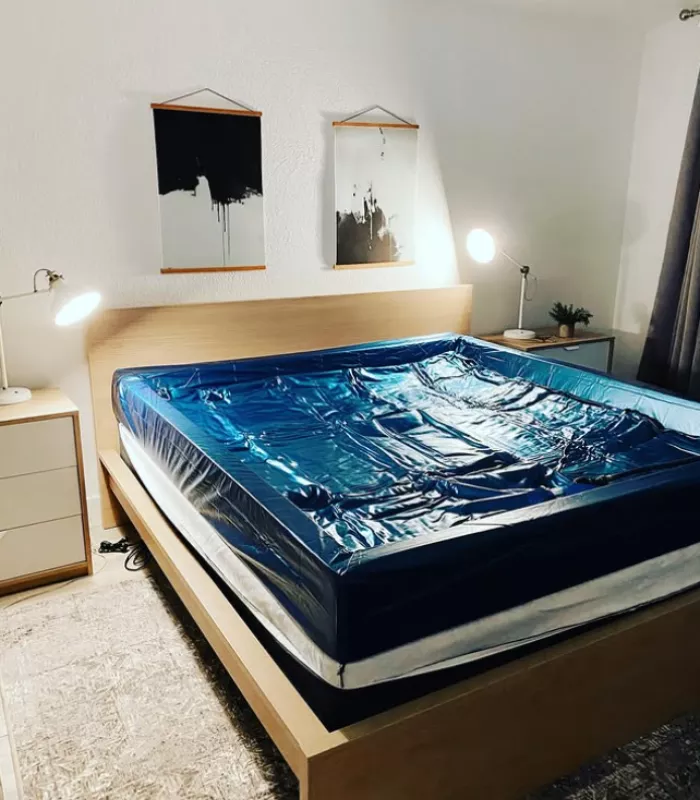
Waterbeds had a big moment in the 1980s and 1990s.
But for back health, they are not a good choice.
Traditional waterbeds offer almost no consistent spinal support.
For older adults with existing back issues, this constant movement can trigger inflammation and stiffness.
Waterbeds come in two main types: hard-sided and soft-sided.
Both share the same core problem, which is that water does not provide zoned support for different parts of your body.
Your heavier midsection pushes down more than your lighter legs, creating a tilted sleep surface throughout the night.
That tilt puts your lumbar spine in a compromised position for hours at a time.
Waterbeds also take a long time to adjust in temperature, and sleeping on a cold water surface can cause muscle tightness in the back.
Getting in and out of a waterbed requires more physical effort than a regular mattress, which can strain the back and knees.
The wave motion that many people find soothing at first becomes a source of disrupted sleep as the body senses constant subtle movement.
That movement prevents your muscles from fully relaxing, which is exactly the opposite of what your back needs during sleep.
Waterbeds are also very heavy when filled, often weighing over 1,500 pounds, which makes them impractical and difficult to move or replace.
If the liner ever develops a leak, the resulting moisture damage to your floor and bedroom can be an expensive and stressful problem to deal with.
Why It’s On This List: The lack of zoned support in most waterbed designs means your lumbar spine gets no more support than your feet do.
7. Thin Foam Mattresses Under 6 Inches
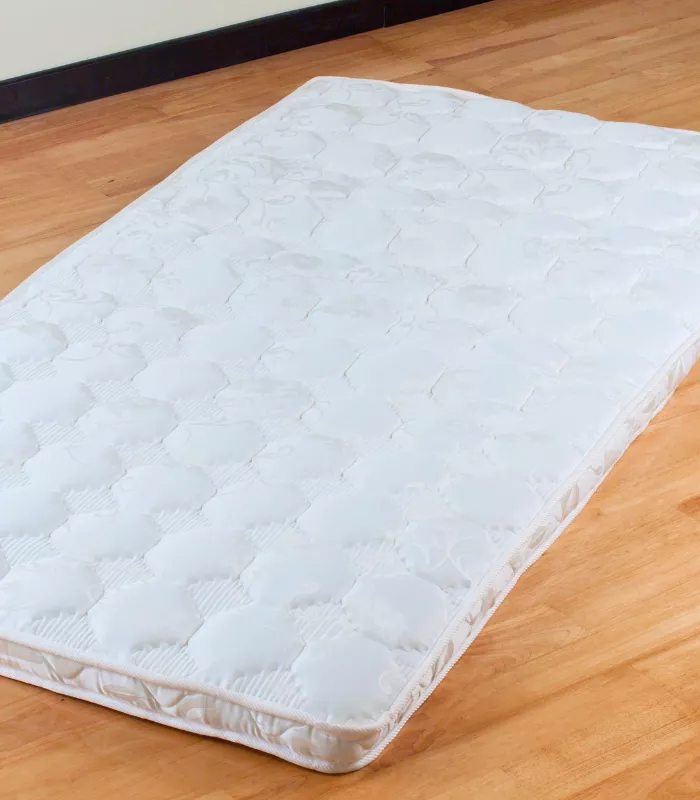
Budget foam mattresses are everywhere online.
Many of them are less than 6 inches thick.
That might sound fine, but thin foam compresses fully under the weight of an adult body.
Once the foam bottoms out, you are essentially sleeping on the hard base beneath it.
You’re better off spending a little more on a mattress that is at least 8 to 10 inches thick with proper density foam layers.
Thin foam mattresses are often sold in a roll-up box format, which makes them look modern and convenient.
But the compressed packaging process can also damage the foam structure before you even sleep on it.
Low-price foam mattresses typically use a single layer of foam with no support base layer underneath.
A proper mattress needs at least two distinct layers: a comfort layer on top and a firmer support layer beneath it.
Without that support layer, your body pushes straight through the comfort foam with nothing to hold your spine in place.
Body impressions are permanent dips that form where you sleep most often, and they are a clear sign your mattress can no longer support you properly.
Most budget foam mattresses also off-gas chemicals when new, and poor ventilation in thin foam can make that smell linger for weeks.
For older adults who are more sensitive to air quality and chemical exposure, the off-gassing can cause headaches and disrupted sleep right from the start.
The savings you make on a cheap thin mattress are often wiped out by the cost of doctor visits, pain medication, and early replacement.
Why It’s On This List: Foam mattresses below 3 lb per cubic foot density will sag and lose support within 1 to 2 years, far sooner than most people expect.
8. Old Memory Foam Mattresses Past Their Prime
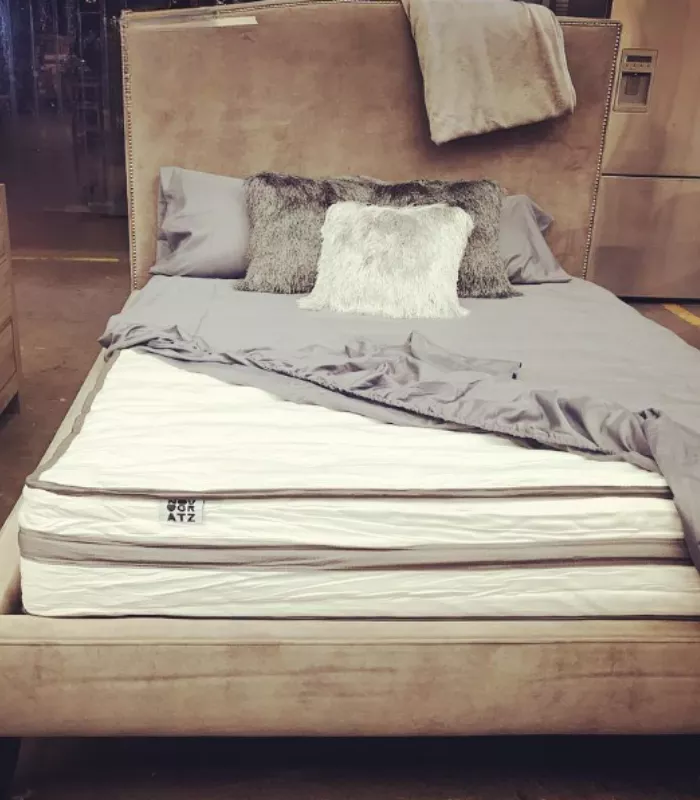
Memory foam can be a great choice for back pain when it is new.
But memory foam does not last forever.
Over time, it loses its ability to bounce back, developing permanent body impressions.
Those permanent dips mean your spine is sinking into the same misaligned position every single night.
That’s why even a mattress that once worked well can become a source of pain after 6 to 8 years.
Memory foam works by responding to your body heat and weight, softening to cradle your shape.
When the foam is fresh, that response is precise and supportive.
As the foam ages, it loses its ability to fully recover between uses and starts holding the shape of your body permanently.
That permanent impression might feel familiar and comfortable at first, but it is locking your spine into one fixed position all night.
If your posture or sleeping position has changed over the years, the old impression no longer matches your current body shape.
That mismatch is a common but overlooked cause of new or worsening back pain in people who have had the same mattress for many years.
Higher-density memory foam lasts longer than low-density foam, but even premium memory foam eventually breaks down with regular use.
Heat retention is another issue with older memory foam, as the foam structure degrades and ventilation decreases over time.
If your memory foam mattress is older than 7 years and you are waking up with back pain, the mattress has very likely passed its useful life.
Why It’s On This List: Memory foam mattresses with a body impression deeper than 1.5 inches are considered worn out by most sleep health experts and should be replaced.