

Georgia has several places where the sidewalks still do the heavy lifting. That alone feels refreshingly old-fashioned.
Concrete can still have manners.
1. Decatur, Walk Score 60
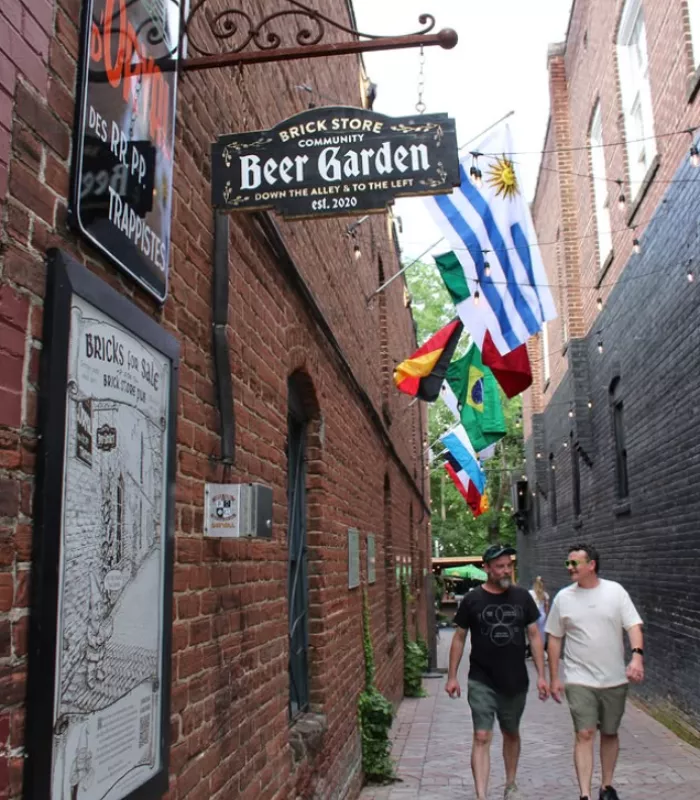
Decatur has the highest Walk Score in the entire state. Sixty out of a hundred does not sound impressive until you compare it to the rest of Georgia.
We are talking about a town square you can circle on foot before your coffee gets cold. Restaurants, shops, and the old courthouse all sit within a few blocks of each other.
It is small, it is dense, and it works. No car required for a full afternoon downtown.
2. Savannah, Colonial Squares

Picture this: you step off River Street onto cobblestones laid before the Revolutionary War, and somehow the shade trees still line up perfectly two centuries later.
Savannah was laid out in 1733 with a grid of public squares, and that original plan is still what makes downtown so easy to wander. Twenty-two squares dot the historic district, each one a shady rest stop between shops and old churches.
We used to think a walkable city meant a modern one. Savannah proves that wrong every single block.
3. Dahlonega, 1828 Gold Rush
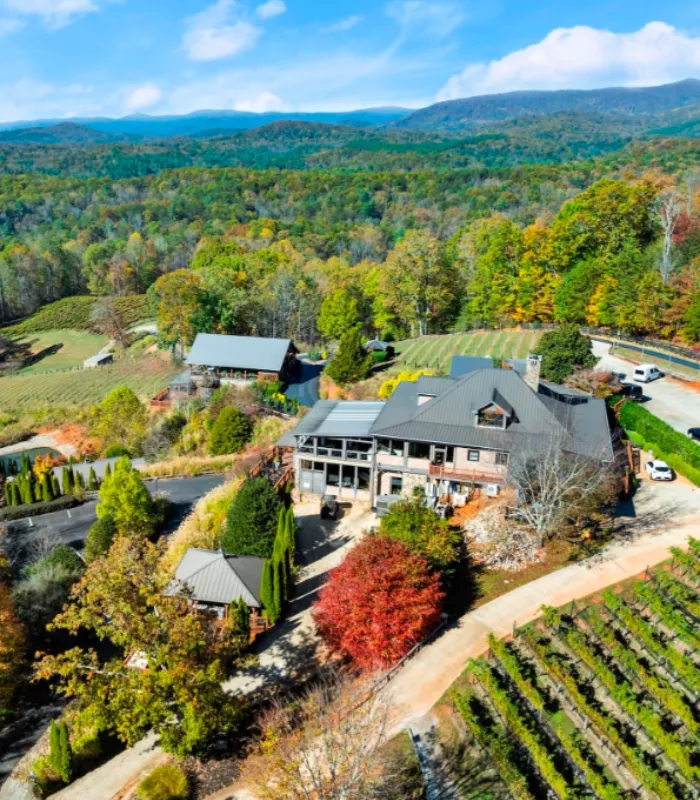
Most folks assume Dahlonega is just a cute mountain town with a fudge shop on every corner. That is not wrong, but it undersells the place.
This was the site of America’s first major gold rush, years before anyone had heard of California. The Dahlonega Gold Museum sits inside the old 1836 courthouse right on the square, and from those front steps every downtown attraction is a short stroll away.
We get skeptical of towns that lean hard on one historical claim to fame. But Dahlonega earns it. The gold was real, the museum is genuinely good, and the wine bars that came later are just a bonus nobody asked for and everybody enjoys.
The square still functions the way a town square should. Shops, a park, and a wine room all within shouting distance of each other. This one deserves the fuss.
4. Madison, Antebellum Row
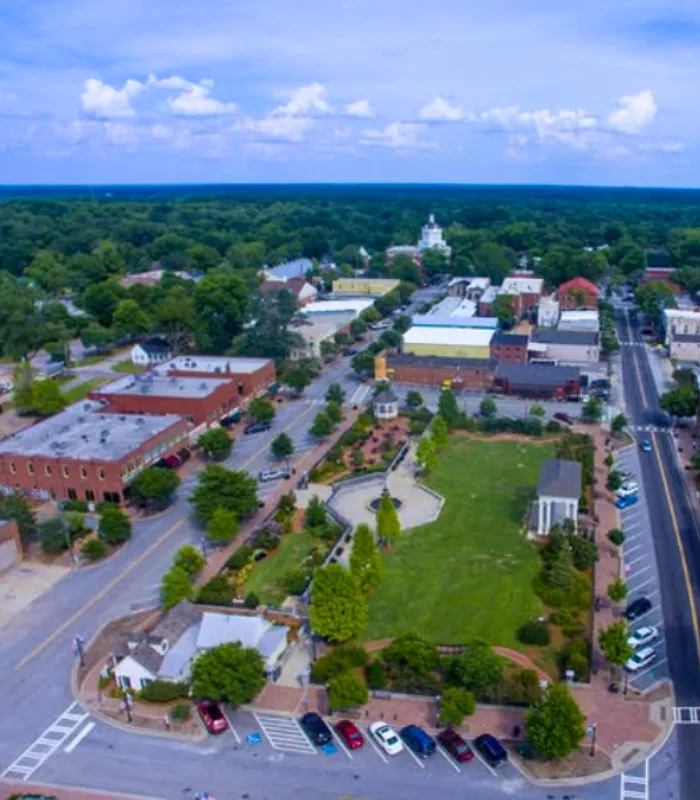
Madison is one hour east of Atlanta, and it feels like a different century the second you park the car.
The historic district is famous for being remarkably intact, with tree lined brick sidewalks and antebellum homes that have not been fussed with too much. A self guided walking tour connects more than two dozen stops without ever crossing a busy road.
We remember when preserved meant roped off and untouchable. Madison preserved its homes and still lets you actually enjoy the town around them.
5. Blue Ridge, Scenic Railway Town
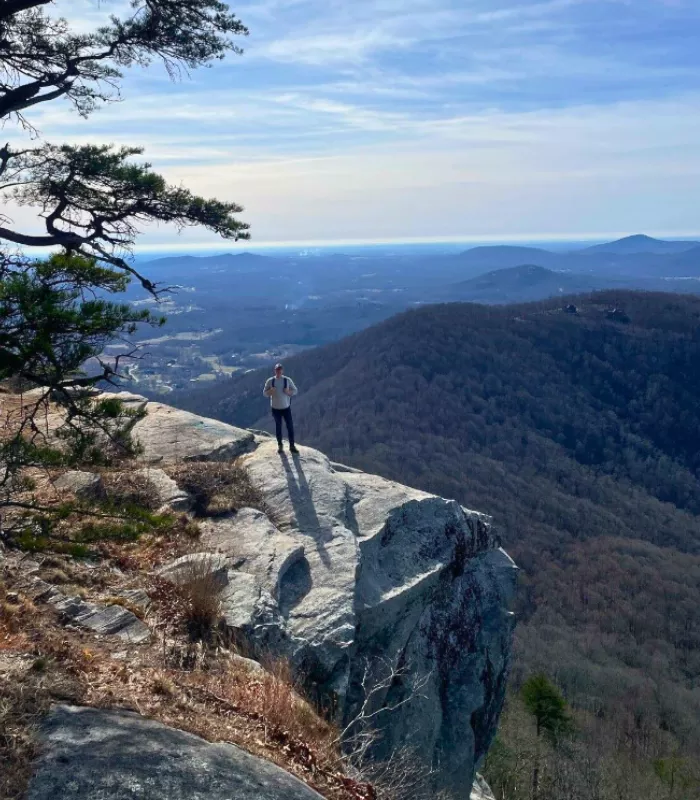
Blue Ridge sells itself as a peaceful mountain escape, and then somehow every shop on Main Street sells fudge, jam, or a candle that smells like a campfire.
The downtown is compact enough to cover on foot in an afternoon, with galleries, a scenic railway depot, and more than one fudge counter within a few blocks. The train itself runs along the Toccoa River toward Tennessee.
We are not knocking it. We are just saying if you visit and leave without a jar of jam, you did it wrong on purpose.
6. Thomasville, Winter Resort Era
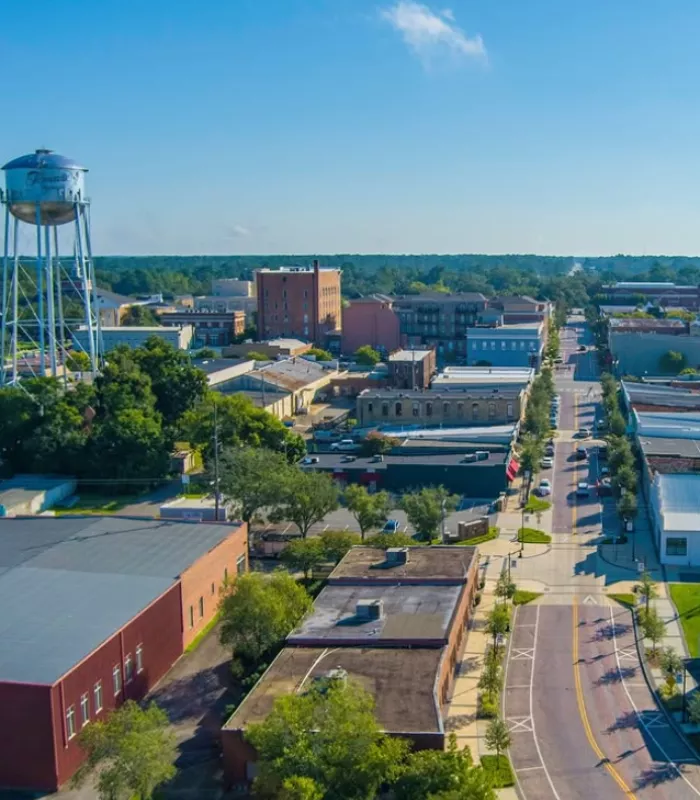
It was not the town’s fault that it got labeled old fashioned. Thomasville was actually one of the most fashionable winter destinations in the entire South.
Wealthy northerners once traveled here by train to escape cold weather, and the Victorian mansions along Dawson Street are what remains of that era. More than a hundred locally owned shops now fill the same walkable downtown grid.
We think Thomasville gets overlooked because nobody markets past glamour the way they market new attractions. That is a shame, because the Big Oak alone, over 300 years old, is worth the walk.
7. Rome, Three Rivers City
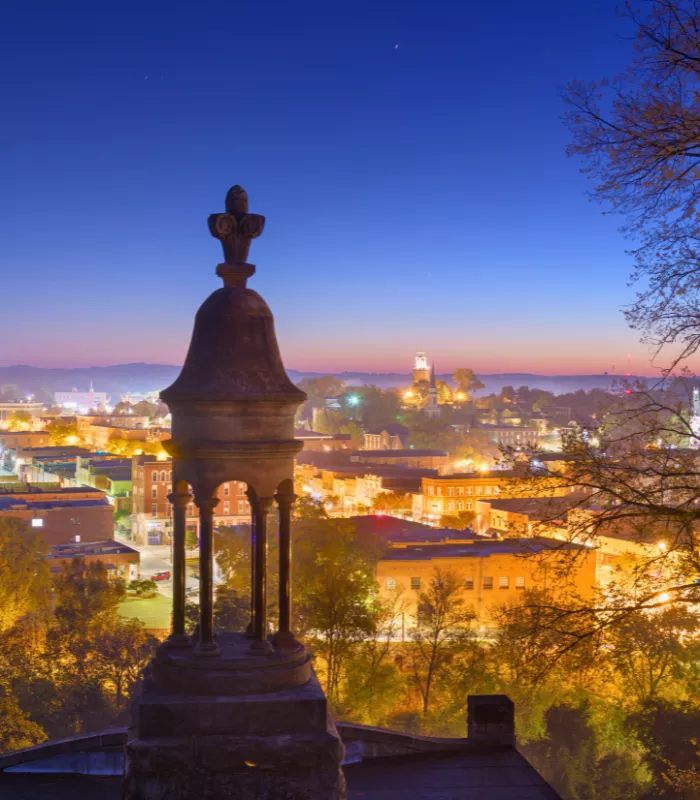
Here is something genuinely baffling. Rome, Georgia has a bronze wolf statue identical to one in Rome, Italy, standing quietly near City Hall like nobody should question it.
Downtown sits where three rivers meet, and Broad Street, one of the widest main streets in the state, connects coffee shops and delis within easy walking distance. A thirteen mile paved greenway follows the water from downtown out to nearby parks.
We still cannot fully explain the wolf. Nobody in Rome seems bothered by it, so maybe we should not be either.
8. St. Marys, Cumberland Island Gateway
St. Marys sits less than an hour north of Jacksonville, and the whole downtown behaves like it knows the water is the main attraction.
Shops line Osborne Street on the walk toward the waterfront park, and the ferry to Cumberland Island departs right from downtown. On a clear day you can spot wild horses on the far shore before you even board a boat.
Does anyone else find it strange that a town this small has its own submarine museum? Small but never boring, that is St. Marys in one line.
9. Covington, Hollywood of the South
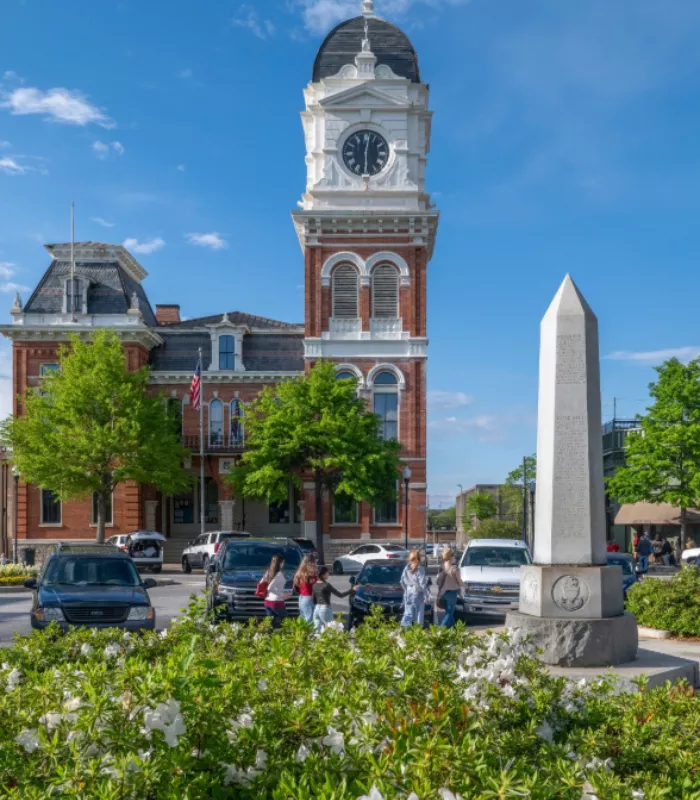
In 1979, a television crew showed up in Covington to film something called The Dukes of Hazzard, and the town has not stopped mentioning it since.
More than 150 movies and shows have used Covington’s tight historic grid as a backdrop, which is exactly why the downtown works so well for walking. The courthouse square anchors everything, and a self guided Walk of Stars points out more than thirty filming locations within a few blocks.
We will admit we find the whole thing a little silly. A restaurant famous because a vampire show shot a scene there is not exactly deep history.
Still, walkable is walkable, and Covington earns the label honestly. The sidewalks are wide, the square is shaded, and the nostalgia, however manufactured, does not slow anyone down.
10. Clayton, Rabun County Quiet Corner
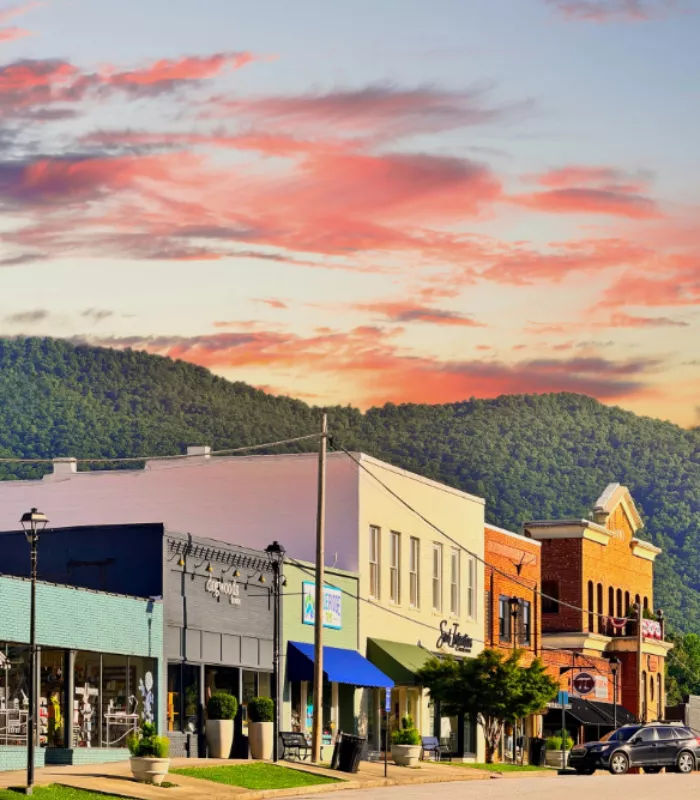
Clayton has just over two thousand residents, and every single one of them apparently agreed to keep the sidewalks uncrowded.
The Blue Ridge Mountains surround a tiny downtown where the historical society and a Cuban restaurant somehow coexist peacefully on the same street.
We like a town that does not try too hard. Clayton just sits there being pleasant, which honestly is harder to pull off than it sounds.
11. Atlanta, Metro Core
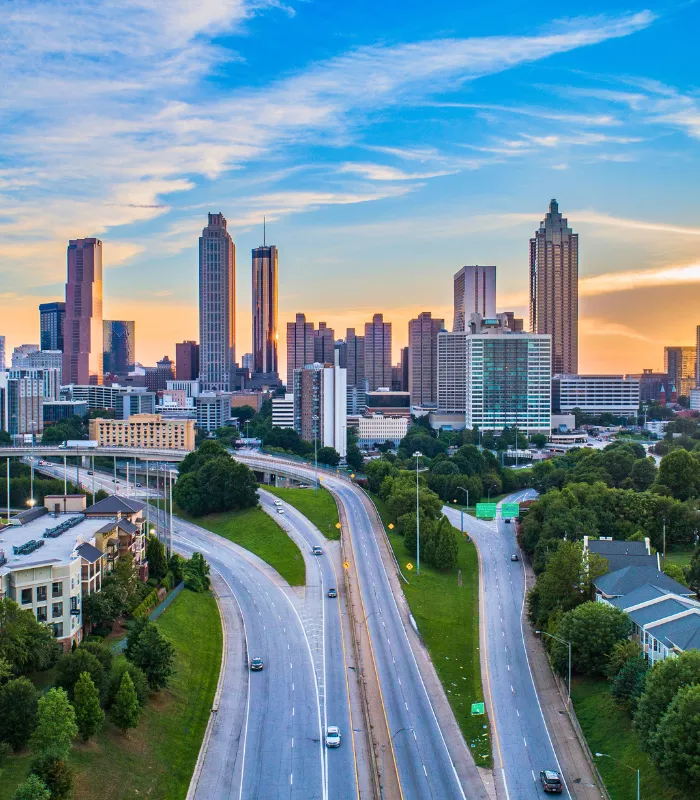
Atlanta sits near the top of Georgia’s walkability rankings, with a Walk Score of 48 in one recent statewide list and stronger scores in some central neighborhoods. That is the city doing what cities do best: giving you enough to see that you keep walking.
Midtown and downtown are the real story here. MARTA stations, parks, restaurants, and office districts bunch together in a way that makes the city feel more manageable on foot than its size suggests.
Atlanta is walkable where it counts, and that still surprises some of us.
12. North Atlanta, Urban Fringe
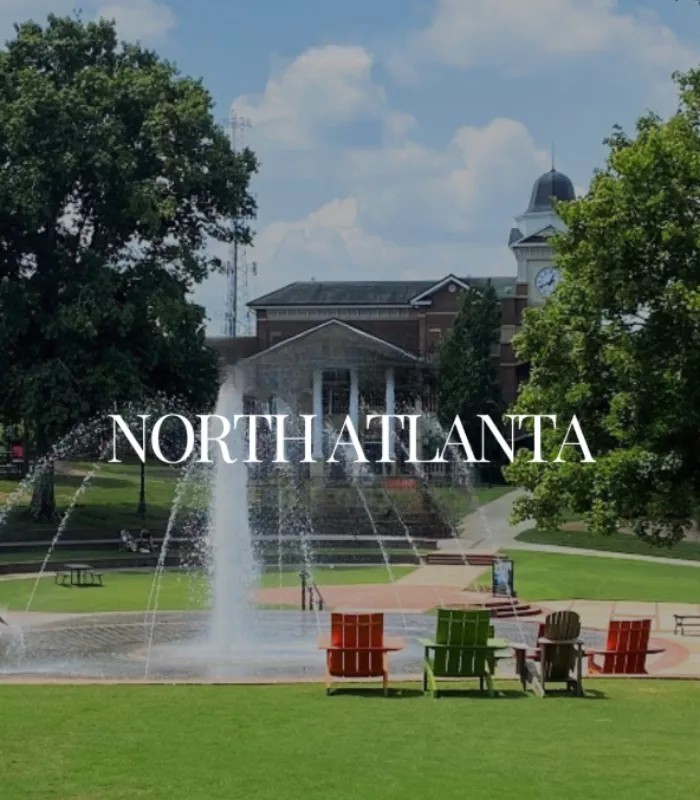
North Atlanta showed up with a Walk Score of 46 in the same statewide ranking. That puts it squarely in the group that can still be reasonably handled without turning every errand into a road trip.
What most people get wrong is assuming “Atlanta area” means one endless blur of traffic. In practice, the more walkable pockets can feel quite different from the main city.
13. North Druid Hills, In-Between Zone
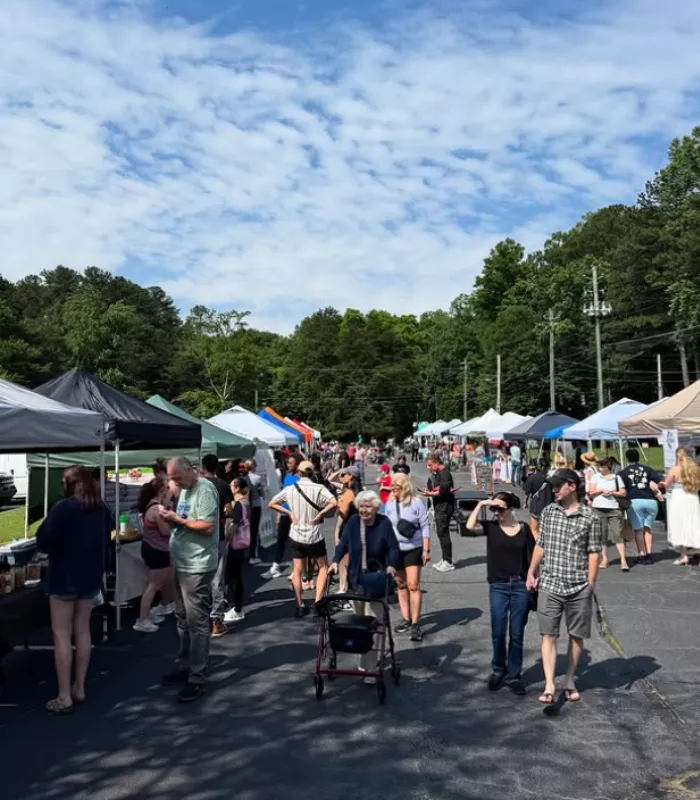
North Druid Hills ranked at 44, which is a respectable number for a place that sits between bigger activity centers. The area has enough daily life packed into it to make walking practical in the right spots.
This is not a postcard town, and that is fine. It is the kind of place where the sidewalk earns its keep by being useful rather than charming.
14. North Decatur, Close In

North Decatur posted a Walk Score of 43 in the statewide list. That is the sort of number that quietly says, yes, you can do quite a bit without making a production out of it.
We have a soft spot for places that do not brag. North Decatur does not need to; its location and everyday convenience do the talking.
15. Marietta, Historic Square
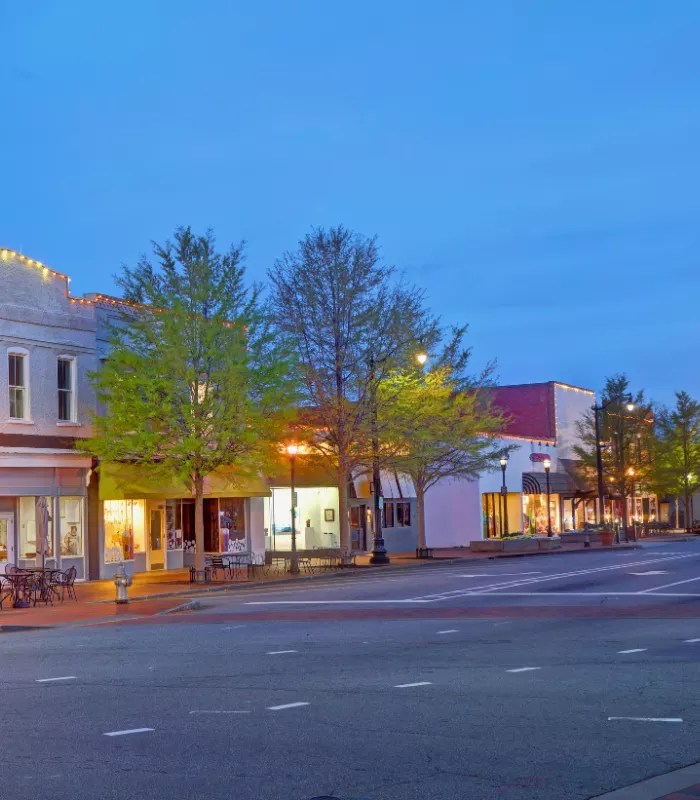
Marietta came in at 36, which sounds modest until you spend time around the town square. The center still gives you that older downtown rhythm, where you can park once and keep your day simple.
The walkability here is about the square, the shops, and the steady pace. Not flashy. Just usable.
16. Smyrna, Town Center Energy
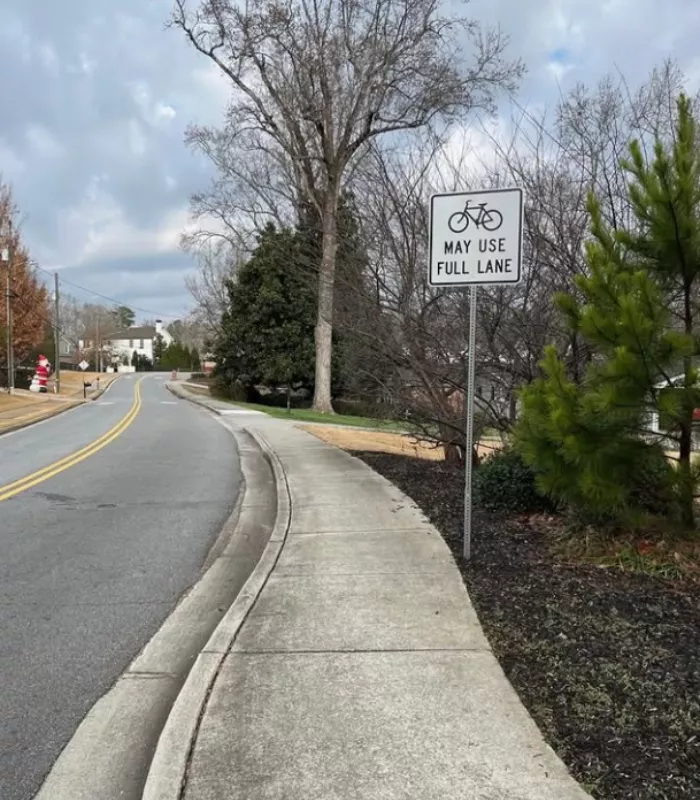
Smyrna scored 34 in the statewide ranking. That puts it in the category of places where a concentrated center does a lot of the heavy lifting.
The town center has the kind of setup that rewards short walks and easy errands. It is not trying to be grand, and honestly, that helps.
17. Forest Park, Starr Park Side
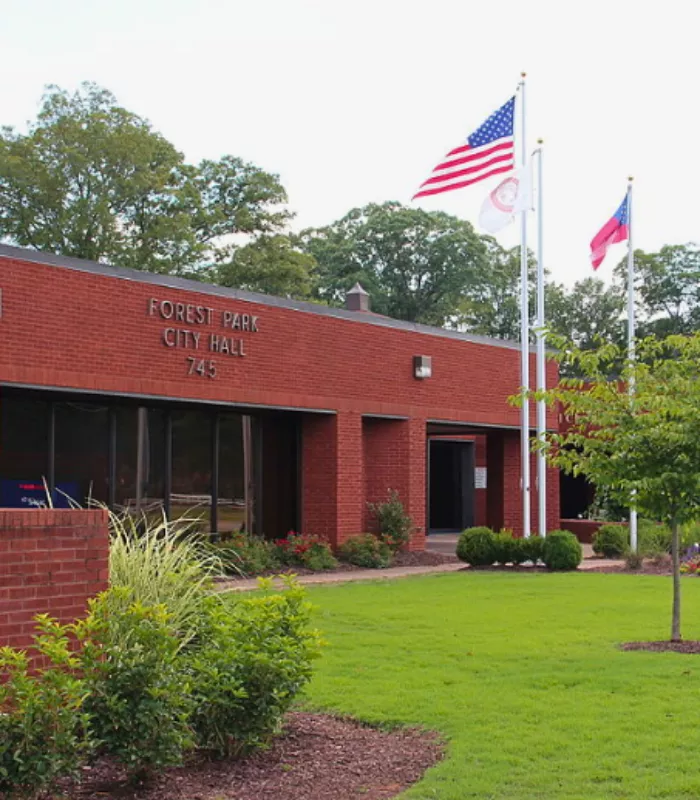
Forest Park also landed at 34. The ranking points to a place with enough nearby destinations to make on-foot trips feel natural in the right areas.
The list specifically calls out Starr Park and the Atlanta State Farmers Market as anchors. That combination gives the town a clear center of gravity, which is exactly what walkable places need.
18. Dunwoody, Clustered Convenience
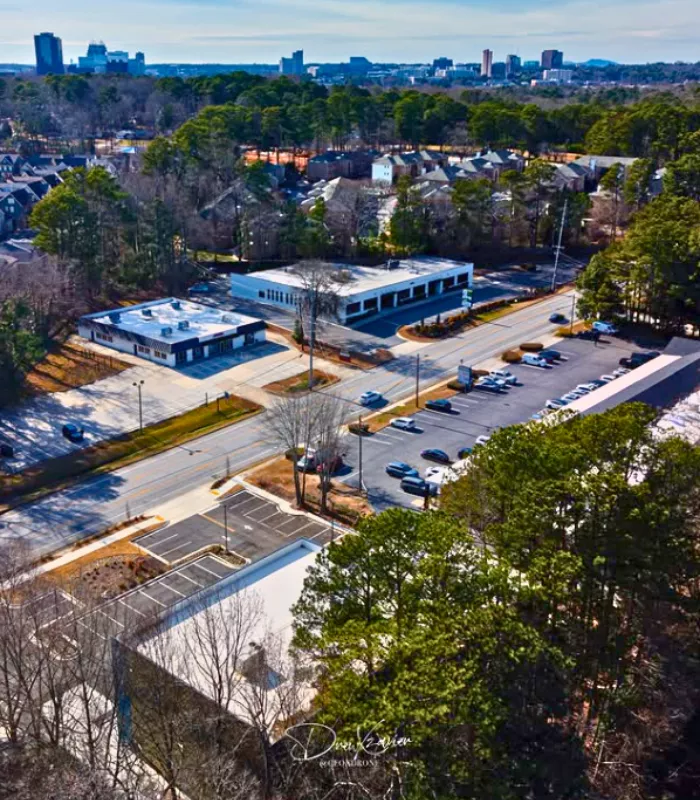
Dunwoody scored 33, and that number tells you the story plainly. It is walkable in selected areas, especially where the development is clustered and the sidewalks actually go somewhere useful.
Some towns are built for wandering. Others are built for getting from one practical stop to the next without much fuss. Dunwoody is closer to the second group.
19. Athens, College Town
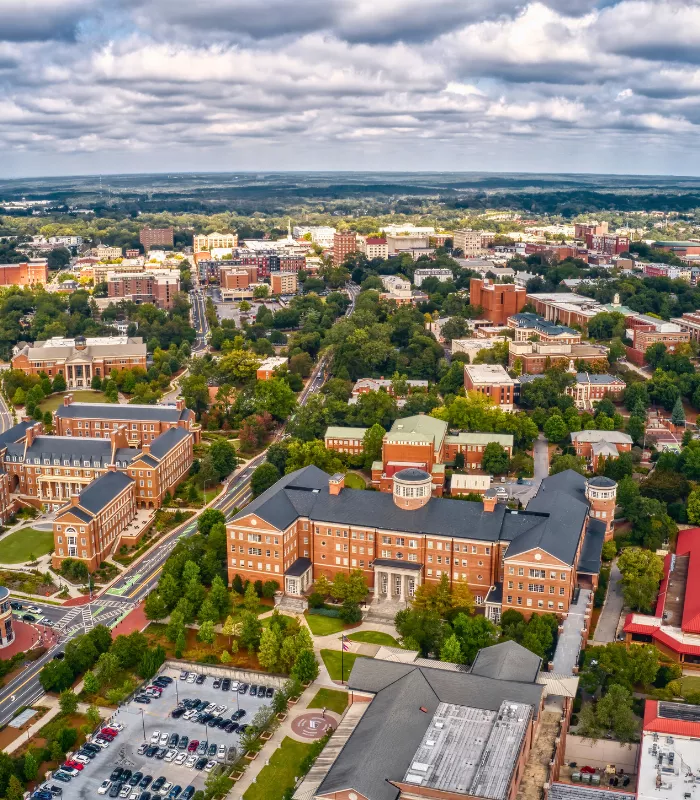
Athens is a strong candidate for any walkable-town list because the downtown is compact, lively, and easy to move through on foot. The classic center around the University of Georgia gives the town a very walk-friendly shape.
That said, the exact ranking can shift depending on whether you are counting the city overall or just the most walkable core. The core is where Athens shines.
20. Thomasville, Downtown Stroll
Thomasville appears on Georgia walkability lists with a Walk Score of 26, but the downtown experience is the part that matters most. The historic core is compact, readable, and easy to enjoy at a slower pace.
This is the sort of town that proves a lower score does not always tell the whole story. The square and surrounding blocks still make a pleasant walk, and sometimes that is the real measure.