

Dealers, home shopping hosts, and direct sales reps promised that limited editions and certificates of authenticity would turn into serious money.
Decades later, the market has spoken, and for most of these items the answer is that almost nobody wants them.
Here are 18 collectibles that were saved as investments and are now worth little more than the shelf space they take up.
1. Beanie Babies
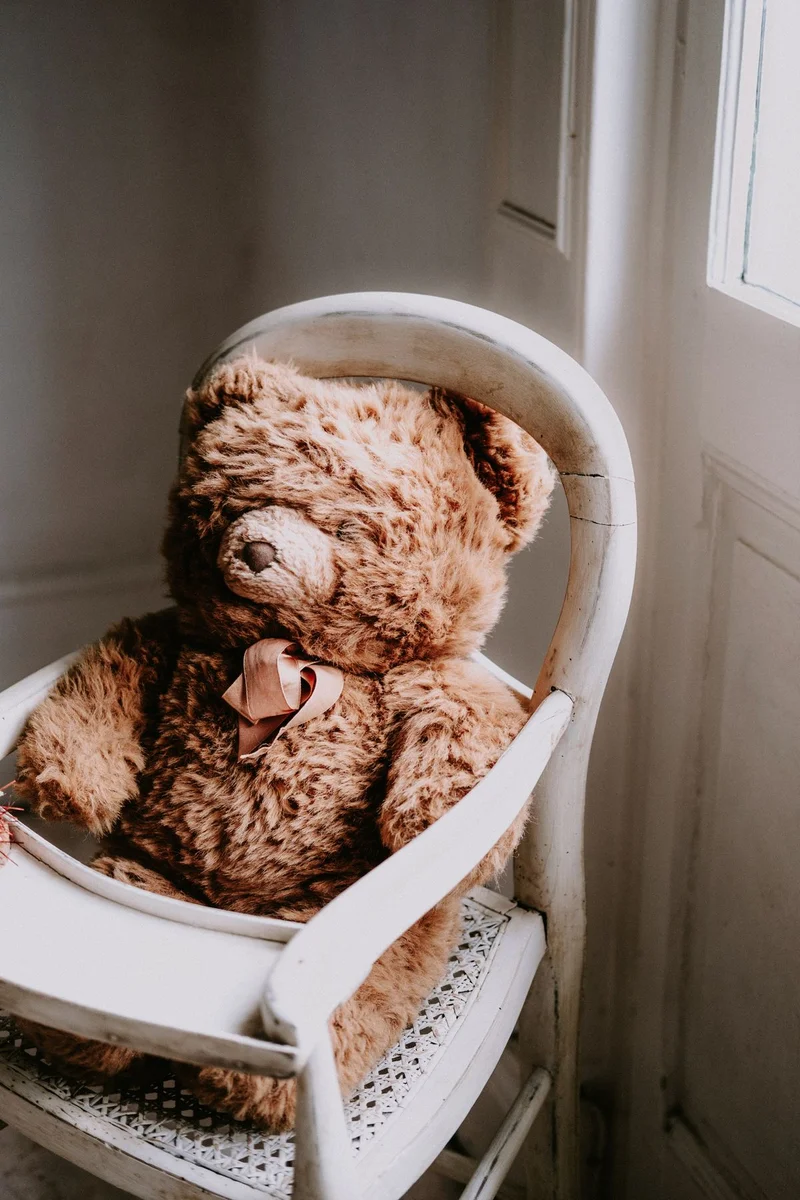
Ty introduced Beanie Babies in 1993, and the company retired designs on purpose to create the feeling of scarcity.
Shoppers bought them by the bagful, convinced that a closet full of plush bears would one day pay for a child’s college tuition.
The problem was that nearly everyone had the same idea, so millions of the same bears flooded the market.
Today most Beanie Babies sell for a few dollars each, and thrift stores and yard sales are full of them.
2. Franklin Mint Collector Plates
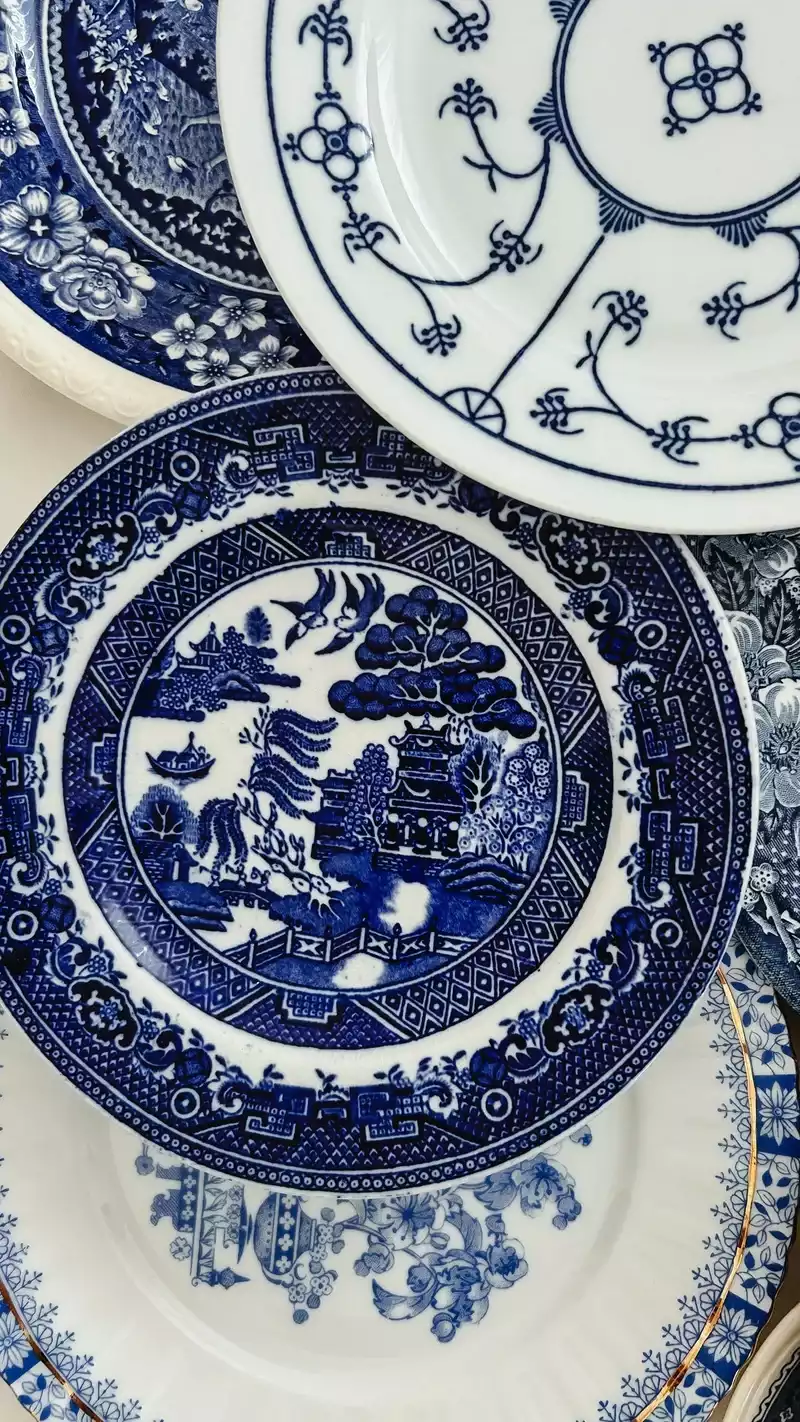
Franklin Mint sold decorative plates through the 1970s and 1980s as limited editions, each one arriving with a certificate of authenticity.
Norman Rockwell scenes, wildlife art, and historical themes were marketed as heirlooms that would only grow in value.
In reality, the plates were mass produced in huge numbers, and millions of households bought the same ones.
Most of them now sell for a few dollars each when they sell at all, and many end up donated or thrown away.
3. Hummel Figurines
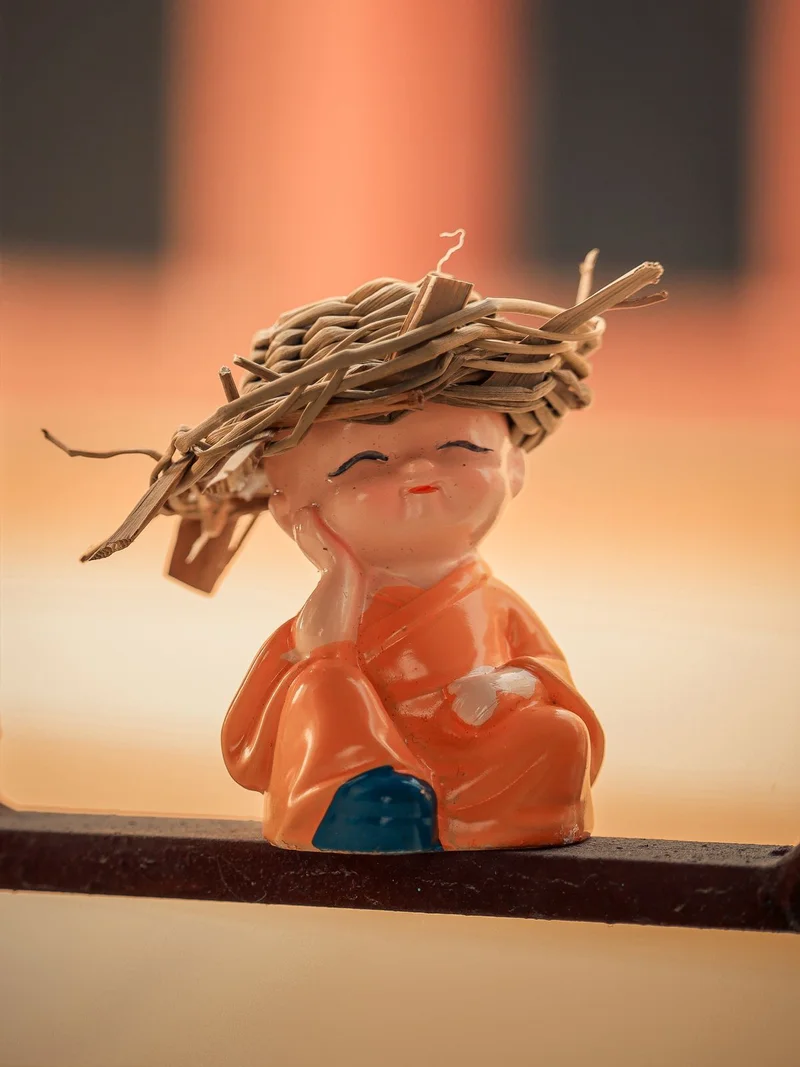
Goebel began making Hummel figurines in 1935, based on the drawings of German nun Sister Maria Innocentia Hummel.
American servicemen brought them home after the war, and they became a fixture in curio cabinets across the country.
Collectors paid serious money for the little porcelain children, believing the figurines would hold their value forever.
Demand has collapsed as the collecting generation has aged, and most common Hummels now sell for very little.
4. Precious Moments Figurines
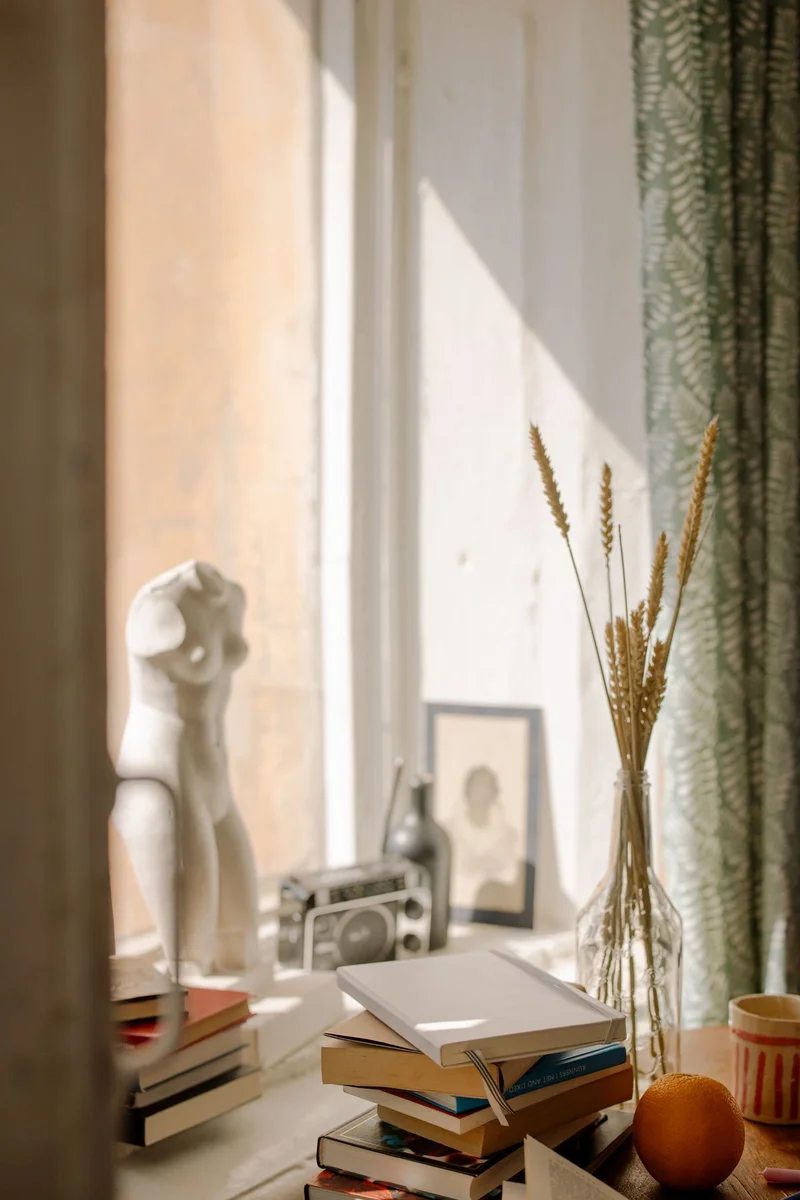
Artist Samuel Butcher created the teardrop eyed Precious Moments children, and the first porcelain figurines arrived in 1978.
Enesco turned them into gifts for every life event, from births and baptisms to weddings and retirements, and more than 2,500 designs followed.
Fans collected them by the shelf, sure that the numbered editions would become valuable.
Most common pieces now sell for a few dollars, and thrift store shelves are packed with them.
5. Porcelain Dolls
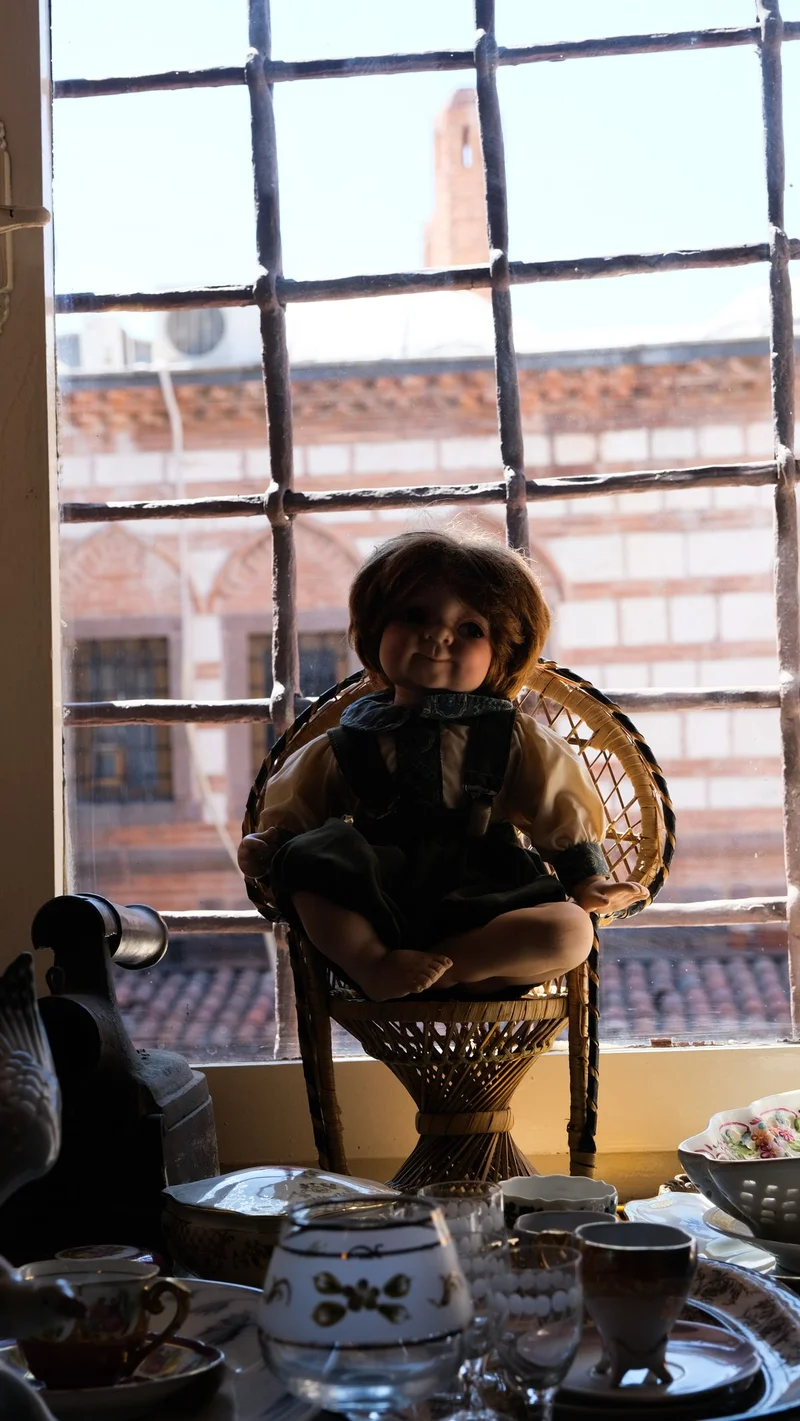
Home shopping channels sold porcelain dolls by the thousands in the 1980s and 1990s, each one dressed in Victorian lace and shipped with a certificate of authenticity.
Buyers were told the dolls were limited editions and would be worth far more than the price on the screen.
The dolls were mass produced, though, and nearly every household that wanted one already had several.
Today they sit unsold at estate sales and thrift stores, often still in their original boxes.
6. Baseball Cards
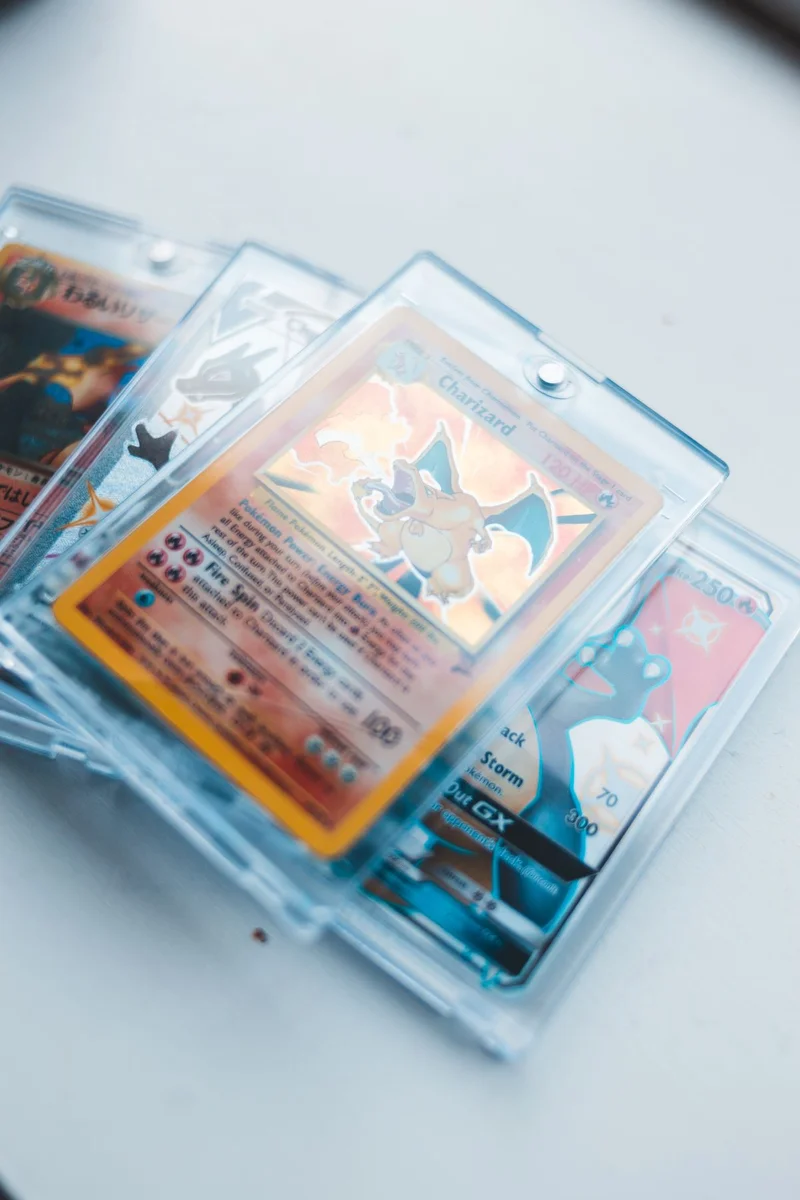
The late 1980s and early 1990s became known as the junk wax era, when card companies printed billions of baseball cards.
Kids were told to keep their cards mint and sealed, because a complete set would surely be worth a fortune one day.
Everyone saved everything, so the supply never dried up, and most common cards from that era are now worth pennies.
Only rare stars from before the boom still command real money, while the rest fill binders that nobody wants to buy.
7. Longaberger Baskets
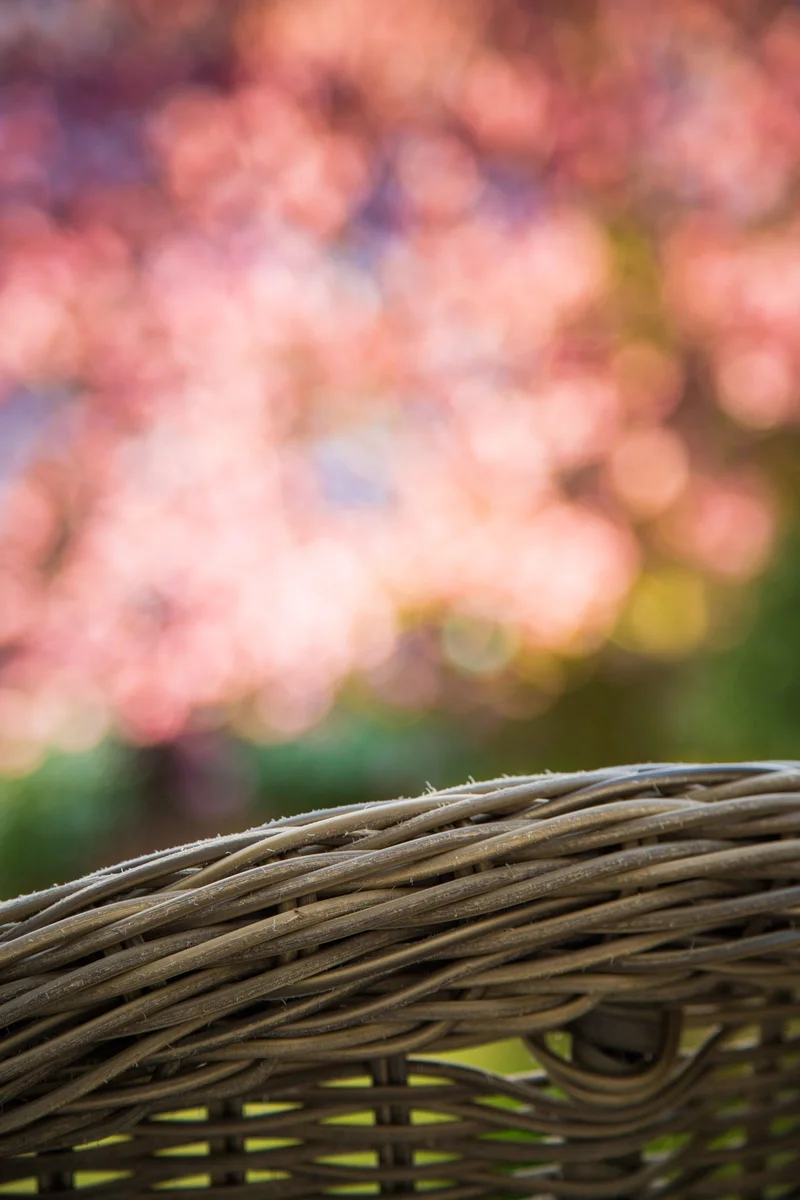
Longaberger made handmade maple baskets in Dresden, Ohio, and sold them through home parties run by consultants.
Some baskets cost hundreds of dollars, and owners were told they were buying American heritage that would be passed down for generations.
Collectors filled entire rooms with them, buying every new shape, liner, and accessory the company released.
Today most Longaberger baskets sell for a few dollars at yard sales and thrift stores, if they sell at all.
8. Bradford Exchange Plates
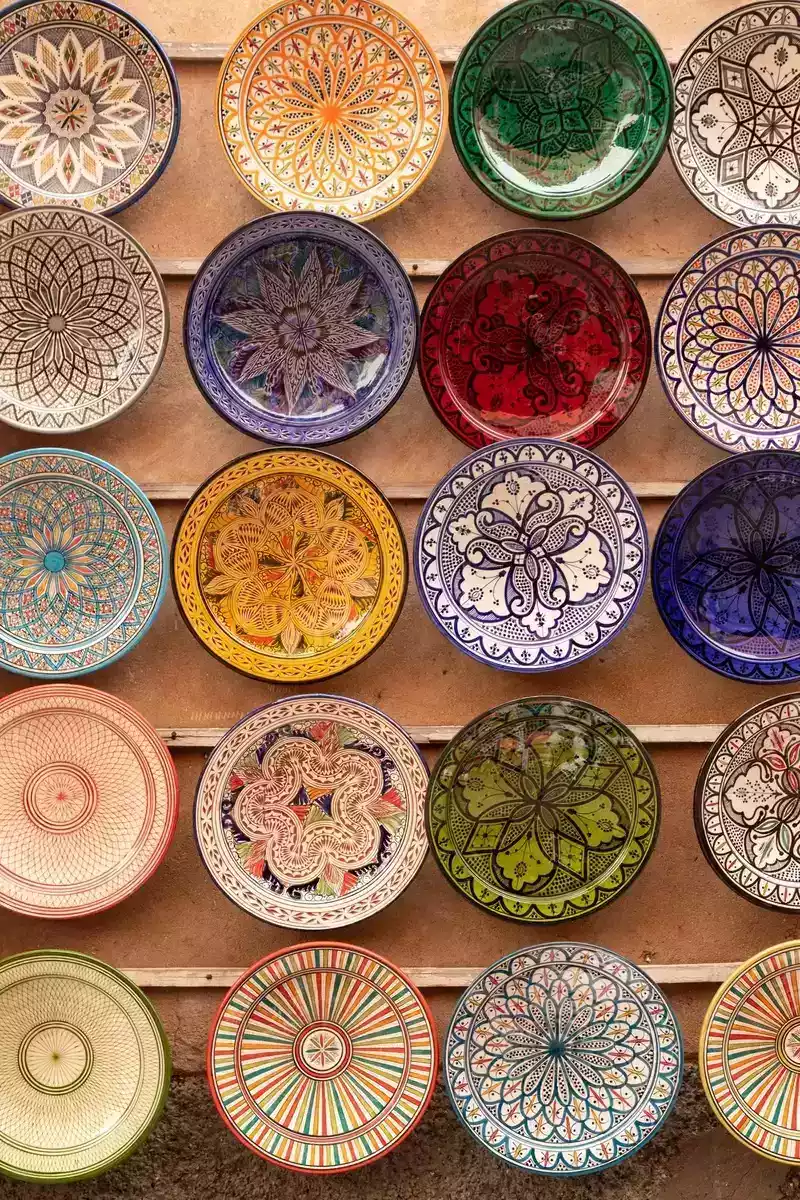
The Bradford Exchange, founded in 1973, sold collector plates as subscriptions, with the first plate offered cheap and a new one arriving every month or two.
Each plate was marketed as a limited edition, and buyers were encouraged to complete the whole series.
Millions of the same plates were made, though, and the resale market never materialized the way the ads promised.
Inherited sets of Bradford Exchange plates are now among the hardest collectibles to give away, let alone sell.
9. Department 56 Villages
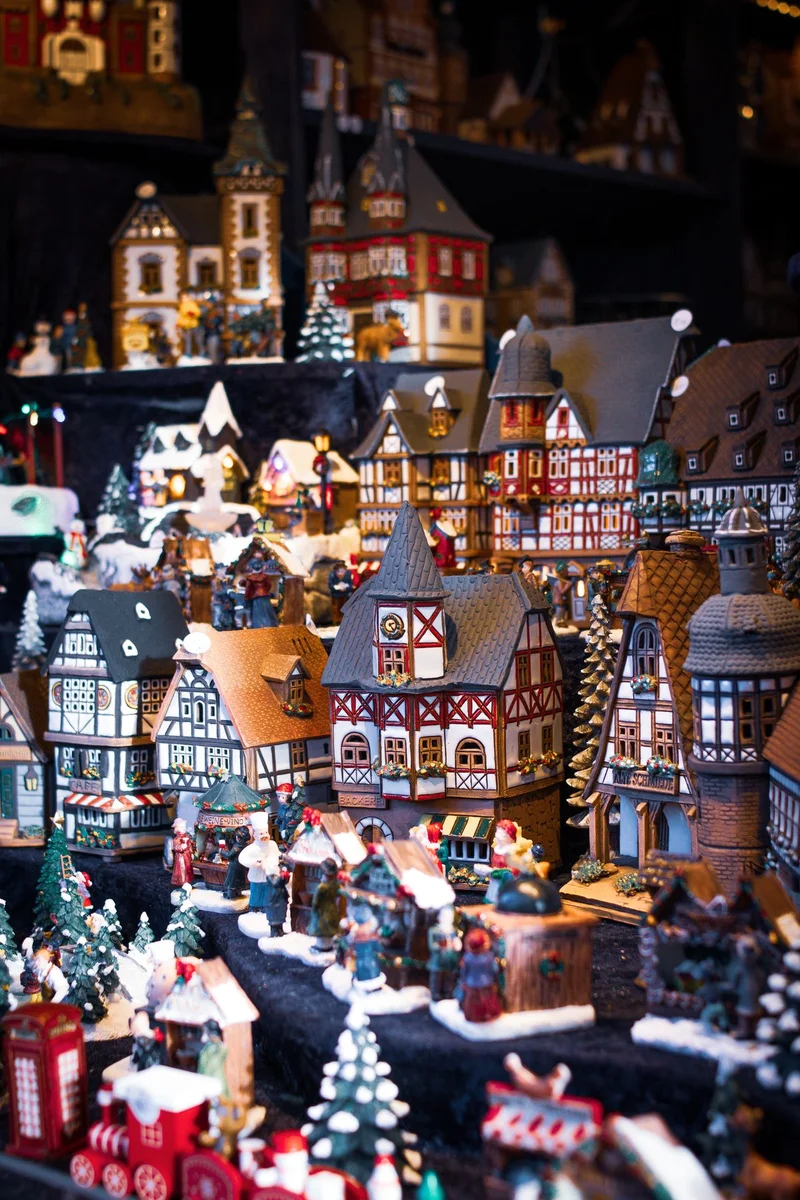
Department 56 launched its Dickens Village line in 1984, selling hand painted porcelain houses that collectors arranged into whole miniature towns.
Fans bought building after building, and retired pieces were supposed to gain value as they became harder to find.
The villages were produced in such large numbers that most common houses are easy to find secondhand.
Today they sell for a few dollars at thrift stores, and many families inherit entire villages they do not know what to do with.
10. Swarovski Crystal
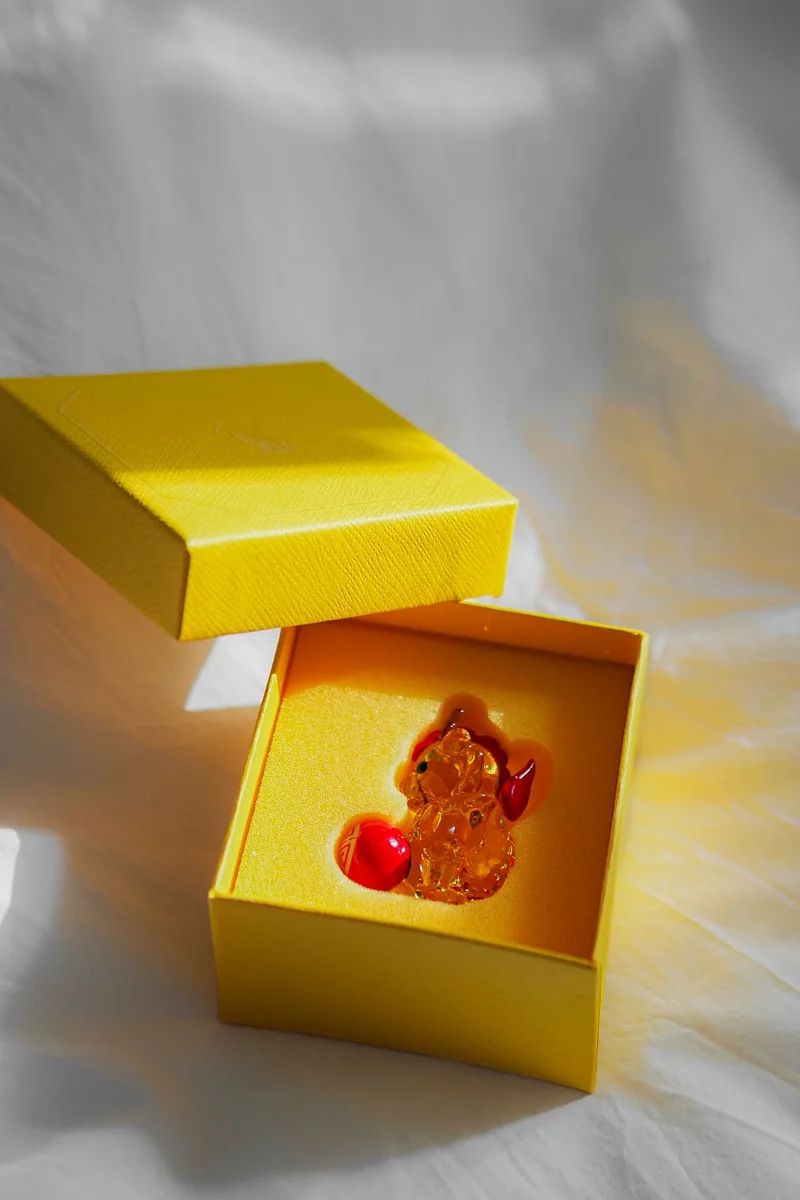
Swarovski built a collecting business around its Austrian crystal animals, ornaments, and figurines, sold in signature blue boxes with certificates.
Shoppers bought them as gifts and investments, believing the retired pieces would appreciate like fine art.
A few limited editions and Disney pieces still sell well, but most common animals and ornaments resell for a fraction of their retail price.
Sellers often find that the crystal is hard to move at all unless the piece is rare or still in demand.
11. Lladro Figurines
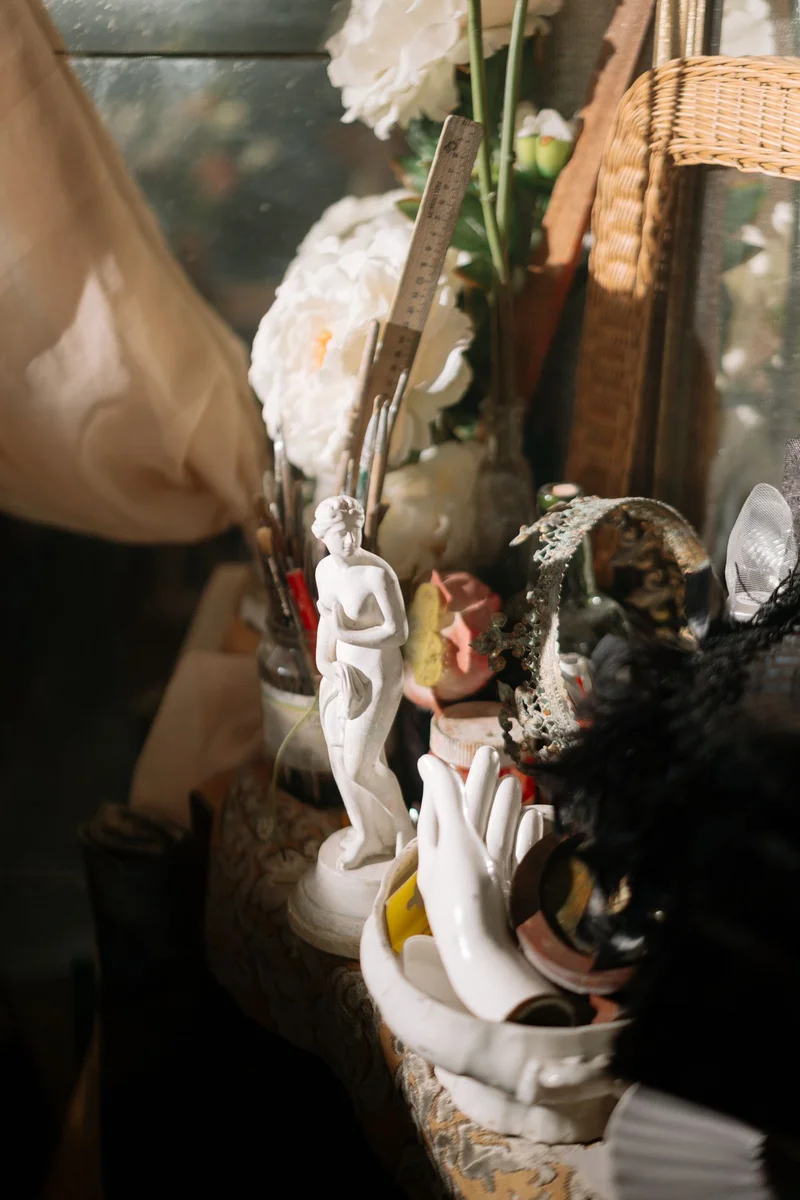
Lladro has made glossy pastel porcelain figurines in Valencia, Spain, since the 1950s, and the pieces were once expensive gifts for weddings and anniversaries.
Collectors prized the delicate women, children, and animals, and display cabinets full of Lladro were a mark of good taste.
Supply has long since outrun demand, and many listings sit unsold for months.
Pieces that once cost hundreds now often sell for well below their original retail price, when they sell at all.
12. Avon Perfume Bottles
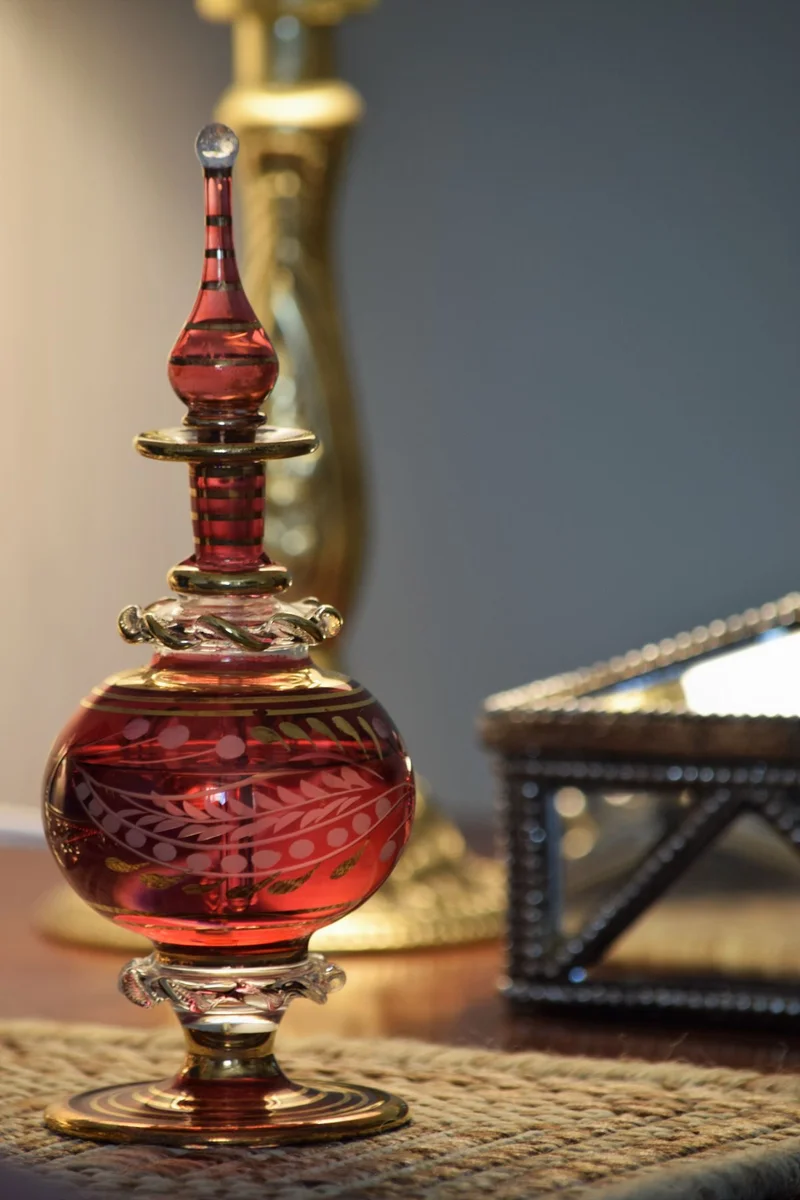
Avon ladies sold figural perfume bottles shaped like cars, telephones, animals, and clocks from the 1960s onward.
The novelty decanters were cheap, charming, and easy to collect, so people saved them by the dozen, many still full and boxed.
Because Avon made them in enormous quantities, most shapes are still easy to find today.
Common Avon bottles are worth only a few dollars each, and resellers warn new buyers not to expect a return on them.
13. Stamp Collections
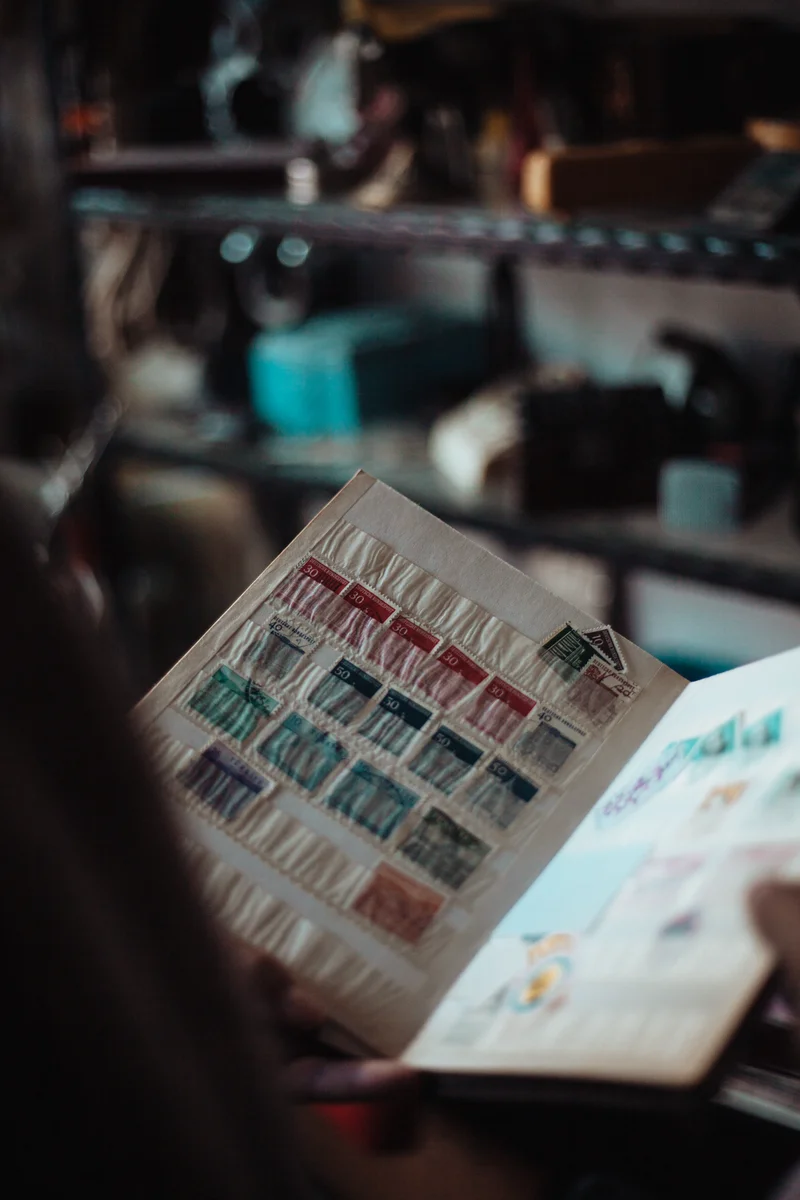
Generations of collectors filled albums with stamps, convinced that a lifetime of careful collecting would one day be worth a fortune.
The trouble is that most inherited collections are made up of common mint stamps, which are worth face value at best and often less.
Dealers see the same ordinary worldwide accumulations every week, and most are not interested in buying them.
Families are often shocked to learn that the albums their grandfather treasured have almost no monetary value.
14. Coin Collections
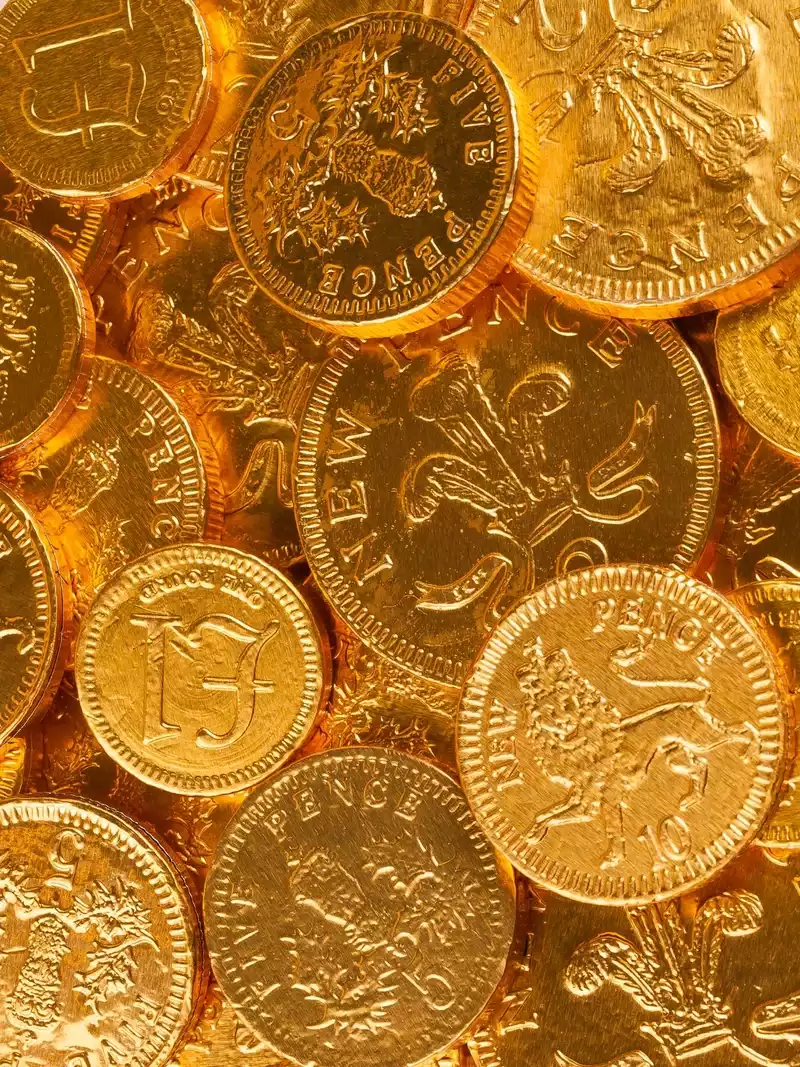
The state quarter program that ran from 1999 to 2008 turned millions of Americans into coin collectors, and mint sets and commemorative sets sold by the millions too.
Collectors filled albums and display cases, sure that complete sets would be worth far more than their face value.
Most of those coins are worth exactly their face value today, because so many people saved the same ones.
Silver coins and genuinely rare issues are the exception, while ordinary collections sit in drawers waiting for someone who wants them.
15. Comic Books
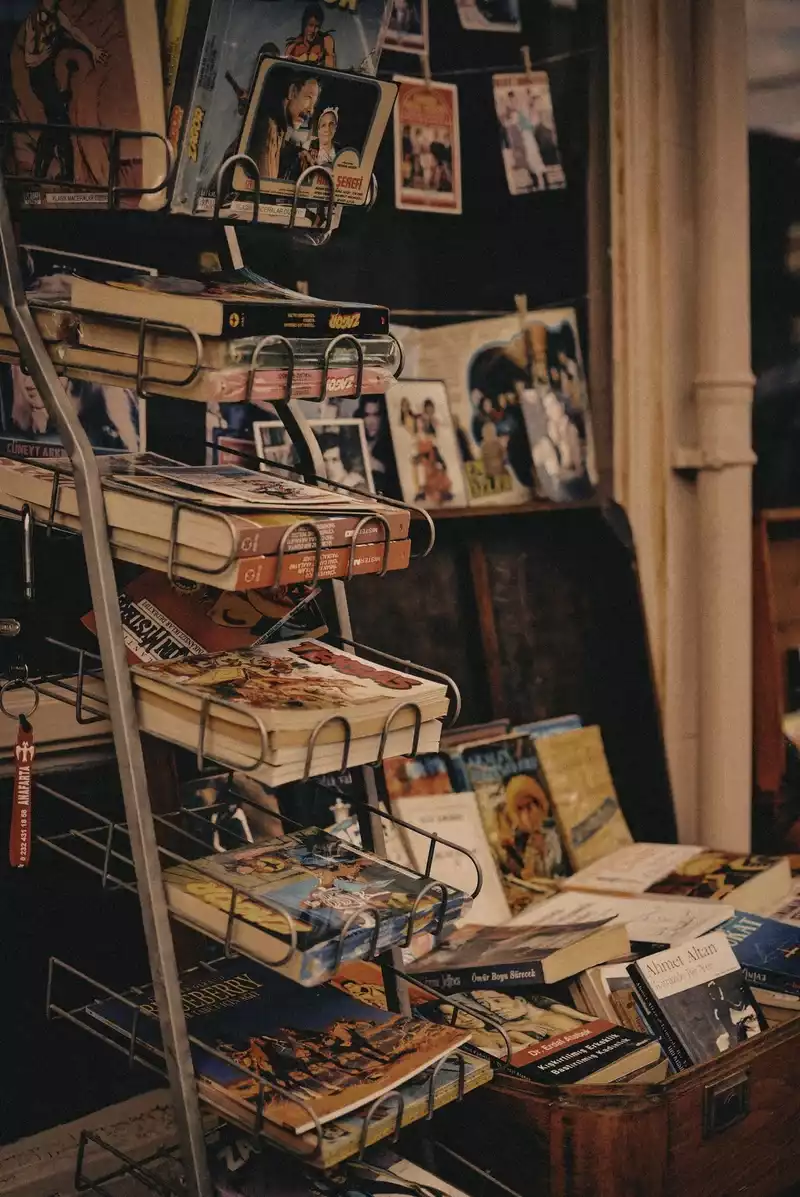
The early 1990s brought a comic book speculation boom, and publishers printed millions of copies of X-Men, Spider-Man, and Spawn.
Collectors bought multiple copies, sealed them in bags with backing boards, and saved the polybagged editions with their free trading cards untouched.
Print runs were so large that most 1990s issues are worth a dollar or less today.
Dealers offer pennies per book for common issues, and many longtime collectors end up donating their long boxes rather than selling them.
16. McDonald’s Happy Meal Toys
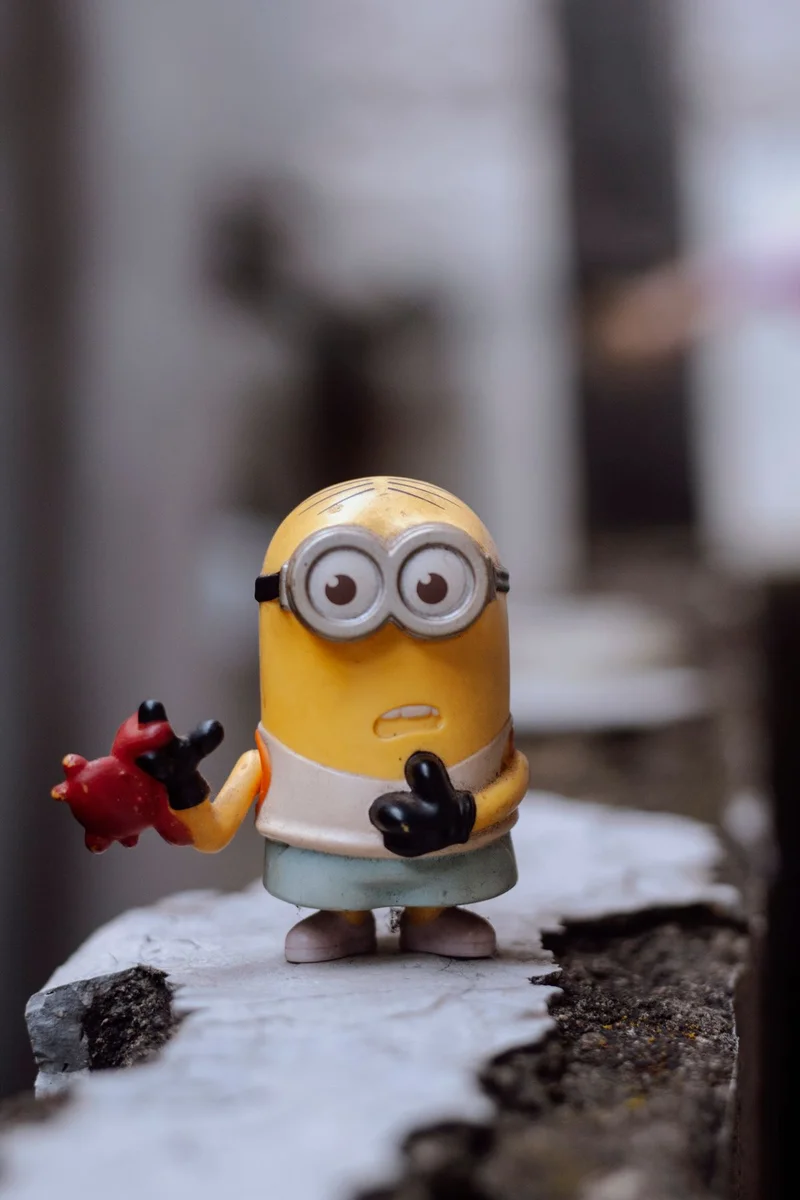
McDonald’s has given away a small toy with every Happy Meal for decades, and some complete sets do change hands for real money.
Collectors saved the toys by the tote, convinced that the plastic figures from the 1990s and 2000s would become valuable.
Most loose and common toys are nearly worthless, though, because millions were made and millions were kept.
Bins of Happy Meal toys sit unsold at flea markets and thrift stores, waiting for a buyer who rarely comes.
17. Cabbage Patch Kids Dolls
Cabbage Patch Kids caused a shopping frenzy in 1983, with parents fighting in store aisles to get one of the soft dolls with yarn hair.
Each doll came with adoption papers and a name, and many buyers treated them as investments that would only go up in value.
Coleco and later makers produced them in huge numbers, so the market was flooded within a few years.
Most played with dolls now sell for five to ten dollars, and only rare early releases or unusual variants command more.
18. Royal Doulton Figurines
Royal Doulton made fine English porcelain figurines for more than a century, and its ladies in flowing gowns were once prized wedding and anniversary gifts.
Collectors paid hundreds for the HN numbered figures, displaying them in glass cabinets as a sign of taste and good breeding.
Fashions changed, and younger buyers have little interest in porcelain ladies, so demand has fallen sharply.
Most common Royal Doulton figures now sell for a fraction of what they cost new, and many sit unsold in the cabinets where they have always lived.