

Many of these charges started small and reasonable, then crept upward while nobody was watching.
Contracts renew, rates rise, and habits formed decades ago keep costing money long after they stopped making sense.
Here are 22 monthly expenses where seniors commonly pay more than they need to.
1. Cable TV

Cable bills have climbed steadily for years, and many households now pay well over a hundred dollars a month.
Most of that money goes toward hundreds of channels that never get watched.
Promotional rates expire quietly, and the bill jumps without any change in service.
A basic streaming plan or a digital antenna can cover the shows people actually watch for a fraction of the price.
2. Cell Phone Plans

Plenty of retirees are still on family sized plans built for four lines and unlimited data.
A single person or a couple often uses only a small share of the data they pay for.
Senior plans and low cost carriers offer the same networks with far smaller bills.
Comparing plans once a year is usually enough to catch a much cheaper fit.
3. Landline Phone

A landline made sense when it was the only reliable way to reach anyone.
Today most households already have a mobile phone that does the same job.
Keeping both means paying a second monthly fee for a line that rarely rings.
Those who like a home phone can usually add one to a cell plan or use an internet based service for far less.
4. Internet Service

Internet providers love selling the fastest speed tier, even to homes that only check email and stream a show or two.
Gigabit speeds are wasted on a household with two devices and light use.
Introductory prices also expire after a year, and the bill can nearly double overnight.
A slower tier and a quick call to ask about current offers can cut the bill substantially.
5. Multiple Streaming Services

One streaming service is cheap, but five or six of them add up to more than cable ever cost.
Subscriptions pile up one free trial at a time, and each one keeps charging whether it gets used or not.
Rotating services month by month covers the same shows for much less money.
A quick look at the bank statement usually reveals at least one service nobody has opened in months.
6. Gym Memberships

Gym memberships are easy to sign up for and easy to forget about.
Many retirees pay every month for a gym they visit a few times a year, if at all.
Some Medicare Advantage plans include a fitness benefit that covers a gym membership at no extra cost.
Walking, home exercise, and community classes can also keep a person active without a monthly fee.
7. Car Insurance

Car insurance rates vary wildly between companies, yet many drivers stay with the same insurer for decades.
Retirees who drive less than they used to may still be rated as if they commute every day.
Low mileage discounts, defensive driving courses, and bundling can all bring the premium down.
Getting fresh quotes every year or two is one of the quickest ways to find savings.
8. Home Insurance

Home insurance premiums rise most years, and renewal notices rarely get a second look.
Coverage limits set years ago may no longer match the home, and deductibles may be lower than they need to be.
Raising the deductible and asking about discounts for updated roofs, alarms, and claims free years can lower the bill.
Shopping the policy around at renewal time often turns up a better rate for the same protection.
9. Life Insurance

Life insurance bought decades ago may no longer match what a family actually needs.
Once the mortgage is paid off and the children are grown, a large policy can be more than necessary.
Some policies also build cash value slowly while charging high premiums.
Reviewing the coverage with a trusted adviser can reveal whether a smaller policy or a different type fits better now.
10. Medicare Supplements

Medicare supplement plans come in many flavors, and the most expensive one is not always the best fit.
Plan F and Plan G cover similar ground, yet their premiums can differ by hundreds of dollars a year.
Some people pay for rich coverage they never use because their health costs stay low.
Comparing plans during open enrollment, and checking whether a Medicare Advantage plan fits better, can save real money.
11. Prescription Drugs

Prescription prices can differ by hundreds of dollars between pharmacies, even in the same town.
Brand name drugs often have generic versions that work the same way for a fraction of the cost.
Discount cards, mail order pharmacies, and manufacturer assistance programs can cut the price further.
Asking the doctor or pharmacist about cheaper alternatives is worth doing at every refill.
12. Magazine and Newspaper Subscriptions

Print subscriptions used to arrive by mail and pile up unread on the coffee table.
Many have moved to automatic renewal, so the charge keeps hitting the card even when the reading habit has moved online.
Several magazines and newspapers offer the same content free through the library, including digital editions.
Cancelling the ones that go unread is a small job that pays off every month.
13. Storage Units

A storage unit often starts as a short term fix during a move or a downsizing.
Years later it is still there, charging rent every month for boxes nobody has opened.
The cost of a few years of rent can exceed the value of everything stored inside.
Sorting through the unit once and selling, donating, or passing along what is inside usually ends the bill for good.
14. Timeshare Maintenance Fees

Timeshare maintenance fees rise almost every year, whether the unit gets used or not.
Many owners find they travel less as they age, yet the annual fee keeps coming.
Special assessments for repairs and upgrades can add thousands on top of the regular fee.
Exiting a timeshare is rarely simple, but the yearly cost makes it worth looking into the options.
15. HOA Fees
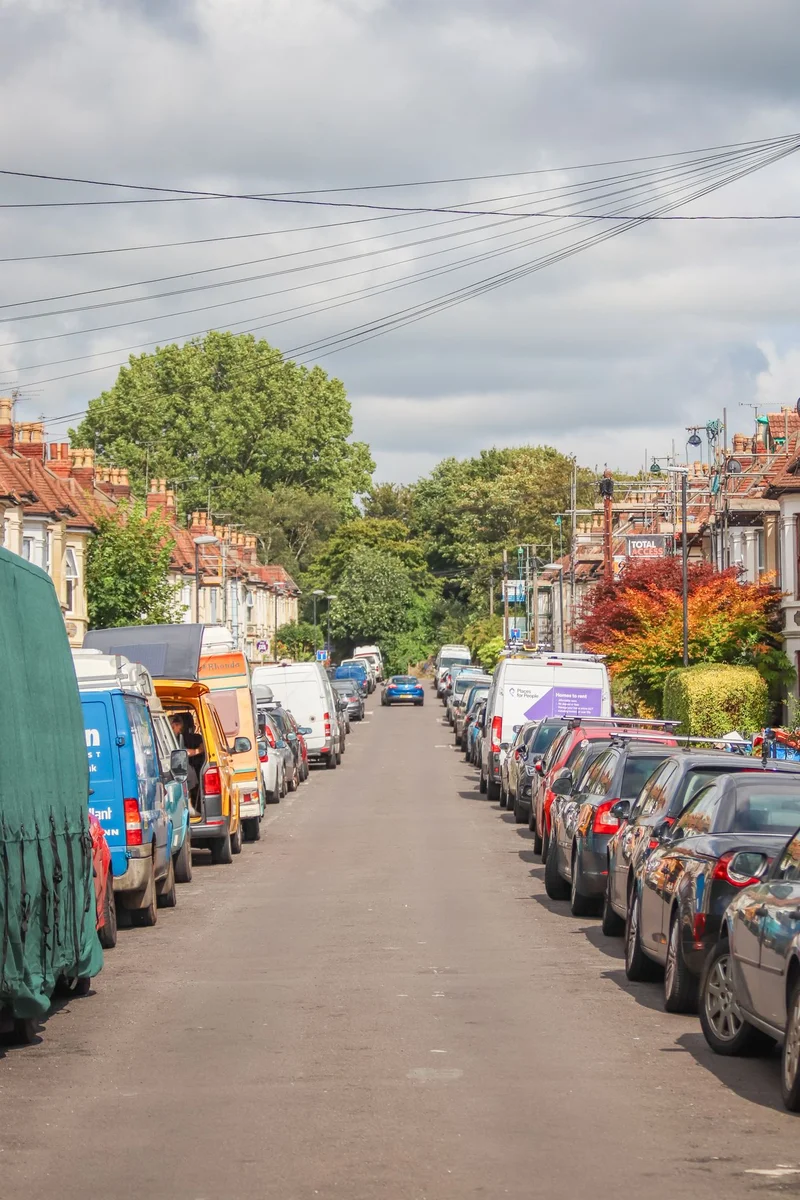
Homeowners association fees pay for shared upkeep, but they can climb steeply over time.
Retirees on fixed incomes feel every increase, especially when the fees fund amenities they rarely use.
Special assessments for roofs, roads, and reserves can arrive with little warning.
Attending meetings and reviewing the budget is the best way to keep the fees in check.
16. Car Payments

Monthly car payments have grown so large that many retirees now pay more for a car than they once paid for rent.
Long loan terms keep the monthly amount lower, but they stretch the payments out for six or seven years.
By the time the loan ends, the car has lost much of its value.
Buying a reliable used car outright, or keeping a paid off car longer, frees up hundreds of dollars a month.
17. Credit Card Interest

Credit card interest rates are among the highest of any common debt, often above 20 percent.
Paying only the minimum each month barely dents the balance, and most of the payment goes to interest.
A balance carried for years can end up costing more in interest than the original purchases.
Paying more than the minimum, or moving the balance to a lower rate card, can break the cycle.
18. Bank Fees
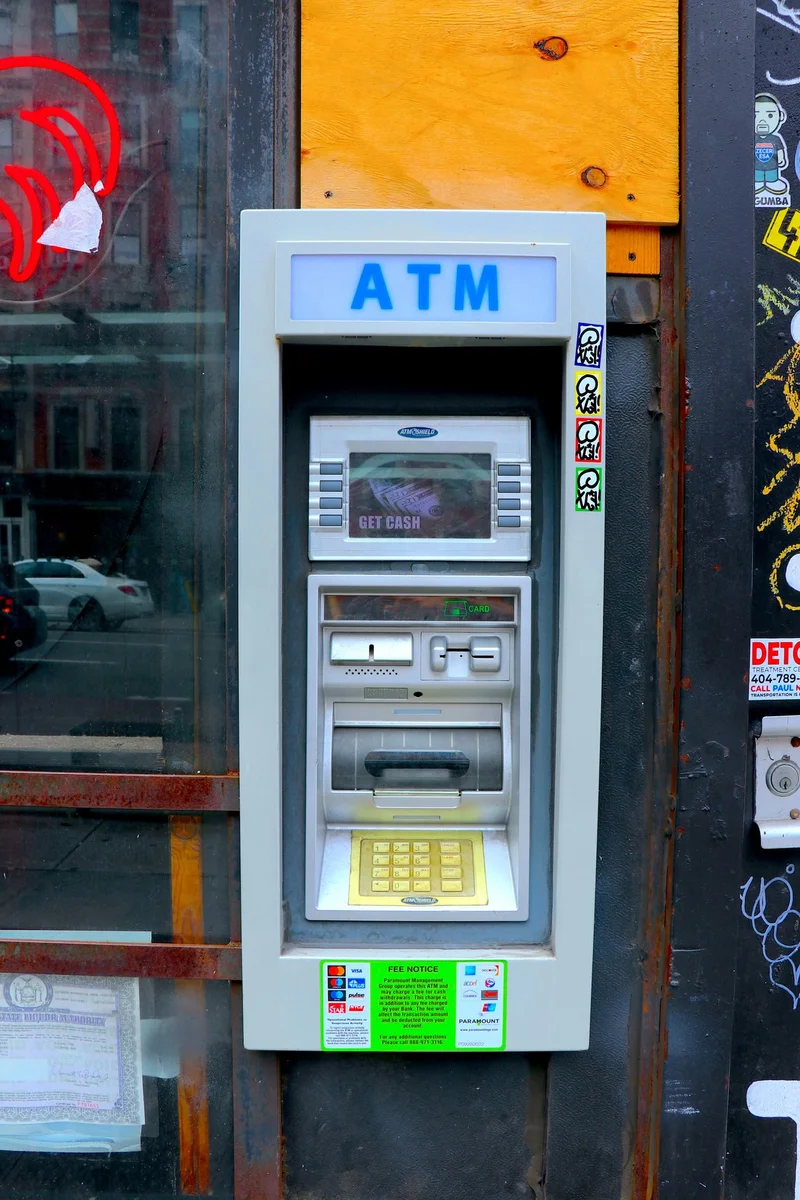
Banks charge for monthly maintenance, overdrafts, paper statements, and using other banks machines.
Each fee is small on its own, but together they can drain hundreds of dollars a year.
Many banks waive the monthly fee for direct deposits or minimum balances, yet account holders never ask.
Credit unions and online banks often charge no monthly fee at all for the same services.
19. Extended Warranties

Extended warranties are sold hard at the checkout, usually right after a big purchase.
They are priced to make money for the seller, which means most buyers never claim enough to cover the cost.
Many products already include a manufacturer warranty, and credit cards often add extra coverage for free.
Skipping the warranty and setting the money aside for repairs usually works out better.
20. Home Security Monitoring

Monitored security systems charge every month, year after year, long after the equipment is paid off.
Older contracts can run 50 dollars a month or more for basic monitoring.
Self monitored cameras and alarms now offer alerts straight to a phone for little or no monthly fee.
Reviewing the contract at renewal time, or switching to a self monitored setup, can cut the cost sharply.
21. Lawn Care

Professional lawn care is a weekly or monthly charge that adds up fast over a growing season.
Some quotes run several hundred dollars a month for a modest yard.
Neighbors, family, or a local teenager can often handle the mowing for far less.
Cutting back the service to mowing only, or shrinking the lawn with garden beds, also trims the bill.
22. Cleaning Services

A regular cleaning service is a comfort that can cost several hundred dollars a month.
Weekly visits add up quickly, and the price often rises a little each year.
Switching to every other week, or booking a deep clean a few times a year instead, keeps the home tidy for much less.
Some retirees split the difference by handling the light weekly cleaning themselves and hiring help only for the heavy jobs.