

Smart people make bad car decisions all the time. Brilliant people make them while smiling at the salesperson.
The problem is not the car itself.
The problem is what happens to its price the minute real life kicks in.
Discontinued models. Brand reputations. Charging stations that do not exist.
These are the things that quietly drain thousands of dollars from your net worth while the car sits in your garage looking perfectly fine.
Looks, as it turns out, are very expensive to maintain.
1. 2023 Chevrolet Malibu
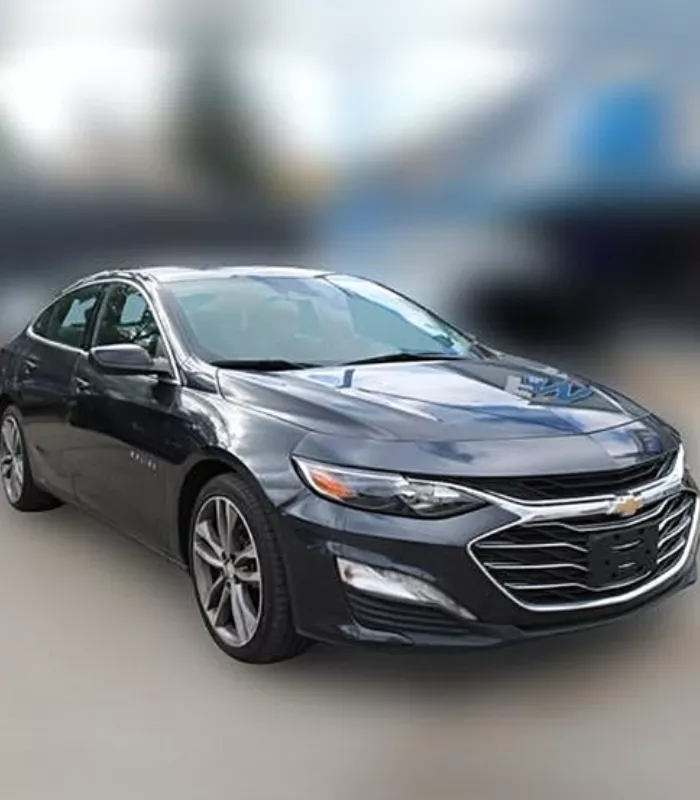
The Chevy Malibu was once a staple on American driveways.
But here’s the catch: GM has already discontinued it.
That means resale value has been dropping fast. Dealers are not eager to take them in. And buyers know it.
Some Malibus lose up to 50% of their value in just three years.
That is a lot of money left on the table.
Why It’s On This List: A discontinued model with no future updates is a tough sell. The moment GM announced the end of the Malibu, its trade-in value took a serious hit at dealerships across the country.
2. 2023 Nissan Leaf
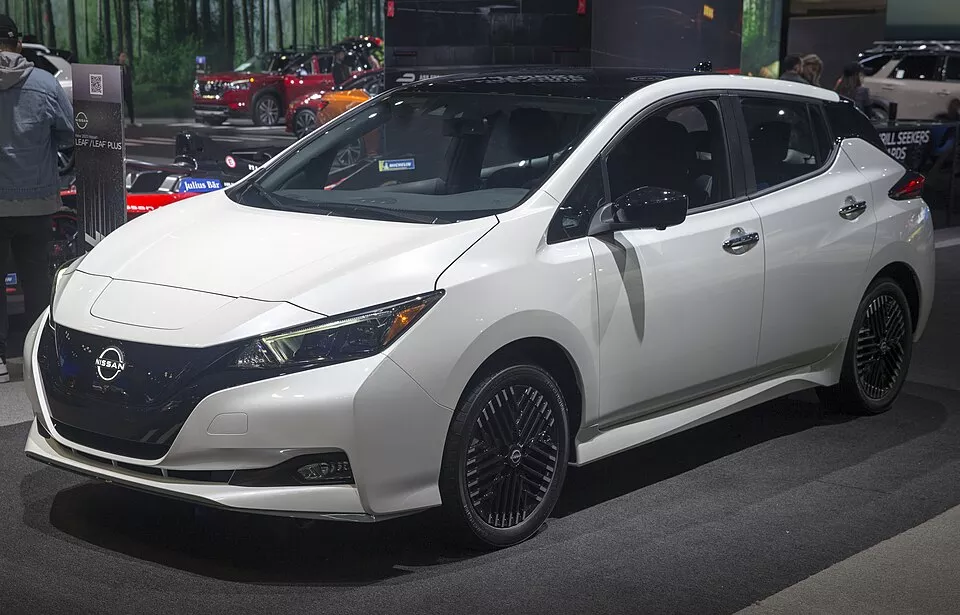
The Nissan Leaf was one of the first electric cars that regular people could afford.
It was a big deal back then. Not so much now.
Newer EVs from Tesla, Hyundai, and Chevrolet have longer range and better tech. The Leaf feels dated by comparison.
The Leaf can lose close to 60% of its value within five years.
That is one of the steepest drops in the entire EV market.
Why It’s On This List: Older EV battery technology depreciates quickly as the market improves. The Leaf’s shorter range makes it a hard sell when newer options are available for similar prices.
3. 2022 Volkswagen Tiguan
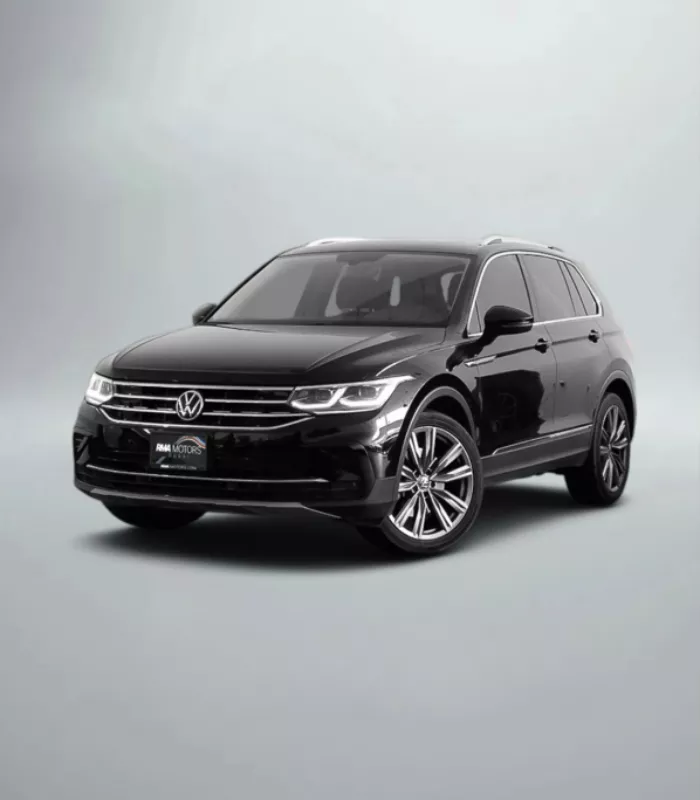
The Tiguan looks sharp in a driveway. It feels solid on the road.
But the numbers tell a different story.
This compact SUV sheds value quickly compared to rivals like the Honda CR-V or Toyota RAV4. Repair costs also tend to run higher on European brands.
A three-year-old Tiguan can lose roughly 45% of its original price.
You are better off looking at Japanese alternatives if resale value matters to you.
Why It’s On This List: European brand maintenance costs make buyers cautious on the used market, which pushes resale prices down faster than most shoppers expect.
4. 2023 Ford EcoSport
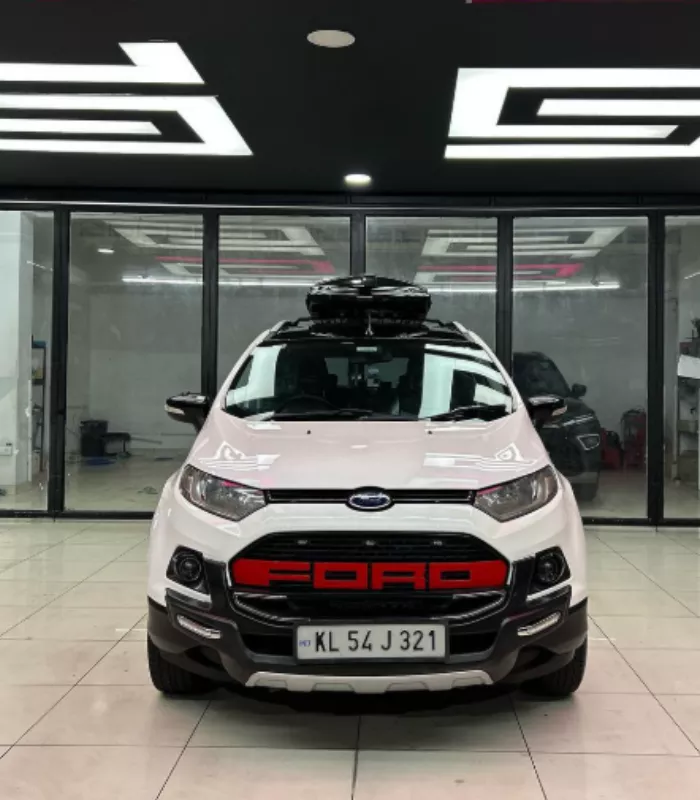
Ford quietly discontinued the EcoSport in 2022.
It was never a crowd favorite to begin with.
Reviewers called it cramped. Owners complained about the rear-mounted spare tire. And the ride was not exactly smooth on the highway.
The EcoSport is among the fastest-depreciating small SUVs in recent memory.
Finding a buyer willing to pay a fair price is harder than it should be.
Why It’s On This List: Discontinued models with poor reviews are a double blow for resale. Buyers on the used market have plenty of better options, which leaves EcoSport owners with little negotiating power.
5. 2022 Chrysler 300
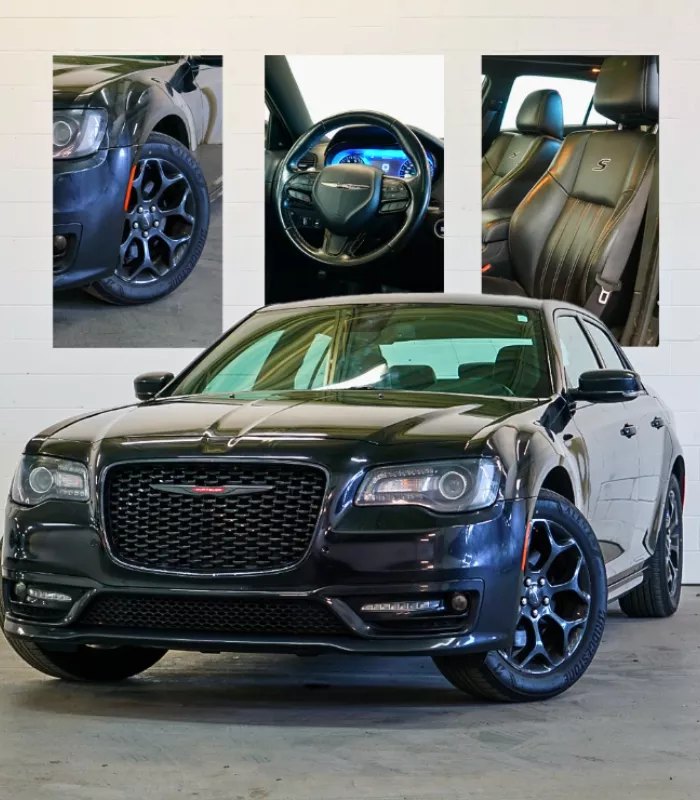
The Chrysler 300 has a bold, classic look that many people love.
But bold looks do not hold value the way reliability does.
The 300 has been phased out, and Chrysler’s lineup has been shrinking for years. That makes parts and service a growing concern for future owners.
Some models drop more than 50% in value over five years.
That is a steep price for a luxury feel that does not last.
Why It’s On This List: Brand uncertainty and discontinuation are a one-two punch for depreciation. When buyers are not sure if a brand will stick around, they are not willing to pay top dollar for used models.
6. 2023 Dodge Charger (V8 Gas Model)
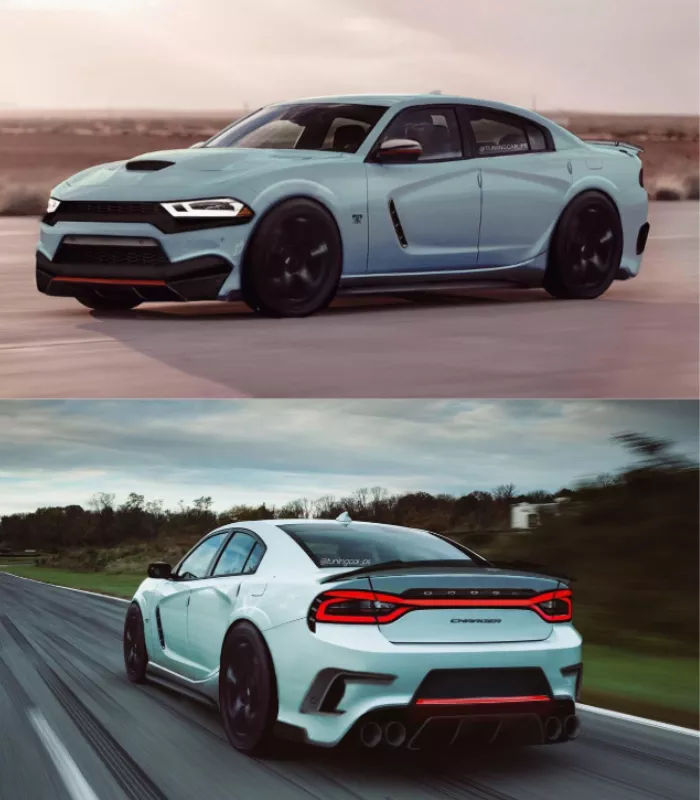
The Dodge Charger is a muscle car legend. No question about it.
But the gas-powered V8 version is on its way out.
Dodge has been shifting toward electric muscle cars. That shift has made the older V8 models less desirable to younger buyers, which shrinks the pool of people willing to pay a good price.
Chargers can drop 40 to 48% of their value in the first three years.
The roar of that engine comes with a real cost at trade-in time.
Why It’s On This List: Muscle cars with uncertain futures in a changing auto market tend to depreciate faster. Fuel costs and shifting buyer preferences are making high-displacement V8s a tough resale proposition.
7. 2022 Lincoln Continental
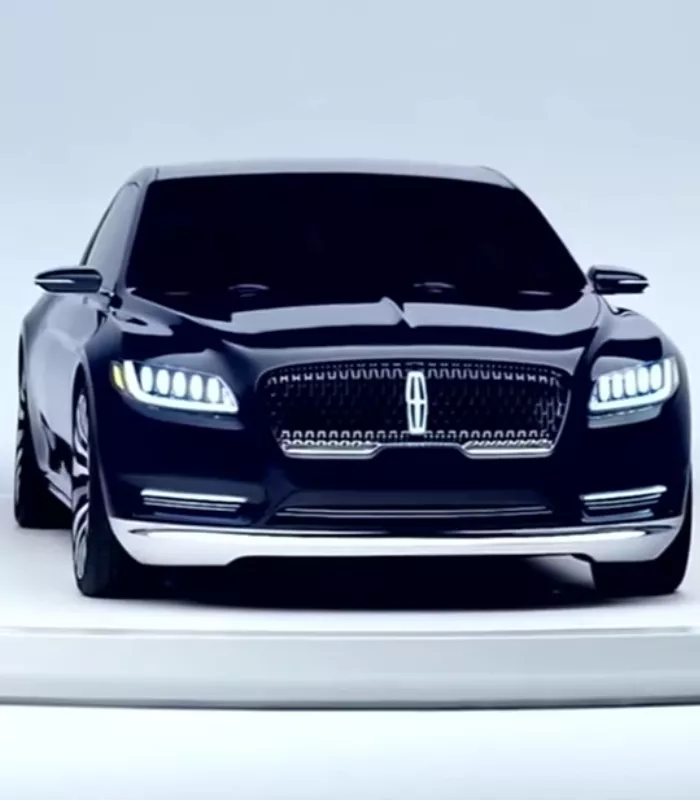
Lincoln discontinued the Continental after the 2020 model year.
Used versions have been piling up on lots ever since.
It was a beautiful car with a lot of luxury features. But without new models to keep the nameplate fresh, interest from buyers has cooled significantly.
The Continental has lost well over half its value on the used market in recent years.
Luxury depreciation can be brutal, and this one is a clear example.
Why It’s On This List: Discontinued luxury sedans face an uphill battle. High original prices combined with fast depreciation mean used buyers get a deal, but original owners absorb a big financial loss.
8. 2023 Mitsubishi Mirage
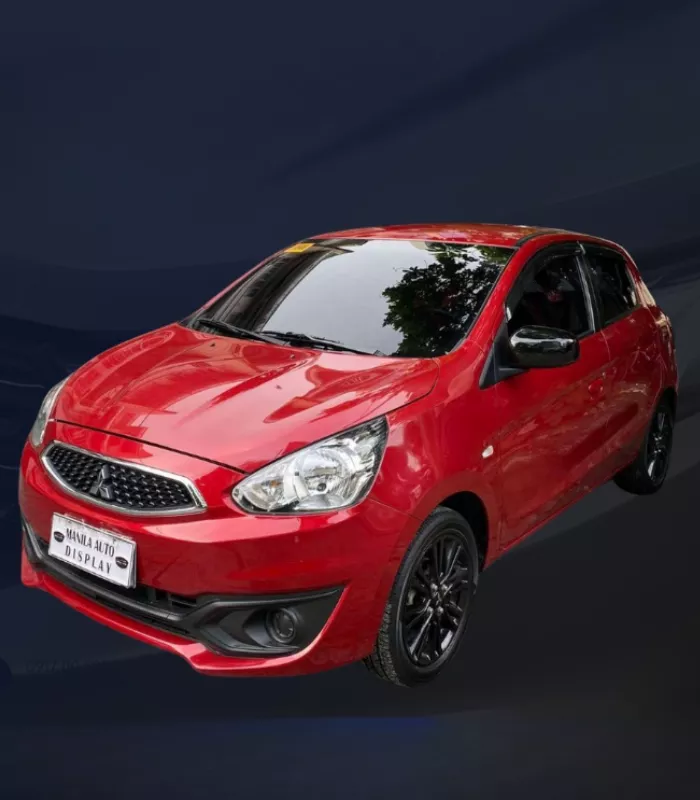
The Mitsubishi Mirage is one of the cheapest new cars you can buy.
That low price comes with a low resale price too.
Reviewers have consistently ranked it near the bottom for performance and comfort. When a car gets that kind of reputation, used buyers are not exactly rushing to snap one up.
The Mirage can lose up to 55% of its value in five years.
That’s why buying one new item rarely makes financial sense.
Why It’s On This List: Poor reviews and a weak brand reputation in North America make the Mirage one of the hardest small cars to resell at a decent price, even with low mileage.
9. 2022 Volvo S60
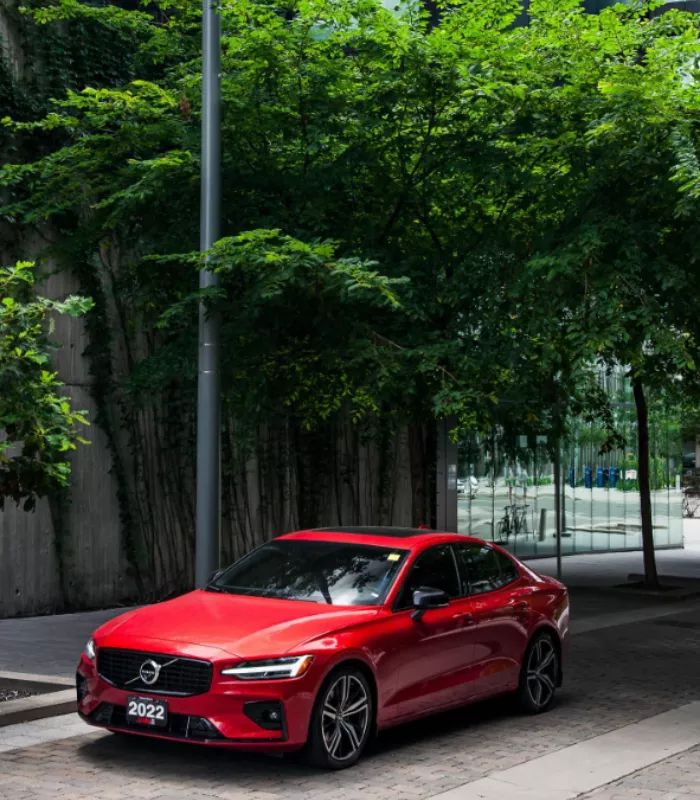
Volvo makes safe, stylish cars. The S60 is no exception.
But safety ratings alone do not protect resale value.
European sedans face stiff competition from Japanese and American brands in the used market. Higher maintenance costs scare off budget-conscious buyers who might otherwise consider a used Volvo.
The S60 can shed around 45 to 50% of its value in three to four years.
A great car on paper does not always translate to a great investment.
Why It’s On This List: Luxury European sedans consistently rank among the highest-depreciating vehicles because ownership costs beyond the sticker price make used buyers think twice before committing.
10. 2023 Jeep Compass
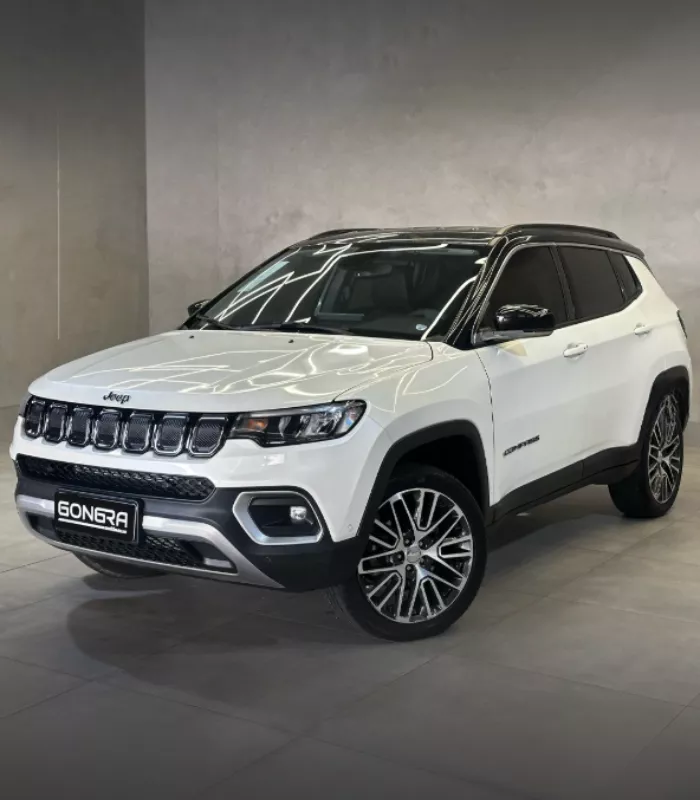
The Jeep name carries a lot of weight. The Compass does not always live up to it.
Compared to the Wrangler or Grand Cherokee, the Compass feels like a lesser product to many buyers.
It has faced criticism for its interior quality and fuel economy. Those complaints follow it right into the used car market and push prices down.
The Compass can lose close to 45% of its value within three years.
You are better off spending a little more for a Jeep model with a stronger reputation if long-term value matters.
Why It’s On This List: Being the weakest model in a strong brand lineup is a tough spot. Buyers shopping for a used Jeep almost always stretch their budget for a better-known model, leaving Compass owners with fewer offers.
11. Toyota Mirai
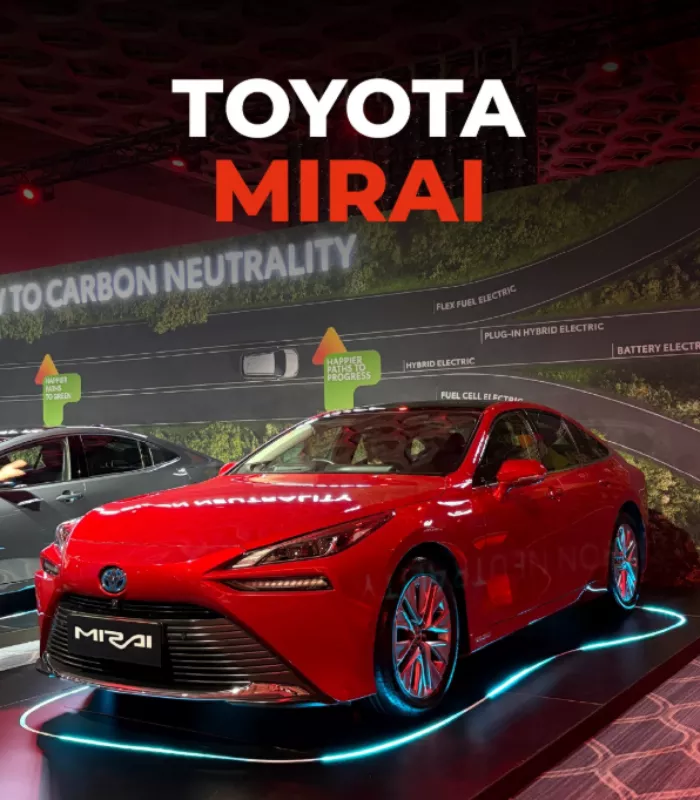
The Toyota name usually means strong resale value. The Mirai is the exception.
This hydrogen fuel cell car loses value faster than almost any vehicle on the market today.
There are very few hydrogen fueling stations in the country. That makes the Mirai impractical for most people outside of California. And impractical cars do not hold value well.
The Mirai can lose up to 77% of its value in just three years.
That’s why even Toyota fans tend to walk right past this one on the used car lot.
Why It’s On This List: A brilliant idea ahead of its time is still a bad investment. Without a nationwide hydrogen fueling network, the Mirai appeals to almost no one on the used market, which sends prices crashing fast.
12. Jaguar I-Pace
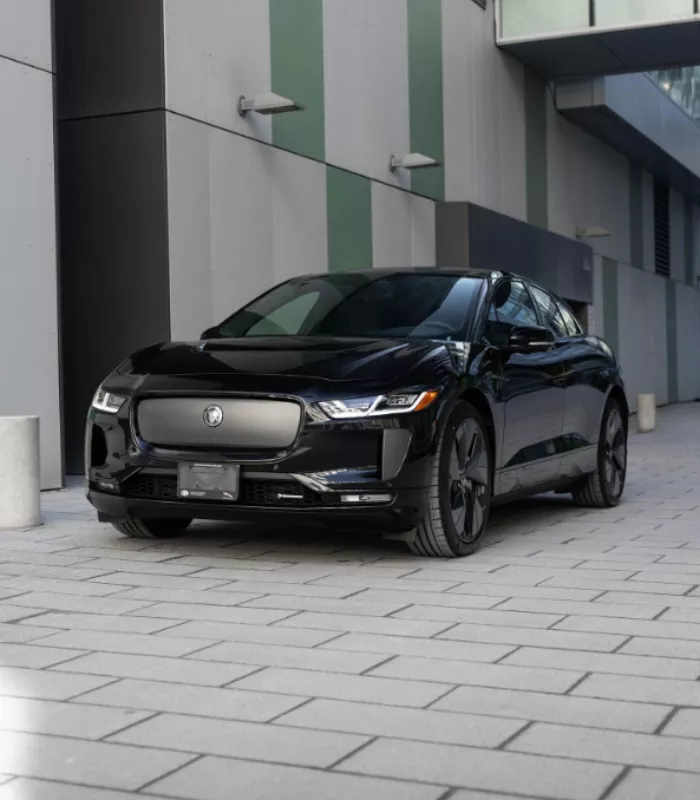
The Jaguar I-Pace turns heads everywhere it goes.
But turning heads does not pay the bills when it’s time to sell.
This luxury electric SUV loses value at a stunning rate. Jaguar’s reliability reputation, combined with high ownership costs, pushes buyers toward safer choices like Tesla or BMW on the used market.
The I-Pace can drop as much as 72% of its original value over five years.
That translates to more than $50,000 in lost value for some owners. A painful number by any measure.
Why It’s On This List: Luxury plus electric plus a brand known for reliability issues is a triple threat for depreciation. Used buyers demand a steep discount to take on the risk, and the numbers show it.
13. Tesla Model S
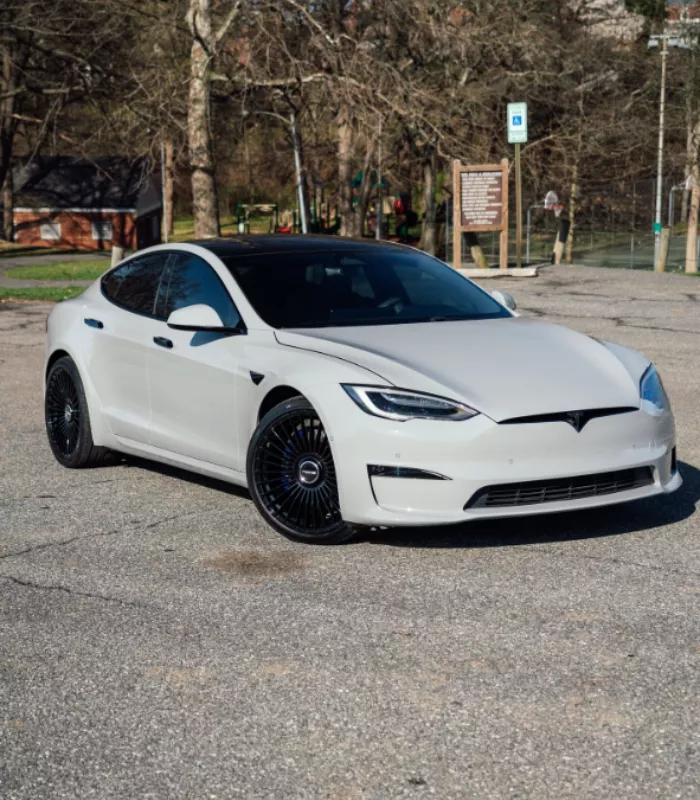
Tesla built its reputation on the Model S. It was the car that changed everything.
But here’s the catch: Tesla keeps updating and discounting its lineup.
Every time Tesla drops the price of a new Model S, used Model S values drop too. Add the controversy surrounding the brand in recent years and you have a recipe for rapid depreciation.
The Model S has lost around 65% of its value over five years in recent data.
That is a staggering sum for a car that once cost over $90,000.
Why It’s On This List: Frequent price cuts from Tesla directly hurt used car values across the entire lineup. What Tesla giveth in innovation, it taketh away in resale value.
14. Tesla Model X
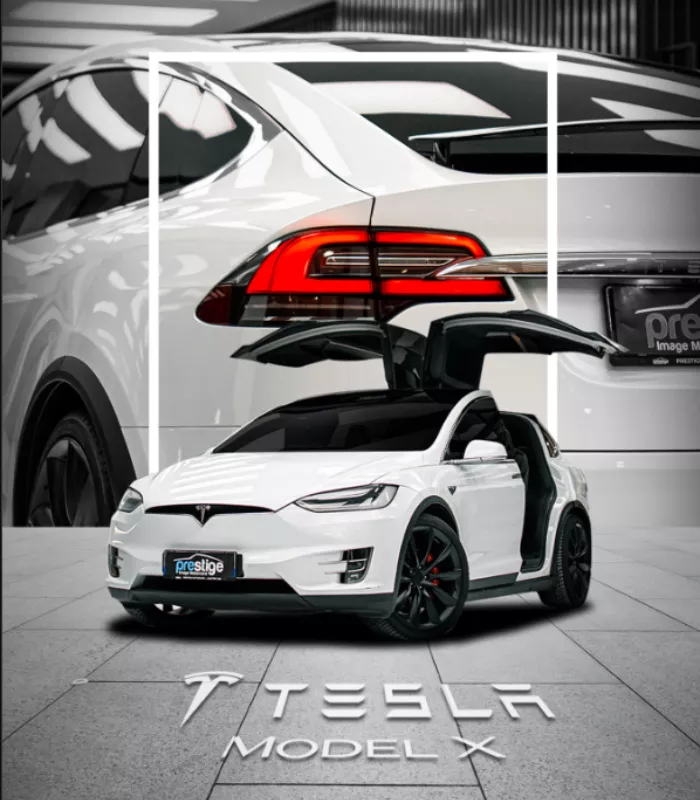
The Model X is the SUV version of the same story.
Falcon-wing doors. Impressive range. A big price tag that fades fast.
Tesla’s ongoing price adjustments hit the Model X just as hard as the Model S. Prospective used buyers know they can often find a newer, cheaper version by waiting just a few months.
The Model X has posted roughly 63% depreciation over five years.
Those spectacular doors come at a spectacular cost to resale value.
Why It’s On This List: Tesla’s pricing strategy has been unpredictable for years. That unpredictability makes used buyers hesitant, which keeps pressure on resale prices across the entire Tesla catalog.
15. BMW 7 Series
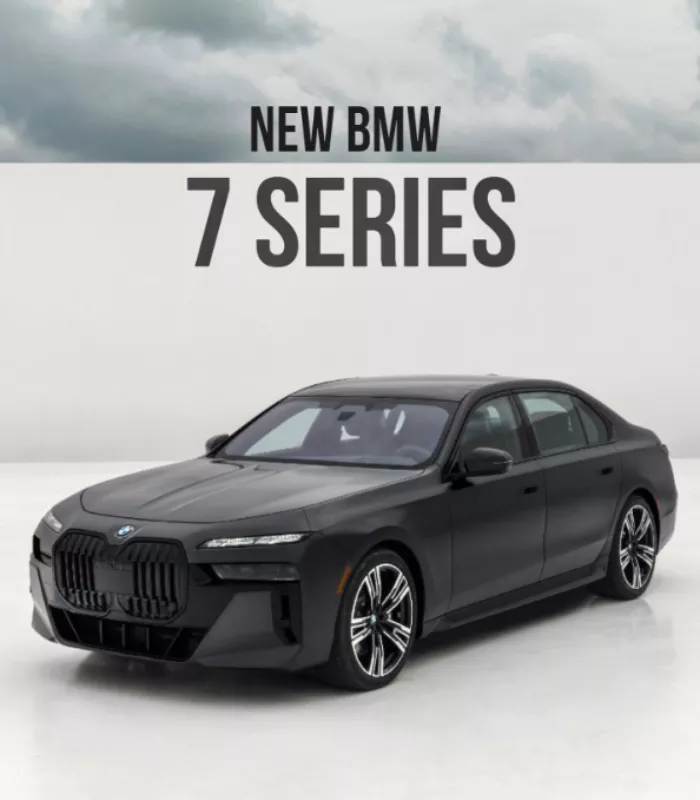
The BMW 7 Series is one of the most prestigious sedans money can buy.
It is also one of the fastest to lose that value once you drive off the lot.
In the first year alone, some 7 Series models have dropped nearly 30% in value. That can mean more than $36,000 gone in twelve months. The high starting price simply has nowhere to go but down.
Owning a new BMW 7 Series is essentially paying a very expensive lease with no return.
You are better off buying one used at a two- or three-year mark and letting someone else absorb the hit.
Why It’s On This List: Ultra-luxury sedans have a shrinking buyer pool. Fewer people can afford them new, and fewer still want the maintenance costs used. That imbalance crushes resale prices faster than almost any other segment.
16. Dodge Durango
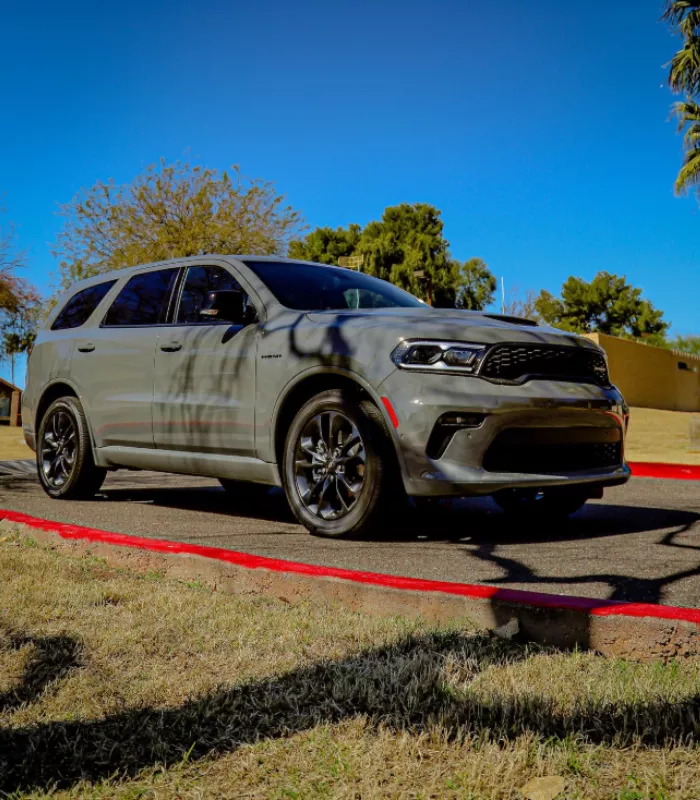
The Dodge Durango is a big, tough SUV with real towing muscle.
But big and tough does not mean smart money.
In just one year, some Durango owners saw their SUV lose more than 30% of its value. That is roughly $19,000 gone before the second oil change. Dodge’s brand sits near the very bottom of resale rankings across the industry.
Dodge, as a brand, retains only about 38% of its value after five years, the worst of any major automaker.
That brand weakness drags down every Dodge model, including the Durango.
Why It’s On This List: Brand reputation has a direct impact on resale value. When buyers associate a brand with reliability concerns and uncertain futures, they expect a discount on the used market, every single time.
17. Hyundai Ioniq 5
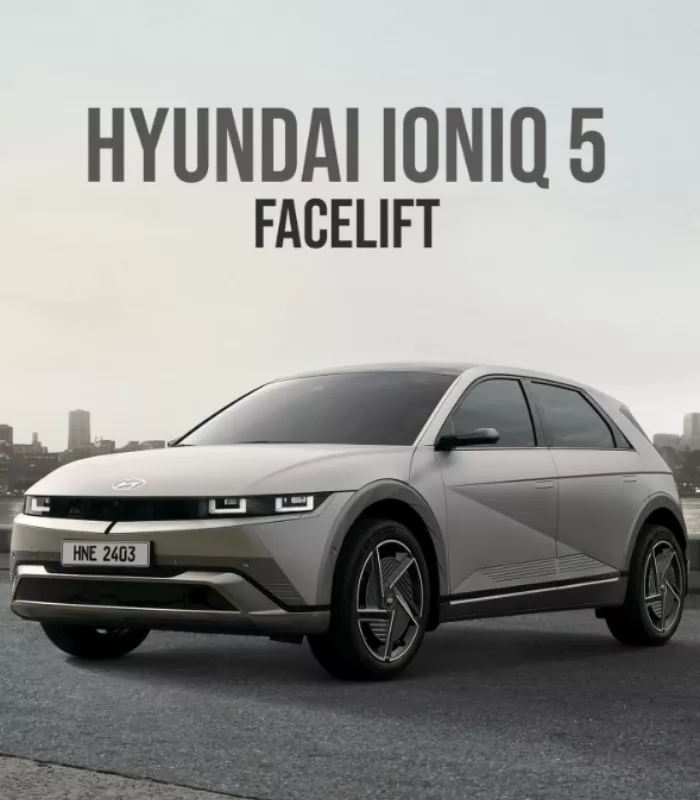
Car reviewers love the Ioniq 5. It wins awards. It looks futuristic.
And it still loses a third of its value in the first year.
That is not a knock on the car itself. It is a sign of how quickly the EV market is moving. A new electric model with better range or faster charging can make last year’s favorite feel outdated almost overnight.
Ioniq 5 owners absorbed an average loss of nearly $16,800 in a single year in recent studies.
Great car. Rough investment.
Why It’s On This List: The EV space moves so fast that even award-winning models lose ground quickly. When technology advances faster than the calendar, depreciation becomes unavoidable, no matter how well-reviewed the car is.
18. Kia EV6
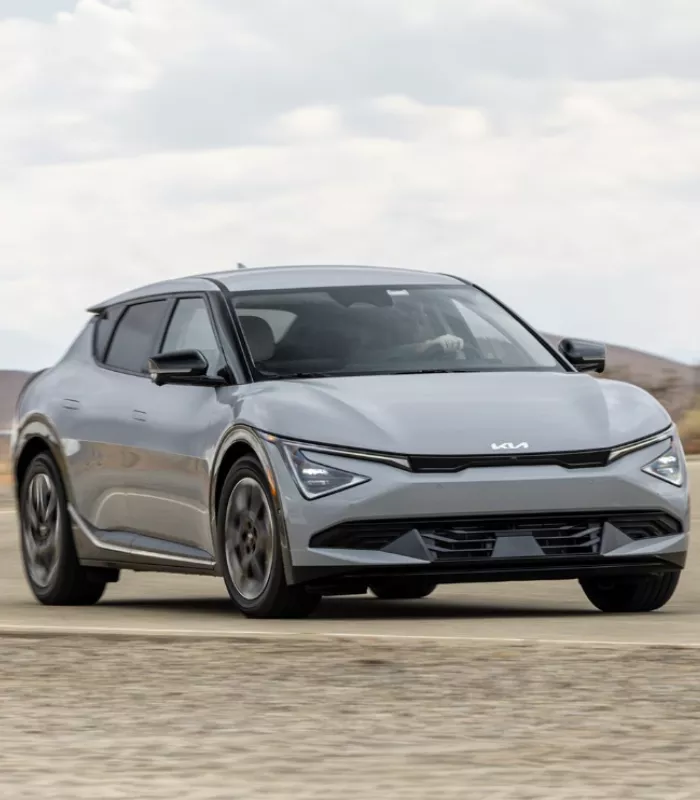
The Kia EV6 is sporty, stylish, and packed with features. Buyers loved it when it launched.
The used market tells a different story.
The EV6 cracked the one-third barrier, losing more than 33% of its value in just the first year. That is over $18,000 gone from a car many families stretched their budget to afford.
Fast-charging technology and sleek design do not protect a car from EV market depreciation.
I made a classic mistake when I assumed an award-winning EV would hold its value like a Toyota. The data says otherwise.
Why It’s On This List: EV competition has gotten fierce. As Kia and Hyundai release newer, updated models, older versions take an immediate hit. Buyers shopping used have plenty of newer options at similar prices.
19. Nissan Armada
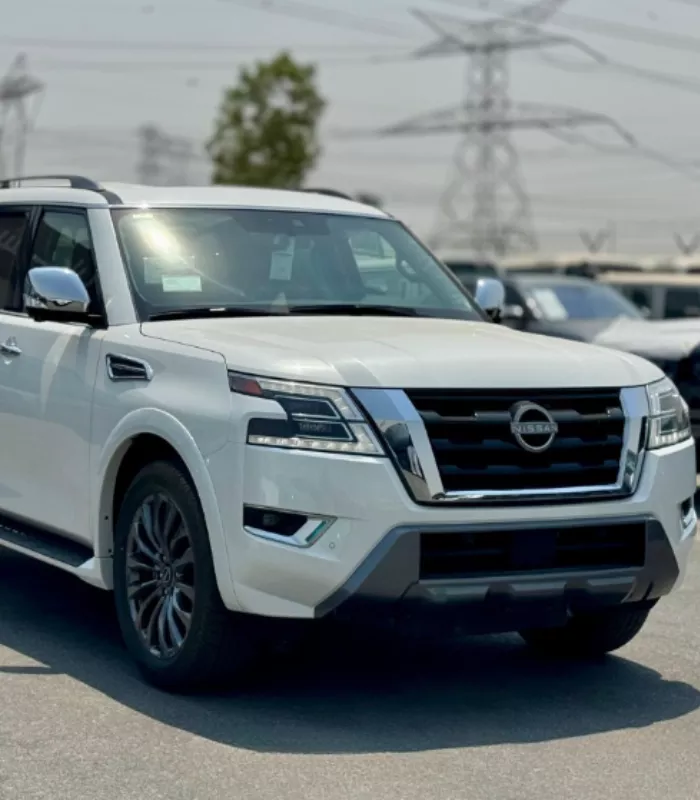
The Nissan Armada is a full-size SUV that used to command respect on the road and at the dealership.
The 2024 model was the last to use Nissan’s old 5.6-liter V8 engine. That outdated powertrain spooked buyers fast.
In just one year, the Armada lost nearly 39% of its value. That is roughly $30,000 in depreciation on a vehicle that cost around $76,000 new.
Timing matters in the car market, and buyers of the last-generation Armada got caught at the worst possible moment.
Nissan, as a brand, also ranks near the bottom for long-term resale value.
Why It’s On This List: Being the last model year of an outgoing generation is one of the fastest ways to lose value in the auto market. Savvy buyers wait for the redesign, leaving old-generation owners with little leverage.
20. Chrysler Pacifica Plug-In Hybrid
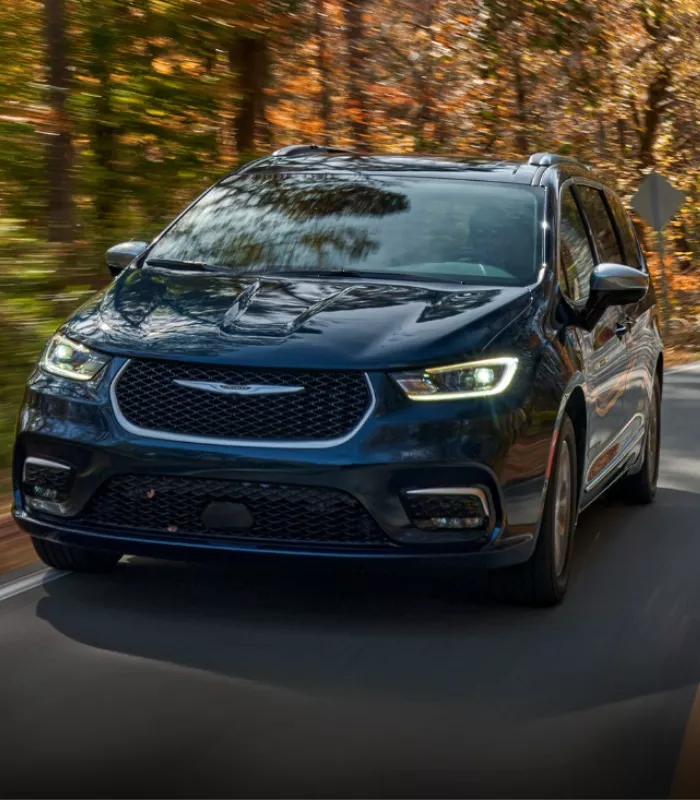
The Chrysler Pacifica minivan is a comfortable family hauler. The plug-in hybrid version sounded like a smart idea.
In practice, it has been a resale nightmare.
Electrical and drivability issues have followed the plug-in hybrid version for years. Combine that with Chrysler’s weak brand perception and a higher sticker price than rivals like the Honda Odyssey, and buyers on the used market want nothing to do with it at full price.
Chrysler as a brand retains only about 38.5% of its value after five years.
That puts Pacifica owners in a tough spot every time they try to trade in or sell.
Why It’s On This List: Luxury pricing with economy-brand reliability concerns is a damaging combination. Used buyers expect a steep discount to take on the risk, and that discount comes straight out of the original owner’s pocket.
21. Ford Edge
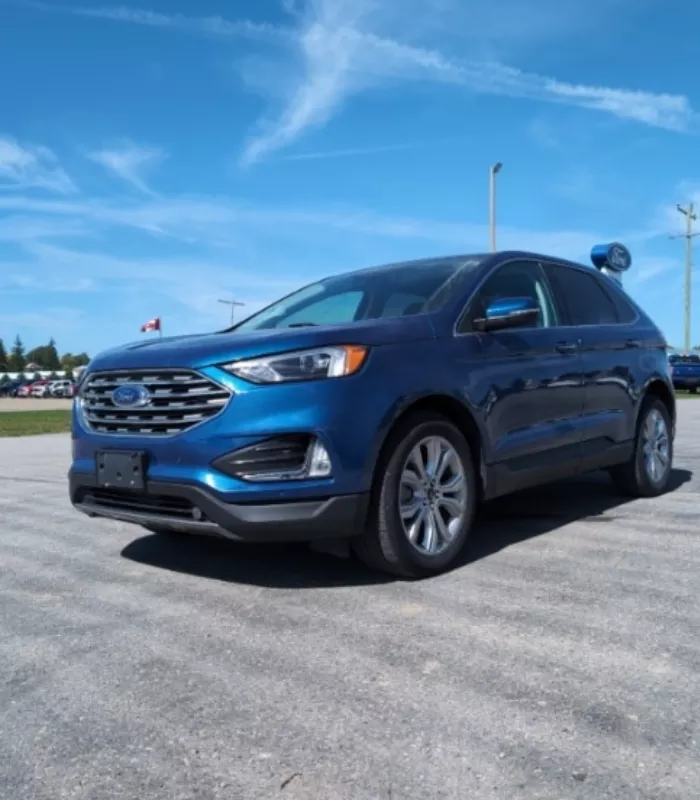
Ford discontinued the Edge after the 2024 model year. And the moment that news broke, resale values took a dive.
Buyers are simply not interested in a discontinued SUV when the market is full of active, supported alternatives.
The Edge had a solid run, but its final year on sale left owners holding the bag. No future updates mean no reason for dealers to push the price up.
Discontinued models almost always experience an immediate and lasting drop in trade-in offers.
Ford’s decision to kill the Edge was practical for the company. Not so practical for people who bought one new.
Why It’s On This List: When a manufacturer pulls the plug on a model, the used market reacts immediately. Parts availability concerns and lack of dealership support push prices down fast, often within weeks of the announcement.
22. Jeep Grand Cherokee L
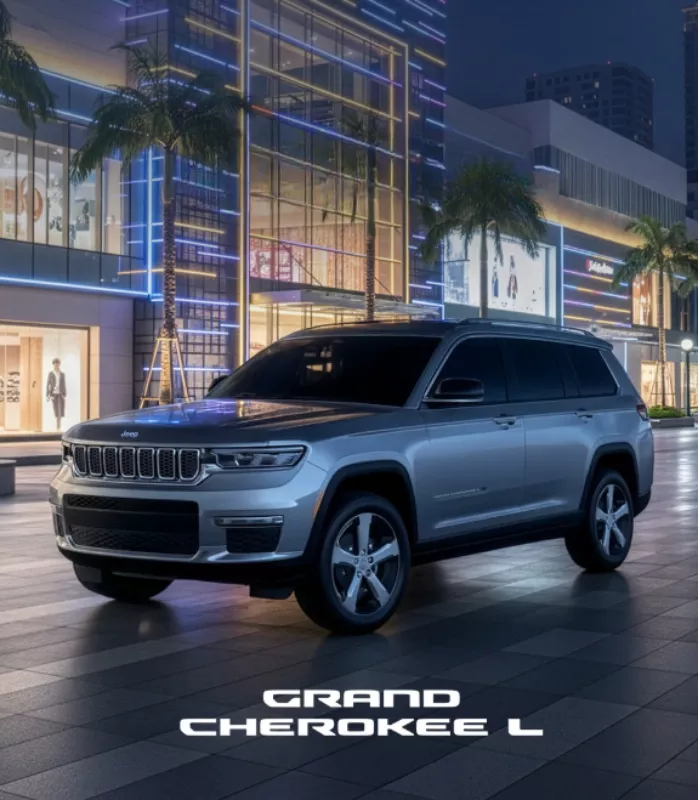
The Jeep Grand Cherokee L stretches the popular Grand Cherokee into a three-row SUV.
Buyers paid a premium for the extra space. The used market is not returning that favor.
Reliability concerns have followed this model, and Jeep as a brand retains only about 49% of its value after five years. The Grand Cherokee L dropped nearly 33% in just one year, erasing close to $18,000 for owners who bought in 2024.
Stretching a popular nameplate does not always stretch its resale strength.
That’s why family buyers looking for three rows are better off comparing resale data before signing anything.
Why It’s On This List: A premium price tag and reliability questions are a dangerous pairing. When used buyers have options like the Toyota Sequoia or Kia Telluride nearby, the Grand Cherokee L struggles to hold its asking price.
23. Tesla Model Y
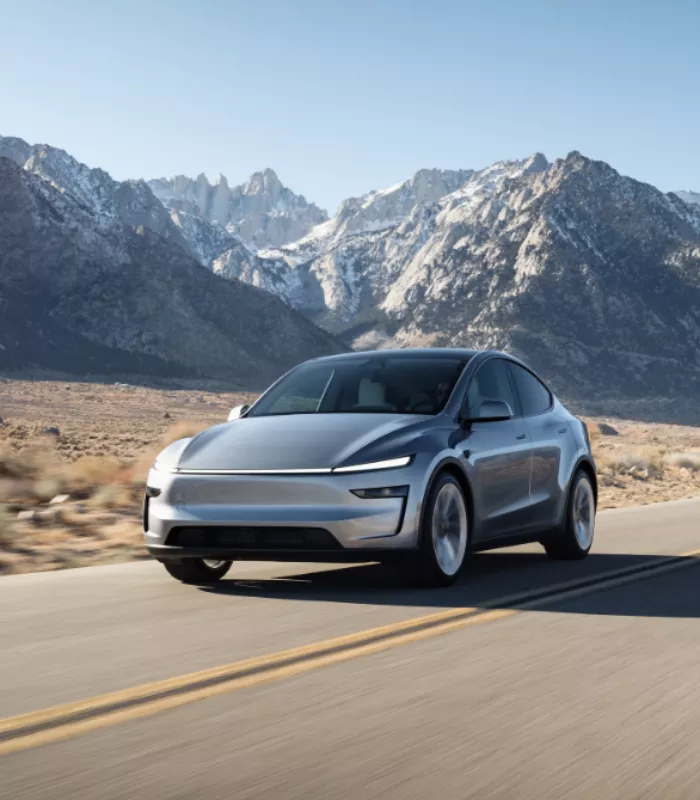
The Tesla Model Y became one of the best-selling vehicles in the world. That success has not protected it from serious depreciation.
Tesla’s frequent price cuts on new Model Y units hit used values hard. Every time the factory price drops, used versions become instantly less attractive by comparison.
Add the growing controversy around the Tesla brand, and you have a recipe for one of the steepest five-year depreciation rates in the mainstream SUV market.
The Model Y has lost around 60% of its value over five years, according to recent industry data.
For a car that costs $45,000 or more new, that is a loss most families cannot afford to ignore.
Why It’s On This List: Popularity alone cannot protect a vehicle from depreciation when the manufacturer keeps changing its own prices. Tesla’s self-disrupting pricing strategy makes used Model Y values unpredictable and consistently lower than buyers expect at trade-in time.