

If you grew up in the 70s, your fashion education did not happen in a classroom. It happened at the mall.
No algorithm picked your outfits.
No influencer told you what to wear.
You figured it out yourself, one sale rack at a time.
You touched every fabric, tried on things you could not afford, and left with exactly one bag and a lot of opinions.
Turns out, that was a pretty great way to develop taste.
1. The Gap
The Gap opened its first store in 1969. By the 1970s, it was everywhere in American malls.
It started by selling Levi’s jeans and vinyl records. Then it shifted to its own clothing line.
Young shoppers loved it for its simple, affordable basics. You could find a great pair of jeans without spending a fortune.
The store had a clean, no-fuss layout that made shopping feel easy.
You knew exactly what you were getting every single time you walked in.
No surprises. No confusion. Just good, reliable clothes at a fair price.
That consistency is what kept shoppers coming back season after season.
The Gap also had a way of making basics feel fresh every single year.
A simple white tee or a well-cut pair of khakis never felt boring when it came from The Gap.
They proved that you did not need flashy logos or bold prints to build a loyal customer base.
Sometimes the most straightforward approach is the most powerful one.
Why It’s On This List: The Gap helped define the casual American look of the 70s. At its peak, it had hundreds of mall locations across the country.
2. Levi’s
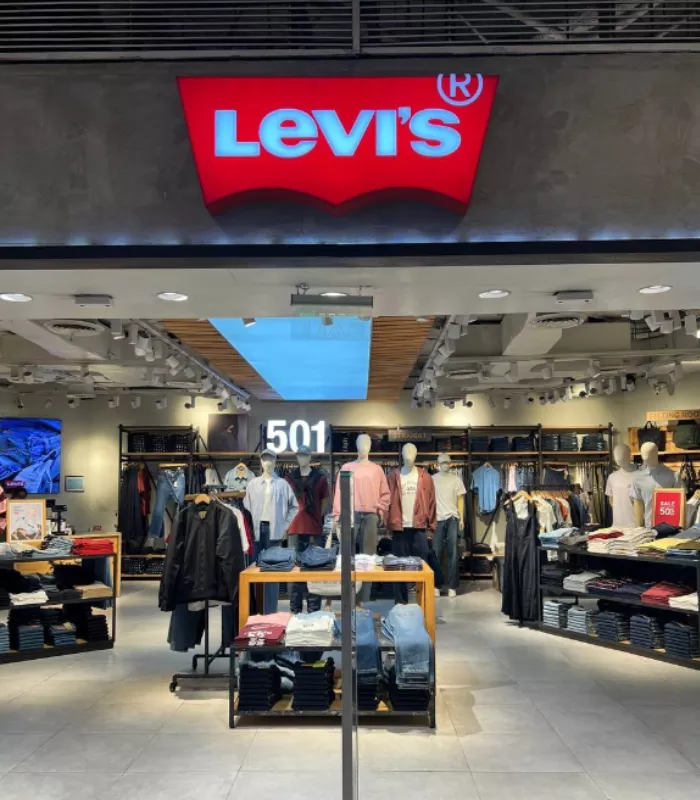
No brand said “the 70s” louder than Levi’s. Bell-bottom jeans were a must-have for every teen and young adult.
Levi’s had been around since 1853. But the 70s were their golden age in malls.
The classic 501 jeans became a symbol of the decade. Everyone from rock stars to everyday shoppers wore them.
You could spot a pair of Levi’s from across the hallway at school.
The deep indigo color and the red tab on the pocket were all anyone needed to see.
Kids saved up their allowance for weeks just to afford a pair.
Wearing Levi’s meant you understood what cool looked like.
The bell-bottom cut was everywhere, and Levi’s did it better than anyone else.
Wide legs, a snug fit through the hips, and that unmistakable denim weight made them stand apart.
Parents bought them. Teenagers wanted them. Teachers probably wore them on casual Fridays.
No other denim brand came close to that kind of universal appeal during the 70s.
Why It’s On This List: Levi’s 501 jeans were the best-selling denim in the country during the 70s. That is a hard fact to ignore.
3. Sears

Sears was the anchor store of almost every major mall in the 70s. It sold everything from tools to trendy clothing.
For families on a budget, Sears was a lifesaver. You could dress the whole family in one trip.
Their private clothing labels were surprisingly stylish for the time. Many shoppers did not even realize they were buying store-brand clothes.
The kids’ section alone could take up an entire afternoon to browse.
Parents appreciated the durability as much as the price tag.
A Sears back-to-school haul could last you the entire school year.
That kind of value was nearly impossible to find anywhere else in the mall.
Sears also had the advantage of being a one-stop shop before that phrase even existed.
You could pick up a winter coat, a pair of sneakers, and a dress shirt all in the same visit.
For busy parents juggling multiple kids, that was not just convenient. It was essential.
Sears understood the American family better than almost any other retailer of the era.
Why It’s On This List: In the 1970s, Sears was the largest retailer in the United States. That says it all.
4. JCPenney

JCPenney was another mall giant that families trusted in the 70s. It carried a wide range of clothing for all ages.
Their back-to-school sales were legendary. Parents would line up to get the best deals.
JCPenney made fashion accessible for middle-class American families. You did not need a big budget to look good.
The store always felt welcoming and familiar no matter which location you visited.
Their catalog was just as popular as the store itself for millions of households.
Flipping through those pages felt like window shopping from your living room couch.
It was a ritual that entire families looked forward to every season.
JCPenney also had a knack for carrying styles that felt current without feeling risky.
You were not going to walk in and find something outrageous. But you were going to find something good.
That safe, reliable approach earned them a level of trust that took decades to build.
For millions of American families, JCPenney was simply where you went to get dressed.
Why It’s On This List: JCPenney had over 1,600 stores by the mid-1970s. It was nearly impossible to visit a mall and not walk through one.
5. Montgomery Ward
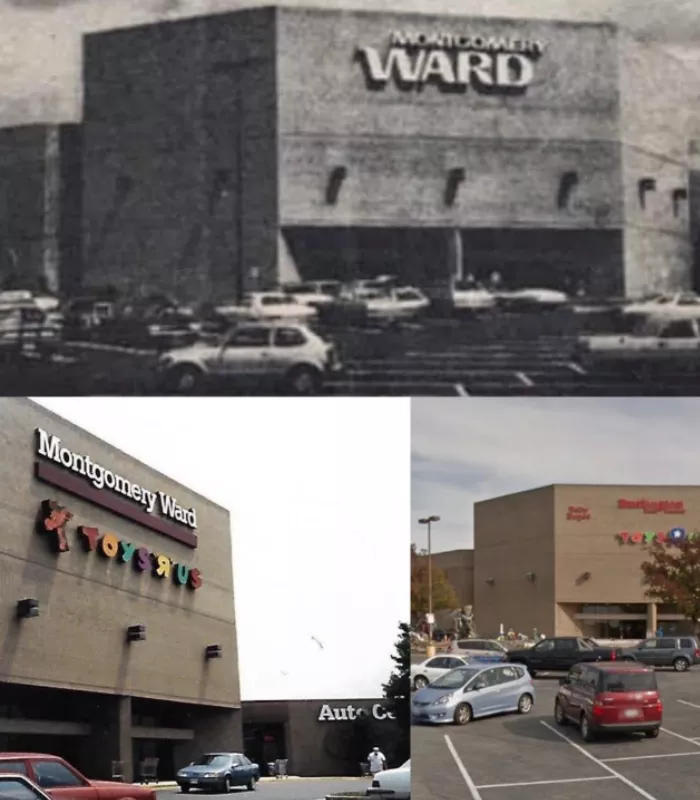
Montgomery Ward was a shopping staple long before the 70s. But it hit its stride as a major mall clothing destination during that decade.
It competed directly with Sears for the family shopper. Many people had strong loyalties to one or the other.
Their clothing lines were practical, durable, and priced right. That combination was hard to beat for growing families.
Shopping at Montgomery Ward felt like visiting a trusted old friend.
The staff knew their regulars by name in many locations.
That personal touch made a big difference in an era before big-box shopping took over.
People did not just shop there. They felt at home there.
The store carried everything a family needed without making anyone feel overwhelmed.
The layout was straightforward, and the prices were clearly marked, which shoppers appreciated.
There was no pressure, no gimmicks, and no confusion about what things cost.
That kind of honest, no-nonsense shopping experience built real loyalty over the years.
Why It’s On This List: Montgomery Ward was one of the original American department store chains. Millions of 70s shoppers have fond memories of walking its aisles.
6. Jordache
Jordache launched in 1978 and became a sensation almost overnight. Their designer jeans had a tiny horse logo stitched on the back pocket.
But here’s the deal — those jeans were not cheap. They were considered a luxury item for teens at the time.
Wearing Jordache jeans meant you had style and a little spending money. It was a status symbol in middle school hallways everywhere.
The TV commercials made them look even more glamorous than they already were.
Every kid who saw those ads wanted a pair by the end of the week.
Parents were not always thrilled about the price, but kids were relentless.
Jordache understood exactly how to make a generation of young shoppers feel something.
The brand tapped into something that went beyond fashion. It was about belonging.
Having that horse logo on your pocket told the world you were paying attention to style.
In the social hierarchy of 70s teenagers, that kind of signal mattered more than most adults realized.
Jordache did not just sell jeans. They sold the feeling of being chosen.
Why It’s On This List: Jordache helped launch the designer denim craze of the late 70s and early 80s. They changed how people thought about jeans as a fashion item.
7. Wrangler
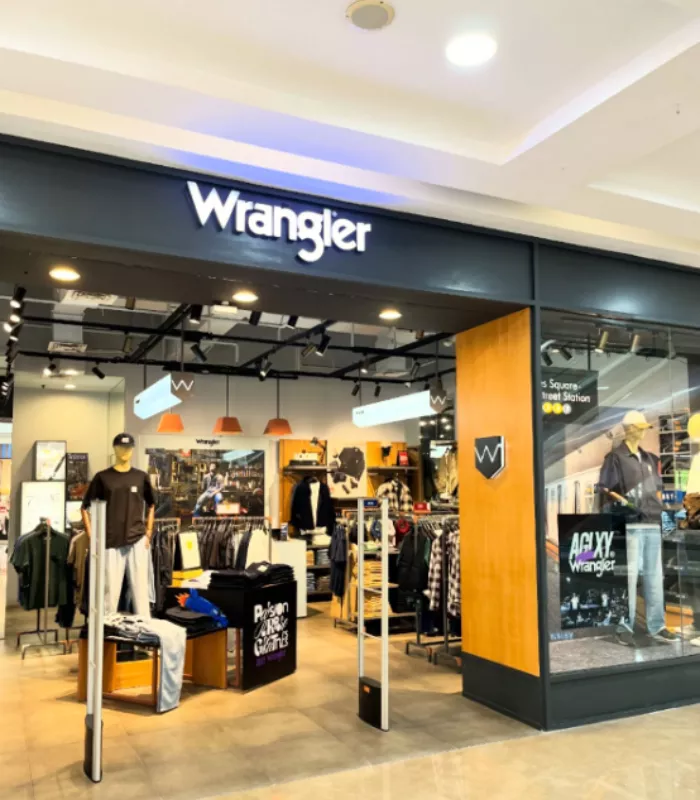
Wrangler was the go-to brand for a more rugged, Western-inspired look. Cowboys and country music fans swore by them.
In the 70s, country style was very much in fashion. Wrangler was right there to meet the demand.
Their jeans were known for being tough and long-lasting. You could wear them for years without them falling apart.
Wrangler shoppers were not chasing trends. They were buying quality.
The fit was designed for people who actually moved around in their clothes.
Farmers, factory workers, and weekend rodeo fans all reached for the same brand.
That kind of broad loyalty is something very few clothing brands ever achieve.
Wrangler also benefited from the massive popularity of country music in the 70s.
As artists like Willie Nelson and Waylon Jennings filled arenas, their fans wanted to dress the part.
Wrangler was the obvious choice for anyone who took that lifestyle seriously.
The brand became shorthand for a certain kind of honest, hardworking American identity.
Why It’s On This List: Wrangler became the official jeans of the Professional Rodeo Cowboys Association. That kind of endorsement meant a lot to a big part of 70s America.
8. Hang Ten
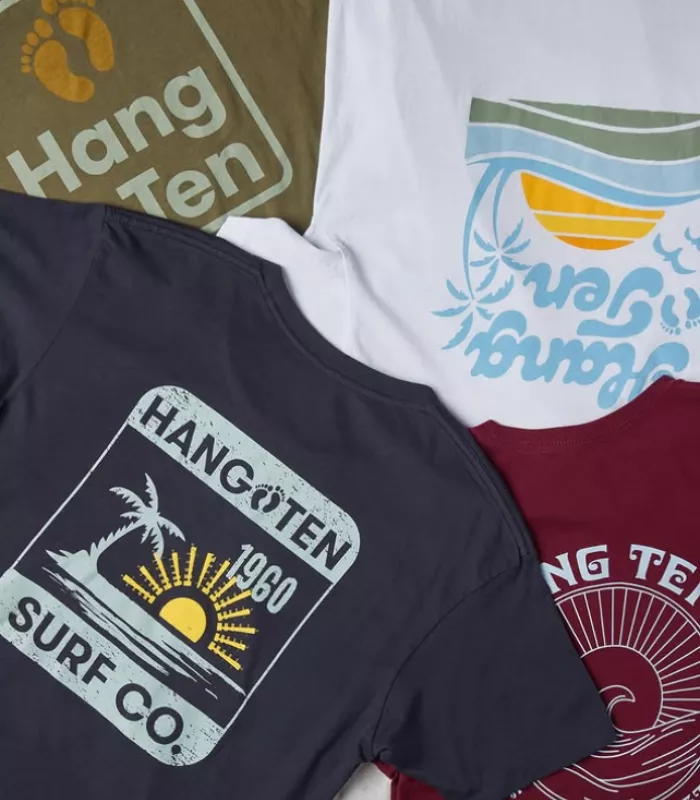
Hang Ten brought California surf culture to malls all across the country. Their clothes had a relaxed, beachy feel that kids loved.
The brand was known for its small embroidered feet logo on the chest. That little symbol meant you were cool.
Hang Ten made the laid-back California lifestyle feel reachable for everyone. Even kids in landlocked states wanted to look like surfers.
Their T-shirts and shorts were light, comfortable, and easy to wear all day.
The colors were bright and cheerful, which fit the 70s vibe perfectly.
You did not need to live near the beach to wear the brand with confidence.
That was the whole point, and it worked beautifully.
Hang Ten also arrived at exactly the right moment in American pop culture.
Movies and TV shows were romanticizing the California lifestyle, and the brand rode that wave perfectly.
Kids across the country felt like they were part of something bigger just by wearing the logo.
Few brands have ever managed to bottle up a feeling quite so effectively.
Why It’s On This List: Hang Ten was one of the first brands to bring surf-inspired fashion into mainstream American malls. It paved the way for many brands that followed.
9. Izod / Lacoste
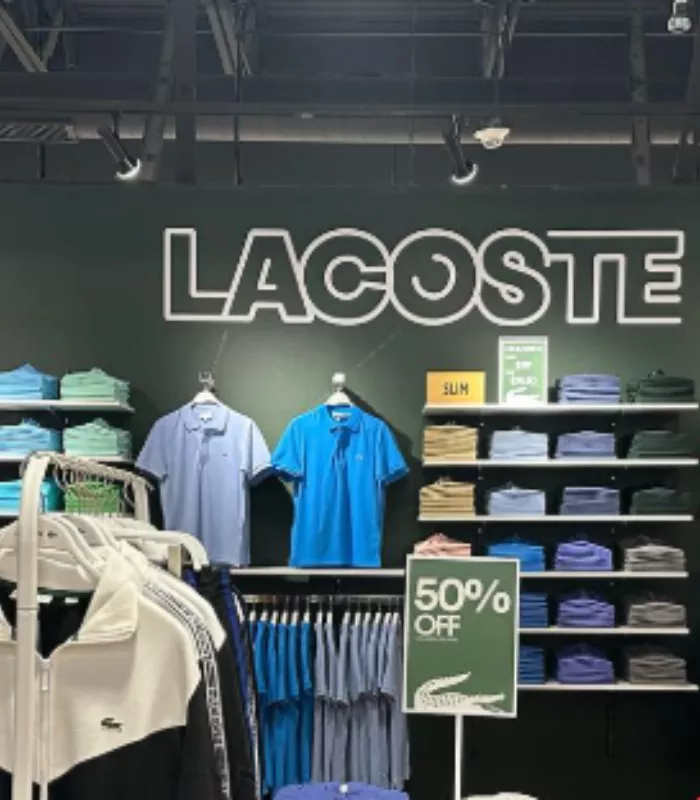
The Izod Lacoste polo shirt was the preppy uniform of the 70s. That little green crocodile logo was everywhere.
Wearing an Izod shirt meant you were put-together and polished. It was the smart-casual look before anyone called it that.
The polo shirt became one of the most iconic pieces of 70s fashion. That’s why so many people still remember it so clearly today.
Country clubs, school hallways, and Sunday dinners all had at least one Izod polo in the room.
The shirts came in a wide range of colors, which made collecting them almost addictive.
Having several hanging in your closet was considered a sign of good taste.
It was quiet confidence, stitched into a single cotton polo.
The crocodile logo was small, but it carried a lot of social weight in the 70s.
It said you cared about how you looked without trying too hard.
That balance was not easy to pull off, but Izod Lacoste made it look effortless.
Decades later, that little crocodile is still one of the most recognized logos in fashion history.
Why It’s On This List: Izod Lacoste shirts were a staple in department stores and mall shops throughout the 70s. The crocodile logo is still one of the most recognized in fashion history.
10. Ditto’s
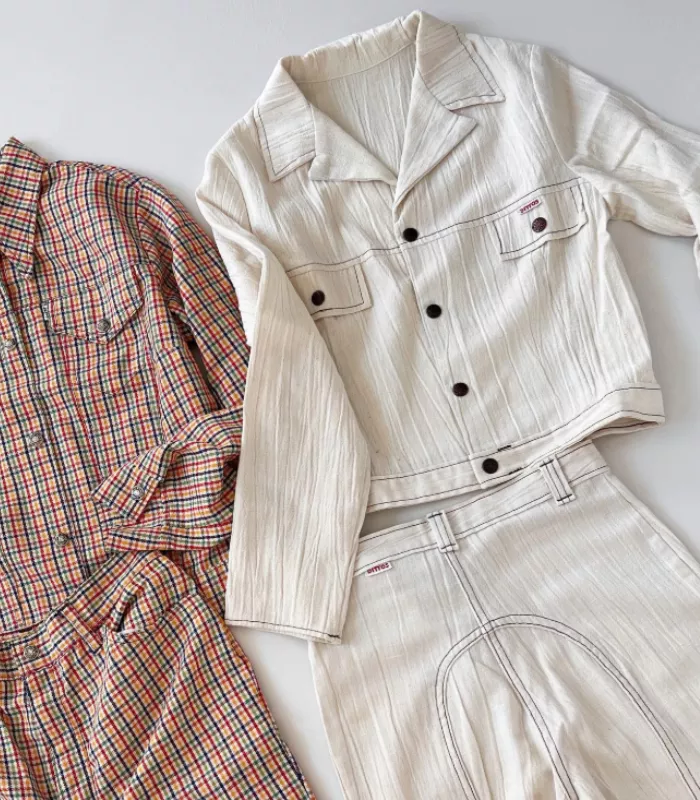
Ditto’s was a women’s clothing brand that became hugely popular in the 70s. They were famous for their ultra-tight, form-fitting jeans.
Their styles reflected the bold fashion choices of the decade. Big colors, wide waistbands, and stretch fabric were their signatures.
Ditto’s gave women a fun and affordable way to follow the trends of the day. You did not have to shop at a fancy boutique to look fashionable.
The brand understood what women actually wanted to wear, not just what designers thought they should wear.
That made a real difference in how the clothes looked and felt.
Women could move freely, feel comfortable, and still look completely on trend.
For a decade that celebrated self-expression, Ditto’s fit right in.
The price point was another big reason women kept coming back.
You could refresh your wardrobe without feeling guilty about what you spent.
That combination of style, comfort, and value was exactly what the 70s mall shopper was looking for.
Ditto’s delivered all three without compromise, and women noticed.
Why It’s On This List: Ditto’s captured the free-spirited energy of 70s women’s fashion perfectly. Many women who shopped the malls back then remember this brand with a smile.
11. Gloria Vanderbilt

Gloria Vanderbilt jeans burst onto the scene in the late 1970s. They were one of the first true designer jeans aimed at women.
The signature swan logo on the back pocket made them instantly recognizable. Women loved them because they fit well and looked polished.
Gloria Vanderbilt helped turn jeans into a fashion statement for grown women, not just teenagers. That was a big shift for the time.
The cut was designed to flatter, and women noticed the difference immediately.
You did not feel like you were wearing work clothes or weekend throwaway pants.
You felt like you were wearing something that was made specifically for you.
That feeling kept women loyal to the brand for years.
The swan logo also carried a certain elegance that other denim brands simply did not have.
It elevated jeans from casual staple to something you could feel genuinely proud to wear.
Women who had never considered spending extra on denim found themselves making an exception.
Gloria Vanderbilt changed the conversation around what jeans could be and who they were for.
Why It’s On This List: Gloria Vanderbilt jeans sold millions of pairs in their first years on shelves. They proved that women wanted both style and comfort in their denim.
12. Casual Corner
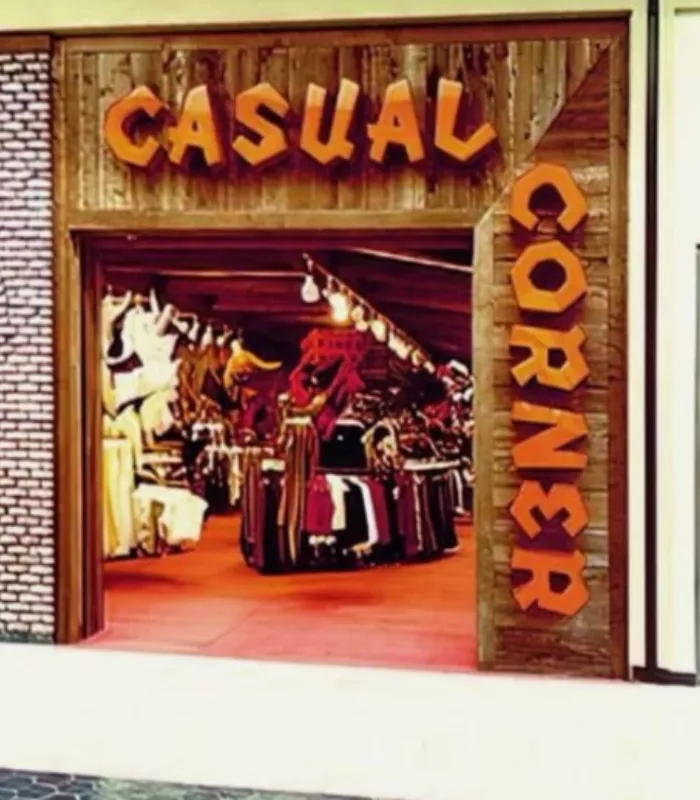
Casual Corner was the go-to mall store for women who wanted to look put-together without spending department store prices.
Their clothes were stylish but practical. You could find something for work, a dinner out, or a weekend trip all in one store.
Casual Corner made everyday fashion feel effortless and affordable for American women. That’s why it built such a loyal following throughout the 70s and beyond.
The store had a warm, approachable feel that big department stores often lacked.
Salespeople were helpful without being pushy, which shoppers genuinely appreciated.
You could walk in without a plan and walk out with a complete outfit.
That kind of easy, enjoyable experience is something shoppers still talk about today.
The styles were never extreme, but they were always current enough to feel fresh.
Women who shopped there trusted that they would leave looking appropriate for any occasion.
That reliability was not a small thing. It was the entire reason the brand thrived.
In a decade full of fashion risk-taking, Casual Corner gave women a place to land that always felt just right.
Why It’s On This List: Casual Corner had hundreds of mall locations across the United States by the mid-1970s. It was a reliable, familiar name that women trusted season after season.