

The 1970s spawned convenience store chains faster than they could think of sensible names.
America went absolutely feral with brands like Speedee Mart and Mr. Quik.
But here’s the deal: being quick didn’t mean being immortal.
These stores vanished like your paycheck after filling up your gas-guzzling station wagon.
1. Majik Market, Multiple States
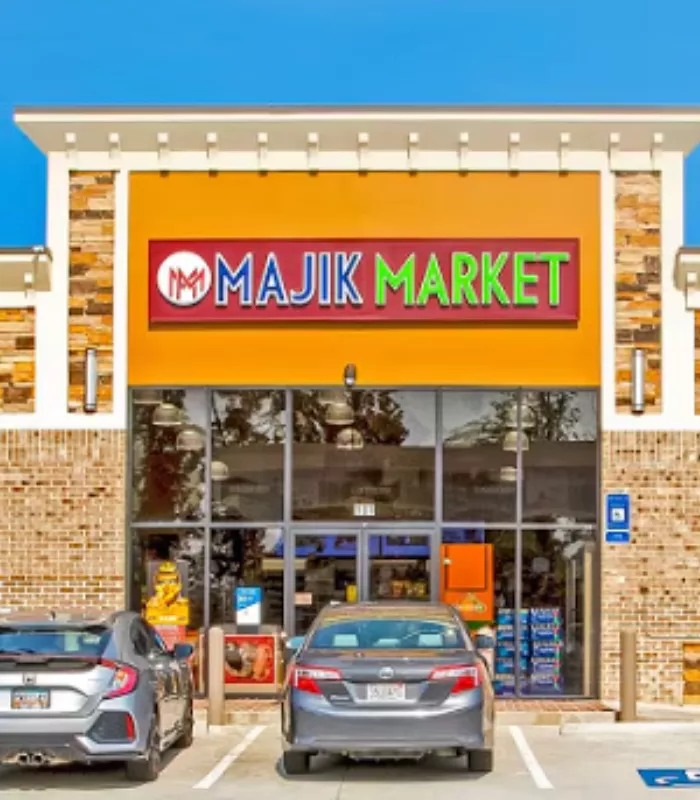
Majik Market was a major convenience store chain that operated across the southern United States.
The company grew rapidly and by 1983 had reached 980 locations across multiple states.
Founded in 1962, the chain became a household name for quick stops and everyday essentials.
The stores featured the typical convenience store layout with narrow aisles and bright fluorescent lighting.
Customers could grab everything from cigarettes to milk without ever leaving their car in some locations.
The chain competed fiercely with other regional players during the golden age of convenience stores.
Why It’s On This List: Despite its massive growth during the 1970s and 1980s, Majik Market filed for Chapter 11 bankruptcy in January 1990 with $94.5 million in liabilities against just $44.1 million in assets, eventually closing most of its original locations.
2. White Hen Pantry, Illinois
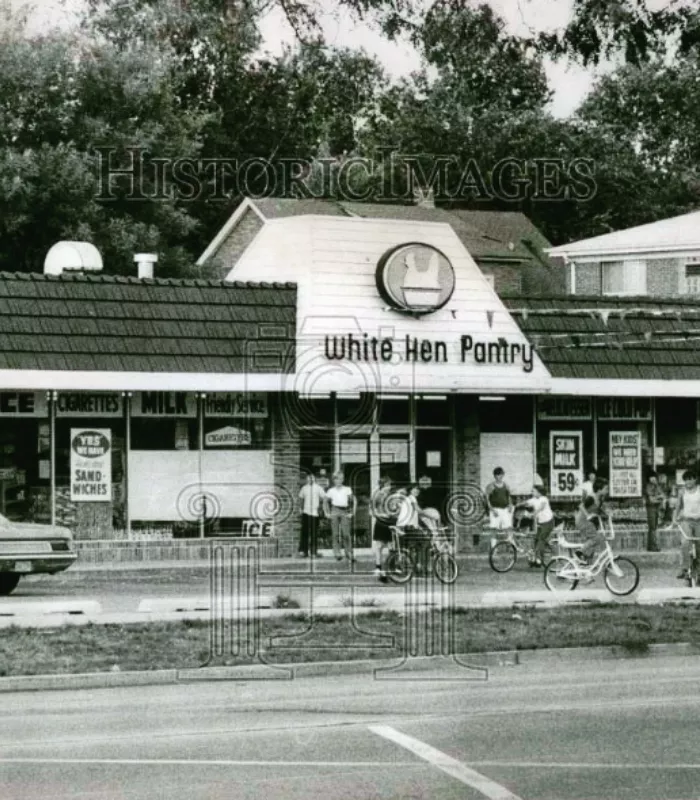
White Hen Pantry opened its first stores in 1965 and quickly became a Midwest favorite.
The chain was founded by Jewel and started with locations in Mount Prospect, Glen Ellyn, Bensenville and Elmhurst.
It was originally called Kwik Shoppe before adopting the White Hen Pantry name from Jewel’s egg supplier, White Hen Egg Farms.
The stores became known for their clean interiors and friendly neighborhood atmosphere.
Many locations operated 24 hours a day, becoming a lifeline for night shift workers.
The white and red logo became instantly recognizable throughout the Chicago area.
Why It’s On This List: After decades of operation and growing to 261 stores, White Hen Pantry was acquired by 7-Eleven in 2006, with most locations rebranded by the end of 2010, ending a 45-year run as an independent chain.
3. Jiffy Food Stores, Florida
Brothers Louis and William Huntley founded Jiffy Food Stores in 1965 in Orange Park.
The chain grew to an impressive 342 stores ranging from Central Florida north to Brunswick, Georgia.
Most locations were concentrated in the Jacksonville metropolitan area.
The stores offered competitive prices and longer hours than traditional grocery stores.
Jiffy became synonymous with convenience shopping throughout Northeast Florida.
Local residents developed fierce loyalty to their neighborhood Jiffy location.
Why It’s On This List: The stores were so popular that “Jiffy” became a generic term for convenience stores in the First Coast region, and the expression “Jiffy feet” (going barefoot to the store) is still used today even though the Huntleys sold the chain in 1990.
4. Lil’ Champ, Florida
Lil’ Champ was a Jacksonville-based convenience store chain that gained prominence in the 1970s.
The company was acquired by a larger operation during the decade as part of a regional expansion strategy.
It operated dozens of locations across Florida and neighboring states.
The stores featured bright yellow and red signage that stood out along busy highways.
Many locations included gas pumps, making them true one-stop shops.
The chain capitalized on Florida’s growing population and tourism industry.
Why It’s On This List: After acquiring the popular Jiffy Food Stores chain in 1990, Lil’ Champ eventually converted those locations to its own brand, but the combined chain later faded from the convenience store landscape as bigger national chains took over.
5. U-Tote-M, Texas
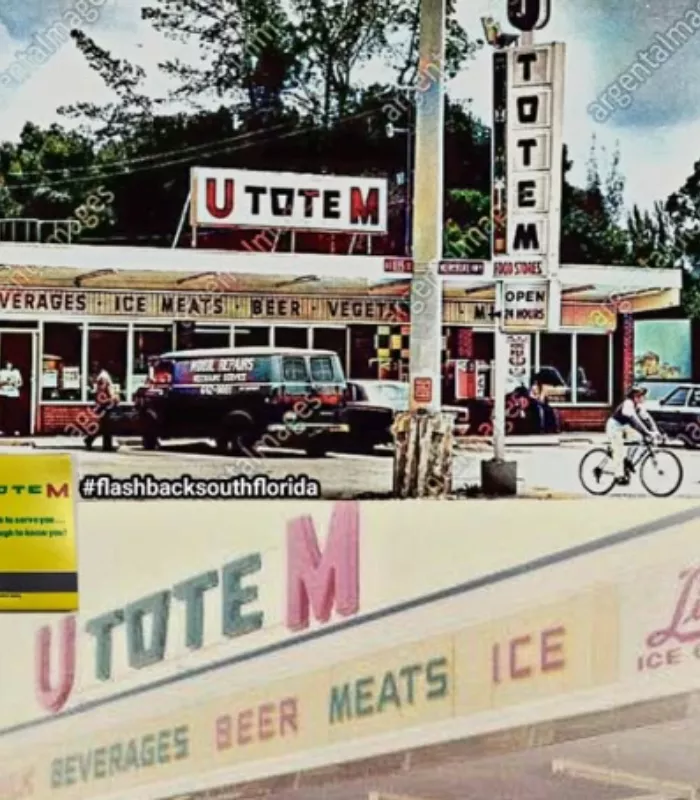
U-Tote-M was a quirky convenience store chain that dominated the Houston market.
The chain was a division of Fairmont Foods Company and expanded rapidly in the early 1970s.
In 1970, they even tested fried chicken stands in a group of stores in Houston.
The unusual name became part of Houston’s cultural fabric during the decade.
Stores stayed open later than most competitors, serving the city’s night owls.
The chain pioneered many concepts that would become industry standards.
Why It’s On This List: Despite being a beloved Houston institution that “bestrode the easy-in, easy-out grocery market like a colossus,” U-Tote-M eventually disappeared as larger national chains absorbed the regional convenience store market.
6. Stop-N-Go, Kentucky
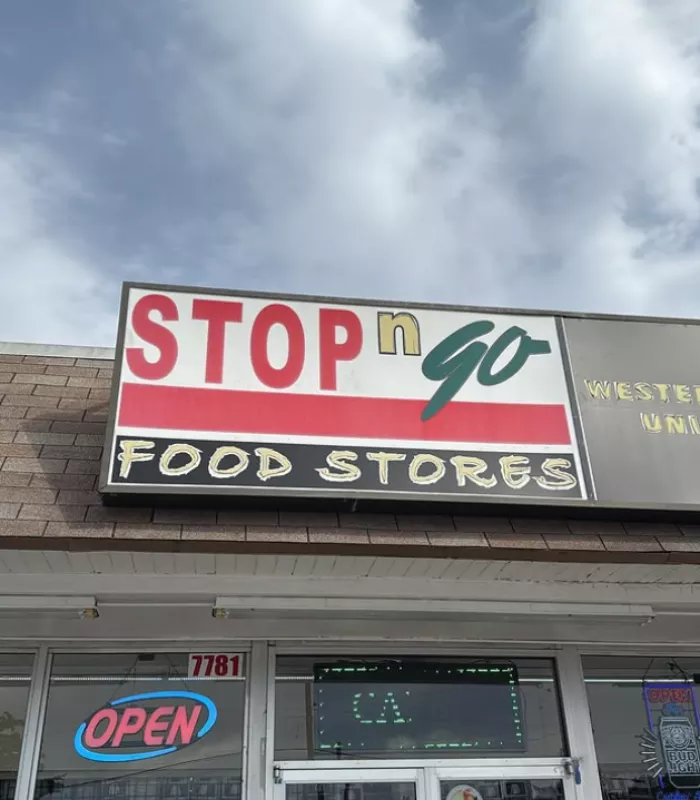
Stop-N-Go was founded in the early 1960s and became a Northern Kentucky staple.
The stores operated from 7 a.m. until midnight, which was considered extended hours at the time.
By the mid-1970s, most locations had switched to 24-hour service.
The chain became known for fresh coffee and quick service during morning rush hours.
Local families trusted Stop-N-Go for emergency grocery runs and last-minute needs.
The stores featured prominent red and white signage visible from major roads.
Why It’s On This List: The locally owned franchise was sold to Stop-N-Go Food Inc. of Dayton, Ohio in May 1974, which was then acquired by Sun Company (Sunoco) in 1976, losing its local identity and eventually disappearing from the Northern Kentucky landscape.
7. Convenient Food Mart, Multiple States
Convenient Food Mart Inc. had ambitious expansion plans in the early 1970s.
The company planned to open at least 70 stores in Virginia and West Virginia.
Annual sales were projected to reach nearly $25 million.
The chain positioned itself as the neighborhood store that never closed.
Management invested heavily in prime locations near residential areas.
Each store carried a carefully selected inventory of high-demand items.
Why It’s On This List: Despite its aggressive expansion plans and convenient locations that stayed open when other stores were closed, the chain eventually faded as competition from larger national chains intensified during the late 1970s and 1980s.
8. Handee Food Mart, Texas
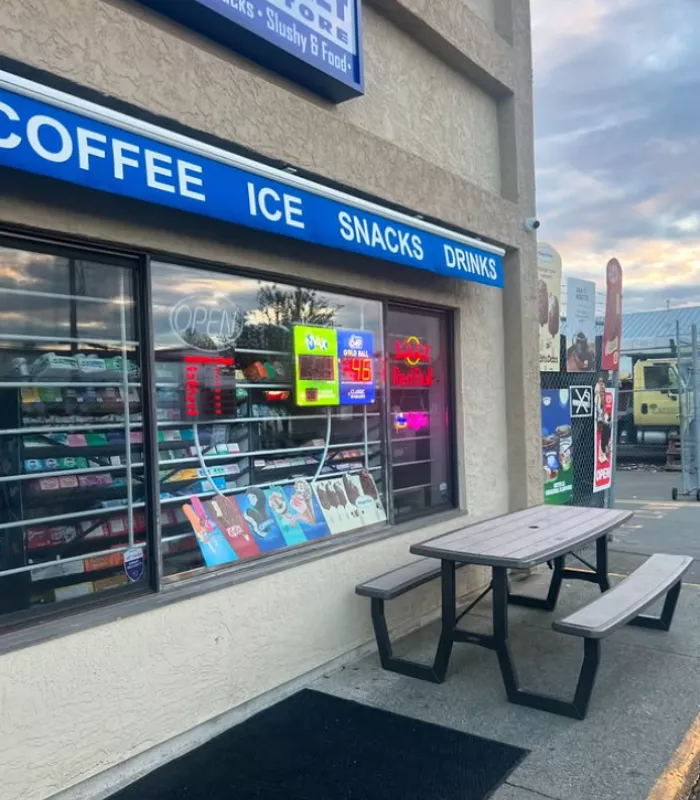
Handee Food Mart operated 35 convenience stores in Houston before 1969.
The chain was acquired by National Convenience Stores (NCS) in 1969.
It was part of a larger consolidation trend happening in the Texas convenience store market.
The stores served Houston’s rapidly growing suburban communities.
Handee Food Mart locations were strategically placed near major intersections.
The chain built a reputation for cleanliness and well-stocked shelves.
Why It’s On This List: After the acquisition by NCS, the Handee Food Mart name gradually disappeared as stores were rebranded, marking the end of another independent regional convenience store chain that couldn’t compete with the growing national operators.
9. PDQ Food Stores, Pennsylvania
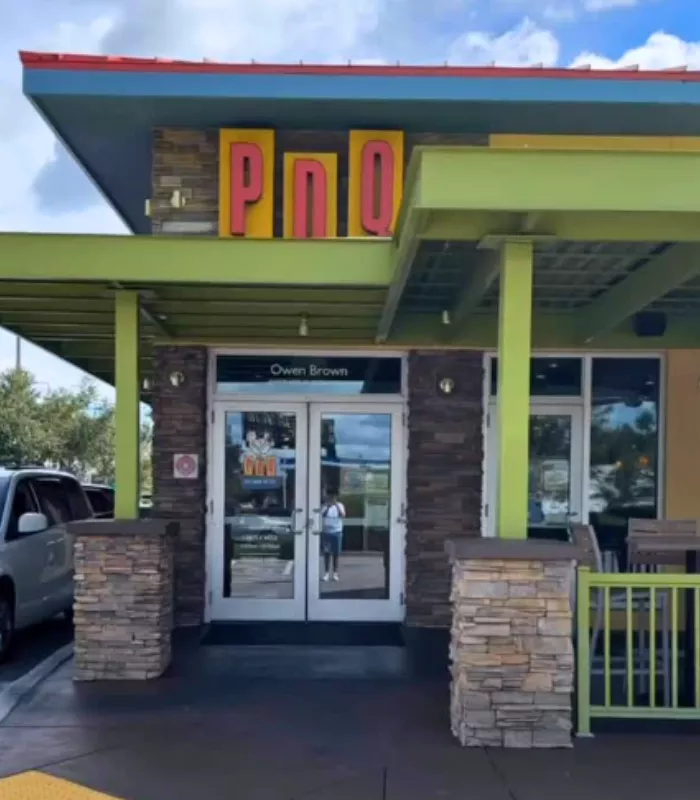
PDQ Food Stores was a growing chain that expected to push past the 40-store mark by the end of 1971.
The company was expanding rapidly during the convenience store boom of the early 1970s.
In 1973, National Convenience Stores purchased twenty-three PDQ Food Stores locations.
The acronym PDQ stood for “Pretty Darn Quick” which matched the fast service promise.
Stores featured efficient layouts designed to get customers in and out quickly.
The chain emphasized fresh sandwiches and hot coffee as differentiators.
Why It’s On This List: Like many regional convenience store chains of the 1970s, PDQ was absorbed by larger operators and the brand name eventually vanished as the industry consolidated into fewer, bigger chains.
10. Plaid Pantry, Oregon
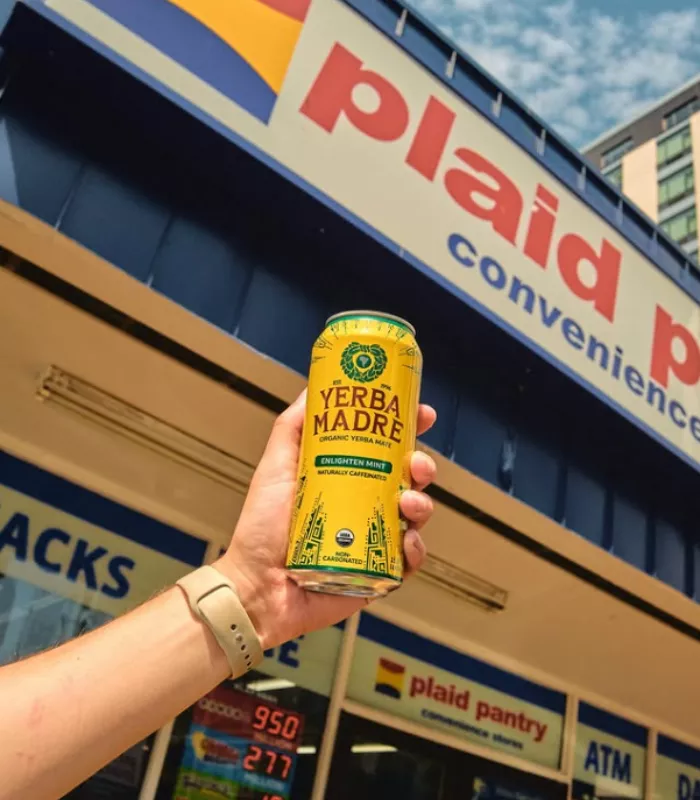
Plaid Pantry was a 43-unit convenience store chain based in Portland, Oregon.
The company had aggressive expansion plans in the early 1970s.
They planned to build 17 more stores during that period.
The distinctive plaid logo became a familiar sight throughout the Pacific Northwest.
Stores catered to Oregon’s unique culture with local products and regional favorites.
The chain competed with national operators by emphasizing its local roots.
Why It’s On This List: While Plaid Pantry still operates today, many of the original 1970s locations from its ambitious expansion period closed as the company restructured and the convenience store industry underwent major changes in the following decades.
11. Speedee Mart, California
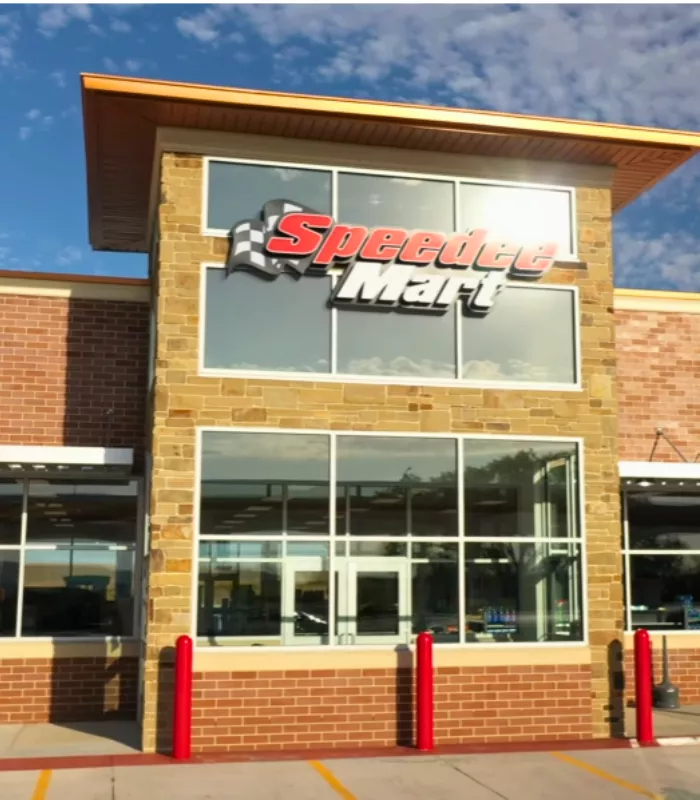
BD Construction Inc/Kearney
Speedee Mart was a popular California convenience store chain in the early 1960s.
The stores operated on the 7-11 concept, staying open from 7 a.m. to 11 p.m.
Southland Corporation saw an opportunity and purchased 126 Speedee Mart franchised locations in 1963.
The chain had built a strong presence in Southern California suburbs.
Speedee Mart stores were known for their bright lighting and clean parking lots.
The name perfectly captured the fast-paced California lifestyle of the era.
Why It’s On This List: After the acquisition, all Speedee Mart stores were converted to 7-Eleven stores, marking the end of the Speedee Mart name and launching 7-Eleven’s entry into the California market and franchise business model.
12. Town and Country Food Stores, Texas
Town and Country was an Austin-based convenience store chain that thrived in the 1960s.
National Convenience Stores purchased the chain in 1968 as part of a nationwide expansion strategy.
The stores offered the same convenience store products as major chains but with a local touch.
Town and Country locations became community gathering spots in Austin neighborhoods.
The chain emphasized personal service and getting to know regular customers.
Each store reflected the character of its specific neighborhood location.
Why It’s On This List: After being acquired by National Convenience Stores in 1968, the Town and Country name gradually disappeared as stores were rebranded, becoming just another casualty of the convenience store consolidation wave.
13. Git-N-Go, Oklahoma
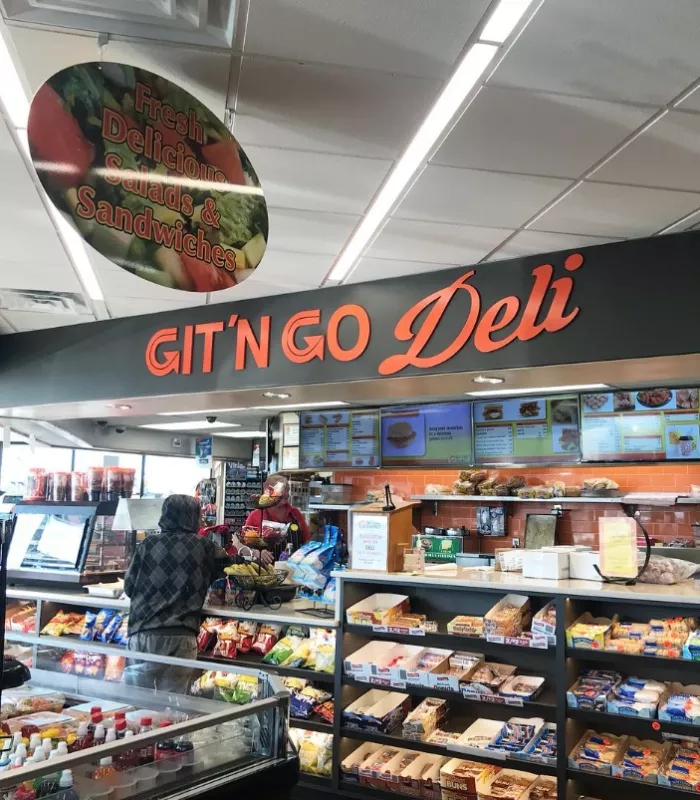
Git-N-Go opened its first store in Tulsa in 1958, making it one of the early convenience store pioneers.
By 1986, the chain had grown to include 20 stores in Springfield, Missouri alone.
The chain expanded throughout Oklahoma and Missouri during the 1970s and 1980s.
The playful name reflected the informal, friendly nature of Midwestern customer service.
Git-N-Go became a trusted brand for fuel, snacks, and basic groceries.
The stores served both urban areas and small towns across two states.
Why It’s On This List: After decades of operation, Git-N-Go filed for bankruptcy in January 2004 after losing $8 million the year before, and 76 stores were sold to Kum & Go, ending the original chain’s run.
14. Zip Mart, Multiple States

Zip Mart convenience stores were a familiar sight in several states during the 1970s.
The chain served communities across the eastern United States with quick-stop shopping.
Locations stayed open later than traditional grocery stores to serve working families.
The name promised speed and efficiency, two things busy Americans valued.
Zip Mart stores featured compact layouts with carefully curated product selections.
Many locations added gas pumps in the late 1970s to remain competitive.
Why It’s On This List: The Zip Mart chain slowly closed locations throughout the 1980s and 1990s as competition from larger national chains intensified, with the last stores either closing or changing names by the early 2000s.
15. Super Quick, Texas
Super Quick was a Texas convenience store chain with 19 locations at its peak.
The stores were part of the booming convenience store market in the Lone Star State.
National Convenience Stores acquired Super Quick in 1979 during its aggressive expansion phase.
The chain focused on high-traffic urban locations in major Texas cities.
Super Quick stores stayed open round the clock to capture late-night business.
The brand competed on speed of service and strategic placement.
Why It’s On This List: After being absorbed by National Convenience Stores in 1979, the Super Quick brand disappeared as all locations were rebranded to Stop N Go in 1983, ending another independent Texas convenience store name.
16. Dairy Mart, New England
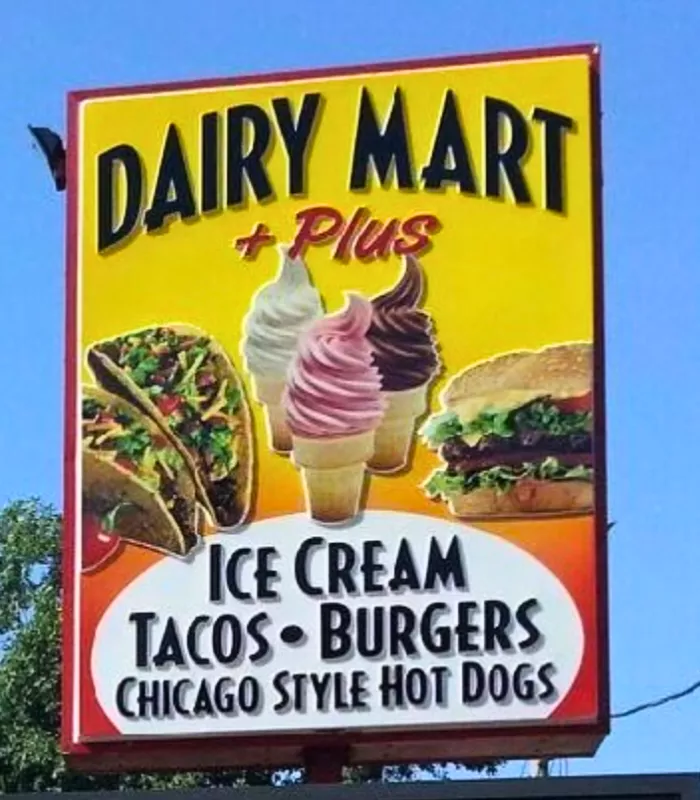
Dairy Mart started in 1949 when Charles Nirenberg sold ice cream from a truck in Massachusetts.
He opened his first store in 1957 with just $1,500 and grew it into a 37-store chain by 1972.
By 1975, the company built a $2.6 million milk processing plant in Enfield, Connecticut.
The chain positioned itself as the dairy-focused alternative to other convenience stores.
Fresh milk, ice cream, and dairy products were always prominently displayed.
Dairy Mart became a New England institution with loyal multi-generational customers.
Why It’s On This List: While Dairy Mart expanded aggressively in the 1980s through acquisitions, many of the original 1970s locations closed as the chain restructured, and the brand eventually faded from the convenience store landscape despite once being the third-largest chain in America.
17. Mr. Quik, Texas
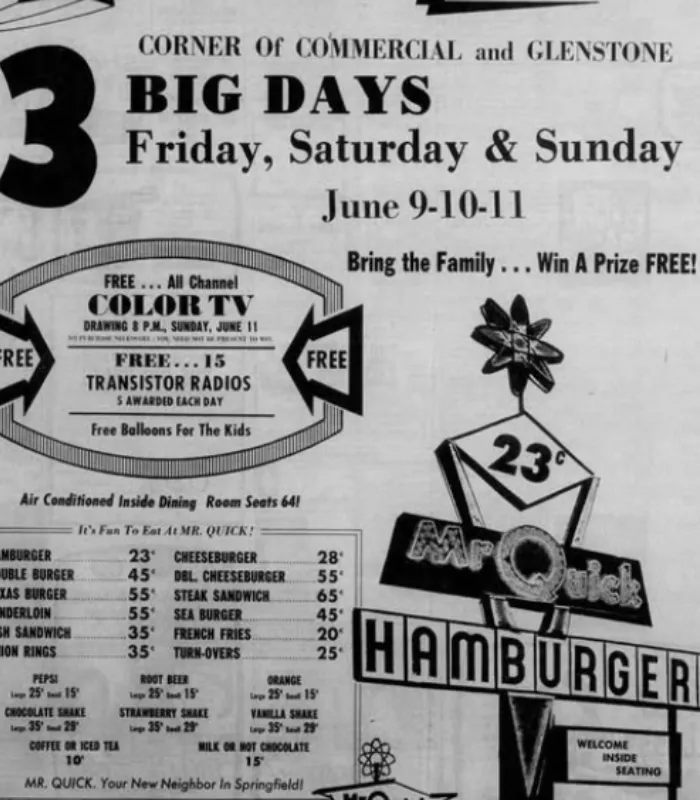
Mr. Quik was a Texas-based convenience store chain that operated 116 stores.
The chain was one of many regional operators competing in the crowded Texas market.
National Convenience Stores purchased all 116 Mr. Quik stores in 1981.
The stores featured a mascot character that appealed to families with children.
Mr. Quik locations often included expanded food service with hot sandwiches.
The chain built its reputation on consistently fast checkout times.
Why It’s On This List: After the 1981 acquisition by National Convenience Stores, the Mr. Quik name vanished as all locations were eventually rebranded to Stop N Go in 1983, marking the end of another beloved regional convenience store brand.