

There is a special kind of disappointment reserved for expensive things that were supposed to make your life better.
Home renovations sit right at the top of that list.
Somewhere between the showroom visit and the final invoice, reality quietly slips in the back door.
Suddenly, the dream bathroom costs twice what you budgeted.
The garage you converted is the first thing buyers ask to undo.
Enthusiasm is free. Tile work is not.
1. Bathroom Remodels That Go Over Budget
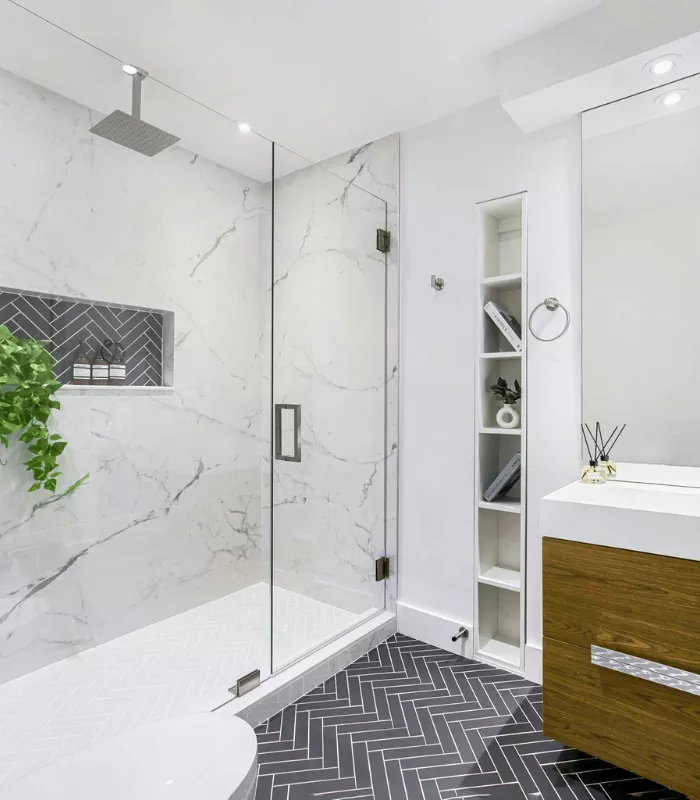
Bathroom remodels are one of the most requested home projects.
But here’s the catch: most homeowners spend 20% to 30% more than they planned.
Hidden water damage, old pipes, and outdated wiring are often found once the walls open up.
That surprise alone can turn a $10,000 project into a $15,000 headache.
Many contractors will not know the full scope of the work until demolition begins.
By that point, stopping is often more expensive than pushing forward.
Always set aside a contingency budget of at least 15% to 20% before breaking any tiles.
Getting two or three contractor quotes before starting can also help you spot unusually low bids early.
A low bid often means something important is not included in the estimate.
Older homes built before the 1980s carry a higher risk of surprises behind the walls.
Things like asbestos, lead paint, or outdated plumbing can add weeks and thousands of dollars to the timeline.
Knowing your home’s age and history before you start is one of the smartest moves you can make.
Even a simple tile replacement can uncover subfloor damage that was invisible from the surface.
Water has a way of traveling far from its source, so damage is often more widespread than expected.
A licensed plumber inspection before any remodel begins can save you from very costly surprises mid-project.
Why It’s On This List: Bathroom remodels rank among the top budget-busting projects for homeowners over 50, often due to aging home infrastructure that needs fixing before any cosmetic work can begin.
2. Kitchen Cabinet Replacements
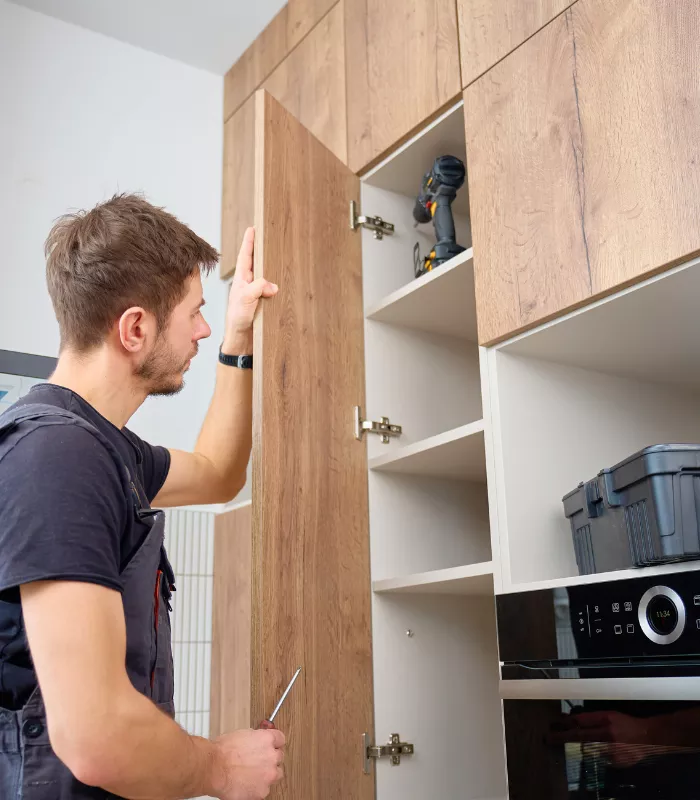
New cabinets can make a kitchen look brand new.
But here’s the deal: cabinet replacement rarely adds full value back to your home sale price.
Many homeowners expect a dollar-for-dollar return. That almost never happens.
On average, a full kitchen remodel returns only about 60 to 80 cents on every dollar spent.
You’re better off refinishing or repainting your existing cabinets for a fraction of the cost.
A fresh coat of paint and new hardware can completely transform the look of a kitchen for under $500.
That same result from full replacement could cost $15,000 or more, depending on your kitchen size.
Custom cabinets are the most expensive option and also the hardest to recoup at resale.
Semi-custom or stock cabinets offer a much better balance between cost and visual impact.
If your existing cabinet boxes are still solid, refacing rather than replacing is almost always the smarter choice.
New doors, drawer fronts, and hardware installed over existing frames can look nearly identical to a full replacement.
Most homeowners cannot tell the difference once the project is complete.
Lead times for custom cabinets can stretch from eight to sixteen weeks, leaving your kitchen unusable for months.
During that time, many families find themselves eating out far more often, which adds to the total project cost in ways they never budgeted for.
The disruption alone is a reason to seriously weigh whether full replacement is truly necessary.
Why It’s On This List: Cabinet replacement is one of the most expensive kitchen upgrades, yet it often delivers less return on investment than homeowners expect.
3. Sunroom Additions
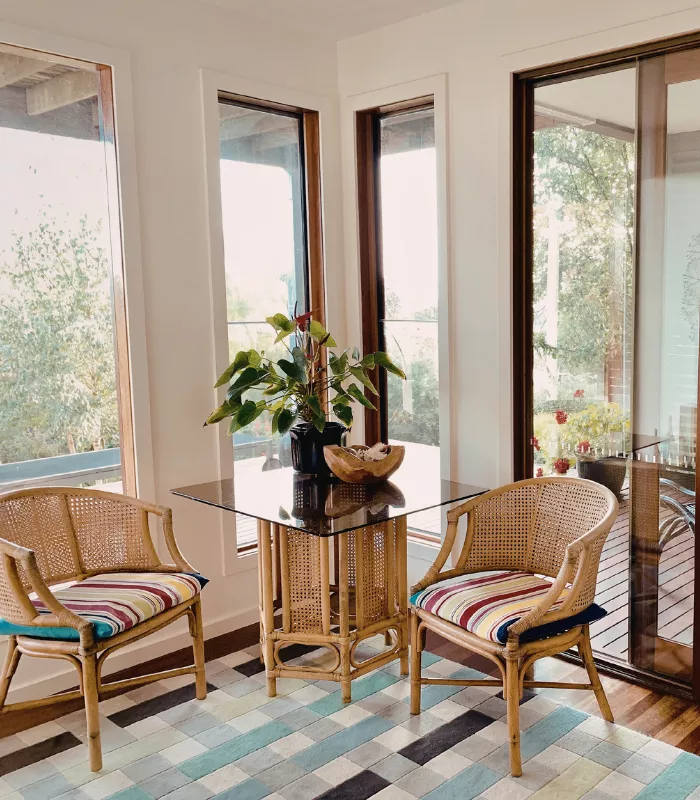
A sunroom sounds like a dream.
Bright mornings. Coffee with a view. A peaceful reading spot.
But sunrooms are often too hot in summer and too cold in winter unless you spend extra on climate control.
Many homeowners over 50 find they use the room far less than they imagined.
The cost to build can range from $15,000 to $75,000, depending on size and materials.
Adding proper heating and cooling to a sunroom can push that number even higher.
Without climate control, a sunroom in most parts of the country is only truly comfortable for a few months each year.
That means you could be paying for a room you comfortably use in spring and fall only.
Many sunrooms also require a stronger foundation than homeowners expect, which adds to the base construction cost.
Permits are almost always required, and the approval process can delay your project by weeks.
If you love the idea of more natural light, a large sliding glass door or a bay window may give you a similar feeling at a much lower price.
It is worth exploring those alternatives before committing to a full addition.
Glass walls and ceilings also require regular cleaning to stay looking their best.
Pollen, bird droppings, and weather stains accumulate quickly on glass surfaces, especially on the roof panels.
For homeowners who prefer low-maintenance living, a sunroom can quietly become more of a chore than a retreat.
Why It’s On This List: Sunrooms are a high-cost addition that often disappoints due to temperature discomfort and lower-than-expected daily use.
4. Garage Conversions
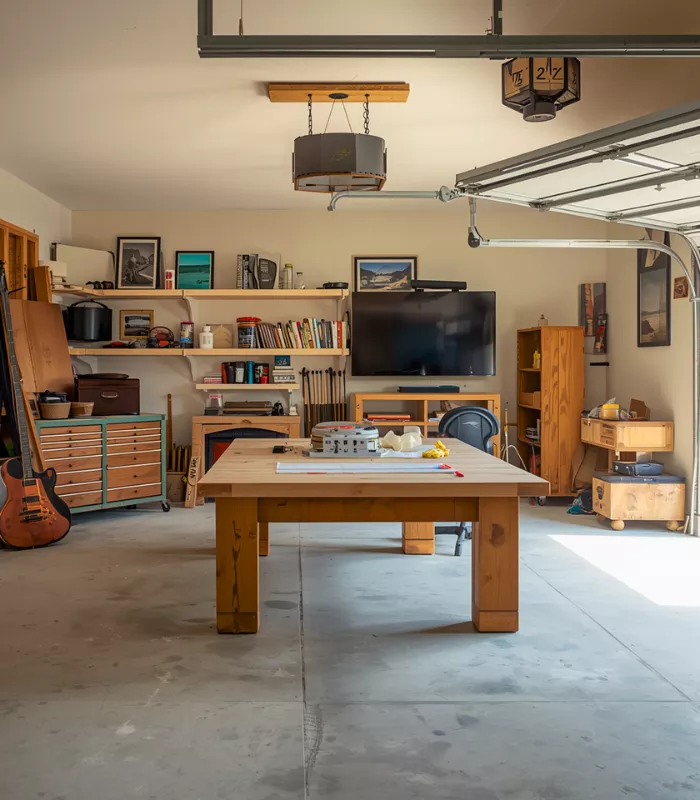
Converting a garage into a living space seems like a smart move.
You get extra square footage without building an addition.
But many buyers actually want the garage back.
When it comes time to sell, a missing garage can lower your home’s appeal and resale value.
In some neighborhoods, it can also violate local zoning rules.
Some municipalities require a permit for garage conversions, and not all conversions are approved after the fact.
An unpermitted conversion can create serious legal complications when you try to sell your home.
Buyers may also request that you restore the garage before closing, which can cost thousands.
In colder climates, garages are especially valued for protecting vehicles and storing seasonal equipment.
Families with children or grandchildren who visit often also tend to prioritize garage space for bikes, strollers, and outdoor gear.
If you need more living space, a room addition or a finished basement often preserves more of your home’s resale appeal.
Talk to a local real estate agent before converting to understand how buyers in your specific neighborhood view garage space.
Concrete garage floors also require significant work to become comfortable living surfaces.
Insulation, drywall, flooring, and electrical upgrades all add to a conversion cost that many homeowners underestimate at the start.
What seems like a budget-friendly project can quietly grow into a five-figure renovation before the first piece of furniture moves in.
Why It’s On This List: Garage conversions can reduce buyer interest and resale value, making them one of the more regrettable projects for long-term homeowners.
5. Luxury Master Suite Upgrades

Adding a spa-style master suite feels like a real treat.
Steam showers, heated floors, double vanities. It sounds wonderful.
But these upgrades are very personal. What you love, a future buyer may not want.
Most luxury suite upgrades return less than 50% of their cost at resale.
That’s why many financial advisors suggest keeping bedroom upgrades modest unless you plan to stay long term.
A steam shower, for example, requires special waterproofing, ventilation, and a dedicated steam generator.
Installation alone can cost $3,000 to $6,000 on top of the standard shower remodel price.
Heated floors are another popular upgrade that buyers rarely pay a premium for at resale.
They feel wonderful in the morning, but they add to your monthly energy costs year-round.
The best approach is to make upgrades that improve daily comfort without dramatically over-improving relative to your neighborhood.
A home that is significantly upgraded beyond neighboring properties rarely recovers that investment at sale time.
Real estate agents call this being the most expensive house on the block, and it is not a position you want to be in.
Double vanities are a popular request, but installing them often requires moving plumbing lines, which adds significant labor cost.
If your bathroom layout does not naturally accommodate two sinks, the structural work required can double the project budget.
A single upgraded vanity with quality fixtures often delivers nearly the same visual impact for a fraction of the price.
Why It’s On This List: Luxury master suite upgrades are among the lowest-return investments in home renovation, especially when personal taste drives the design choices.
6. Swimming Pool Installations

A backyard pool looks amazing in the pictures.
But pools come with years of ongoing costs for maintenance, chemicals, and repairs.
Many homeowners over 50 find the upkeep becomes too demanding within a few years.
Pools also add liability concerns and can raise your home insurance costs.
In cooler climates, a pool may only be usable for a few months each year.
The average in-ground pool costs between $35,000 and $65,000 to install.
Annual maintenance, including chemicals, cleaning, and equipment servicing, typically runs $1,500 to $4,000 per year.
If something breaks, like a pump, heater, or liner, repair costs can add another $1,000 to $5,000 unexpectedly.
Many homeowners also discover that their homeowner’s insurance premium increases once a pool is added to the property.
Some policies require a fence with a locking gate as a condition of coverage, adding yet another cost.
When it comes time to sell, pools are viewed positively in warm-weather states but can actually deter buyers in northern climates.
Some buyers see a pool not as a feature but as an expensive responsibility they do not want.
Pool water chemistry also needs to be checked and adjusted multiple times per week during swim season.
If you travel frequently or spend time away from home, maintaining proper water balance becomes a real challenge.
Neglected pool water can turn green within days, and restoring it to a safe condition requires both time and extra chemical treatments.
Why It’s On This List: Swimming pools are one of the most disappointing long-term investments due to high ongoing costs and limited usability depending on climate.
7. Whole-Home Smart Technology Upgrades
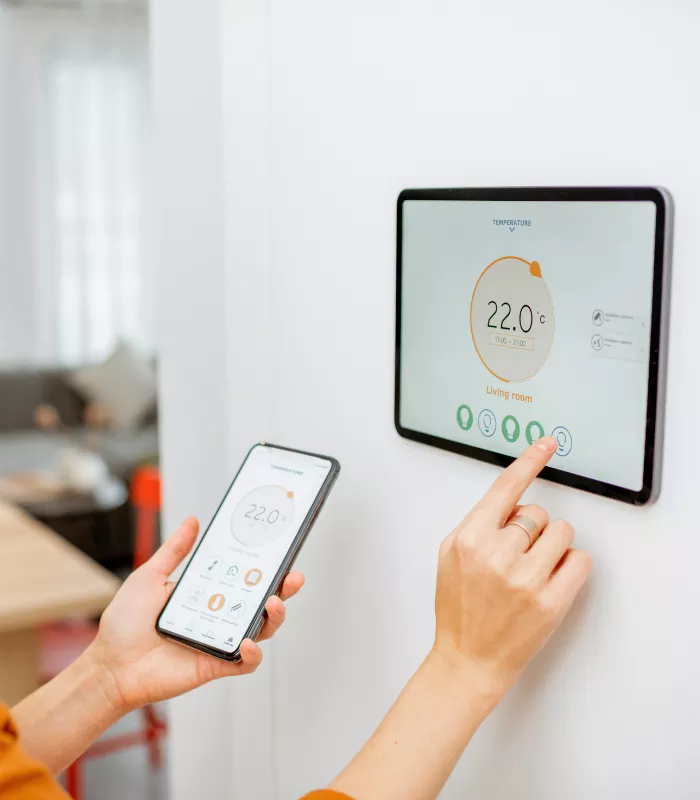
Smart home systems promise to make life easier and more comfortable.
Automated lights. Smart thermostats. Voice-controlled everything.
But many whole-home smart systems become outdated within just a few years.
Technology changes fast, and older systems can be expensive to update or replace.
I made a classic mistake, assuming the system I installed would stay compatible with new devices. It did not.
Start small with one or two smart devices before committing to a full home overhaul.
Whole-home automation systems that require professional installation can cost anywhere from $10,000 to $50,000 or more.
Unlike a new countertop or a fresh coat of paint, smart systems do not age gracefully.
A system that felt cutting-edge five years ago may already be unsupported by its manufacturer today.
Buyers also rarely pay more for a home because it has a built-in smart system, especially one they are unfamiliar with.
Most people prefer to choose their own devices and set them up the way they like.
A few well-chosen smart upgrades like a programmable thermostat or a video doorbell offer real daily value without the risk of a full system investment.
Proprietary smart home platforms are especially risky because they lock you into one brand’s ecosystem.
If that company discontinues the product line or goes out of business, your entire system can stop functioning with no easy fix.
Choosing devices that work across multiple platforms gives you far more flexibility and a much longer useful life.
Why It’s On This List: Whole-home smart upgrades often disappoint because rapid technology changes can make expensive systems feel obsolete sooner than expected.