

Step back into a time when fortunes were found underfoot and hope was dug out of the hillsides.
These towns might not have Wi-Fi, but they are definitely connected to a rich vein of history.
In these parts, ‘going viral’ meant finding a vein of silver as wide as your smile when you discovered it.
Come explore the stories of America’s greatest mining towns with us.
- Each town on this list has preserved at least some of its original mining-era structures, making them walkable history lessons.
- Several are accessible year-round, though a few high-altitude entries are best visited between late spring and early fall.
1. Virginia City, Nevada, where silver turned a hillside into a legend
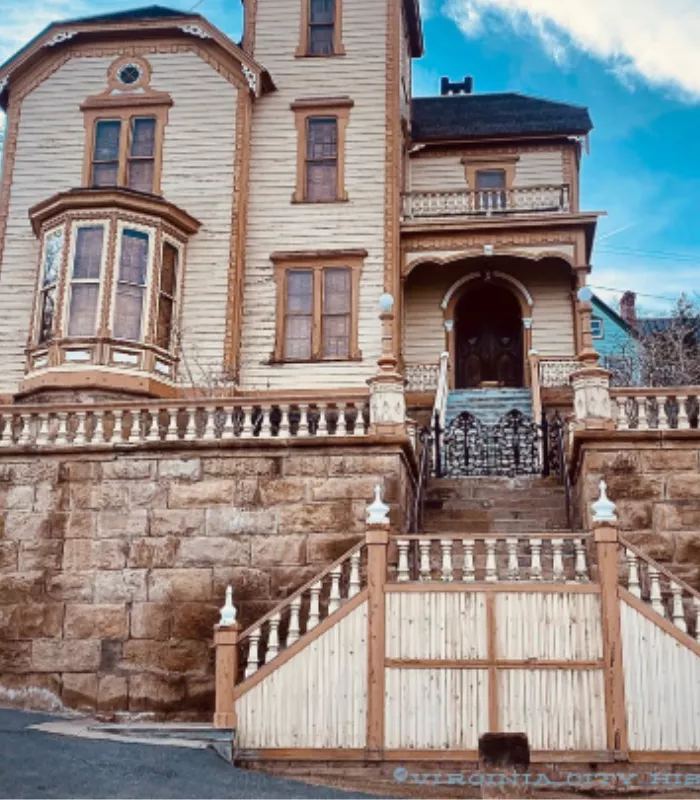
Virginia City thrived with the 1859 discovery of the Comstock Lode. It became one of the richest places in America.
At its peak, it had over 25,000 residents.
The town retains much of its 19th-century charm, with wooden sidewalks and historic buildings.
Tourists can explore mines, museums, and saloons.
It’s like stepping back in time.
The town hosts various cultural events, drawing visitors year-round.
It’s a glimpse into the silver mining era.
Mark Twain got his start as a journalist here, writing for the Territorial Enterprise when the boomtown was at full roar.
[Where Twain Found His Voice]: Its well-preserved architecture and vibrant history make Virginia City a must-visit.
2. Deadwood, South Dakota, where Wild Bill dealt his last hand
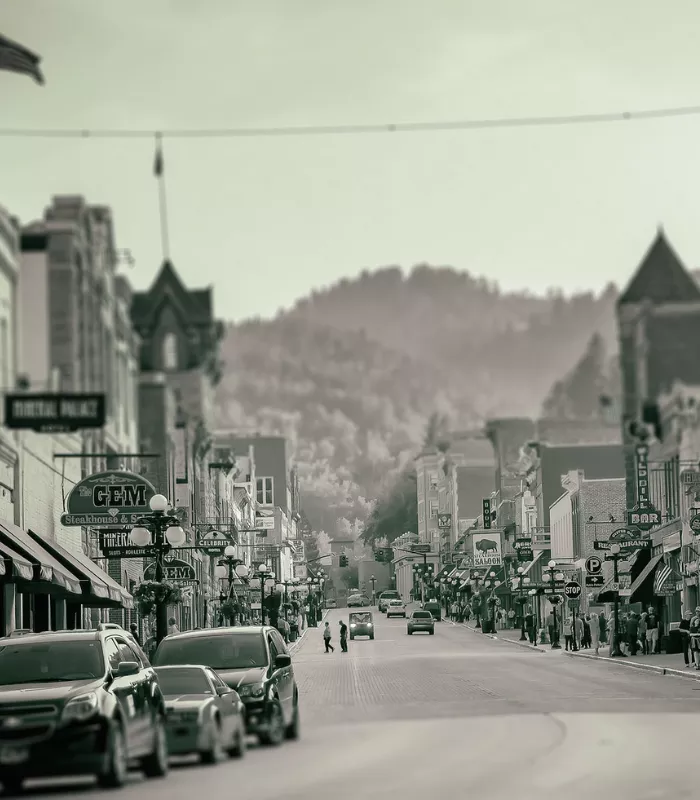
Founded in 1876, Deadwood is famous for its gold rush history.
Legends like Wild Bill Hickok and Calamity Jane walked its streets.
Today, Deadwood is a National Historic Landmark.
The entire city is like a museum with restored buildings and period-costumed entertainers.
The town offers reenacted shootouts and guided tours. It provides a vivid picture of the Old West.
[Frontier Still Breathing]: Deadwood keeps the spirit of the frontier days alive, enhancing its historical significance.
3. Jerome, Arizona, an old copper camp clinging to the cliff
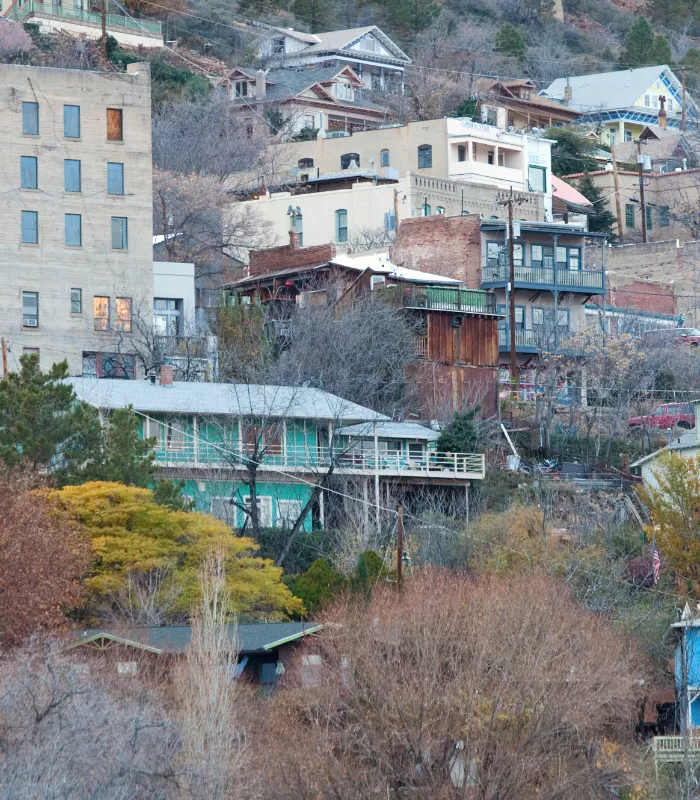
Jerome was known as the wickedest town in the West. Established in 1876, it was a copper mining camp growing to a peak population of nearly 15,000.
Now it’s a tourist destination with art galleries, coffee shops, and a ghost town aura. Buildings cling to the steep slopes, offering spectacular views.
Its annual events celebrate its mining and ghost town heritage. Jerome’s unique setting and history attract many. The Sliding Jail, a building that has literally moved downhill over the decades due to underground blasting vibrations, is one of the town’s most talked-about photo stops.
[The Town That Refused to Fall]: Jerome transforms its rough past into a vibrant, artistic community, attracting visitors with its perch on the mountainside.
4. Bodie, California, preserved mid-step and never cleaned up
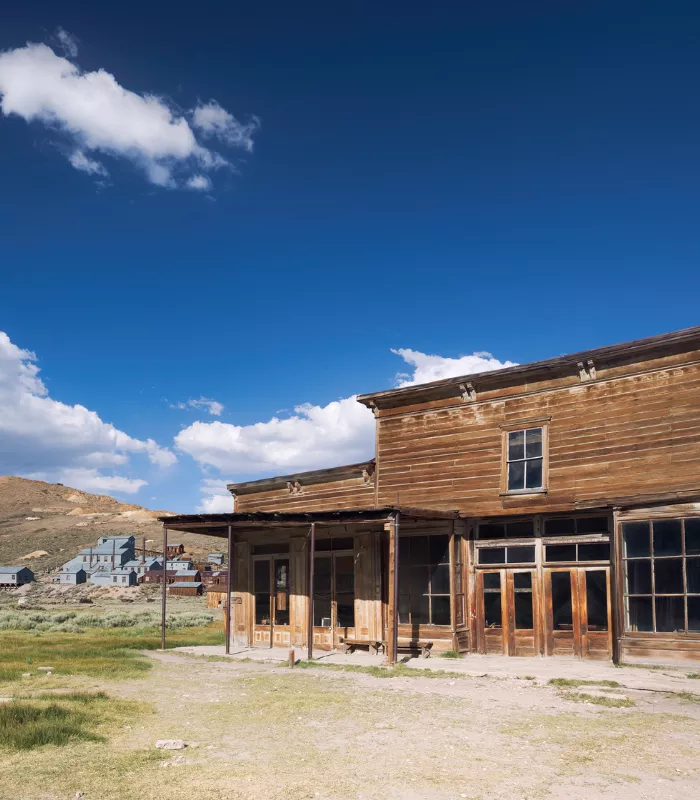
Bodie started as a mining camp in 1859. By 1879, it had a population of 10,000 people. It is now a preserved ghost town.
Visitors to Bodie can see buildings that remain intact, stocked with goods. It’s as if residents just disappeared.
The town is maintained in a state of “arrested decay” and offers a real look into gold rush life.
[Arrested in Time]: Bodie offers an authentic snapshot of a frozen 19th-century gold mining town.
5. Oatman, Arizona, where burros still run the show
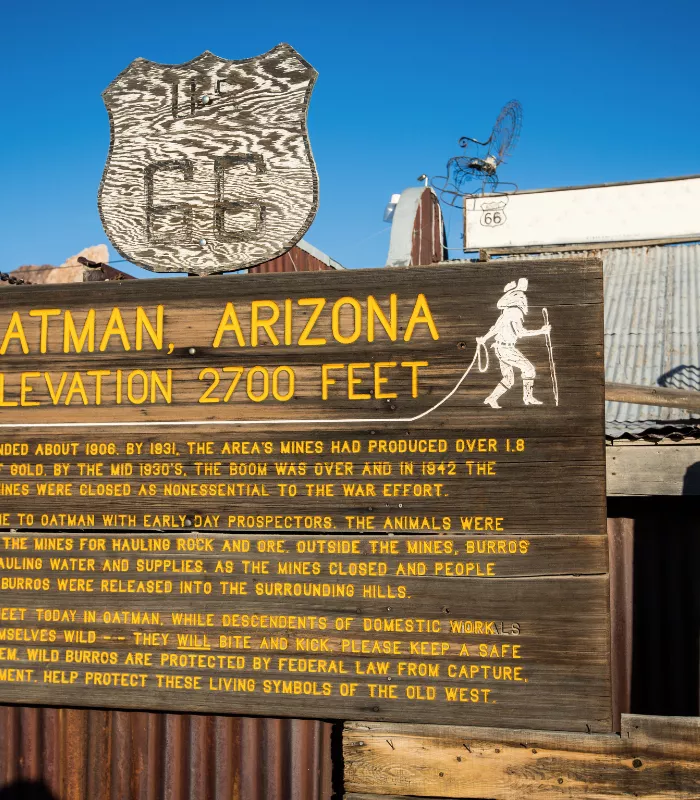
Oatman started with gold mining in 1915. Despite its remote desert location, it flourished briefly.
Today, wild burros roam the town, descended from pack animals used by earlier miners. They are a big draw for visitors. Locals sell hay cubes so visitors can feed them right on Main Street, which tends to bring traffic to a friendly standstill.
The town retains a kitschy yet charming Western feel, with staged gunfights and old-fashioned stores.
[Main Street, Burro Right-of-Way]: Oatman offers a playful peek into the past with its burros and gunfights, encapsulating the Wild West.
6. Telluride, Colorado, a silver town that traded its pickaxes for ski poles
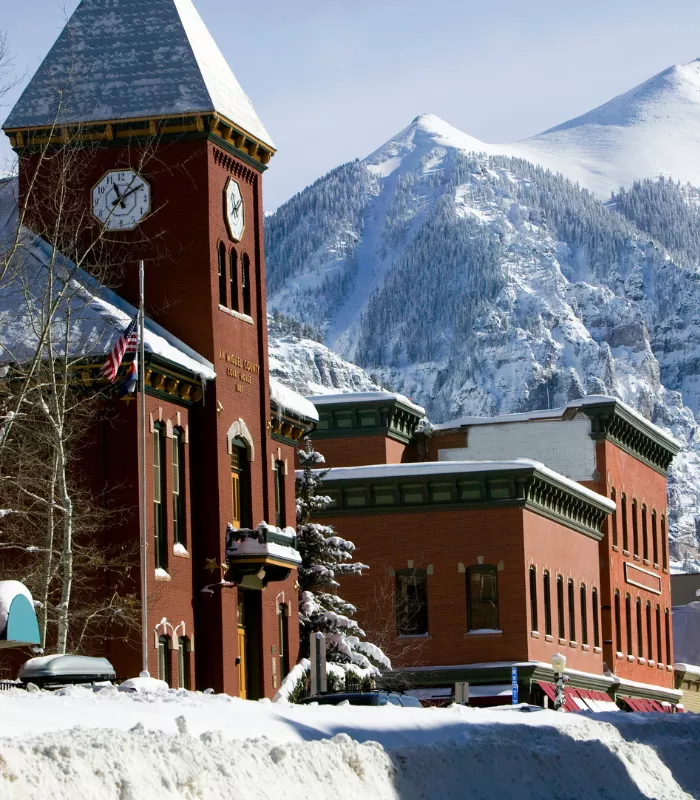
Founded in 1878, Telluride was central to Colorado’s silver mining boom. It’s now a famous ski resort with preserved Victorian architecture.
The town’s gondola rides offer stunning views of the surrounding mountains. Its streets and buildings are steeped in history.
It hosts renowned annual film and music festivals, attracting a global audience.
[Peaks, Films, and Victorian Facades]: Telluride marries its mining past with a rich cultural present, making it a destination unlike any other.
7. Cripple Creek, Colorado, the last great gold rush town standing
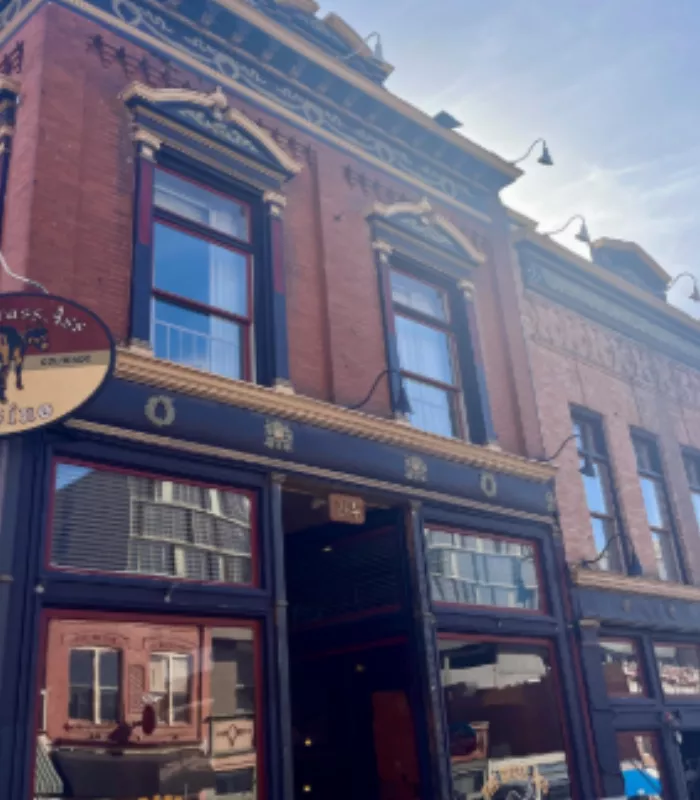
Cripple Creek began in 1890 during the last great Colorado gold rush. It boasted the title of the “World’s Greatest Gold Camp”.
Today, the town’s activity is supported by its casinos and tourism. Historic buildings now house modern entertainment.
The town also has several museums and a heritage center, which tells the story of its mining history.
[Gold Rush, Roulette Wheel]: Cripple Creek offers a blend of historical intrigue and contemporary leisure activities.
8. Bisbee, Arizona, a copper boomtown that became an arts colony
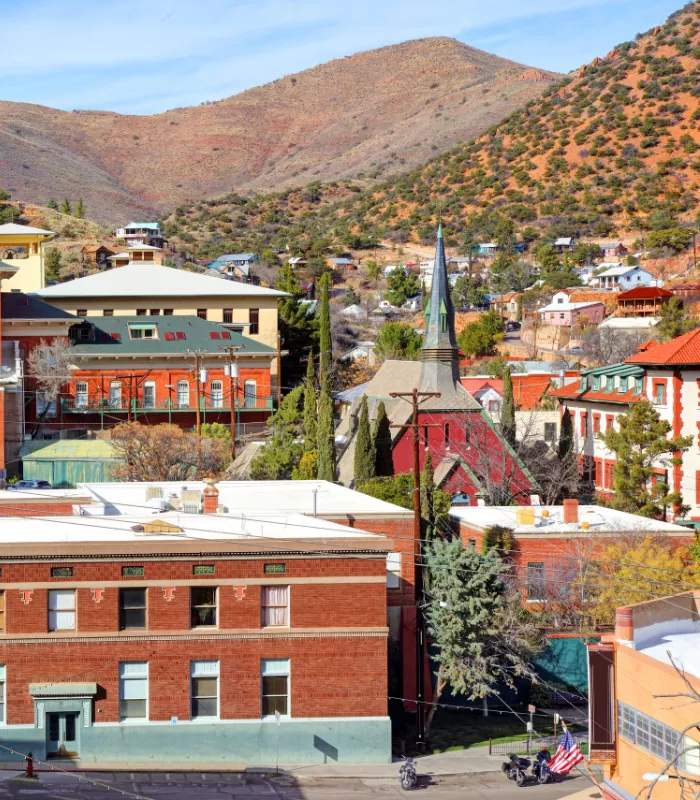
Bisbee, founded in 1880, became rich with the discovery of abundant copper, gold, and silver. It was once the largest city between St. Louis and San Francisco.
It’s now known for its vibrant arts scene and old-world architecture. Cafes, galleries, and boutiques line the winding streets.
The town’s annual events celebrate its colorful history and arts community. The Queen Mine Tour takes visitors 1,500 feet underground into the original workings, hard hat and all.
[From Copper to Canvas]: Bisbee merges its mining heritage with a thriving arts scene, offering a cultural experience worth the detour.
9. Silverton, Colorado, a narrow gauge ride into the high country
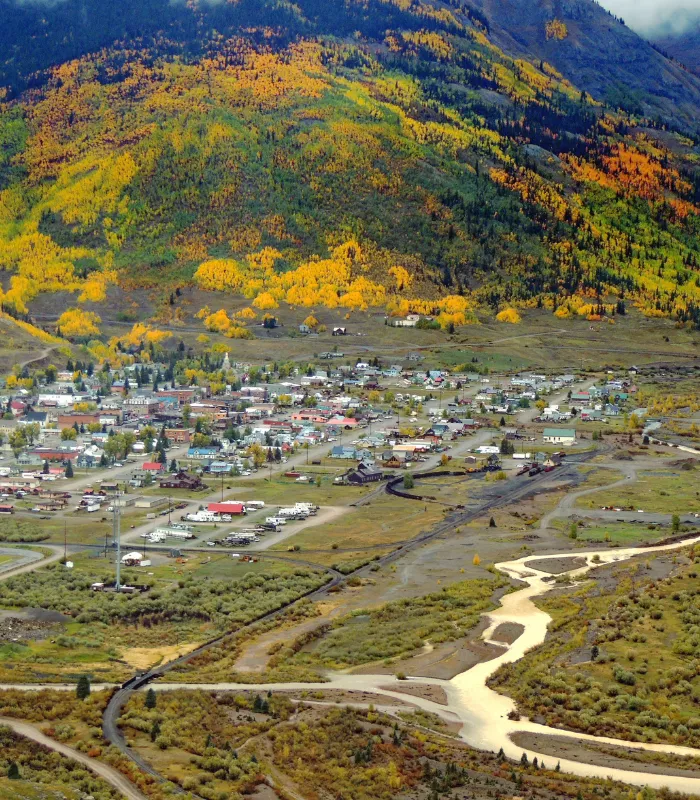
Founded in 1874, Silverton was a former silver mining camp. It’s one of the highest towns in the United States, at 9,318 feet.
The Durango & Silverton Narrow Gauge Railroad is a major attraction, offering breathtaking mountain views.
The town’s history is displayed in its museums and preserved buildings. It’s a gateway to adventure and history.
[End of the Line, Start of the Views]: Silverton provides a combination of historical character and outdoor adventure at a remarkable altitude.
10. Leadville, Colorado, higher than most towns dare to be
Established in 1877 during the silver boom, Leadville is one of the highest incorporated cities in the U.S. at 10,152 feet.
It has a rich mining history with several museums and historic sites. The town’s architecture reflects its booming past.
Leadville is also known for its extreme sports and races, including the famous Leadville Trail 100 Run.
[10,152 Feet of History and Hustle]: Leadville combines historical depth with high-energy sporting events, catering to history buffs and athletes alike.
11. Nevada City, California, the Gold Rush’s best-kept Victorian streetscape
Nevada City was a vital gold mining town during the California Gold Rush. It boasts beautifully preserved Victorian architecture.
The city is a blend of old and new, with historic sites alongside modern shops and restaurants. It’s popular with tourists for its charming atmosphere.
Annual cultural events like Victorian Christmas showcase its rich heritage and attract visitors from near and far.
[Gaslit Streets and Gold Rush Ghosts]: Nevada City maintains its 19th-century character while offering contemporary attractions.
12. Georgetown, Colorado, a mountain town that made its name in silver
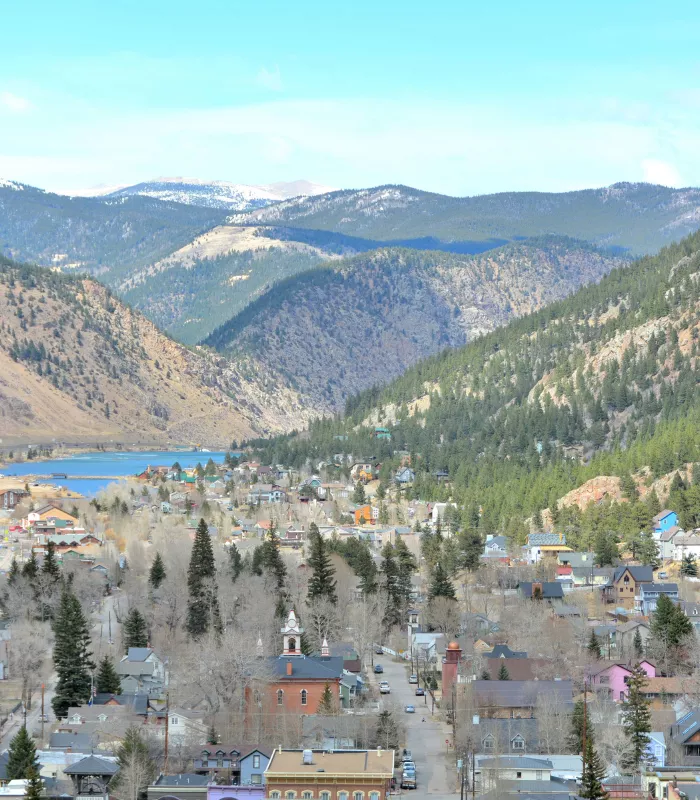
Founded in 1859, Georgetown grew rapidly during the Colorado Silver Boom. The town is nestled in the mountains, offering scenic views.
It is renowned for its historic Loop Railroad, which attracts train enthusiasts and families. The architecture is a window to its prosperous past.
Georgetown celebrates its history with seasonal festivals and historical reenactments, making history come alive for visitors.
[Silver Loop, Mountain Light]: Georgetown serves as a gateway to Colorado’s mountain history and adventure.
| Town | State | Primary Metal | Peak Era | Top Draw Today |
|---|---|---|---|---|
| Virginia City | Nevada | Silver | 1860s | Mines and saloons |
| Deadwood | South Dakota | Gold | 1876 | Wild West reenactments |
| Jerome | Arizona | Copper | 1900s | Art galleries, Sliding Jail |
| Bodie | California | Gold | 1879 | Arrested decay ghost town |
| Oatman | Arizona | Gold | 1910s | Wild burros, gunfights |
| Telluride | Colorado | Silver | 1880s | Ski resort, film festival |
| Cripple Creek | Colorado | Gold | 1890s | Casinos, mining museums |
| Bisbee | Arizona | Copper | 1900s | Arts scene, Queen Mine Tour |
| Silverton | Colorado | Silver | 1874 | Narrow Gauge Railroad |
| Leadville | Colorado | Silver/Lead | 1880s | Trail 100, mining museums |
| Nevada City | California | Gold | 1849 | Victorian streetscape |
| Georgetown | Colorado | Silver | 1860s | Loop Railroad |
| Eureka | Nevada | Lead/Silver | 1870s | Historic main street |
| Philipsburg | Montana | Silver/Sapphire | 1867 | Sapphire mining, opera house |
| St. Elmo | Colorado | Gold/Silver | 1880s | Ghost town ATV trails |
| Virginia | Minnesota | Iron Ore | 1890s | Mesabi Range heritage |
| Central City | Colorado | Gold | 1859 | Opera house, casinos |
| Randsburg | California | Gold | 1895 | Living ghost town feel |
| Wallace | Idaho | Silver | 1880s | Silver Festival, historic downtown |
| Butte | Montana | Copper | 1880s | Montana Folk Festival |
13. Eureka, Nevada, the Pittsburgh of the West reborn as a heritage stop
Eureka was called the “Pittsburgh of the West” due to its massive production of lead and silver in the 19th century. It has well-preserved historical structures.
The town’s main street is lined with historic buildings, giving a sense of stepping back in time. Eureka features several museums dedicated to its mining history.
Annual events celebrate the town’s rich mining past, attracting history enthusiasts and families.
[Smelter Town, Quiet Now]: Eureka’s commitment to preserving its mining heritage makes it a historical gem.
14. Philipsburg, Montana, where sapphires took over after the silver ran out
Founded in 1867, Philipsburg was once a thriving silver mining town. It is now known for sapphire mining and its quaint small-town feel.
The town has a historic opera house, old jails, and beautifully restored buildings. It’s a treasure trove for history buffs and gem enthusiasts alike.
Its sapphire shops attract tourists looking for memorable souvenirs, making it a worthwhile stop in Montana.
[Silver Past, Sapphire Present]: Philipsburg offers a blend of historical and gem mining experiences you won’t find many other places.
15. St. Elmo, Colorado, a ghost town you can still walk into
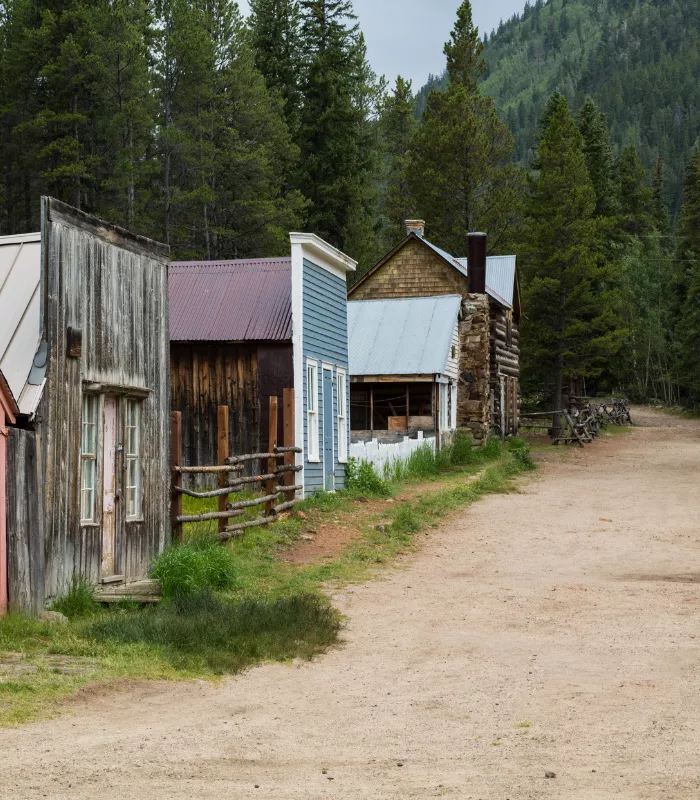
St. Elmo is one of Colorado’s best-preserved ghost towns, founded in 1880. It was once bustling with miners, now it’s visited for its rustic character.
The town is accessible by dirt roads and remains a favorite for photographers and history enthusiasts. Buildings like the general store are stocked with artifacts.
Visitors can rent ATVs and explore the surrounding ghost towns, immersing themselves in the Wild West.
[Dirt Road, Living Archive]: St. Elmo offers an authentic ghost town experience with ample exploration opportunities.
16. Virginia, Minnesota, the town that fed America’s steel mills
Virginia, Minnesota, sprang up with the discovery of iron ore in the Mesabi Range. This town played a crucial role in America’s steel industry.
Its heritage can be explored in local museums and historical sites that tell the story of the iron miners and their communities.
Annual festivals celebrate the town’s mining past and its contribution to national development, making it a point of pride for residents and a point of interest for visitors. The open-pit mines of the Mesabi Range were so productive that they supplied much of the steel used in World War II shipbuilding.
[Iron Beneath the Prairie]: Virginia’s rich iron ore history highlights its impact on American industry and culture.
17. Central City, Colorado, the richest square mile on Earth, then and now
Central City, known as the “Richest Square Mile on Earth,” boomed during the gold rush of 1859. It has an opulent history with grand opera houses and hotels.
Today, it offers a mix of historical tours, casinos, and cultural events. The town’s architecture is a testament to its past.
Its opera house still hosts performances, connecting the past with the present in a cultural dialogue.
[Opera House and Gold Dust]: Central City merges its rich historical background with a vibrant cultural scene today.
18. Randsburg, California, a living ghost town that never quite let go
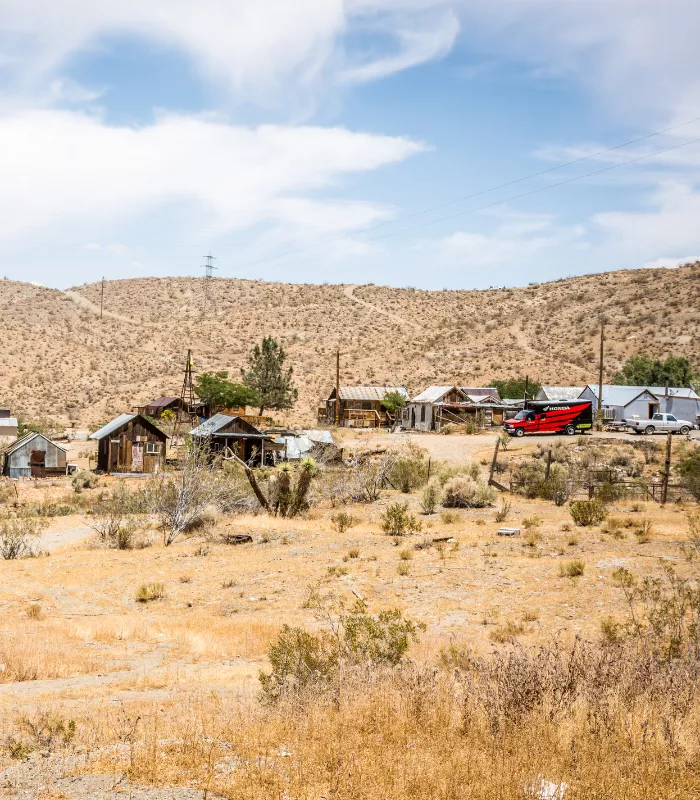
Randsburg began in 1895 during the gold rush. Today, it’s often referred to as a living ghost town, with a small population maintaining the mining era feel.
The town offers a museum, antique shops, and old mining equipment on display. Its authenticity is a major draw for those interested in the real Old West.
Events like the Old West Days bring the town’s history to life, attracting visitors from across the nation.
[Population: A Few, Atmosphere: Plenty]: Randsburg provides an authentic look at a 19th-century mining operation, preserved in real time.
19. Wallace, Idaho, where the whole downtown is a landmark
Wallace is the world’s largest silver-producing town, nestled in the Idaho Panhandle. It has a storied past with deep mining roots.
The entire downtown is listed on the National Register of Historic Places. It offers visitors a comprehensive look at the silver industry.
The town hosts an annual Silver Festival, celebrating its pivotal role in global silver production.
[Every Block, a Historic Site]: Wallace’s rich silver mining history defines its past and enriches its present.
20. Butte, Montana, the richest hill on Earth still throwing a party
Butte was once known as the “Richest Hill on Earth” for its extensive copper mines. Its history is integral to the American story of industrialization.
The city’s Uptown district features historic buildings, once the abode of miners and now housing museums and businesses. It’s a vibrant community with a storied past.
Butte’s annual events and festivals, like the Montana Folk Festival, attract thousands, celebrating its rich cultural and mining heritage.
[Copper Roots, Folk Music Crown]: Butte celebrates its mining heritage with a rich cultural presence that captivates visitors.
I continue to search for mining ghost towns of the western states and BC. Lots of fun. Try Monte Cristo Washington on YouTube