

The most expensive square footage in your home might be the space doing absolutely nothing.
Not broken. Not ugly. Just pointless.
A formal dining room, no one dines in formally.
A telephone nook without a telephone.
A double wall oven that last saw action during a holiday party in 2003.
American homes are full of features that made brilliant sense once upon a time.
Once upon a time was a while ago.
1. Formal Living Room
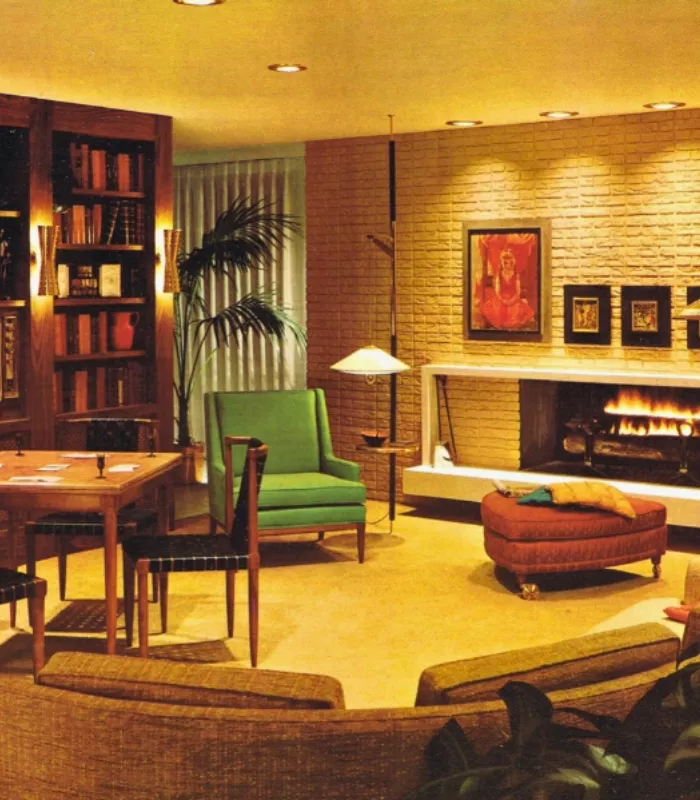
Remember the room no one was allowed to enter?
The formal living room was once a sign of status.
It had the best furniture. The nicest rug. And absolutely no kids allowed.
Today, most families want open, flexible spaces. A room that sits empty 360 days a year just does not make sense anymore.
Homes are now designed for living, not impressing guests.
Why It’s On This List: Studies show that open-concept floor plans have been the top requested home feature for over a decade. The formal living room is now one of the least-used rooms in the American home.
2. Telephone Nook
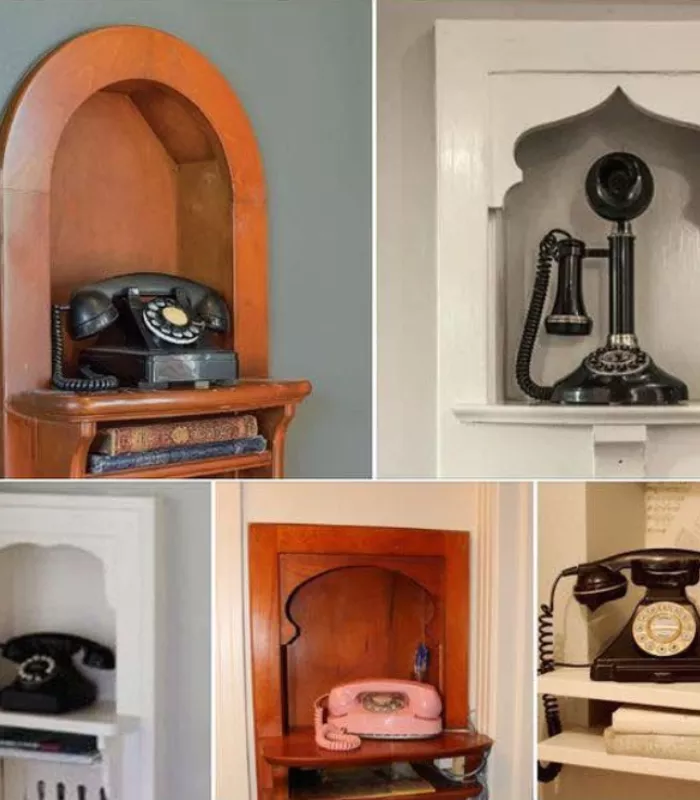
Back in the day, every home had one.
A small built-in alcove in the hallway. Just big enough for a rotary phone and a notepad.
It made perfect sense when the phone had a cord. You had to stand right there to talk.
Now your phone goes everywhere with you. The nook just collects dust and old takeout menus.
Most homeowners today turn this space into a charging station or just seal it up.
Blast From the Past: Telephone nooks were a standard feature in homes built between the 1920s and 1970s. Today, real estate listings actually flag them as a quirky selling point rather than a practical feature.
3. Intercom System
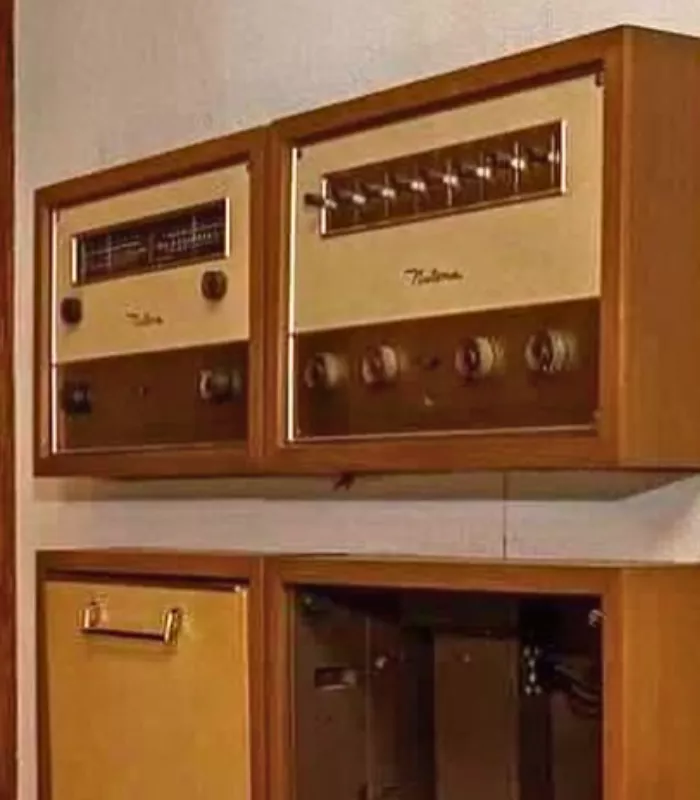
Intercoms once made homeowners feel like they were living in a fancy office building.
You could buzz from the kitchen to the bedroom. Very official.
But here’s the deal: your smartphone does all of this and so much more.
Most built-in intercom systems from the 1980s and 1990s stopped working years ago. Replacement parts are nearly impossible to find.
Modern smart home systems have completely replaced the need for wired intercoms.
Why It’s On This List: Wired intercom systems became popular in homes from the 1960s through the 1990s. Today, apps like Ring and Google Home do the same job wirelessly and with video.
4. Popcorn Ceilings
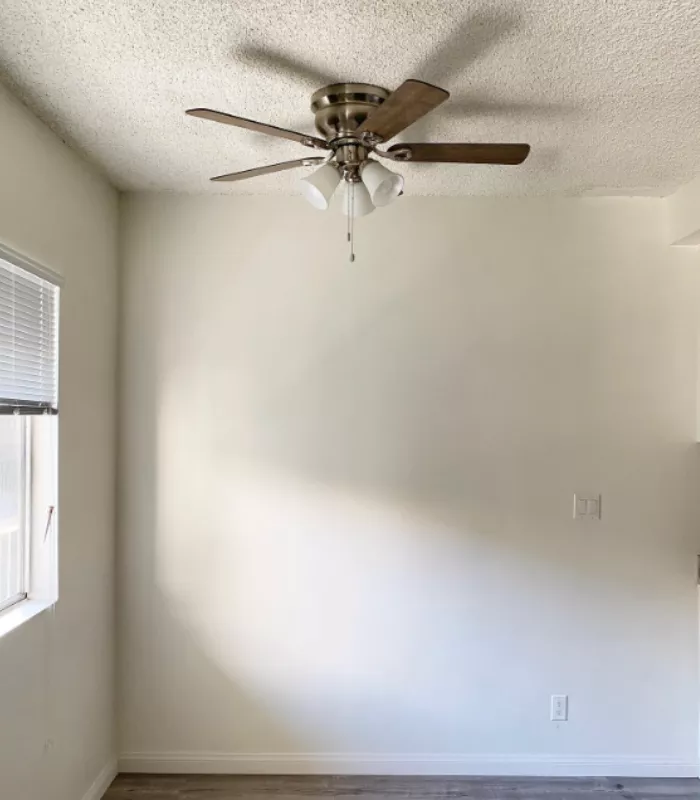
Also called acoustic ceilings or cottage cheese ceilings.
They were added to millions of homes starting in the 1950s.
The idea was to hide imperfections and reduce echo. Builders loved them because they were cheap and fast to apply.
That’s why you still see them in so many older homes today.
But removing popcorn ceilings is now one of the top home improvement projects among buyers over 50.
Health Note: Popcorn ceilings applied before 1978 may contain asbestos. Always have them tested before any removal work begins. This is one feature that is not just outdated. It can be a health concern.
5. Carpet in the Bathroom
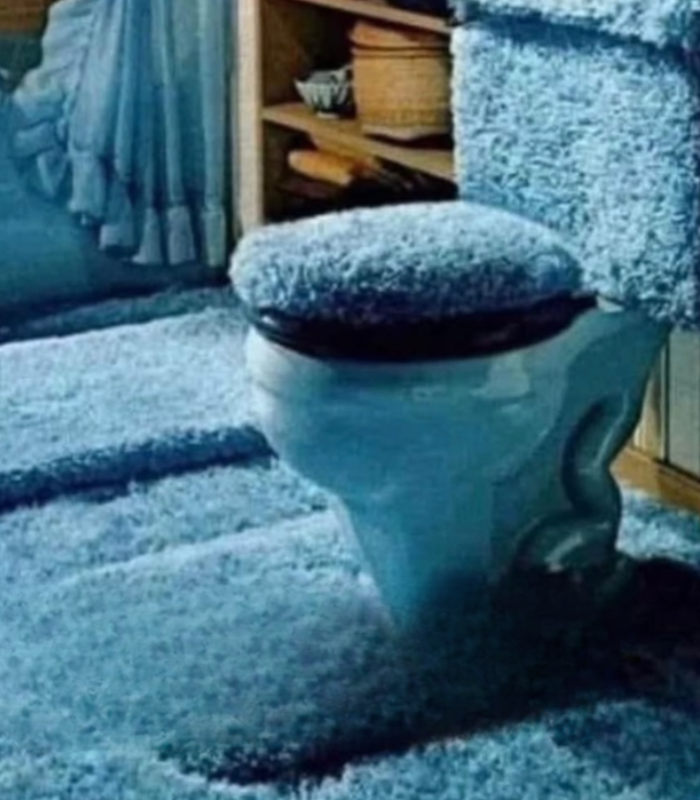
Yes, this was a real thing.
Wall-to-wall carpet in the bathroom was considered stylish in the 1970s.
Some homes even had matching toilet lid covers and sink skirts. The whole room was one big fluffy set.
You’re better off with tile or vinyl. Carpet holds moisture, grows mold, and is nearly impossible to keep clean in a bathroom.
No modern home inspector will give bathroom carpet a passing grade today.
Design Fail: Bathroom carpet peaked in popularity between 1965 and 1985. It is now considered one of the biggest red flags in a home listing. Buyers often request full removal before closing.
6. Single-Pane Windows
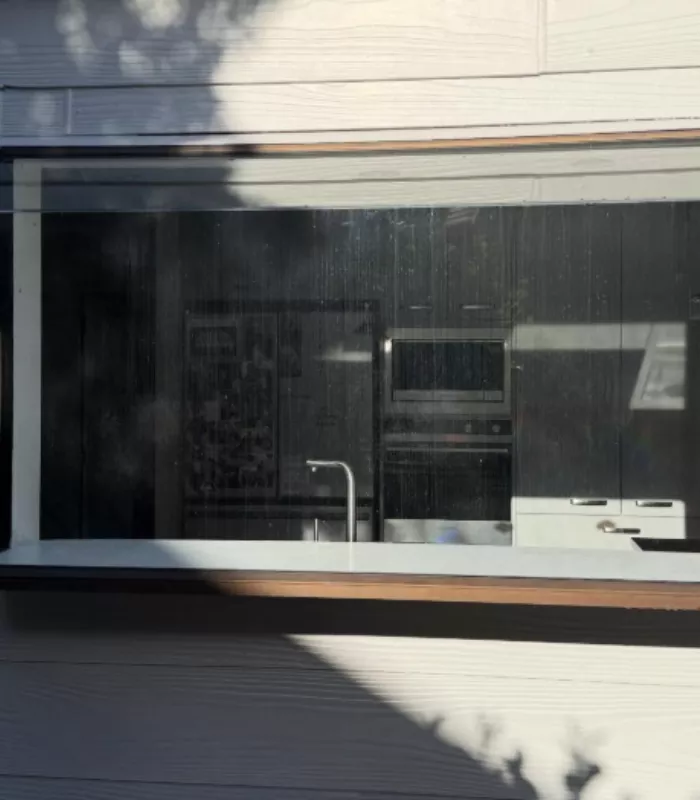
Older homes are full of these.
A single sheet of glass between you and the outside world.
They look fine. But they do almost nothing to keep heat in during winter or cool air in during summer.
Energy bills in homes with single-pane windows can run 25 to 30 percent higher than those in homes with modern double-pane glass.
Upgrading windows is one of the smartest investments a homeowner over 50 can make.
Energy Fact: The U.S. Department of Energy estimates that heat gain and loss through windows accounts for 25 to 30 percent of home heating and cooling costs. Single-pane windows are a major culprit.
7. The Wet Bar
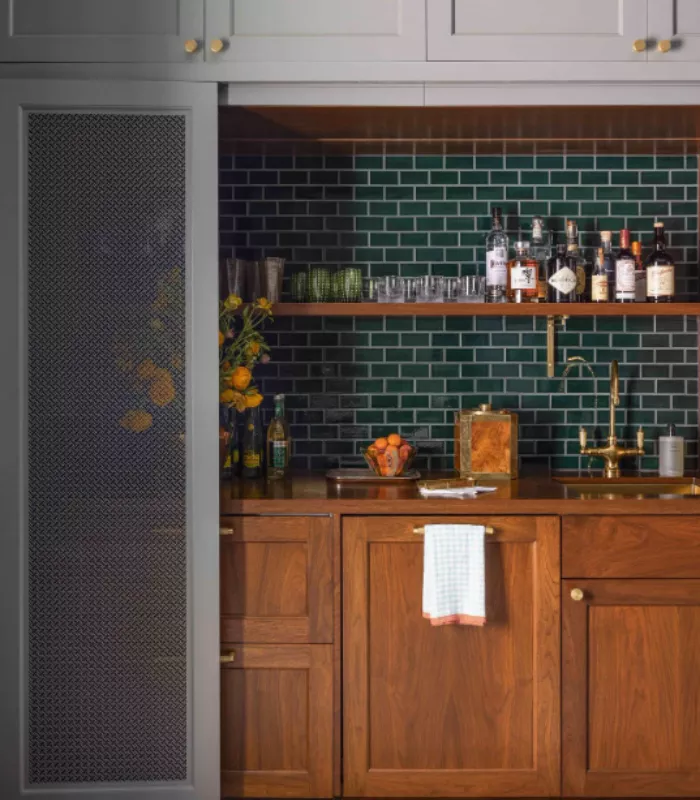
The wet bar was the ultimate status symbol in the 1980s.
A built-in countertop with a small sink, mini fridge, and mirrored backsplash. Often in the basement or living room.
It said, “We entertain. We are sophisticated.”
Today, most homeowners see it as wasted square footage. Entertaining habits have changed, and the formal home bar feels out of place.
Many wet bars are now converted into coffee stations, homework nooks, or small home offices.
Why It’s On This List: Wet bars were a top luxury home feature from the 1970s through the 1990s. In today’s real estate market, they rarely add resale value and are often listed as a feature to be removed.
8. Jacuzzi Tub
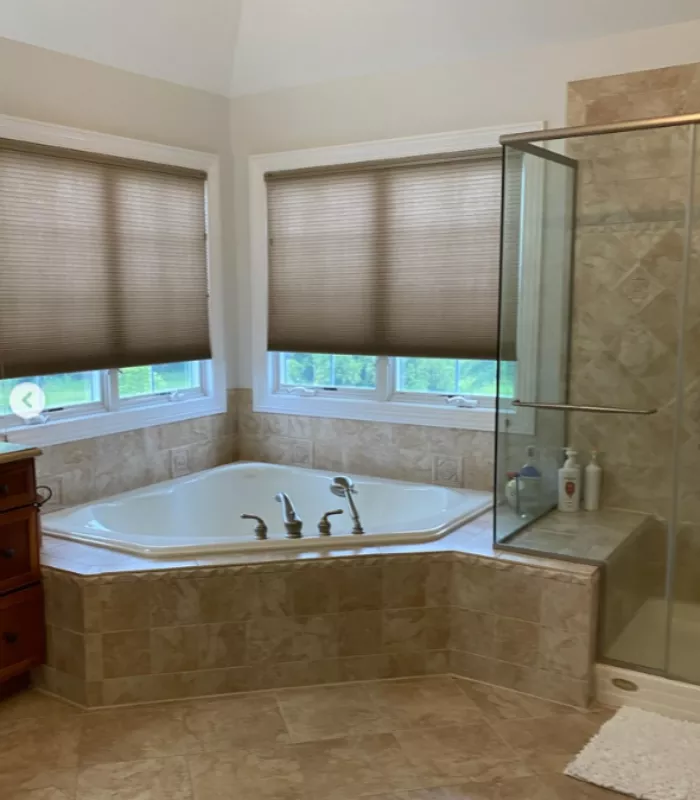
Getting a Jacuzzi tub installed used to be a dream upgrade.
It took up half the master bathroom. It had jets. It had mood lighting.
I made a classic mistake of thinking a giant tub meant luxury living.
The reality? Most people use them twice, then spend years cleaning the jets and paying higher water bills.
Walk-in showers have almost completely replaced large soaking tubs in home renovation projects today.
Renovation Trend: According to home renovation surveys, over 60 percent of homeowners who remodel their master bathrooms remove the large tub entirely in favor of a larger shower. Especially popular among buyers over 50.
9. Sunken Living Room
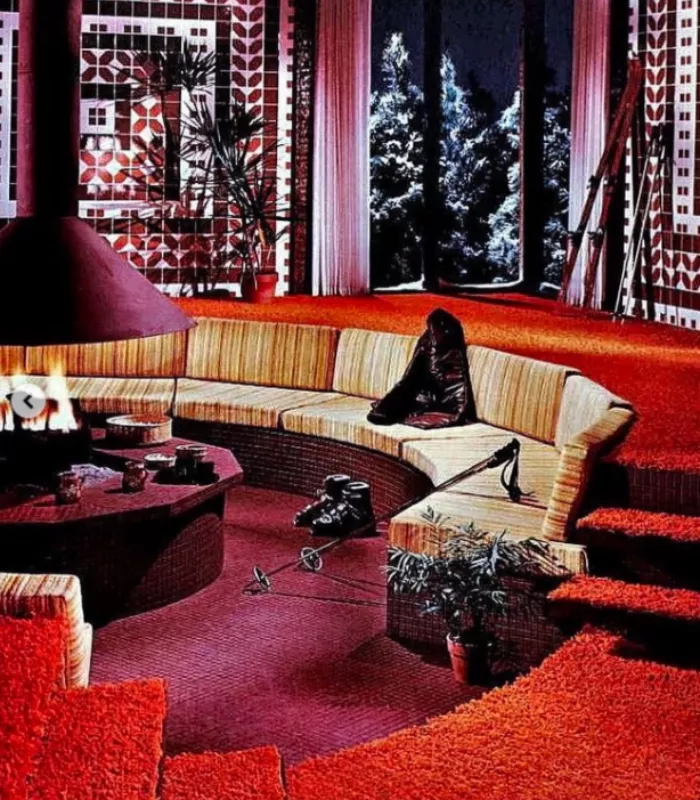
Also known as a “conversation pit.”
This design trend lowered part of the living room floor by a step or two. It created a cozy, lounge-like area.
It was peak 1970s cool.
But here’s the catch: sunken floors are a tripping hazard. They complicate furniture arrangement. And they make renovations a nightmare.
For adults over 50, a sunken living room can become a genuine safety concern as the years go by.
Safety Note: Sunken living rooms are now flagged by aging-in-place specialists as one of the top fall risks in older homes. Many families are filling them in to create a single-level floor.
10. Separate Dining Room
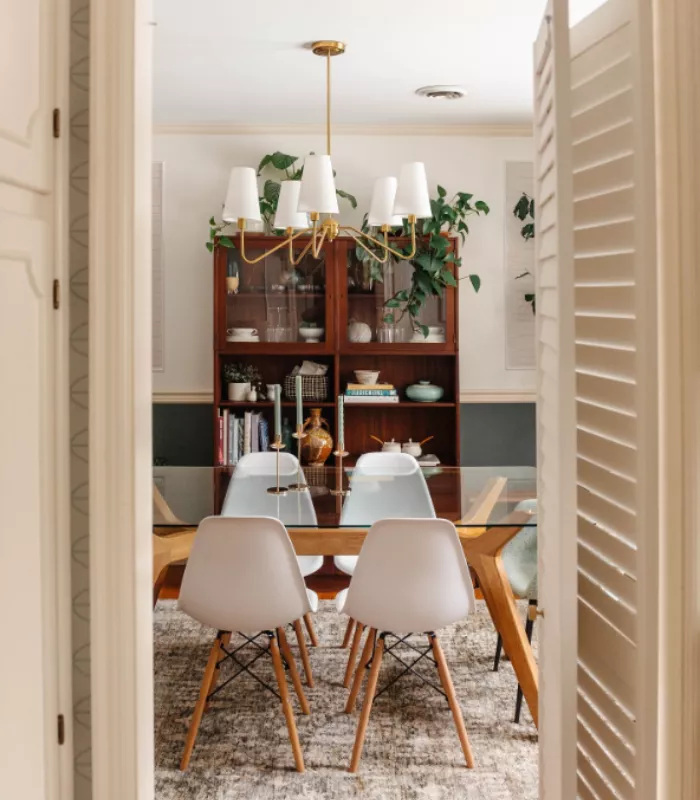
The formal dining room made sense when Sunday dinners were a weekly tradition.
It had a long table, matching chairs, and a china cabinet no one ever opened.
But dining habits have shifted. Families eat at kitchen islands, in living rooms, and at restaurant booths.
That’s why so many homeowners are knocking down the wall between the dining room and kitchen to create one big open space.
The separate formal dining room is now one of the most commonly removed features in home renovations.
Why It’s On This List: Real estate data shows that open-concept kitchen and dining areas consistently outsell homes with closed-off formal dining rooms. Buyers want flexibility, not formality.
11. Wall-to-Wall Carpet
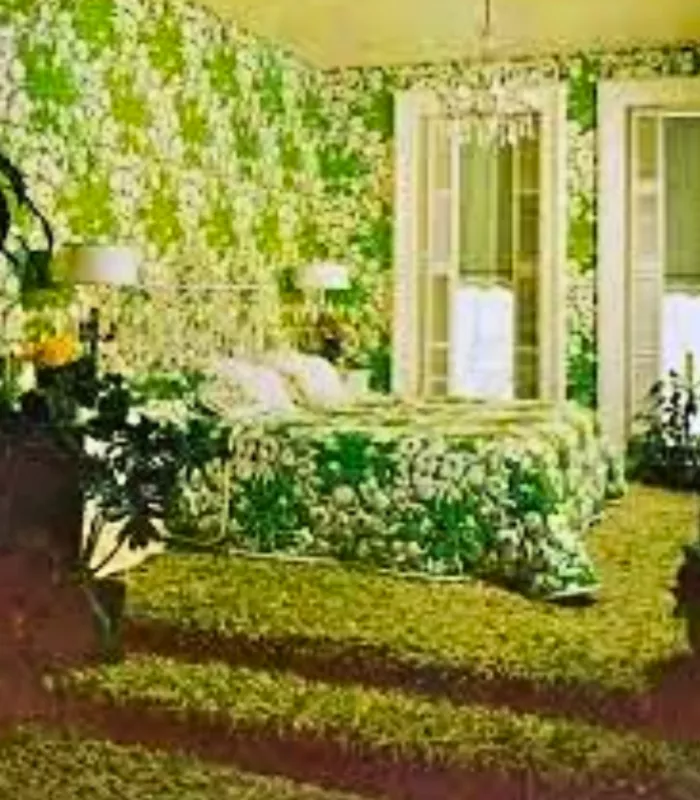
There was a time when carpet covered everything.
Living rooms, hallways, bedrooms, and even kitchens in some homes.
It felt cozy. It was affordable. And it was everywhere from the 1960s through the 1990s.
But here’s the catch: carpet traps dust, allergens, pet dander, and old food crumbs in ways that hard flooring simply does not.
Today, 88 percent of home buyers say they have no interest in keeping wall-to-wall carpet.
Why It’s On This List: Hardwood, tile, and luxury vinyl plank have replaced carpet as the top flooring choices nationwide. Homes with original carpet often sell for less and take longer to move off the market.
12. Linoleum Floors
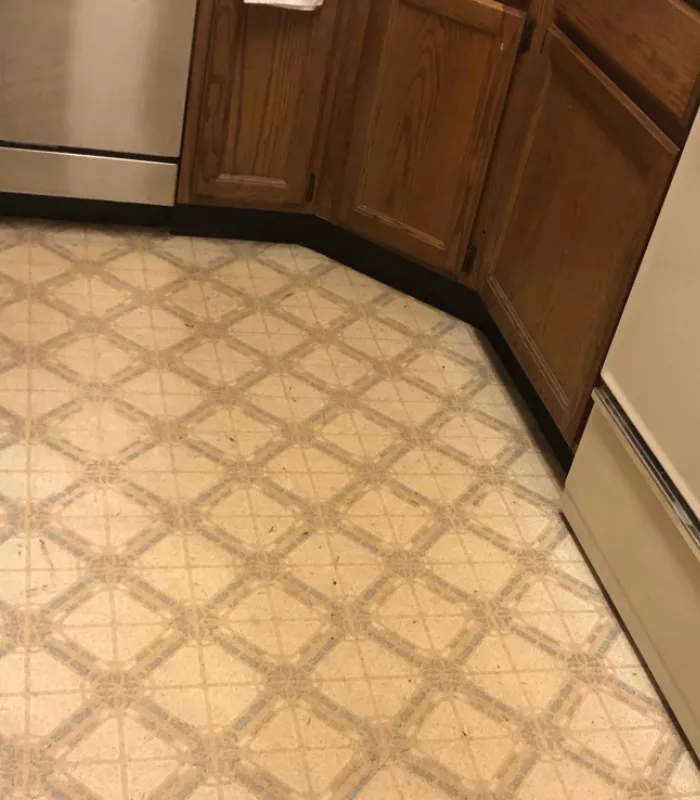
Linoleum was the go-to kitchen floor for decades.
It was easy to install, came in fun patterns, and cleaned up fast.
Your grandmother probably had it in avocado green or harvest gold.
That’s why so many older homes still have it hiding under newer flooring.
Modern buyers strongly prefer tile, hardwood, or laminate over any form of linoleum.
Buyer Stat: Real estate data shows that linoleum floors are one of the top features that cause buyers to walk away from a home. Upgrading to modern flooring can noticeably increase a home’s sale price.
13. Landline Phone Jacks
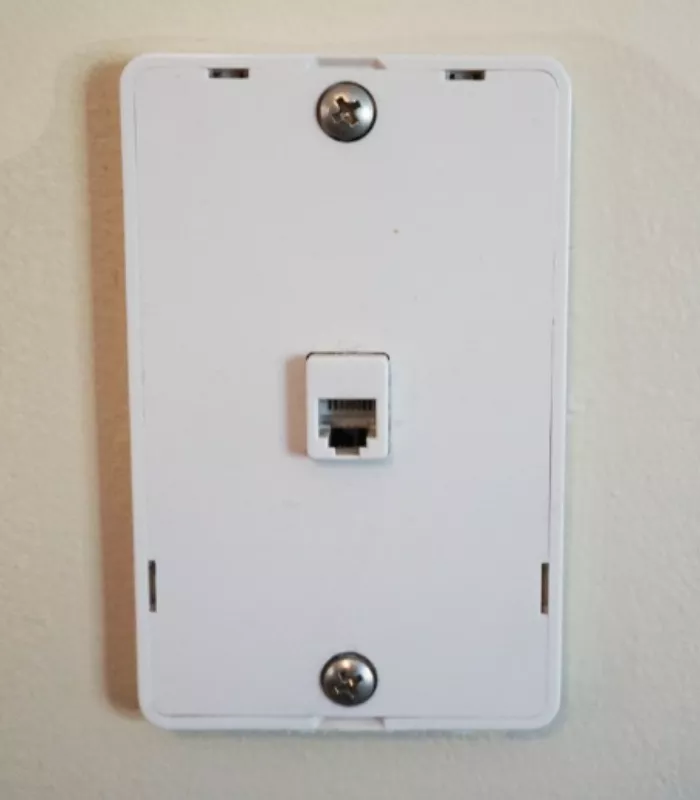
They are on almost every wall in older homes.
A small rectangular outlet with a little plastic tab. Completely useless today.
About 76 percent of American adults now live in wireless-only households. Less than 1 percent of adults still rely solely on a landline.
You’re better off patching those jacks and painting over them. They serve no purpose in a modern home.
Telecommunication companies are already working to eliminate landline obligations entirely.
By the Numbers: CDC research shows that nearly 79 percent of adults and 87 percent of children live in homes without any landline service. Phone jacks are now purely decorative at best.
14. Built-In Media Niche
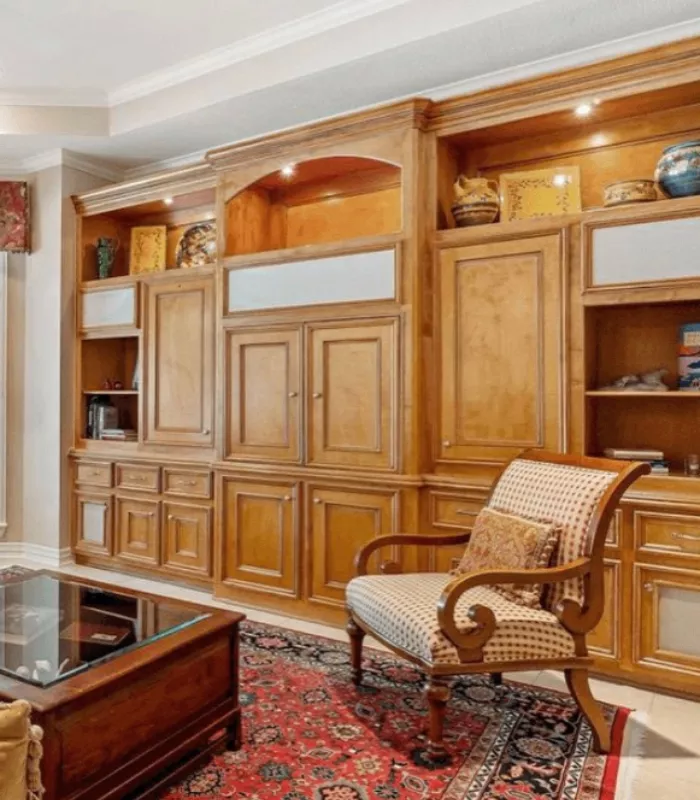
This was a big selling point in homes built in the 1990s and early 2000s.
A recessed shelf in the living room wall, perfectly sized for a large tube television or DVD player tower.
The problem? Flat-screen TVs changed everything.
Today’s TVs mount directly on the wall or sit on a sleek stand. That built-in niche is now just an awkward, unusable hole.
Many homeowners are filling them in or converting them into bookshelves and display areas.
Why It’s On This List: Built-in media niches were designed for CRT televisions that no longer exist. The average flat screen sold today is far too wide and thin to fit inside one of these old recessed openings.
15. Mirrored Walls
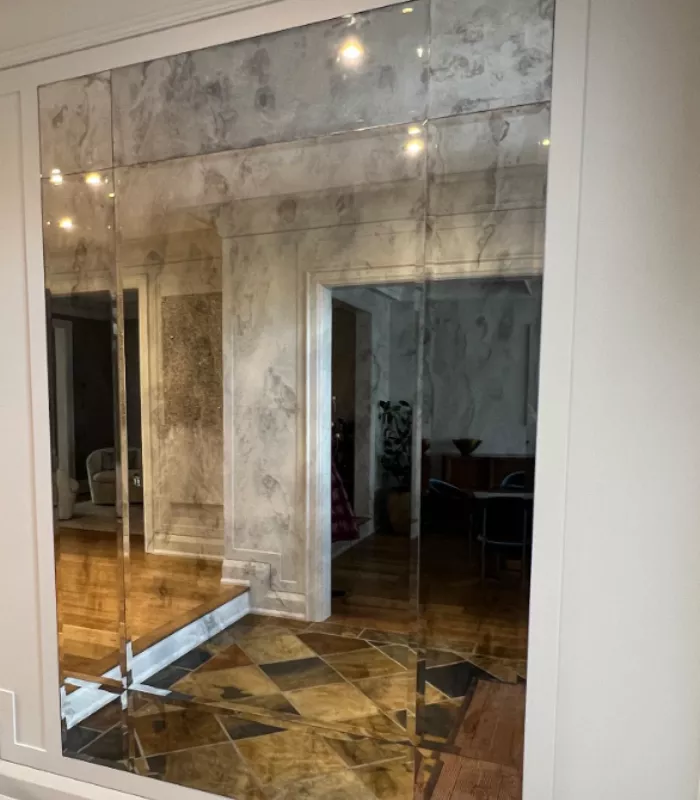
In the 1970s and 1980s, mirrored walls were considered glamorous.
Entire walls covered floor to ceiling in mirror panels. Often in bedrooms, living rooms, and dining rooms.
The idea was to make rooms look bigger and more dramatic.
I made a classic mistake of thinking that more mirrors meant more style. It just meant more cleaning and a very disorienting living room.
Mirrored walls now consistently rank among the top features buyers ask to have removed before moving in.
Design Red Flag: Wall-to-wall mirrors create confusing reflections, show every fingerprint, and are expensive to remove safely. Real estate agents often advise sellers to take them down before listing the home.
16. Popcorn Ceiling Fan Combos
The ceiling fan was not the problem.
The problem was the giant, ornate, chandelier-style fan with five blades, a light kit, and a brass finish hanging over a popcorn ceiling.
It was the signature look of master bedrooms from 1985 to 2005.
Today, homeowners are swapping these out for sleek, bladeless, or minimalist ceiling fans that blend into modern interiors.
Brass and gold finishes on ceiling fans are now considered one of the most dated looks in home design.
Quick Upgrade: Replacing an old ornate ceiling fan with a modern flush-mount or minimalist design can cost as little as $80 to $150 and instantly updates the look of a bedroom.
17. Separate Laundry Room in the Basement
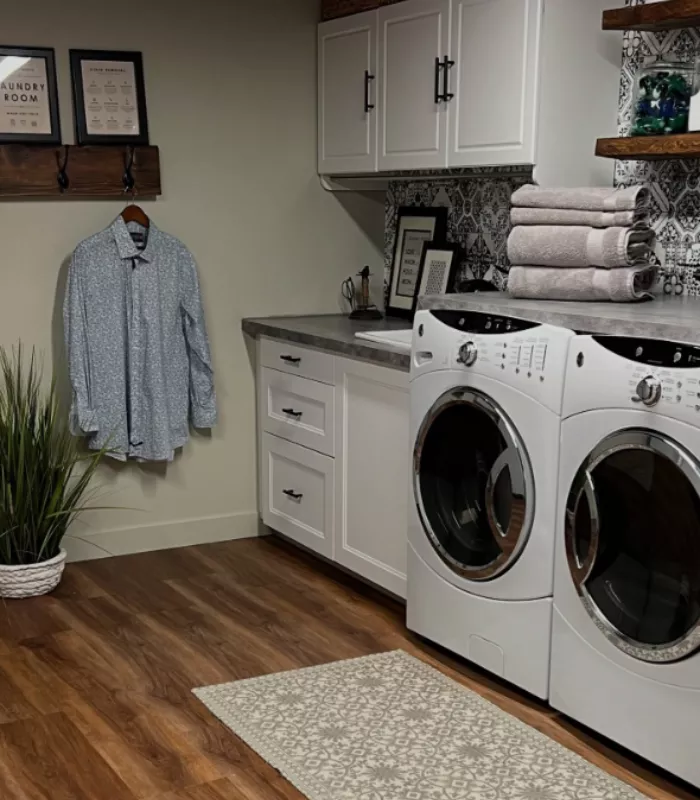
For decades, the washer and dryer lived in the basement.
You hauled your laundry down one or two flights of stairs. Then hauled it back up again.
Every week. For years.
That’s why main-floor and second-floor laundry rooms have become one of the most requested features among homebuyers over 50.
For anyone with joint pain, bad knees, or mobility concerns, a basement-only laundry room is a genuine daily obstacle.
Aging-in-Place Note: Moving the laundry to the main floor is one of the top recommended upgrades for homeowners planning to stay in their home long-term. It reduces fall risk and makes daily chores far more manageable.
18. Double Oven Wall Units
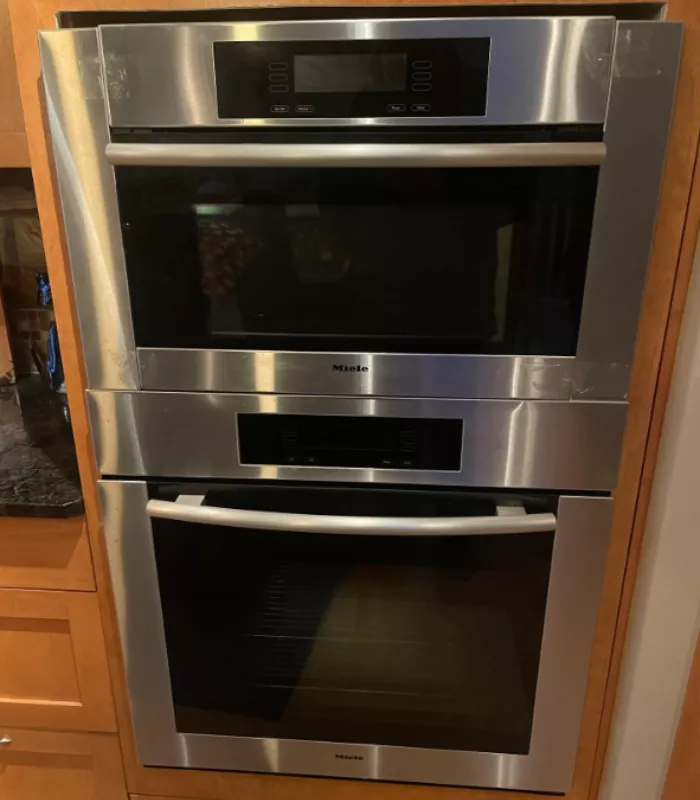
The double-wall oven was the crown jewel of the 1980s kitchen.
Two ovens stacked on top of each other. Built right into the wall. Very official-looking.
But cooking habits have changed. Fewer families are roasting two turkeys at once or baking six dozen cookies from scratch.
Today, single ovens with convection or air fry settings do the work of two. And they take up far less kitchen space.
Manufacturers are now focusing on smarter single ovens rather than bulky double units.
Why It’s On This List: Double wall oven units are large, expensive to repair, and hard to replace with modern models due to cabinet sizing differences. Many homeowners find that one high-quality oven is more than enough.
19. Decorative-Only Fireplace
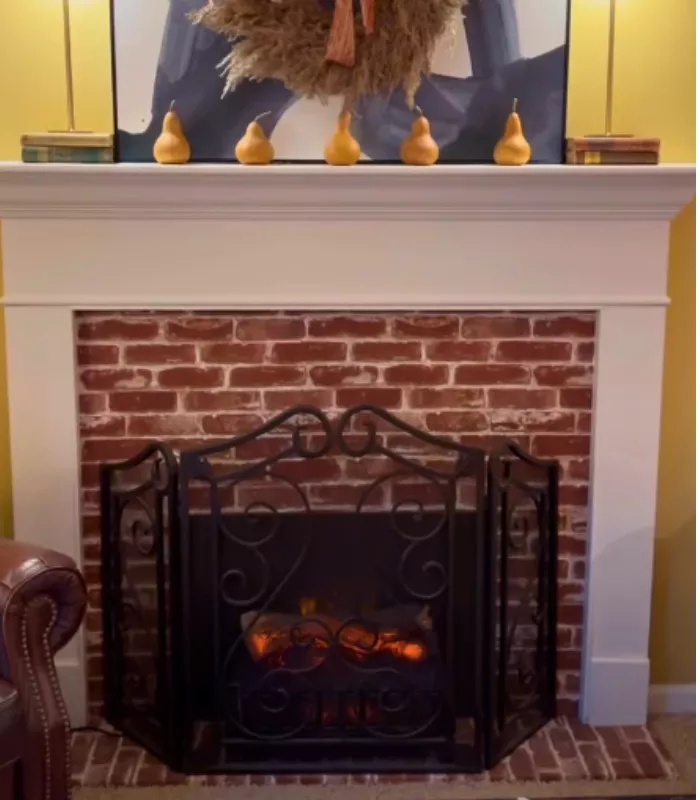
Not the wood-burning kind. Not even a gas insert.
Just a fireplace-shaped hole in the wall with a fake log set inside that does absolutely nothing.
It was added to homes to give the look of warmth without any of the function.
Today, homeowners want fireplaces that actually work. Or they want the wall space back for a TV mount or built-in shelving.
A fireplace that cannot produce heat is just an expensive dust collector shaped like a focal point.
Why It’s On This List: Electric fireplace inserts have made it easy and affordable to add real warmth and ambiance to any existing fireplace opening. There is no good reason to keep a purely decorative non-functional unit in a modern home.