

Somewhere along the way, subscribing to things became the default setting for modern life.
A free trial here, a holiday deal there, and suddenly your wallet has more commitments than your calendar.
Being smart with money does not mean earning more. It often just means checking your statements more often.
1. Streaming Services You Forgot You Had

Many households pay for three or more streaming services at once.
But here’s the catch: most people only watch one or two regularly.
The average American spends over $900 a year on streaming subscriptions. That’s a lot for shows you never finish.
Think about the last time you actually opened that third or fourth streaming app.
If you have to think hard, that is already a sign.
Most streaming libraries overlap more than you think.
The same movies and shows often rotate between platforms.
You are rarely missing out by having fewer subscriptions.
Cutting back to one or two services is a change most people never regret.
Why It’s On This List: You’re better off picking one or two favorites and canceling the rest. A quick audit of your bank statement might surprise you.
2. Gym Memberships You Never Use

January is the most popular month to sign up for a gym.
By March, most new members have already stopped going.
Studies show that about 67% of gym memberships go completely unused. You are essentially donating money every month.
Gyms are actually designed around the fact that most people will not show up.
If every member came in daily, the building could not hold them all.
That business model works great for gyms and not so great for your wallet.
There are plenty of free ways to stay active without a monthly fee.
Walking, stretching, and bodyweight exercises at home cost absolutely nothing.
Many community centers also offer free or very low-cost fitness programs for adults over 50.
Why It’s On This List: A daily walk around the neighborhood costs nothing. You’re better off saving that $40 to $80 a month for something you will actually enjoy.
3. Magazine Subscriptions
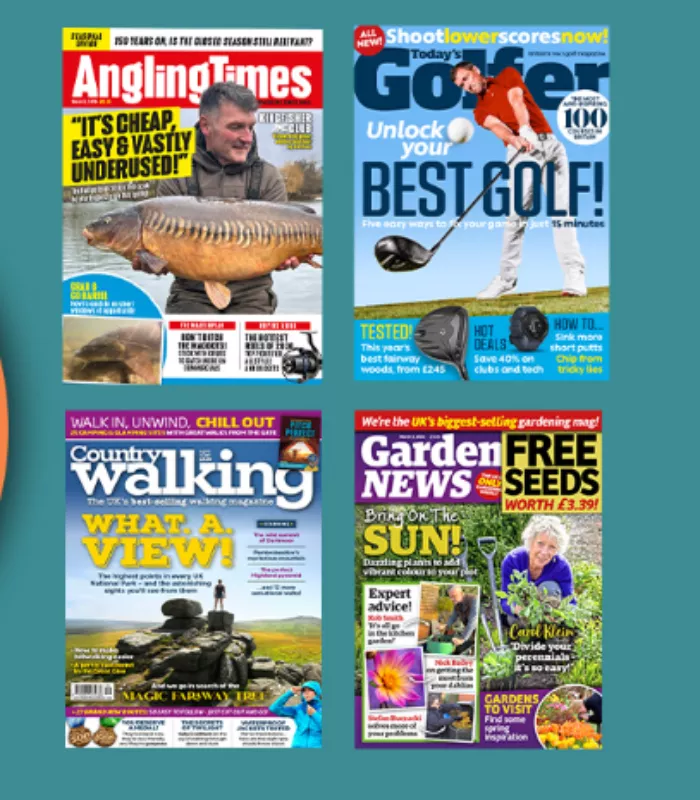
Print magazines pile up fast.
Most people flip through them once and never look at them again.
Your local library likely carries the same magazines for free. That is a much smarter deal.
Many magazine websites also offer free access to their most popular articles.
A quick search online usually pulls up exactly what you were looking to read.
Print subscriptions also come with a lot of recycling guilt.
Those glossy pages stack up in corners for months before anyone deals with them.
Digital reading has made the printed monthly magazine largely unnecessary for most people.
Your library card is one of the most underused free resources available to you right now.
Why It’s On This List: Most magazine content is also available free online. That’s why paying a monthly fee for it just does not make sense anymore.
4. Music Streaming Apps

Paying for music streaming is common.
But many people also have it bundled inside another service they already pay for, like Amazon Prime or Apple One.
You could be paying twice for music without even knowing it.
Free music options have also come a long way in recent years.
YouTube alone has an enormous library of music available at no cost.
Many radio apps also stream free music in almost any genre you enjoy.
The ads on free versions are a small trade-off for keeping more money in your pocket.
Take a few minutes to check what your existing subscriptions already include.
You may already be sitting on a free music option you have never even tried.
Why It’s On This List: Check what is already included in your existing subscriptions. You might already have free music access hiding in plain sight.
5. Identity Theft Protection Services

These services sound very important.
But here’s the deal: you can freeze your credit for free at all three major credit bureaus anytime you want.
A credit freeze is actually one of the strongest protections available, and it costs nothing.
Freezing your credit prevents new accounts from being opened in your name.
That is the core thing most paid identity protection services are offering you anyway.
You can lift and refreeze your credit whenever you need to apply for something new.
The process takes just a few minutes online at each of the three bureaus.
Paying a monthly fee for a service you can do yourself for free is one of the easiest expenses to cut.
Once you do it yourself the first time, you will wonder why you ever paid for the service at all.
Why It’s On This List: Paying $20 to $30 a month for something you can do yourself for free is one of the easiest expenses to cut.
6. Meal Kit Delivery Services

Meal kits seem like a great idea at first.
But the portions are small, the price per meal is high, and the packaging creates a lot of waste.
Most meal kits cost $10 to $15 per serving, which is far more than cooking from scratch.
A trip to the grocery store gives you full control over ingredients, portions, and flavors.
You also get to choose recipes that actually match your taste and dietary needs.
Meal kit subscribers also report feeling pressured to cook before ingredients go bad.
That deadline stress takes the joy right out of preparing a home-cooked meal.
Cooking at your own pace, with ingredients you chose yourself, is a much more relaxing experience.
Your grocery budget goes a lot further when you are the one making all the decisions.
Why It’s On This List: You’re better off buying fresh ingredients at your local market. You get more food, more variety, and more control over what goes into your meals.
7. Cloud Storage Upgrades

Phones and computers often nudge you to buy more storage.
It feels urgent. But it usually is not.
Simply deleting old photos, apps, and files can free up gigabytes of space in minutes.
Duplicate photos alone can take up enormous amounts of space on most devices.
There are free tools that scan your phone and identify duplicates in seconds.
Old app downloads you no longer use are another common culprit for eating up storage.
Going through your downloads folder every few months can make a noticeable difference.
Most people find they do not need extra storage at all once they do a proper cleanup.
Think of it as a digital declutter. It costs nothing and frees up more than just storage space.
Why It’s On This List: Before upgrading your storage plan, try clearing out what you no longer need. Most people are surprised by how much space they reclaim for free.
8. VPN Services
VPNs are marketed as essential for online safety.
For most everyday browsing at home, they are not necessary.
Most reputable websites already use encryption to protect your data. A paid VPN is mainly useful on public Wi-Fi networks.
The padlock icon you see in your browser bar already means your connection is encrypted.
Online banking, shopping, and email are generally safe without a VPN at home.
VPN companies spend heavily on advertising to make their service sound more essential than it is.
For the average home internet user over 50, the monthly cost rarely matches the actual benefit.
If you do use public Wi-Fi at a cafe or airport, that is the one time a VPN might be worth considering.
For everything else you do at home, your regular internet connection is already doing its job.
Why It’s On This List: If you mostly browse at home, you’re better off skipping this monthly charge. Just avoid using public Wi-Fi for sensitive tasks like banking.
9. Subscription Boxes

Subscription boxes for snacks, beauty products, or hobbies are fun to open once.
But they fill up drawers fast with things you did not choose and may not even like.
The average subscription box costs $25 to $45 a month, which adds up to over $500 a year.
The novelty of opening a mystery box wears off faster than most people expect.
After the first couple of deliveries, many subscribers start setting boxes aside without even opening them.
The items inside are often lower quality than what you would pick out yourself.
Brands use subscription boxes to move products that are hard to sell through regular retail channels.
Buying only what you want, when you want it, gives you far better value for your money.
You stay in control, you avoid clutter, and your wallet stays a lot happier in the long run.
Why It’s On This List: That’s why buying only what you need, when you need it, is almost always the smarter choice for your wallet and your storage space.
10. Premium App Upgrades
Free apps often push you to upgrade to a paid version.
Most of the time, the free version does everything you actually need.
Millions of people pay for app upgrades they activated once and never used again.
App stores make it extremely easy to subscribe with just one tap.
They also make it easy to forget that you did.
Many premium app features sound impressive in the description, but turn out to be things you rarely use.
Go to your phone settings right now and look under subscriptions.
There is a good chance you will find at least one charge you completely forgot about.
Deleting or downgrading those apps takes about two minutes and can save you real money every month.
Why It’s On This List: I made a classic mistake of upgrading a weather app just to remove the ads, then never opened it again. Check your subscriptions list in your phone settings. You might find forgotten charges going back months.
11. Antivirus and Tech Support Plans

Many computers come with a free one-year antivirus trial.
When that year ends, the auto-renewal kicks in quietly, often charging $100 or more all at once.
Windows computers already include built-in security called Windows Defender, which works well and costs nothing.
Windows Defender updates automatically and runs quietly in the background without any extra steps.
Independent security researchers consistently rate it as one of the most reliable options available.
Paid antivirus programs often slow your computer down more than they help it.
Tech support subscription plans are similarly easy to avoid by simply calling your provider directly when needed.
Many issues can also be resolved for free through online guides or community forums.
Before renewing any tech plan, ask yourself when you last actually used it. The answer is usually very revealing.
Why It’s On This List: That’s why paying extra for antivirus software or monthly tech support plans is often completely unnecessary. Check your annual bank statement for these surprise charges.
12. Shopping Membership Duplicates

Amazon Prime and Walmart Plus both charge annual or monthly fees for perks like free shipping.
Many people sign up for one during a holiday sale and forget they already have the other.
Paying for both at the same time can cost over $200 a year, often for benefits that overlap almost entirely.
Both services offer free delivery, entertainment add-ons, and various member discounts.
In most cases, the differences between them are not significant enough to justify paying for both.
Think about where you actually shop most often and which membership saves you the most money there.
That one is the keeper. The other one is the monthly charge you no longer need.
Canceling duplicate memberships is one of the quickest wins you can make for your budget today.
A few minutes of review now can put over $100 back in your pocket before the year is out.
Why It’s On This List: Pick the one you actually use most and cancel the other. You’re better off putting that saved money toward things you truly enjoy.
RESOURCES: