

Here is a truth the travel industry does not want you thinking about: familiarity is not the same as quality.
The most advertised Caribbean islands are not the most beautiful ones.
They are just the ones with the biggest marketing budgets.
Americans over 50 have worked hard for their vacation time and their money.
Spending both on an overcrowded, overpriced island just because everyone else went there is not a travel plan.
That is just following the herd straight into a souvenir shop.
This one is getting heated… check the top list below or jump to the poll and vote.
1. Nassau, The Bahamas
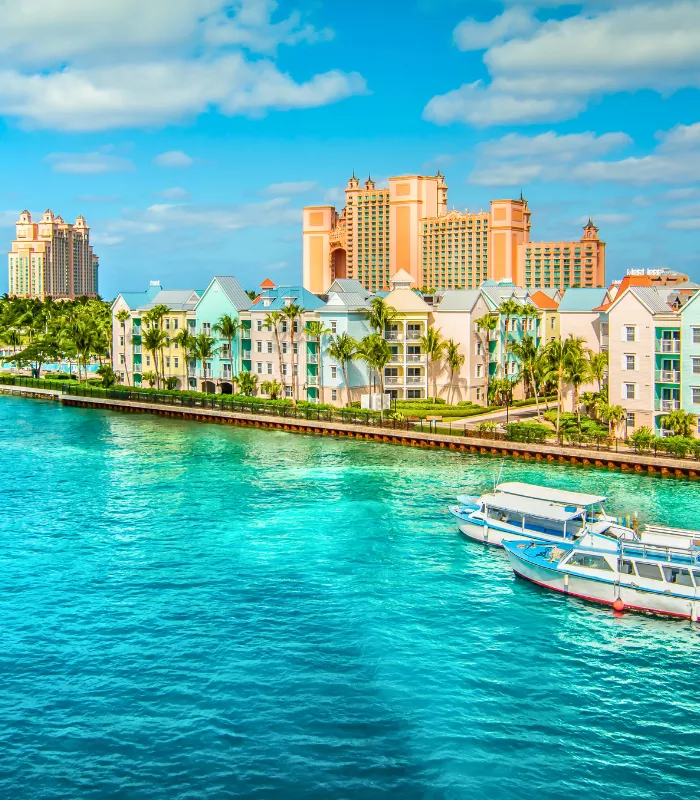
Nassau is one of the most marketed Caribbean destinations for Americans. It’s close, it’s familiar, and the flights are cheap.
But here’s the catch: over 12 million visitors passed through in 2024 alone. More than 80% of them went through Nassau.
That’s a lot of people on one small island. Crowds are constant. Prices are high. And much of the experience feels designed for cruise ship passengers, not real travelers.
The downtown area near the port is packed with jewelry stores and souvenir shops targeting cruise visitors with just a few hours to spare.
Cable Beach and Paradise Island feel more like American resort strips than authentic Caribbean escapes.
If you are looking for peace and quiet, Nassau will not deliver it.
Why It’s On This List: Nassau has become so commercialized that many visitors feel like they never left a tourist trap. Authentic local culture is hard to find when souvenir shops and chain restaurants dominate the waterfront.
2. Montego Bay, Jamaica
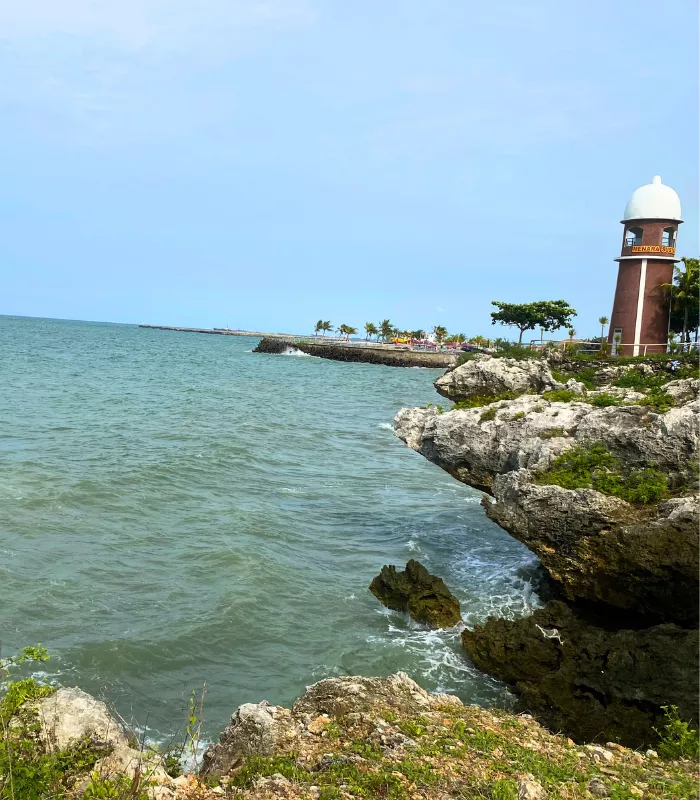
Jamaica is the default Caribbean pick for millions of Americans. Nearly 3 million U.S. visitors arrive each year.
Montego Bay gets a huge share of that traffic. But the reality on the ground is very different from the resort brochures.
Crime in some parts of Montego Bay has reached serious levels. Certain zones have been under states of emergency. Traffic is heavy, and the army regularly searches vehicles.
Many visitors report feeling confined to their resort compounds, afraid to venture out and explore on their own.
The famous Hip Strip, once a lively local scene, is now lined with overpriced bars and aggressive street vendors.
For a $3,000 vacation, feeling trapped in a hotel is not the experience most travelers have in mind.
Why It’s On This List: You’re better off driving an hour east to Ocho Rios, where you get 180-foot waterfalls, blue lagoons, and far fewer safety headaches.
3. Saint Thomas, U.S. Virgin Islands
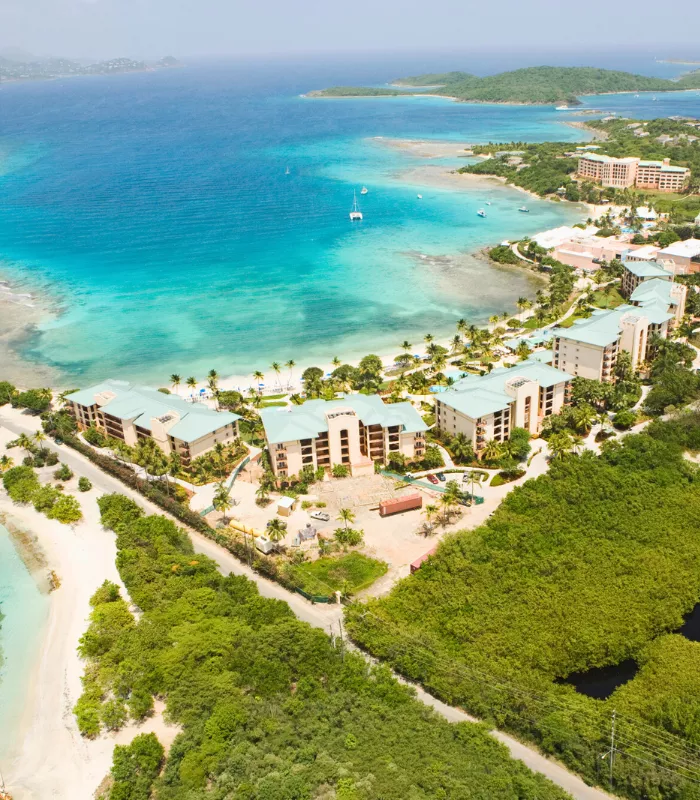
Saint Thomas gets top billing because it’s a U.S. territory. No passport needed. That alone brings in enormous crowds.
The beaches can be stunning. But when cruise ships dock, the island transforms overnight.
Popular spots like Magens Bay become packed and loud. Some visitors report aggressive vendors and safety concerns in certain areas away from the resort zones.
Charlotte Amalie, the main town, is heavily geared toward cruise shoppers looking for duty-free deals rather than travelers seeking island culture.
Roads are steep, narrow, and poorly maintained in spots, making getting around more stressful than expected.
The no-passport convenience brings a crowd that changes the entire feel of the island.
Why It’s On This List: The “no passport required” selling point draws huge numbers of tourists, making it one of the most congested cruise stops in the entire Caribbean.
4. San Juan, Puerto Rico

Puerto Rico feels more like a domestic trip than a Caribbean getaway. U.S. dollars, U.S. flights, familiar chain hotels. It’s convenient, yes.
But that convenience comes at a cost. Old San Juan is charming, but the rest of the island is urban, congested, and still recovering from hurricane damage.
Infrastructure in some areas remains inconsistent. For travelers over 50 who want relaxation and ease, Puerto Rico’s traffic and noise can be a real letdown.
Power outages are still reported in certain parts of the island, a lingering effect of hurricane damage from years past.
The beaches near San Juan are often crowded and not particularly clean compared to other Caribbean options at similar price points.
Many visitors leave feeling like they paid Caribbean prices for a mainland experience.
Why It’s On This List: The heavy commercialization and ongoing recovery from past hurricanes make Puerto Rico feel less like paradise and more like a crowded mainland city with a beach nearby.
5. Punta Cana, Dominican Republic
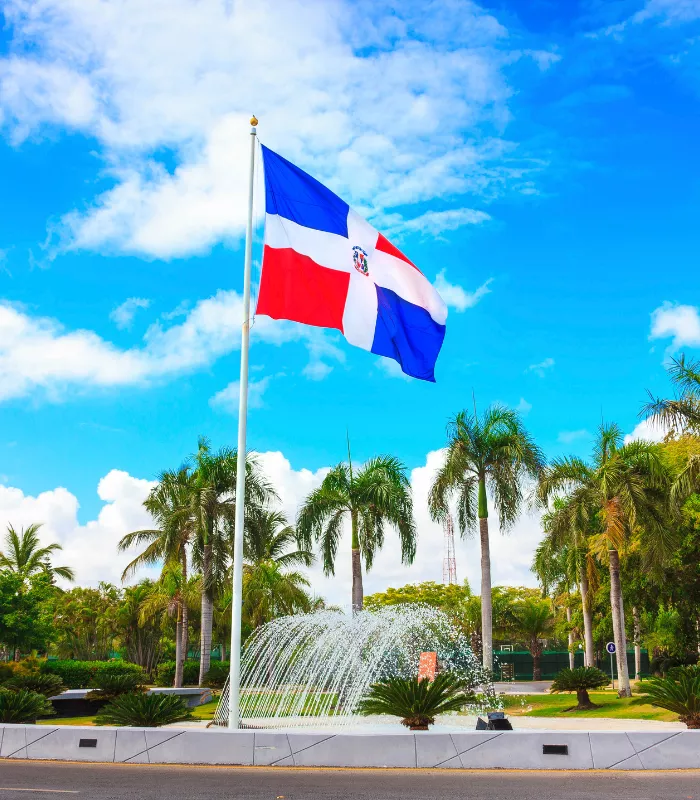
Punta Cana promises white sand and all-inclusive deals. And on paper, it delivers. But step outside your resort and the picture changes fast.
Vendor harassment, overcrowded beaches, and heavily eroded stretches of coastline are common complaints.
Popular beach areas like Sosua are described by many visitors as overrun with tourist shops. The “paradise” you see in ads often ends at the resort fence.
Water quality at some of the more crowded beaches has been flagged by travelers as a concern, especially during peak season.
The all-inclusive model keeps you eating and drinking on property, which means the local economy and culture remain largely invisible to you.
You can spend an entire week in Punta Cana and never once feel like you were actually in the Caribbean.
Why It’s On This List: All-inclusive resorts create a bubble that feels nothing like the real Caribbean. You can get similar resort experiences closer to home for less money and fewer hassles.
6. Aruba
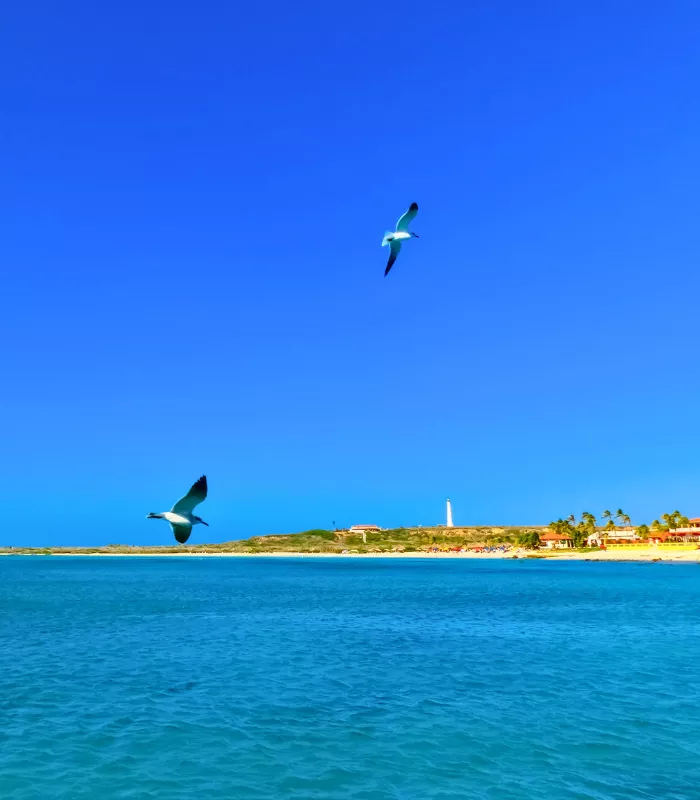
Aruba has near-perfect weather year-round. That’s a real draw. But it has become one of the most expensive islands in the Caribbean.
The tourism industry here is highly developed, which means everything feels polished but less authentic. The landscape is desert-like, not the lush tropical look many travelers expect.
Dining, hotels, and activities all carry premium pricing. For the cost, many travelers find they could have gotten more elsewhere.
Eagle Beach and Palm Beach are genuinely beautiful, but they are flanked by large hotel towers that feel more like Miami than the Caribbean.
Almost everything on the island is imported, which drives up the cost of even basic meals and groceries dramatically.
The sunny weather is real, but sunny weather alone does not justify paying some of the highest prices in the entire region.
Why It’s On This List: Aruba’s reputation for safety and sunshine has driven prices sky-high. Budget-conscious travelers over 50 often leave feeling like they overpaid for a very average experience.
7. Grand Cayman, Cayman Islands
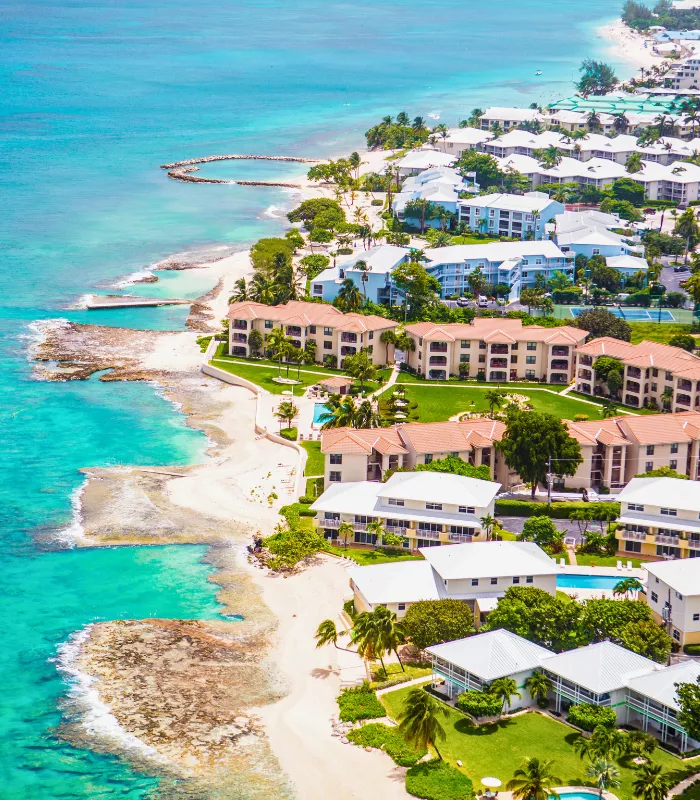
The Cayman Islands are stunning. Seven Mile Beach is genuinely beautiful. But this is one of the priciest destinations in the entire region.
Groceries, restaurants, and hotel rooms all reflect a high cost of living driven by imports. There is also limited authentic local culture compared to nearby islands.
When cruise ships dock, even the quiet spots fill up fast. That luxury feel disappears quickly when 3,000 cruise passengers hit the same stretch of beach.
A basic dinner for two at a mid-range restaurant in Grand Cayman can easily run $100 or more before drinks or tips.
The island has very little in the way of local markets, street food, or cultural neighborhoods that give other Caribbean destinations their personality.
It is a beautiful place that has traded its soul for a very high price tag.
Why It’s On This List: Grand Cayman charges luxury prices but delivers a mixed experience. Authentic Caribbean charm is hard to find when everything is built around high-end mass tourism.
8. Sosua Beach, Dominican Republic
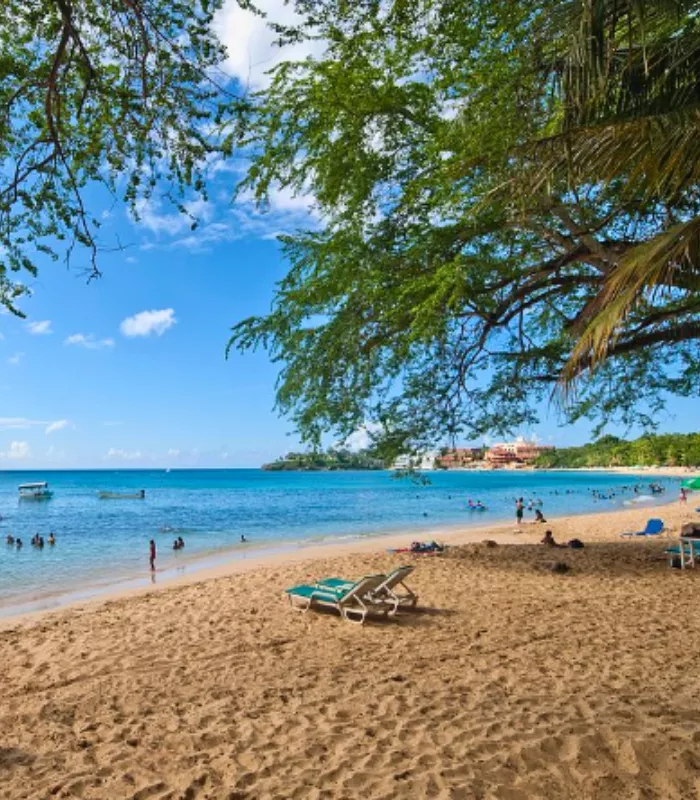
Sosua Beach shows up in a lot of travel photos. The water is blue. The sand looks inviting. But the experience in person is something else entirely.
The beach is heavily eroded. Vendors line every foot of the shore. Crowds on weekends make it nearly impossible to relax.
That’s why many experienced travelers skip Sosua altogether and head to Cabarete instead, where windsurfing, quieter stretches, and fewer vendors make for a far better day.
The road leading down to Sosua Beach is lined with bars and restaurants that cater almost entirely to foreign tourists, with prices to match.
Noise levels on busy days are significant, with music blasting from multiple directions at once along the shoreline.
What looked like a relaxing beach day in the photos can quickly turn into an overwhelming sensory experience.
Why It’s On This List: Sosua is a prime example of a beach that looks great in photos but disappoints in person, selling a postcard version of the Caribbean that simply does not exist anymore.
9. Tortola, British Virgin Islands
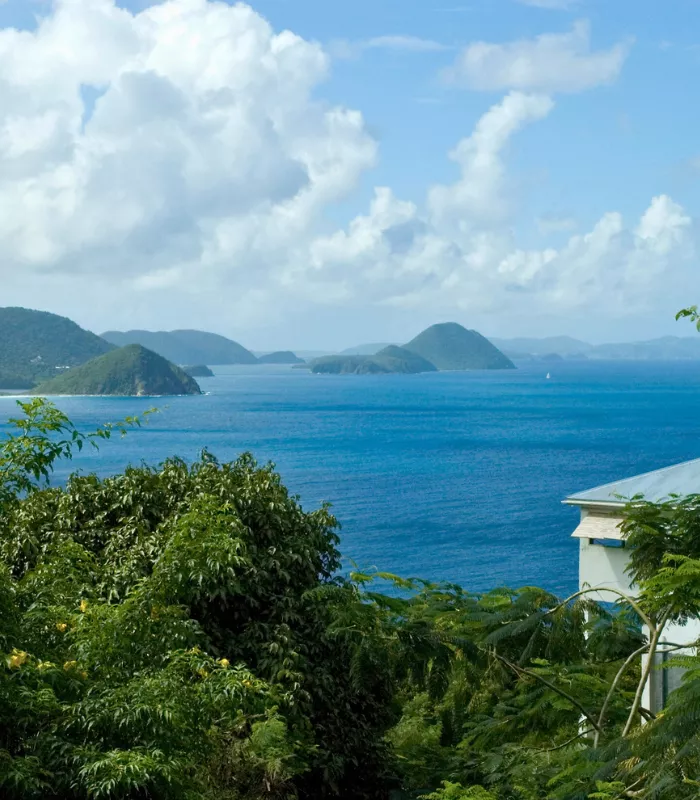
Tortola gets attention because it sits near the stunning British Virgin Islands chain. But compared to neighboring St. John, it falls noticeably short.
Crime has been a growing concern, with some tourists reporting break-ins. Infrastructure is limited and recovery from past storms has been slow.
The nearby island of St. John offers cleaner beaches, better trails, and a calmer atmosphere for nearly the same travel effort.
Road Town, the main hub, lacks the charm and character of other Caribbean capitals and feels more functional than inviting.
Many of the best anchorages and beaches in the BVI require a boat to reach, adding cost and complexity to an already expensive trip.
Tortola works well as a sailing base but falls flat as a standalone destination for land-based travelers.
Why It’s On This List: Tortola gets lumped in with the gorgeous BVI reputation, but it struggles to deliver on that promise. You’re better off spending your time on St. John or Virgin Gorda instead.
10. Antigua
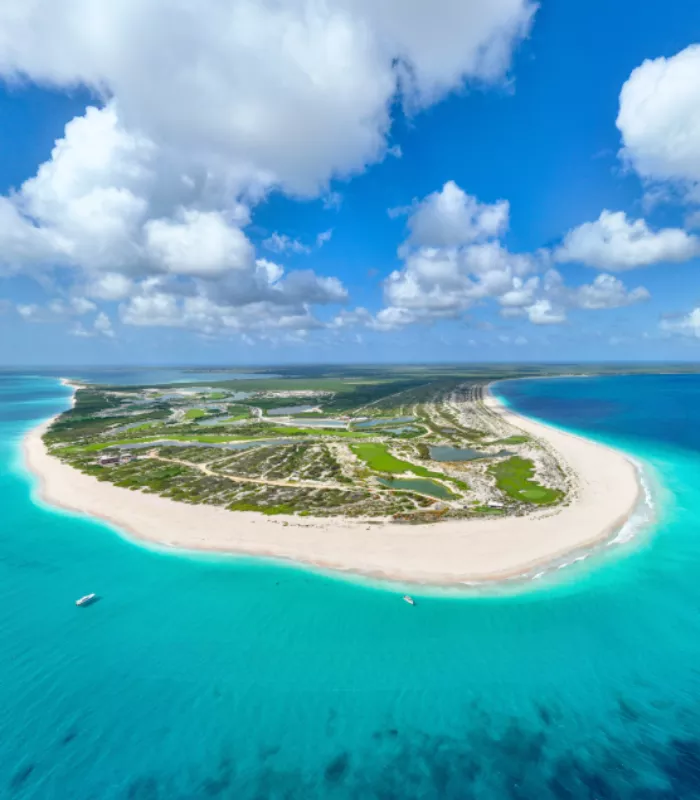
Antigua is famous for having 365 beaches, one for each day of the year. That sounds magical. But many of those beaches are tiny, undeveloped, and hard to reach.
The island has become increasingly expensive while offering fewer standout experiences compared to other Caribbean destinations at similar price points.
Nightlife is limited. Dining options outside resorts can be sparse. For couples over 50 looking for a full-service experience, Antigua often feels like it overpromises.
Taxis are the primary way to get around, and drivers charge fixed high rates that add up quickly over the course of a week.
Outside of English Harbour and a handful of resort areas, the island has limited dining, shopping, or entertainment options for visitors.
The 365 beaches statistic makes for great marketing copy but a surprisingly underwhelming reality on the ground.
Why It’s On This List: The “365 beaches” marketing hook works well on paper, but most visitors only end up at two or three of them, paying premium prices for a destination that does not always deliver premium value.
11. Trinidad and Tobago
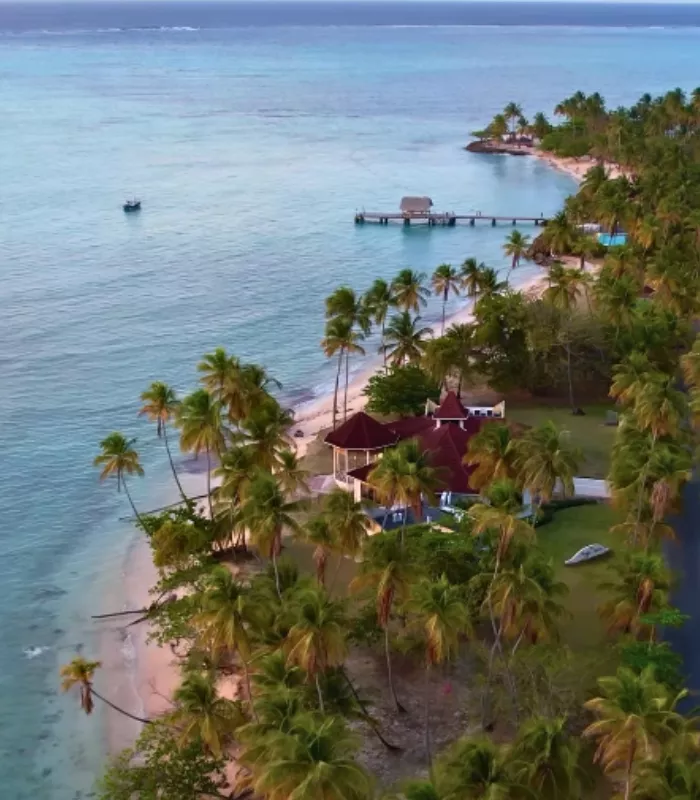
Trinidad and Tobago is one of the most culturally rich places in the Caribbean. The food, the music, the Carnival. It is genuinely unique.
But crime is a serious issue, especially in Trinidad. Safety concerns have turned off many American visitors, particularly older travelers who want peace of mind on vacation.
I made a classic mistake, assuming Tobago would feel as safe as other quiet island destinations. The crime reputation of Trinidad casts a long shadow over the entire twin-island nation.
Port of Spain, the capital, has neighborhoods that most travel advisors recommend avoiding entirely, especially after dark.
Even Tobago, which is significantly safer and more scenic, suffers from limited flight options and higher costs due to the double-island routing.
The cultural richness is real, but peace of mind on vacation should never have to be negotiated.
Why It’s On This List: Despite its culture and beauty, the safety situation in parts of Trinidad and Tobago makes it a hard sell for Americans over 50 who prioritize relaxed, worry-free travel.