

A regular door lock has worked reliably for over 2,000 years.
Then someone added Wi-Fi to it and called it an innovation.
Smart home technology is an $80 billion industry built on a simple idea: convince people that their perfectly good appliances are now outdated.
The only thing getting smarter in this equation is the bank account of the people selling you these gadgets.
1. Smart Refrigerators
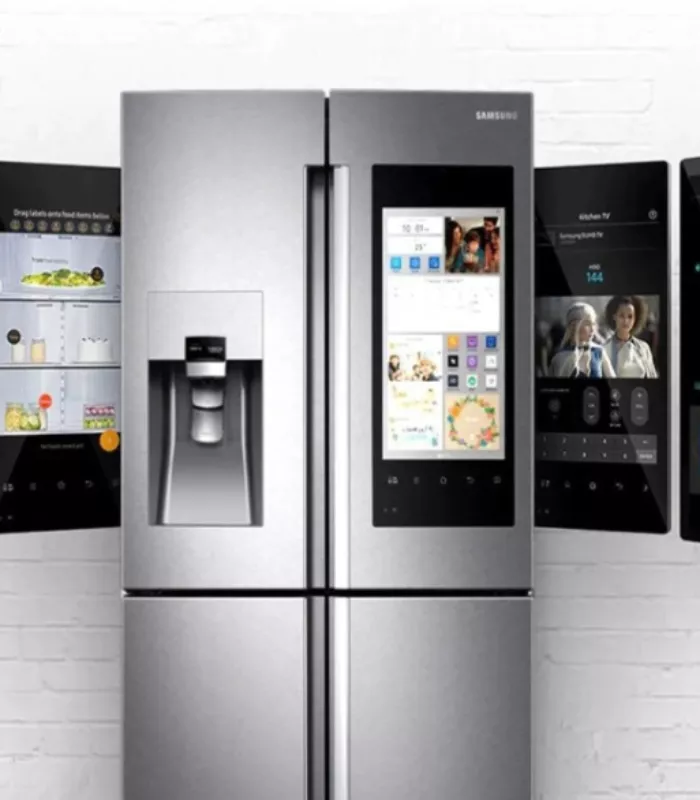
Smart fridges sound amazing on paper.
They have touchscreens, cameras inside, and even Wi-Fi.
But here’s the catch: most people never use those features after the first week.
A basic fridge keeps your food cold just as well. And smart fridges cost $1,000 to $4,000 more than regular ones.
The touchscreen alone can cost hundreds of dollars to repair if it cracks or stops working.
Most repair shops do not even carry the parts for these high-tech appliances.
Some smart fridge models require a monthly subscription just to access all their features.
That is an ongoing cost on top of an already expensive appliance.
The internal cameras are supposed to help you see what food you have while grocery shopping.
But the image quality is often poor and the camera angle misses half the shelves.
Software updates can also cause the screen to freeze or the Wi-Fi to disconnect unexpectedly.
When that happens, you may lose access to features you paid a premium for.
Many owners report that the smart features feel outdated within just three to four years.
The fridge itself may last 15 years, but the technology inside it will not.
You are essentially buying a new smartphone that also keeps your leftovers cold.
Why It’s On This List: The technology breaks down faster than the fridge itself. Repairs are expensive and hard to find. You’re better off spending that money on a reliable brand instead.
2. Smart Light Bulbs

Yes, you can change the color of your lights with your phone.
But do you really need to?
Smart bulbs cost 5 to 10 times more than regular LED bulbs. They also need a hub, an app, and a strong Wi-Fi connection to work properly.
Regular LED bulbs use just as little energy and last just as long.
When your Wi-Fi goes down, your smart bulbs may stop responding entirely.
That means you could be standing in the dark waiting for your router to reboot.
Setting up smart bulbs also requires downloading an app, creating an account, and pairing each bulb individually.
For a household with many light fixtures, that setup process can take an entire afternoon.
If someone flips the physical light switch off, the smart bulb loses power and disconnects from the app.
Then you have to go through the pairing process all over again.
The companion apps for these bulbs are frequently updated, and those updates sometimes break existing settings.
You may wake up one morning to find your scheduled lighting routine has been wiped out.
Some smart bulb brands have also shut down their apps entirely, leaving customers with expensive but useless bulbs.
There is no warning when that happens, and no refund offered.
A regular LED bulb from the hardware store will never have any of these problems.
Why It’s On This List: The savings on your electric bill do not cover the high upfront cost. That’s why so many people end up going back to regular bulbs after a few months.
3. Smart Thermostats
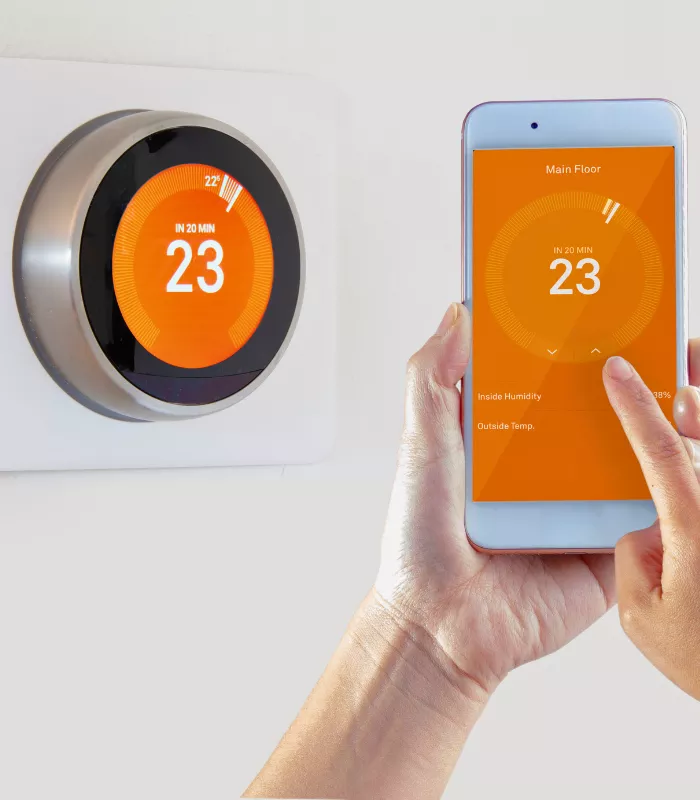
Smart thermostats like the Nest get a lot of hype.
They learn your schedule and adjust the temperature for you.
But most homes see only $10 to $20 in monthly savings. At $250 or more per device, it takes years to break even.
If you already have a programmable thermostat, upgrading is rarely worth it.
Installation can also be tricky if your home has older wiring.
Many people end up paying an electrician just to get the device set up properly.
That installation fee alone can add another $100 or more to the total cost.
Smart thermostats also rely on your phone’s location to detect when you leave or come home.
If your phone stays home while you run errands, the thermostat gets confused and adjusts incorrectly.
The learning feature takes several weeks to figure out your routine and often gets it wrong at first.
During that learning period, your home may be too hot or too cold more than usual.
Some utility companies offer rebates for smart thermostats, but those programs are not available everywhere.
Without a rebate, the financial case for buying one becomes even weaker.
Older homes with single-stage heating systems may not even be compatible with popular smart thermostat models.
You could buy one and find out it simply does not work with your setup.
Why It’s On This List: The savings sound great in ads, but real-world results are modest. You’re better off just setting a simple schedule on your current thermostat.
4. Smart Doorbells
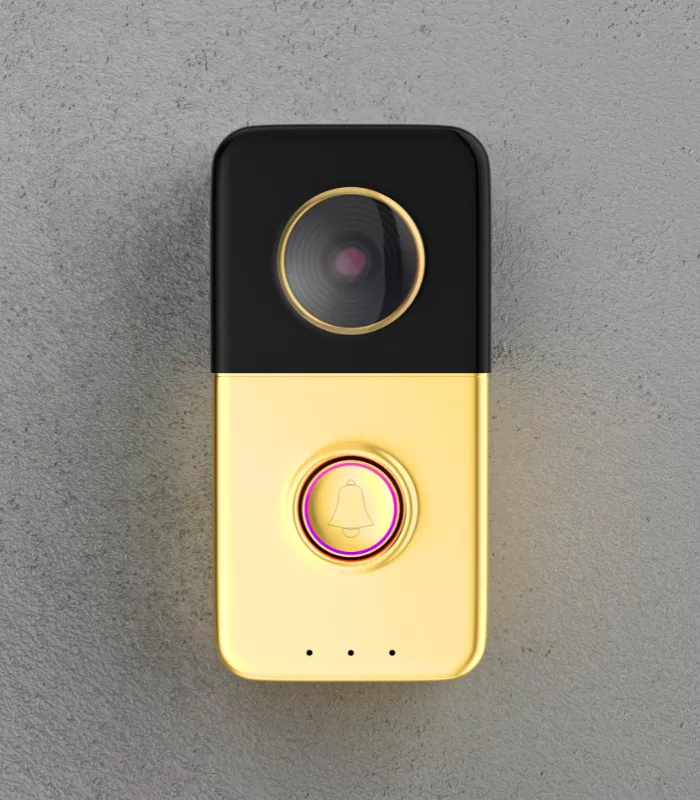
Smart doorbells let you see who is at your door from your phone.
Sounds useful. But the monthly fees add up fast.
Most brands charge $3 to $10 per month just to store your video. That is over $100 a year for a doorbell.
Privacy is also a concern. These devices record constantly and store your footage on company servers.
Some neighborhoods have even reported their doorbell footage being shared without their knowledge.
Once your video is on a company server, you have very little control over what happens to it.
Law enforcement agencies have requested doorbell footage directly from companies without notifying homeowners first.
That means your front porch recordings could be accessed by others without your permission.
Smart doorbells also require a strong Wi-Fi signal near your front door.
Many older homes have a weak signal in that area, causing the video feed to lag or cut out.
The devices are also exposed to weather year-round, which shortens their lifespan significantly.
Replacing a failed unit means buying a new one and paying for installation all over again.
Video quality drops noticeably at night despite manufacturers’ advertising of night vision capabilities.
Identifying a face in that grainy night footage is often harder than expected.
A traditional peephole and a porch light give you reliable visibility without any of these complications.
Why It’s On This List: A simple peephole or a basic wired camera does the same job without the ongoing cost or privacy worries.
5. Robot Vacuums
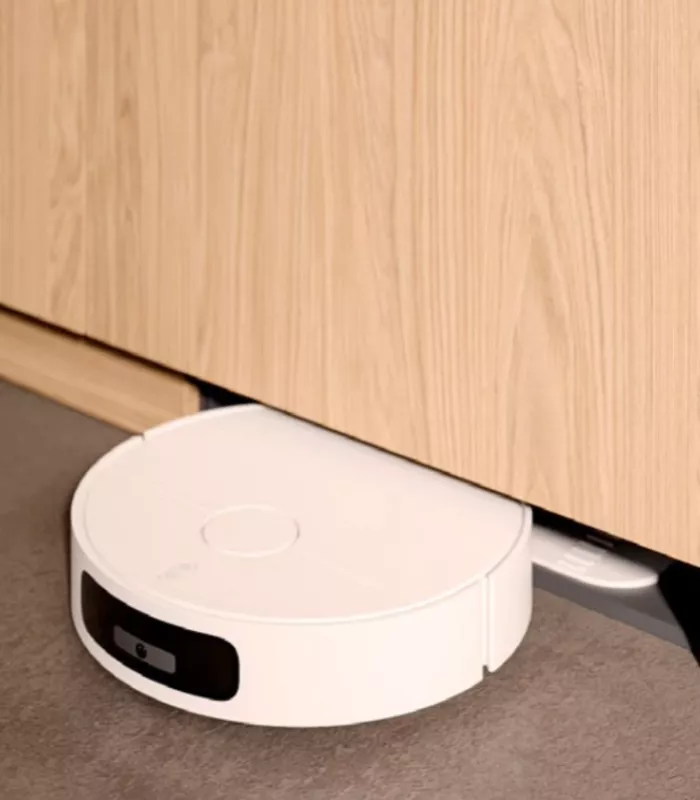
Robot vacuums are fun to watch.
But they do not clean as well as a regular vacuum.
They miss corners, struggle with thick rugs, and need to be emptied often. A good robot vacuum costs $300 to $800.
They also get stuck under furniture and need rescuing more than you’d expect.
Pet hair and small objects on the floor can jam the brushes and stop the device completely.
Cleaning and maintaining the robot itself becomes a weekly chore of its own.
The brushes and filters need to be replaced every few months, adding to the ongoing cost.
Robot vacuums also struggle with transitions between hard floors and carpet.
They often get high-centered on the edge of a rug and sit there spinning until you move them.
The mapping feature on higher-end models sounds impressive, but takes weeks to learn your floor plan accurately.
During that time, the vacuum bumps into furniture repeatedly and leaves marks on your baseboards.
If you rearrange your furniture, the robot gets confused and has to start the mapping process over.
Charging takes several hours, and the battery life shortens considerably after the first year of use.
Stairs are completely off limits, so any two-story home still needs a traditional vacuum for the upper floor.
When you add up the purchase price, replacement parts, and time spent babysitting the device, the value just is not there.
Why It’s On This List: I made a classic mistake buying one, thinking it would replace my upright vacuum. It didn’t. You still need a real vacuum for a deep clean.
6. Smart Plugs
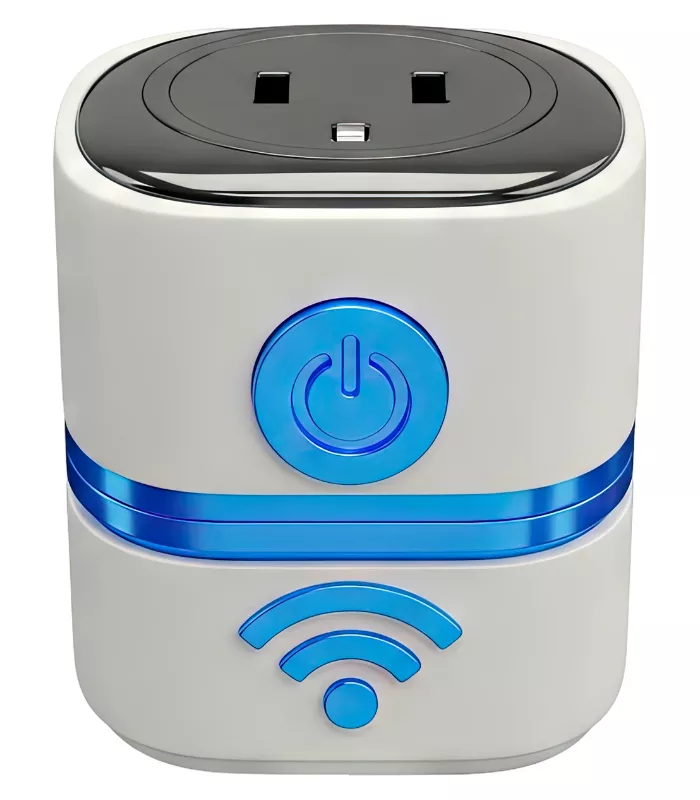
Smart plugs let you turn things on and off with your phone or voice.
But most things you plug in do not need that feature.
A lamp timer costs under $10 and does the same job without needing Wi-Fi or an app.
Smart plugs also create a small ongoing energy drain just by being plugged in.
They also rely on the manufacturer keeping their app and servers running.
Several smart plug brands have shut down their services, leaving customers with useless devices overnight.
When that happens, there is no fix and no refund. The plug simply stops working.
Setting up smart plugs also requires a stable Wi-Fi connection and a compatible smart home hub in some cases.
If your internet goes out, you lose the ability to control your plugs remotely.
Some plugs also only work with either Amazon Alexa or Google Home, not both.
That means buying the wrong brand could leave you with a device that does not work with your setup.
The app for most smart plugs is also cluttered with features the average person will never use.
Finding the simple on and off button often takes more taps than just walking over to the lamp.
For people with many devices plugged in, managing each one through a separate app becomes genuinely tedious.
A basic power strip with a built-in timer handles most of the same tasks for a fraction of the price.
Why It’s On This List: The convenience is real but minor. For most households, simple timers and power strips are a smarter and cheaper choice.
7. Smart Speakers
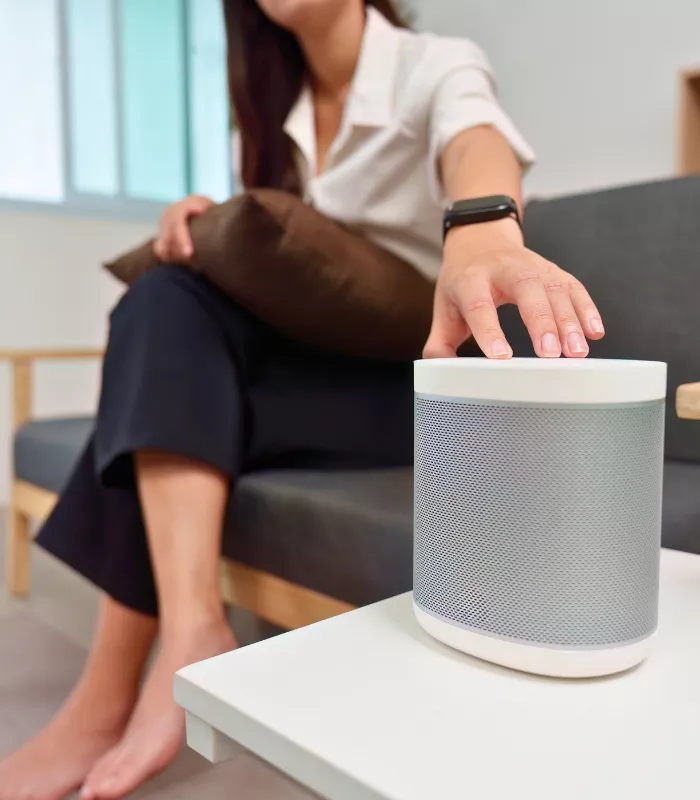
Devices like Amazon Echo and Google Home are everywhere.
They play music and answer simple questions. But so does your phone.
Many people over 50 find the voice commands frustrating. The device often misunderstands what you say.
There are also real privacy concerns. These speakers are always listening for a wake word, which makes many people uncomfortable.
There have been multiple reports of smart speakers recording private conversations by mistake.
Those recordings can be stored and reviewed by company employees in some cases.
Advertisers have also been accused of using smart speaker data to target users with specific ads.
That means a conversation in your kitchen could influence what you see on your phone later that day.
Smart speakers also struggle with accents and speech patterns that differ from standard American English.
For many older adults, this leads to repeated misunderstandings and a lot of unnecessary frustration.
The sound quality on budget smart speakers is also unremarkable compared to a basic Bluetooth speaker.
If you just want good music, a simple speaker without a microphone does the job better.
Smart speakers also become outdated quickly as companies release newer models each year.
Support for older devices is eventually dropped, leaving you with a speaker that no longer gets updates.
Your smartphone already does everything a smart speaker does, and you already paid for it.
Why It’s On This List: If you already have a smartphone, a smart speaker adds very little. That’s why millions of them sit unused on shelves across the country.
8. Smart Locks
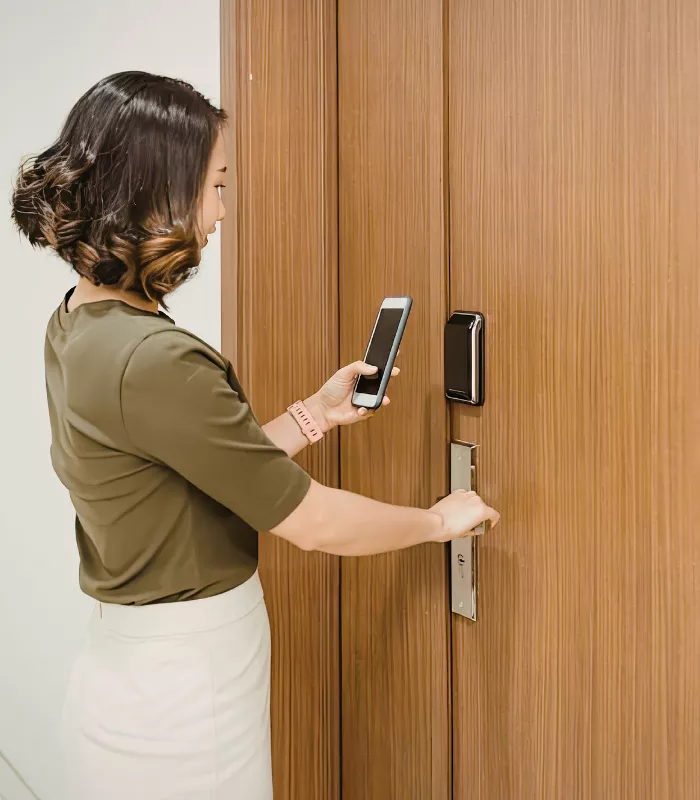
Smart locks let you unlock your door with your phone or a code.
But what happens when your phone dies? Or the batteries run out?
Most smart locks cost $150 to $300. And like any tech device, they can malfunction or get hacked.
A quality deadbolt lock costs under $50 and is far more reliable.
Cybersecurity researchers have already demonstrated ways to remotely unlock several popular smart lock brands.
That is not a risk most homeowners want to take with their front door.
Smart locks also require regular battery changes, and most do not give much warning before dying completely.
If the battery dies while you are outside, you may be locked out of your own home.
Some models include a backup key slot, but others do not, leaving you with no good options.
Installation also requires some technical skill, and improper installation can leave gaps in your door’s security.
Wi-Fi-connected locks also add your door to the list of devices that could be targeted by hackers.
A skilled hacker does not need to pick your lock if they can unlock it from a laptop.
Insurance companies have also begun asking homeowners about smart devices, and some charge higher premiums as a result.
The convenience of not carrying a key is simply not worth the security trade-offs for most people.
A strong traditional deadbolt with a spare key kept in a safe place remains the most dependable option.
Why It’s On This List: Security should be simple and dependable. Smart locks add complexity without making your home significantly safer than a strong traditional lock.
9. Smart Ovens and Microwaves
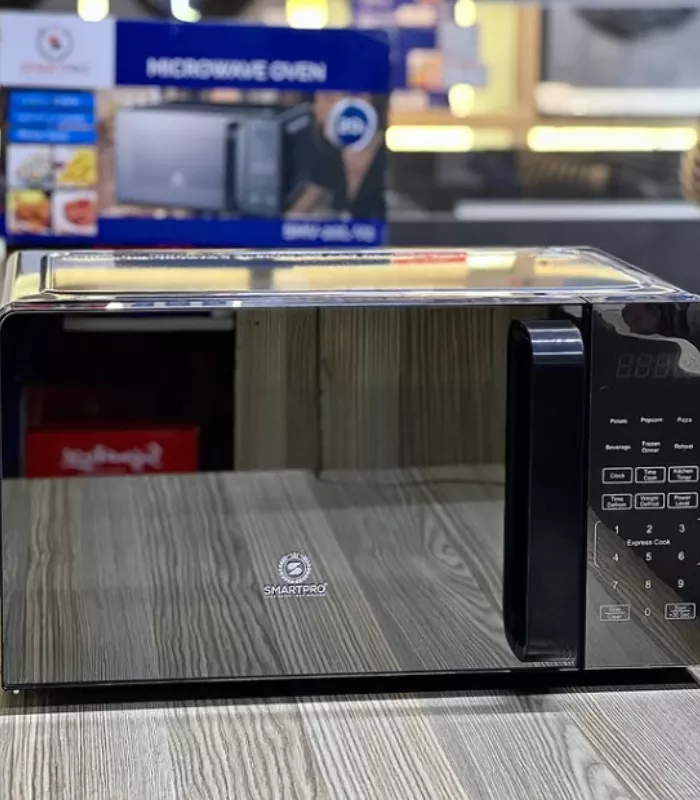
Yes, a Wi-Fi-connected microwave exists. Amazon even makes one.
It lets you start cooking from your phone.
But here’s the deal: you still have to put the food in the microwave yourself. The Wi-Fi feature saves almost no time at all.
Smart ovens cost two to three times more than regular models with the same cooking performance.
The companion apps for these appliances are also frequently buggy and slow to load.
Several models have had their smart features discontinued within just a few years of purchase.
When the app is discontinued, you are left with an expensive oven that works like a regular oven anyway.
Preloaded recipes sound convenient, but most home cooks already have their favorite recipes memorized or saved elsewhere.
Voice control on smart ovens also struggles with cooking terms and often sets the wrong temperature or time.
A simple double-check of the settings still ends up being necessary every single time.
Smart ovens also require a strong Wi-Fi signal in the kitchen, which is not always easy to achieve.
Thick walls and appliance interference can weaken the signal and cause the smart features to become unreliable.
Repair technicians for smart appliances are harder to find and charge significantly more for their services.
A broken circuit board in a smart oven can cost more to fix than buying a brand-new basic model.
The food coming out of a smart oven tastes identical to food made in a regular oven at the same settings.
Why It’s On This List: The smart features on kitchen appliances are mostly gimmicks. Your food will taste exactly the same whether or not your oven has Wi-Fi.