

Back in the 70s, spending money unwisely was practically a national pastime.
Nobody questioned it. Everybody did it.
We bought things we didn’t need, ignored deals that were right in front of us, and handed our hard-earned cash to retailers like it was a hobby.
The average woman makes 301 trips to the store each year, spending nearly 400 hours shopping (according to a study).
Turns out, a lot of what felt like smart shopping was just an expensive habit dressed up in bell-bottoms.
1. Buying in Bulk Without a Plan
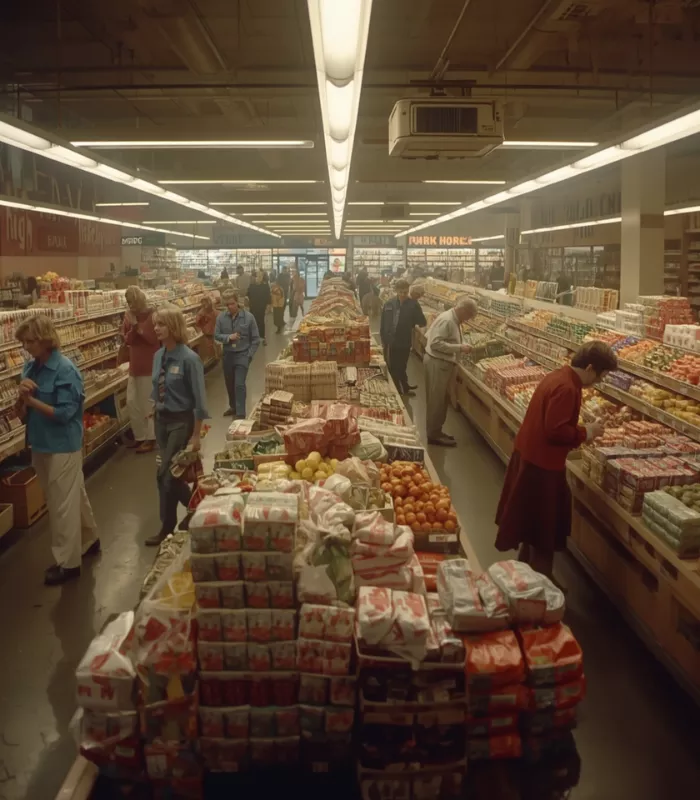
Back in the 70s, buying in bulk felt like smart shopping.
Big cans of food and giant bags of rice lined pantry shelves.
But here’s the catch: most of it went bad before families could use it all.
Stores loved promoting bulk deals because they moved more product fast.
Shoppers felt good walking out with a full cart.
But the savings were often wiped out by spoilage and waste.
It was one of those habits that felt responsible but rarely was.
Why It’s On This List: Buying more than you need almost always leads to waste. Studies show that the average household throws away about 30% of the food it buys.
2. Paying Full Price Without Waiting for Sales

In the 70s, shoppers rarely waited for a sale.
If you saw something you liked, you bought it right then and there.
That’s why so many families spent far more than they needed to on clothing and appliances.
Patience was not exactly a common shopping virtue back then.
Most people assumed prices were just what they were.
There was little awareness that waiting even a short time could mean big savings.
The idea of timing a purchase felt like something only extreme bargain hunters did.
Why It’s On This List: Most department stores in that era ran major sales every 6 to 8 weeks. Waiting just a few weeks could save you 20% to 40%.
3. Shopping Without a List

Going to the grocery store without a list was completely normal in the 70s.
You just walked the aisles and grabbed what looked good.
The problem? You always came home with things you didn’t need and forgot things you did.
Grocery stores were designed to encourage impulse buying at every turn.
Bright packaging and end-of-aisle displays did their job very well.
Without a list to anchor you, it was easy to overspend without even realizing it.
A simple piece of paper could have saved families a surprising amount every single week.
Why It’s On This List: Shoppers without a list spend an average of 23% more per trip than those who plan ahead.
4. Ignoring Generic Brands
In the 70s, generic brands had a bad reputation.
Plain white labels felt cheap, and many shoppers avoided them completely.
But most generic products were made in the same factories as the name brands.
The stigma around generics was largely created by clever marketing from big brands.
Shoppers were paying for the logo more than anything else.
The quality difference in most cases was nearly impossible to notice.
Switching to generics on even a handful of items could have made a real dent in the weekly grocery bill.
Why It’s On This List: Choosing name brands over generics can cost shoppers up to 25% more per item for the exact same quality.
5. Using Layaway for Everyday Items
Layaway was a popular option in the 70s for big and small purchases alike.
Shoppers put items on hold and paid a little each week.
But layaway often came with fees, and many people lost their deposits if they couldn’t finish paying.
It gave people a false sense of financial discipline.
In reality, it tied up money that could have been saved or used more wisely.
Retailers benefited greatly from the system, while shoppers often came out behind.
Many families repeated this cycle year after year without ever questioning whether it made sense.
Why It’s On This List: Layaway fees and lost deposits cost American shoppers millions of dollars each year during the height of its popularity.
6. Buying Appliances Without Comparing Prices
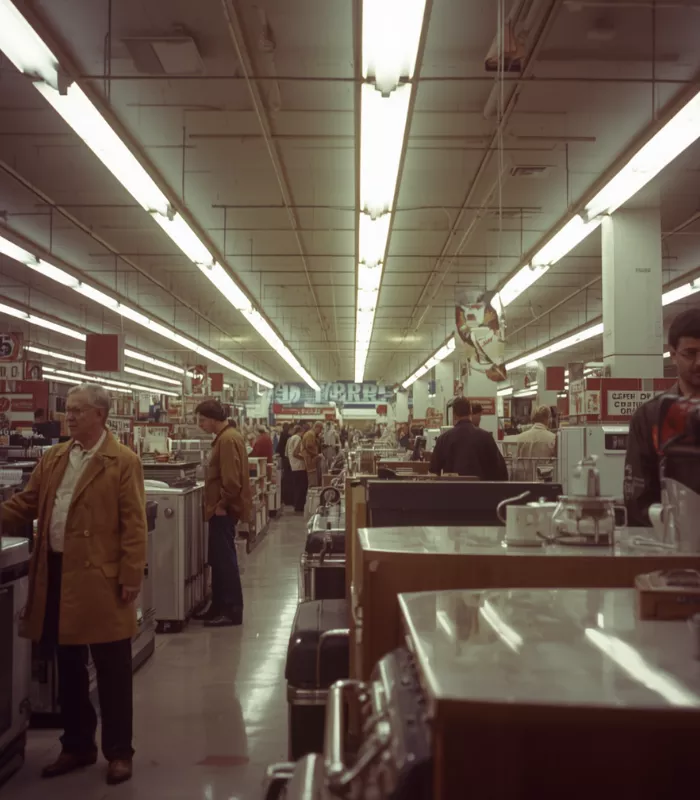
If your refrigerator broke in the 70s, you went to the nearest store and bought a new one.
Price comparing meant driving to several stores across town.
Most people simply didn’t bother and paid much more than necessary.
There was no quick way to check if a better deal existed somewhere else.
Salespeople knew this and had little pressure to offer competitive prices.
Brand loyalty and convenience drove most appliance purchases more than value did.
The result was that many households overpaid significantly on items that should have cost much less.
Why It’s On This List: Today, comparing prices takes less than five minutes online. Back then, skipping that step could cost you hundreds of dollars on a single purchase.
7. Paying for Extended Warranties on Everything

Store clerks in the 70s were very good at selling extended warranties.
They made it sound like your new toaster could break any day.
You’re better off saving that money, because most appliances never need the warranty at all.
The pitch was always delivered at the register when you were already committed to the purchase.
It was hard to say no when someone made it sound so reasonable.
But the odds of actually using those warranties were very low on most small appliances.
Retailers knew exactly what they were doing, and it worked extremely well on a generation of trusting shoppers.
Why It’s On This List: Consumer reports from that era show that the majority of extended warranties were never used, making them pure profit for retailers.
8. Buying Trendy Clothes Every Season
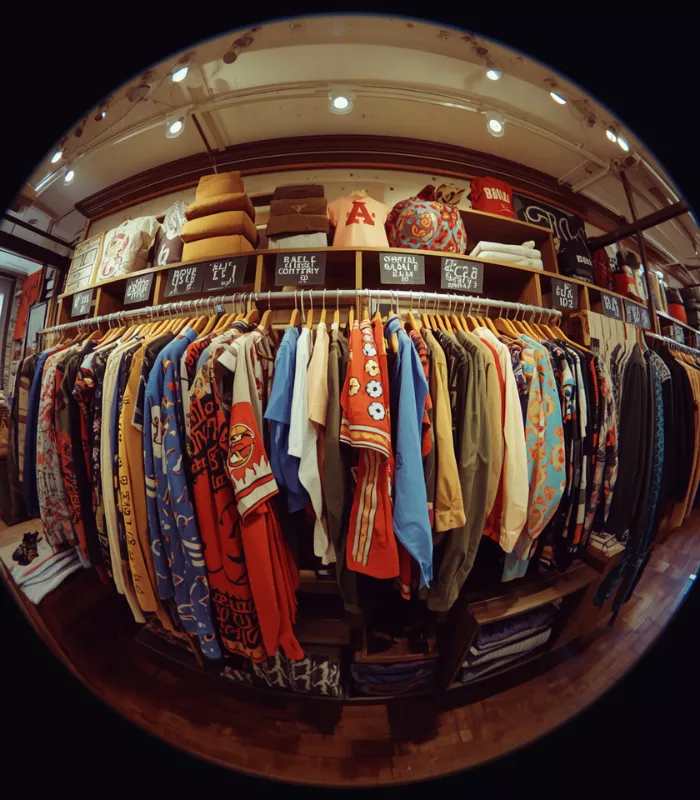
Fashion in the 70s moved fast.
Bell-bottoms were in one year and out the next.
Shoppers spent big money on trendy pieces that were out of style before they wore them out.
The fashion industry worked hard to make last season’s clothes feel embarrassing to wear.
And it worked. Closets filled up with barely worn items year after year.
The pressure to look current was real, and retailers cashed in on it heavily.
Most of those trendy pieces ended up donated, discarded, or buried at the back of the closet.
Why It’s On This List: Classic, well-made clothing lasts for years. Chasing trends meant buying new wardrobes every season, a habit that added up quickly.
9. Throwing Away Coupons

Sunday newspapers were full of coupons in the 70s.
But many shoppers tossed them straight into the trash.
I made a classic mistake of thinking coupons were only for extreme bargain hunters.
There was a real social stigma around using coupons back then.
People worried about what the cashier or the person behind them in line might think.
That pride cost households a significant amount of money over the years.
The irony is that the people clipping coupons were often the ones building real financial security.
Why It’s On This List: Regular coupon users saved an average of $10 to $20 per grocery trip, adding up to over $1,000 a year for a typical family.
10. Buying New Instead of Repairing
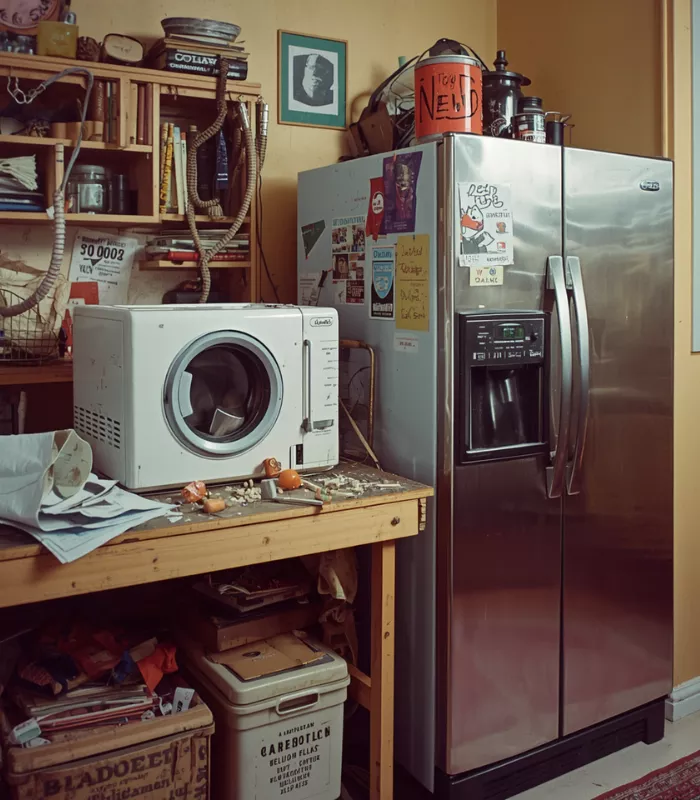
The post-war boom made buying new feel exciting and modern.
If something broke, many families just replaced it instead of fixing it.
That’s why repair shops slowly disappeared from many neighborhoods over the decades.
Manufacturers quietly encouraged this by making repairs more difficult and parts harder to find.
The culture of replacement grew stronger with every passing year.
What used to be fixed by a neighbor or local shop was now just thrown in the trash.
An entire generation slowly unlearned the habit of repair without ever noticing it was happening.
Why It’s On This List: Repairing a small appliance often cost a fraction of buying new. Skipping repairs was a habit that quietly drained household budgets over time.
11. Financing Everything With Store Credit Cards
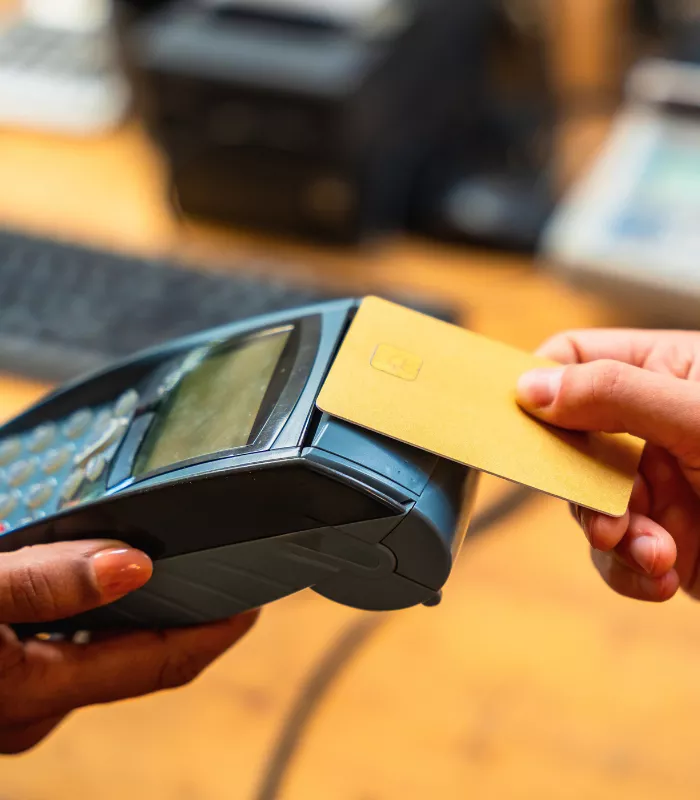
Department store credit cards were everywhere in the 70s.
Stores handed them out freely, and shoppers used them for everyday purchases.
But here’s the deal: those cards carried high interest rates that quietly turned small purchases into big debts.
The application process was simple and fast, which made it easy to say yes without thinking it through.
Many families carried balances on multiple store cards at the same time.
The minimum payment system kept them in debt far longer than they expected.
What felt like convenient shopping was often the beginning of a very long financial hole.
Why It’s On This List: Store credit cards often carry interest rates well above standard bank cards. Carrying a balance month to month meant you paid far more than the original price of anything you bought.
12. Buying New Cars Every Few Years

In the 70s, trading in your car every two or three years was a sign of success.
New models came out every year, and the pressure to upgrade was real.
That’s why so many families were always making car payments with no end in sight.
Dealerships made the trade-in process feel seamless and even exciting.
But rolling over old debt into a new loan was a trap many people didn’t see coming.
The shiny new model felt like progress, while the bank account told a very different story.
Driving a paid-off car was actually one of the smartest financial moves a family could make.
Why It’s On This List: A car loses value the moment you drive it off the lot. Frequent trade-ins meant families were constantly paying for depreciation instead of building any real financial stability.
13. Paying Full Price for Records and Tapes

Music lovers in the 70s bought albums and 8-track tapes regularly.
A single record could cost $5 to $7, which equals roughly $35 to $50 in today’s money.
Most people never wait for a sale or look for a used copy first.
Used record shops existed in most cities but were often overlooked by mainstream shoppers.
The idea of buying secondhand felt unnecessary when new copies were so easy to find.
Music was a big part of daily life, which made it one of the most consistent drains on the entertainment budget.
A little more patience and creativity could have kept a lot more money in people’s pockets.
Why It’s On This List: Buying secondhand could have saved families hundreds of dollars a year on music alone.
14. Buying the Biggest House You Could Afford

The 70s dream was a big house in the suburbs.
Families stretched their budgets to buy the largest home a bank would approve.
You’re better off buying below your means, because a bigger house always brings bigger bills.
Heating costs alone in a large 70s home could be staggering, especially during the energy crisis.
Maintenance, property taxes, and furnishing all scaled up with the size of the house.
Many couples bought more space than they ever actually used on a daily basis.
The prestige of a large home came with a financial burden that lasted for decades.
Why It’s On This List: Larger homes meant higher heating costs, more maintenance, and bigger property taxes. Many 70s families found themselves house-rich but cash-poor for decades as a result.
15. Paying With Checks for Everything
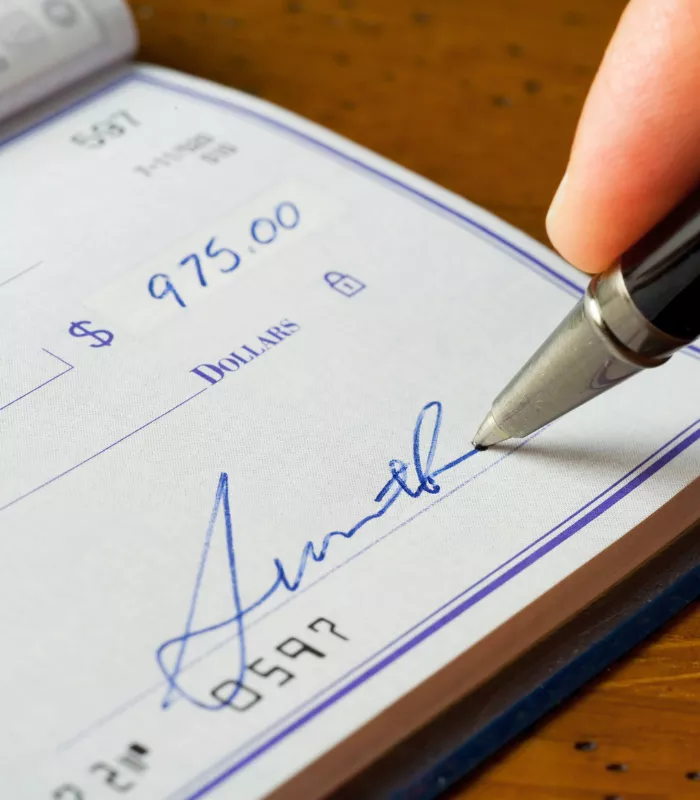
In the 70s, writing a check was the responsible way to pay for almost anything.
But checks were easy to lose track of, and many families overdrew their accounts without realizing it.
Overdraft fees added up fast, and banks were not shy about charging them.
There was no app to check your balance in real time before making a purchase.
A check written on Monday might not clear until Thursday, leaving room for costly mistakes.
Keeping a running tally in a paper checkbook required discipline that not everyone had.
One small math error could trigger a chain of fees that wiped out an entire week’s budget.
Why It’s On This List: Without real-time balance tracking, overspending by check was a common and costly mistake. Many families paid more in bank fees than they ever expected just from misjudging their account balance.