

You didn’t just shop. You experienced.
The fluorescent hum of a store that sold exactly one weird thing was practically a spiritual event.
Nostalgia, it turns out, isn’t just sentimentality.
It’s your brain correctly identifying that some things were genuinely better.
Retail in the 70s had personality, chaos, and absolutely zero algorithms deciding what you wanted.
1. F.W. Woolworth, Multiple States
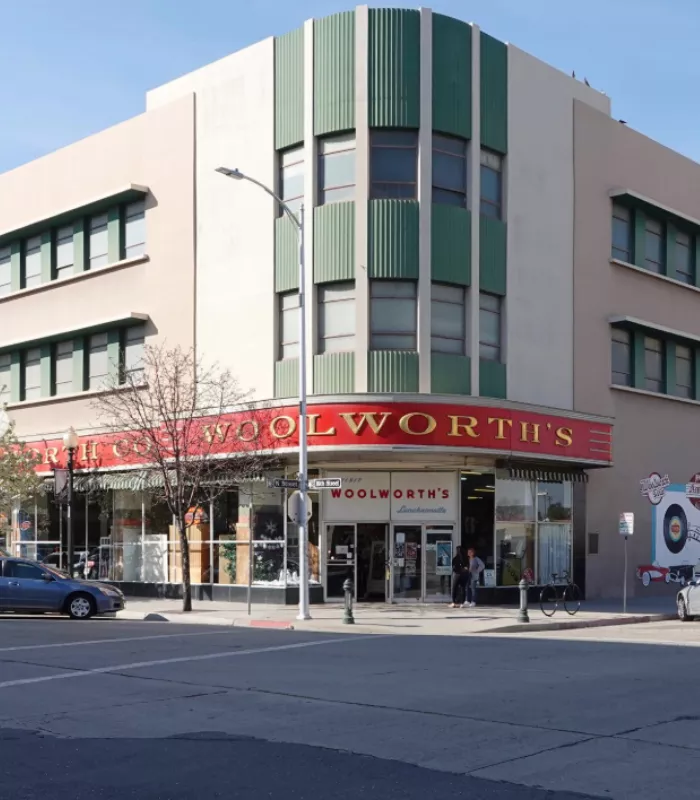
F.W. Woolworth was one of America’s most beloved five-and-dime stores.
The chain pioneered the variety store concept where everything was affordable.
By the 1970s, Woolworth operated hundreds of locations across the country.
But here’s the catch: the company failed to modernize its stores during the critical 1970s and 1980s.
While competitors like Gap and even its own Foot Locker subsidiary thrived, the main Woolworth stores fell behind.
The company struggled with outdated layouts and disorganized product categories.
In 1993, Woolworth closed nearly 400 underperforming stores in a single year.
After years of declining revenue, the company shut down its last 400 stores on July 17, 1997.
The retail giant that once defined American shopping couldn’t compete with modern discount chains.
Why It’s On This List: Woolworth was replaced by Walmart in the Dow Jones Industrial Average in 1997, marking the symbolic end of the five-and-dime era.
2. E.J. Korvette, New York and Beyond
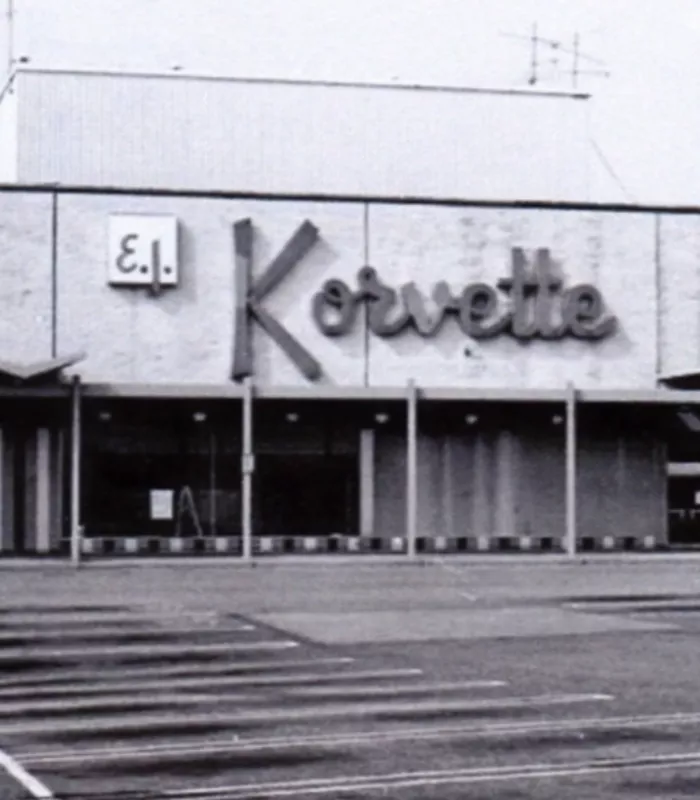
E.J. Korvette revolutionized discount shopping when it launched in 1948.
Founded by World War II veteran Eugene Ferkauf and his friend Joe Zwillenberg, the chain challenged traditional retail pricing.
The stores featured department-based cashiers instead of central checkouts.
Large locations included full supermarkets, pharmacies, pet stores, and tire centers.
The company opened its 45th store at the former Saks location on Herald Square in November 1967.
At its peak, Korvette had five stores in the Chicago area alone.
That’s why shoppers loved it: you could find everything from appliances to groceries under one roof.
However, the company expanded too quickly and took on massive debt.
By the early 1980s, all E.J. Korvette stores had closed their doors.
Why It’s On This List: Korvette defined the modern discount department store concept but couldn’t sustain its rapid expansion.
3. Gimbels, Pennsylvania and Beyond
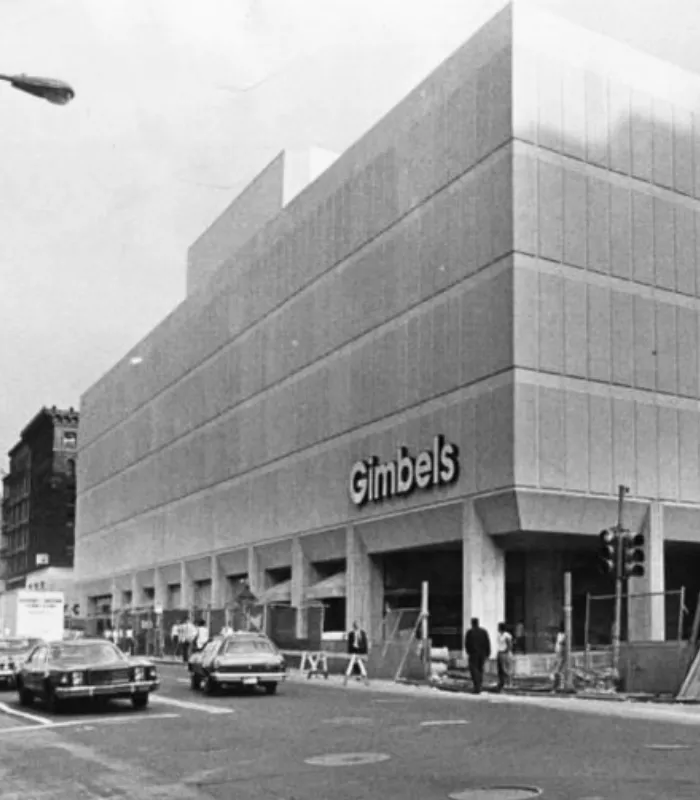
Gimbels was a legendary department store that competed directly with Macy’s for decades.
The chain expanded to 53 stores by 1965, operating in Pennsylvania, New York, New Jersey, Wisconsin, and Connecticut.
The downtown Milwaukee store, where founder Adam Gimbel first found success, was reportedly the most profitable location.
Throughout the 1970s, Gimbels remained a shopping destination for quality merchandise.
But the company struggled to maintain profitability in changing retail markets.
Parent company BATUS decided in 1986 that Gimbels was a marginal performer.
Sales continued to decline even after some stores were converted to other brands.
The entire chain liquidated in June 1986, ending 121 years of operation.
Want me to tell you the irony? Some locations were taken over by Stern’s, which also eventually failed.
Why It’s On This List: Gimbels couldn’t adapt to suburban shopping trends and lost ground to more agile competitors.
4. Zayre, Massachusetts and Eastern States
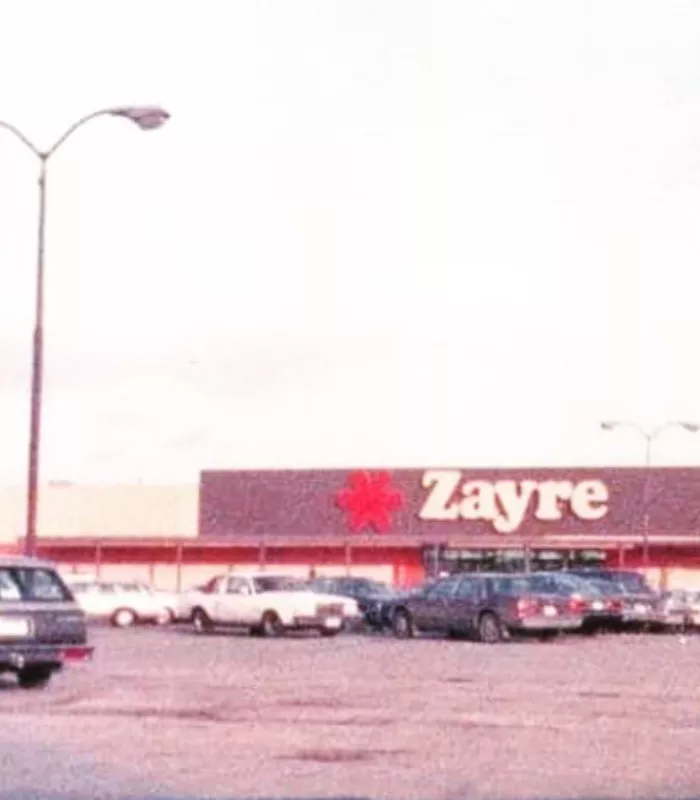
Zayre was America’s fifth largest discount retailer at its peak.
The company’s headquarters sat in Framingham, Massachusetts, where it all started.
By the 1970s, Zayre operated hundreds of stores across the eastern United States.
The chain earned loyalty from budget-conscious families who needed quality goods at low prices.
Zayre stores featured general merchandise departments with affordable pricing.
You’re better off knowing the truth: rapid expansion and mounting debt caught up with the company.
Sales couldn’t keep pace with the company’s aggressive growth strategy.
In October 1988, Zayre sold all 400 stores to competitor Ames Department Stores.
By 1990, every Zayre store had either closed or been converted to an Ames location.
Why It’s On This List: Zayre’s legacy lives on through its spinoff TJX Companies, which includes TJ Maxx and Marshalls.
5. W.T. Grant, Nationwide Presence
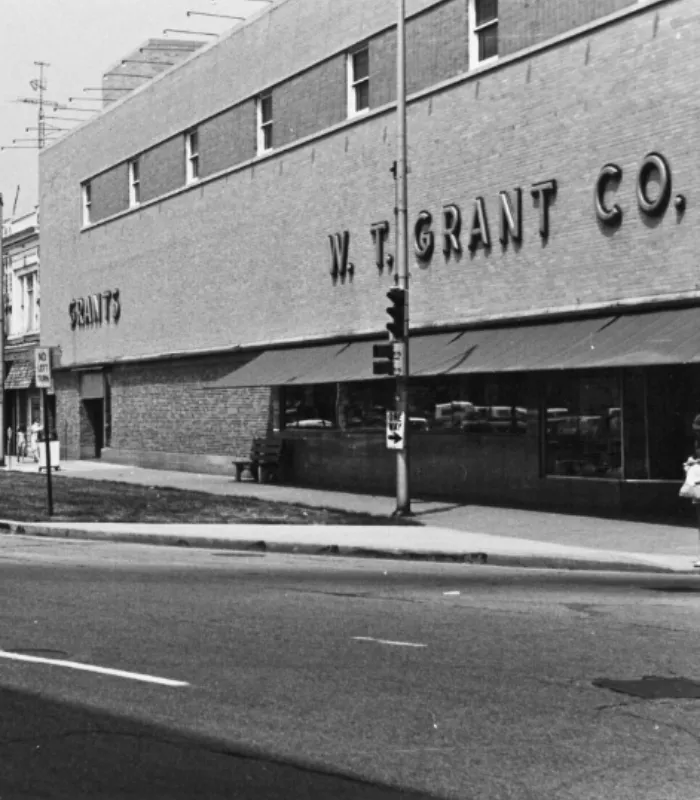
Grant’s was one of America’s largest retail chains during the 1970s.
The company operated a peak of 1,074 stores across 42 states.
Founded in 1906, Grant’s built larger “Grant City” stores during the 1960s to compete with Kmart.
But here’s the problem: these new stores lacked uniform size and layout.
Shoppers couldn’t feel immediately comfortable in unfamiliar Grant locations.
The company suffered multi-million-dollar losses throughout the early 1970s.
In October 1975, Grants filed for bankruptcy with debts exceeding $1 billion.
It was the largest retail bankruptcy until Kmart filed in 2002.
A federal judge ordered the remaining 359 stores to close within two months in early 1976.
By April 1976, all Grants stores were gone forever.
Why It’s On This List: Grant’s was too slow to adapt to suburban shopping habits and couldn’t compete with more modern discount chains.
6. Two Guys, New Jersey and Northeast

Two Guys was founded in 1946 by brothers Herbert and Sidney Hubschman in Harrison, New Jersey.
The chain originally focused on selling major appliances like televisions.
The company acquired Vornado appliance brand manufacturers in 1959.
Two Guys spread to more than 100 locations across upstate New York, Pennsylvania, and as far as California.
The stores were known for no-frills discount pricing on quality merchandise.
I made a classic mistake thinking they’d last forever: my parents shopped there until 1982.
The company’s fortunes declined throughout the mid-to-late 1970s.
Fierce competition from Kmart and changing consumer preferences took their toll.
All Two Guys stores closed in February 1982 when parent company Vornado exited retailing.
Why It’s On This List: Two Guys pioneered the discount department store format but couldn’t modernize fast enough for the 1980s.
7. Abraham & Straus, New York
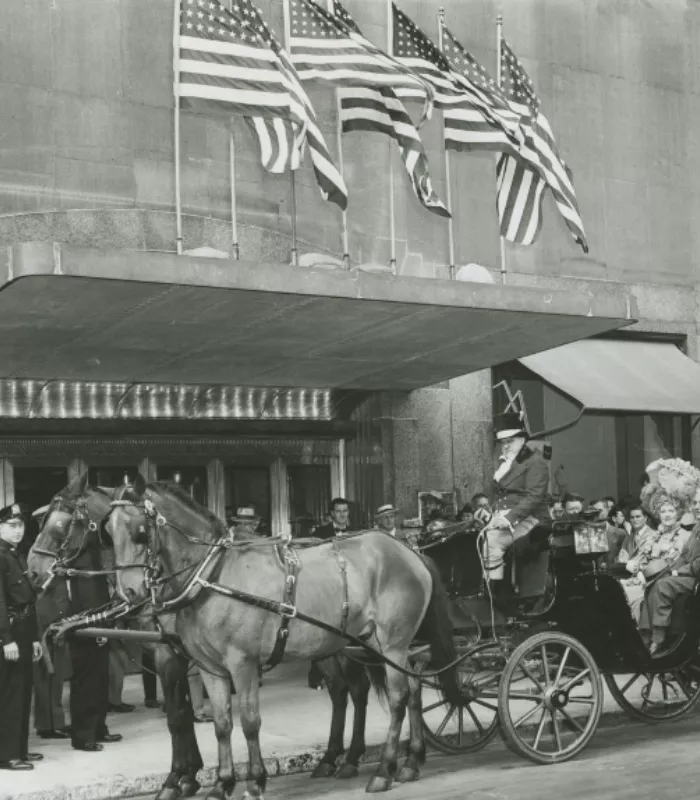
Abraham & Straus, shortened to A&S, was a major department store based in Brooklyn.
Founded in 1865, the chain became part of Federated Department Stores in 1929.
The flagship store on Fulton Street in Brooklyn was a shopping landmark.
In the mid-1970s, A&S hired local students as “living mannequins” wearing the latest fashions.
These models would stand in store windows for one-hour intervals, drawing massive crowds.
The displays became so popular they often stopped traffic and created safety hazards.
Federated attempted to update A&S’s image throughout the 1970s with new, upscale stores.
After Federated acquired Macy’s in 1994, the company eliminated the A&S brand.
Most A&S locations became Macy’s stores, ending 129 years of independent operation.
Why It’s On This List: A&S was absorbed into Macy’s as part of retail consolidation, losing its unique Brooklyn identity.
8. Thom McAn, Nationwide Chain
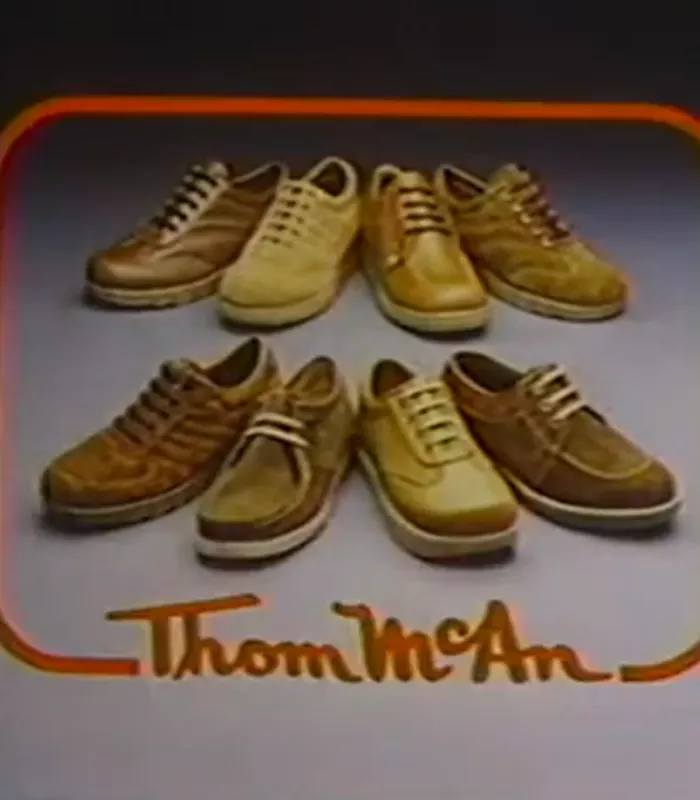
Thom McAn was one of America’s oldest and best-known shoe retailers.
The first store opened in New York in 1922, selling simple styles at low fixed prices.
By 1939, more than 650 Thom McAn stores operated nationwide.
The chain became a national presence in the 1960s and 1970s as malls proliferated.
By the end of the 1960s, parent company Melville operated 1,400 shoe stores.
Thom McAn stores were everywhere in shopping centers across America.
But sales began slipping in the early 1980s as athletic shoe lines gained popularity.
The company closed 72 outlets in 1985 as part of restructuring efforts.
In 1992, Melville announced it would close 350 of the remaining 730 Thom McAn stores.
By 1996, all remaining Thom McAn retail stores had closed completely.
Why It’s On This List: Thom McAn’s conservative, mid-priced styles couldn’t compete with the athletic footwear boom of the 1980s.
9. Kinney Shoes, United States and Canada
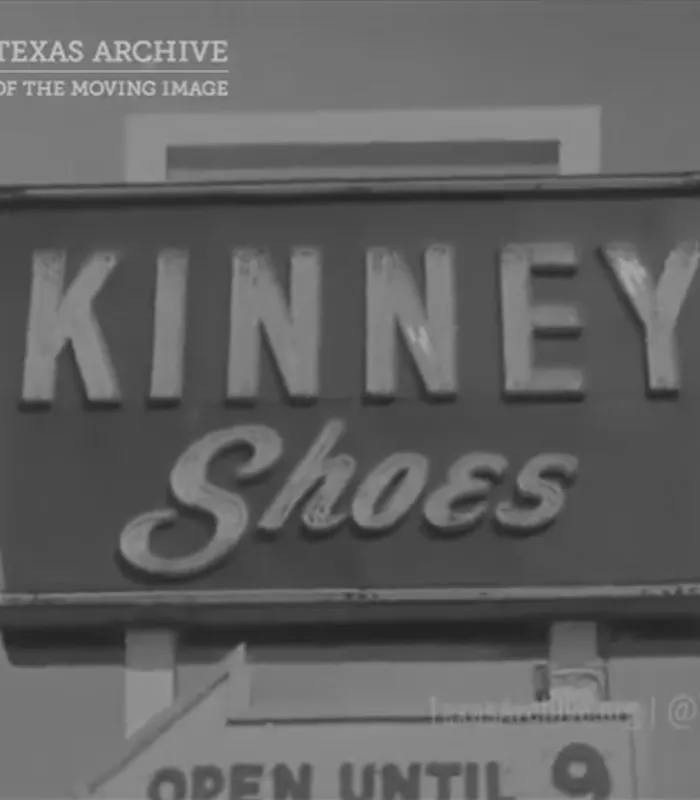
Kinney Shoes was the largest family chain shoe retailer in America.
Founded in 1894, the company built its reputation on affordable shoes for working Americans.
The chain numbered 362 stores by the end of 1929.
Kinney expanded dramatically during the 1960s and 1970s with multiple divisions.
By 1974, Kinney operated 1,449 stores and 291 leased departments in other stores.
Sales reached $495 million for the fiscal year ending January 1975.
The company dubbed itself “The Great American Shoe Store” in the 1970s.
But here’s the deal: Kinney’s parent company eventually focused entirely on its Foot Locker division.
On September 16, 1998, Kinney’s 467 shoe stores and 103 Footquarters stores closed.
The Foot Locker division, started in 1974, continues successfully today.
Why It’s On This List: Kinney was phased out as parent company Woolworth shifted resources to the more profitable Foot Locker brand.
10. Montgomery Ward, Nationwide Operations
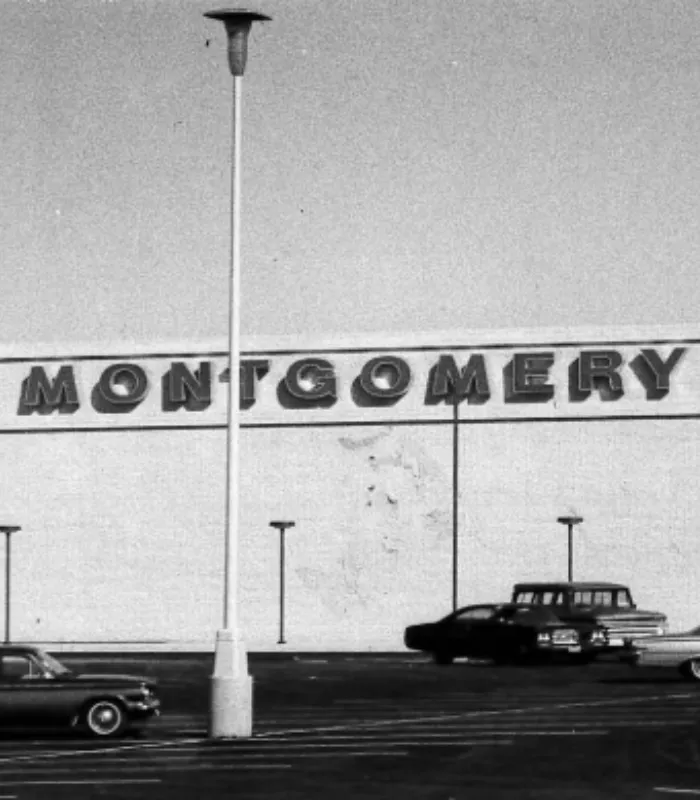
Montgomery Ward was a retail pioneer that started as a mail-order business.
The company opened its first retail outlet in Plymouth, Indiana, in 1926.
By 1929, Montgomery Ward operated more than 531 stores nationwide.
The chain became America’s largest retailer by the end of the 1930s.
“Green awning” stores dotted hundreds of small towns across the country.
In 1973, the company purchased Jefferson Stores, a Miami-based discount chain.
Montgomery Ward was acquired by Mobil Oil in 1976 during an oil-boom diversification.
The company struggled throughout the 1970s with outdated stores and poor locations.
Conservative management decisions prevented investment in new shopping center locations.
By the 1980s, Montgomery Ward had fallen far behind competitors like Sears.
Why It’s On This List: Montgomery Ward failed to invest in modern retail locations and couldn’t compete in the changing suburban marketplace.
11. Ames Department Stores, Northeastern States
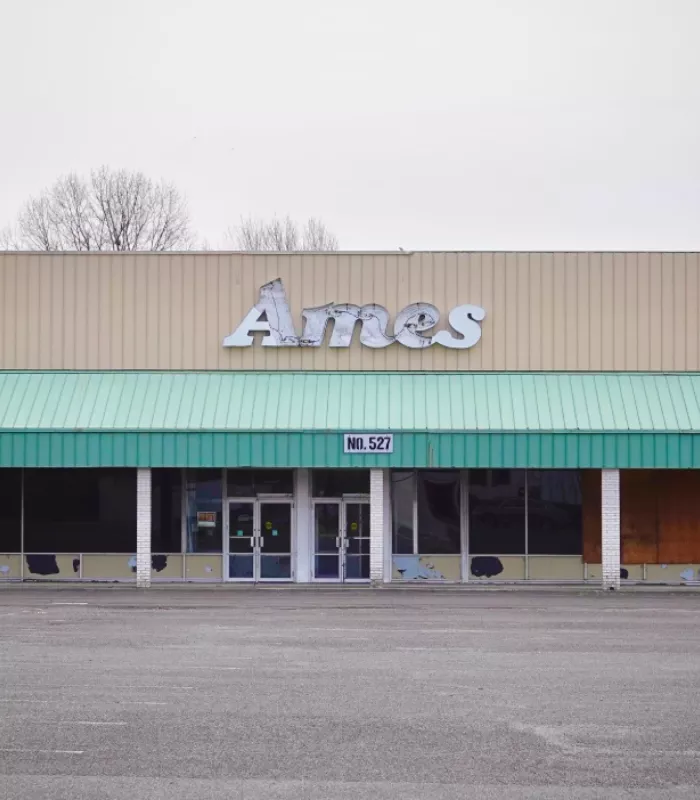
Ames was founded in 1958 in Southbridge, Massachusetts.
The company went public as Ames Department Stores, Inc. in 1962.
By 1970, there were 23 Ames stores in operation with $50 million in annual sales.
The chain expanded throughout the 1970s and 1980s, becoming a major discount retailer.
In 1988, Ames acquired all 400 Zayre stores in a massive expansion.
The company struggled with debt from this acquisition and filed for bankruptcy in 1990.
After emerging from bankruptcy, Ames continued to operate through the 1990s.
But here’s the catch: the company filed for Chapter 11 bankruptcy protection again in August 2001.
On August 14, 2002, Ames announced it would close all remaining 327 stores after 44 years of operation.
Continued soft sales and supplier problems reduced funds below critical levels.
Why It’s On This List: Ames expanded too rapidly by acquiring struggling competitors, ultimately drowning in debt it couldn’t escape.
12. Jamesway, Northeastern and Mid-Atlantic
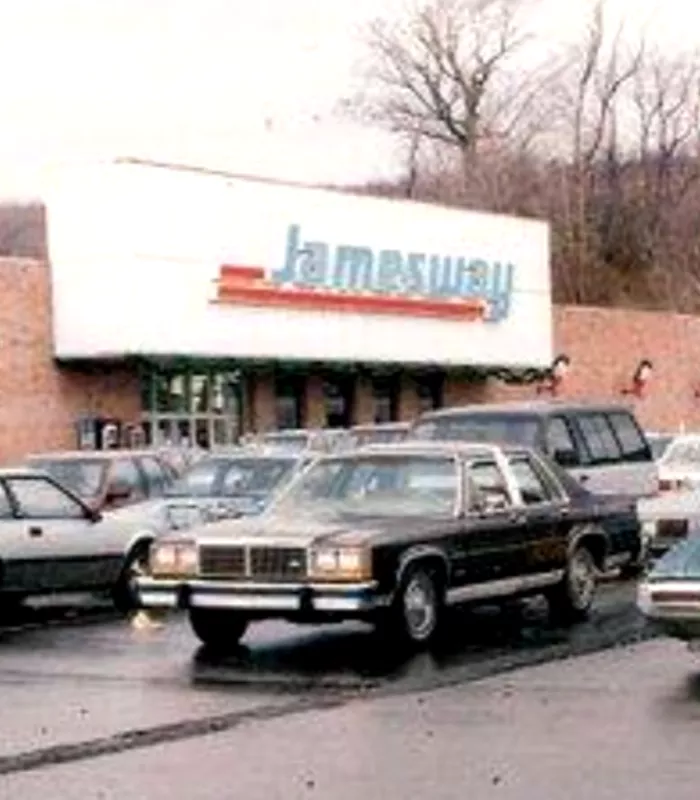
Jamesway was founded in 1961 with a single store in Jamestown, New York.
The chain expanded rapidly through the 1960s and continued growing until the 1980s.
At its peak in 1991, Jamesway operated 138 stores throughout the Northeast and Mid-Atlantic regions.
The company acquired properties from defunct stores like Two Guys, Woolco, and King’s.
They also purchased the Westons chain of discount stores in the late 1970s.
The company had 7,400 employees and sales of $1.05 billion when problems started.
Jamesway filed for Chapter 11 bankruptcy protection on July 19, 1993.
In December 1993, the company announced it would close 14 stores and remodel 11 others.
The chain emerged from bankruptcy in January 1995 with 90 stores remaining.
That’s why it shocked everyone when Jamesway filed for bankruptcy again in October 1995 and closed all stores by year-end.
Why It’s On This List: Walmart opened stores in Jamesway’s territories, making the regional chain’s fate inescapable.
13. Caldor, Connecticut and Eastern States
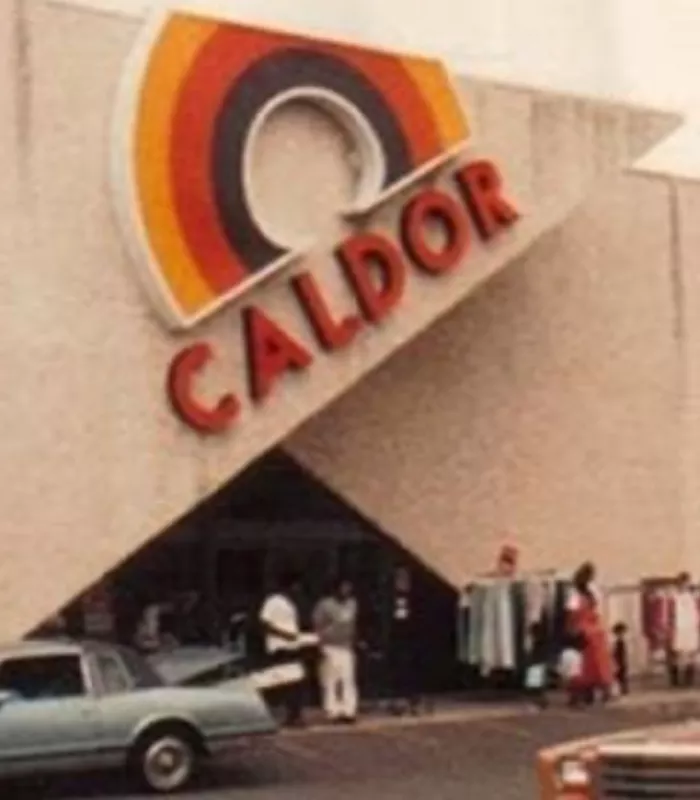
Caldor was founded in 1951 by husband and wife Carl and Dorothy Bennett in Port Chester, New York.
The couple was inspired after shopping at an E.J. Korvette store in New York City.
They opened a second-story “Walk-Up-&-Save” operation that emphasized quality merchandise at discount prices.
By 1963, Caldor had expanded to Peekskill, Danbury, and Hamden.
The company went public in 1961 with Carl as president and Dorothy as treasurer.
By 1981, Caldor operated 63 stores with revenues approaching $700 million annually.
The chain was nicknamed “the Bloomingdale’s of discounting” for its upscale approach.
Caldor stores featured better lighting, department store services, and quality goods.
You’re better off knowing Caldor upgraded its stores throughout the 1970s and early 1980s.
The company ultimately filed for bankruptcy in 1995 and closed all stores in 1999.
Why It’s On This List: Caldor couldn’t compete with Walmart, Kmart, and Target’s aggressive expansion into its markets.
14. Bradlees, Northeastern United States
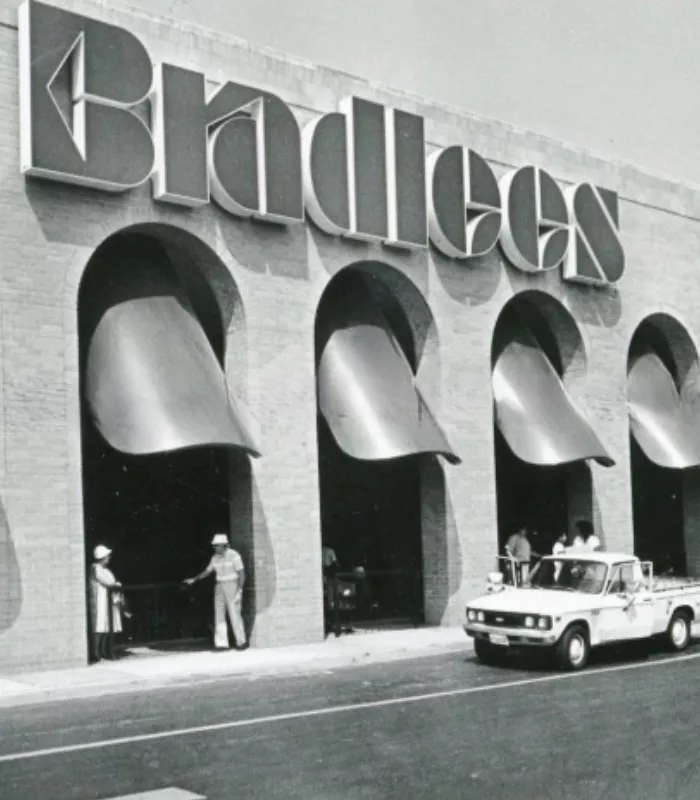
Bradlees was founded in 1958 in New London, Connecticut.
Stop & Shop purchased the store in 1961 and helped it expand across New England.
By 1968, the company operated 52 stores producing annual revenues of $139 million.
Bradlees hit its stride in the 1970s and 1980s with bright orange and yellow signage.
The stores focused on hardware, home goods, and women’s sportswear during the late 1970s.
In 1979, sales reached $634 million as the chain grew rapidly.
By 1982, Bradlees stores made up 78 percent of Stop & Shop’s total profits.
The company peaked at nearly 170 stores across the Northeast and Mid-Atlantic.
But Walmart, Kmart, and Target began taking market share throughout the 1980s and 1990s.
Bradlees filed for bankruptcy and closed all stores in 2001.
Why It’s On This List: The costs of rapid expansion and competition from national chains overwhelmed this regional favorite.
15. McCrory Stores, Nationwide Chain
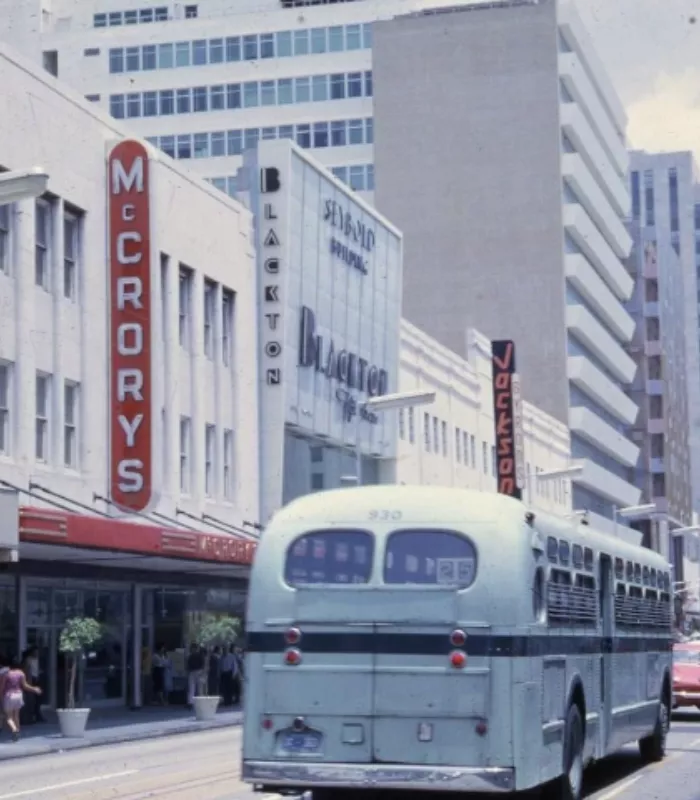
McCrory’s was a five and dime store chain based in York, Pennsylvania.
The stores sold shoes, clothing, housewares, candy, toys, and lunch-counter food.
By 1989, McCrory was operating an impressive 1,300 stores nationwide.
The chain included multiple brands like Kresge and J.J. Newberry under its umbrella.
McCrory’s faced serious challenges as shoppers migrated from inner cities to suburbs.
Big box superstores like Target and Walmart sealed the fate of the five and dimes.
In 1991, McCrory closed 229 stores and laid off 2,000 employees.
The company filed for Chapter 11 bankruptcy in 1992 with 820 stores remaining.
In 1997, McCrory’s closed 300 of its last 460 stores in massive liquidation.
In February 2002, all remaining McCrory, TG&Y, G.C. Murphy, and J.J. Newberry stores ceased operation.
Why It’s On This List: The five and dime format couldn’t survive the rise of modern discount superstores.
16. B. Altman and Company, New York
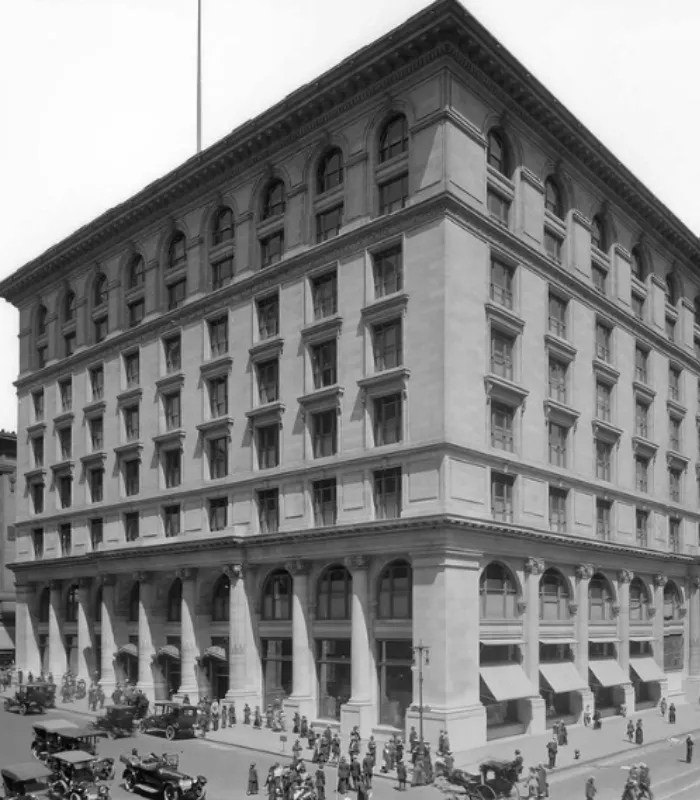
B. Altman was founded by Benjamin Altman in 1865 at 10th Street and Third Avenue in Manhattan.
The store moved to Sixth Avenue in 1877 in a grand Neo-Grec building.
In 1906, Altman’s relocated to midtown Manhattan at 34th and 35th Streets.
It was the first major department store to leave the Ladies Mile shopping district.
The elegant store featured eight floors of retail space in Italian Renaissance style.
Throughout the 1970s, B. Altman was home to fashions by Halston and Calvin Klein.
The store sold furs, enormous wedding dresses, and even furniture on its upper floors.
But by the 1980s, B. Altman was in decline and became a sad shadow of itself.
The once-glamorous store struggled with theft and outdated merchandising.
B. Altman closed at the end of 1989 after 124 years of serving New York shoppers.
Why It’s On This List: B. Altman couldn’t modernize fast enough and lost its wealthy customer base to newer retailers.
17. Bonwit Teller, New York and Beyond
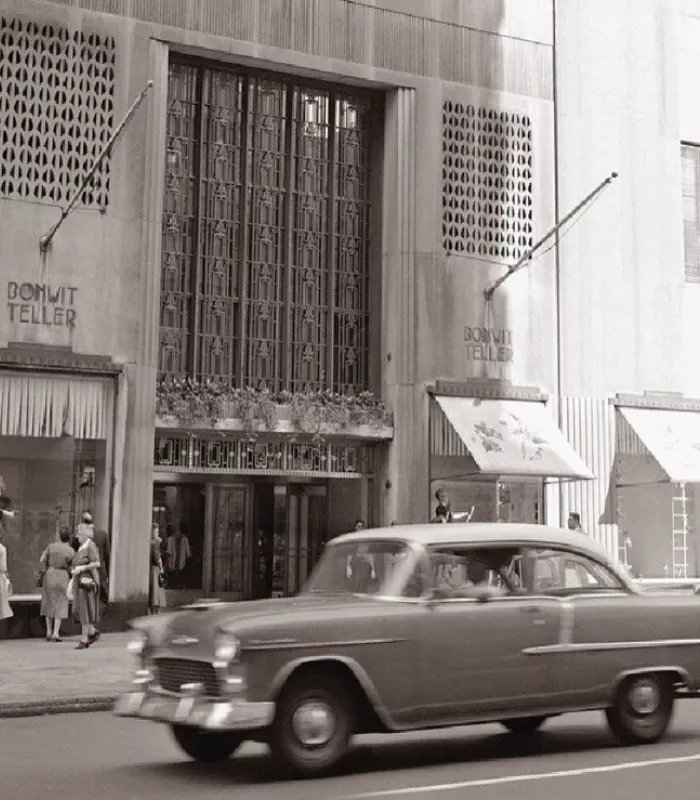
Bonwit Teller was founded by Paul Bonwit in 1895 at Sixth Avenue and 18th Street in New York.
Edmund D. Teller joined as partner in 1897, and the store moved to 23rd Street.
The partnership incorporated in 1907 and moved to Fifth Avenue and 38th Street.
In 1929, Bonwit opened its iconic Art Deco flagship at Fifth Avenue and 56th Street.
Eleanor Roosevelt attended the grand opening of the 12-story limestone building.
Bonwit specialized in high-end women’s apparel and became noted for merchandise quality.
The store featured avant-garde windows by Salvador Dali, Jasper Johns, and Andy Warhol.
Bonwit Teller was the first U.S. retailer to champion designers like Lanvin and Schiaparelli.
I made a classic mistake thinking luxury stores were immune to change.
The flagship store was demolished in 1980 to make way for Trump Tower.
Why It’s On This List: Bonwit Teller lost its flagship location and couldn’t maintain its luxury status in a changing retail market.