

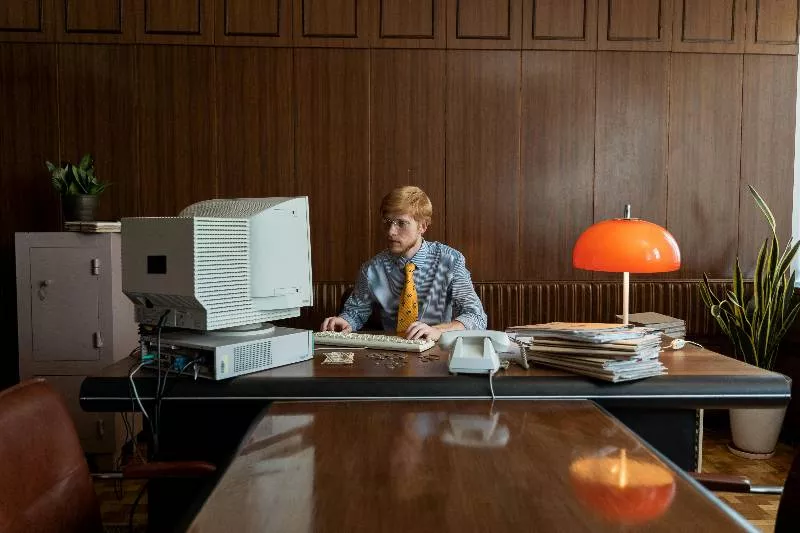
Carbon paper. Rolodexes. Smoke in every conference room.
Bosses who were called “sir” and never asked how you were feeling.
A workplace where your day ended at five and that was genuinely, permanently, the end of your workday.
These habits were not quirks. They were the architecture of a whole working world.
And most of them are gone.
1. Smoking at Your Desk

Smoking at work in the 1970s was as normal as drinking coffee.
Ashtrays sat on desks. Smoke hung in the air of offices, factories, and break rooms all day long.
An estimated 37% of American adults smoked in 1970, and most workplaces had no restrictions at all.
Non-smokers had no right to complain and no law to back them up.
The idea that smoking at work would one day be banned nationwide would have seemed laughable to most people.
Today, most Americans cannot even imagine it.
Why It’s On This List: Workplace smoking is one of the most vivid memories 70s workers share. It shaped the physical environment of every office, factory, and shop floor in America.
2. Three-Martini Lunches
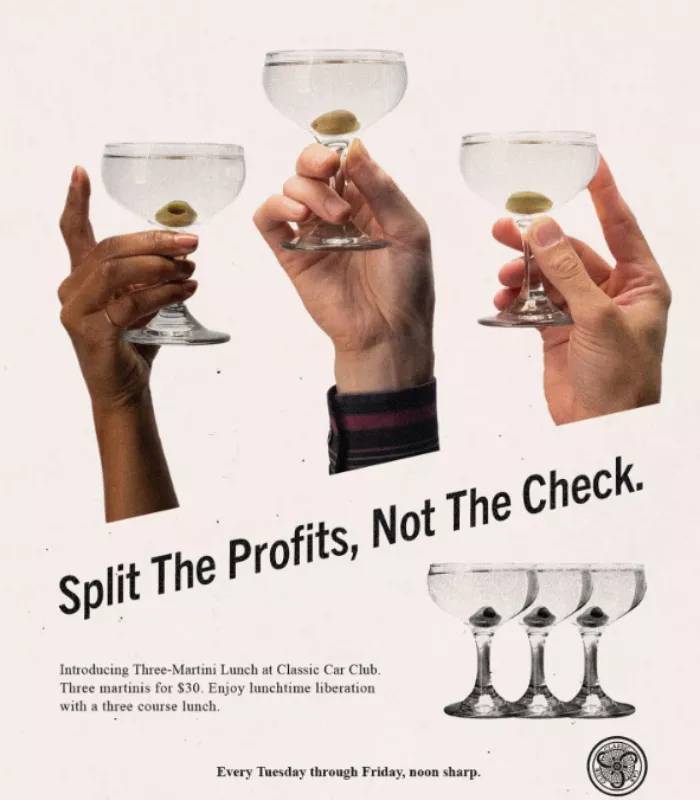
Drinking at lunch was not just tolerated in the 1970s. In many industries, it was expected.
Business deals were made over long lunches with multiple cocktails.
The “three-martini lunch” was so common that President Ford referenced it in a 1978 speech as a symbol of business excess.
Going back to work after two or three drinks was not unusual. Nobody talked about it.
The idea of a “dry” business lunch was considered stiff or unsociable in many circles.
It was a different world with very different norms.
Why It’s On This List: The three-martini lunch is almost a cliche now, but it was a genuine workplace habit of the 70s. How we conduct business over food and drink has changed completely.
3. Typing Pools
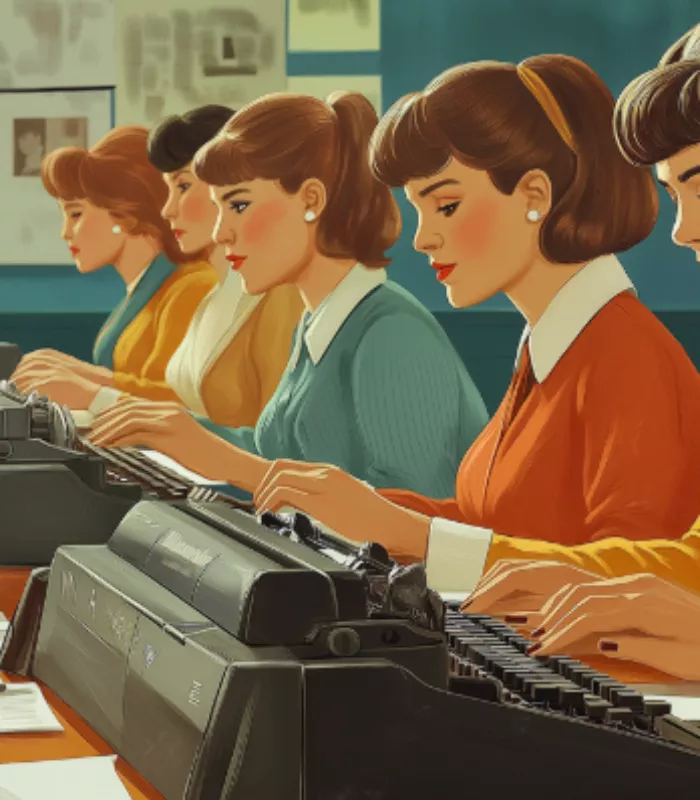
Before computers, offices ran on typing pools.
Rows of workers, almost always women, sat at typewriters and typed memos, letters, and reports all day long.
A skilled typist could type 80 to 100 words per minute and was considered a highly valuable employee.
Executives would dictate into a machine or hand-write their notes and send them to the pool to be typed up.
The electric typewriter was cutting-edge technology in the early 70s.
The arrival of personal computers in the early 80s ended the typing pool almost overnight.
Why It’s On This List: Typing pools were the engine of the 70s office. Anyone who worked in an office back then remembers the sound of dozens of typewriters clicking at once.
4. Using Carbon Paper
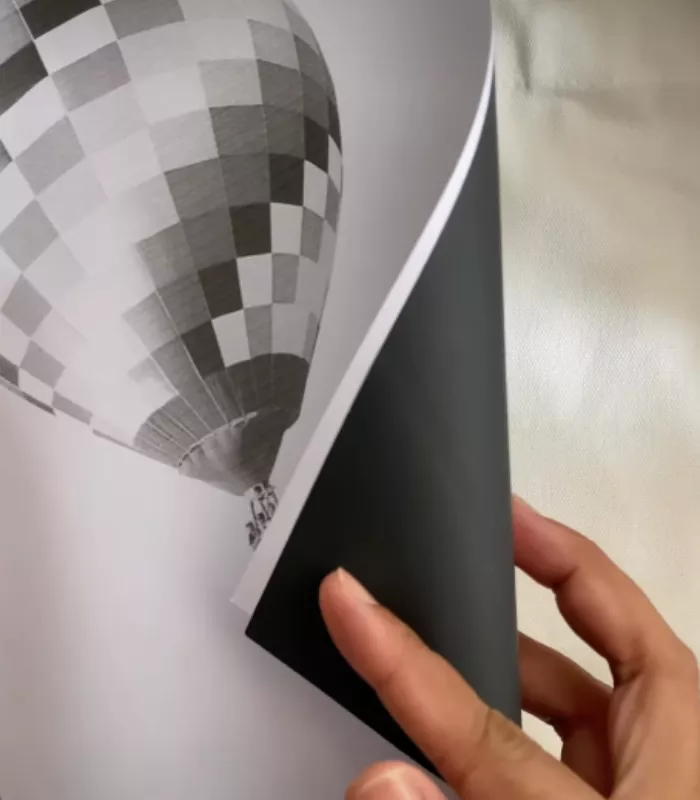
Before photocopiers became common, carbon paper was how you made copies.
You placed a thin sheet of carbon paper between two sheets of regular paper and typed or wrote on the top sheet.
The impression pressed through and created a copy on the bottom sheet, though it was often smudged or faint.
Workers kept their fingers perpetually stained with carbon ink.
Getting multiple clear copies meant typing harder and hoping for the best.
The Xerox machine changed everything, but carbon paper was still common in many 70s workplaces.
Why It’s On This List: Carbon paper was a daily part of 70s office life. Anyone who used it remembers the smudges, the mess, and the relief when photocopiers finally took over.
5. Punching a Time Clock
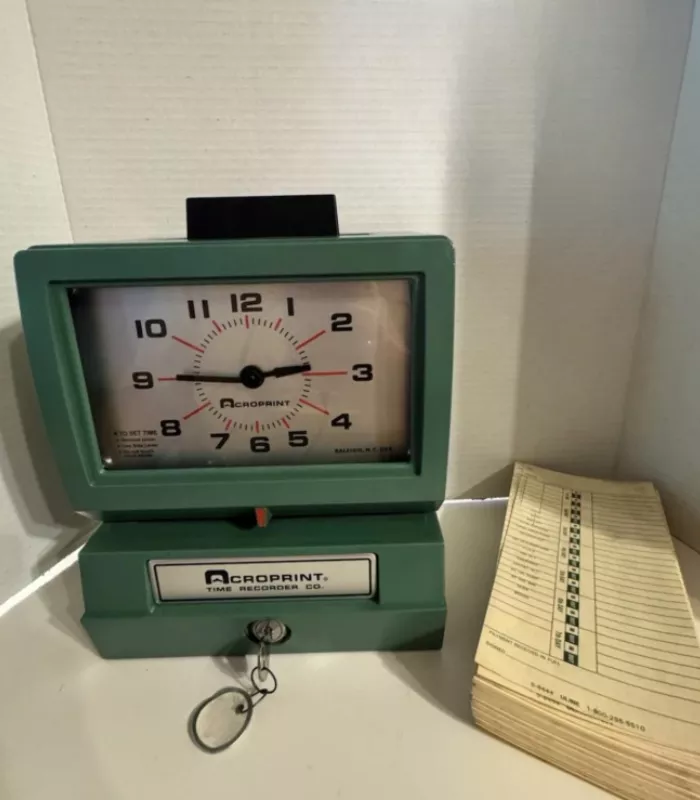
Time clocks were everywhere in 1970s workplaces, from factories to offices to retail stores.
Workers punched in when they arrived and punched out when they left.
Even a few minutes late could result in docked pay or a formal warning.
The time clock was a physical symbol of who was in control and who was not.
Managers often did not punch in. Workers almost always did.
Digital time tracking has replaced most punch clocks, but the habit of watching the clock has never gone away.
Why It’s On This List: The time clock defined the rhythm of the 70s workday. It was one of the most visible dividing lines between hourly workers and everyone else.
6. Taking Dictation
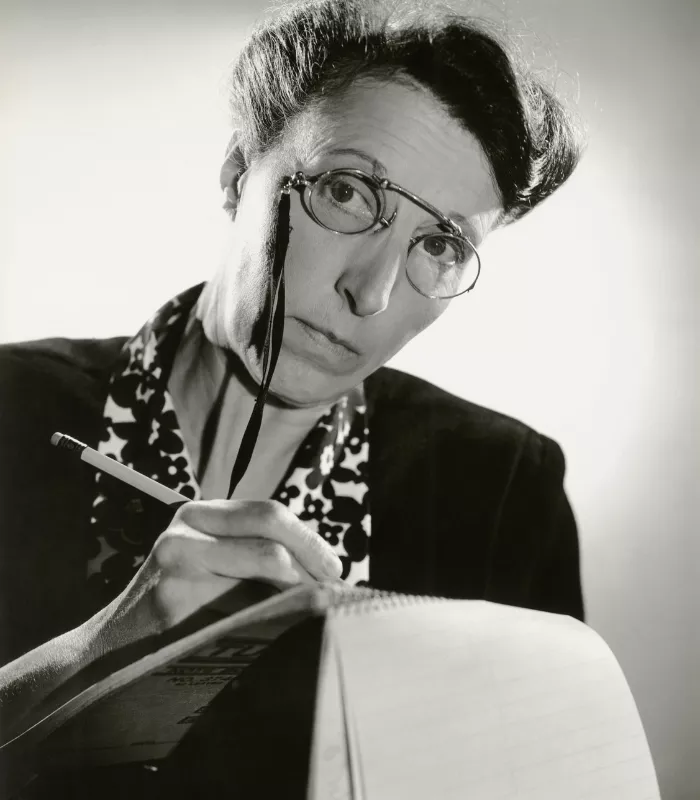
Shorthand was a skill that secretaries spent years learning in the 1970s.
Executives would speak, and assistants would write in a specialized abbreviated code, then transcribe it later.
Gregg Shorthand, the most popular system, could allow trained writers to record up to 200 words per minute.
It was a demanding professional skill that took real training to master.
Dictation machines also became common in the 70s, where bosses recorded their words on cassette tapes for typists to transcribe.
Both skills vanished almost completely once executives started typing their own emails.
Why It’s On This List: Taking dictation was a respected professional skill in the 70s. Its disappearance tells the story of how technology quietly eliminated entire job functions.
7. Coffee Breaks at Set Times
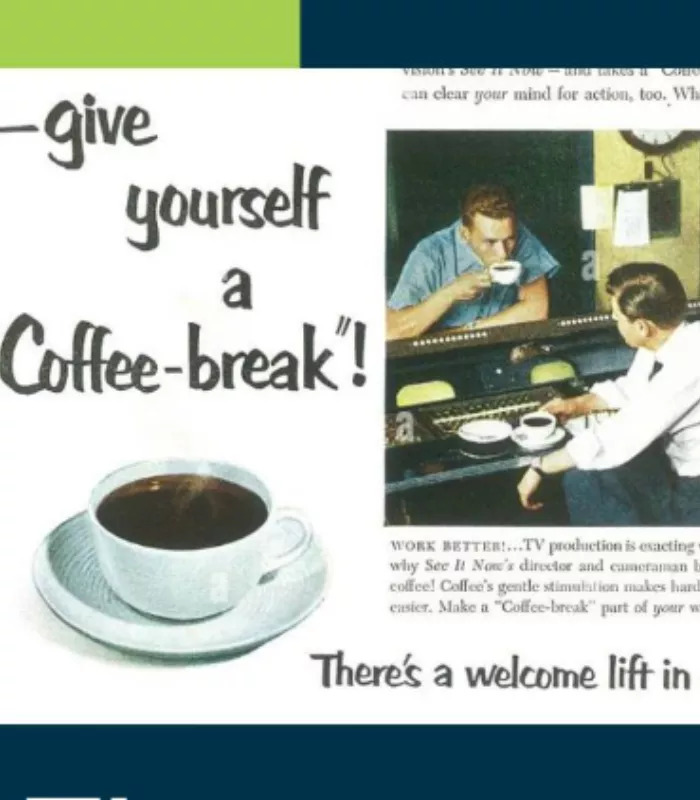
In the 1970s, coffee breaks were structured, scheduled, and sometimes mandatory parts of the workday.
Many workplaces had official 15-minute breaks in the morning and afternoon, where workers stopped and gathered.
Labor agreements often specified exactly when and how long breaks could be.
The coffee break was not just about caffeine. It was a social institution.
Workers shared news, built friendships, and processed the day together around the coffee pot.
Today, most workers grab coffee whenever they want. The scheduled break as a community ritual is largely gone.
Why It’s On This List: The scheduled coffee break was a cornerstone of 70s workplace culture. It shaped how workers connected with each other in ways that modern work rarely replicates.
8. Paper Memos for Everything
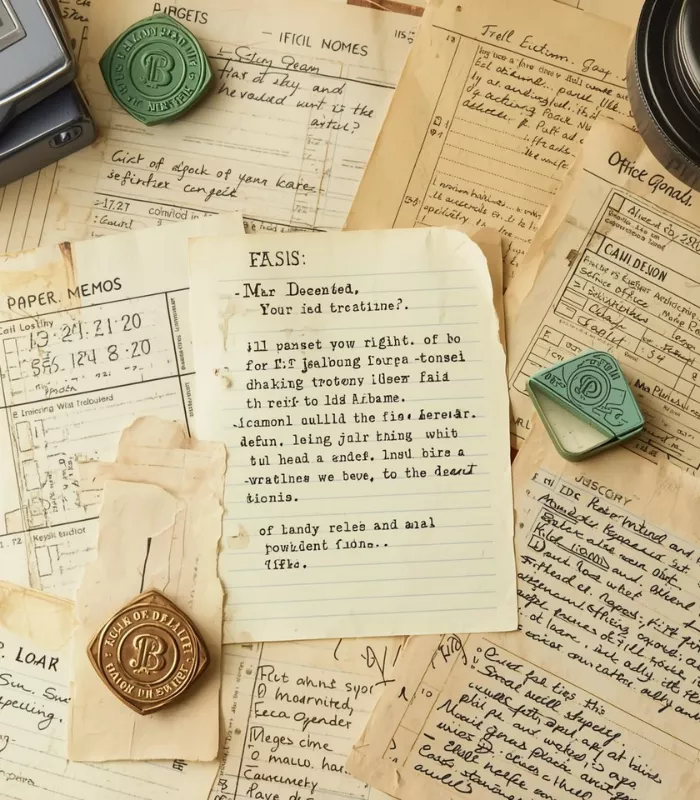
In the 1970s, communication at work moved on paper.
If you needed to tell someone something, you wrote a memo, had it typed, and sent it through internal mail.
Large companies had their own inter-office mail systems, with daily delivery rounds to every department.
Urgent messages might be hand-delivered. Non-urgent ones could take a day or two to arrive.
Decisions that now happen in seconds over email could take a week to work through the memo system.
The paper trail was real, physical, and often filed in towering metal cabinets.
Why It’s On This List: Paper memos defined how 70s workplaces communicated. The shift from paper to digital changed not just how fast decisions moved, but how permanent they felt.
9. Working Through Lunch
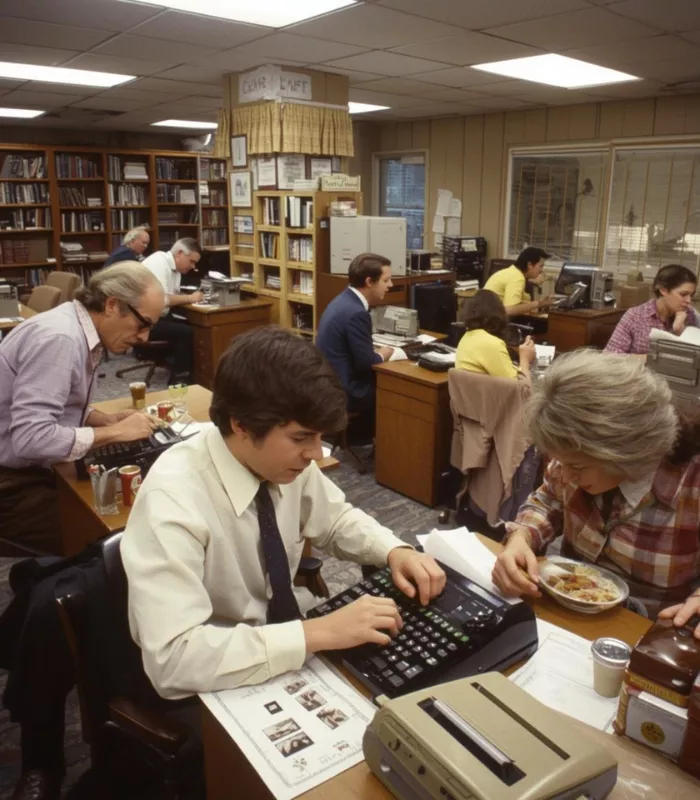
Working through lunch in the 1970s was seen differently depending on where you sat in the hierarchy.
Executives took long lunches as a power move. Hourly workers eating at their desks were just trying to keep up.
Many labor contracts in the 70s actually required employers to provide a real lunch break, not just allow one.
The culture around lunch was a reflection of company culture overall.
Some workplaces had full cafeterias. Others had vending machines and a folding table.
How you spent your lunch hour said a lot about your status in the building.
Why It’s On This List: Lunch habits in the 70s workplace revealed a lot about power, status, and culture. The way people ate at work has changed, but the status signals around it have not.
10. Formal Dress Every Day
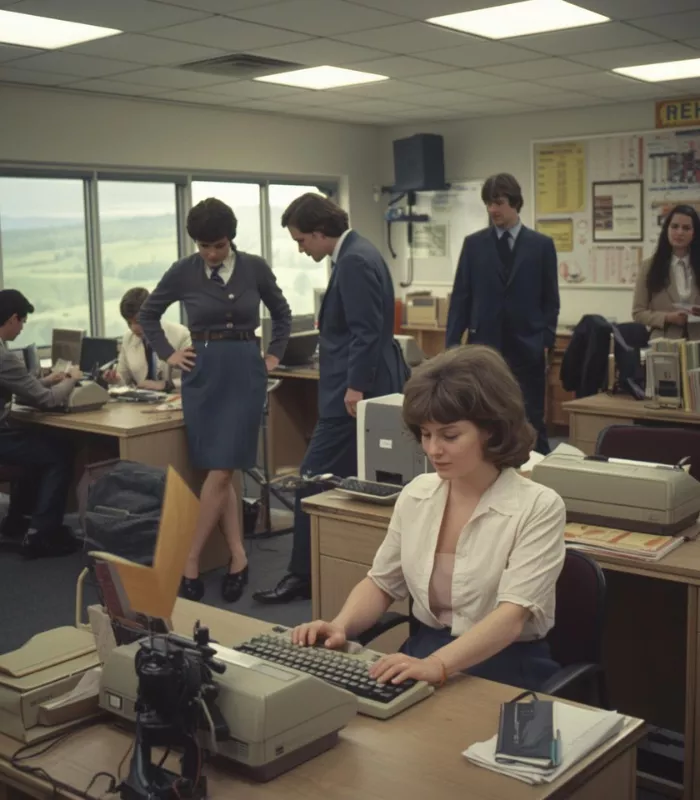
In the 1970s, most office workers dressed formally every single workday.
Men wore suits, ties, and dress shoes without exception in most professional settings.
Women were often required to wear skirts or dresses, with pants still banned in some offices well into the early 70s.
“Casual Friday” did not exist yet. The very concept would have confused most 70s managers.
Clothing was seen as a signal of professionalism, and breaking the dress code could have real career consequences.
The shift toward business casual did not start gaining traction until the late 1980s.
Why It’s On This List: The formal dress culture of the 70s workplace set the standard for what “professional” looked like. The slow loosening of that standard is one of the most gradual changes in work culture history.
11. Calling the Boss “Sir” or “Ma’am”

Workplace hierarchy in the 1970s was formal and clearly expressed through language.
Calling your supervisor by their first name was often seen as disrespectful or presumptuous.
Many organizations had strict unwritten rules about titles, with “Mr.” and “Mrs.” used well into the working relationship.
The boss’s office was a place you entered when called, not when you felt like dropping by.
Open-door policies were rare. Closed doors were the norm.
Familiarity was something you earned over years, not assumed on day one.
Why It’s On This List: The language of the 70s workplace told you exactly where you stood. How we address coworkers and bosses today would seem shockingly casual to most 70s workers.
12. Friday Afternoon Drinks in the Office
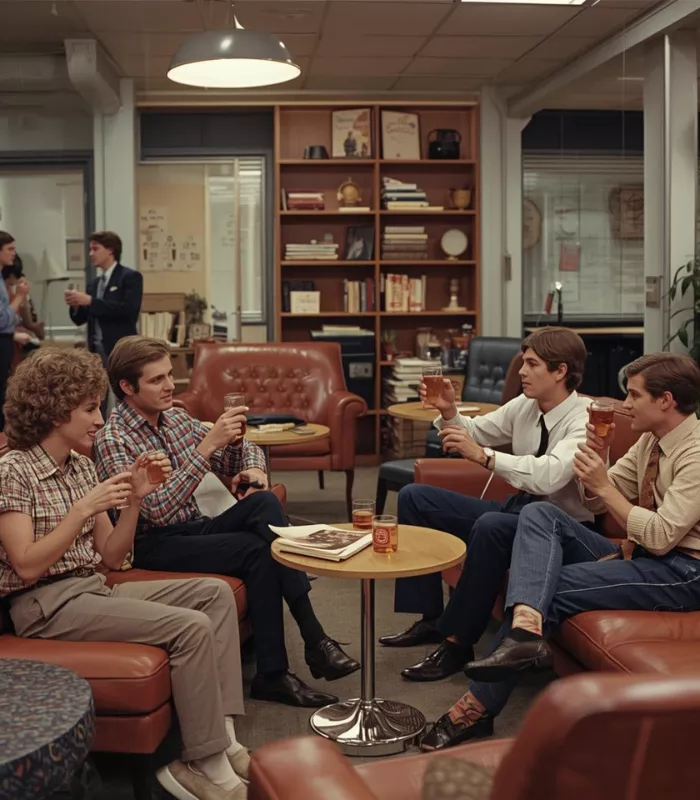
Many workplaces in the 1970s had a Friday afternoon tradition of drinks in the office.
Bottles of whiskey or beer in the bottom drawer were not unusual.
Some companies had full office bars stocked for client meetings and end-of-week wind-downs.
This was especially common in advertising, finance, and law firms.
The line between socializing and working was blurry by design.
Today, most companies have strict policies against alcohol in the workplace. The Friday bar cart is a distant memory.
Why It’s On This List: Friday drinks were a genuine part of 70s office culture. It shaped relationships, deals, and sometimes careers in ways that would raise serious HR concerns today.
13. Keeping Physical Rolodexes
Before smartphones and digital contacts, the Rolodex was the center of every professional’s work life.
A Rolodex was a rotating file of business cards and handwritten contact information sitting on your desk.
A thick, well-organized Rolodex was seen as a sign of experience and professional reach.
When someone left a company, their Rolodex went with them — and that was considered a career asset.
Losing your Rolodex was a genuine professional disaster before the age of digital backups.
The contacts inside it represented years of relationship-building that could not be recovered easily.
Why It’s On This List: The Rolodex was a symbol of professional identity in the 70s. It represented something LinkedIn and contact apps still try to replicate: a real, personal network built one card at a time.
14. Staying with One Company for Life
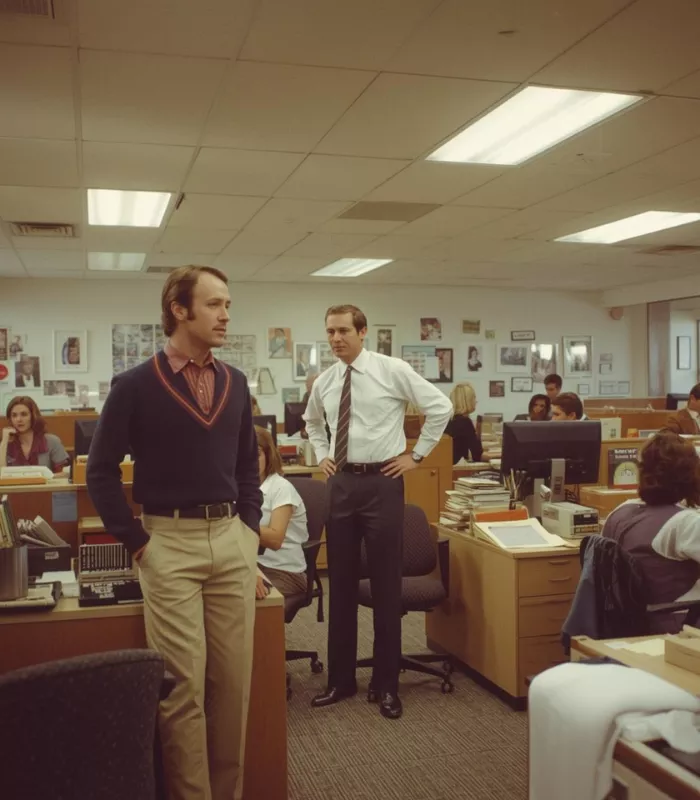
Job-hopping in the 1970s was seen as a red flag, not a resume highlight.
Workers were expected to join a company and stay, often for decades.
In exchange, many employers offered pensions, job security, and steady advancement based on loyalty and seniority.
Leaving for a competitor was sometimes seen as a personal betrayal.
Retirement parties after 30 or 40 years with the same company were common and celebrated.
That model has almost entirely disappeared from the American workplace.
Why It’s On This List: Lifetime employment with one company was the norm in the 70s, not the exception. The collapse of that model changed how workers think about loyalty, security, and career planning.
15. Using a Shared Phone Line
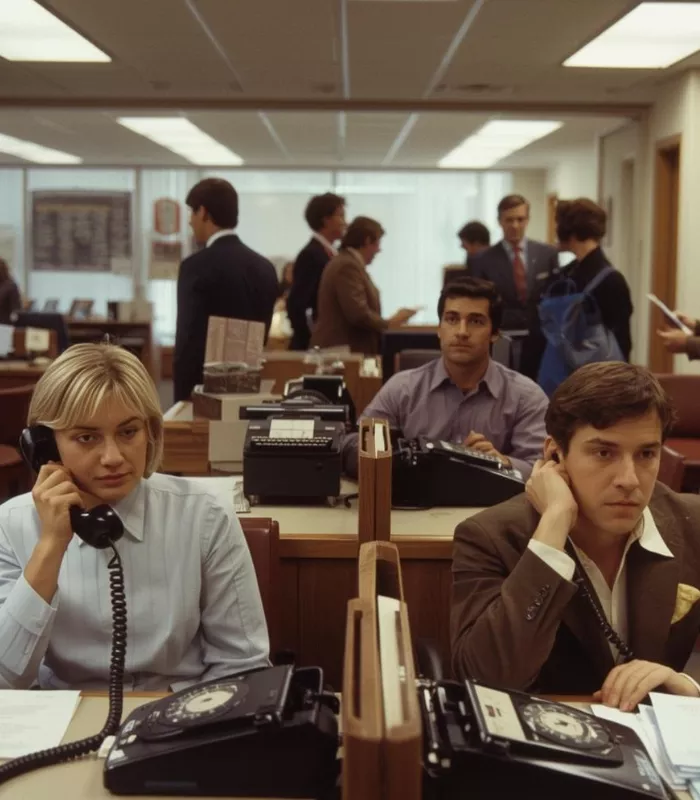
Personal phones at every desk were not a given in 1970s workplaces.
Many offices had shared phone lines where multiple people used the same number.
Receptionists answered all calls and transferred them by hand, often using a physical switchboard.
Taking a personal call at work was something done carefully and briefly.
There were no cell phones, no voicemail in the early 70s, and no way to reach someone who had stepped away from their desk.
If you missed a call, you might not find out for hours.
Why It’s On This List: Phone communication in the 70s workplace operated under completely different rules. The memory of tracking someone down because they missed a call is something only 70s workers truly understand.
16. Annual Performance Reviews as the Only Feedback
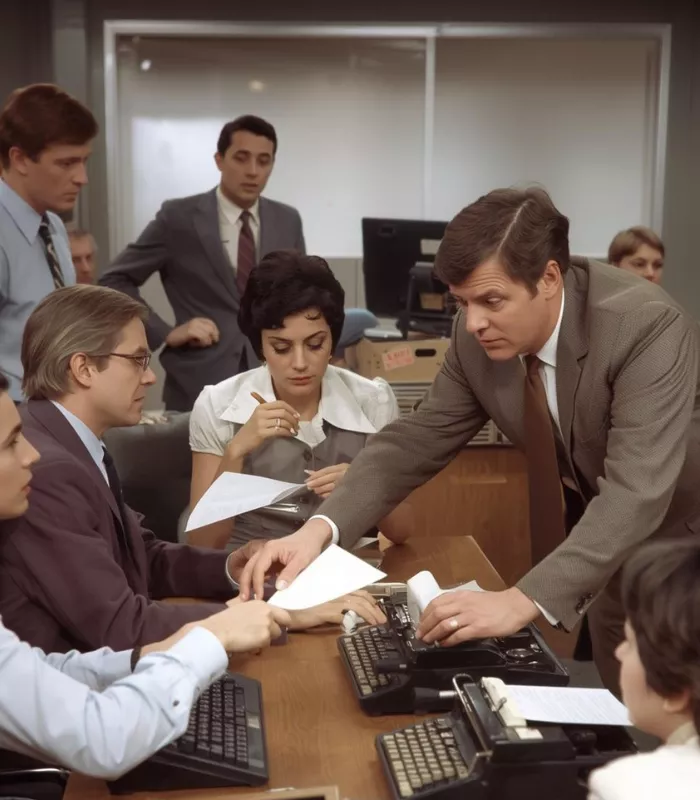
In the 1970s, most workers got formal feedback exactly once a year.
The annual performance review was the main — and often only — structured conversation about how you were doing.
Many workers spent months not knowing where they stood, then got a single meeting that determined their raise and future.
Day-to-day feedback from managers was informal at best and nonexistent at worst.
The annual review was high-stakes and often stressful because so much was riding on one conversation.
Today’s trend toward continuous feedback is a direct response to how poorly that system worked.
Why It’s On This List: The once-a-year review shaped how 70s workers understood their own performance. The anxiety it produced — and the things it missed — changed how we think about workplace communication.
17. No Answer After 5 PM
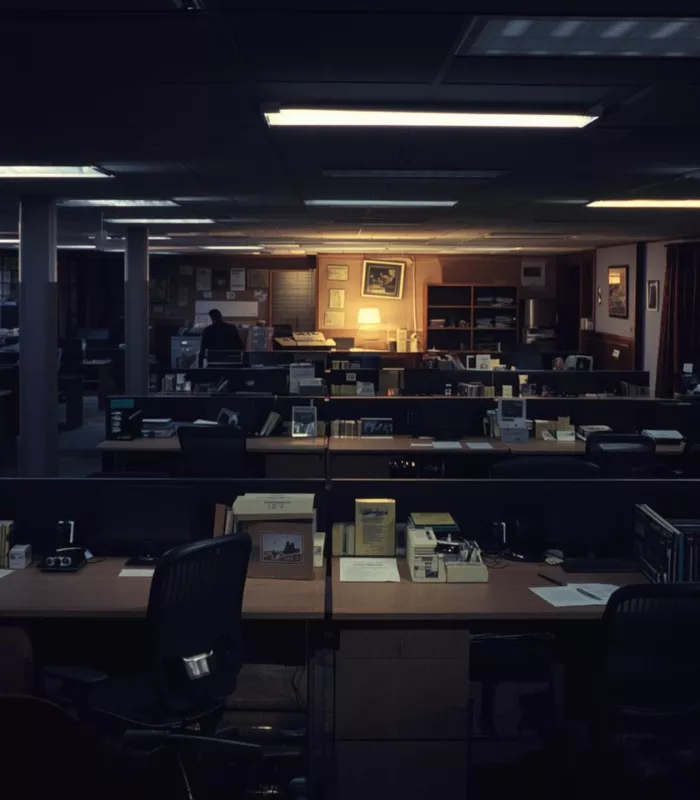
When you left work in the 1970s, you were genuinely unreachable.
No cell phones. No email. No pager for most workers.
Work ended when you walked out the door, and it stayed there until you walked back in.
Emergencies were handled by whoever was still in the building.
The concept of being “always available” to your employer was not just unusual. It was technically impossible.
Many people who worked in the 70s look back on that boundary as something they did not fully appreciate at the time.
Why It’s On This List: The hard stop at the end of the workday was a defining feature of 70s work life. It created a separation between work and home that most workers today have never experienced.
18. Bringing Homemade Food to Share
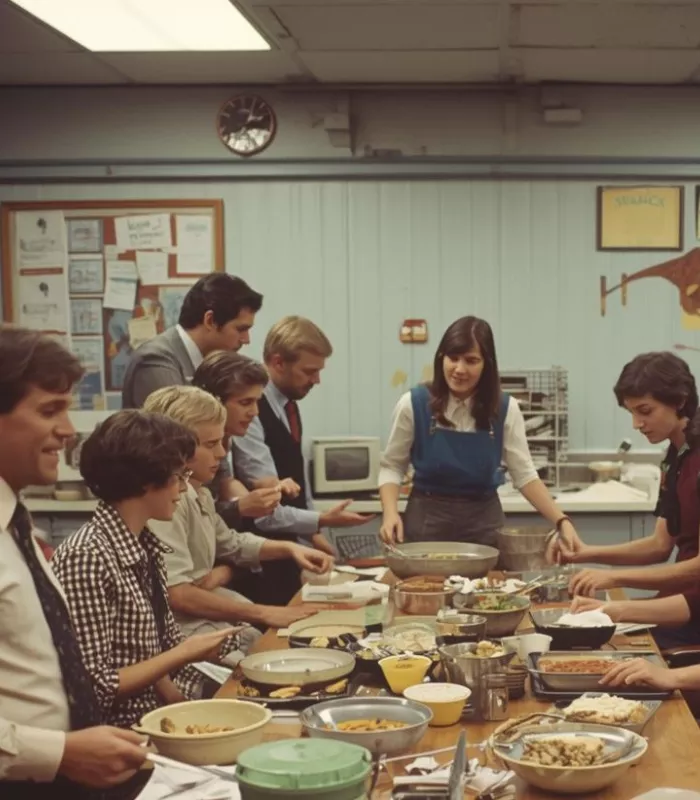
Sharing homemade food in the workplace was a big part of 70s work culture.
Birthdays, holidays, and plain old Fridays were reasons to bring in baked goods, casseroles, or treats.
Potluck lunches were a genuine bonding ritual in many offices and factories.
Food was a way of building relationships across departments and job titles.
People often remember their coworkers’ specialties decades later — the woman who made the best banana bread, the guy who brought his grandmother’s tamales.
This habit has not disappeared, but it is far less common in today’s more transient and remote workplaces.
Why It’s On This List: Shared food was a glue that held 70s workplaces together. It built the kind of personal connections that made work feel like more than just a job.
19. Doing Math by Hand or with a Slide Rule

Pocket calculators became available in the early 1970s, but they were expensive and not yet universal.
Many professionals still did calculations by hand or with a slide rule well into the decade.
A slide rule could handle complex calculations in seconds when used by someone trained on it — and it ran on zero batteries.
Engineers, accountants, and scientists carried them like tools of the trade.
When affordable electronic calculators finally arrived in the mid-70s, slide rules became obsolete almost instantly.
Entire generations had spent years mastering a skill that vanished in a matter of months.
Why It’s On This List: The shift from manual calculation to electronic tools happened fast and furiously in the 70s. It was one of the first moments when technology eliminated a skilled workplace habit overnight.
20. Keeping a Physical Appointment Book
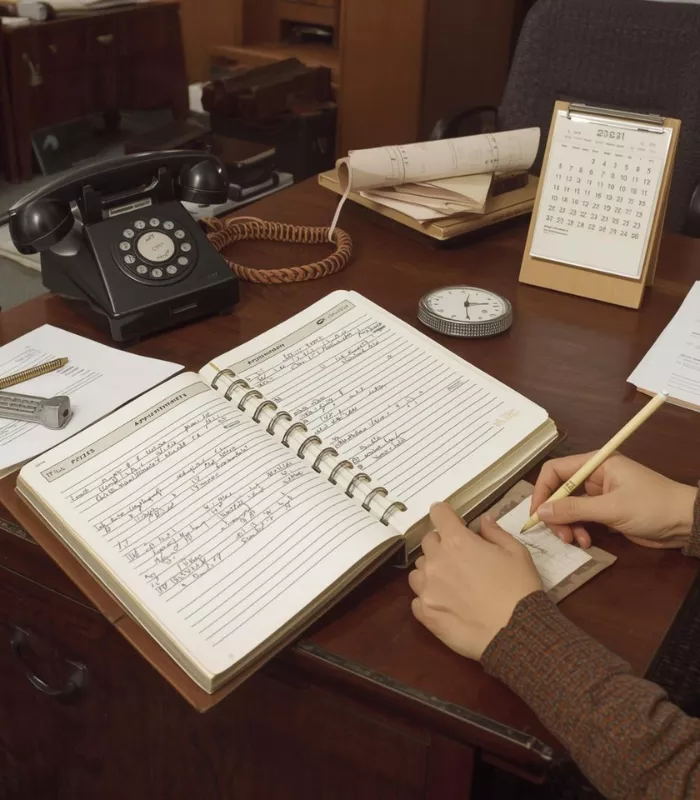
Before digital calendars, every professional kept a physical appointment book.
These were often leather-bound, carried everywhere, and treated with great care.
Scheduling a meeting in the 70s meant physically checking your book, calling the other person, and writing the time in pencil in case it changed.
Double-booking was a real and embarrassing problem with no automatic alert to catch it.
Losing your appointment book was a minor catastrophe that could derail weeks of planning.
Today the very idea of managing a career on handwritten pages feels both charming and exhausting.
Why It’s On This List: The physical appointment book was the center of a 70s professional’s work life. Its replacement by digital calendars changed not just scheduling, but how we think about time, planning, and memory.