

Cancun is one of the most visited beach destinations on the planet, welcoming over 10 million tourists a year.
That is a lot of people making the same assumptions about the same beaches.
Some of those beaches are genuinely stunning.
Others have rip currents strong enough to exhaust even experienced swimmers.
A few reek of seaweed from May to August.
Popularity and safety are not the same thing.
1. Playa Delfines (Dolphin Beach)

This beach looks like a postcard. White sand. Bright blue water. Tourists love it.
But here is the catch: Playa Delfines accounted for 58% of all beach rescues in Cancun in 2023.
Red and black warning flags fly here more than almost anywhere else. Many visitors do not understand what those flags mean. That is what makes this beach so risky, especially for older swimmers.
The beach sits at the far southern end of the Hotel Zone. It is one of the few truly public beaches in Cancun, with no resort blocking access.
That means no resort staff keeping an eye on you. No towel service. And very limited lifeguard coverage across a wide stretch of sand.
The waves look manageable from the shore. But looks are deceiving here.
Many swimmers who get into trouble at Playa Delfines say the same thing afterward: they had no idea the current was that strong until it was too late.
If you want the view, come for the photos. The giant Cancun sign here is worth snapping. Just keep your feet on dry sand.
The beach is also exposed to open ocean wind in a way that more sheltered Hotel Zone beaches are not. That wind chop on the surface hides what is happening underneath.
Families with children visit here regularly without realizing the risk. Lifeguards spend much of their shift blowing whistles and waving people out of the water.
Why It Is On This List: Strong, unpredictable rip currents caused by Cancun’s unique reef layout make this the most dangerous public beach in the entire Hotel Zone. Locals mostly avoid swimming here altogether.
2. Playa Chac Mool
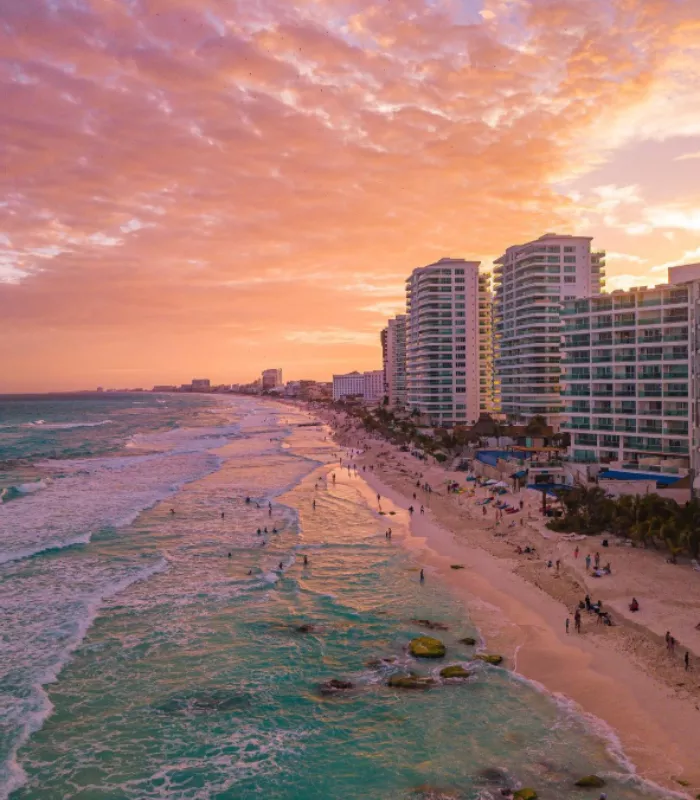
Playa Chac Mool sits right in the heart of Cancun’s Hotel Zone. It is easy to get to. That is part of the problem.
The red flag flies here often. Rip currents run along the full length of this beach. Even on calm-looking days, the water can pull you away fast.
Getting back to shore can be nearly impossible once a current grabs you. This beach is actually better known among surfers than swimmers for a reason.
Surfers seek out Chac Mool specifically because the waves are powerful and consistent. That same energy is what makes it unsafe for casual beachgoers.
The beach does not always look rough. On a clear morning, the water can look still and inviting. Do not let that fool you.
Conditions here can shift within minutes. A calm surface can hide a strong underwater pull that catches even strong swimmers off guard.
Several resorts nearby do not have direct beach access to Chac Mool. Guests sometimes wander over on foot without realizing the water conditions are completely different from their resort beach.
Always check the flag color before stepping in, no matter how calm the water looks.
The rip currents at Chac Mool tend to run parallel to the shore before pulling outward. That makes them especially disorienting for anyone caught in one.
Even seasoned ocean swimmers have been caught off guard here. It is not a beach that forgives overconfidence.
Authorities have posted warning signs at Chac Mool multiple times over the years. Those signs are not decoration.
Why It Is On This List: Rip currents are present along the entire stretch of Chac Mool. Authorities flagged it under red alert conditions as recently as February 2026, warning tourists to stay out of the water completely.
3. Playa Gaviota Azul
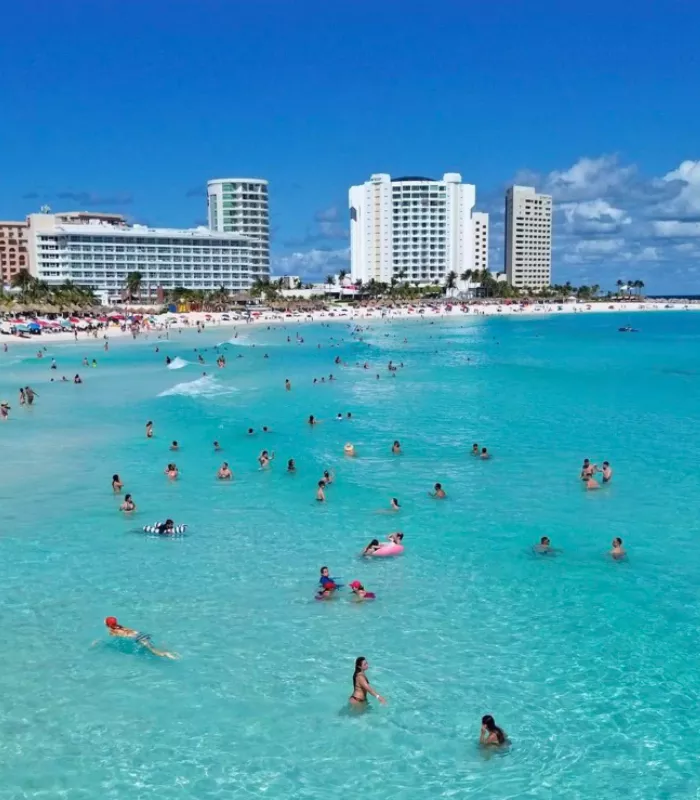
Playa Gaviota Azul is sandwiched between two big-name party clubs. The music is loud. The crowd is young. And the beach itself can be dangerously rough.
This beach sits right at the curve of the Hotel Zone, where ocean currents shift and strengthen. It was named alongside Chac Mool in a February 2026 warning urging tourists to stay out of the water.
You are better off watching the view from a beach chair here than ever stepping into the surf.
The party scene here draws a very different crowd than you might be looking for. Think loud music starting before noon and crowds that peak in the late afternoon.
If you are looking for a relaxing beach day, this is not the place. The energy here is chaotic, and the beach staff is focused on drink service, not swimmer safety.
The curve in the Hotel Zone where this beach sits creates a natural funnel for ocean currents. Water moves faster here than on the straighter sections of coastline.
That geographic quirk is not obvious when you are standing on the sand looking out at the water. It only becomes obvious once you are already in it.
This beach is best enjoyed from a lounge chair with something cold to drink, not from the water.
The noise level alone makes this a tough choice for anyone looking for a calm, peaceful afternoon. Earplugs are not a standard beach accessory for a reason.
During spring and summer, the crowds here can make it difficult to find a safe clear path even just to walk along the shoreline.
That combination of rough water, loud crowds, and distracted staff creates conditions where a medical emergency could go unnoticed far too long.
Why It Is On This List: The party atmosphere here draws big crowds, which means beach safety often gets ignored. Strong water conditions combined with distracted swimmers make this a risky choice for anyone over 50.
4. Playa Ballenas
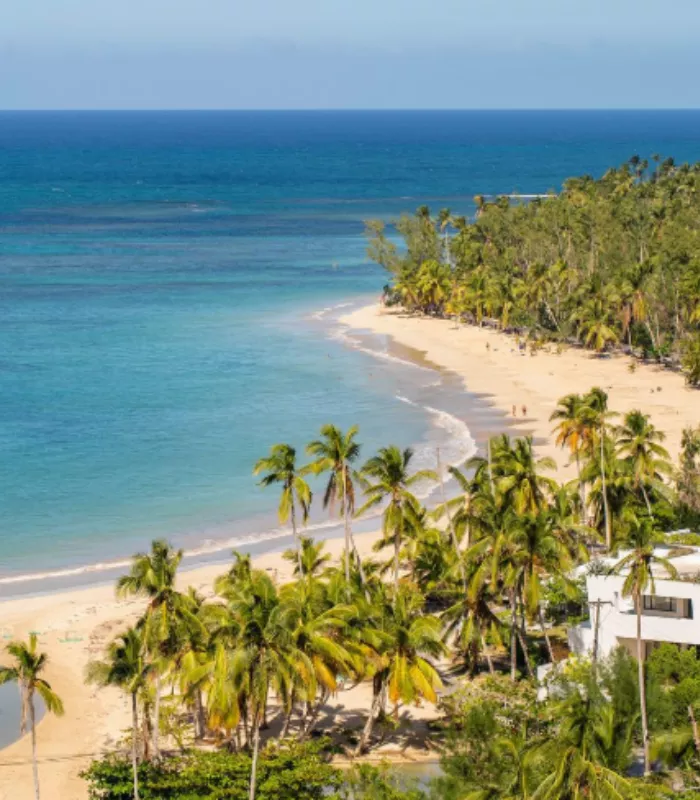
Playa Ballenas is a long, open stretch of beach near the southern end of the Hotel Zone. It is far from most resorts, which means fewer lifeguards and less oversight.
Waves here can be powerful, and the beach regularly flies red flags during rough weather. Fewer lifeguard stations means longer response times in an emergency.
That is why this beach, while quieter and less crowded, is not the peaceful escape it might seem at first glance.
The relative quiet here is actually a warning sign in disguise. Fewer people means fewer eyes on the water. If something goes wrong, help may simply not be close enough.
The Hotel Zone thins out near this stretch. There are fewer shops, fewer restaurants, and fewer people around in general. For some travelers, that sounds ideal.
But isolation on a beach with unpredictable surf conditions is a combination worth taking seriously, especially if you are traveling without a group.
Playa Ballenas does have beautiful open views. On a calm day with a green flag flying, it can be a genuinely lovely spot. The key phrase there is green flag.
If you do visit, check the flag conditions that morning and plan to leave the water the moment conditions change.
The open exposure of this beach means wind and wave conditions can escalate quickly, especially in the afternoons when sea breezes pick up.
There are no large hotels right on this stretch to provide the kind of constant beach monitoring that guests at bigger resorts take for granted.
If you are 50 or older and traveling solo, a remote beach with limited lifeguard presence is simply not the right call, no matter how peaceful the photos look.
Why It Is On This List: Playa Ballenas is one of the beaches most frequently listed under red flag warnings during spring and summer. Its remote feel gives a false sense of calm.
5. Playa del Niño (Puerto Juarez Area)
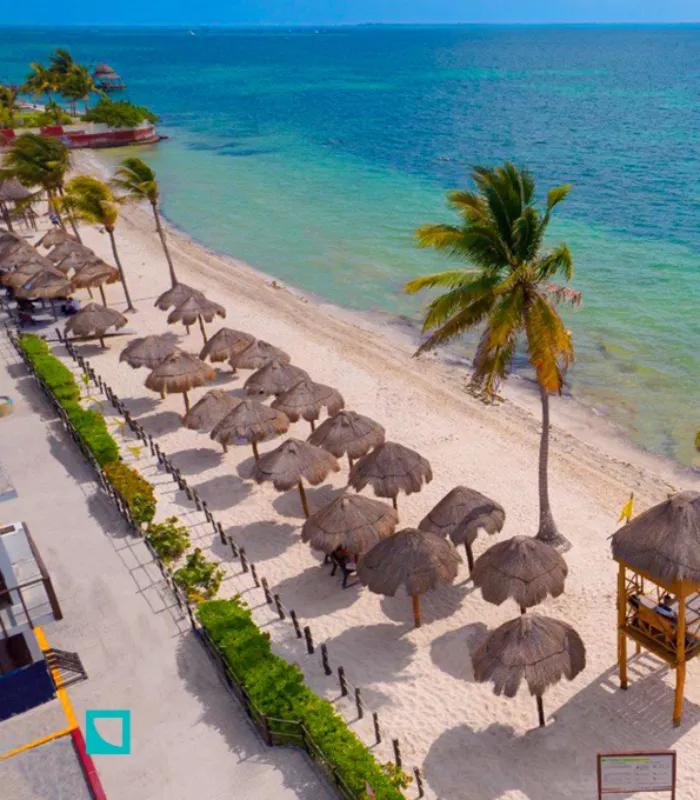
This public beach is far from the glitzy Hotel Zone. It is used mostly by locals and budget travelers. The facilities are basic at best.
In November 2025, sargassum seaweed hit this beach hard. The decomposing seaweed releases hydrogen sulfide gas, which smells like rotten eggs and can irritate your lungs and throat.
I made a classic mistake, assuming a local beach would be cleaner and quieter. It was neither.
There are no resort crews here raking the beach clean every morning. When sargassum arrives, it stays until the tide or the wind decides otherwise.
The facilities at Playa del Niño are minimal. Do not expect clean restrooms, shaded seating areas, or any of the small comforts that make a beach day enjoyable.
The water quality here is also less consistent than the resort beaches further south. Being away from resort infrastructure means less monitoring and maintenance overall.
Getting here without a car or rideshare is also more complicated than it looks on a map. It is not a quick walk from most hotels.
Unless you are specifically looking for an off-the-beaten-path local experience, this one is easy to skip.
The surrounding area has very few tourist amenities. If you need shade, a cold drink, or a place to sit down, your options are extremely limited.
First aid or emergency services are not close by. In a beach emergency, that distance matters more than most people realize until they need help.
The combination of poor facilities, inconsistent water quality, and heavy seaweed exposure makes this one of the least rewarding beach visits in the entire Cancun area.
Why It Is On This List: In 2025, Cancun collected over 16,500 tons of sargassum seaweed, more than five times the 3,000 tons gathered in 2024. Playa del Niño was one of the first beaches hit each time seaweed surged.
6. Hotel Zone Kilometer 1-3 Beaches
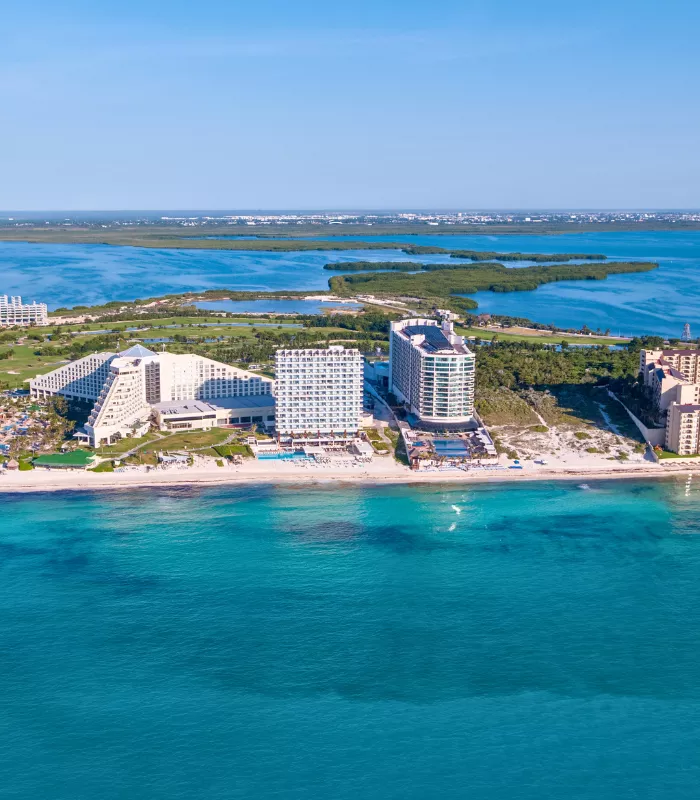
The beaches in the first few kilometers of the Hotel Zone look close and convenient on a map. But this stretch consistently gets hit first whenever sargassum season arrives.
Seaweed washes up here in thick brown mats. It smells. It makes swimming unpleasant. And experts predict 2026 could be the worst sargassum year on record, according to the University of South Florida Oceanography Lab.
The hotels in this stretch do their best to clean it up, but they are fighting a losing battle during peak seaweed months of April through August.
Sargassum does not just look bad. It breaks down quickly in warm water and releases gases that cause headaches and nausea in some people, particularly those with respiratory sensitivities.
Older travelers and anyone with asthma or breathing conditions are especially advised to avoid sitting near large sargassum deposits for extended periods of time.
The hotels at Kilometer 1 through 3 are often among the more affordable options in Cancun. That price difference exists for a reason, and seaweed exposure is a big part of it.
If you are booking a Cancun hotel and the price seems surprisingly low, check where it sits on the Hotel Zone map before confirming your reservation.
A bargain hotel room loses its appeal fast when the beach out front smells like low tide for three months straight.
Some travelers do not notice the seaweed issue until they arrive. By then, they are locked into their booking and stuck making the best of a disappointing situation.
Sargassum season is not a brief inconvenience. It can last for months, and during peak weeks, the accumulation along this stretch can be several feet deep along the waterline.
That is why savvy travelers always check the current sargassum forecast before booking any Cancun beach hotel, especially one in the northern end of the Hotel Zone.
Why It Is On This List: The northern stretch of Cancun’s Hotel Zone is consistently the first to receive sargassum deposits. With 2026 forecasted to be a record-breaking seaweed year, this area is expected to be especially problematic for beach vacationers this spring and summer.