

If you have ever sat on a beach that smelled like rotten eggs, you already understand why this article exists.
Jamaica is one of the most beautiful islands in the Caribbean.
It also has more than a few stretches of coastline that travel agents quietly skip over in the slideshow.
Polluted water, crumbling infrastructure, aggressive vendors, and the kind of rip currents that do not care how strong a swimmer you think you are.
Beautiful country, but not every beach deserves your vacation days.
1. Hellshire Beach, Saint Catherine Parish
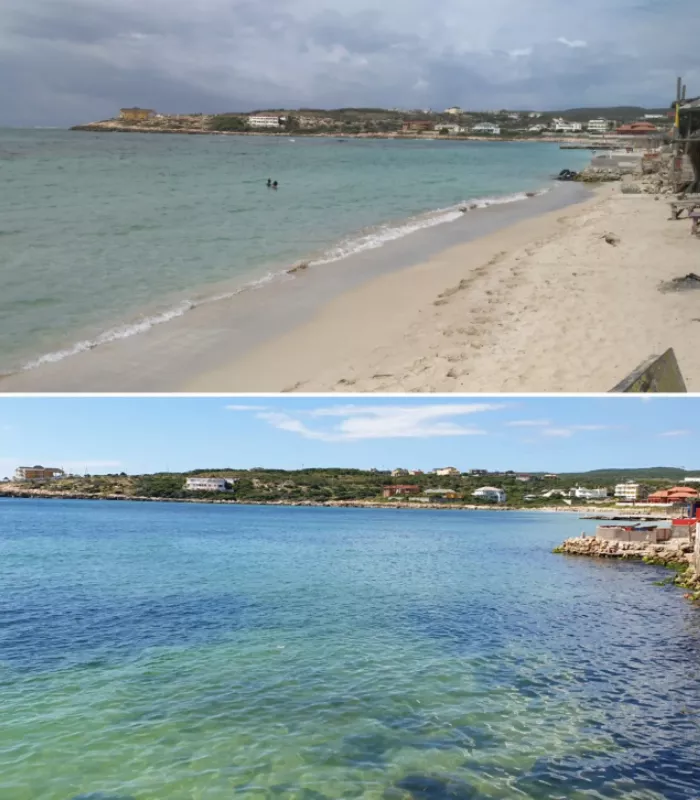
Hellshire Beach sits just south of Kingston and is hugely popular with locals on weekends.
But here’s the catch: the water here has serious pollution problems.
Scientists from the University of the West Indies have found faecal coliform bacteria levels in the water that far exceed World Health Organization safety limits.
The coral reefs that once protected this beach are now dead from pollution and rising temperatures. Without those reefs, sand is washing away fast.
Marine ecologist Professor Mona Webber has publicly warned that the water is not fit for human skin contact.
The beach itself is packed on weekends with locals grilling, playing music, and socializing.
That festive atmosphere can make it look inviting from a distance.
But the closer you get to the water, the more you notice the discoloration and the smell.
Rainfall makes everything worse, pushing even more sewage runoff directly into the shoreline.
There are no posted water quality warnings, no testing signs, and no lifeguards to ask.
Why It’s On This List: Contaminated water with dangerously high bacteria counts makes swimming here a real health risk, especially after rainfall when sewage runoff spikes.
2. Doctor’s Cave Beach, Montego Bay
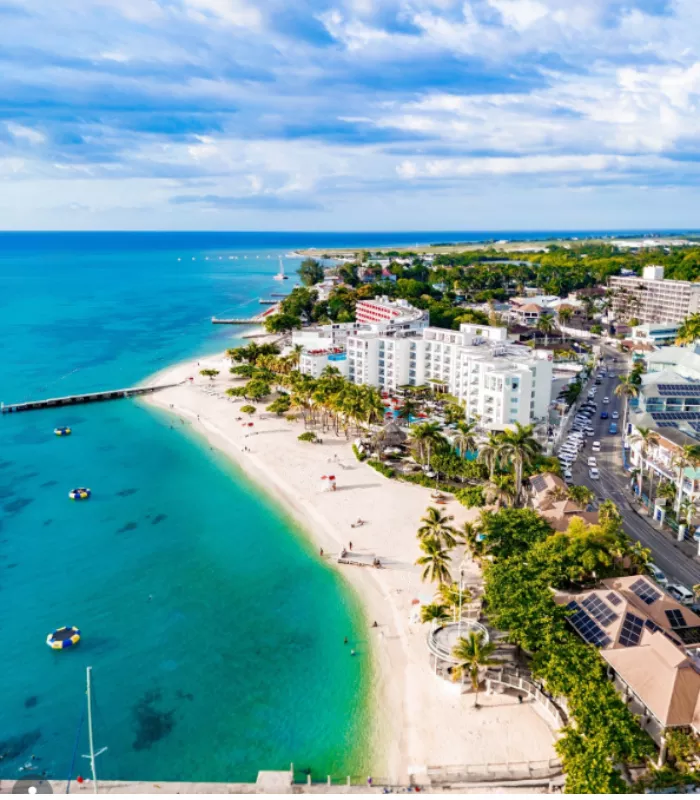
Doctor’s Cave is one of the most famous beaches in Jamaica, but fame comes with a price.
You will pay an entrance fee just to get on the sand. Then you pay extra for a lounge chair. Then extra again for an umbrella.
When multiple cruise ships dock at the same time, the beach gets so packed that there is almost no room to put down a towel.
One visitor noted that the water turns noticeably cloudy during peak hours because of the crowd.
You’re better off booking a resort with a private beach if you want peace and quiet in Montego Bay.
The fees add up faster than most visitors expect, easily reaching $30 to $40 per person before you even order a drink.
The beach chairs are lined up so close together that you are practically on top of strangers.
Noise levels from the nearby Hip Strip carry right onto the sand.
What is marketed as a luxury experience often feels more like a very expensive public pool.
First-time visitors frequently leave feeling underwhelmed given how heavily the beach is promoted online.
Why It’s On This List: Overcrowding, fee stacking, and aggressive vendor activity along the nearby Hip Strip make this a stressful experience rather than a relaxing one.
3. Kingston Harbour Waterfront, Kingston
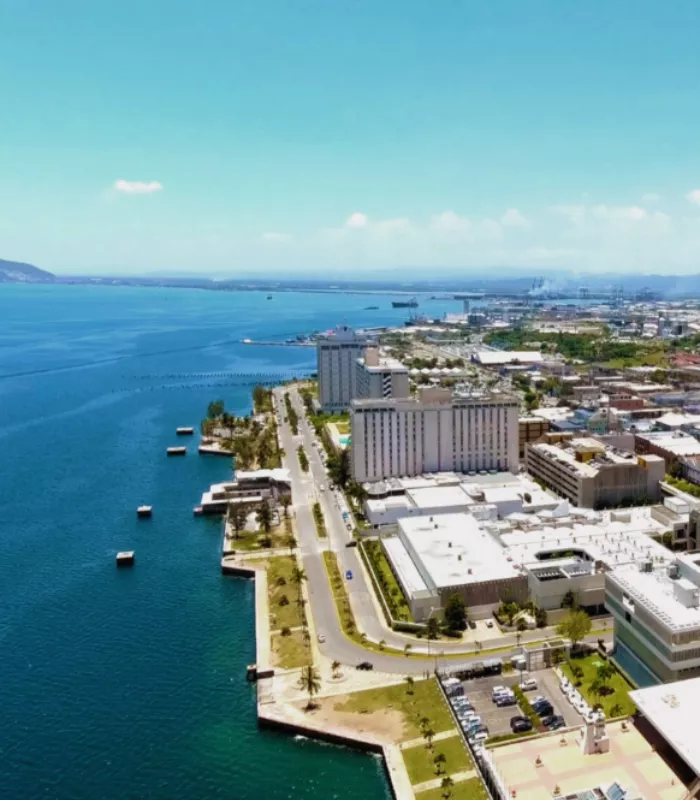
The Kingston Harbour is one of the largest natural harbors in the Western Hemisphere. It looks impressive from shore.
But marine scientists have been sounding alarms for years. Professor Mona Webber at UWI says the water has high coliform levels and heavy metal contamination, including cadmium and chromium, both of which cause neurological problems.
Researchers found cadmium and chromium levels described as “off the charts” from decades of industrial runoff.
That’s why this waterfront is absolutely not a place for swimming, wading, or any water activity.
The harbor has been used for commercial shipping and industrial activity for well over a century.
Decades of that kind of traffic leave a mark that does not wash away with the tides.
The waterfront area can feel lively and urban, which sometimes gives tourists the wrong impression.
Looking at the water and swimming in it are two very different decisions here.
There are no swim zones, no safety flags, and no beach attendants to warn you off.
The contamination is invisible, which makes it all the more dangerous for visitors who do not know the history of the harbor.
Why It’s On This List: Heavy metal and sewage contamination make the water here a serious health hazard. This is one to admire only from a distance.
4. Fort Charles Beach, Treasure Beach, Saint Elizabeth Parish
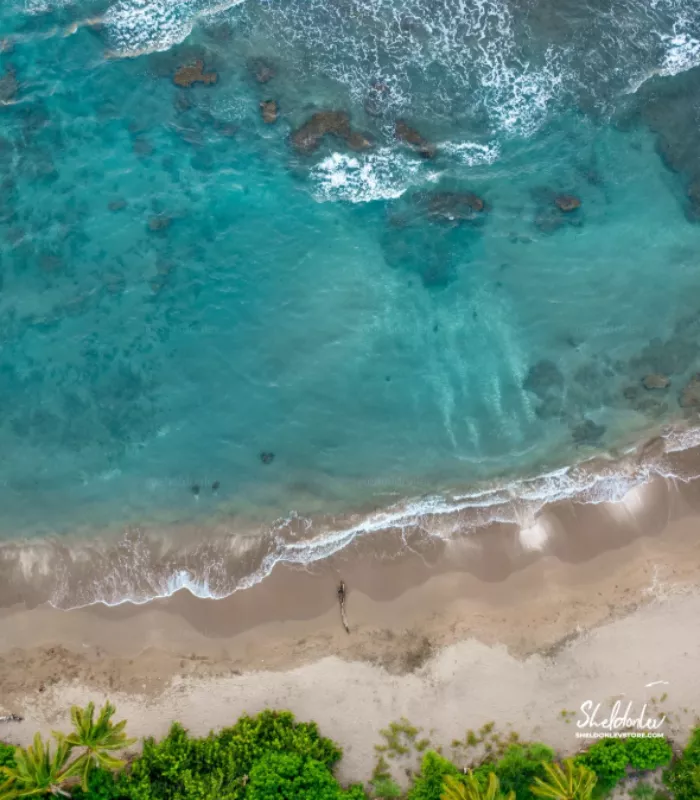
Fort Charles Beach stretches about 1,500 feet along the rugged south coast. It looks peaceful and remote.
But the waters here have a dangerous reputation. Several drownings have occurred at this location, enough that local authorities erected 18 warning signs in 2024 to keep people out of certain areas.
Crocodiles have also been reported nearby. The beach is hard to reach and far from emergency services.
No lifeguards were stationed here for a long time, though efforts are now underway to hire them.
The south coast of Jamaica has stronger and more unpredictable currents than the calmer north shore beaches most tourists visit.
The water can look completely still on the surface while pulling hard underneath.
Cell phone signal in this area is weak, which makes calling for help extremely difficult in an emergency.
The remoteness that makes this beach feel adventurous is the exact same quality that makes it risky.
Local fishermen know which areas to avoid, but that knowledge is not posted anywhere for visitors to see.
The beach has no parking lot, no restrooms, and no shade structures of any kind.
Why It’s On This List: Dangerous currents, crocodile sightings, and a history of drownings make this one of the most hazardous beaches on the island for casual swimmers.
5. Hip Strip Public Beaches, Montego Bay
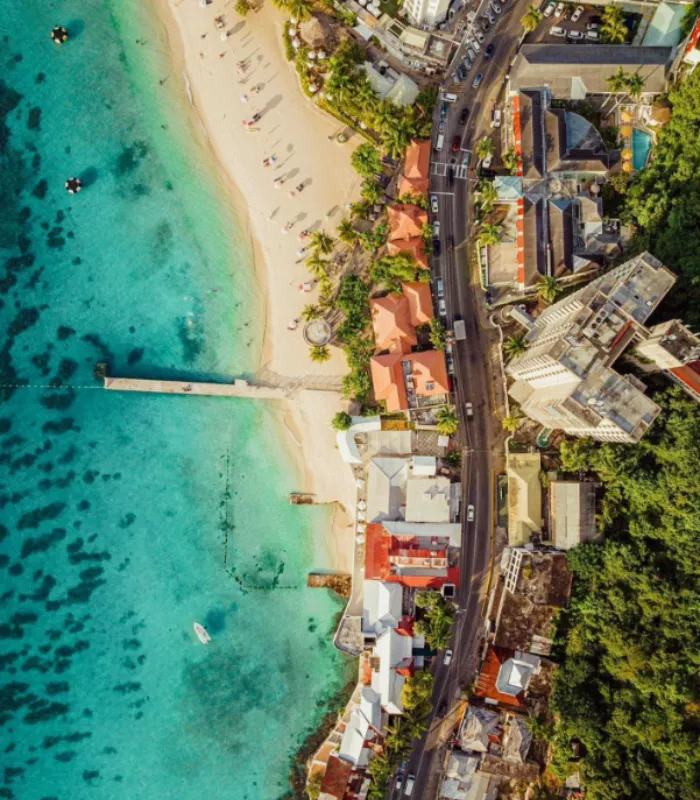
The Hip Strip is Montego Bay’s main tourist stretch, lined with shops, restaurants, and beach access points.
I made a classic mistake, thinking the public beach areas here would be relaxing. They are not.
Vendor harassment along this strip is described as some of the worst in Jamaica. Travelers on TripAdvisor consistently report being followed, approached repeatedly, and pressured to buy tours, crafts, or rides.
The surrounding neighborhoods near the strip include areas flagged by the U.S. Department of State as having serious crime concerns.
Stay inside your resort beach or pay to use a managed facility like Doctor’s Cave if you want some level of control over your experience.
Saying no politely rarely ends the conversation here. Most visitors report having to say it five or six times before vendors move on.
For travelers over 50 who just want to sit quietly and enjoy the view, this environment can feel genuinely overwhelming.
The beach itself is not ugly. The experience around it is what wears people down.
Many seasoned Jamaica travelers now skip the Hip Strip entirely on return visits.
The public beach access points also have very little shade, no facilities, and no security presence during evening hours.
Why It’s On This List: Relentless vendor pressure and proximity to high-crime neighborhoods make the open public beaches along this strip exhausting rather than enjoyable for most American visitors.
6. Ocho Rios Town Beaches, Saint Ann Parish
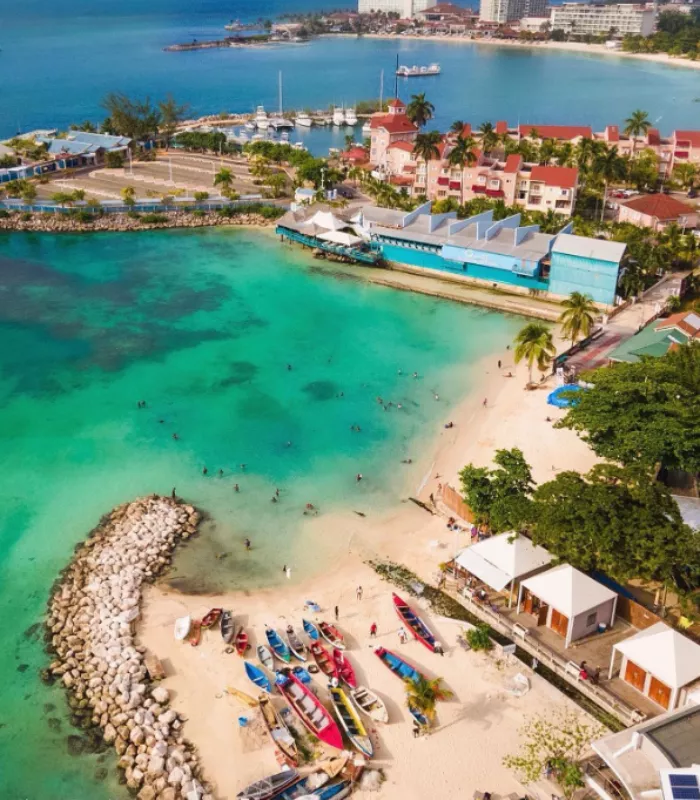
Ocho Rios is a major cruise ship destination. On most days, at least one large ship is in port.
When those ships arrive, the beach areas near town flood with thousands of day visitors all at once. The traffic jams are real. The crowds are real.
Each year, over 22 million metric tonnes of sargassum seaweed wash up across Caribbean beaches, and Ocho Rios is no exception. The rotting seaweed produces a strong rotten-egg smell that can make sitting on the beach very unpleasant.
The farther you stay from the cruise port, the better your beach experience will be.
On days when two or three ships dock at the same time, the town itself becomes nearly impossible to navigate by car.
Local taxi drivers know the cruise schedule and adjust their prices accordingly.
The sargassum situation has worsened significantly since 2018 and shows no signs of improving due to ocean warming patterns.
What you see in the resort photos is often taken during the off-season or early morning before the crowds and seaweed arrive.
Water clarity near the town beach drops noticeably during peak season due to boat traffic and foot traffic combined.
Travelers who have visited Ocho Rios more than once consistently recommend choosing private resort beaches over the public town beaches.
Why It’s On This List: Massive cruise ship crowds combined with recurring sargassum seaweed invasions turn what should be a tropical escape into a chaotic, smelly afternoon.
7. Winnifred Beach, Portland Parish
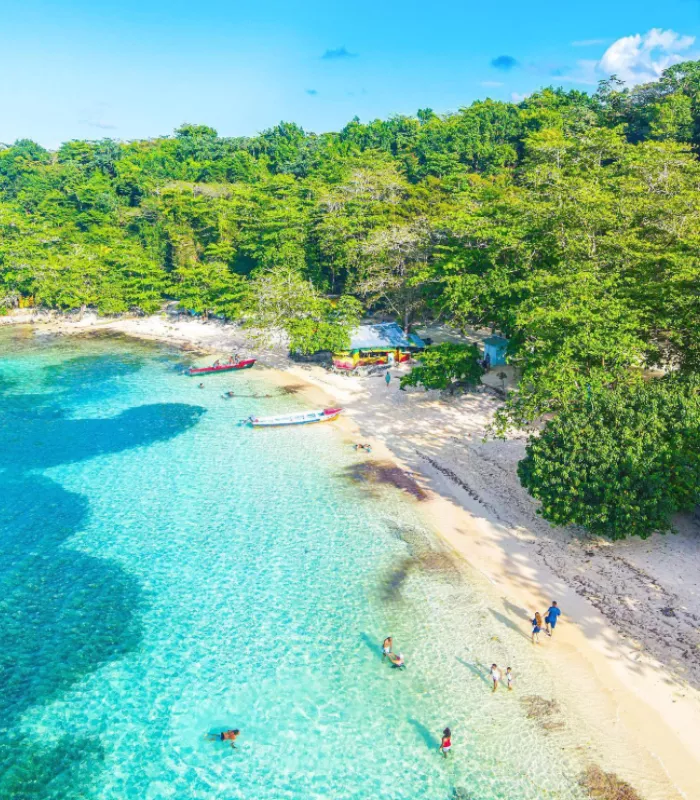
Winnifred Beach is free to enter and genuinely beautiful. But getting there is an adventure most visitors do not enjoy.
Most taxi drivers refuse to take tourists down the access road because the potholes are so bad they damage vehicles. Walking takes at least 15 minutes through thick bush with no lighting.
A 2024 health inspection found multiple vendors failing to meet basic public health sanitation standards. There are no proper bathroom facilities and no electricity on the beach.
That’s why older travelers or anyone who values convenience should think twice before making this trip.
After dark, the lack of lighting makes the path back to the main road genuinely difficult to navigate.
There is no first aid station and no security presence on site.
Food vendors operate without running water, which raises its own set of concerns for anyone with a sensitive stomach.
The beauty of the beach is real, but so is the gap between what it offers and what most American travelers expect.
On busy weekends, the limited space fills up quickly and there is no crowd management of any kind.
If you turn an ankle on that pothole-filled access road, you are a long way from any medical care.
Why It’s On This List: A badly damaged access road, poor sanitation, zero lighting, and no amenities make this beach a tough visit for Americans expecting basic beach infrastructure.
8. Cow Bay Beach, Saint Thomas Parish
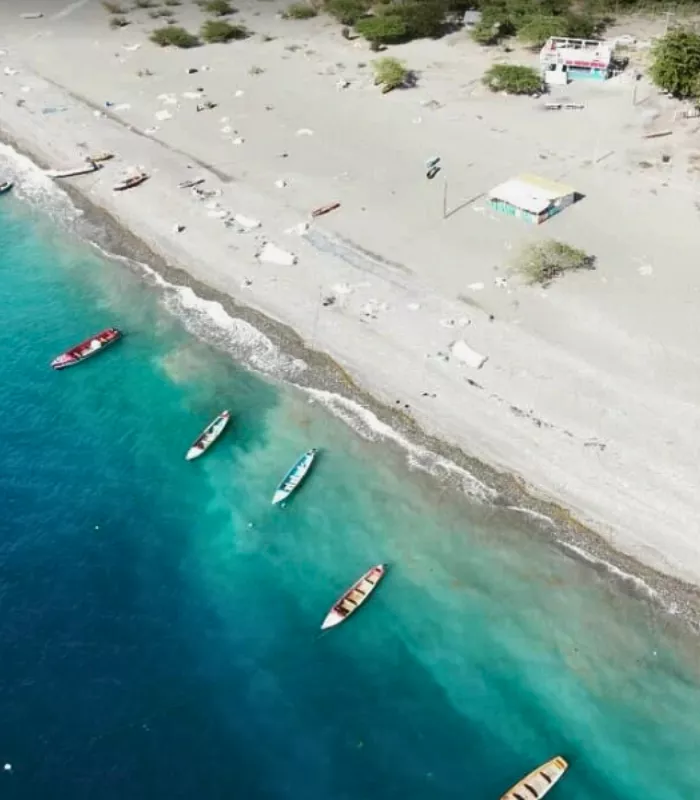
Cow Bay sits along the remote southeastern coast of Jamaica in Saint Thomas Parish. It is off the main tourist trail and rarely mentioned in travel guides.
The water here drops off sharply near the shoreline. What looks like a shallow entry point is actually a sudden deep-water drop-off, which has caught even confident swimmers off guard.
The area is far from hospitals, emergency services, and tourist infrastructure. There are no lifeguards and no safety equipment on site.
This beach looks calm but it is not safe for recreational swimming.
Saint Thomas Parish is one of the least visited areas of Jamaica by foreign tourists, which means there are very few people around if something goes wrong.
The road leading to Cow Bay is narrow and poorly maintained, making it difficult for most rental vehicles.
Locals in the area are friendly, but the nearest hospital is a significant drive away.
The combination of hidden underwater geography and zero rescue infrastructure is a serious mismatch for casual beachgoers.
Strong wave action on the southeastern coast can appear and disappear quickly, making conditions hard to predict even for experienced swimmers.
There are no signs, no markers, and no warnings of any kind indicating where the dangerous drop-offs begin.
Why It’s On This List: A deceiving shoreline with sudden deep drop-offs and zero safety infrastructure makes Cow Bay a serious risk, especially for travelers who are not strong swimmers.