

There is a special kind of disappointment that comes from landing on a Caribbean island, walking to the beach, and realizing the Google Images photos were taken with a very forgiving camera lens.
Rocky shores. Angry currents. Crowds so thick that you cannot see the water.
Some islands have been coasting on their reputations for decades.
Americans spend an average of over $3,000 per person on a Caribbean vacation.
That is far too much money to spend staring at black volcanic sand, wishing you had booked somewhere else.
This debate is heating up… check the top list below, then go vote in the poll.
1. Haiti

Haiti has some of the most troubled beaches in the entire Caribbean.
The U.S. Department of State has issued a Level 4 “Do Not Travel” warning for the country. That is the highest alert level possible.
Wahoo Bay is one of the few tourist beaches on the island. It sits about an hour from Port-au-Prince. Security staff work hard to keep it safe. But most travel experts agree it is simply not worth the risk for American visitors.
The infrastructure around most Haitian beaches is extremely limited. There are very few restrooms, food vendors, or shaded areas for visitors.
Getting to most beaches requires navigating roads that are in poor condition. For travelers over 50, that kind of journey can be exhausting before you even see the water.
Many beaches that were once accessible to tourists have been closed off entirely due to ongoing instability in the country.
Why It’s On This List: A U.S. State Department Level 4 travel warning means no beach experience is worth the safety risk. Haiti ranks as the most unsafe island destination in the Caribbean for American tourists.
2. Saba, Dutch Caribbean
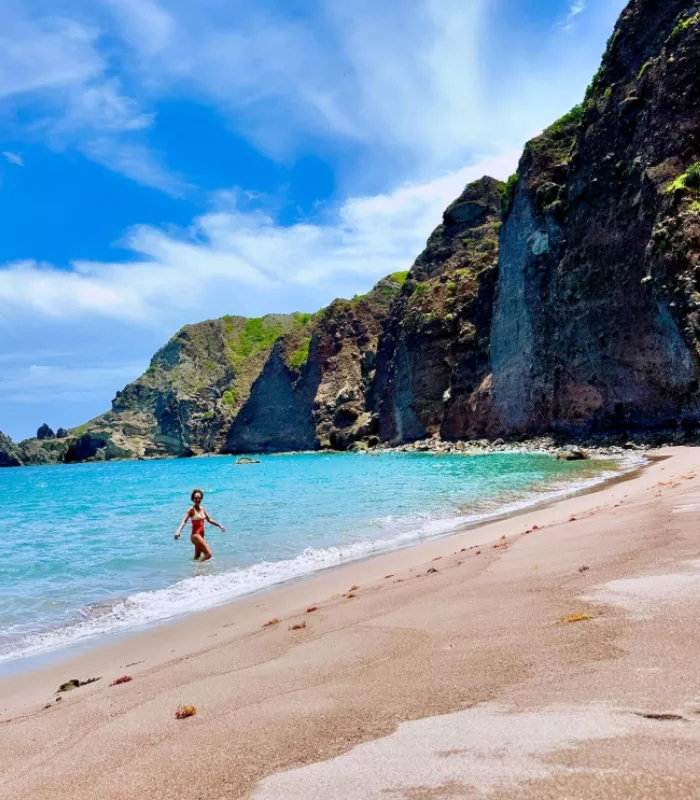
Saba is one of the most unique islands in the Caribbean. But unique does not mean beach-friendly.
This tiny island is essentially the top of a mountain rising straight out of the sea. Almost its entire coastline is made up of vertical cliffs. There are no real sandy beaches to speak of.
The island does have one small man-made beach called Cove Bay. The sand was actually shipped in from nearby St. Maarten. That says it all.
Getting to Saba is also a challenge in itself. The airport has one of the shortest commercial runways in the world. Flights are limited and often booked weeks in advance.
The island has no resorts in the traditional sense. Accommodation options are small guesthouses and a handful of boutique hotels. That is a big adjustment for visitors used to full-service beach resorts.
If you do make the trip, most of your time will be spent hiking or diving rather than lounging on sand. That is great for some, but not for everyone.
Why It’s On This List: Saba literally has no natural beaches. If lying on warm sand is your goal, you’re better off choosing almost any other Caribbean island.
3. Dominica
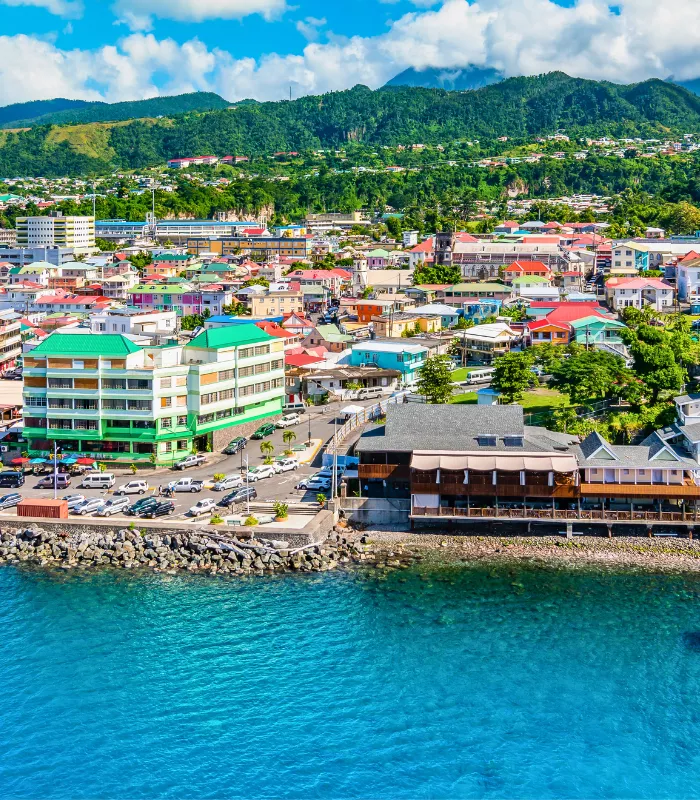
Dominica is known as the “Nature Isle of the Caribbean.” It is gorgeous. But its beaches? Not so much.
Most of Dominica’s beaches are covered in dark, volcanic black sand. The coastline is rugged and rocky. The water can be rough and hard to swim in comfortably.
Travel experts consistently warn beach lovers to steer clear of Dominica. It is better suited for hikers and divers than those looking to relax on white sand.
The island also sees a lot of rainfall throughout the year. Dominica receives over 300 inches of rain annually in some parts. That is not exactly ideal beach weather.
Tourism infrastructure is still developing. Many beach areas lack basic amenities like changing rooms, showers, or nearby restaurants.
The roads leading to some of the more scenic coastal spots are narrow and winding. Renting a car and navigating them on your own can be stressful for first-time visitors.
Why It’s On This List: Black volcanic sand absorbs more heat from the sun and can get uncomfortably hot underfoot, especially for older visitors. That’s why Dominica keeps appearing on lists of Caribbean islands that disappoint beach seekers.
4. Montserrat
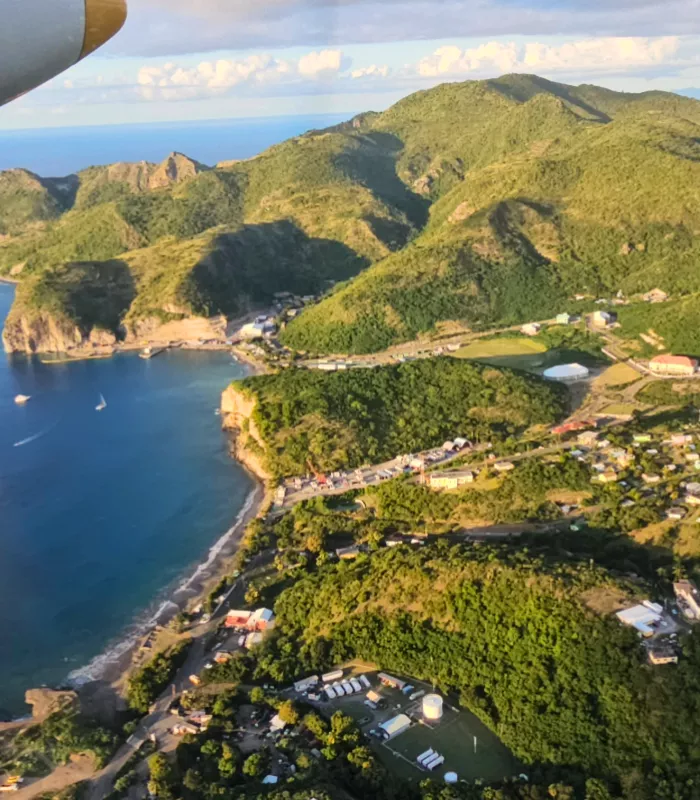
Montserrat is a small British territory with a dramatic past. The Soufriere Hills Volcano erupted in 1995 and buried the island’s capital city under ash and lava.
Almost every beach on the island is covered in black volcanic sand. The Caribbean Sea around Montserrat is often choppy. It does not have the calm, crystal-clear turquoise water most visitors picture when they think of the Caribbean.
Only one beach, Rendezvous Bay, has white sand. But it can only be reached by boat or a steep hike. That is a lot of effort for people with sore knees.
The island’s population has never fully recovered since the 1995 eruption. Before the volcano, Montserrat had around 12,000 residents. Today it has fewer than 5,000.
With such a small population, the island’s tourism services are extremely limited. Restaurants, shops, and beach facilities are sparse compared to more developed Caribbean destinations.
The volcano is still considered active today. Occasional ash venting and exclusion zones remain in effect in the southern part of the island. That alone gives many American travelers pause.
Why It’s On This List: With just one accessible white-sand beach and an active volcano nearby, Montserrat is one of the least beach-friendly islands in the entire Caribbean for American travelers.
5. Trinidad
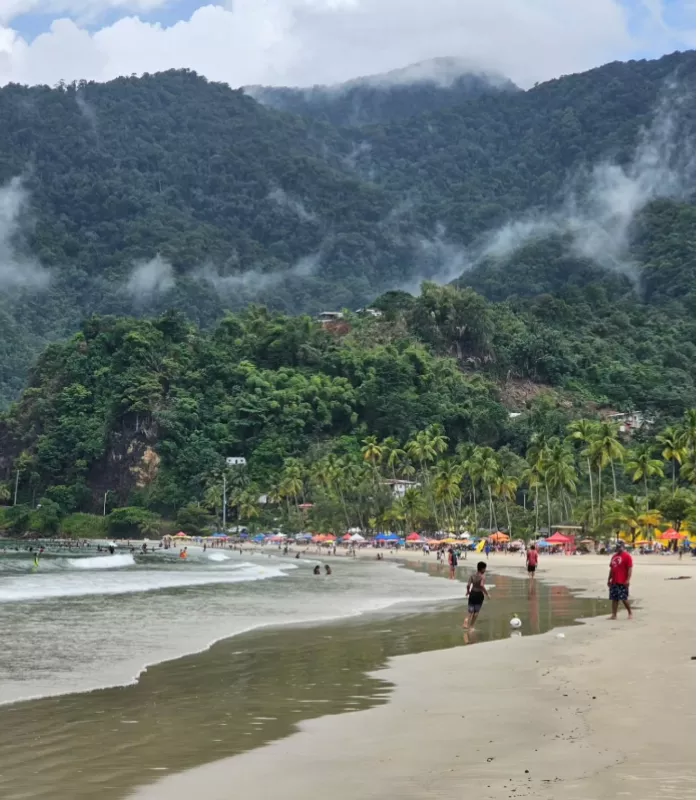
Trinidad is famous for its Carnival festival and incredible food. But here’s the catch: its beaches are among the most dangerous in the region.
Many beaches have no lifeguards on duty and are known for strong rip tides and unpredictable currents. Crime near beach areas, especially after dark, is a serious concern. The U.S. State Department has issued a Level 2 “Exercise Increased Caution” advisory for Trinidad and Tobago.
Trinidad is also the southernmost Caribbean island. That means it sits outside the hurricane belt, which sounds great. But its beaches were never designed with tourism in mind the way other islands were.
Most of Trinidad’s beaches are frequented almost entirely by locals. Visitor amenities like beach chairs, umbrellas for rent, and beachside cafes are hard to find at many spots.
The water at several popular beaches is affected by runoff from nearby rivers and industrial areas. Water quality can be inconsistent depending on the time of year and recent rainfall.
Getting around the island without a local guide can be confusing. Public transportation to beach areas is unreliable, and taxi prices for tourists are often unregulated.
Why It’s On This List: Between dangerous swimming currents and limited lifeguard coverage, Trinidad’s beaches present real safety challenges that many American visitors over 50 should think twice about before visiting.
6. Cuba
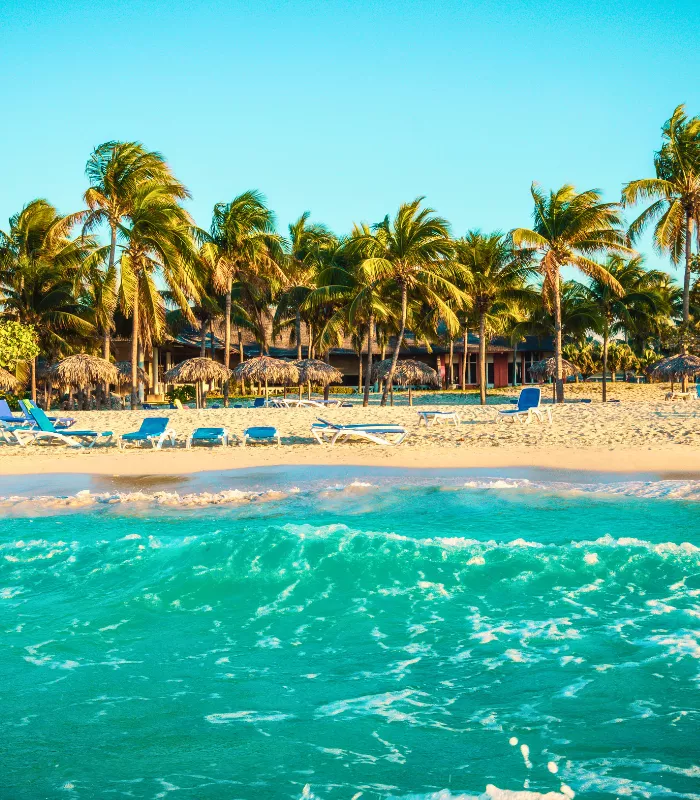
Cuba has some genuinely beautiful beaches, especially Varadero. But for Americans, this island comes with a big asterisk.
Travel restrictions between the U.S. and Cuba remain complicated. Americans cannot travel to Cuba as tourists under standard U.S. regulations. You need to qualify under one of a limited number of approved travel categories.
Even setting aside the legal hurdles, internet access on the island is unreliable. Credit cards issued by U.S. banks do not work. That can make a beach vacation feel stressful rather than relaxing.
Americans traveling to Cuba must bring all the cash they will need for the entire trip. There are no ATMs that accept U.S. bank cards, and exchanging money can be an unpredictable process.
If something goes wrong during your trip, getting help from a U.S. embassy is not straightforward. The U.S. has only a limited diplomatic presence in Havana.
Flying to Cuba from the U.S. is also more complicated than booking a typical Caribbean flight. Not all airlines offer direct routes, and schedules change frequently depending on current political conditions.
Why It’s On This List: The combination of U.S. travel restrictions, no working American bank cards, and limited connectivity makes Cuba a uniquely frustrating Caribbean beach destination for Americans, no matter how pretty the sand looks.
7. Barbados
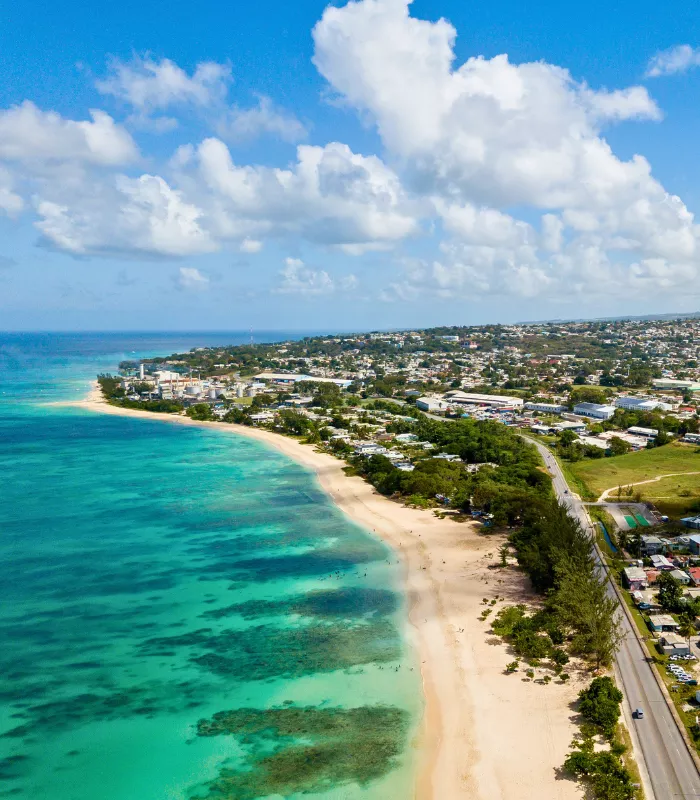
Barbados has lovely beaches. So why is it on this list? The price tag.
Hotel rates on the island’s famous western “Platinum Coast” regularly exceed $250 per night during peak season. Food, car rentals, and activities are all priced at a premium too. Many travelers feel they pay far more than the experience delivers.
On top of that, the island is relatively small. Most visitors end up seeing the same two or three beaches on repeat. That’s why so many Americans come back feeling underwhelmed for what they spent.
The eastern Atlantic side of the island has dramatic waves but is far too rough for swimming. That limits most beach activity to just the western and southern coasts.
Barbados also has a well-known vendor culture at its popular beaches. Visitors often report feeling pressured to buy items or services from persistent sellers, which takes away from the relaxation factor.
Flights from most U.S. cities to Barbados tend to be pricier than flights to other Caribbean destinations. When you factor in the high cost of food and accommodation once you arrive, the total trip cost adds up fast.
Why It’s On This List: High costs paired with limited beach variety make Barbados a disappointing value for American travelers, especially compared to nearby islands that offer more sand, more variety, and more bang for your vacation dollar.
8. Saint Lucia
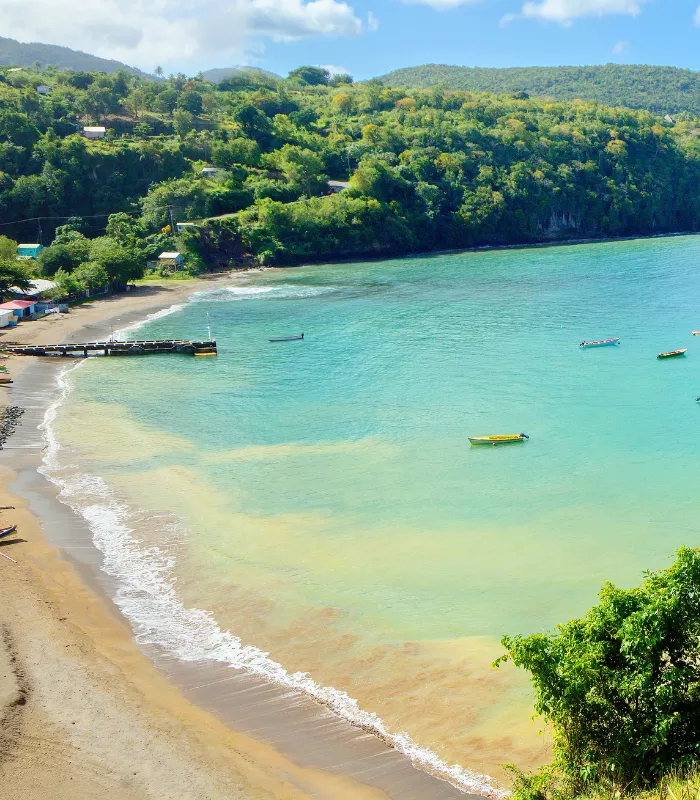
Saint Lucia is breathtaking to look at. The Piton mountains rising from the sea make for stunning photos. But the beaches tell a different story.
Many of Saint Lucia’s beaches are narrow, rocky, and crowded. Popular spots like Sugar Beach are frequently congested with boat traffic and persistent vendors. Some resorts place non-guests in the least desirable sections of beach.
The snorkeling, which many visitors expect to be world-class, is widely described as disappointing. For a beach-focused trip, you are better off choosing an island with more accessible, swim-friendly shorelines.
Saint Lucia is also one of the pricier destinations in the Eastern Caribbean. All-inclusive resorts dominate the market, and stepping outside of one for food or activities can feel surprisingly expensive.
The island’s roads are notoriously steep and winding. Getting from the airport to your resort or from one beach to another can take much longer than expected, especially for travelers who are not used to mountain driving.
Rainfall is common, especially from June through November. Even outside of peak rainy season, afternoon showers can cut a beach day short with very little warning.
Why It’s On This List: Saint Lucia earns its reputation as a scenic and romantic island, but the beaches themselves routinely disappoint visitors who arrive expecting classic Caribbean white sand and easy swimming.
9. Puerto Rico
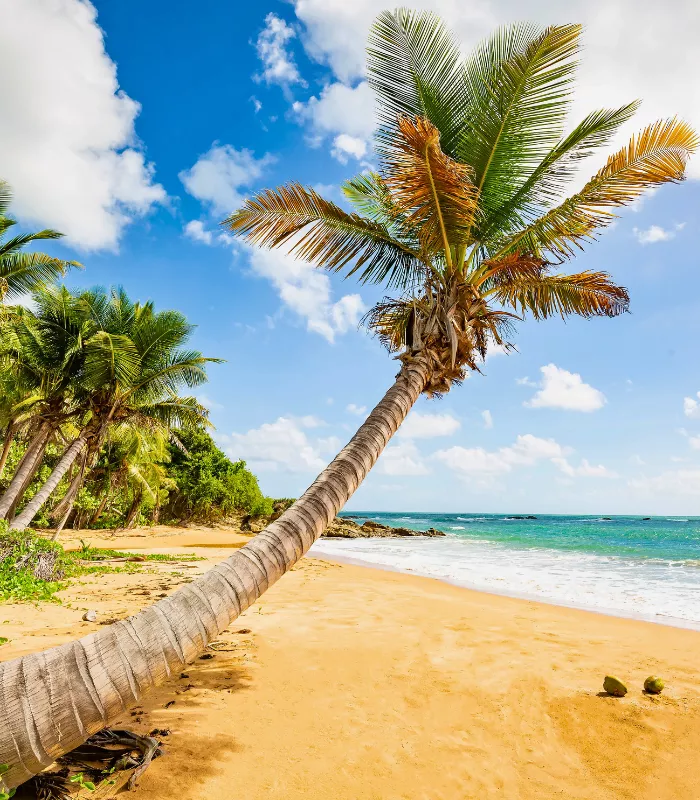
Puerto Rico is a U.S. territory, which makes it easy for Americans to visit. No passport required. But easy access comes with its own set of problems.
The most popular beaches, like Condado and Isla Verde, are extremely crowded, especially on weekends and holidays. Prices for food, hotels, and car rentals have jumped significantly in recent years, often matching or exceeding what you would pay in Miami.
I made a classic mistake on my first trip there: assuming “easy to get to” meant “relaxing.” The beach crowds alone were enough to send me packing early. If peace and quiet are what you are after, Puerto Rico’s main beaches will likely leave you frustrated.
San Juan, where most tourists stay, is a busy urban city. The beaches closest to the hotel zone sit right next to major roads and high-rise buildings. It feels more like a city beach than a Caribbean escape.
Traffic in and around the San Juan metro area is a serious problem. Driving to a quieter beach on the island’s east or west coast can easily take 90 minutes or more during peak hours.
Post-hurricane rebuilding efforts have also affected some beach areas. Certain coastal zones still show signs of storm damage, and some facilities have not been fully restored to pre-hurricane conditions.
Why It’s On This List: Overcrowded beaches, rising prices, and a tourism infrastructure that struggles to keep up with demand make Puerto Rico a surprisingly stressful beach destination for Americans hoping to unwind and relax.