

Not every bad idea announces itself. Sometimes it shows up with gull-wing doors and a stainless-steel body.
History remembers its winners.
But history also remembers the Yugo.
For every moon landing, there is an Oldsmobile diesel engine that was never meant to be a diesel engine.
For every stroke of brilliance, there is a Cadillac badge quietly glued onto a Chevrolet Cavalier and sold for twice the price.
Human ambition is a wonderful thing, right up until it parks in your driveway.
1. Ford Pinto (1971-1980)
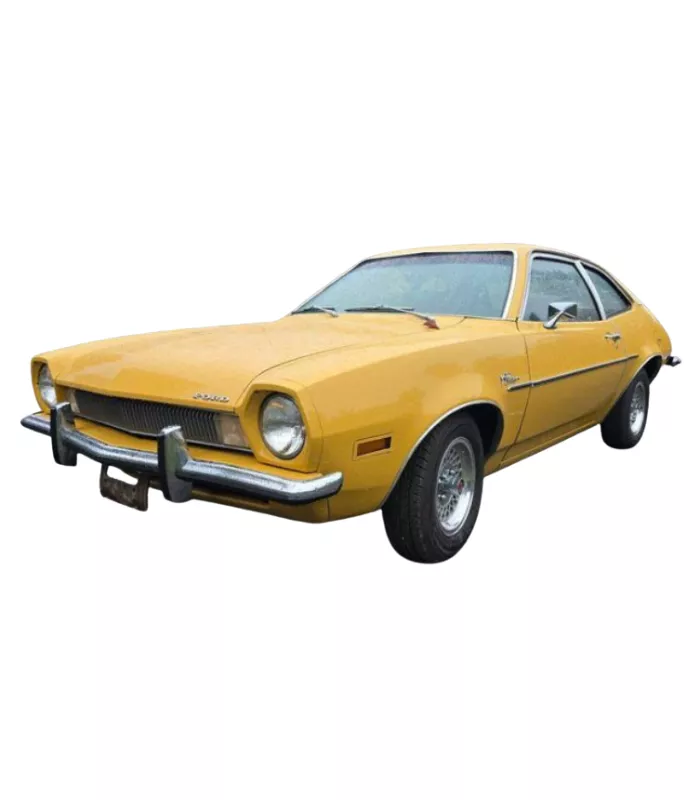
The Ford Pinto was one of the most talked-about cars of the 1970s.
But here’s the catch: it was talked about for all the wrong reasons.
The Pinto’s fuel tank was placed right behind the rear bumper. In a rear-end crash, it could rupture and catch fire. Ford knew about the design flaw but kept selling it anyway.
Over 500 people died in fires linked to the Pinto’s design. It became a symbol of putting profit over safety.
Why It’s On This List: A faulty fuel tank design made this car genuinely dangerous to drive, and the cover-up made it even worse.
2. Chevrolet Corvair (1960-1969)
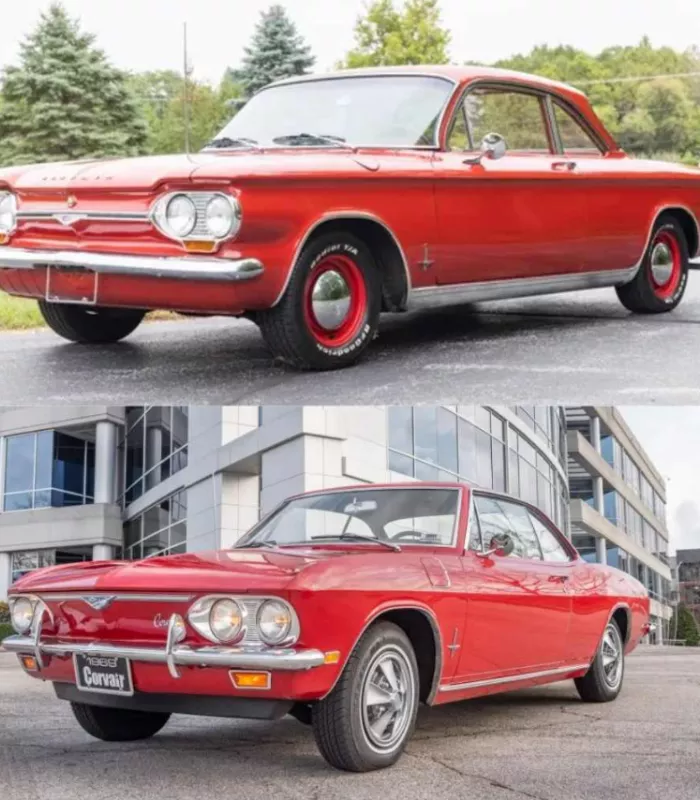
The Corvair looked cool and drove differently from other American cars of its time.
It had a rear engine, which was unusual for a U.S. car in the 1960s.
The problem was handling. Early models had a rear suspension that made them prone to flipping in sharp turns.
Ralph Nader wrote an entire book called “Unsafe at Any Speed” partly about the Corvair. That book helped launch the modern car safety movement in America.
Why It’s On This List: The Corvair helped prove that car companies needed outside pressure to take safety seriously.
3. AMC Gremlin (1970-1978)
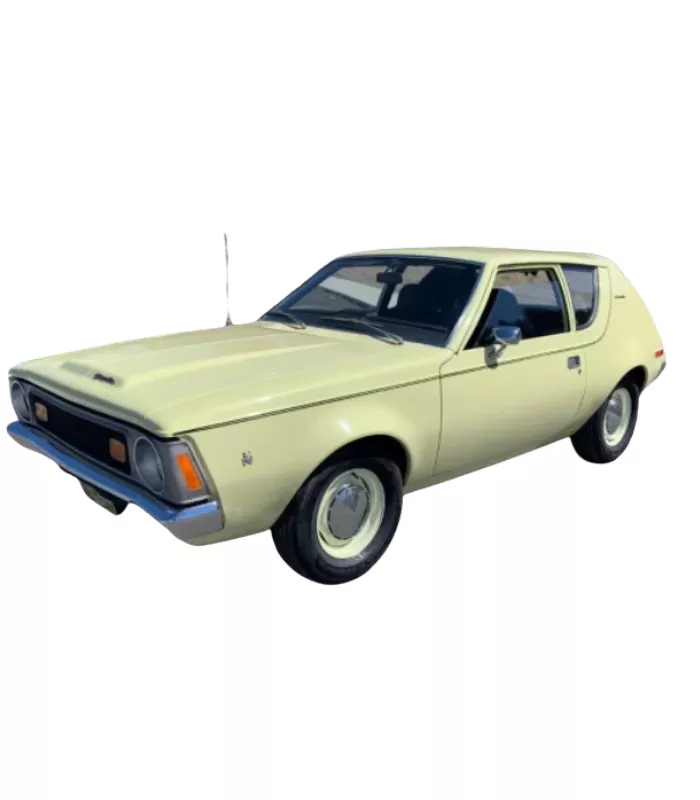
The Gremlin had one of the strangest looks in American car history.
It was rushed to market. AMC actually launched it on April Fool’s Day 1970. Many people thought it was a joke.
The interior was cramped. The rear visibility was poor. And the build quality left a lot to be desired.
Despite selling over 670,000 units, the Gremlin became a punch line. It is now considered one of the worst-looking and worst-built cars Detroit ever made.
Why It’s On This List: Poor design, poor quality, and a rushed launch made the Gremlin a disaster that hurt AMC’s reputation for years.
4. Yugo GV (1985-1992)
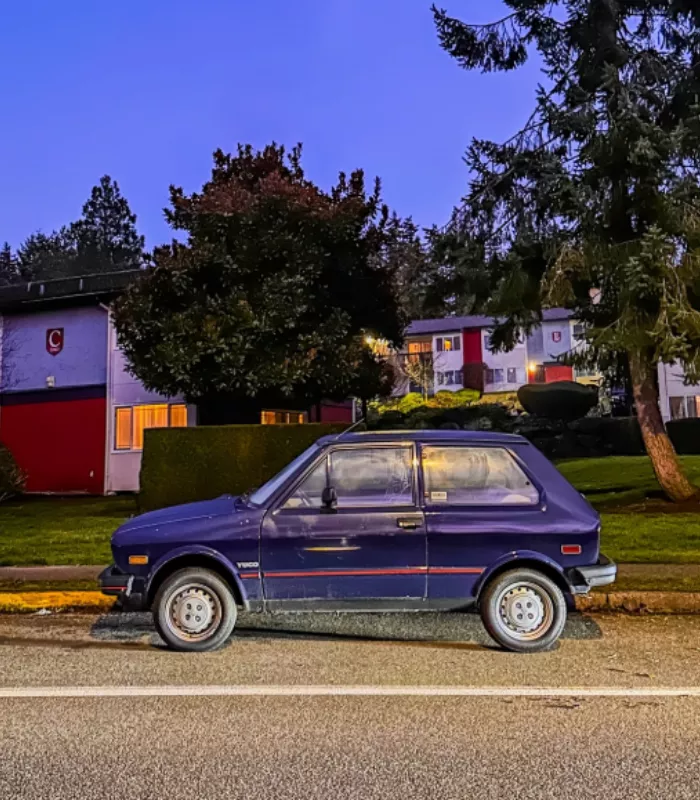
The Yugo was the cheapest new car ever sold in the United States.
It came from Yugoslavia and cost just $3,990 when it launched in 1985. That sounds like a deal. But here is the deal: you got what you paid for.
Owners reported constant breakdowns. Parts were hard to find. The car rusted quickly and had almost no safety features.
Consumer Reports called it one of the worst cars ever made. Jokes about the Yugo became a pop culture staple in the late 1980s.
Why It’s On This List: The Yugo proved that the lowest price tag can come with the highest cost in headaches and repairs.
5. Oldsmobile Diesel (1978-1985)
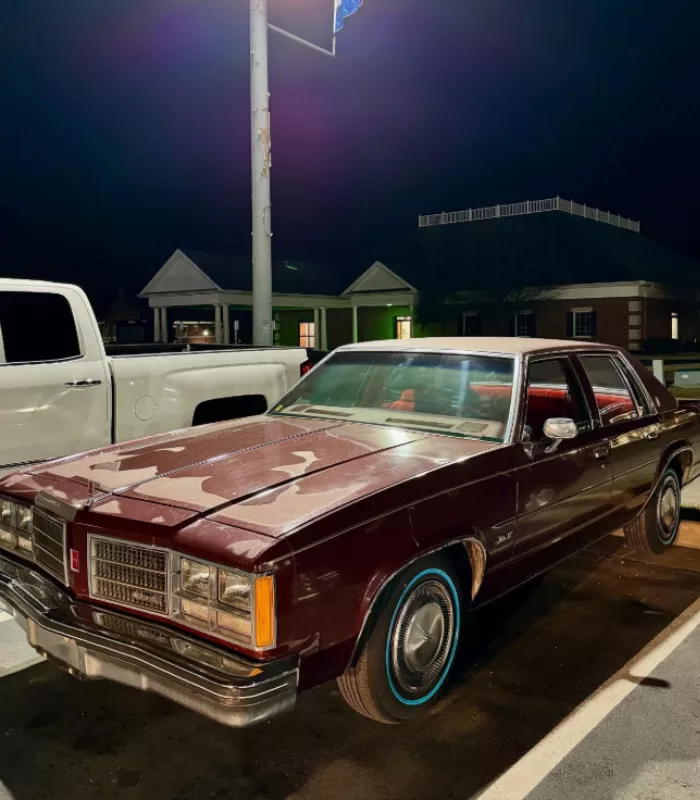
In the late 1970s, fuel prices were sky-high. Diesel seemed like the smart answer.
General Motors converted its gasoline V8 engine into a diesel. The problem was it was never designed to be a diesel. The engine cracked, leaked, and failed constantly.
Thousands of owners filed complaints and lawsuits. GM eventually settled with many customers, but the damage was done.
That is why the Oldsmobile diesel is remembered as one of the biggest engineering blunders in American auto history.
Why It’s On This List: Converting a gas engine to diesel without proper redesign created a reliability nightmare that cost GM billions in trust.
6. Ford Edsel (1958-1960)
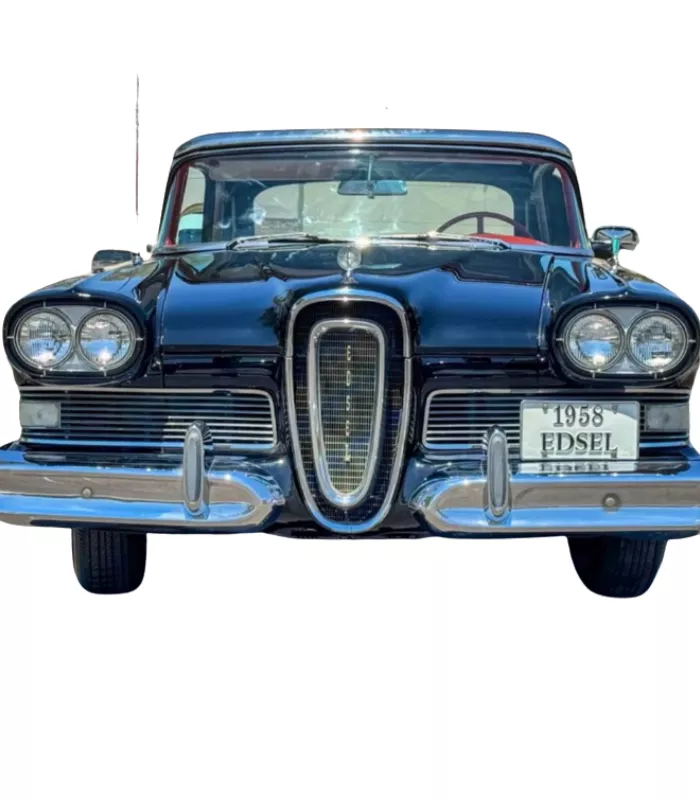
Ford spent over $400 million developing the Edsel. In today’s money, that is close to $4 billion.
The result was a car that confused buyers with its unusual grille and overpromised features that did not always work right.
Push-button gear shifts were mounted in the center of the steering wheel. They were easy to hit by accident.
Ford sold fewer than 120,000 Edsels before pulling the plug after just two years. The name “Edsel” became a business term for a famous flop.
Why It’s On This List: The Edsel is the textbook example of a car built around marketing hype instead of what drivers actually wanted.
7. Pontiac Aztek (2001-2005)

The Aztek tried to be a crossover SUV ahead of its time. The idea was not bad. The execution was.
It looked like someone designed the front and back of the car separately and forgot to connect them. Car magazines gave it some of the lowest style ratings in history.
General Motors sold fewer than 120,000 Azteks in five years. Even GM insiders admitted later that the design went badly wrong.
The Aztek did gain one strange second life. It was the car driven by the main character in the TV show “Breaking Bad.”
Why It’s On This List: Great ideas can still fail when the design team loses sight of what people actually want to look at every day.
8. Renault Le Car (1976-1983)
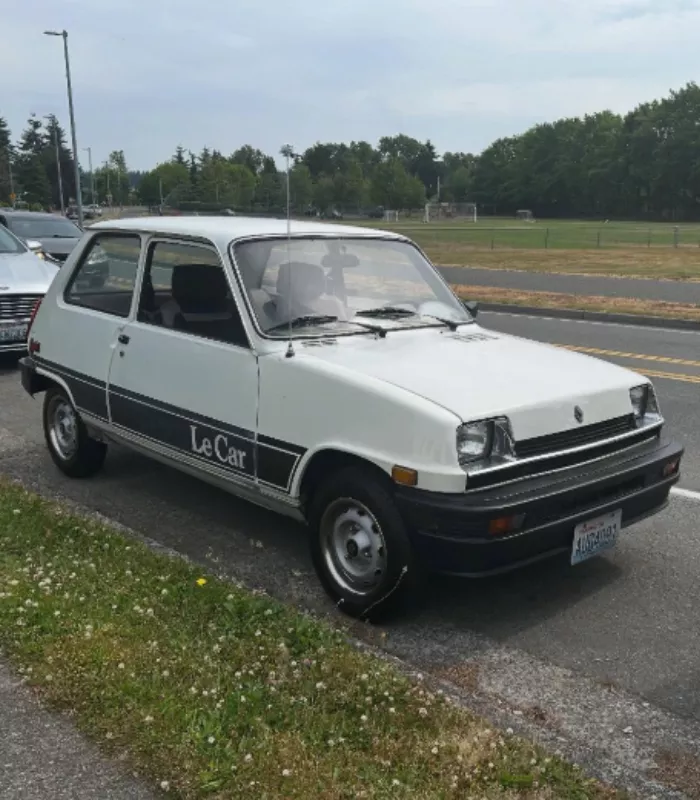
The Renault Le Car was marketed in the U.S. as a fun and fuel-efficient French import.
But American drivers quickly found out it was not built for American roads or American expectations.
It rusted fast. It had very little power on highways. And repairs were hard because parts were not easy to find in the U.S.
Consumer Reports ranked it among the least reliable cars sold in America during that era. It faded from the U.S. market without much fanfare.
Why It’s On This List: A car that works fine in Europe can still be a complete mismatch for a different market with different roads and driving habits.
9. Cadillac Cimarron (1982-1988)
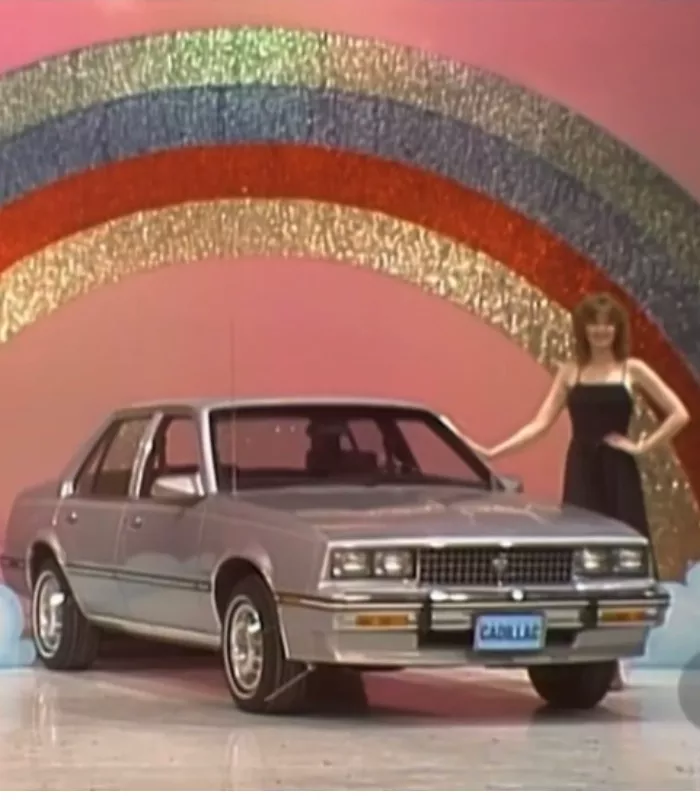
Cadillac has always stood for luxury. The Cimarron stood for something else entirely.
It was basically a Chevrolet Cavalier with leather seats and a Cadillac badge slapped on it. Buyers noticed immediately.
It started at $12,000 while a fully loaded Cavalier cost about $6,000. You were paying double for a few extras and a logo.
I made a classic mistake many buyers did: trusting a name instead of looking under the hood. Cadillac’s own executives later called it one of their biggest regrets.
Why It’s On This List: Badge engineering at its worst. The Cimarron damaged the Cadillac name and showed what happens when profit comes before pride in a product.
10. Triumph TR7 (1975-1981)
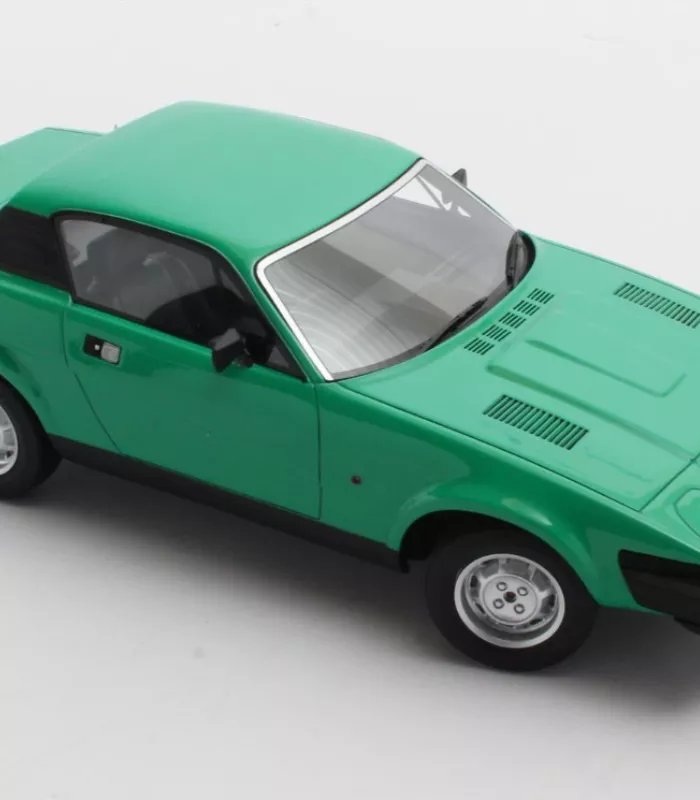
British sports cars have a proud history. The TR7 was supposed to carry that tradition into a new era.
Instead, it arrived with a long list of problems. Electrical faults were constant. Build quality was inconsistent. Early models had a fixed roof that many buyers did not want.
Workers at the British Leyland factory went on strike multiple times during production, which made quality even harder to control.
You are better off looking at the earlier TR6 if you want a classic British roadster. The TR7 simply did not live up to the legacy.
Why It’s On This List: Labor disputes, poor reliability, and a design that divided fans made the TR7 a disappointing end to a once-great sports car lineage.
11. Chevrolet Vega (1971-1977)
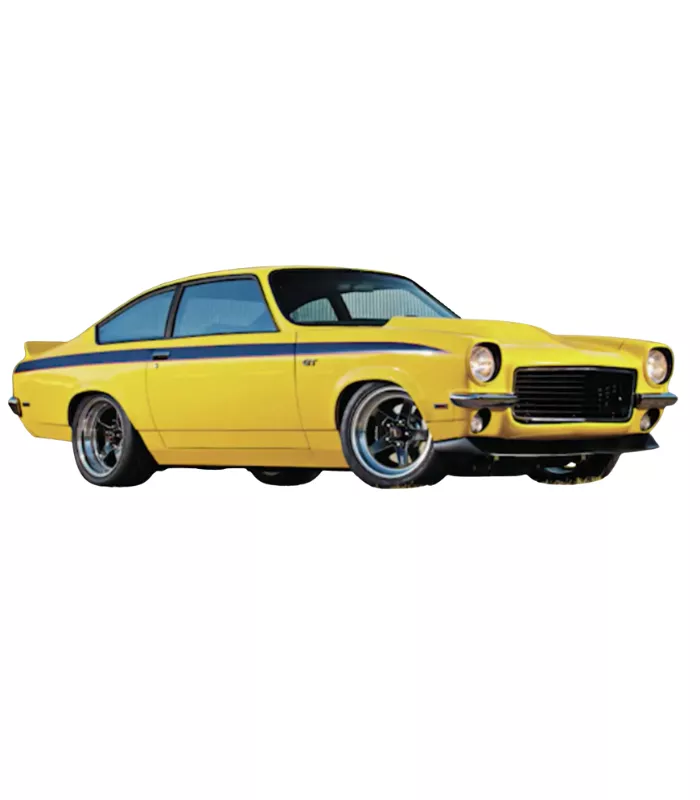
The Vega started life with a lot of promise.
It won Motor Trend’s Car of the Year in 1971. It sold well at first. But here is the catch: the good times did not last long.
The aluminum engine block was praised as innovative. In practice, it warped, overheated, burned oil, and failed completely. The body rusted at a shocking rate, too.
The Vega is now a textbook case of what happens when a promising idea gets rushed through without enough real-world testing.
Why It’s On This List: A promising design collapsed under poor engineering, leaving owners with rusted-out bodies and blown engines far too soon.
12. AMC Pacer (1975-1980)
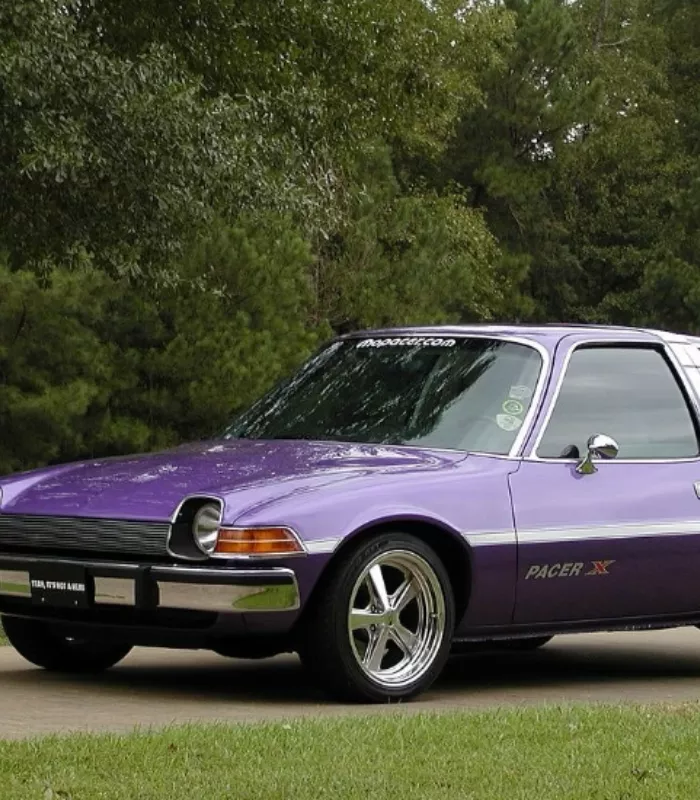
The Pacer was supposed to be the car of the future.
AMC called it the “first wide small car.” It had a huge glass area that looked futuristic for 1975. But that glass turned the cabin into a greenhouse. It got unbearably hot inside.
The car was also heavier than expected, which hurt fuel economy. That was a big problem during the 1970s gas crisis.
Time magazine included the Pacer in its list of the 50 worst cars of all time. The quirky design that was meant to attract buyers ended up scaring them away.
Why It’s On This List: Bold styling without practical engineering made the Pacer a novelty that wore out its welcome very quickly.
13. Chevrolet Chevette (1976-1987)
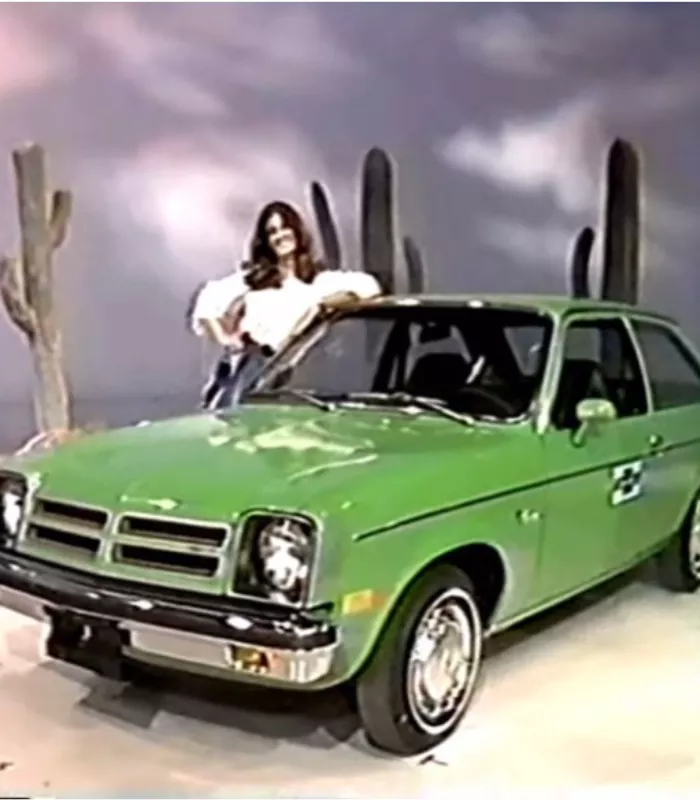
GM built the Chevette as a no-frills economy car. It was no-frills in every sense of the word.
It took nearly 20 seconds to go from 0 to 60 miles per hour. The interior felt cheap. The ride was rough. And it stayed in production for over a decade despite better options being available.
Car Talk ranked it 5th on their poll for “Worst Car of the Millennium.” That is quite an achievement for a car that was supposed to be dependable transportation.
You are better off remembering the Chevette as a cautionary tale about building down to a price instead of up to a standard.
Why It’s On This List: Painfully slow, cheaply built, and kept on sale well past its expiration date, the Chevette gave economy cars a bad name.
14. Trabant (1957-1991)
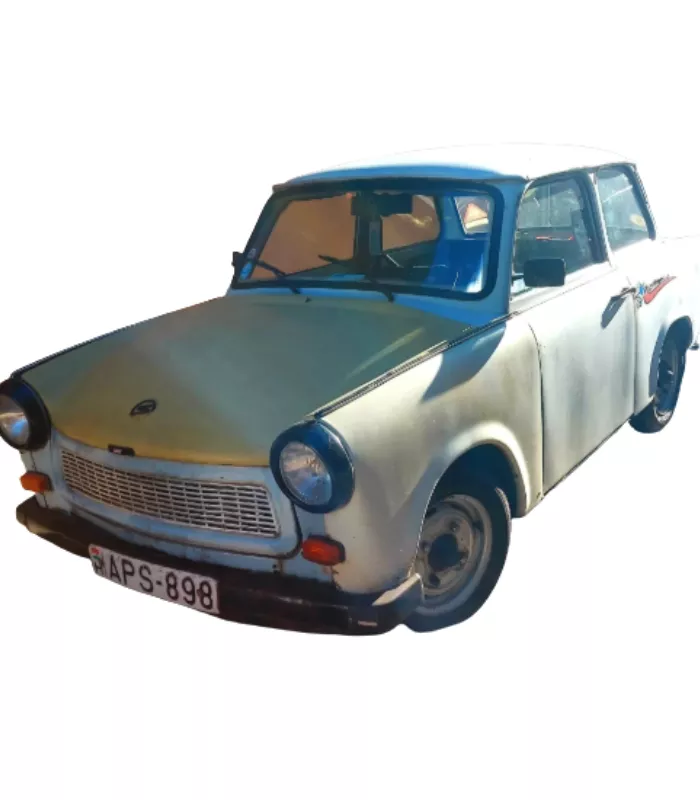
The Trabant was the car of East Germany. For millions of people behind the Iron Curtain, it was the only car they could get.
Its body was made from a hard plastic-like material called Duroplast. It could not be recycled. The two-stroke engine spewed thick smoke and made very little power.
Wait times to receive a new Trabant could stretch up to 16 years. And after waiting that long, you still ended up with one of the most poorly made cars in history.
That is why the Trabant became a symbol of everything that was wrong with communist-era manufacturing.
Why It’s On This List: A non-recyclable plastic body, a smoke-belching engine, and a 16-year waiting list made the Trabant unlike any other car disaster in history.
15. DeLorean DMC-12 (1981-1983)
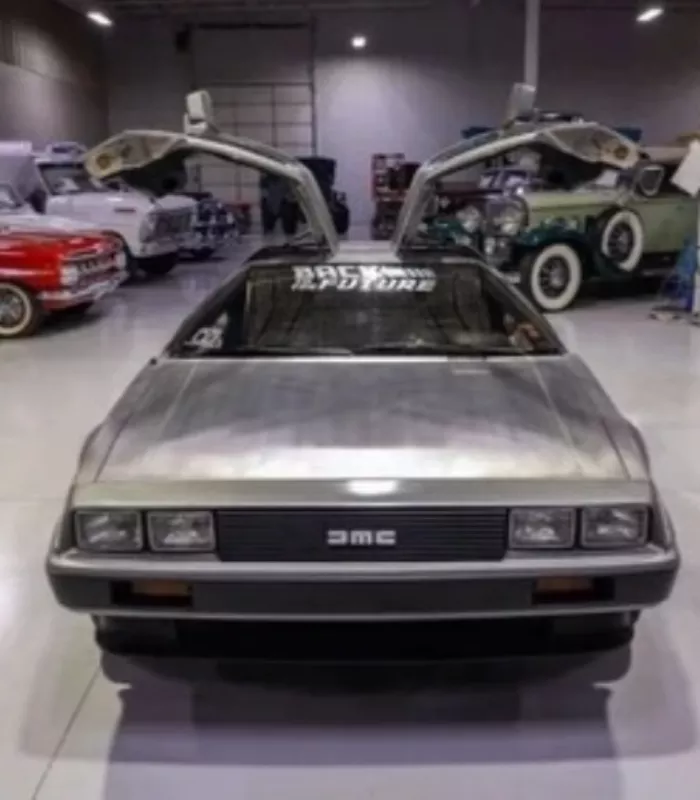
The DeLorean had stainless-steel body panels and gull-wing doors. It looked like nothing else on the road.
But looks were just about all it had going for it. The underpowered V6 engine struggled to move the heavy car. Build quality was inconsistent. And the company behind it collapsed in scandal when founder John DeLorean was arrested in an FBI sting operation in 1982.
Only about 8,583 DeLoreans were ever built before the factory in Northern Ireland shut down for good.
The car became truly famous only after appearing in the “Back to the Future” films. Without Hollywood, most people would remember it only as an expensive flop.
Why It’s On This List: A glamorous exterior hid an underpowered engine, shoddy build quality, and a company mired in scandal from the start.
16. Hummer H2 (2003-2009)
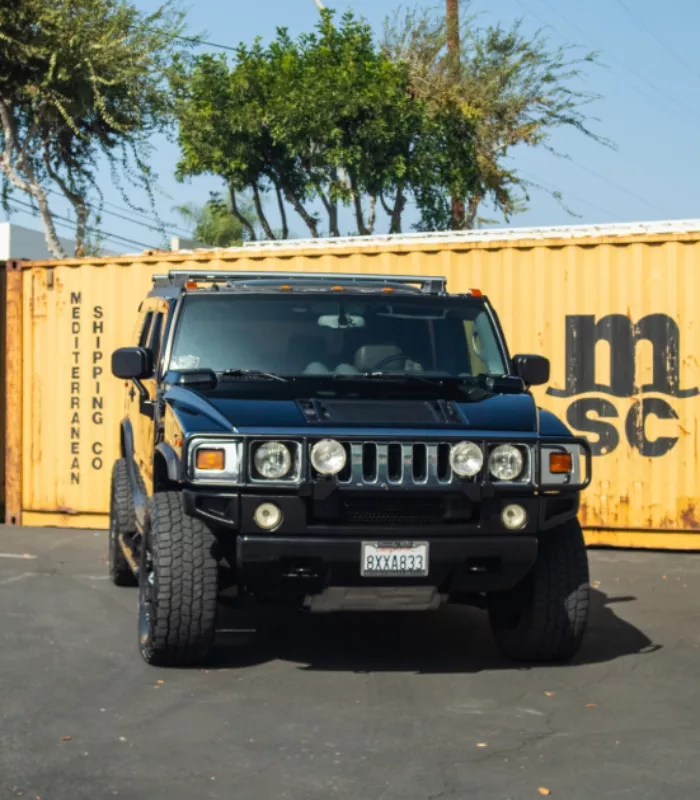
The Hummer H2 arrived at just the wrong moment in history.
It launched shortly after 9/11, a time when America was already thinking hard about its dependence on foreign oil. The H2 got roughly 10 miles per gallon. It was so wide it barely fit in a standard parking space.
The H2 weighed over 6,400 pounds and was classified as a commercial vehicle, which allowed buyers to claim a large tax deduction. That loophole drew a lot of public anger.
Time magazine called it arrogantly huge and openly scornful of the common good. It became a symbol of excess at the worst possible time.
Why It’s On This List: Terrible fuel economy, a massive footprint, and spectacularly bad timing made the H2 one of the most criticized vehicles of the 2000s.
17. Cadillac Alante (1987-1993)
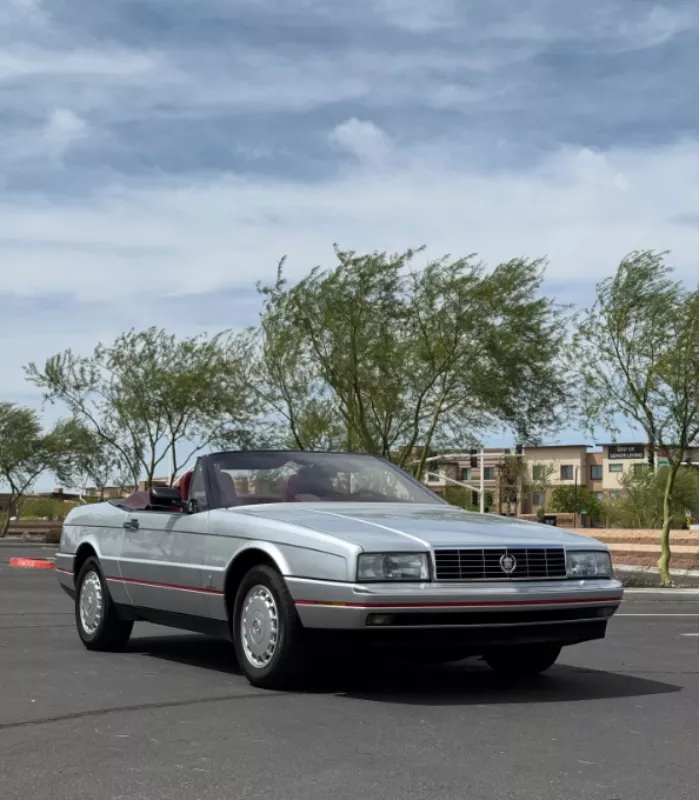
Cadillac spent enormous money trying to build a world-class luxury roadster with the Alante.
The body was built in Italy by Pininfarina, then flown by cargo jet to Detroit to be fitted with the drivetrain. It was an expensive and complicated process that drove the price to around $60,000.
Buyers who paid that price found a car plagued with electrical problems, a top that leaked, and a ride that felt rough for a luxury vehicle.
I made a classic mistake many admirers did: being swayed by the glamorous backstory instead of the reality under the hood. The Alante sold poorly through most of its run and was quietly discontinued in 1993.
Why It’s On This List: Flying car bodies across the Atlantic sounds impressive until you realize the finished product was still unreliable, overpriced, and disappointing to drive.