

It also gave us some of the most regrettable fashion choices in human history.
If you lived through that decade, you probably have a box in your attic filled with expensive mistakes.
Those go-go boots that cost a week’s salary?
The vinyl coat that made you sweat like a marathon runner?
The paper dress that ripped before you left the house?
We all thought we looked amazing, but the photographic evidence tells a different story.
1. Go-Go Boots
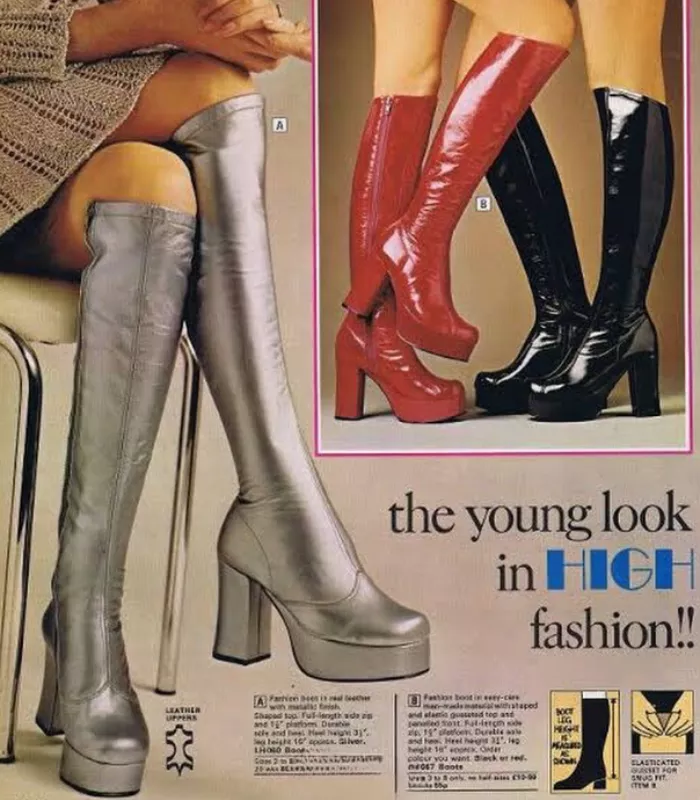
Those shiny, knee-high boots seemed like the height of fashion in the 60s.
Everyone wanted a pair after seeing them on TV dancers and movie stars.
They cost a fortune back then, especially the patent leather versions.
But here’s the catch: they were incredibly uncomfortable and impractical.
The stiff material didn’t breathe, leading to sweaty feet and blisters.
Most people wore them once or twice before relegating them to the back of the closet.
The worst part? They went out of style almost as quickly as they came in. By the early 70s, they were considered tacky and outdated.
Why It’s On This List: Go-go boots cost $20-30 in the 60s (equivalent to $200-300 today) but were too uncomfortable to wear regularly and became fashion relics within just a few years.
2. Nehru Jackets
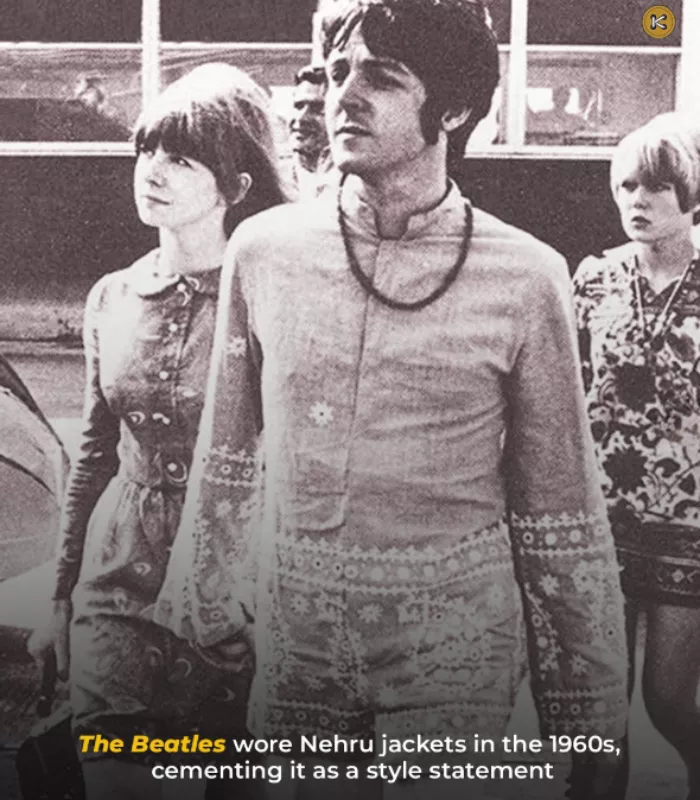
The Nehru jacket became a must-have item after the Beatles popularized it.
Men rushed to buy these collarless, button-up jackets thinking they’d revolutionize menswear.
Department stores couldn’t keep them in stock.
The problem was that most men had no idea how to style them. They looked awkward with regular ties and strange without them.
The jackets also required a specific body type to look good.
Within two years, Nehru jackets became a punchline. They gathered dust in closets across America while their owners wondered what they’d been thinking.
Fashion Fad Failure: The Nehru jacket craze lasted barely 18 months before becoming one of the decade’s biggest fashion embarrassments, leaving millions with an expensive jacket they couldn’t wear anywhere.
3. Paper Dresses
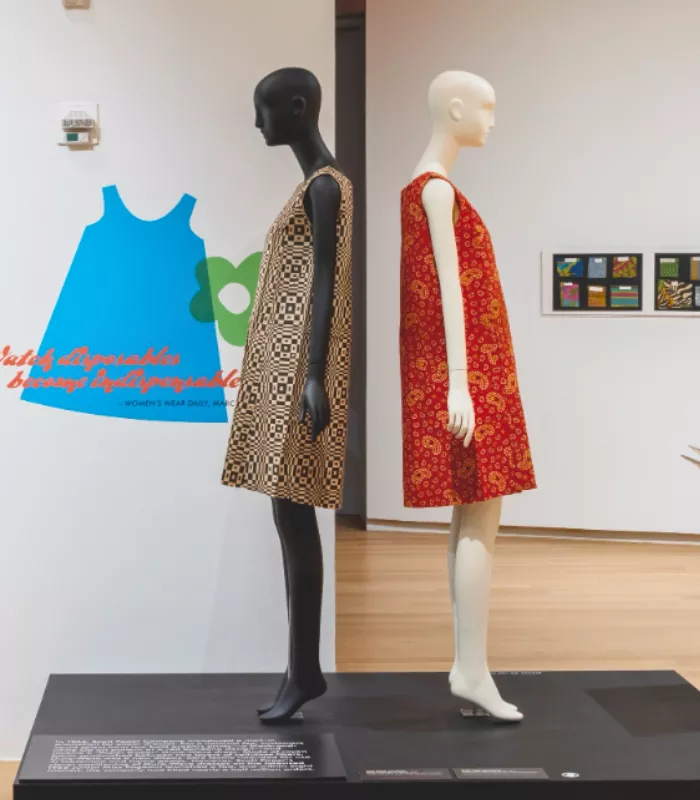
Paper dresses were marketed as the future of fashion.
They were disposable, cheap, and came in wild patterns. Women bought them thinking they’d save money on dry cleaning and storage.
That’s why they seemed like such a brilliant idea at first.
You could wear a dress once and throw it away. No washing, no ironing, no problem.
Except they ripped easily, weren’t comfortable, and looked cheap up close.
They also weren’t as disposable as advertised since most people felt guilty throwing away a whole dress. Rain was their worst enemy.
Why It’s On This List: Paper dresses tore at the slightest snag, couldn’t be worn in any weather, and defeated their own purpose since people felt too wasteful to actually throw them away after one wear.
4. Vinyl Coats and Jackets
Vinyl outerwear exploded in popularity during the mid-60s. The shiny, futuristic look appealed to young people who wanted to look mod and modern.
Every color imaginable hit the market.
But here’s the deal: vinyl doesn’t breathe at all. Wearers would sweat profusely even in mild weather.
The material would crack and peel after a season or two.
The coats also had an unpleasant chemical smell that never quite went away. Cold weather made them stiff as cardboard.
Most ended up in landfills within a year.
Regret Factor: Vinyl coats caused excessive sweating, developed an irreparable sticky texture in humidity, and cracked beyond repair after just one winter season.
5. Medallion Necklaces for Men
The medallion necklace became the symbol of 60s machismo. Men wore large, heavy pendants on thick chains, often with their shirts unbuttoned to show them off. Gold-plated versions sold for serious money.
They were supposed to make men look sophisticated and worldly. Instead, most guys looked like they were trying way too hard.
The heavy chains caused neck irritation and the medallions tarnished quickly.
You’re better off looking at old photos and cringing than actually owning one.
The trend became so associated with sleazy characters that wearing one became social suicide.
Why It’s On This List: Men spent $50-100 on chunky medallions that tarnished within months, caused neck rashes, and became synonymous with tackiness by the 1970s.
6. Patterned Pantsuits
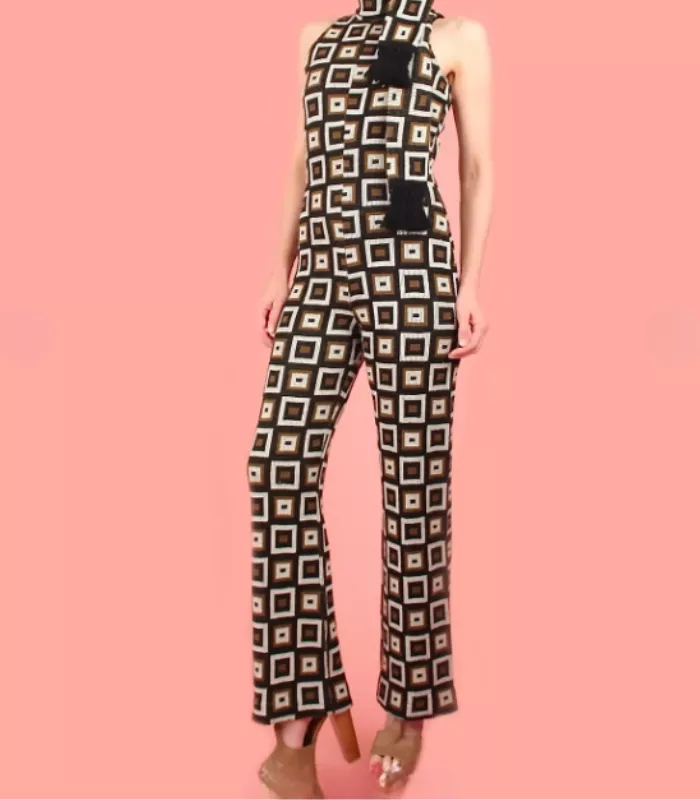
Pantsuits for women were revolutionary, but the 60s versions went overboard with patterns.
Bold geometric prints, clashing colors, and psychedelic swirls covered every inch. They cost significantly more than regular clothing.
The problem was that these patterns were so bold they became tiresome quickly. You couldn’t wear them to work or formal events.
Photos from that era show how overwhelming the patterns actually were.
Most women ended up with expensive pantsuits they could barely look at, let alone wear. The fabric choices were often synthetic and uncomfortable too.
Fashion Mistake: Loudly patterned pantsuits were too bold for most occasions, impossible to accessorize, and the psychedelic prints became headache-inducing to look at after the initial novelty wore off.
7. Tie-Dye Everything
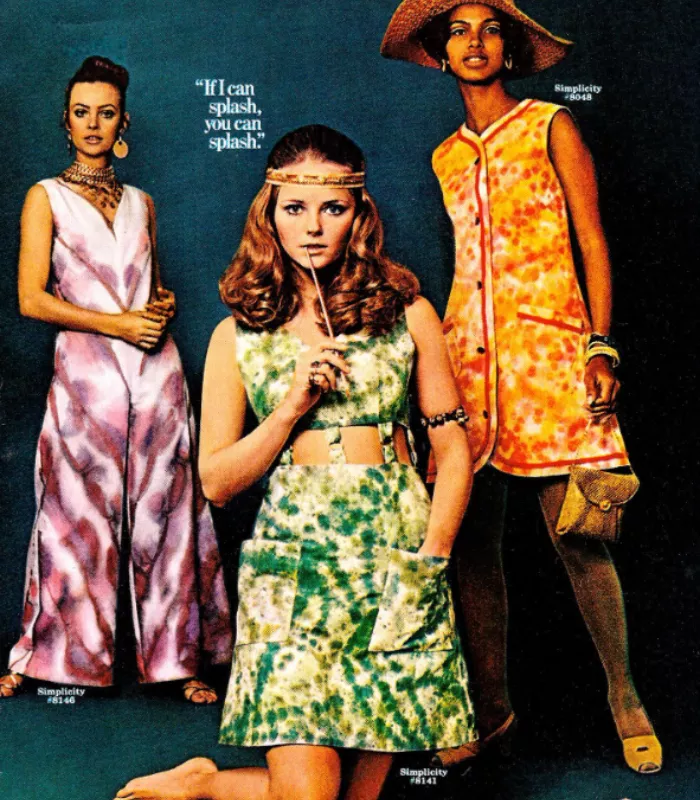
Tie-dye seemed like a creative, affordable way to be fashionable. People bought tie-dye shirts, pants, dresses, and even underwear.
The homemade versions were supposed to be even better.
That’s why so many people have boxes of unwearable tie-dye in their attics. The colors bled in the wash, patterns faded unevenly, and the dyes often caused skin irritation.
Professional tie-dye items were overpriced.
The biggest regret was buying entire wardrobes of tie-dye. What seemed groovy at Woodstock looked ridiculous at the office or family gatherings.
Why It’s On This List: Tie-dye clothing bled colors onto other laundry, faded into muddy browns after washing, and became unwearable in any professional or formal setting.
8. White Leather Boots
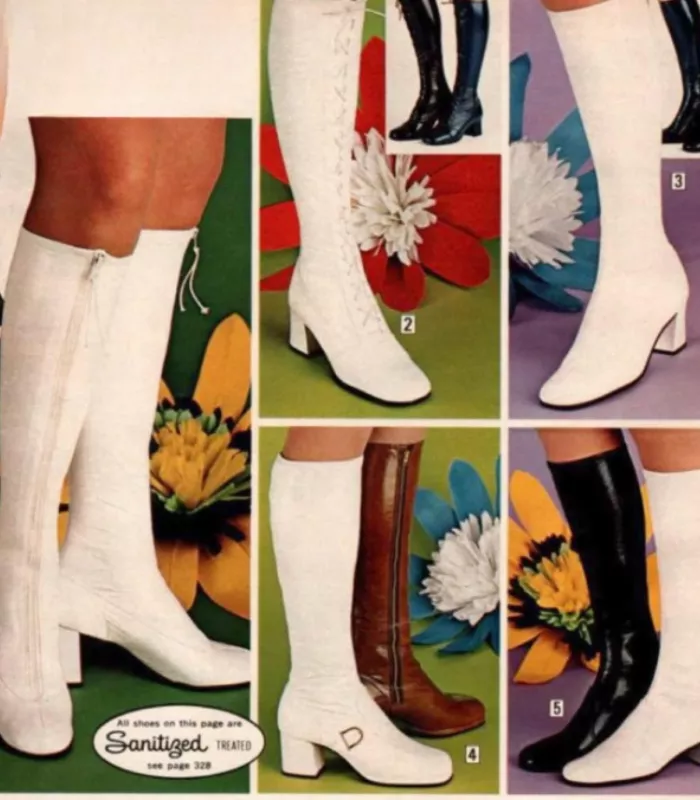
White leather boots were the ultimate fashion statement in the late 60s. Nancy Sinatra’s “These Boots Are Made for Walkin'” sent sales through the roof. Women paid premium prices for genuine leather versions.
But here’s the catch: white leather was impossible to keep clean. One rainy day ruined them forever. Dirt, scuffs, and stains showed up immediately and couldn’t be removed.
The boots also yellowed with age, even when stored properly. Most women wore them once before realizing the maintenance nightmare they’d signed up for.
Regret Factor: White leather boots cost $40-60 (about $400 today) but became permanently stained after a single wear and yellowed even when stored in boxes.
9. Mod Shift Dresses with Huge Patterns
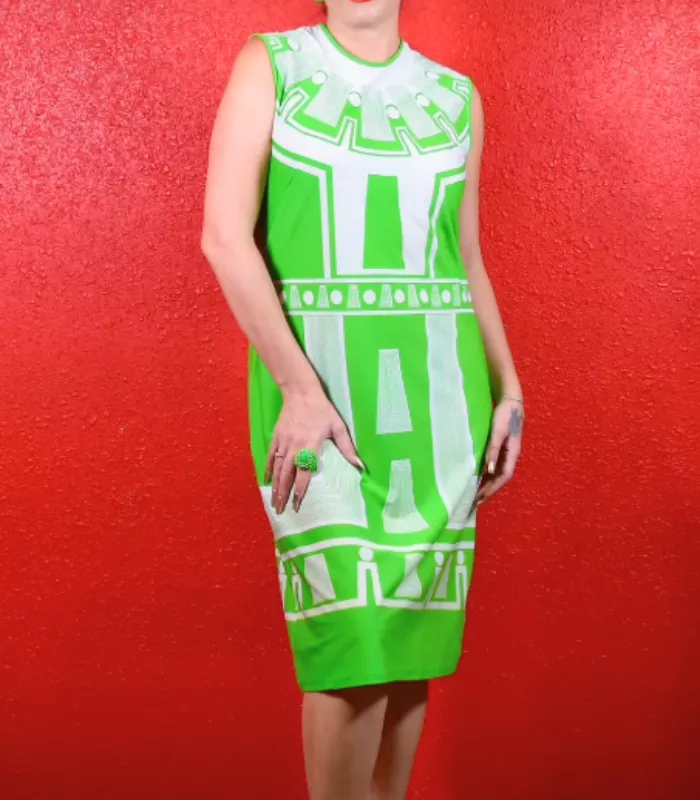
The mod shift dress defined 60s fashion. Simple, straight cuts covered in enormous geometric patterns flew off department store racks. Women bought multiple colors thinking they’d found the perfect wardrobe staple.
The rectangular cut flattered almost nobody. Without a defined waist, most women looked shapeless.
The giant patterns added visual weight and made people appear larger than they were.
These dresses also wrinkled terribly and required constant ironing. The fabric was usually cheap polyester that pilled after a few washes.
Why It’s On This List: Mod shift dresses in oversized patterns made most women look boxy and shapeless, required high-maintenance ironing, and the cheap fabric deteriorated quickly despite premium pricing.
10. Plastic Rain Bonnets
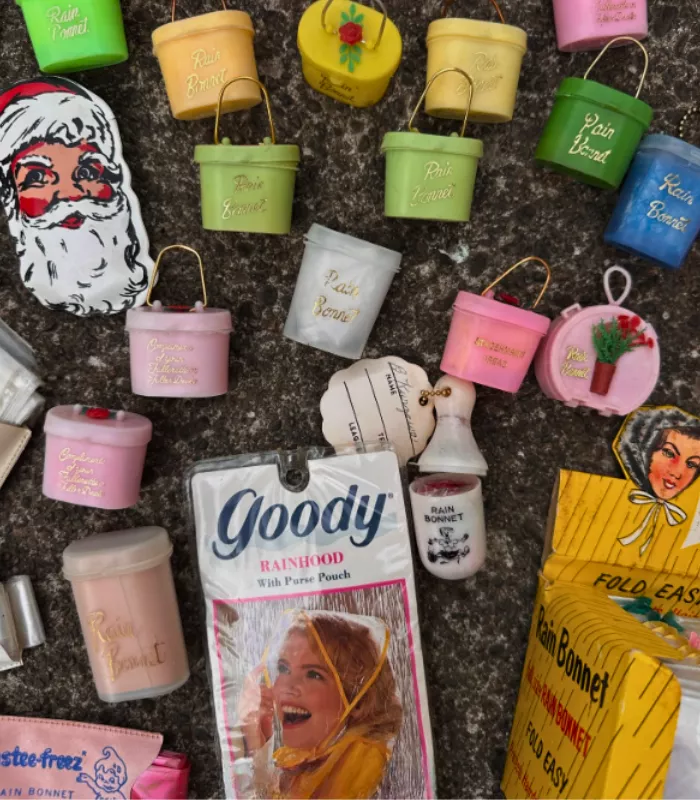
Plastic rain bonnets were marketed as essential accessories to protect elaborate hairstyles. Women bought them in every color to match their outfits.
They folded them into tiny purses for convenience.
I made a classic mistake, thinking these were practical. They trapped moisture against your hair, making it frizzy and flat simultaneously.
The elastic bands caused headaches and left marks on the foreheads.
They also looked absolutely ridiculous, like wearing a shower cap in public. The plastic crinkled loudly with every movement, drawing even more attention to the wearer.
Fashion Fail: Rain bonnets defeated their purpose by trapping humidity that ruined hairstyles anyway, causing painful elastic headbands, and making wearers look foolish in public.
11. Corduroy Suits
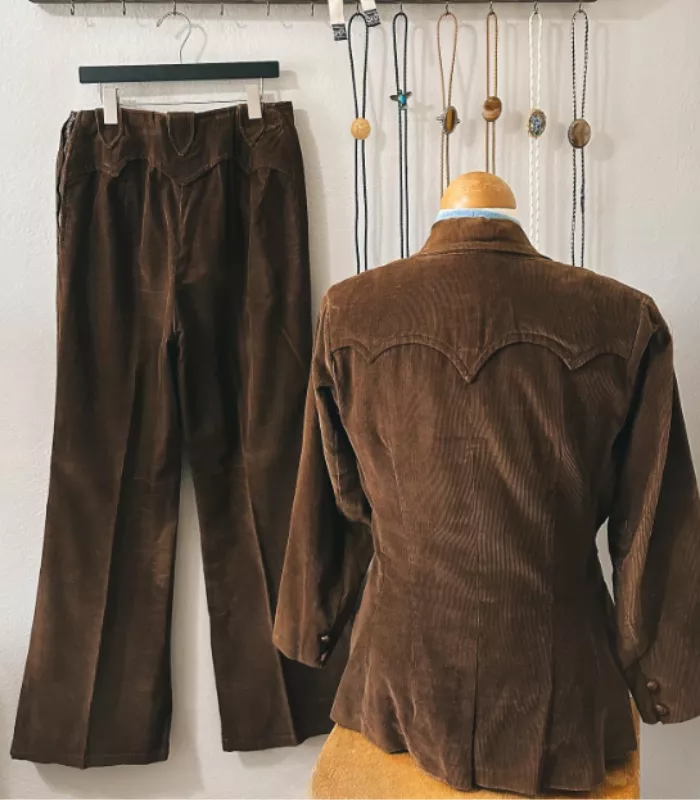
Corduroy suits were marketed as the sophisticated alternative to regular business wear. Men invested heavily in these textured suits, believing they’d be taken more seriously at work.
The thick wales were supposed to signal success and taste.
The reality was far different. Corduroy was hot, heavy, and made embarrassing swishing sounds when you walked.
The fabric wore shiny at the seat and elbows within months.
Sitting down crushed the wales permanently, creating unsightly flat spots. Lint clung to corduroy like a magnet, requiring constant brushing before wearing.
Why It’s On This List: Corduroy suits cost twice as much as wool versions but developed shiny worn patches after minimal use, made loud swishing noises, and became unbearably hot in any indoor setting.
12. Fishnet Stockings
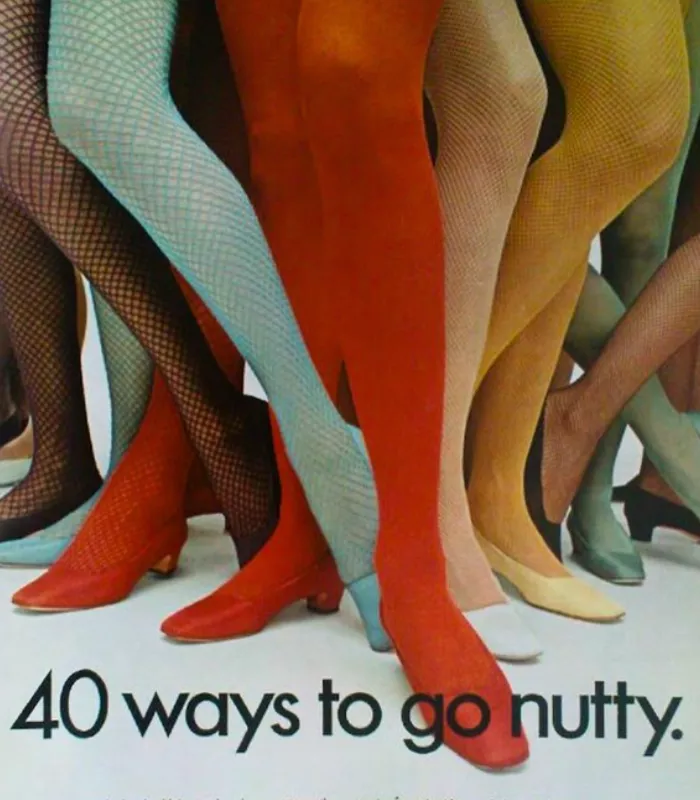
Fishnet stockings seemed daring and fashionable in the 60s. Women bought multiple pairs thinking they’d revolutionize their wardrobe. They were marketed as appropriate for everything from parties to dinner dates.
But here’s the deal: they snagged on everything. One catch on a chair or fingernail created a run that destroyed the entire stocking. Most pairs didn’t survive a single wearing.
They also looked cheap rather than classy in most settings. The large net pattern made legs look unflattering in daylight, and they were uncomfortable to wear for extended periods.
Regret Factor: Fishnet stockings snagged and ran beyond repair within hours of wear, cost $3-5 per pair (expensive for stockings), and looked inappropriate for most occasions people bought them for.
13. Metallic Mini Skirts
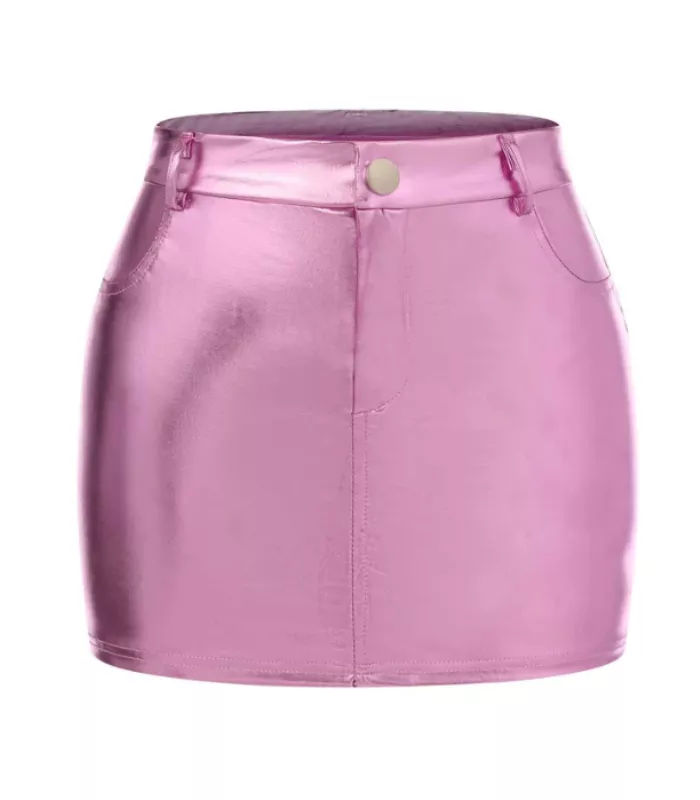
The metallic mini skirt combined two major 60s trends into one eye-catching piece. Silver, gold, and bronze versions filled store windows. Young women spent weeks’ worth of allowance money on these shimmering skirts.
That’s why the regret stings so much decades later. The metallic coating cracked and peeled after just a few wears. The skirts were also incredibly revealing and inappropriate for most venues.
The material didn’t breathe, causing discomfort and sweating. Cold metal against skin was unpleasant in winter, and the skirts looked garish in photographs.
Why It’s On This List: Metallic mini skirts had flaking finishes that created a shabby appearance after 2-3 wears, were too short for most real-world situations, and photographed poorly with harsh reflective glare.
14. Turtleneck Dickeys
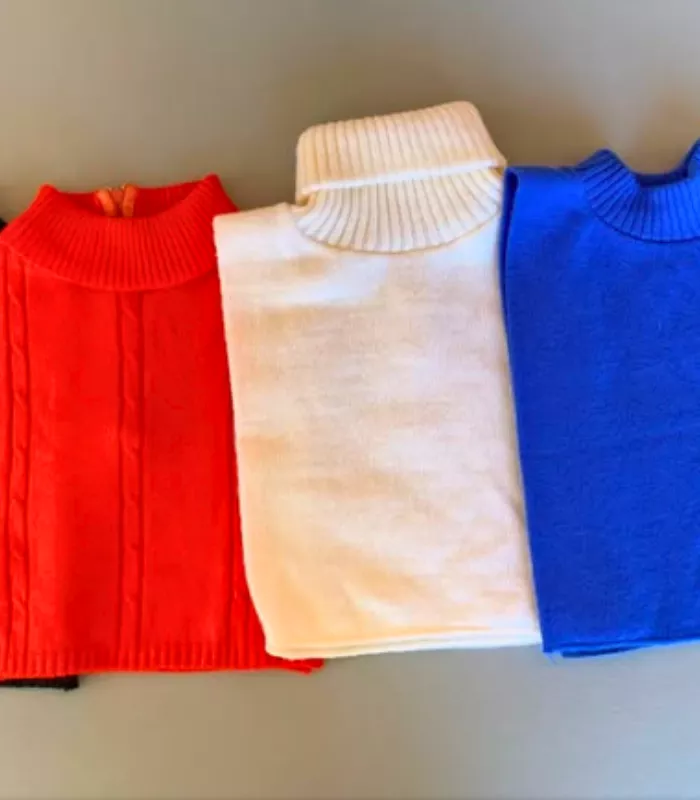
Turtleneck dickeys were fake turtlenecks that only covered the neck and chest. They were supposed to give the layered look without the bulk. Stores marketed them as the ultimate fashion shortcut.
The concept was ridiculous in practice. The dickeys never stayed in place and would ride up or shift throughout the day. Anyone who got close could tell you weren’t wearing a real turtleneck.
They also bunched uncomfortably under sweaters and created weird lumps. The elastic around the neck was often too tight, leaving red marks.
Fashion Fail: Turtleneck dickeys shifted and bunched constantly throughout the day, were obviously fake to anyone nearby, and the tight elastic caused neck irritation and visible red marks.
15. Crocheted Vests
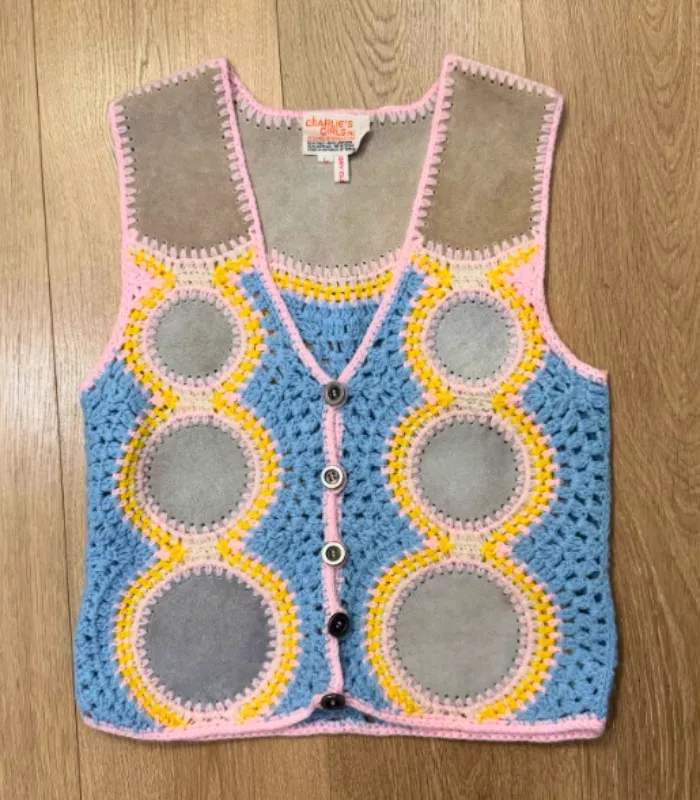
Crocheted vests became wildly popular in the late 60s. People bought handmade versions at craft fairs or made their own. They seemed like the perfect bohemian accessory for any outfit.
You’re better off without these itchy disasters. The yarn was scratchy against skin, even over shirts. The vests stretched out of shape after washing and never recovered their original form.
They also snagged constantly and unraveled easily. One loose thread could destroy hours of crocheting work. Most ended up misshapen and unwearable within a season.
Why It’s On This List: Crocheted vests stretched permanently out of shape, unraveled from single snags, were unbearably itchy, and looked sloppy after the first washing.
16. Platform Shoes with Extreme Heights
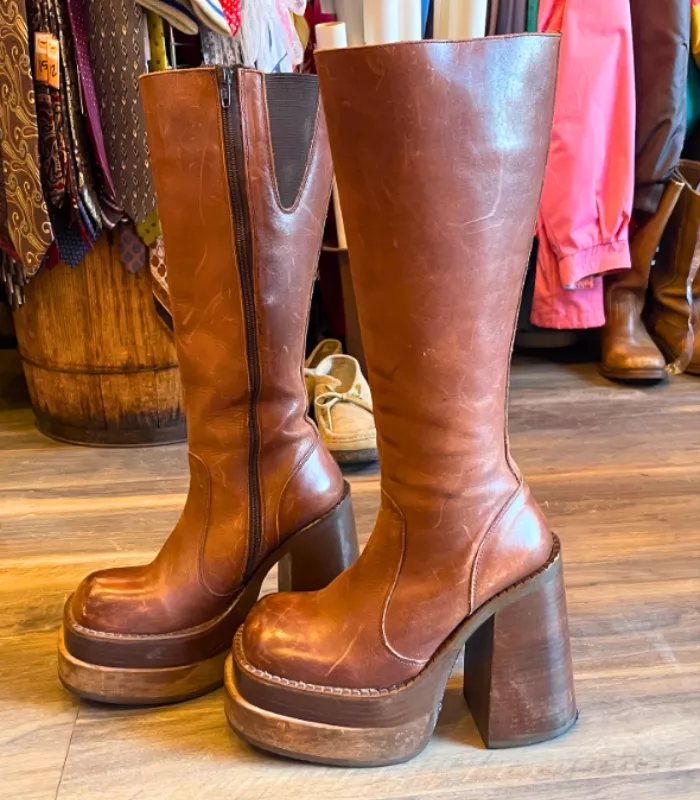
Platform shoes reached absurd heights in the late 60s. Men and women bought platforms with 4-6 inch soles, thinking taller meant more fashionable. They were expensive and considered status symbols.
But here’s the catch: they were dangerous. Twisted ankles and falls were common. Walking on uneven surfaces became treacherous, and stairs were nearly impossible to navigate safely.
The shoes also caused back and knee problems. The extreme weight of the platforms made feet tired quickly. Most people couldn’t wear them for more than an hour.
Regret Factor: Extreme platform shoes caused numerous ankle injuries, created long-term back and knee pain, and were so heavy and unstable that most owners could barely walk in them.
17. Paisley Print Everything
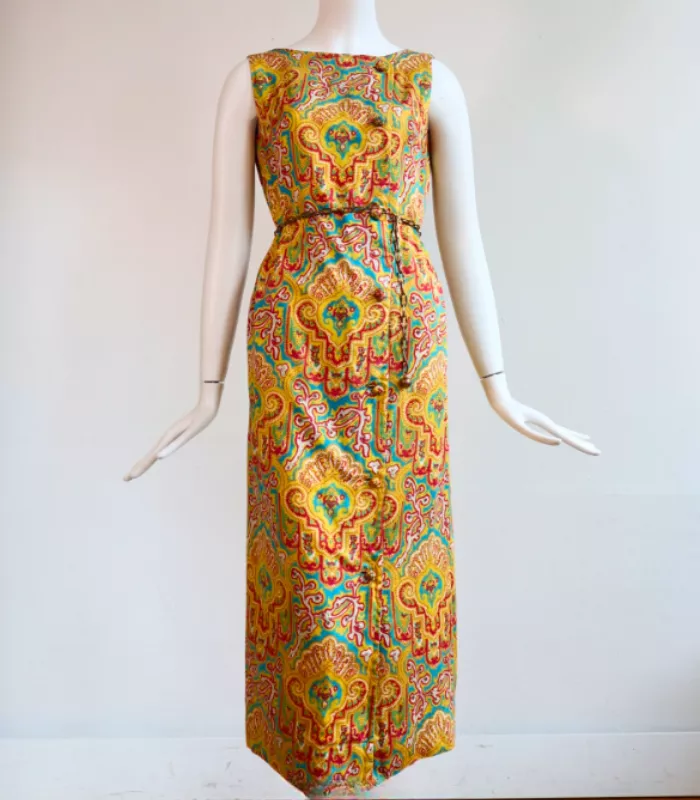
Paisley prints dominated 60s fashion. People bought paisley shirts, pants, jackets, and accessories all at once. Matching paisley outfits were considered the height of sophistication.
The problem was paisley overload. Head-to-toe paisley was overwhelming and dizzying to look at. The busy patterns clashed with everything else in your wardrobe, limiting outfit options.
The prints also dated quickly and screamed “1960s” in the worst way. Photographs from this era show how ridiculous full paisley outfits actually looked.
Why It’s On This List: All-paisley outfits were visually overwhelming, couldn’t be mixed with other wardrobe pieces, and became instant markers of dated fashion that looked foolish in hindsight.
18. Plastic Jewelry Sets
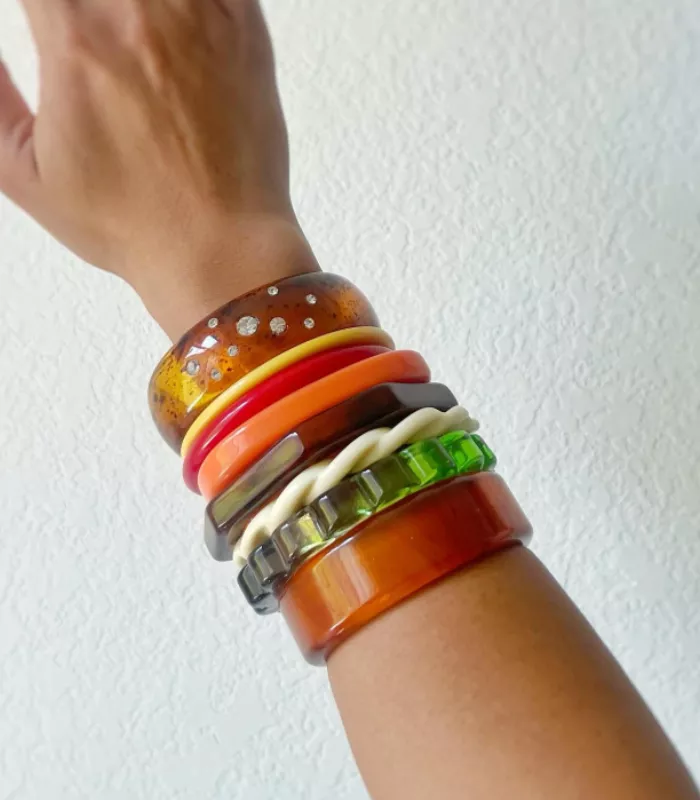
Colorful plastic jewelry was marketed as affordable, fashion-forward accessories. Women bought complete sets of matching necklaces, bracelets, and earrings in bright colors. They seemed perfect for the mod aesthetic.
That’s why closets are still full of unworn plastic jewelry. The pieces looked cheap rather than chic. The plastic discolored quickly, turning yellow or cloudy within months.
Earrings caused allergic reactions in many wearers. The clasps broke easily, and the lightweight plastic felt insubstantial. Most sets fell apart before they could be worn out.
Fashion Mistake: Plastic jewelry sets discolored to ugly yellow tones within months, caused ear infections from non-hypoallergenic materials, and had clasps that broke after minimal use.
19. Nehru Suits
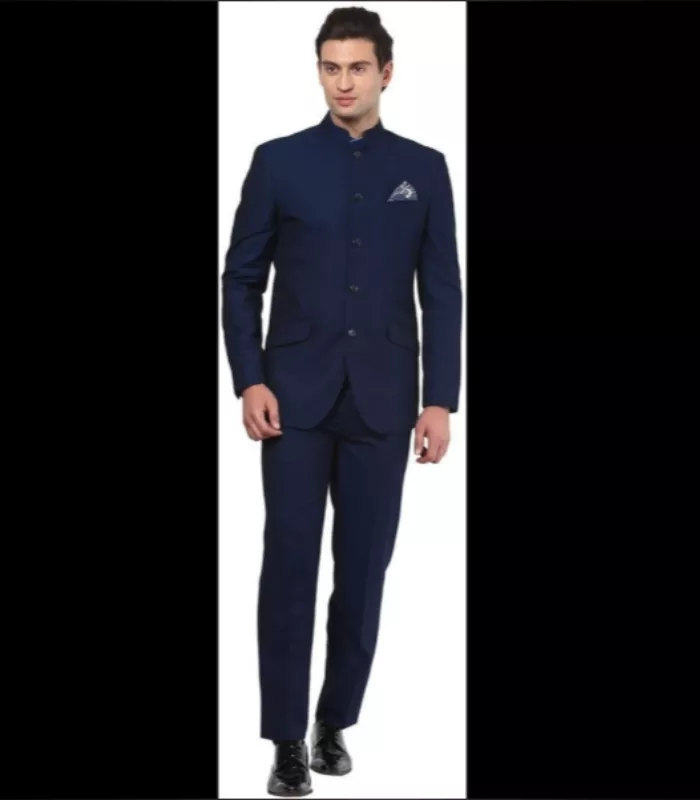
The full Nehru suit took the jacket trend even further. Men invested in complete suits with matching collarless jackets and pants. They cost as much as traditional business suits but promised to be more modern.
These suits were professional suicide in most workplaces. Conservative offices rejected them as too casual or strange. The jackets required specific shirt styles that most men didn’t own.
The suits also looked dated almost immediately. By 1970, wearing a Nehru suit marked you as hopelessly behind the times rather than fashion-forward.
Why It’s On This List: Complete Nehru suits cost $100-150 but were rejected in professional settings, required specialized shirts, and became fashion punchlines before most owners got substantial wear from them.
20. Fluorescent Colored Tights
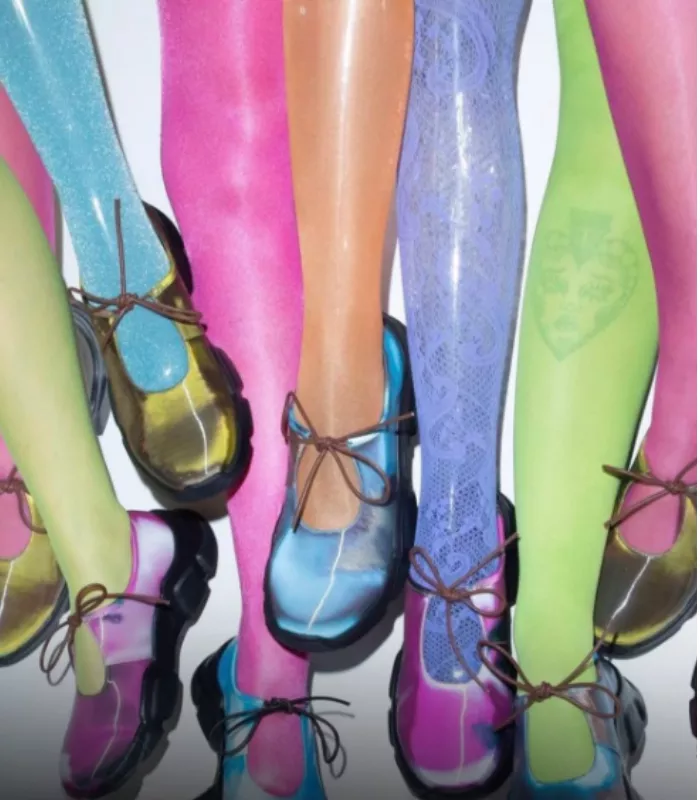
Fluorescent tights in shocking pink, lime green, and electric orange seemed exciting and rebellious. Women bought multiple pairs to match with their mod dresses. The bright colors were supposed to make bold statements.
Want me to tell you why these were terrible? The colors bled onto everything they touched, ruining shoes and furniture. The dye caused skin rashes and allergic reactions in many wearers.
The tights also faded unevenly after washing, creating splotchy, unwearable messes. The synthetic material didn’t stretch well and bagged at the knees and ankles. Most pairs were unwearable after one wash.
Regret Factor: Fluorescent tights bled dye onto skin and furniture, caused allergic rashes, faded into ugly uneven colors after washing, and bagged permanently at joints after a single wear.