

If your bookshelf is sweating more than you are, something has gone very wrong.
Warping, peeling, sagging, cracking – these are not signs of age. They are signs of cheap materials.
The furniture industry has a not-so-secret habit of dressing up low-grade stuff in high-end packaging.
A fresh coat of paint and a fancy store name can hide a lot of sins.
Knowing what is inside your furniture is the single smartest shopping decision you can make.
1. Particleboard
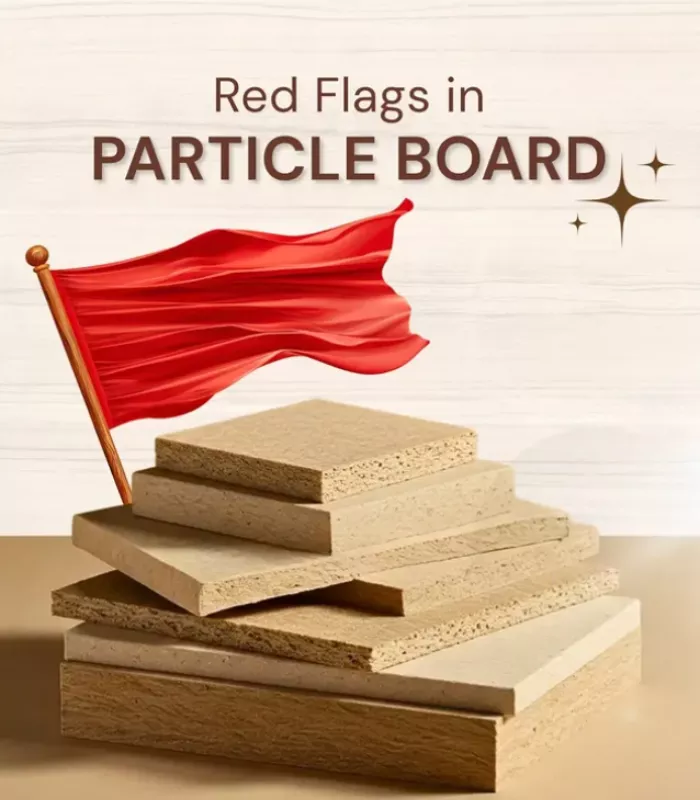
Particleboard is made from wood chips, sawdust, and glue pressed together.
It looks solid at first. But here’s the catch – it swells and crumbles the moment it gets wet.
Most cheap furniture from big box stores uses particleboard. It can start falling apart in as little as 2 to 3 years.
Particleboard was first mass-produced in the 1940s as a way to use leftover wood waste.
It became popular because it was cheap and easy to produce at scale.
Manufacturers loved it because it could be cut into any shape quickly.
But cost savings for them often meant quality problems for you.
Humidity is its biggest enemy. Even living in a slightly damp climate speeds up the breakdown.
Kitchens and bathrooms are the worst places to use particleboard furniture.
Steam from cooking or showering alone can cause it to swell within months.
Once it swells, it never returns to its original shape.
Many budget kitchen cabinets are made almost entirely from particleboard.
That is why so many home renovators end up replacing cabinets far sooner than expected.
The glue used to bind the wood particles together also breaks down over time on its own.
Even without moisture, the internal bonding weakens after years of normal temperature changes.
This means particleboard in a dry climate will still eventually crumble from the inside out.
Screw holes in particleboard strip out much faster than in solid wood or even plywood.
Why It’s On This List: Particleboard cannot hold screws well over time. Once the screws loosen, the whole piece wobbles and breaks down fast.
2. Hollow-Core Wood
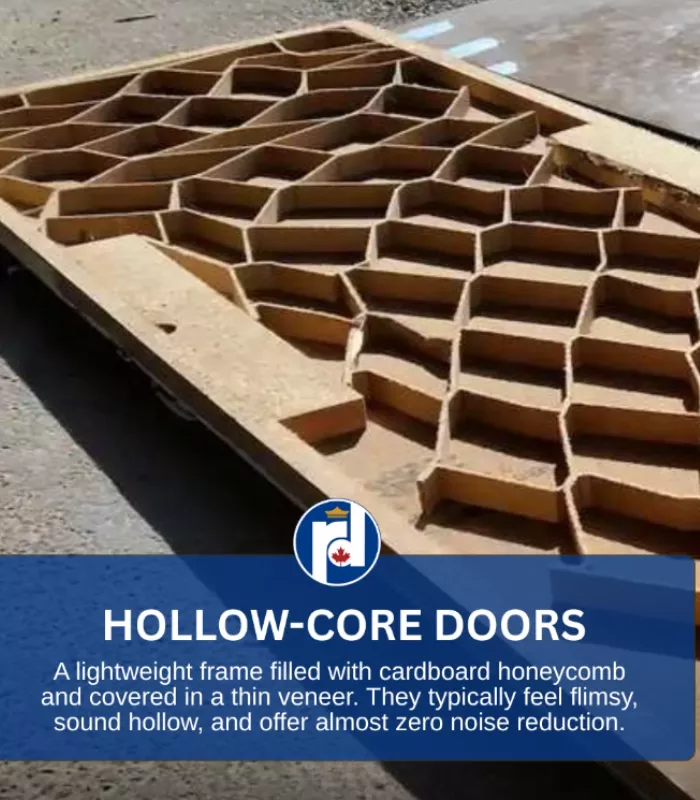
Hollow-core wood looks like solid wood from the outside. Inside, it is mostly empty space or a cardboard-like filler.
It dents easily. A hard knock or a dropped item can leave a permanent mark.
Hollow-core doors and furniture panels are among the most commonly replaced items in the home. That’s why so many people end up buying replacements within just a few years.
Hollow-core construction became widespread in the 1980s as lumber prices started rising.
Builders and furniture makers needed a way to cut costs without obviously reducing size.
From the outside, a hollow-core panel and a solid wood panel can look identical.
The difference only becomes clear when you knock on it or try to hang something heavy.
Hollow-core furniture cannot support much weight on shelves or brackets.
Many people discover this the hard way after loading up a bookshelf.
The thin outer veneer is usually only a millimeter or two thick.
Once it chips or peels in one spot, moisture gets in and the damage spreads fast.
Repairs are nearly impossible because there is nothing solid underneath to work with.
Most contractors recommend replacing hollow-core pieces rather than attempting any fix.
The internal cardboard honeycomb filler absorbs moisture readily in humid environments.
Once that filler gets damp, it collapses and the outer panels lose all structural support.
This is why hollow-core furniture should never be placed in garages or outdoor covered spaces.
Hollow-core panels also offer almost no sound insulation, which becomes noticeable in smaller homes.
Why It’s On This List: The thin outer veneer chips and peels over time, making the furniture look worn out and old very quickly.
3. Low-Grade MDF (Medium-Density Fiberboard)
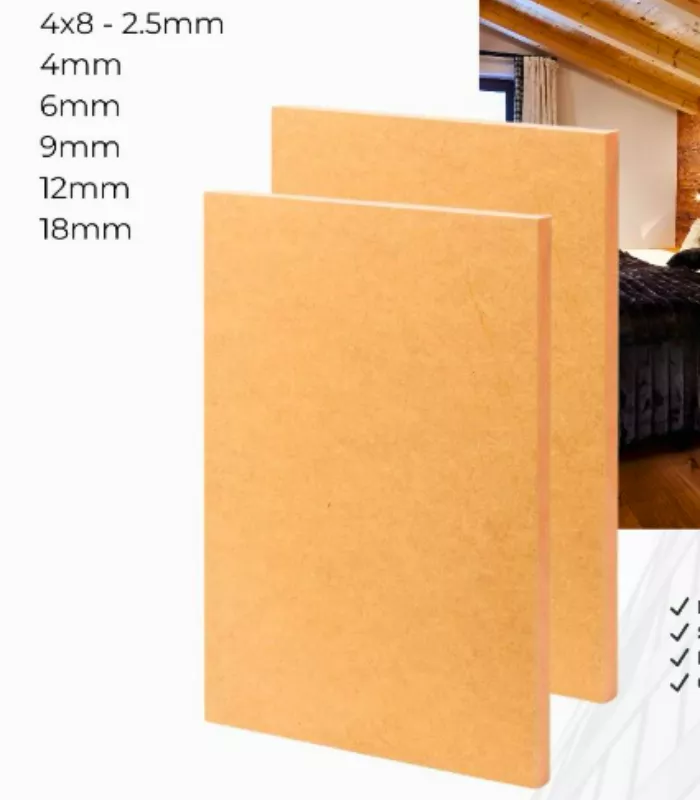
MDF is smoother than particleboard. But low-grade MDF has the same big weakness – water.
Even a small spill that soaks in can cause it to bubble and warp.
Low-grade MDF also adds significant weight to furniture while offering very little strength in return. Shelves made from it can sag under normal book or dish loads.
MDF was developed in the 1960s and became a staple of budget furniture by the 1990s.
High-grade MDF with moisture-resistant additives does exist and performs much better.
The problem is that low-grade and high-grade MDF look nearly identical in a store.
There is no easy visual way to tell the difference without checking the product specs.
Most budget furniture lines use the lowest grade available to keep prices down.
A single glass of water left on an unfinished MDF surface can cause permanent swelling.
The surface finish seals it temporarily, but scratches and chips break that seal quickly.
Once the seal is broken, deterioration happens fast and spreads outward from the damage point.
Low-grade MDF is also difficult to paint or refinish successfully after damage occurs.
The swollen fibers absorb paint unevenly, leaving a bumpy and unprofessional finish.
Low-grade MDF shelving has been known to sag visibly under just 20 to 30 pounds of weight.
That is barely enough books to fill half a standard shelf without causing a problem.
Reinforcing sagging MDF is not practical because adding supports rarely restores its original shape.
The edges of MDF are especially vulnerable because they have no surface coating to protect them from damage.
Why It’s On This List: Low-grade MDF cannot be sanded or repaired easily once damaged. When it warps, you have no choice but to replace the whole piece.
4. Bonded Leather (Faux Leather)
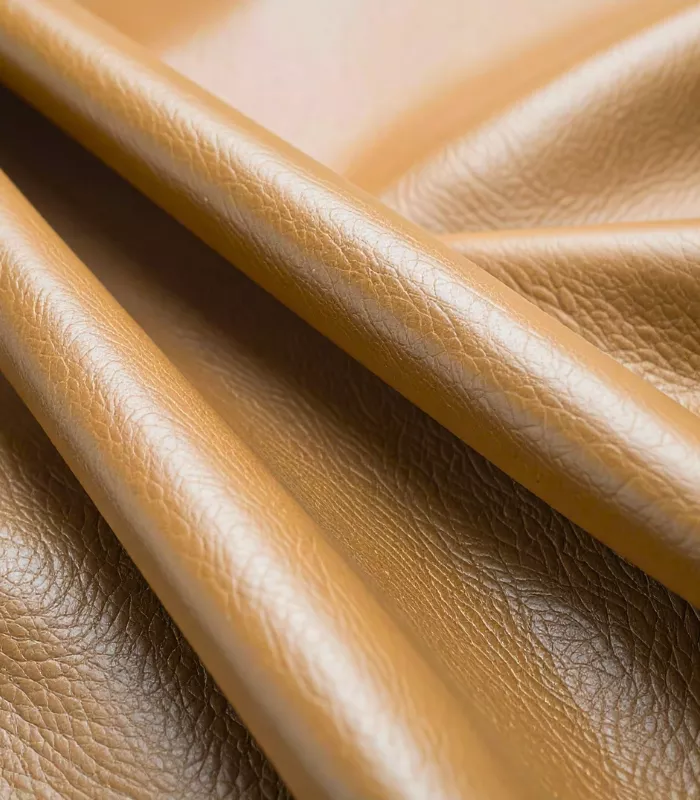
Bonded leather is made from leftover leather scraps ground up and glued onto a fabric backing.
It feels like real leather at first. But it starts to peel and crack within 2 to 5 years of regular use.
Studies have shown that bonded leather contains as little as 10 to 20 percent actual leather. The rest is plastic and glue.
Bonded leather became very popular in the early 2000s as a cheaper alternative to genuine leather.
Furniture retailers loved it because it allowed them to use the word leather in marketing.
Consumers assumed leather meant durability, which made the products easier to sell.
The peeling usually starts at the areas of highest use – armrests, seat edges, and headrests.
Body heat and friction accelerate the breakdown of the adhesive that holds it together.
Once peeling begins, the plastic layer separates from the backing in larger and larger pieces.
No repair product on the market can permanently stop the peeling once it starts.
Temporary leather repair kits can slow it down, but the underlying material continues to fail.
Many consumers have reported their bonded leather sofas looking completely destroyed within 3 years.
Real leather, by comparison, often lasts 15 to 20 years with basic care and conditioning.
Bonded leather also does not breathe the way genuine leather does, making it uncomfortable in warm weather.
It traps heat and moisture against the skin, which actually speeds up the surface deterioration further.
The small flakes that break off during peeling can also stain clothing and become a daily annoyance.
Pets with claws can destroy bonded leather in a matter of weeks, while genuine leather tends to resist light scratching far better.
Why It’s On This List: Once bonded leather starts peeling, there is no fixing it. The flaking gets worse every single week until the sofa looks completely ruined.
5. Plastic Resin Furniture
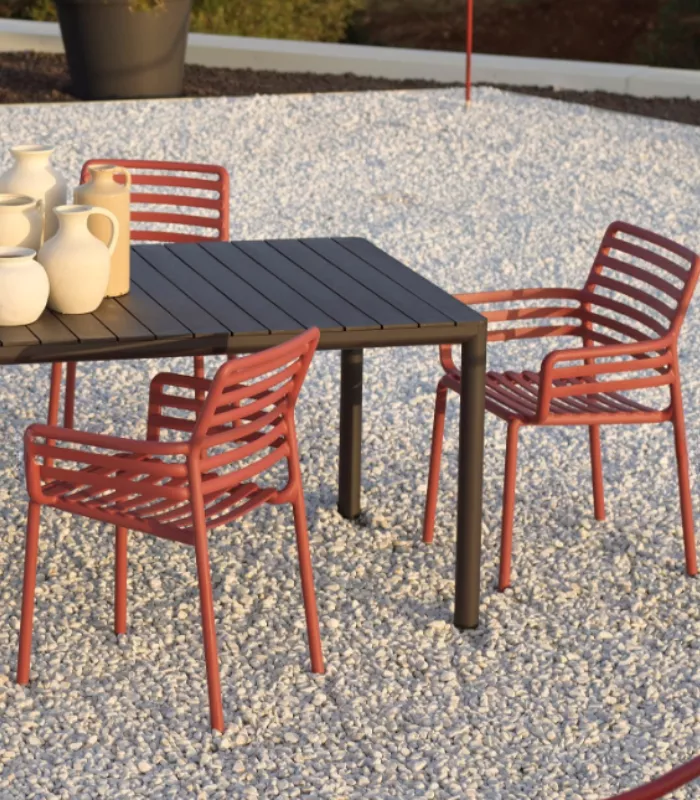
Plastic resin furniture is lightweight and cheap. It is often sold for patios and outdoor use.
But here’s the deal – UV rays from the sun break down the plastic over time. It becomes brittle, fades, and cracks.
Cheap plastic resin chairs can become unsafe to sit on after just a few seasons outdoors. Legs snap without warning.
Plastic resin outdoor furniture exploded in popularity during the 1980s and 1990s.
It was marketed heavily as a low-maintenance alternative to wood patio sets.
In shaded or covered areas, it does hold up somewhat longer than in direct sunlight.
But most patio furniture is placed in full sun, which is exactly where resin fails fastest.
UV degradation causes the polymer chains in the plastic to break apart at a molecular level.
This is why resin furniture turns chalky white and loses its color before it ever physically cracks.
The chalky surface is actually a warning sign that structural weakness is already developing.
High-quality resin with UV stabilizers does exist, but costs significantly more than budget versions.
Budget resin chairs often have no UV protection additives at all to keep manufacturing costs low.
A single hot summer in a sunny climate can take years off the life of cheap resin furniture.
Extreme temperature swings between day and night also stress the plastic and cause micro-cracks to form.
Those micro-cracks are invisible at first but grow steadily with each passing season.
By the time a leg snaps or a seat cracks through, the structural failure has been building for a long time.
Covering resin furniture at night helps slow UV damage but does not stop the temperature stress that causes cracking.
Why It’s On This List: Plastic resin furniture cannot be repaired or refinished. Once it cracks or fades badly, it goes straight to the trash.
6. Softwood Pine (Low-Grade)
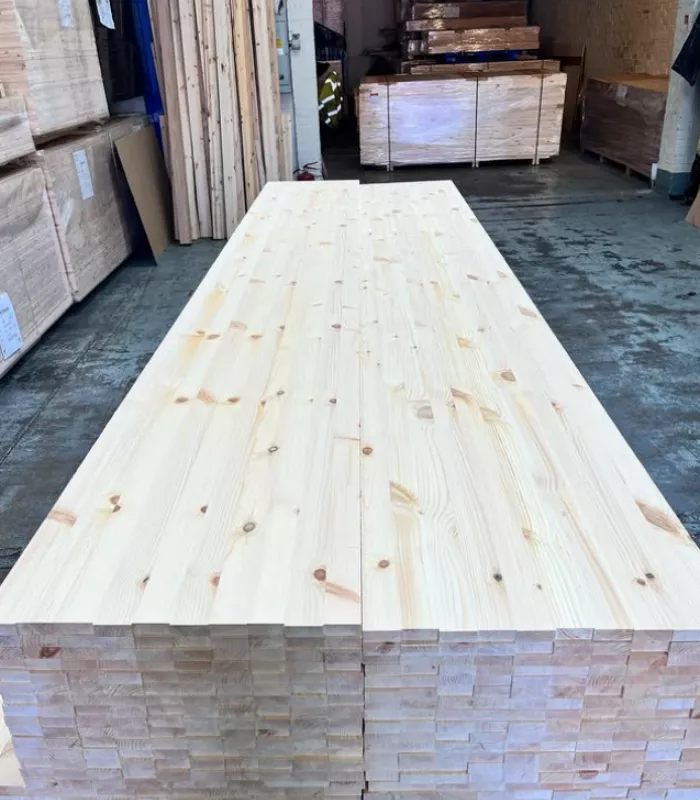
Pine is a real wood. But low-grade pine is very soft compared to hardwoods like oak or maple.
It scratches and dents from everyday use. Even resting your keys on a pine table can leave marks.
Low-grade pine furniture can show visible wear within the first year of use. I made a classic mistake buying a pine coffee table once – it looked worn out before the year was even over.
Pine rates between 380 and 870 on the Janka hardness scale, depending on the variety.
Oak, by comparison, rates around 1290, making it more than twice as resistant to denting.
Low-grade pine also tends to have more knots, which are weak points in the wood structure.
Knots can pop out over time, leaving holes that are difficult to repair cleanly.
Pine expands and contracts more dramatically with humidity changes than most hardwoods do.
This movement causes joints to loosen and drawers to stick or gap over time.
Staining pine evenly is notoriously difficult because it absorbs stain at different rates.
This is why many painted pieces use pine – the paint hides the uneven absorption problem.
But once the paint chips, the repairs are visually obvious and hard to blend.
You are better off spending a little more on a hardwood piece that will last decades.
Low-grade pine is also more susceptible to insect damage than denser hardwoods.
The soft grain structure makes it easier for wood-boring insects to penetrate and cause hidden damage.
This is especially worth knowing if you live in a warm or humid region where insects are more active year-round.
Low-grade pine furniture also tends to develop a yellowish tint over time as the resin in the wood oxidizes with age.
Why It’s On This List: You are better off spending a little more on a hardwood piece that will last 20 to 30 years than replacing a cheap pine piece every few years.