

Malls were where Michigan families spent their weekends and their paychecks.
Kids begged for quarters at the arcade.
Parents grabbed soft pretzels and walked loops around department stores.
Everyone knew which entrance had the best parking.
Then the internet learned how to sell everything, and those weekend traditions started dying off.
Michigan now has enough struggling malls to make you wonder if the 1980s were just a retail fever dream.
1. Lakeside Mall, Michigan
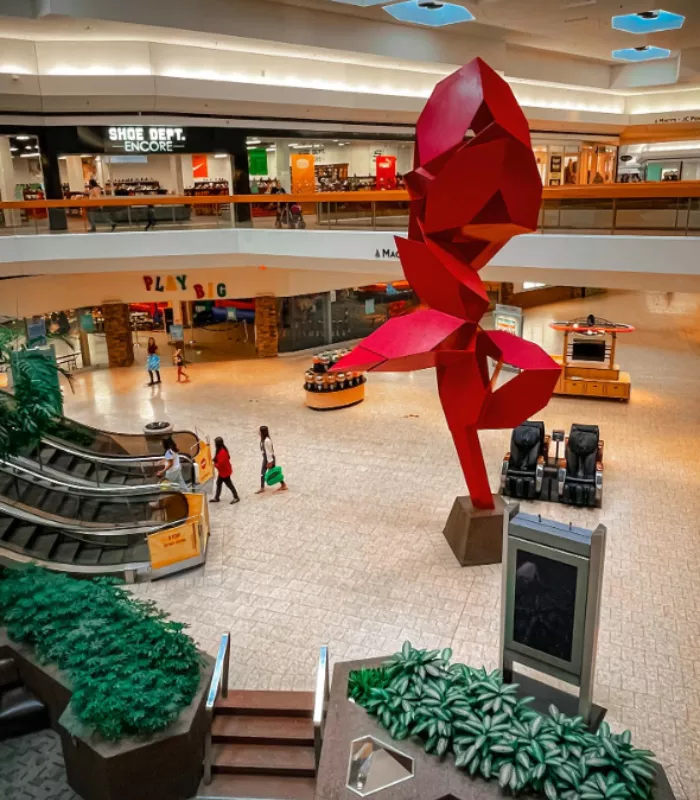
Lakeside Mall in Sterling Heights used to be one of the largest malls in the state, with more than 1.5 million square feet of space.
Today, the mall is closed and set for demolition after years of shrinking crowds and many empty stores.
The site is planned to be turned into a mixed use town center with apartments, shops, and a hotel in place of traditional mall corridors.
The transformation reflects a broader shift in how developers view old mall properties across Michigan and the nation.
Why It’s On This List: Lakeside went from a huge, busy mall to a nearly empty property that is now closing for good and starting over as something new.
2. Adrian Mall, Michigan
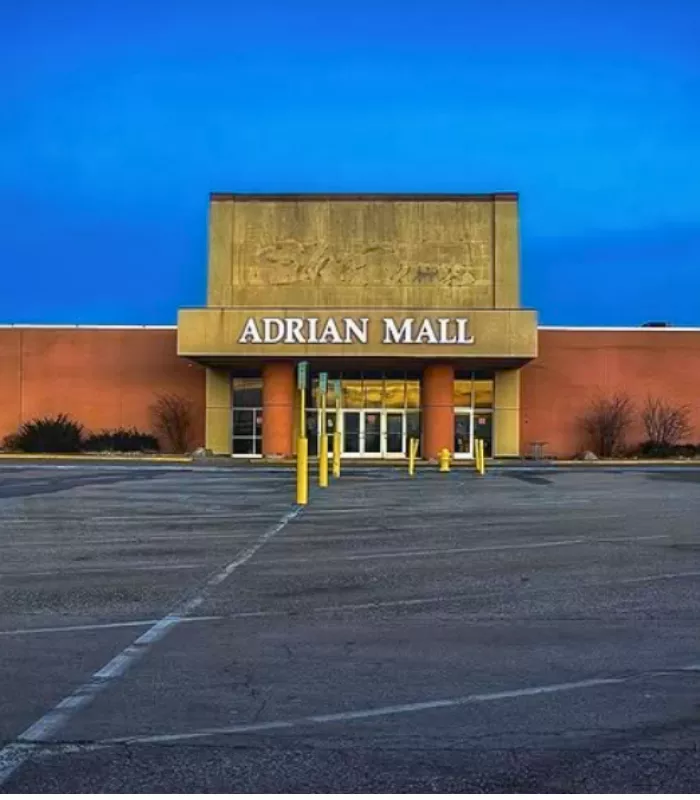
Adrian Mall in Adrian has been listed as a redeveloped or abandoned mall, after long struggles with vacancies and upkeep.
Many anchor stores closed over time, which made it hard for smaller shops to survive and drew fewer families to the property.
Parts of the site have been repurposed, but the original enclosed mall is no longer the healthy shopping center many locals remember.
Smaller markets like Adrian often struggle more than larger cities when retail trends shift away from traditional malls.
Struggling Small Town Mall: Adrian Mall is on this list because its enclosed mall days are effectively over, with only pieces of the property still in use.
3. Alpena Mall, Michigan
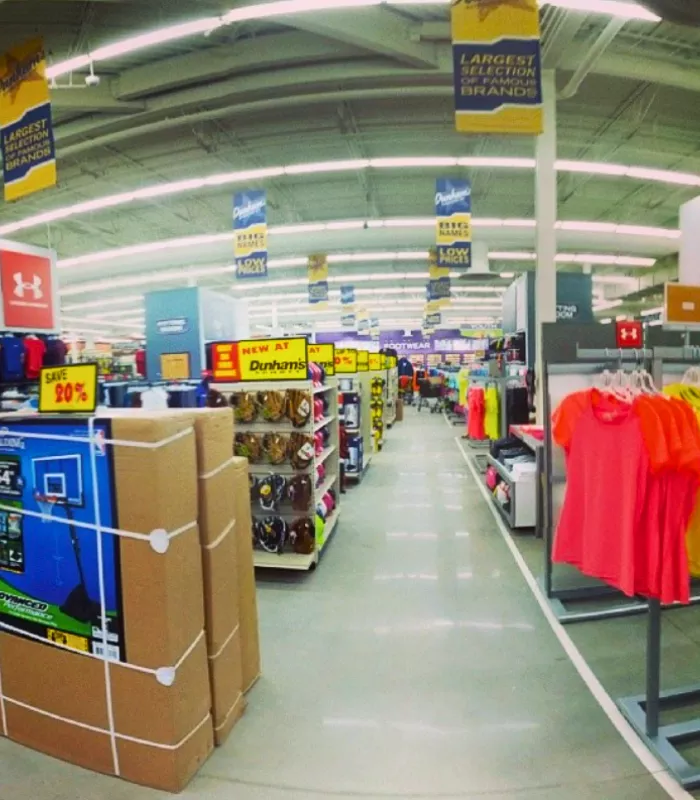
Alpena Mall in Alpena is also listed among Michigan malls that have been redeveloped or abandoned.
Over the years, big national brands moved out, leaving long, quiet hallways and fewer reasons for shoppers to visit.
The property has seen attempts to reuse space, but it no longer functions as a full, lively regional mall for the community.
Rural and remote areas face unique challenges in keeping regional shopping centers viable when populations decline or shift their buying habits.
Fading Regional Center: Alpena Mall appears here because it shifted from a busy enclosed mall to a mostly repurposed site with limited traditional mall activity.
4. Birchwood Mall, Michigan
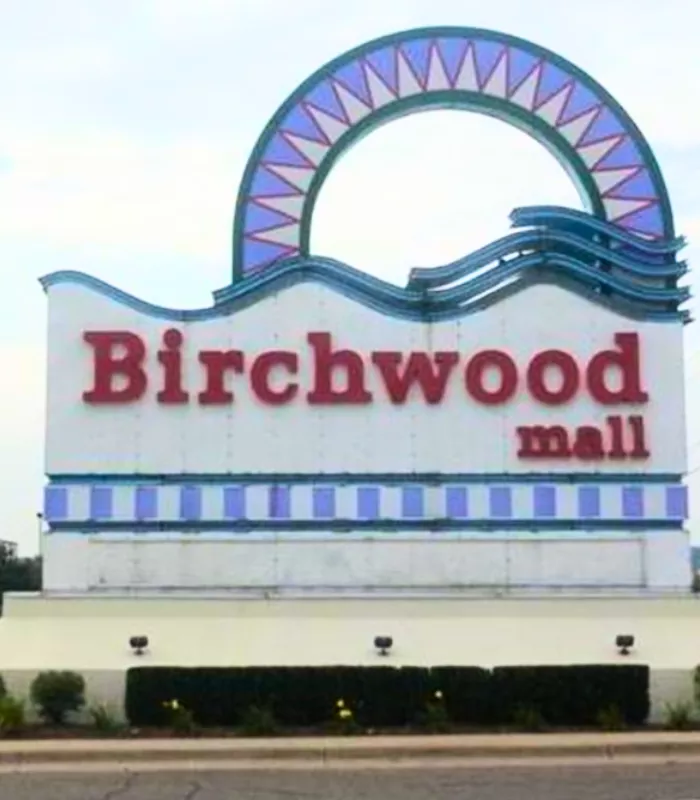
Birchwood Mall in Kingsford is listed among Michigan malls that have been redeveloped or abandoned, reflecting years of decline.
Like many smaller Midwest malls, it lost key anchors and saw more empty storefronts as shoppers turned to other options.
These changes reduced foot traffic, making it harder for the mall to remain a central shopping spot for local residents.
When a small town mall loses its anchors, the entire community often feels the economic impact for years.
Why It’s On This List: Birchwood Mall is included because it moved from active enclosed mall status to a struggling, largely repurposed property.
5. Eastland Center, Michigan
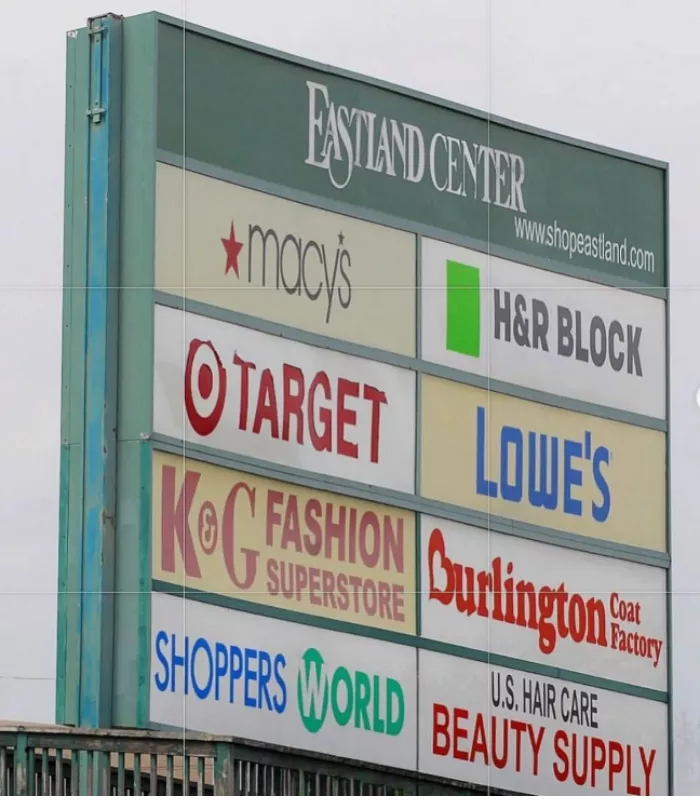
Eastland Center in Harper Woods opened in the 1950s and was once a major shopping landmark for Metro Detroit.
In later years, it faced rising vacancies, safety concerns, and store closures that pushed more shoppers to newer centers and online shopping.
Those pressures led to plans for redevelopment, and the mall ultimately closed, ending its run as a traditional enclosed mall.
The rise and fall of Eastland Center mirrors the economic challenges faced by many Detroit-area suburbs over the past few decades.
From Landmark To Liability: Eastland Center is on this list because it went from a busy regional destination to a closed, declining property awaiting new use.
6. Fort Saginaw Mall, Michigan
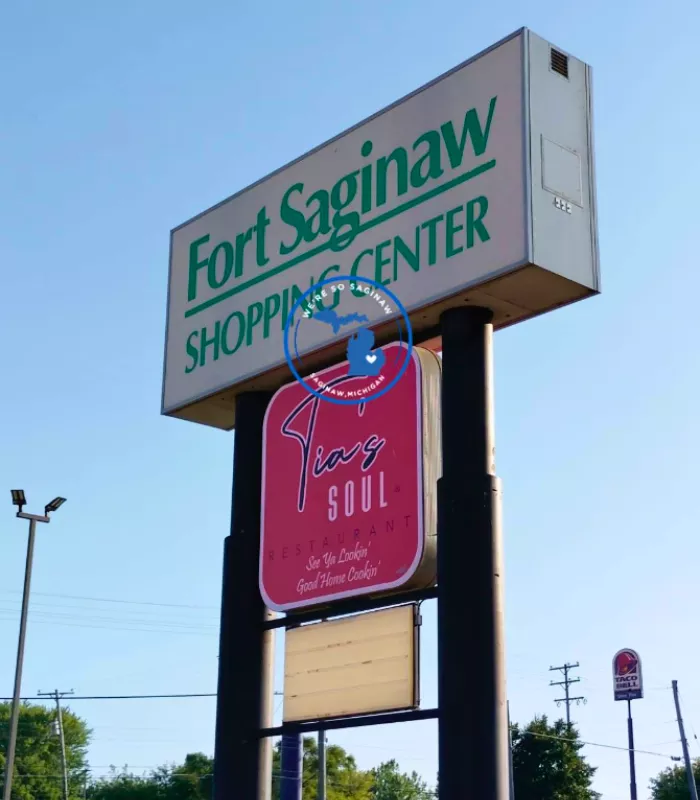
Fort Saginaw Mall in Saginaw appears on Michigan lists as a redeveloped or abandoned mall site.
Once home to national chains and local shops, it later saw shrinking tenant lists and large empty sections.
As retail trends shifted and anchors left, the enclosed mall format could not keep pace, leading to major decline and reuse of the land.
Mid-sized cities like Saginaw often saw their downtown and mall retail sectors decline at the same time, compounding local economic struggles.
Decline Of An Anchor Hub: Fort Saginaw Mall earns a place here because its original mall structure could not survive long-term and has largely been replaced.
7. Hampton Square Mall, Michigan
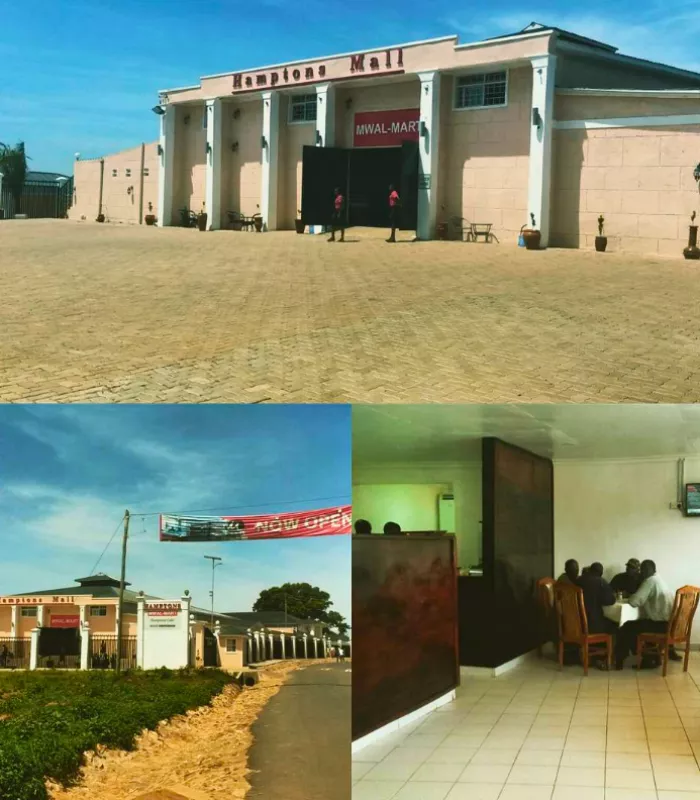
Hampton Square Mall in Essexville is also listed among redeveloped or abandoned Michigan malls.
Over time, shoppers shifted toward big box centers and online orders, leaving Hampton Square with fewer stores and lower energy.
Eventually, the enclosed mall became less useful for retailers and residents, prompting changes in how the property is used.
The shift from enclosed malls to outdoor shopping centers and big box stores happened quickly in many Michigan communities during the 2000s and 2010s.
Quiet Halls, Few Stores: Hampton Square Mall is here because its traditional mall role faded and much of the space no longer serves as a full mall.
8. Lakeside Mall, Upper Peninsula Listing
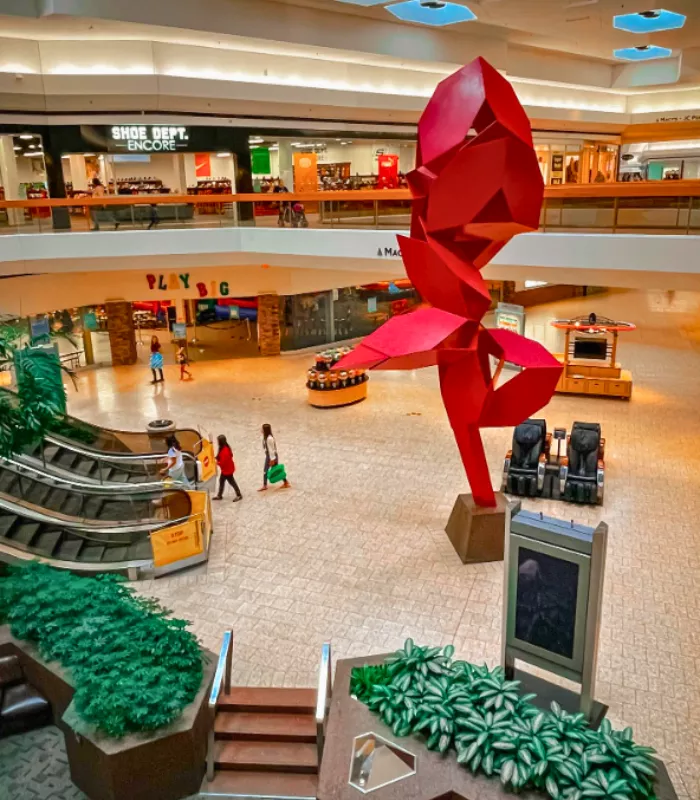
Michigan records also list a Lakeside Mall in Sterling Heights among redeveloped or abandoned malls, reflecting its final closure in 2024.
By the time doors closed, occupancy had dropped sharply, and several anchor spaces, such as former Sears and Lord & Taylor, were already empty.
The huge property is being transformed into housing, retail, and a hotel instead of a classic, climate controlled indoor mall.
Redevelopment plans now focus on creating walkable neighborhoods rather than rebuilding the enclosed mall experience that once defined American retail.
Retail To Residential Shift: This location ranks here because the original mall plan failed and is giving way to a mixed use neighborhood project.
9. Maple Hill Mall, Michigan
Maple Hill Mall in Kalamazoo is on the list of Michigan malls that have been redeveloped or abandoned.
It saw the loss of major department stores, which made it difficult to keep smaller shops open and maintain steady traffic.
The site has since moved toward a power center style layout rather than a full indoor mall for everyday shopping and walking.
Power centers with separate big box stores replaced many enclosed malls because they cost less to maintain and matched changing shopper preferences.
From Mall To Power Center: Maple Hill appears in this roundup because its enclosed mall was replaced by a different retail format after years of weak performance.
10. Marquette Mall, Michigan
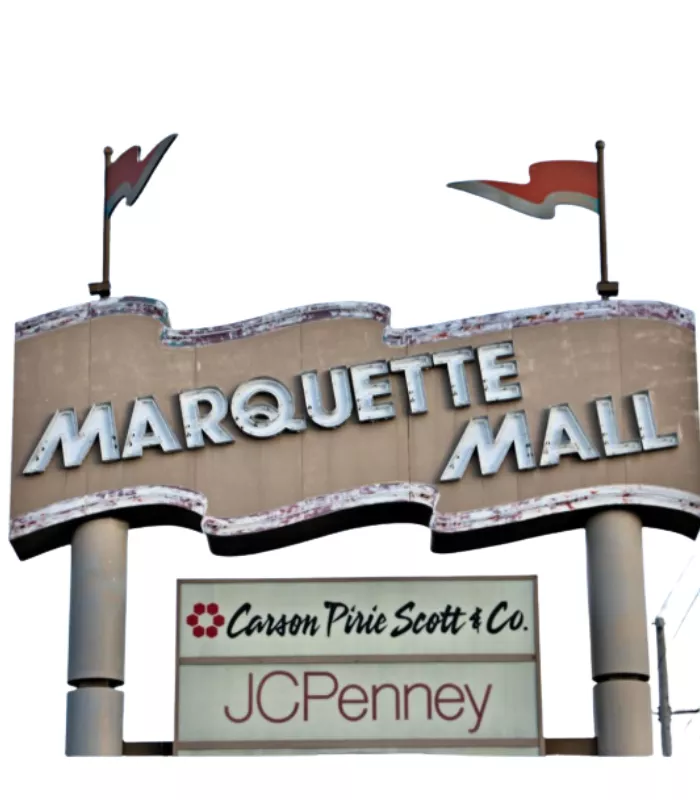
Marquette Mall in Marquette is listed among redeveloped or abandoned malls in the state, showing how even smaller markets felt the mall decline.
As chains left and fewer people visited, it became harder to support full-service amenities that older shoppers often value.
Parts of the property have been reused, but the classic mall experience many remember from past decades is largely gone.
Upper Peninsula communities have fewer retail options overall, so the decline of a regional mall impacts residents more than in densely populated areas.
Why It’s On This List: Marquette Mall is included because it shifted from a complete enclosed mall to a mostly repurposed site with limited traditional retail life.
11. Northland Center
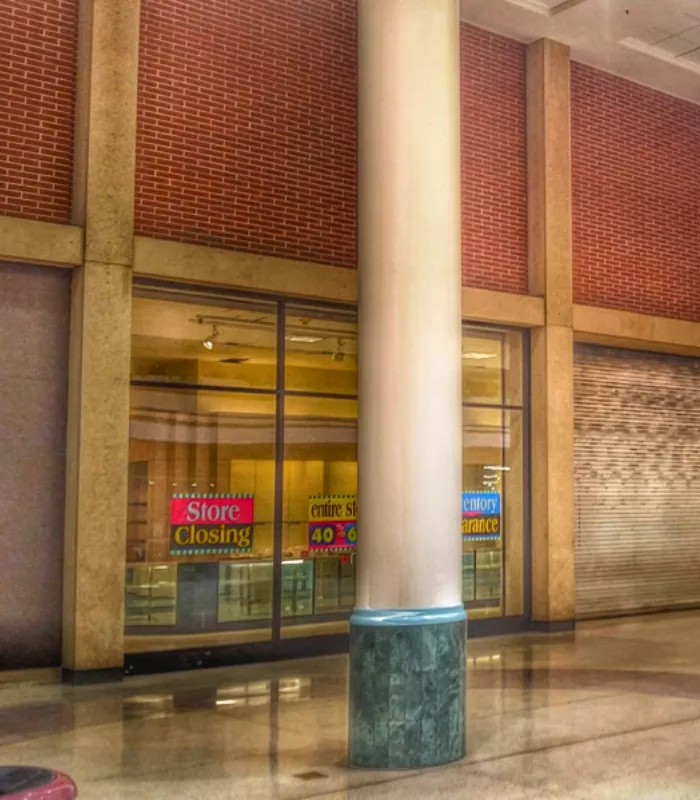
Northland Center in Southfield opened in 1954 and was once the largest shopping center in the world.
After its anchors closed, the mall shut down in March 2015, ending decades as a retail landmark for metro Detroit.
Demolition began in 2017, and the site is being redeveloped as Northland City Center, with plans for hundreds of apartment units and preserved sections of the original Hudson’s building.
Preserving historic elements while creating new housing shows how some communities try to honor the past even as they move forward.
Lost Icon Of American Retail: Northland Center is on this list because it closed after years of decline and is now being turned into housing and mixed use space.
12. Summit Place Mall, Michigan
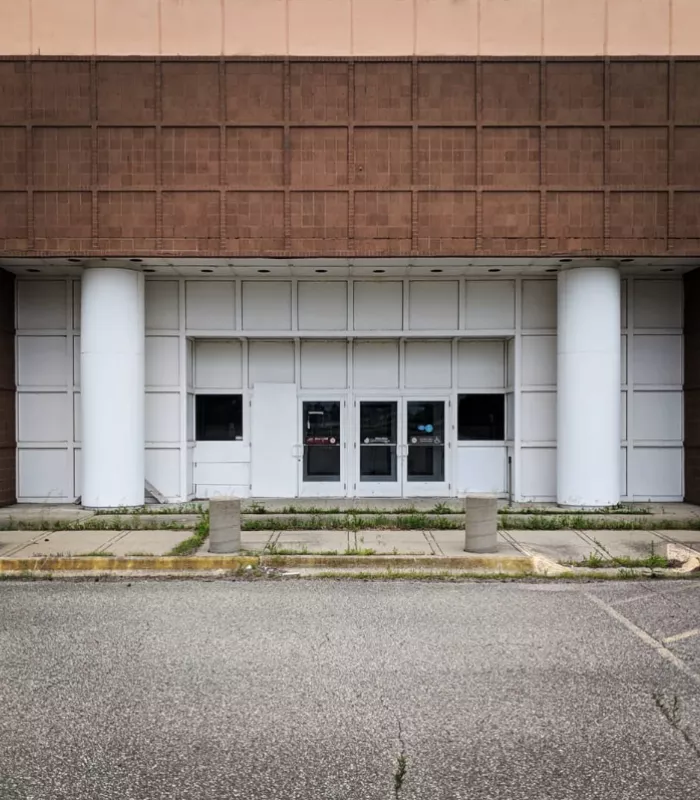
Summit Place Mall in Waterford Township was once a busy shopping center that drew families from across Oakland County.
The mall experienced a gradual decline as shoppers turned to online options and newer retail formats, leading to store closures and falling traffic.
It eventually closed and became a quiet, abandoned property, with weeds and cracked tiles marking what was once a lively space.
Abandoned malls create safety concerns and drag down property values in surrounding neighborhoods, making redevelopment urgent for many communities.
From Bustling To Abandoned: Summit Place Mall appears here because its decline left behind ghostly hallways and empty storefronts that locals now avoid.
13. Westland Center
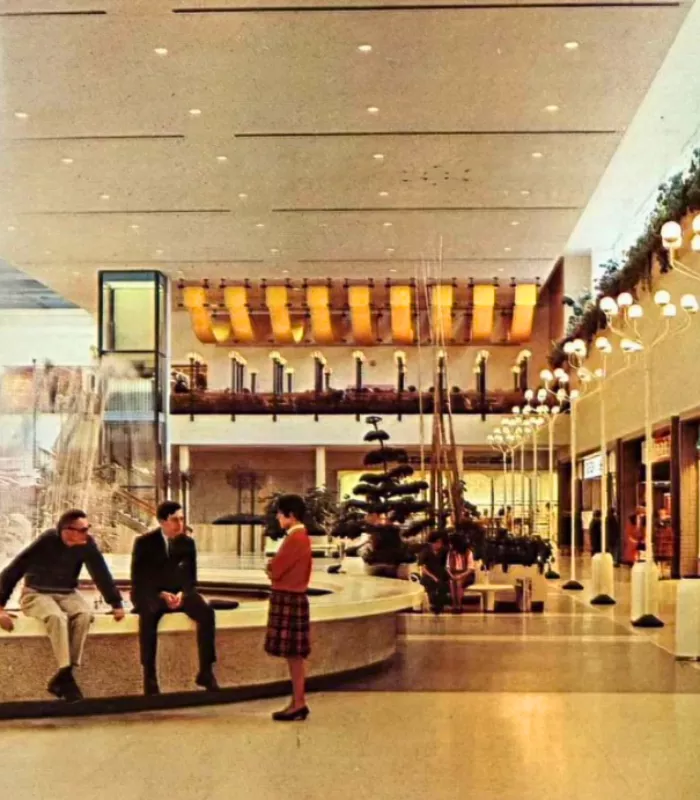
Westland Center in Westland lost its Macy’s in 2017 and later saw the last Sears in Michigan close, leaving just JCPenney and Kohl’s as anchors.
The city was actually named after this mall, showing how central it once was to the community’s identity and economy.
But here’s the catch: even with its history, the mall struggles to fill interior space and attract the crowds it once enjoyed.
Losing your identity as a mall town can be tough when the mall itself becomes a symbol of economic decline rather than community pride.
A Mall That Named A City: Westland Center is on this list because it went from a defining landmark to a mostly empty property with just a few remaining big stores.
14. Genesee Valley Center, Michigan
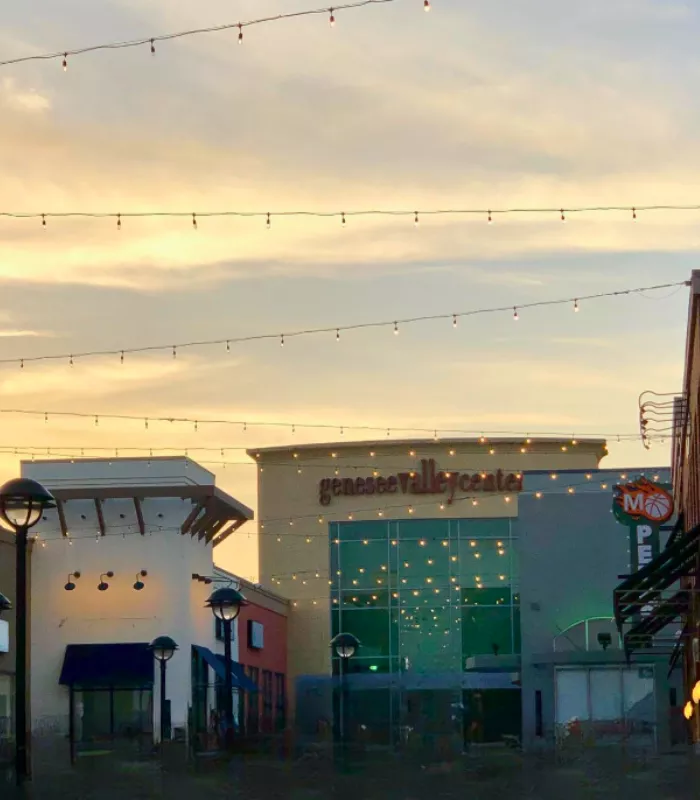
Genesee Valley Center in Flint Township has faced multiple closures due to repeated water main breaks, including at the peak of holiday shopping seasons.
Sears and Burlington both closed in 2018, and Macy’s shut down in 2025, leaving JCPenney as the only anchor left.
The mall has remained closed for extended periods, and tenants are reportedly still required to pay rent even when shoppers cannot enter.
Infrastructure failures on top of retail decline create a nearly impossible situation for mall owners, tenants, and the surrounding community.
Water Troubles And Anchor Loss: Genesee Valley Center is here because infrastructure problems and major store closures have left it struggling and often locked to the public.
15. Grand Traverse Mall
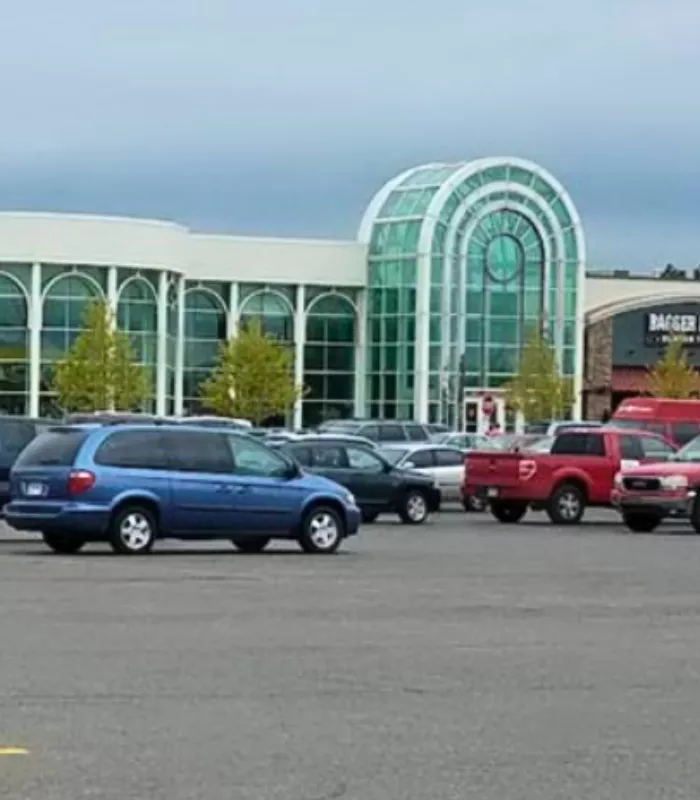
Grand Traverse Mall in Traverse City once boasted dozens of stores and strong foot traffic, but recent years brought significant change.
TJ Maxx relocated to a different shopping center earlier in 2024, and the movie theater closed back in 2015.
Macy’s is under evaluation for possible closure as part of a nationwide plan to shutter 150 stores over three years.
Tourist towns like Traverse City face a tough balance between serving locals year-round and attracting seasonal visitors to their retail spaces.
Northern Michigan’s Troubled Hub: Grand Traverse Mall ranks here because it lost key anchors and faces the threat of more closures as shopping patterns shift away from enclosed malls.
16. Pontiac Mall, Michigan
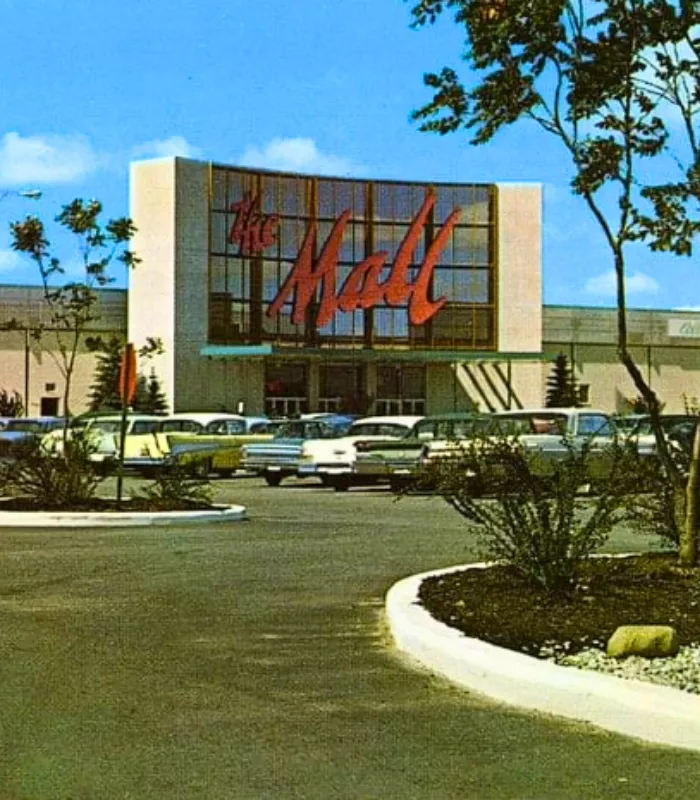
Pontiac Mall in Pontiac is listed among Michigan’s abandoned malls that locals tend to avoid but explorers sometimes visit.
The property saw years of decline as major retailers left and fewer shoppers visited, leaving large sections empty and quiet.
That’s why the mall became a symbol of retail struggle in a community already facing economic challenges and population shifts.
When a city loses both its industrial base and its retail center, rebuilding community confidence and economic stability becomes much harder.
Economic Decline Reflected: Pontiac Mall is on this list because its decline mirrors the broader troubles of a city hit hard by changes in the auto industry and retail trends.
17. Lansing Mall
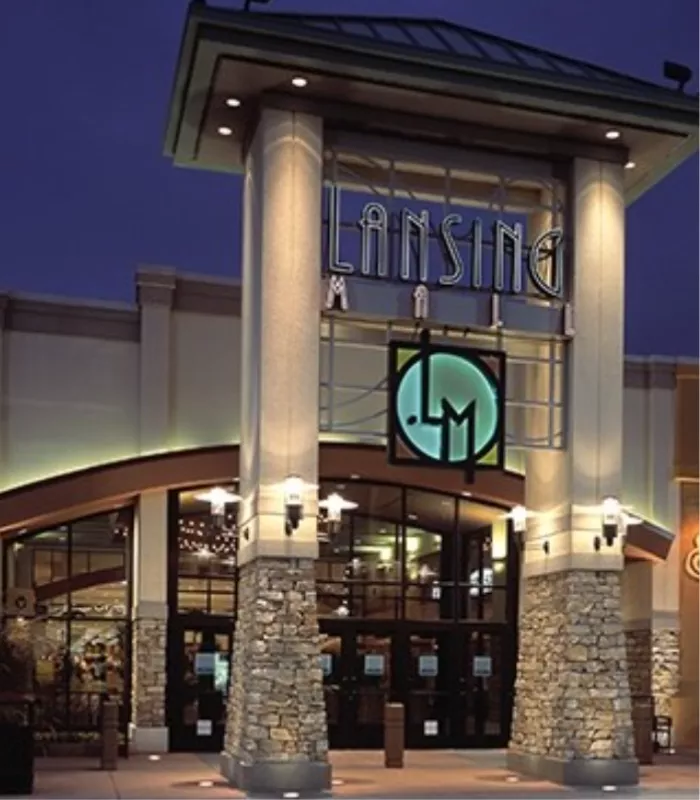
Lansing Mall in Lansing is identified as one of Michigan’s abandoned malls that has lost much of its former vitality.
Like other malls on this list, it faced vacancy rates that climbed as high as 50 percent in some Mid-Michigan properties, according to local reports.
The combination of online shopping growth and the loss of department stores made it difficult for the mall to keep enough tenants and customers.
Capital cities usually maintain stronger retail sectors, but even Lansing could not escape the nationwide decline of enclosed shopping malls.
High Vacancy, Low Traffic: Lansing Mall is included because its high vacancy rate and shrinking tenant list reflect the broader mall crisis across Michigan’s capital region.