

Most people spend more time picking a paint color than picking a paint finish.
That is a little like choosing the perfect outfit and then ironing it with a waffle maker.
The finish is what protects the wall, survives the cleaning, and holds up to real life.
The wrong one does not just look bad – it fails fast.
And some of the most popular finishes are being used in exactly the wrong rooms every single day.
1. High-Gloss Finish in the Bedroom

A high-gloss finish looks stunning in a showroom.
But in a bedroom, it reflects every bit of light – including sunlight at 6 a.m.
It also shows every scratch, scuff, and fingerprint on the wall.
High-gloss paint was originally designed for trim, doors, and cabinets.
Those are small surfaces where durability matters more than comfort.
When you put that same finish on a large bedroom wall, the effect is overwhelming.
The sheen catches light from every angle – lamps, windows, and even phone screens at night.
Many people do not realize this until the room is fully painted and furnished.
By then, repainting feels like a big hassle.
High gloss also amplifies every imperfection in the wall surface.
Old nail holes, uneven patches, and slight bumps become very noticeable.
Walls in older homes, especially, tend to have texture that flat or eggshell finishes hide beautifully.
High gloss does the opposite – it puts those flaws on display.
For a room meant for rest and relaxation, that kind of visual noise works against you.
Sleep specialists often point to light and visual stimulation as enemies of a good night’s rest.
A reflective wall finish adds to that stimulation without you even noticing it consciously.
Your brain registers the shine and stays slightly more alert than it should at bedtime.
Bedrooms need calm, not shine. That’s why flat or eggshell finishes work so much better for a restful space.
Why It’s On This List: High-gloss paint can make a bedroom feel like a hospital hallway – bright, cold, and anything but relaxing. Most interior designers agree it is one of the top finishes to avoid in sleeping areas.
2. Flat Finish in the Bathroom
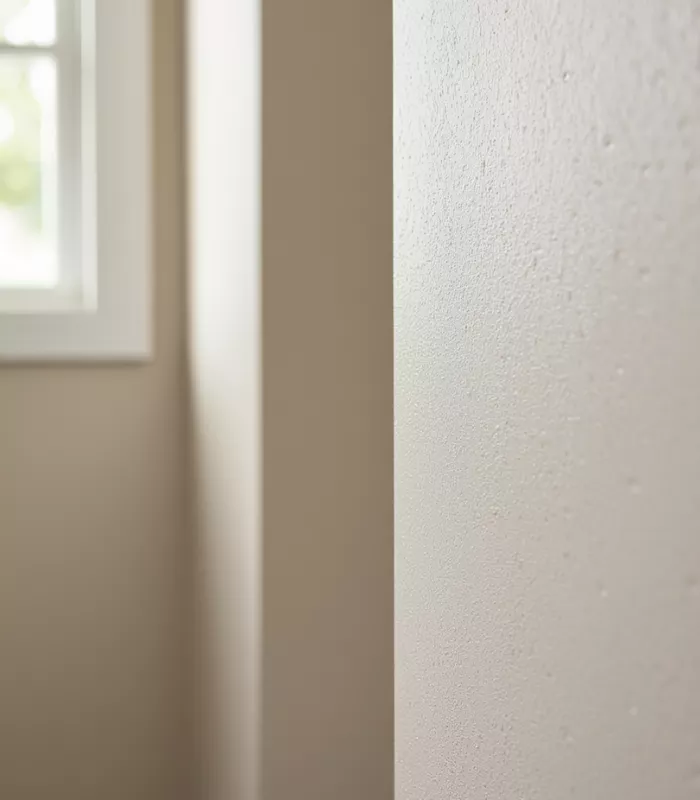
Flat paint has zero sheen.
That sounds fine – until you remember that bathrooms are full of steam, moisture, and splashes.
Flat paint absorbs water instead of repelling it.
Every time someone takes a hot shower, the walls soak up that steam like a sponge.
Over time, that moisture gets trapped inside the paint layer.
This creates the perfect environment for mold and mildew to grow.
You might not see it at first, but the damage is already happening beneath the surface.
Flat paint also stains easily in bathrooms.
Soap splatter, toothpaste, and hairspray all leave marks that are nearly impossible to clean.
Scrubbing a flat finish removes the paint along with the stain.
This leaves dull, patchy spots that look worse than the original stain did.
Many homeowners end up repainting their bathroom within a year for this exact reason.
It is one of the most common and most avoidable home painting mistakes.
The bathroom is simply too wet and too active for a finish with no protective qualities.
Flat paint was designed for ceilings and low-traffic interior walls where moisture is never a factor.
Using it in a bathroom is a bit like wearing a paper bag in the rain.
It might hold together briefly, but it was never meant for that environment.
This leads to mold, peeling, and staining very fast. You’re better off using a satin or semi-gloss finish that can handle the humidity.
Why It’s On This List: Flat paint in a bathroom can start showing moisture damage in as little as a few months. It simply was not made for wet environments.
3. Flat Finish in the Kitchen
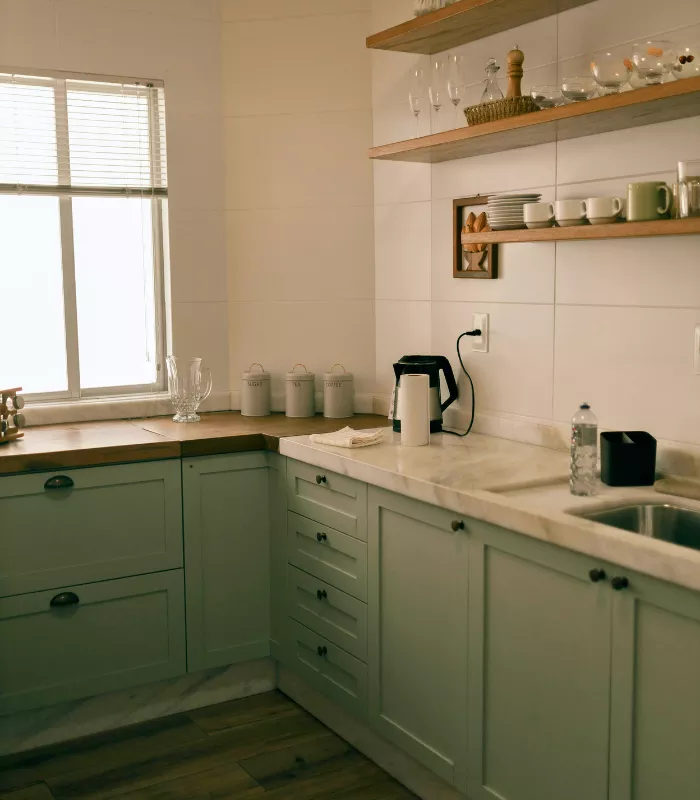
Kitchens get greasy.
Steam from cooking, splatters from the stove, and fingerprints near the fridge add up quickly.
Flat paint cannot be wiped clean without the color rubbing right off.
Think about how often you actually touch the walls near the stove or the countertop.
It happens more than you realize.
And every one of those touches leaves a mark on flat paint.
Grease particles from frying and roasting float through the air and land on walls.
On a flat finish, that grease soaks right in and creates a yellowing, sticky residue.
No amount of gentle wiping will remove it without damaging the paint underneath.
Kitchens also experience temperature changes more than any other room in the house.
That constant shift between heat and cool air causes flat paint to crack and peel faster.
You will notice it first around the stove and near windows where air moves most.
A flat finish simply does not have the binding strength to hold up under those conditions.
It is a finish built for low-traffic areas, not the most active room in your home.
Professional painters will almost always steer clients away from flat paint in kitchens for these exact reasons.
The cost of repainting a kitchen every year or two adds up to far more than a better finish would have cost upfront.
Choosing the right finish the first time is one of the smartest and most affordable home decisions you can make.
That’s why kitchens need a washable finish like satin or semi-gloss. These hold up to regular cleaning without fading or streaking.
Why It’s On This List: Studies on home maintenance show that kitchens are repainted more often than any other room – and the wrong finish is a big reason why.
4. Semi-Gloss Finish on Living Room Walls

Semi-gloss is tough and cleanable.
But here’s the catch – on large living room walls, it bounces light in a way that feels harsh and uninviting.
Every bump, patch, or imperfection in the wall becomes very easy to see.
Living rooms tend to have the largest wall surfaces in the home.
The bigger the surface, the more obvious the sheen becomes.
What looks fine on a small test patch can feel overwhelming once the whole room is done.
Semi-gloss also creates a kind of visual tension in a space meant for relaxing.
The reflective quality makes the room feel busier and harder to settle into.
Guests often notice something feels off even if they cannot explain exactly why.
Living rooms are also where most wall art, photos, and decor are displayed.
A shiny wall competes with everything hanging on it instead of letting those pieces stand out.
The finish draws the eye rather than the things you actually want people to look at.
It is a finish that works hard in the right place but works against you in the wrong one.
The living room deserves a finish that supports the atmosphere, not one that fights it.
Semi-gloss is excellent on baseboards, door frames, and window trim in the same room.
Using it on the walls while keeping it on the trim actually creates an unpleasant sameness throughout the space.
The contrast between wall finish and trim finish is part of what gives a room its depth and character.
Living rooms look best with eggshell or satin finishes. They are soft enough to hide flaws but still easy to maintain.
Why It’s On This List: A shiny living room wall can feel more like a commercial space than a cozy home. The finish makes a bigger difference than most people expect.
5. Eggshell Finish in a Hallway

Hallways take a beating.
Shoulders brush the walls, bags bump into them, and kids or grandkids run through constantly.
Eggshell is a beautiful finish – but it is not tough enough for high-traffic areas.
Eggshell sits right in the middle of the finish spectrum – not too flat, not too shiny.
That middle ground works wonderfully in calm, low-traffic rooms.
But hallways are anything but calm.
They are the most physically contacted surfaces in the entire home.
Every person who walks through brushes, bumps, or leans against those walls at some point.
Eggshell is not built to take that kind of repeated contact without showing wear.
The finish starts to look dull and scuffed in patches, usually near light switches and doorframes first.
Cleaning those scuffs is frustrating because eggshell does not respond well to firm scrubbing.
You end up with clean spots that look different from the rest of the wall.
That uneven appearance is hard to fix without repainting the whole surface.
It is a cycle that costs both time and money that could easily be avoided with the right finish from the start.
Narrow hallways make the problem even worse because the walls are closer to people moving through them.
There is simply less room to avoid contact, which means more wear in a shorter amount of time.
A satin or semi-gloss finish in a hallway can last years longer without showing the same kind of damage.
I made a classic mistake painting my hallway in eggshell, and it was scuffed within a month. Satin or semi-gloss holds up much better in these spots.
Why It’s On This List: Hallways are among the most scuffed surfaces in any home. A finish that cannot stand up to daily contact will cost you more time and money in the long run.
6. Matte Finish in a Child’s or Grandchild’s Room
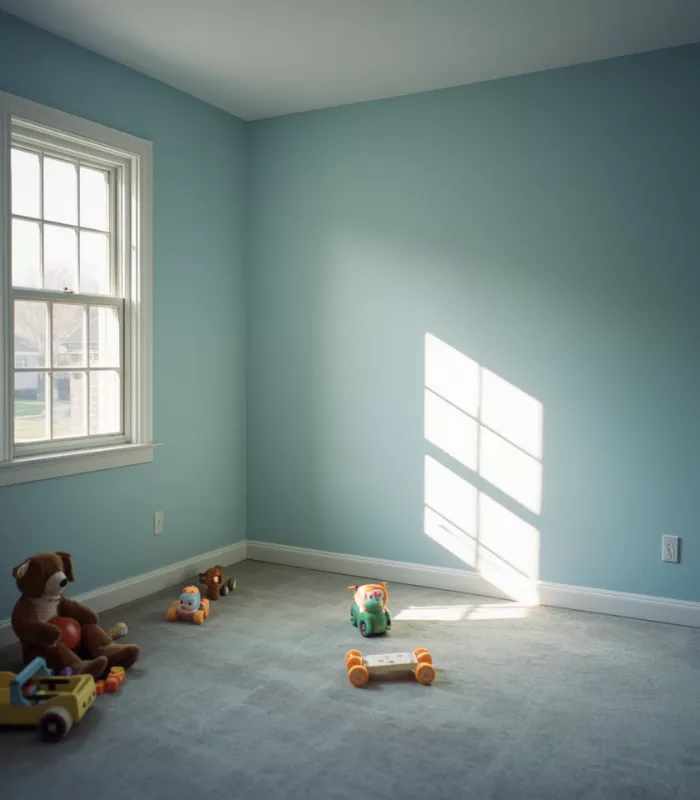
Matte paint looks elegant and modern.
But here’s the deal – children’s rooms are one of the messiest places in any home.
Crayon marks, sticky hands, and juice spills are part of daily life.
Matte finish has a velvety, soft appearance that many people find very appealing.
It hides imperfections well and photographs beautifully.
But those same qualities that make it look good also make it highly impractical in a child’s room.
The porous surface of matte paint grabs onto everything – markers, food, dirty handprints, you name it.
And unlike harder finishes, it simply cannot be scrubbed without showing the damage.
Even a damp cloth used too firmly will leave a shinier spot where the paint has been worn down.
Children’s rooms also tend to get repainted more often as kids grow and their tastes change.
Starting with a finish that already looks worn within a year makes that process feel never-ending.
A satin finish gives you nearly the same smooth, clean look as matte.
The difference is that satin can handle a good wipe-down without flinching.
That single advantage saves a tremendous amount of frustration over the life of the paint job.
Grandparents who set up a bedroom for visiting grandchildren often learn this lesson the hard way.
A beautifully painted room can look tired and marked up after just a few visits.
Choosing satin from the start means the room stays looking fresh no matter how many sticky little hands pass through it.
Matte finishes cannot be scrubbed clean without leaving dull patches. A satin finish gives you that smooth look while still letting you wipe the walls down without worry.
Why It’s On This List: Paint companies themselves recommend against matte finishes in rooms used by young children. Cleanability is one of the most important features a finish can have in these spaces.