

By 50, you have survived dial-up internet, orange shag carpet, and New Coke.
You should not have to survive checkout lines that move slower than dial-up.
Some chains in Alabama seem to specialize in stress, not savings.
They confuse “self checkout” with “self punishment.”
If shopping feels like a blood pressure test, something has gone very wrong.
1. Dollar General, Alabama
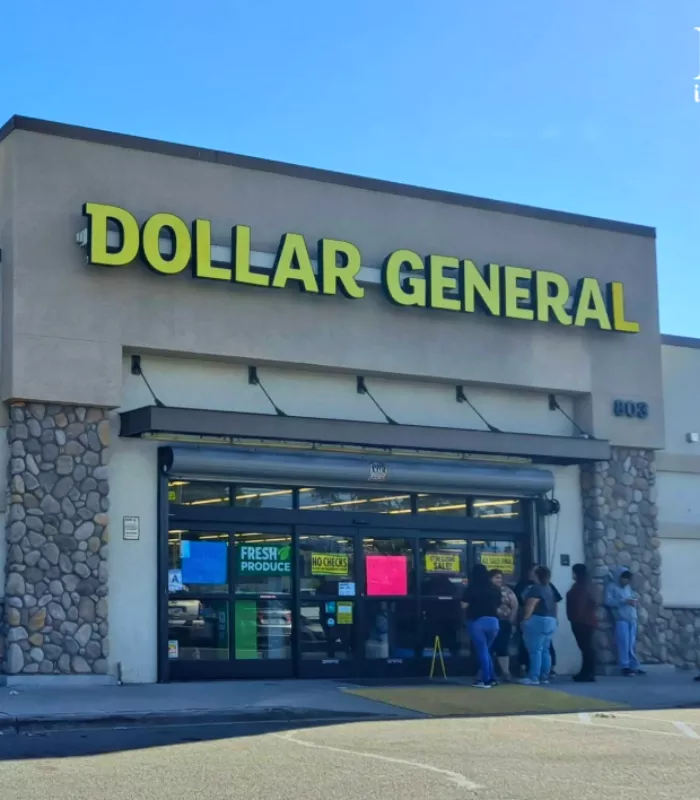
Dollar General operates hundreds of stores across Alabama but faces serious workplace safety issues.
The discount chain has been fined millions by OSHA for blocked fire exits and unsafe working conditions.
Employees report dealing with rat infestations and hazardous store conditions.
Shoppers also encounter stores that are understaffed and poorly organized.
The chain’s rapid expansion has come at the cost of store quality and customer experience.
For older shoppers, cluttered aisles and blocked exits can feel unsafe.
The stress of a chaotic store layout can turn a quick stop into a tiring chore.
That is why many people over 50 think twice before pulling into that yellow and black parking lot.
2. Walmart, Alabama
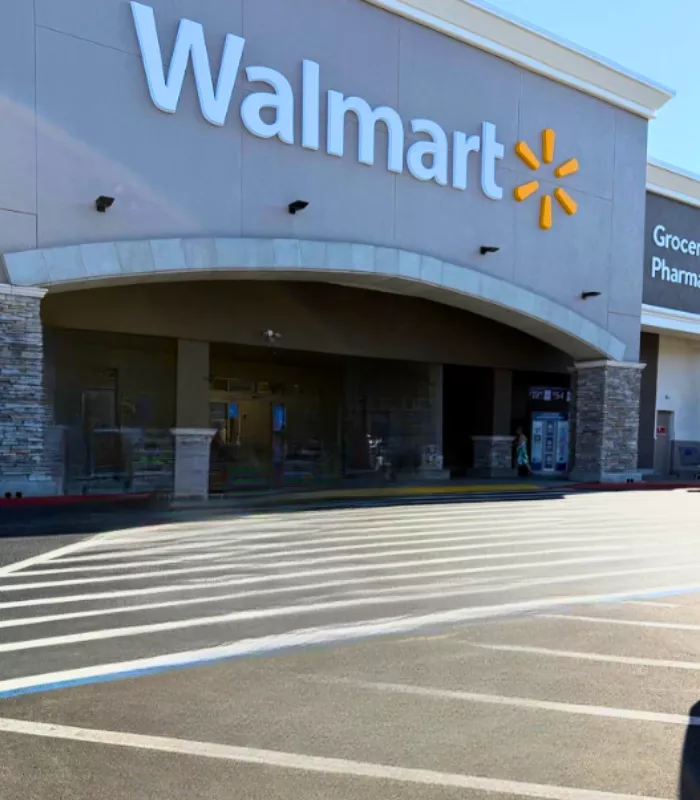
Walmart recently closed its Huntsville location in December 2024, citing underperformance.
The retail giant consistently ranks among the worst for customer satisfaction, scoring just 71 out of 100.
Shoppers complain about unhelpful staff and long checkout lines.
The company has struggled with high theft rates at several Alabama locations.
Product availability remains inconsistent across stores.
For customers in their 50s and beyond, long lines are more than a nuisance.
Standing on hard floors with few open registers can be painful on knees and backs.
You are better off picking your shopping spots where the line moves faster than the clock.
Why It’s On This List: Bottom-tier customer satisfaction scores and sudden store closures show a chain struggling to serve Alabama communities.
3. Family Dollar, Alabama
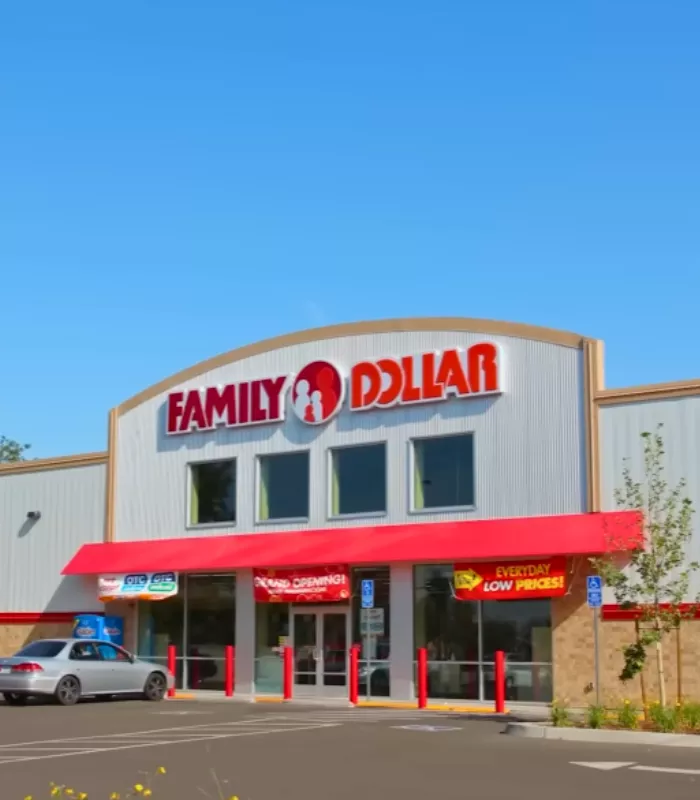
Family Dollar operates 165 stores across Alabama but shares many of the same problems as Dollar General. The discount chain faces similar safety violations and poor store maintenance issues.
Customers report finding expired products on shelves. Store cleanliness is often subpar compared to competitors.
The chain’s reputation has declined significantly in recent years.
For older shoppers on fixed incomes, low prices are tempting.
But expired food and messy aisles can cancel out those savings quickly.
It is hard to trust a store that does not seem to care what sits on its shelves.
Why It’s On This List: Widespread store condition problems and expired merchandise put shoppers at risk.
4. Big Lots, Alabama
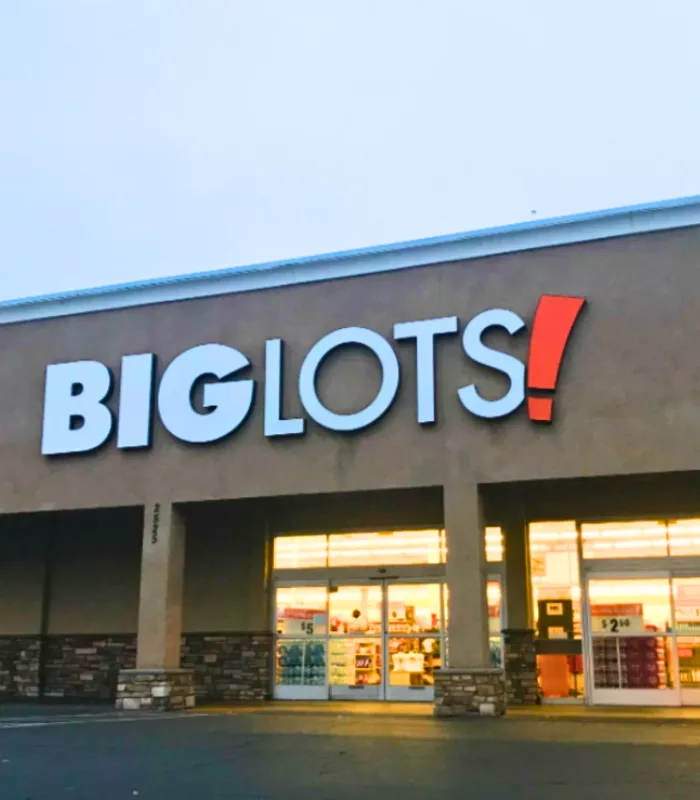
Big Lots filed for bankruptcy in 2024 and announced the closure of most Alabama locations. Only six stores may potentially reopen under new ownership in Athens, Cullman, Decatur, Jasper, Mobile, and Northport.
The company’s financial troubles left customers without refunds or store credit. Inventory became sparse as liquidation sales dragged on for months.
Even stores slated to reopen will be closed for weeks or months.
For people over 50, uncertainty is stressful.
You want to know a store will still be there when you come back with a receipt or gift card.
A retailer in limbo makes every purchase feel like a gamble.
Why It’s On This List: Bankruptcy and mass closures signal a failing business model that left customers stranded.
5. Target, Alabama
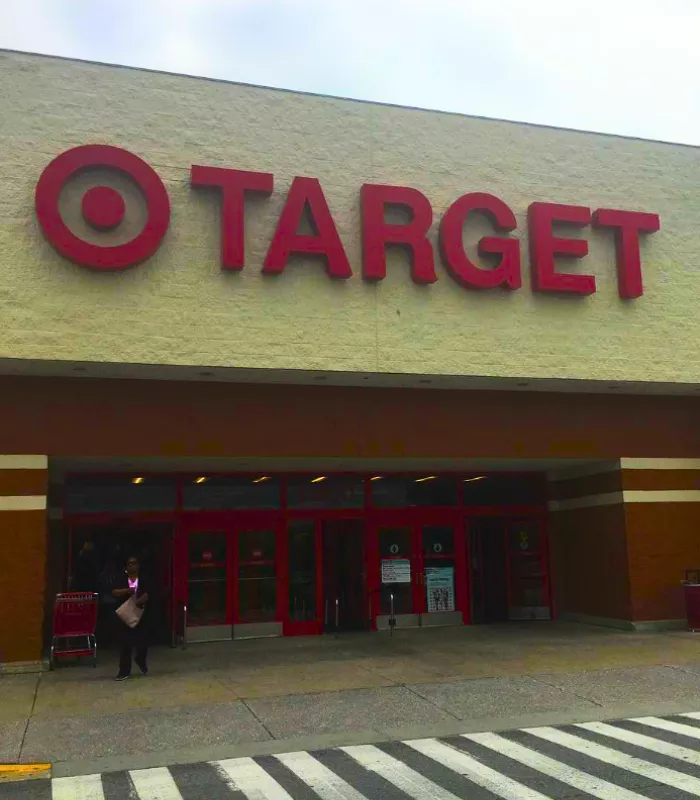
Target locations in Alabama have been plagued by customer service complaints. Shoppers report stores in disarray with poor organization and unhelpful staff.
The Mobile location received particular criticism for its condition and service quality. Customers describe feeling uncomfortable due to the lack of support from employees.
Inventory management issues leave shelves empty.
For older adults, wandering up and down aisles looking for basic items is tiring.
Messy shelves and out of stock signs send you on a wild goose chase.
It is frustrating when a trip for simple essentials feels like a wasted afternoon.
Why It’s On This List: Declining store standards and poor customer service make shopping here frustrating.
6. Party City, Alabama
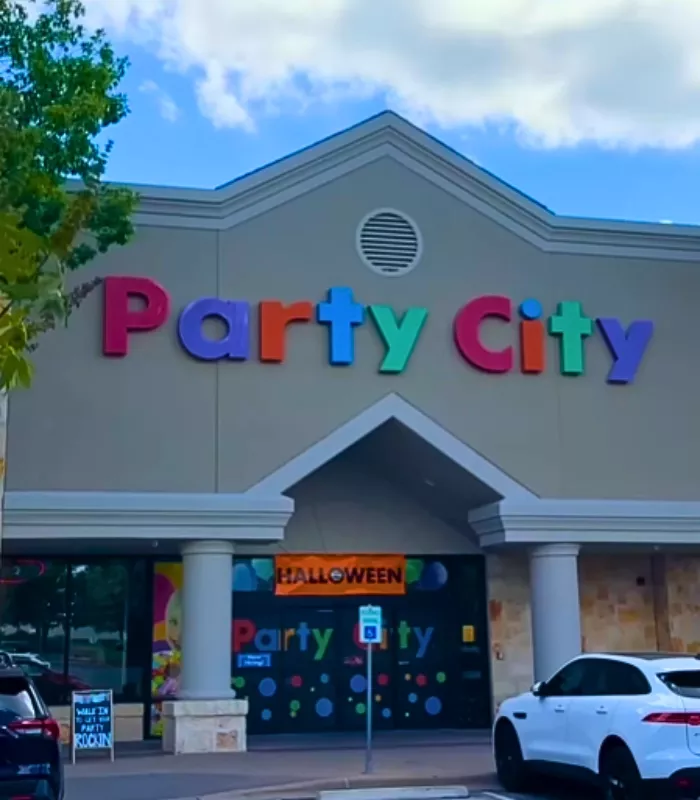
Party City has earned a reputation for terrible customer service and unethical return policies. The company tells customers they can return items, but only after purchase reveals much stricter policies.
Managers are often unhelpful and argumentative when handling complaints. Price discrepancies at checkout are common, with items ringing up much higher than marked.
The company has faced widespread criticism for going back on refund promises.
For shoppers over 50, fine print tricks can feel like disrespect.
No one wants a celebration ruined by a last-minute hassle over prices or returns.
Stores that make refunds difficult turn happy occasions into sour memories.
Why It’s On This List: Deceptive return policies and price manipulation show contempt for customers.
7. Michaels, Alabama
The Michaels location in Dothan, Alabama, has driven customers away with exceptionally poor service. Shoppers describe staff as unfriendly and unprofessional.
Customer complaints go unaddressed by management. The store atmosphere feels unwelcoming compared to other craft retailers.
Many former customers vow never to return.
Crafting should be relaxing, especially for older adults who enjoy hobbies.
A store filled with cold stares and rude responses ruins that experience.
You should feel inspired in a craft aisle, not rushed out of it.
Why It’s On This List: Hostile customer service and management indifference create an unpleasant shopping environment.
8. Kmart, Alabama
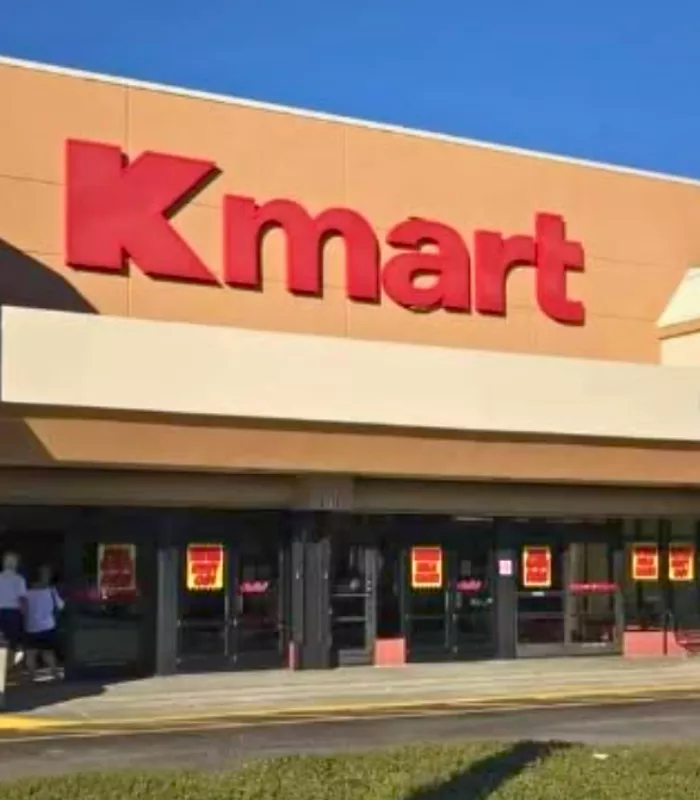
Kmart closed its last Alabama location in Albertville in 2017. Before closing, the chain suffered from outdated stores and dwindling inventory.
The company’s bankruptcy and liquidation left Alabama without any locations. Kmart became a symbol of retail decline after years of poor management.
Former shoppers remember empty shelves and neglected stores.
For many people over 50, Kmart was part of childhood and early family years.
Watching it fade into dust and locked doors feels like losing a piece of the past.
But memories are often better than those final, depressing store visits.
Why It’s On This List: Complete exit from Alabama following decades of decline shows a total failure to adapt.
9. Sears, Alabama

Sears closed its Florence, Alabama, location in 2017 as part of massive nationwide cutbacks. The once mighty retailer shuttered over 400 stores between 2015 and 2017.
Remaining locations offered limited inventory and poor service. The company’s decline accelerated as online competition grew.
Sears failed to modernize or compete effectively.
Many shoppers over 50 remember buying tools, appliances, and school clothes at Sears.
Seeing bare shelves and shuttered doors felt like watching a trusted neighbor move away.
The fall of Sears is a reminder that no brand is too big to fail.
Why It’s On This List: Massive store closures and failure to adapt left Alabama shoppers with fewer options.
10. Albertsons, Alabama
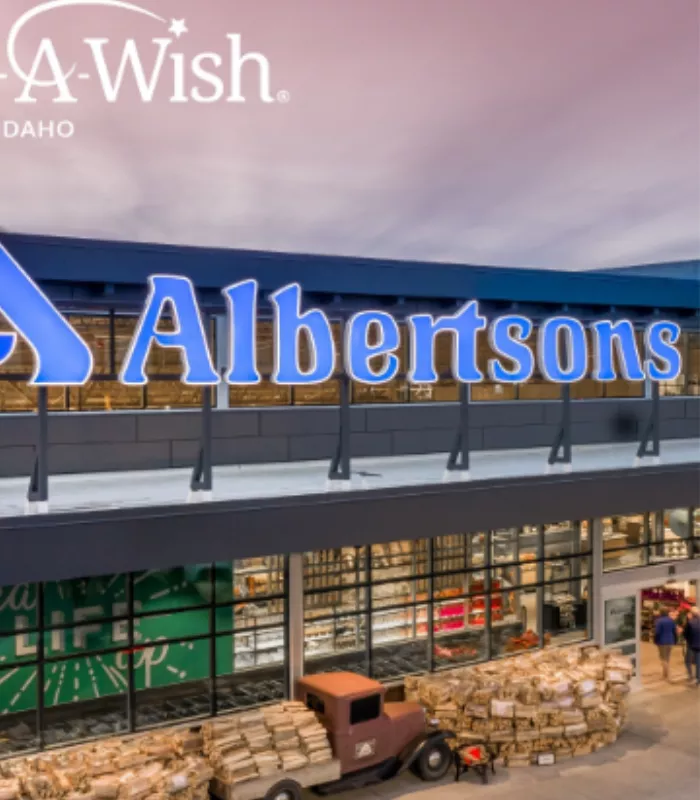
Albertsons locations struggle with fulfillment problems and customer service issues. Shoppers report botched orders and delayed deliveries that go unresolved.
Customer service representatives promise compensation that never arrives. Curbside pickup customers wait endlessly without help.
Communication breakdowns leave customers frustrated and ignored.
For older adults, reliable prescriptions and groceries are not optional.
Missed deliveries can throw off meals, medications, and daily routines.
A store that cannot keep its word makes life harder than it needs to be.
Why It’s On This List: Unfulfilled promises and poor communication show a company that doesn’t value customer time.
11. Rite Aid, Alabama
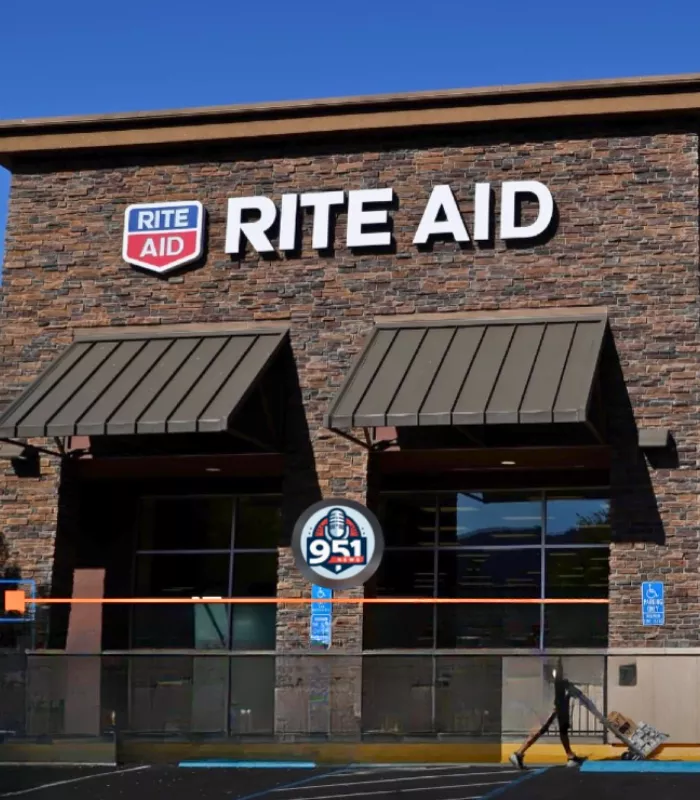
Rite Aid filed for bankruptcy in October 2023 with billions in debt and closed hundreds of stores nationwide. The pharmacy chain also faced costly lawsuits related to the opioid epidemic.
The company could not compete with larger rivals. Store closures left many communities with one less pharmacy option.
Rite Aid’s scattered locations made it impossible to serve customers consistently.
For customers over 50, pharmacy stability is crucial.
Getting prescriptions filled should not depend on whether a chain survives another quarter.
When a drugstore pulls out, it leaves more than empty shelves behind.
Why It’s On This List: Bankruptcy and mass closures show a company that failed to manage its finances or compete effectively.
12. CVS, Alabama

CVS closed hundreds of stores nationwide between 2021 and 2024 as part of a plan to shrink its footprint. The closures hit many neighborhoods that already had limited pharmacy access.
Pharmacy profit margins have declined sharply due to reduced reimbursement rates. Staff walkouts over low wages and poor staffing plague many locations.
Online competition continues to erode the traditional drugstore model.
For older shoppers, losing a nearby CVS can mean longer drives for basic care.
Standing in slow lines when staff are overworked can be draining.
A pharmacy visit should support your health, not sap your energy.
Why It’s On This List: Widespread closures and staffing problems signal a struggling business abandoning communities.
13. Walgreens, Alabama
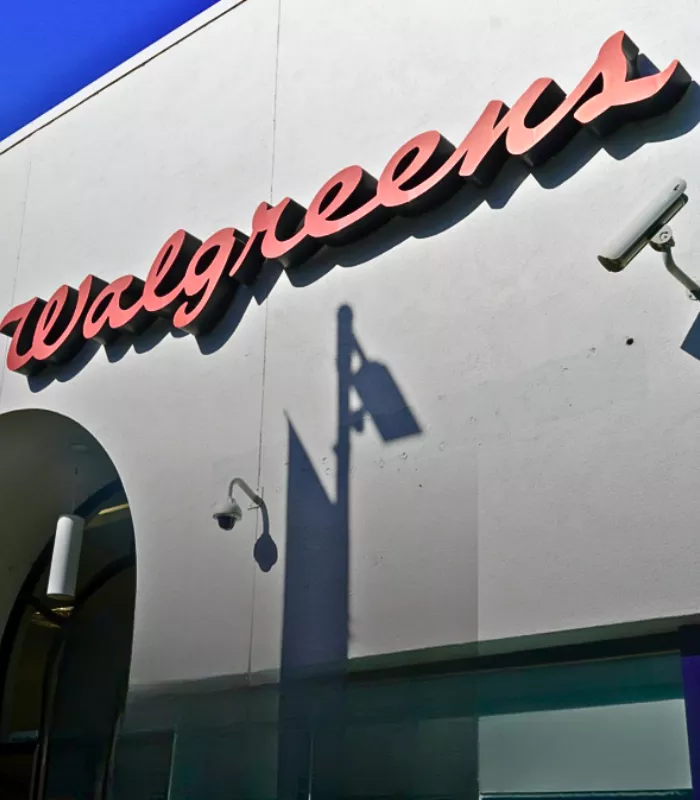
Walgreens faces the same profitability challenges as other pharmacy chains. The company closed a large share of the Rite Aid stores it acquired in 2017.
Staff walkouts occurred at multiple locations due to low wages and inadequate staffing. Customers face longer wait times and reduced service quality.
The chain struggles to maintain prescription profitability as reimbursements decline.
For older adults, delayed prescriptions are more than an inconvenience.
Waiting days for vital medication can be frightening.
Drugstores that shortchange staffing end up shortchanging patients.
Why It’s On This List: Mass closures of acquired stores and ongoing labor issues show operational problems.
14. JCPenney, Alabama

JCPenney closed four Alabama stores in 2020 during bankruptcy proceedings. The Mobile location closed due to severe building condition problems including roof leaks and mold.
Employees reported the store had rats, roaches, and bad odors. Safety agencies repeatedly cited the location for unsafe working conditions.
The landlord refused to make necessary repairs despite large unpaid tax bills.
For longtime shoppers, JCPenney was once a reliable place for clothes and home goods.
Seeing it fall into disrepair felt like watching a favorite restaurant turn into a health code story.
No one wants to shop where even the ceiling feels like it might give out.
Why It’s On This List: Hazardous building conditions and bankruptcy show a retailer in complete decline.
15. HomeGoods, Alabama
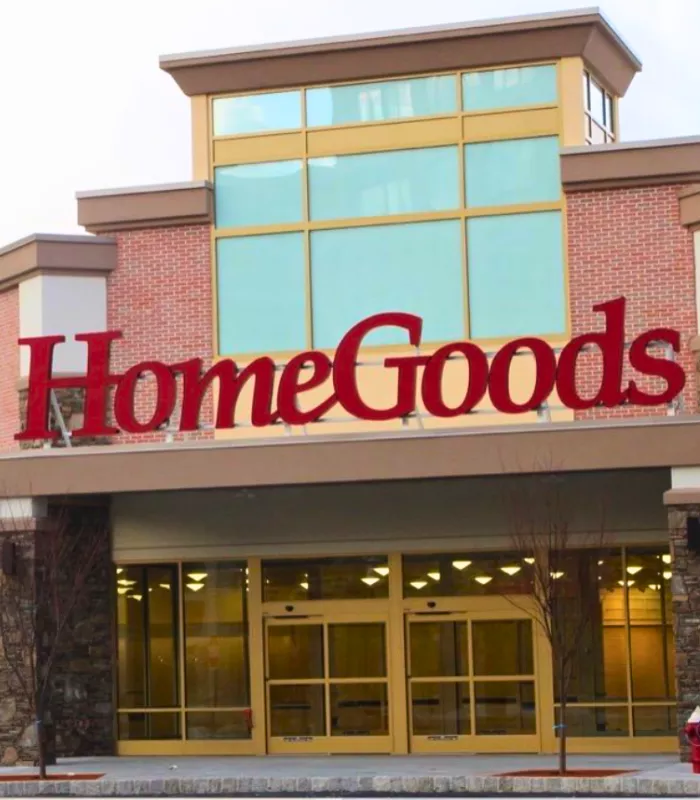
HomeGoods has earned low ratings from customers nationwide. Shoppers report being followed around stores by staff and treated with suspicion.
Managers accuse customers of stealing when items ring up incorrectly. Return policies are enforced inconsistently, with staff treating customers harshly.
Customer complaints often go ignored by higher management.
For shoppers over 50, being treated like a problem instead of a guest is insulting.
No one wants to defend their honesty over a throw pillow or lamp.
Respect at the register is worth more than a discount sticker.
Why It’s On This List: Discriminatory treatment and hostile management create an unwelcoming shopping environment.
16. Dillard’s, Alabama
The Dillard’s location at Bel Air Mall in Mobile faces closure due to building maintenance issues. The mall owner’s refusal to repair water damage and structural problems forced the store to consider shutting down.
The same neglect that affected other anchors threatens this location. Employees worry about job losses due to the landlord’s failures.
Store conditions have deteriorated significantly over recent years.
For older shoppers, a tired, worn out store is not inviting.
Drips, stains, and broken fixtures signal deeper problems behind the scenes.
It is hard to enjoy browsing when the building looks like it needs a doctor.
Why It’s On This List: Building neglect and potential closure show a retailer unable to maintain quality locations.
17. Bed Bath & Beyond, Alabama
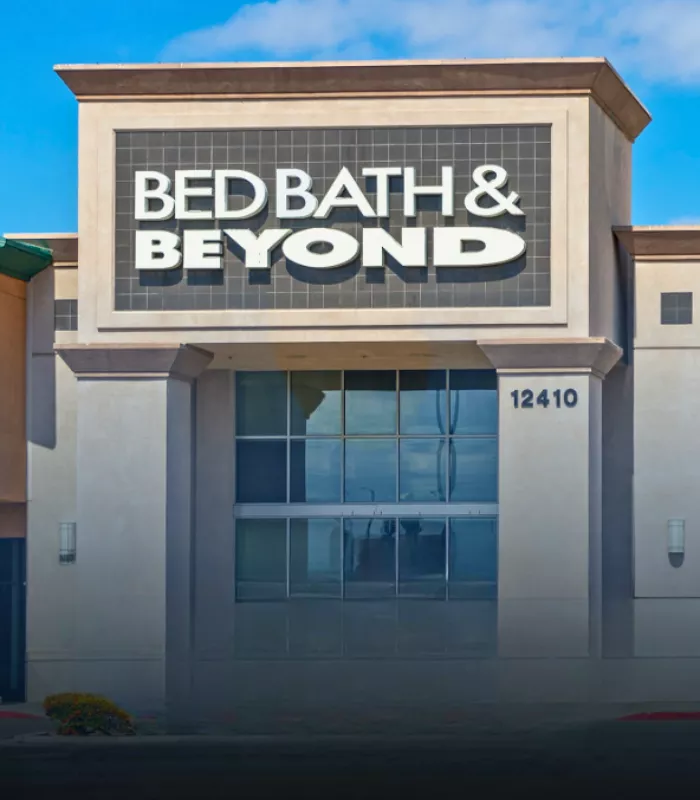
Bed Bath & Beyond went out of business completely in 2023 after years of declining sales. All Alabama locations closed permanently during the liquidation.
The company filed for bankruptcy and shuttered its entire store network. Customers lost gift cards and store credits when the chain collapsed.
Poor management decisions and failure to adapt to online shopping sealed the company’s fate.
For many people over 50, this was a go to spot for towels, bedding, and small appliances.
Watching signs come down while unused coupons sat in drawers felt strangely personal.
Now the blue and white branding lives on mostly in old receipts and memories.
Why It’s On This List: Complete business failure and liquidation left customers with worthless gift cards and no recourse.