

You used to chat about grandkids while someone bagged your items.
Now you argue with a blinking machine that thinks your bread is “an unexpected item in the bagging area.”
You are better off negotiating a car deal than trying to redeem a digital coupon.
Some chains manage to turn shopping into a group project nobody asked for.
That is not customer service; that is an endurance test.
1. Family Dollar, Arkansas
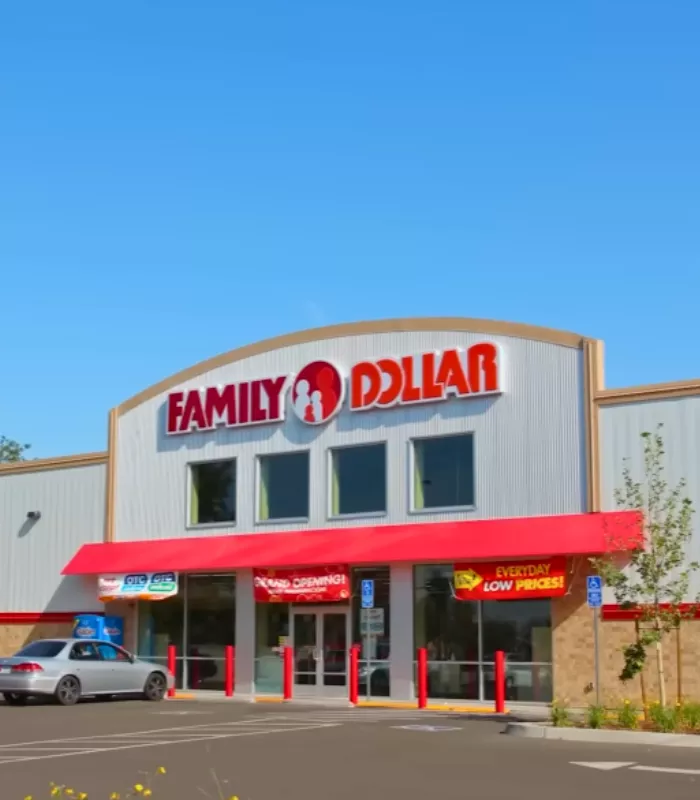
Family Dollar made national headlines for one of the worst retail scandals in Arkansas history.
The company’s West Memphis distribution center was shut down in 2022 after FDA inspectors found over 1,100 dead rodents inside the facility.
The contamination forced Family Dollar to close more than 400 stores across six states and recall products sold since January 2021.
Food, drugs, medical devices, and cosmetics were all stored in the facility.
The company paid $41.7 million in fines after admitting employees knew about rodent problems but kept shipping products anyway.
2. CVS Pharmacy, Arkansas

CVS has become notorious for poor pharmacy service across its locations. Customers report waiting 30 minutes or more just to pick up prescriptions, whether at the drive-through or inside the store.
Phone service is equally frustrating. One Arkansas customer spent nearly an hour on hold trying to reach someone at their local CVS.
Some locations tell customers to go to Walgreens instead of solving problems.
3. Walgreens, Arkansas
Walgreens locations in Arkansas struggle with similar problems. Little Rock customers report 30-minute waits in line just to pick up medications.
The phone system is problematic at many locations. One customer stayed on hold for almost an hour trying to speak with someone at their local store.
Customers with multiple prescriptions say the pharmacy staff has difficulty locating their medications.
4. Dollar General, Arkansas
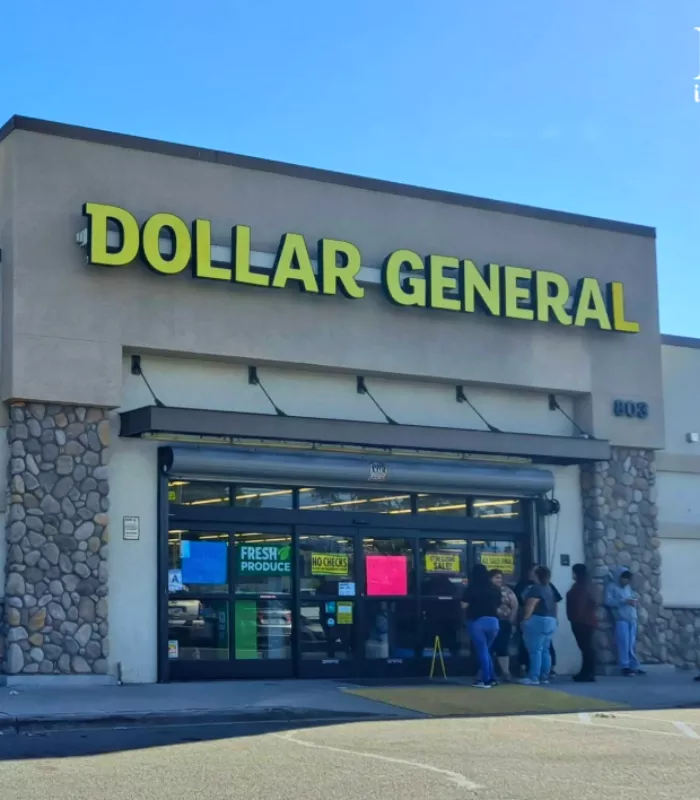
Dollar General stores across Arkansas face serious customer service problems. Many stores suffer from chronic understaffing.
Lines stretch five-deep with only one cashier working. Employee hour cuts and shortages have made merchandise clutter worse at dollar stores.
Store conditions are often poor. The company has been cited repeatedly by OSHA and added to its ‘Severe Violators’ list in 2023.
5. Walmart Supercenter, Arkansas
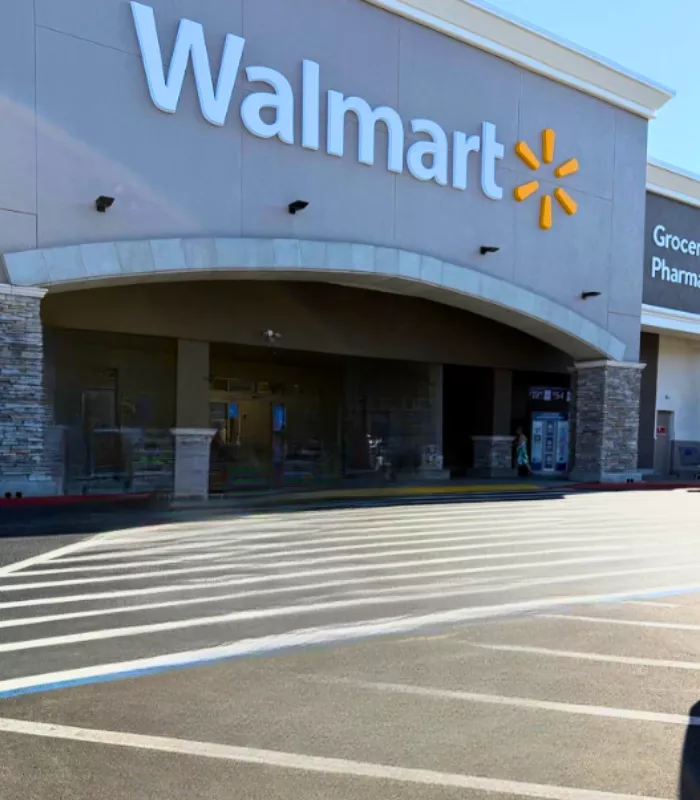
Even in Arkansas, Walmart’s home state, customers in cities like Rogers and Jonesboro complain about service issues. Grocery pickup orders sometimes have missing items, requiring multiple trips.
Customer service areas close early, leaving shoppers without assistance when problems arise.
The automotive center receives complaints about slow service. Some customers report waiting all day for updates on simple repairs.
6. Big Lots, Arkansas
Big Lots filed for bankruptcy in September 2024, making it one of the biggest retail struggles of the year. The discount chain couldn’t compete with dollar stores and online retailers offering better prices.
Stores that remain open face serious problems. The company has been closing hundreds of locations as part of its bankruptcy restructuring.
The company struggled under heavy debt and changing shopping habits. Many customers switched to shopping online where they could find cheaper deals.
7. Party City, Arkansas
Party City filed for bankruptcy twice in two years, closing all its stores nationwide in December 2024. The party supply chain carried significant debt it couldn’t manage.
Online shopping changed Party City’s business model. Customers found better prices and more variety buying party supplies from Amazon and other websites.
The company tried to restructure in 2023 but couldn’t recover. By 2024, Party City announced it would liquidate all its retail locations permanently.
8. Sears, Arkansas

Sears has been closing stores steadily since its 2018 bankruptcy. Only about 400 Sears and Kmart locations remained open after the company emerged from bankruptcy in 2019.
The few remaining stores show signs of decline. Customers complain about limited inventory and minimal staff assistance.
The company struggled to compete with Walmart and online shopping. Merging with Kmart affected the once-prominent brand’s image.
9. Kmart, Arkansas
Kmart stores that still exist face inventory and staffing challenges. Customers report difficulty finding employees available to help shoppers.
The stores show signs of neglect. Merchandise organization varies, and available staff may struggle to locate items.
Kmart closed hundreds of locations in recent years. The chain had significant store closures in 2025.
10. 7-Eleven, Arkansas
7-Eleven announced store closures in 2025 as the convenience store chain struggled with declining sales. The company faced competition from gas stations offering expanded food options.
Many remaining stores face staffing shortages. Customers report long waits at checkout because only one employee is working.
The chain’s food prices have increased. Shoppers now compare 7-Eleven’s prepared foods with cheaper options at grocery stores.
11. Bed Bath & Beyond, Arkansas
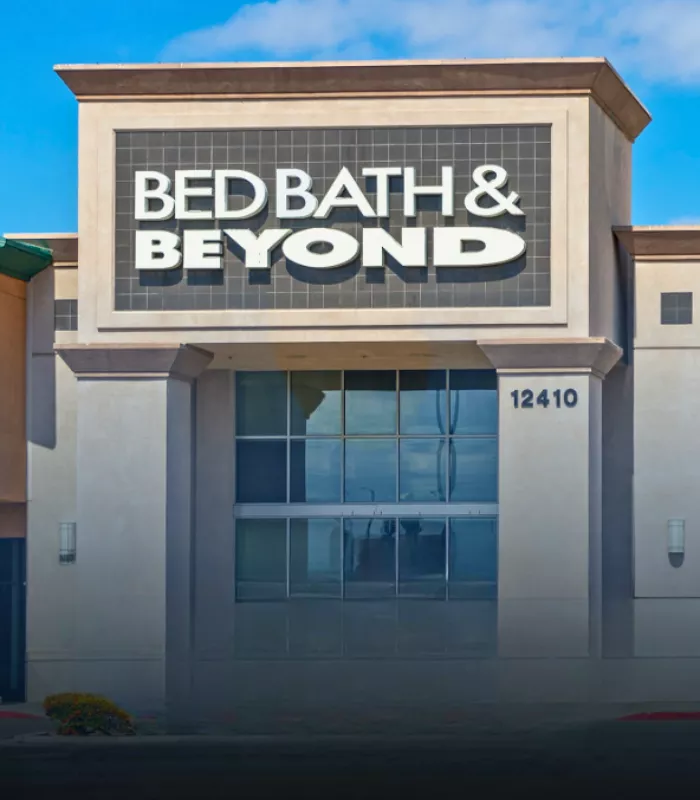
Bed Bath & Beyond filed for bankruptcy in April 2023 and closed all 360 stores nationwide after years of decline. The home goods retailer struggled with substantial debt.
The company made challenging business decisions for years before collapsing. Customers complained about cluttered stores.
Management struggled to compete effectively. Amazon and Target offered different pricing and shopping experiences.
12. Rite Aid, Arkansas
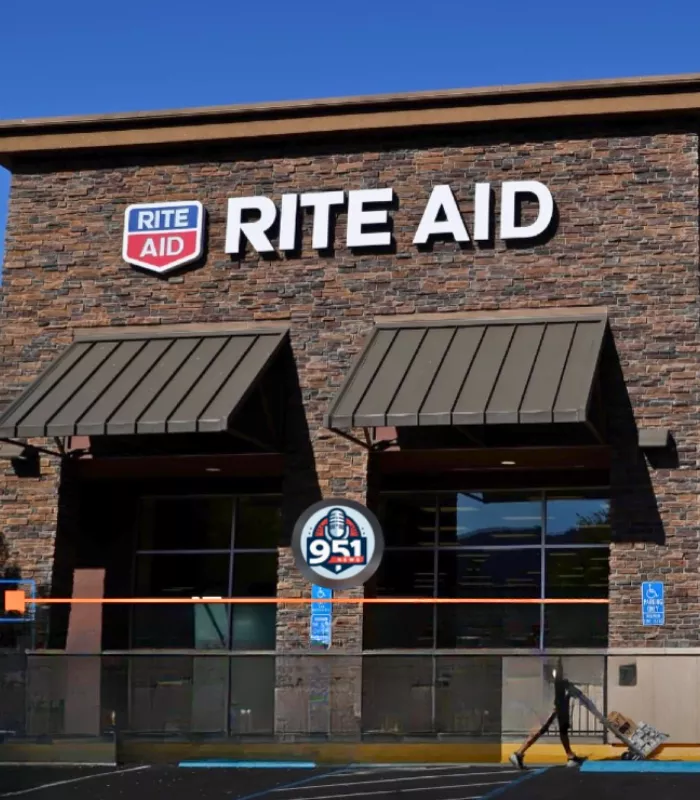
Rite Aid filed for bankruptcy and began closing remaining stores in 2025. The pharmacy chain once operated nearly 5,000 locations but couldn’t manage mounting debt and competition.
The company has marked more than 1,000 locations for closure since filing for bankruptcy. Even after closing hundreds of stores, Rite Aid couldn’t recover.
Customers transferred their prescriptions to CVS, Walgreens, Kroger, and other competitors as stores shut down. The company cited rapid changes in retail and healthcare.
13. JCPenney, Arkansas

JCPenney filed for bankruptcy in May 2020 and closed around 200 stores during restructuring. The company continues operating as it works to stabilize.
Store conditions vary by location. Some customers report operational challenges and outdated systems.
The company continues post-bankruptcy operations while managing reduced store count. JCPenney closed 242 locations as part of its bankruptcy reorganization.
14. Rue21, Arkansas
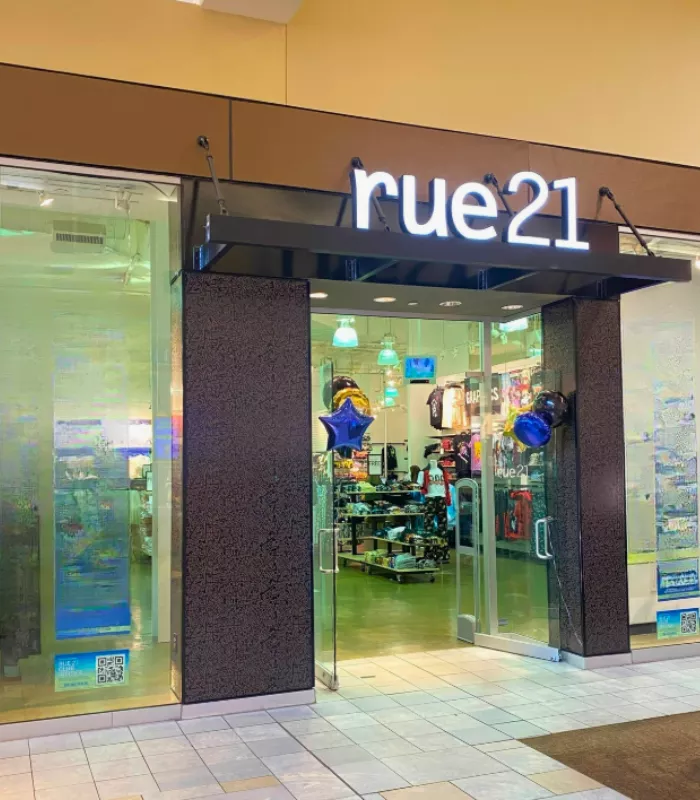
Rue21 filed for bankruptcy three times in its history before finally closing all 540 stores in 2024. The teen fashion retailer shut down completely after nearly five decades in business.
The company once operated 1,200 stores at its peak just a few years earlier. Mounting debt and shifting shopping habits affected the business.
Rue21 tried expanding during the pandemic but faced challenges. Online shopping and competition from fast-fashion websites changed the mall-based retail landscape.
15. Foot Locker, Arkansas
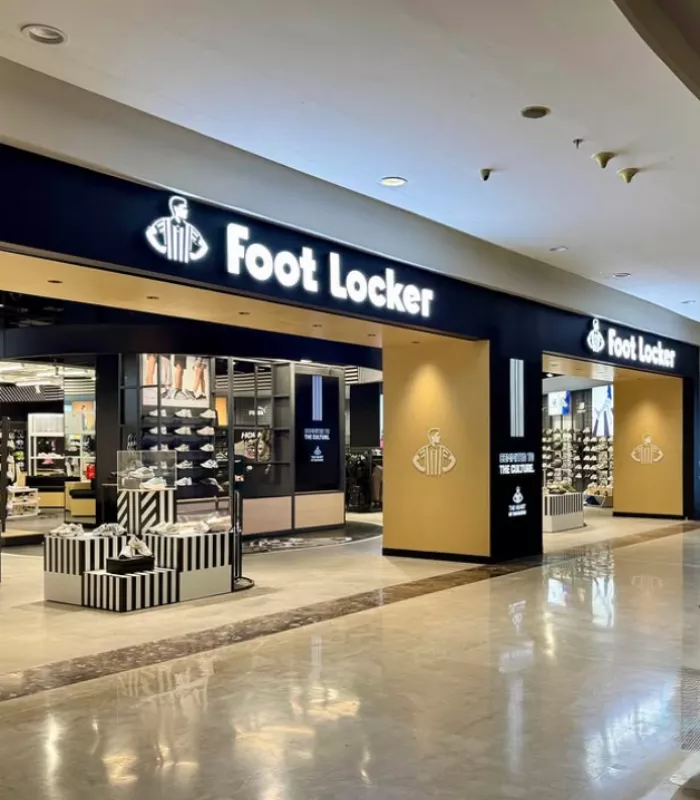
Foot Locker announced plans to close 400 stores in struggling malls across the country starting in 2023. The athletic shoe retailer planned additional changes through 2026 as it restructures.
Malls where Foot Locker operates have lost foot traffic for years. The company is shifting focus toward standalone stores.
Nike and other brands started selling directly to customers online. The retailer adjusted its strategy when mall shopping patterns changed.
16. RadioShack, Arkansas
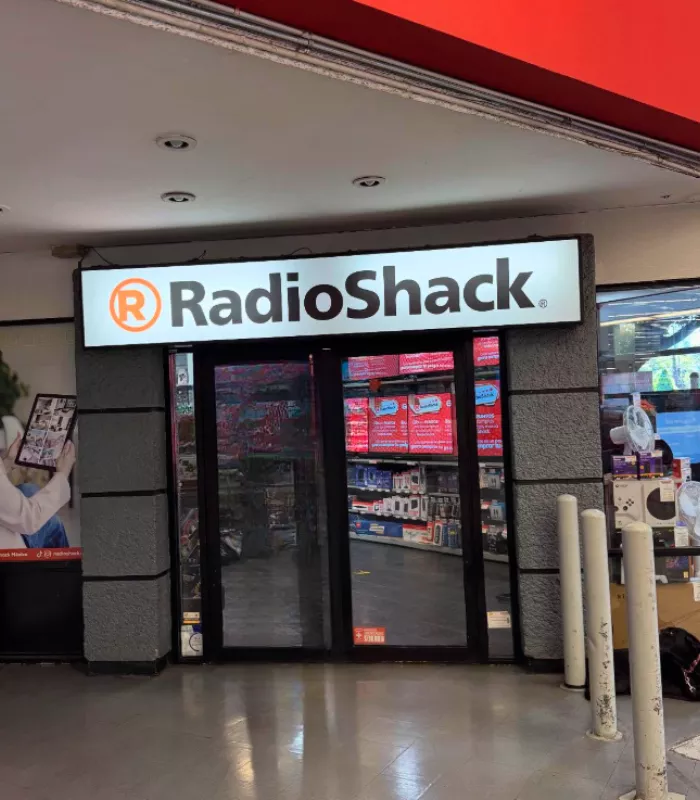
RadioShack filed for bankruptcy in February 2015 after losing significant value over several years. The electronics retailer struggled with substantial debt.
The company had many stores positioned close together. This strategy affected profitability.
RadioShack faced challenges when electronics shopping moved online. Amazon and eBay changed the brick-and-mortar retail landscape.
17. Macy’s, Arkansas
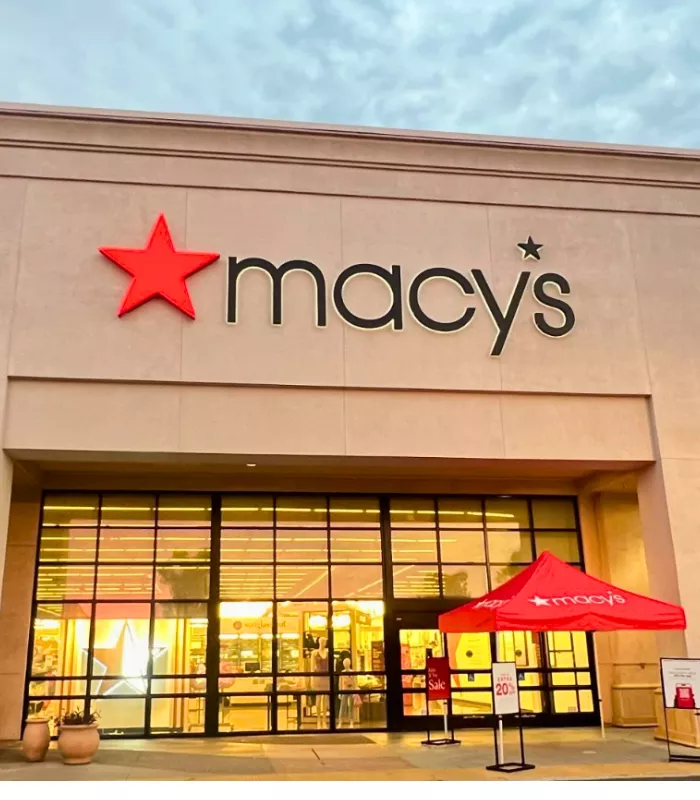
Macy’s has been closing stores steadily for years as department store shopping declines nationwide. The chain shut down multiple locations in 2025 as part of ongoing restructuring efforts.
Regional malls where Macy’s operates face challenges. When anchor stores close, it affects neighboring retailers.
The department store model faces competition. Customers increasingly shop online or at discount stores.