

There is a fine line between a vacation and a very scenic way to drain your savings account. The Bahamas walks that line like a professional.
The water is turquoise. The weather is perfect. The pricing on some things? Absolutely criminal.
Americans over 50 have worked too hard and waited too long for a trip like this to fall for the obvious stuff.
A beautiful destination and a bad deal are not mutually exclusive.
1. The Nassau Straw Market

The Nassau Straw Market is one of the most visited spots in the Bahamas.
But here’s the catch: most of the “handmade” goods are mass-produced overseas.
Vendors are known for very aggressive sales tactics. Prices start sky-high. You are expected to haggle hard just to get a fair deal.
The market draws thousands of cruise ship passengers every single week.
That kind of foot traffic gives vendors very little reason to lower their prices.
Many items sold here are identical to what you would find in souvenir shops across the Caribbean.
If you do visit, bring cash and be ready to walk away. That is usually when the real price appears.
Why It’s On This List: Tourists routinely overpay for trinkets that are not locally made. First-time visitors often feel pressured into buying something they do not want.
2. Atlantis Paradise Island Resort
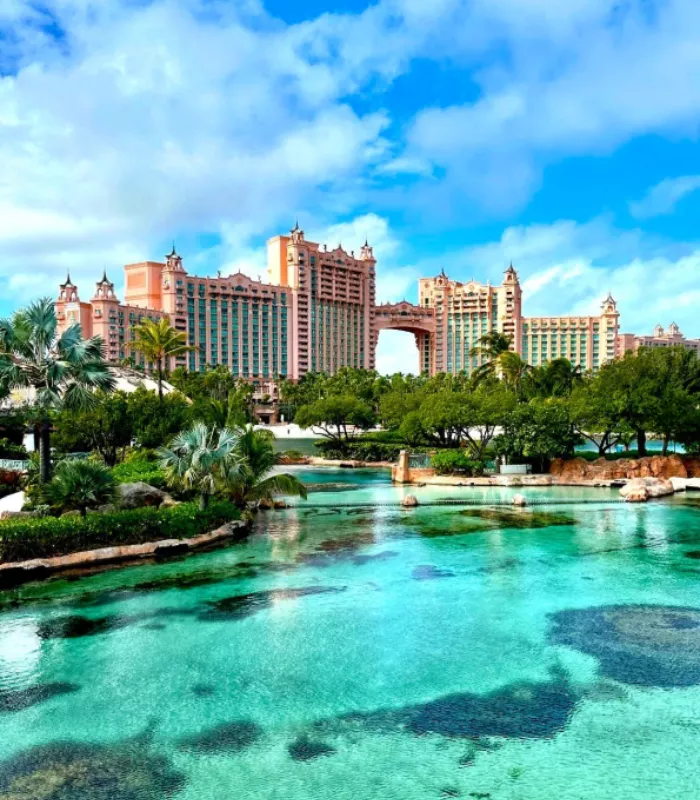
Atlantis is the most famous resort in the Bahamas. The photos look amazing.
The reality? Day passes can cost over $250 per person. Food and drinks inside the resort are priced at a massive premium.
Many visitors over 50 find the crowds overwhelming. The resort caters mostly to families with young children. That is a very different vibe from a relaxing getaway.
The resort spans 141 acres and includes a waterpark, casino, and dozens of restaurants.
Sounds impressive until you realize you are sharing all of it with thousands of other tourists on any given day.
Parking, dining, and even some beach areas come with extra charges that add up fast.
There are smaller boutique resorts on nearby islands that offer far more peace and privacy for less money.
Why It’s On This List: You are paying luxury prices for a theme-park atmosphere. There are quieter, more beautiful spots nearby that cost a fraction of the price.
3. Cruise Port Shopping in Nassau
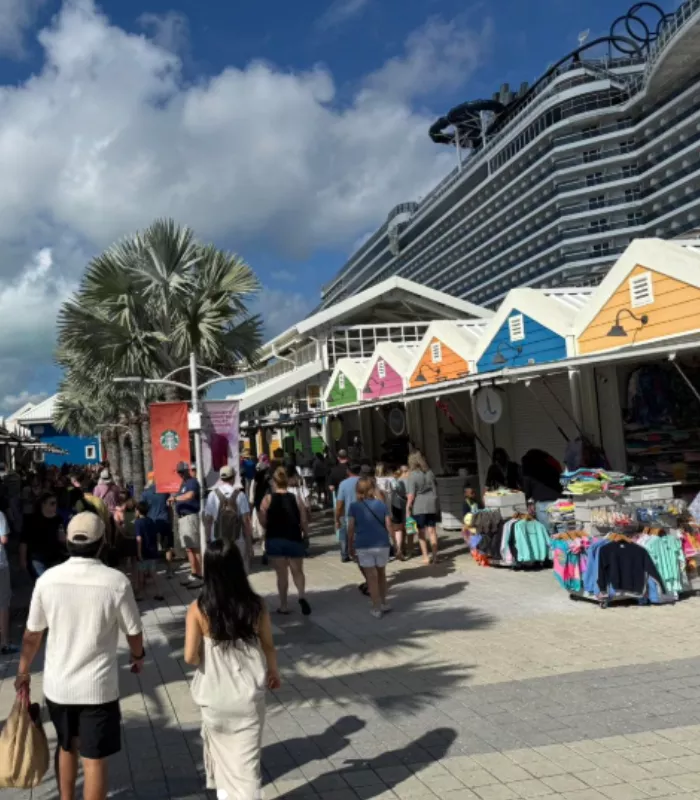
The shops right outside Nassau’s cruise port look convenient. That is the whole idea.
Jewelry stores, souvenir shops, and tour operators near the port charge top dollar. They know you only have a few hours.
Prices near the port can be 30 to 50 percent higher than just a few blocks away. That’s why savvy travelers always walk past the port area before spending a single dollar.
Nassau’s cruise port is one of the busiest in the entire Caribbean, welcoming millions of visitors each year.
With that much turnover, shops near the terminal do not need repeat customers. They just need you today.
The same conch shell, the same bottle of rum, the same T-shirt — all available cheaper just a short walk inland.
Give yourself 10 extra minutes and a comfortable pair of shoes. It is worth every step.
Why It’s On This List: These shops are designed to capture tourists quickly. You will almost always find the same items cheaper if you venture just a little further.
4. Overpriced Jet Ski Rentals
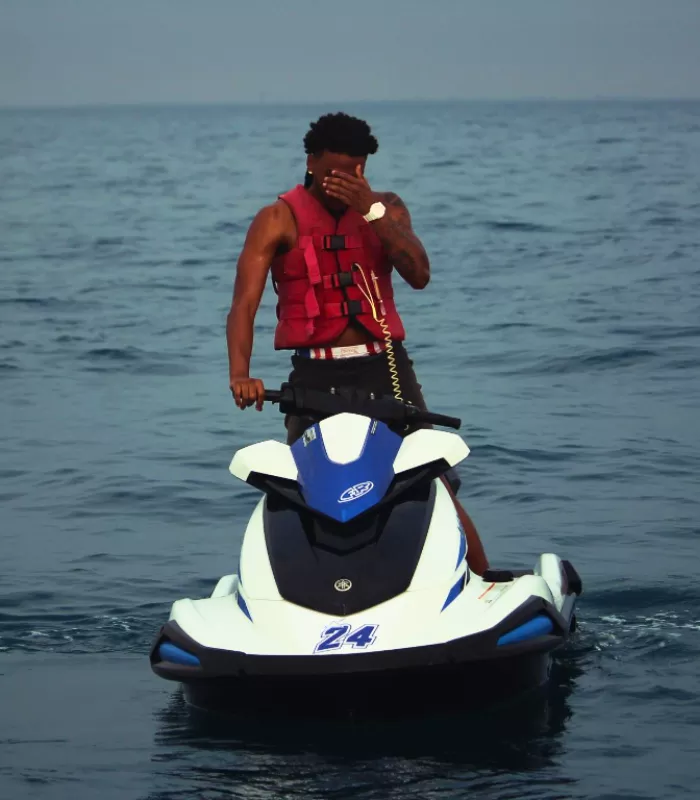
Jet ski operators on Nassau and Paradise Island are notorious for bait-and-switch pricing.
They quote one price, then add hidden fees once you are already on the water.
The U.S. government does not allow its own employees to rent jet skis on New Providence and Paradise Islands. Multiple injuries involving jet skis were reported in recent years. You are better off skipping this one entirely.
Operators often approach tourists directly on the beach with big smiles and low opening prices.
By the time you factor in the “safety deposit,” the “fuel charge,” and the “equipment fee,” the bill looks very different.
Disputes over charges are common, and getting a refund is rarely easy once you are back on shore.
There are far safer and more enjoyable water activities available from licensed operators across the islands.
Why It’s On This List: Safety concerns and pricing tricks make this one of the biggest traps in the Bahamas for American tourists.
5. “Authentic” Bahamian Food Near Tourist Zones
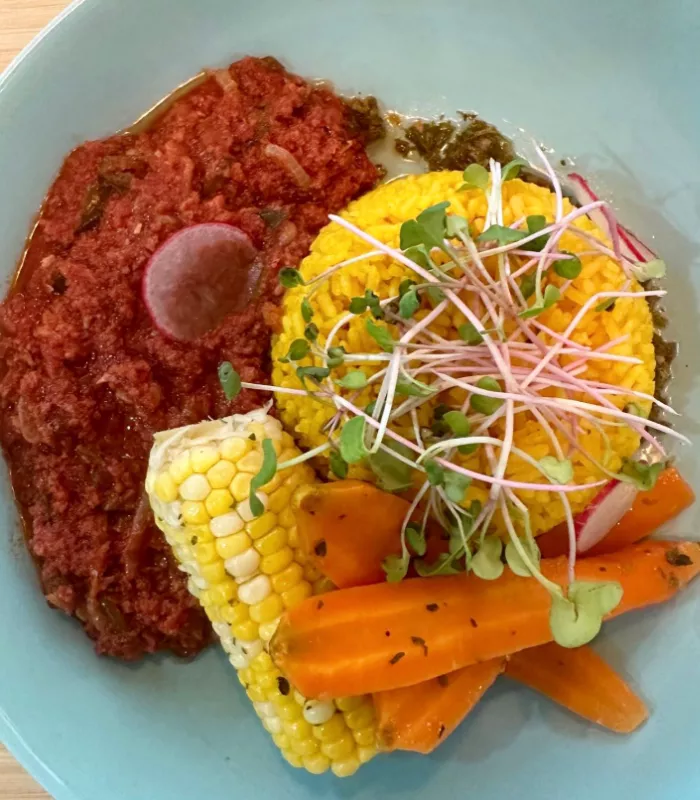
Restaurants right next to the big resorts and cruise terminals claim to serve authentic Bahamian food.
Most of them serve the same frozen seafood and generic Caribbean dishes you could find anywhere.
I made a classic mistake on my first trip and paid $40 for a plate of conch fritters that tasted like they came from a bag. Real Bahamian food is out there. You just have to walk a few extra minutes to find it.
Genuine Bahamian cuisine features fresh conch, grilled fish, peas and rice, and johnnycake baked the same day.
None of that requires a waterfront view or a printed menu with stock photos.
Local joints in residential neighborhoods often serve the best food on the island at a quarter of the resort price.
Ask a local where they actually eat. That answer will never steer you wrong.
Why It’s On This List: Tourists pay premium prices for a watered-down experience. Local spots off the main strip serve far better food for half the cost.
6. Resort-Booked Shore Excursions
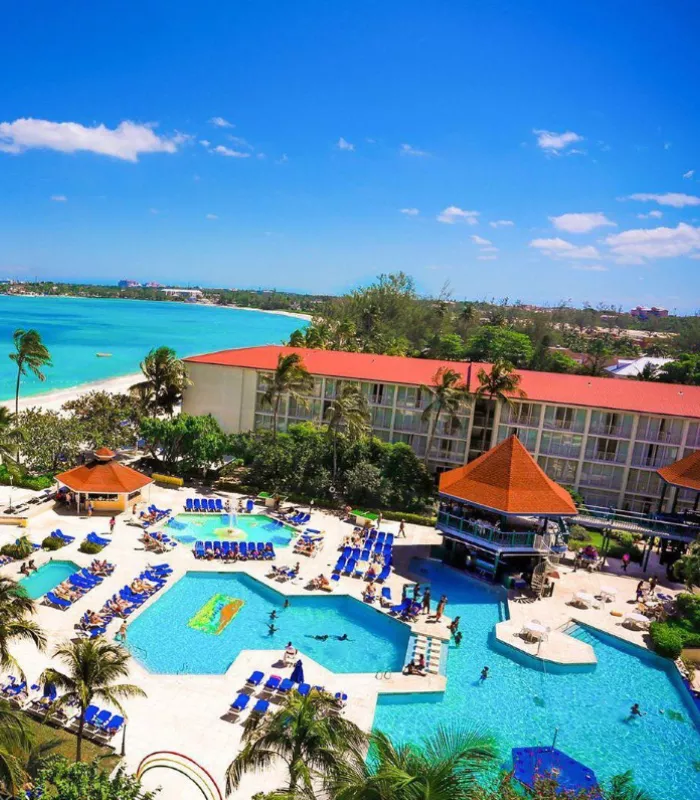
Booking tours directly through a resort or cruise line sounds safe and easy.
But those same tours are often marked up by 40 to 60 percent compared to booking locally.
The exact same boat tour, snorkeling trip, or island excursion is usually available from a local operator for much less. That’s why it pays to do a little research before you arrive.
Resort excursion desks are designed for convenience, not value. You are paying for the ease of one-stop booking.
Independent local operators offer smaller groups, more personal experiences, and guides who actually grew up on the islands.
Websites like TripAdvisor and Viator list hundreds of Bahamas tours with real traveler reviews to help you compare.
Spending 20 minutes researching before your trip can easily save you $100 or more per person.
Why It’s On This List: Convenience comes at a steep price. Resort-booked excursions often feel rushed and overcrowded compared to smaller, independent operators.
7. Cable Beach Hotel Strip
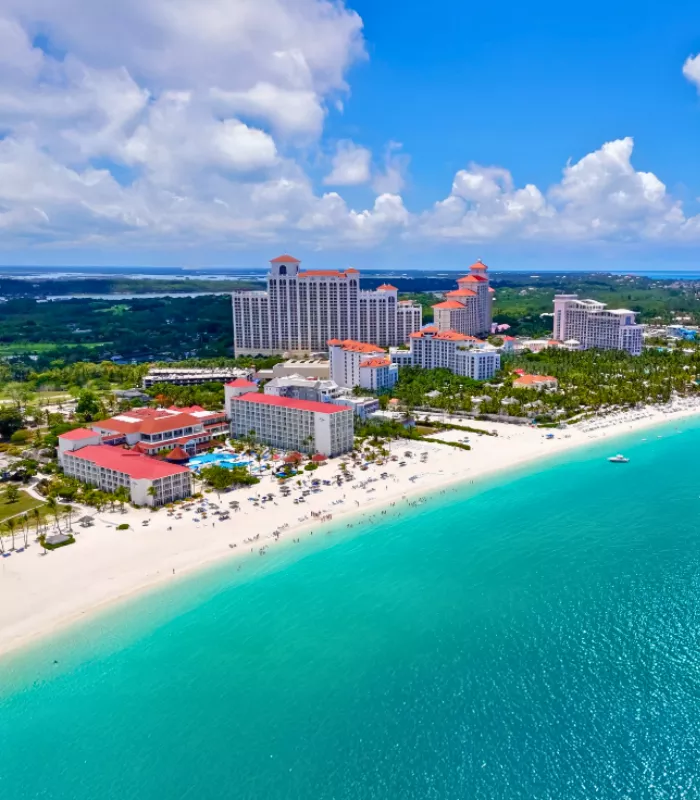
Cable Beach looks beautiful in the brochures. The big hotels here dominate the shoreline.
Many of these resorts charge resort fees on top of already high room rates. Those fees can add $50 to $100 per night to your bill.
Amenities are often shared with hundreds of other guests. The beach itself gets very crowded. Always ask about resort fees before you book.
Resort fees are often not shown clearly on booking sites until you are almost at the checkout stage.
A room advertised at $199 a night can quietly become $280 once all the fees are added in.
Some hotels charge separately for Wi-Fi, beach chairs, and even use of the fitness center.
Reading the fine print before you confirm your reservation is the single best way to avoid an unpleasant surprise at checkout.
Why It’s On This List: Hidden fees and overcrowded facilities catch many American travelers off guard, especially those used to straightforward hotel pricing back home.
8. “Free” Timeshare Presentations
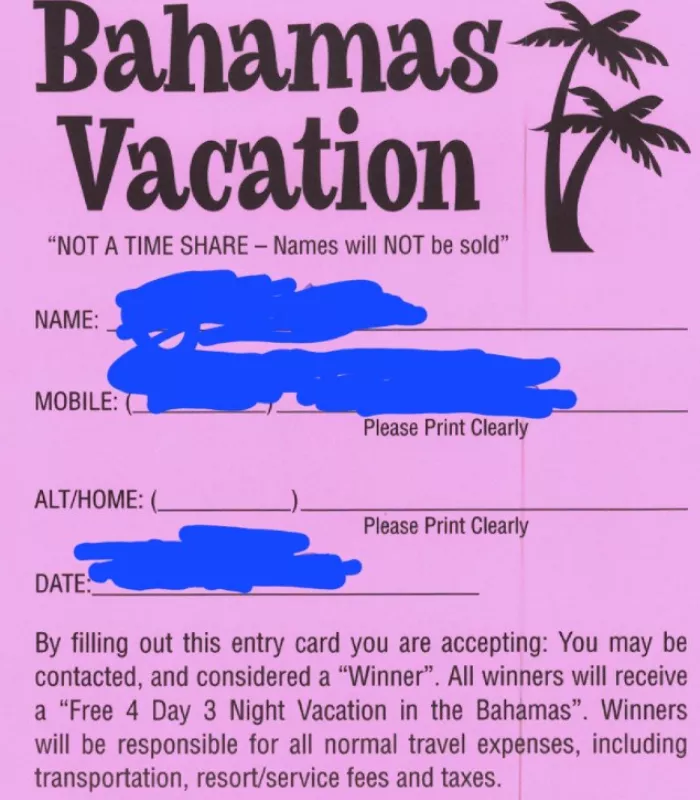
You have probably seen this one before. Someone offers you a free breakfast, a free tour, or a gift card.
All you have to do is sit through a “short” presentation. Those presentations rarely last less than two to three hours.
High-pressure sales tactics are common. Many travelers over 50 are specifically targeted because they are seen as more likely to buy. There is no such thing as a free lunch in the Bahamas timeshare world.
Sales teams are trained to be persistent, friendly, and very hard to say no to.
The gifts offered upfront are often far less valuable than advertised once you read the conditions attached.
Timeshare contracts are notoriously difficult to exit, and maintenance fees can climb every single year.
The best response to any “free gift” offer tied to a presentation is a polite but firm no thank you.
Why It’s On This List: What starts as a free gift can turn into hours of stress and thousands of dollars in unwanted commitments.
9. Overpriced Water Taxis
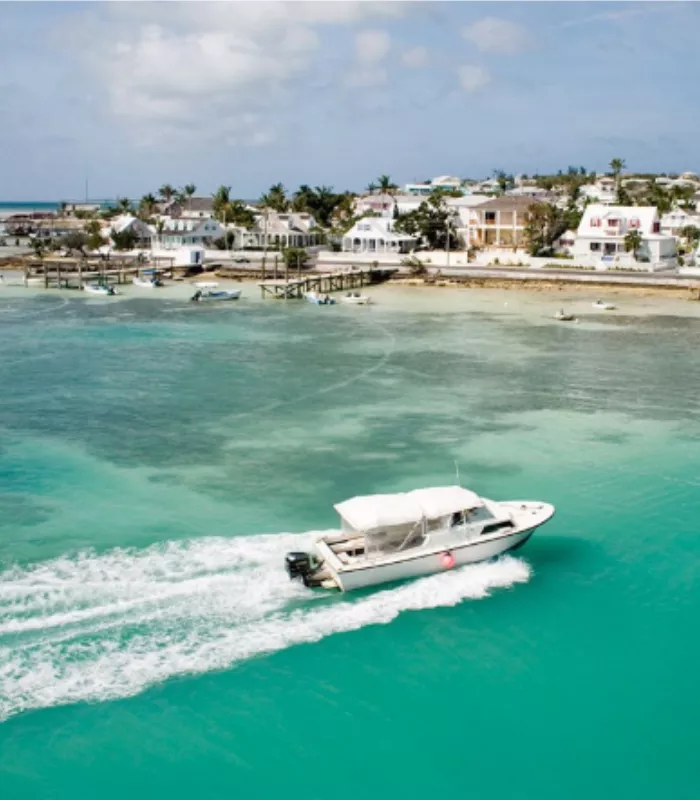
Water taxis between Nassau and Paradise Island are a popular way to get around.
But many operators do not post their prices clearly. Tourists often pay two to three times the going rate simply because they do not know what to ask.
The official water taxi fare is just a few dollars each way. Always confirm the price before you step on board. Do not assume the first number you hear is the real number.
The ride itself takes only a few minutes, which makes overpaying for it even more frustrating in hindsight.
Some operators will quote higher prices to tourists who look uncertain or who do not ask upfront.
Confidence goes a long way here. Ask the price directly, repeat it back, and confirm before boarding.
Locals use the same water taxis every day and pay a fraction of what uninformed tourists are charged.
Why It’s On This List: Unclear pricing and aggressive operators make this a common money drain for first-time visitors to Nassau.
10. Exuma Swimming Pigs Tour (Budget Operators)
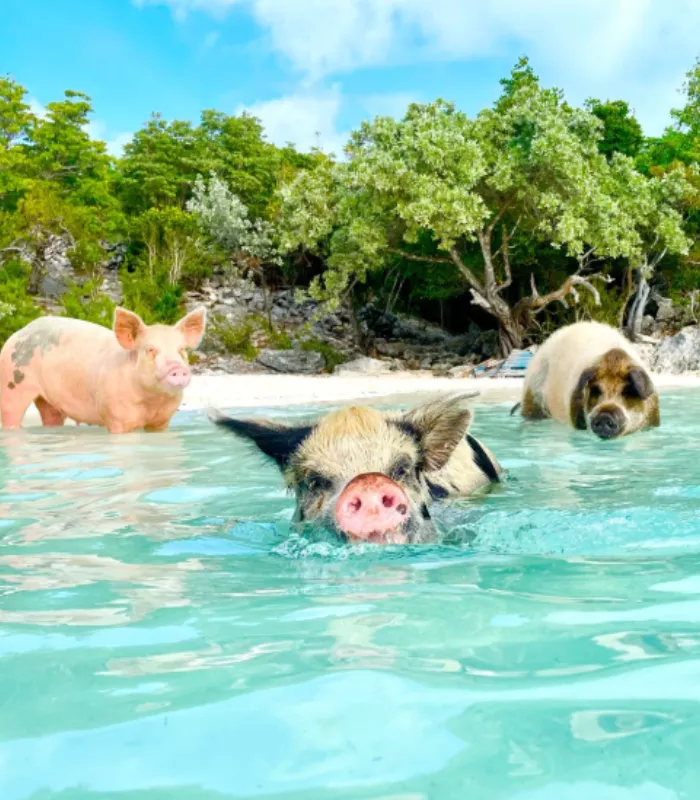
Swimming with the famous Bahamian pigs is a bucket-list experience for many visitors.
But not all tour operators are equal. Some budget operators pack 30 or more tourists onto a single boat.
The pigs can be aggressive, especially around food. Cheaper tours often skip safety briefings. Book with a reputable, small-group operator and read recent reviews carefully before you pay a deposit.
The swimming pigs of Big Major Cay have become one of the most photographed attractions in the entire Caribbean.
That popularity means the beach can get dangerously crowded during peak season with back-to-back tour boats arriving.
Children and older adults have been nipped or knocked over by hungry pigs when tours are poorly managed.
A quality operator will limit group size, provide guidance on safe interaction, and make the whole experience genuinely memorable.
Why It’s On This List: A dream experience can quickly turn into a crowded, chaotic mess if you book with the wrong company. Price is not always a guide to quality here.
11. Airport Currency Exchange Kiosks
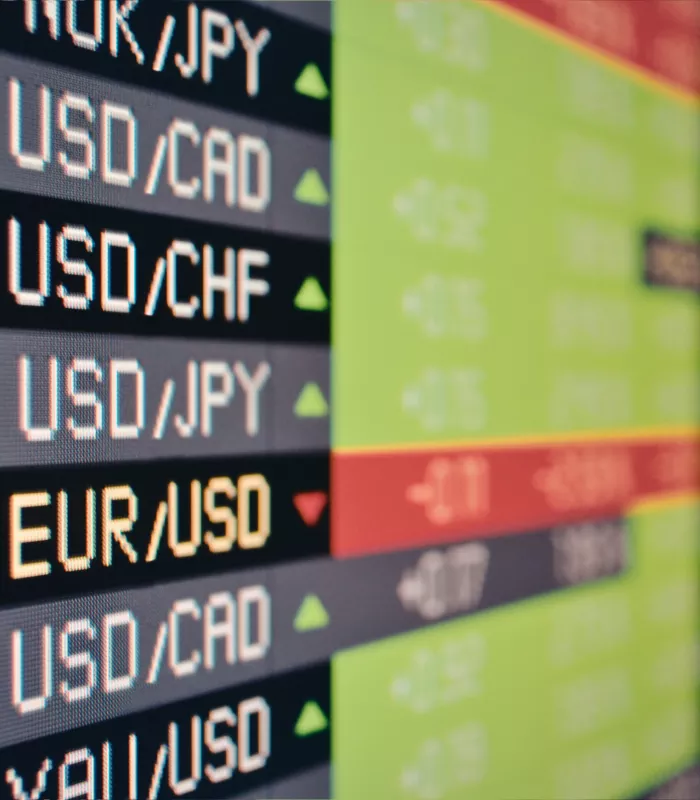
When you land in Nassau, those currency exchange booths look very handy.
But here is the deal: the exchange rates at airport kiosks are among the worst you will find anywhere.
The Bahamian dollar is pegged 1-to-1 with the U.S. dollar, so Americans do not actually need to exchange money at all. U.S. dollars are accepted everywhere in the Bahamas. Skip the exchange booth entirely.
This is one of the most unique financial advantages American travelers have in the Bahamas compared to other destinations.
No conversion fees, no confusing exchange rates, no fumbling with unfamiliar bills at a restaurant.
Credit cards are also widely accepted at hotels, restaurants, and most tour operators across the main islands.
The only time you might need small local bills is at very informal roadside stands, and even then, U.S. dollars are usually welcome.
Why It’s On This List: Many Americans lose money exchanging currency they do not even need. This is one of the easiest traps to avoid once you know about it.
12. Overpriced Spa Services at Big Resorts
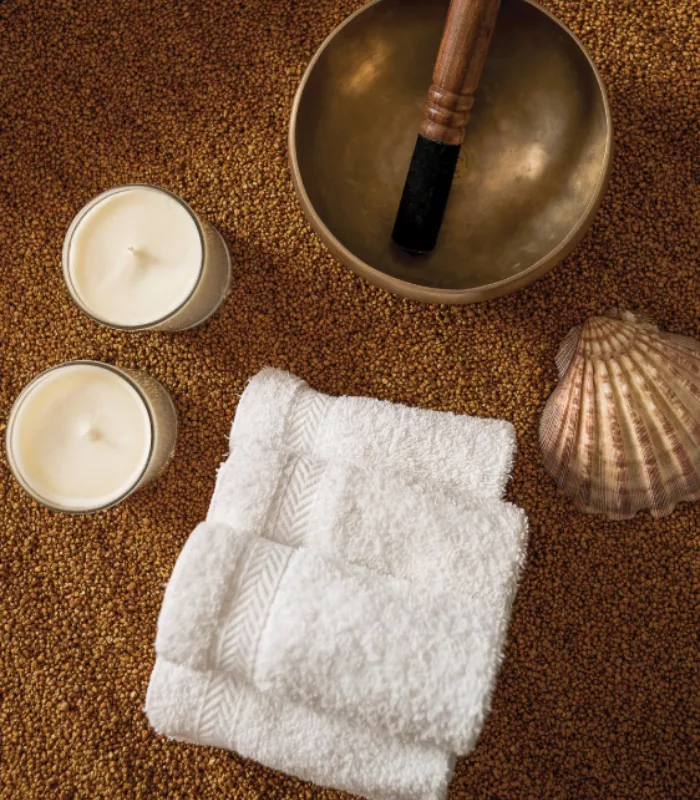
A relaxing spa day sounds perfect after a long flight. The big resort spas in Nassau are gorgeous.
But prices can run $200 to $400 for a basic massage or facial. The same quality treatment is available at local day spas for a fraction of that price.
Many independent spas near the tourist areas offer the same experience without the resort markup. Do a quick search before you book through your hotel. Your wallet will thank you.
Resort spas bank on the fact that most guests will not bother looking for alternatives once they have checked in.
They also add gratuity automatically, which can tack another 20 percent onto an already steep bill.
Local day spas often use the same techniques, the same products, and in many cases the same trained therapists.
Booking a spa appointment outside the resort is one of the simplest ways to save $100 or more on a single afternoon.
Why It’s On This List: Resort spa pricing is designed for visitors who do not know their options. A little planning ahead saves a lot of money on what should be a relaxing treat.