

A small kitchen is not the problem. What you did with it is.
We have all stood in a tiny kitchen, elbow-deep in a cabinet, wondering where the lid to that pot went.
Spoiler: it is behind the thing you never use, next to the thing you forgot you owned.
Kitchen chaos is not a space problem. It is an organizational problem dressed up in a small room.
The smallest kitchens in the world feed entire families. The difference is how they are set up.
1. Storing Pots and Pans in a Deep Cabinet
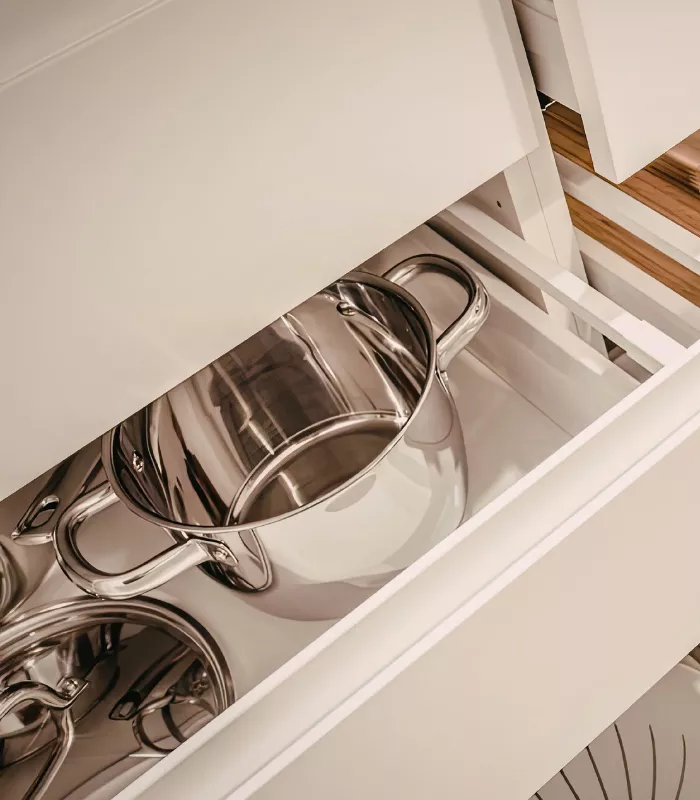
Deep cabinets look spacious. But they are a trap.
You end up stacking pots on top of each other. Then you have to unstack everything just to reach the one on the bottom.
This wastes time and strains your back. For anyone over 50, bending and lifting heavy pots is not a small thing.
A simple pot rack mounted on the wall keeps everything visible and within easy reach.
Pull-out drawer organizers inside deep cabinets are another great fix that costs very little.
Hanging hooks on the inside of a cabinet door can hold lids so they stop sliding around.
The less you have to dig, the more you will actually enjoy cooking.
Why It’s On This List: Studies show that deep, unorganized cabinets are one of the top reasons people give up on cooking at home. A pot rack or pull-out drawer organizer can cut your search time in half.
2. Keeping Appliances You Never Use on the Counter
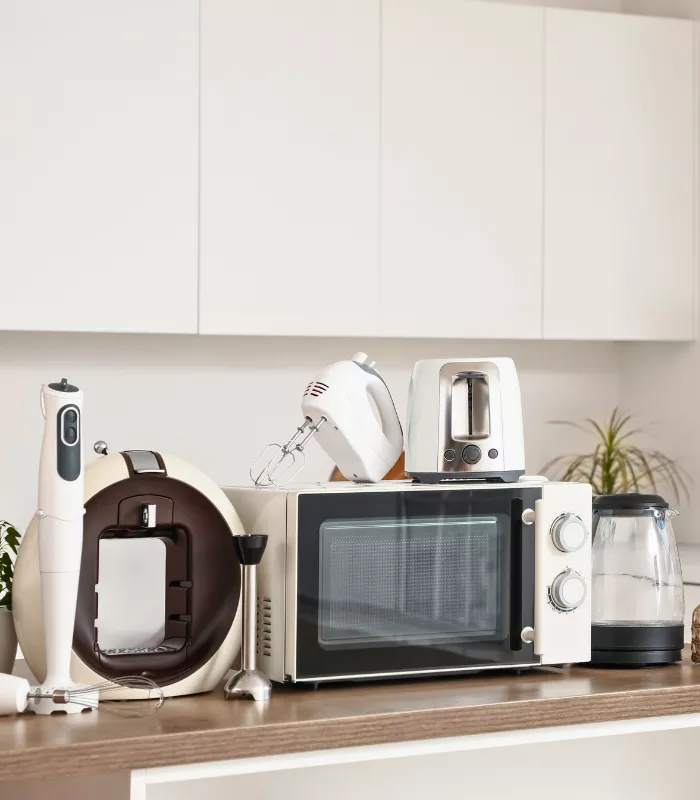
That bread maker has been sitting there for three years.
Every unused appliance on your counter takes away workspace. In a small kitchen, counter space is gold.
You’re better off storing rarely used items in a closet or donating them. Free up the counter for the things you actually use every day.
Ask yourself honestly: Did I use this in the last six months?
If the answer is no, it does not deserve prime counter real estate.
A clear counter also makes it easier to wipe down surfaces and keep things clean.
Less clutter on the counter means less stress every time you walk into the kitchen.
Why It’s On This List: The average American kitchen has 7 to 9 small appliances. Most households only use 2 or 3 of them regularly. Clearing the extras can make your kitchen feel twice as big.
3. Ignoring the Space Above Your Cabinets
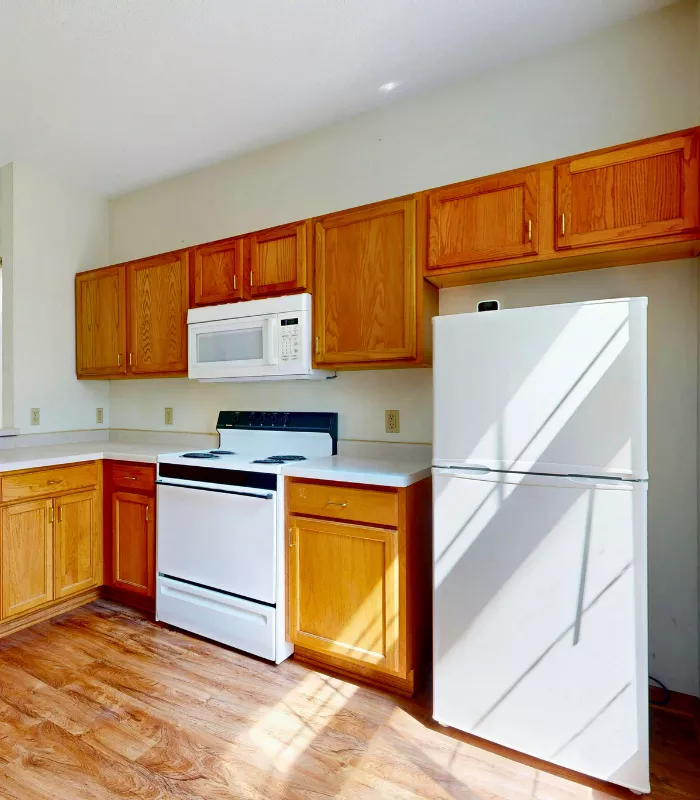
That gap between your cabinets and the ceiling is wasted space.
Most people put decorations up there. But you can use it for storage instead.
Baskets and bins on top of cabinets are perfect for seasonal items like holiday cookie tins or extra serving dishes you only need a few times a year.
Label each basket, so you know what is inside without pulling it down.
Use a small step stool to access items safely rather than stretching or reaching too high.
Matching baskets also look tidy and intentional rather than cluttered.
It turns an overlooked gap into one of the smartest storage spots in your kitchen.
Why It’s On This List: In a small kitchen, every square foot matters. The space above cabinets can hold up to 10 to 15 extra items without costing you a single dollar in renovation.
4. Putting Everything in One Junk Drawer
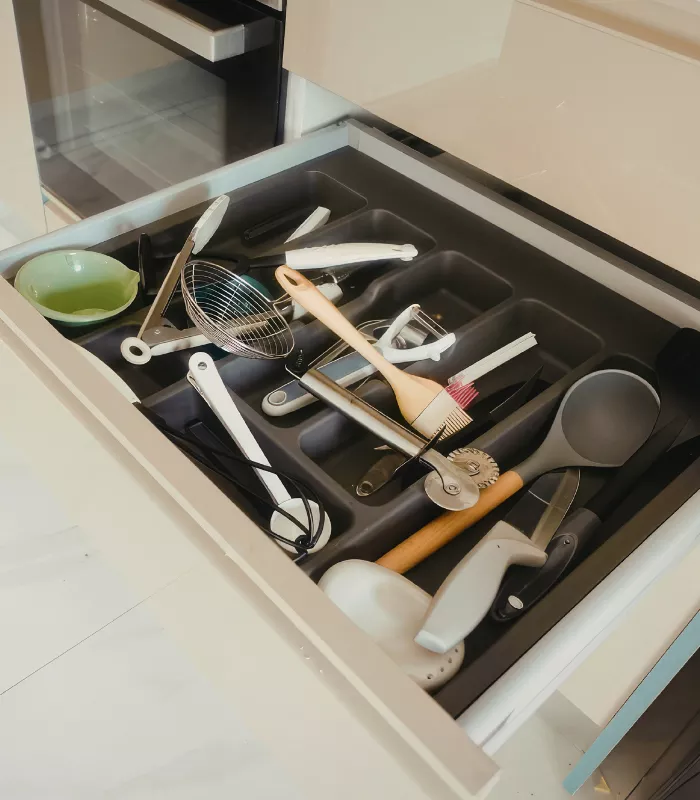
Every kitchen has a junk drawer. But here’s the catch: one is fine. Two or three is a problem.
When a drawer becomes a dumping ground, you lose track of everything inside it.
Take 20 minutes to sort through it. Use small dividers or trays to give each item a home. You will be amazed at how much time you save not digging around.
Throw out anything broken, expired, or that you cannot identify.
Group similar items together, batteries in one spot, rubber bands in another.
A divided drawer tray costs just a few dollars and completely changes how the drawer functions.
Once it is organized, make a rule that everything gets put back in its spot.
Why It’s On This List: The average person spends 2.5 days per year looking for lost items at home. A big chunk of that happens in the kitchen. A simple drawer organizer can win that time back.
5. Storing Spices in Random Places
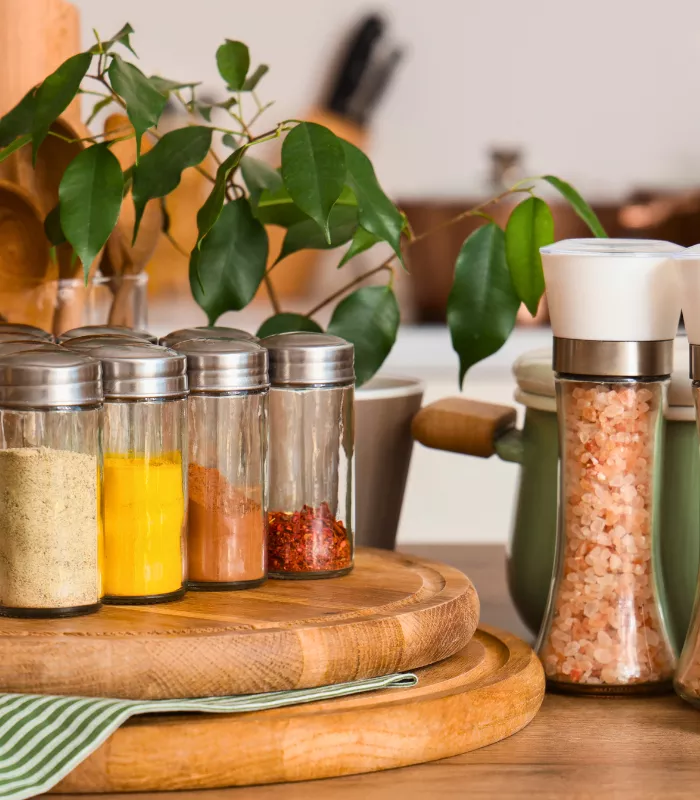
Spices are in three different cabinets. Some on the counter. Some are in a drawer.
Sound familiar? That’s why cooking feels harder than it should.
Keep all your spices in one spot. A simple tiered rack inside a cabinet door or a small lazy Susan on the counter keeps them visible and easy to grab.
Alphabetizing your spices sounds fussy, but it saves real time when you are in the middle of cooking.
Check expiration dates while you are at it. Old spices lose their flavor and take up space.
Uniform spice jars make the whole setup look clean and are easier to read at a glance.
Having one dedicated spice zone also stops you from buying duplicates by accident.
Why It’s On This List: The average home cook owns around 40 different spices but only uses about 12 of them regularly. Organizing them in one place also helps you avoid buying duplicates by accident.
6. Using Shelves Without Adjusting Their Height
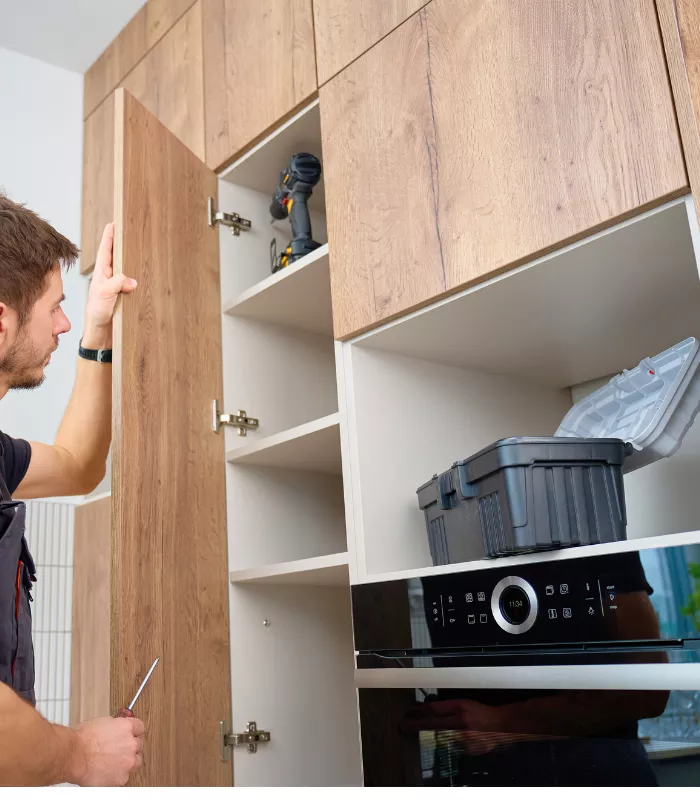
Factory shelf heights are set for a general audience, not for your specific dishes and cups.
If your shelves are too far apart, you waste the empty air between your items. If they are too close, things do not fit.
Most kitchen cabinets have adjustable shelf pegs. Take five minutes to move them. Match the shelf height to what you are actually storing there.
Group items of similar height on the same shelf to make the most of every inch.
Tall items like blenders or pitchers often need just one shelf adjusted to fit perfectly.
This one change can sometimes double the number of items a single cabinet holds.
It costs nothing and takes almost no time, which makes it one of the easiest wins in kitchen organization.
Why It’s On This List: Adjusting shelf height is one of the easiest and cheapest ways to double your usable cabinet space. No tools needed in most cases.
7. Keeping Dishes You Never Use
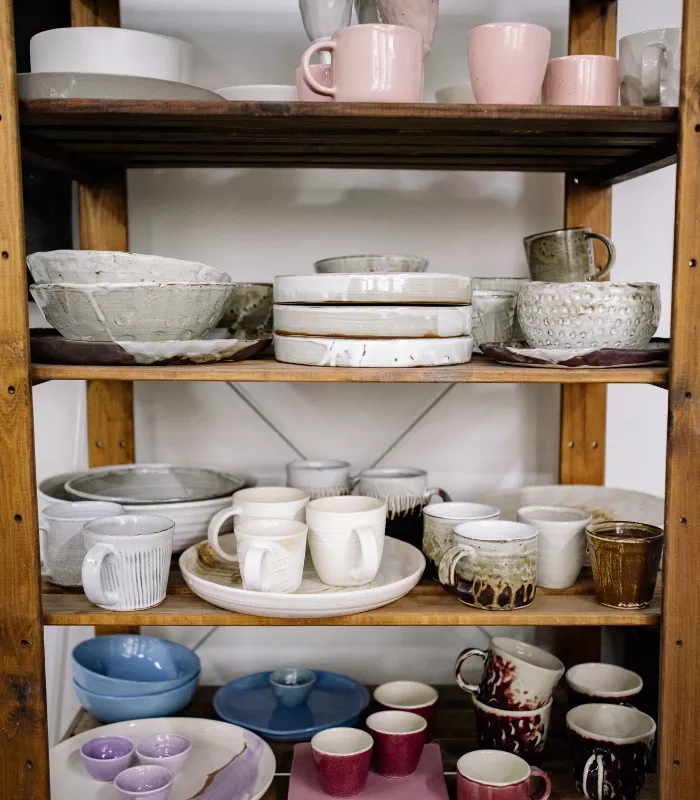
I made a classic mistake when I downsized my kitchen. I kept every dish “just in case.”
Those extra place settings took up two full shelves. I used them maybe once a year.
If you have not used it in a year, let it go. Donate it. Give it to a grandchild. Your cabinets will breathe again.
Chipped or cracked dishes are easy to let go of. Start there if the process feels overwhelming.
You can always borrow or buy extra dishes for a big gathering rather than storing them year-round.
Fewer dishes also means less washing, less stacking, and less cabinet digging.
Keeping only what you love and use regularly makes every meal feel a little more special.
Why It’s On This List: Decluttering dishes is one of the fastest ways to reclaim kitchen storage. Most households need no more than 4 to 6 place settings for daily use.
8. Placing Heavy Items on High Shelves
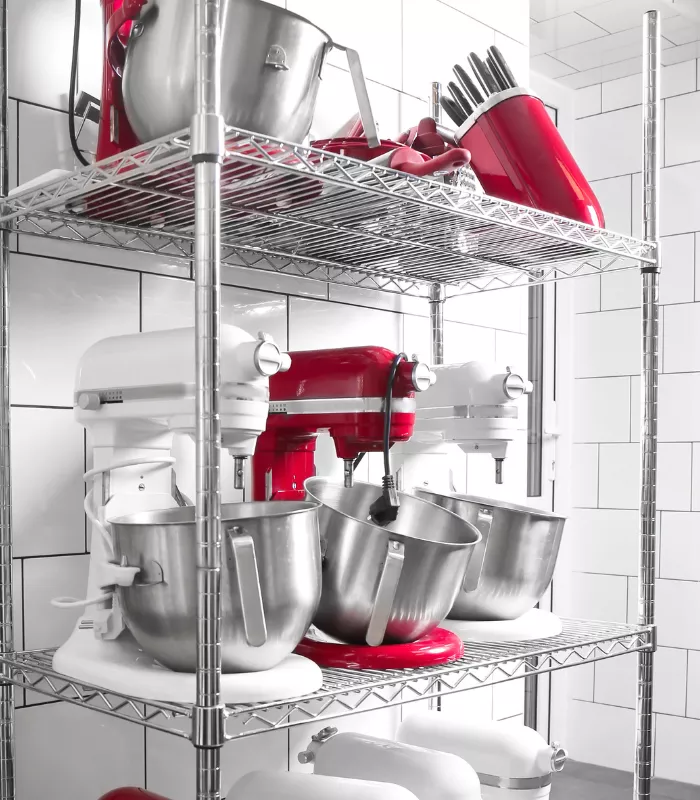
Heavy pots and baking dishes do not belong on the top shelf.
Reaching up and pulling down something heavy is a real safety risk. It is one of the most common causes of kitchen injuries for adults over 50.
Store heavy items at waist height or below. Save the high shelves for light things like plastic containers, paper towels, or snack bags.
Cast iron pans, large stockpots, and glass baking dishes are the biggest offenders to move down.
A lower cabinet with a pull-out shelf is ideal for heavy cookware.
If you are unsure whether something is too heavy for a high shelf, trust that instinct.
Your safety in the kitchen is more important than any storage shortcut.
Why It’s On This List: Falls and strains from reaching overhead are more common in the kitchen than most people think. Rearranging your shelves by weight is a simple change that protects your safety every single day.
9. Not Using the Inside of Cabinet Doors
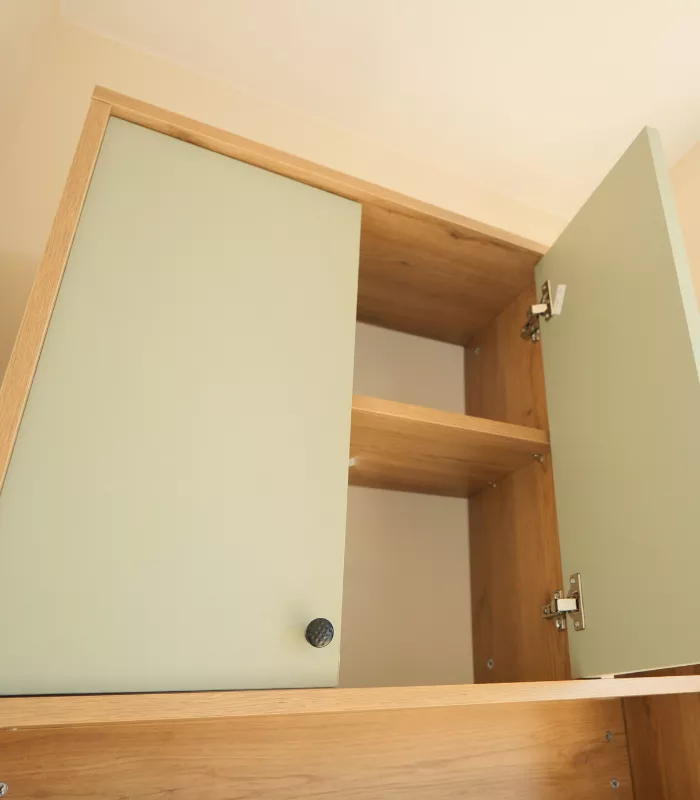
The inside of a cabinet door is a blank wall you are not using.
You can hang small racks, hooks, or pockets there for spices, lids, cutting boards, or cleaning supplies.
This one change can free up several inches of shelf space without buying new furniture or doing any remodeling.
Over-the-door spice racks are especially useful inside a pantry or baking cabinet.
Small hooks on the inside of a lower cabinet door are perfect for pot lids.
Make sure whatever you attach is secure and does not swing open and hit anything when the door closes.
Once you start using door space, you will wonder why you waited so long.
Why It’s On This List: Over-the-door organizers cost as little as 10 to 20 dollars and can add the equivalent of a full extra shelf to your kitchen storage. It is one of the highest-value upgrades for a small kitchen.
10. Grouping Items by Type Instead of by Task
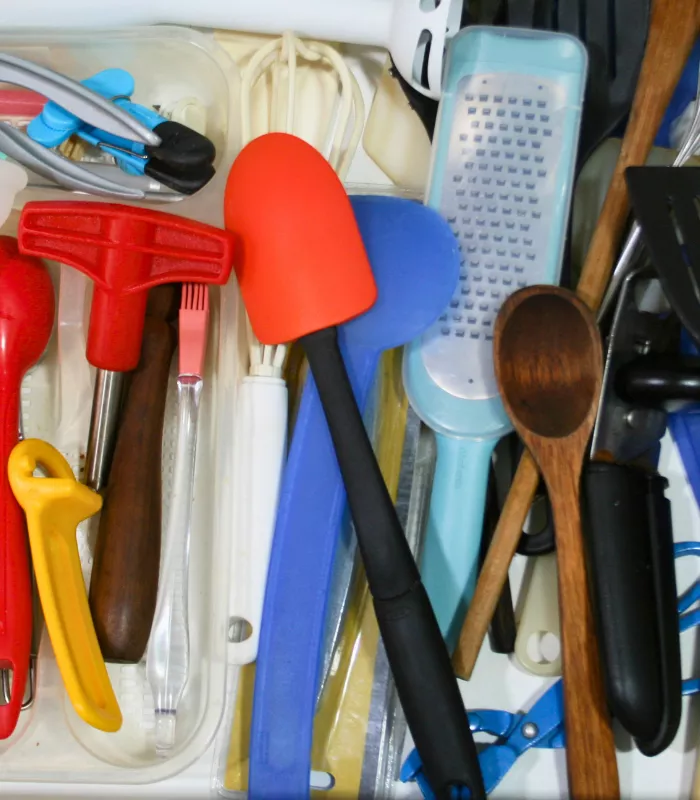
Most people organize by category. All the baking stuff together. All the pots together.
But here’s the deal: Organizing by task works even better in a small kitchen.
Put everything you need for morning coffee in one spot. Keep your pasta-making tools together. Group items by how you cook, not just what they are. You will move faster and feel less stressed.
Think about the meals you make most often and build your storage around those routines.
Your breakfast zone, your baking zone, and your stovetop zone should each have its own space.
This cuts down on the number of steps you take while cooking and keeps your energy focused.
Once you cook this way, going back to the old system will feel like cooking with one hand tied behind your back.
Why It’s On This List: Task-based organization is used in professional kitchens around the world. It reduces the number of steps you take while cooking and makes the whole experience feel smoother and more enjoyable.
11. Stacking Plastic Containers Without Their Lids
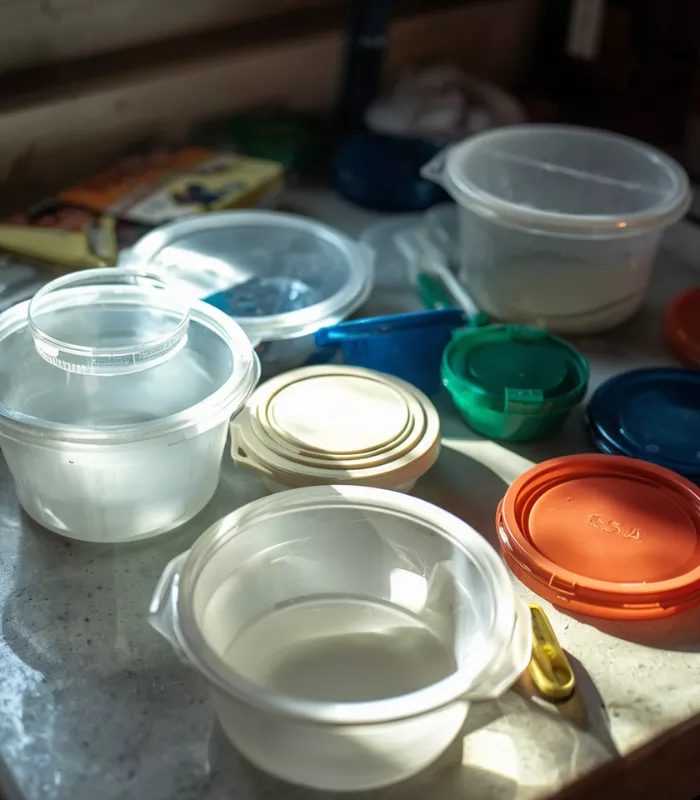
Plastic containers without lids are just clutter in a drawer.
Most people toss the containers in one spot and the lids somewhere else. Then nothing matches when you need it.
Store each container with its lid already on. Yes, it takes up a little more space. But you will never spend five minutes hunting for a matching lid again.
The easiest system is to nest containers by size inside each other, with the lid sitting on top of each stack.
This way, you can see every size at a glance and grab what you need without pulling everything out.
Rectangular containers stack better than round ones and use shelf space more efficiently.
If a container has no lid, that is a sign it is time to let it go.
Why It’s On This List: Mismatched containers are one of the top kitchen frustrations reported by home cooks. Nesting containers by size and keeping lids attached is the single fastest fix for a chaotic cabinet.
12. Never Reassessing How Your Kitchen Is Set Up
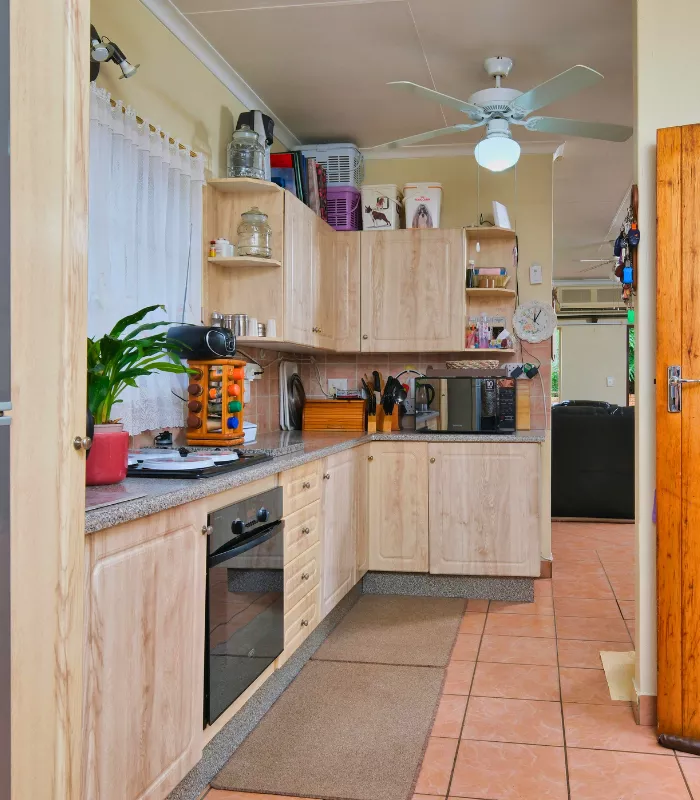
The way you organized your kitchen five years ago may not fit your life today.
Your cooking habits change. Your family size changes. What you eat changes.
But here’s the deal: most people never go back and rethink the layout. They just keep working around a system that stopped making sense a long time ago.
Set a reminder once a year to open every cabinet and ask one simple question: Does this still make sense for how I cook right now?
A kitchen that fits your life takes effort to build. But it takes almost no effort to maintain once you get there.
Start with the cabinet you open most often. If it frustrates you, that is the first one to fix.
You do not have to redo everything in one weekend. Small changes made one cabinet at a time add up fast.
Even moving three items to a better spot can change how a whole kitchen feels to use.
The goal is a kitchen that works with you, not one you have to fight every single day.
Why It’s On This List: Organization experts recommend doing a full kitchen audit at least once a year. Small adjustments made regularly prevent the big overwhelming overhauls that most people dread.